South Africa is sitting on a fertiliser factory’s worth of untapped agricultural resources, and government has a plan to put it to work for emerging farmers. Speaking at NAMPO Cape in Bredasdorp, Deputy Minister of Water and Sanitation Dr Jack Bloom outlined an ambitious drive to convert the country’s municipal wastewater into low-cost fertiliser and irrigation water, offering relief to a sector grappling with drought and rising global fertiliser prices.
South Africa produces nearly 640 000 dry tonnes of municipal wastewater treatment sludge every year from its large treatment plants, with a further 378 000 to 567 000 tonnes generated by smaller plants and pit toilets. Most of it is currently treated as waste for disposal, despite its enormous potential in the fields.
“This is not a stockpile. It is a fertiliser factory’s worth of raw material, going into the ground instead of onto your fields every single year,” Bloom told delegates.
The science says it is safe
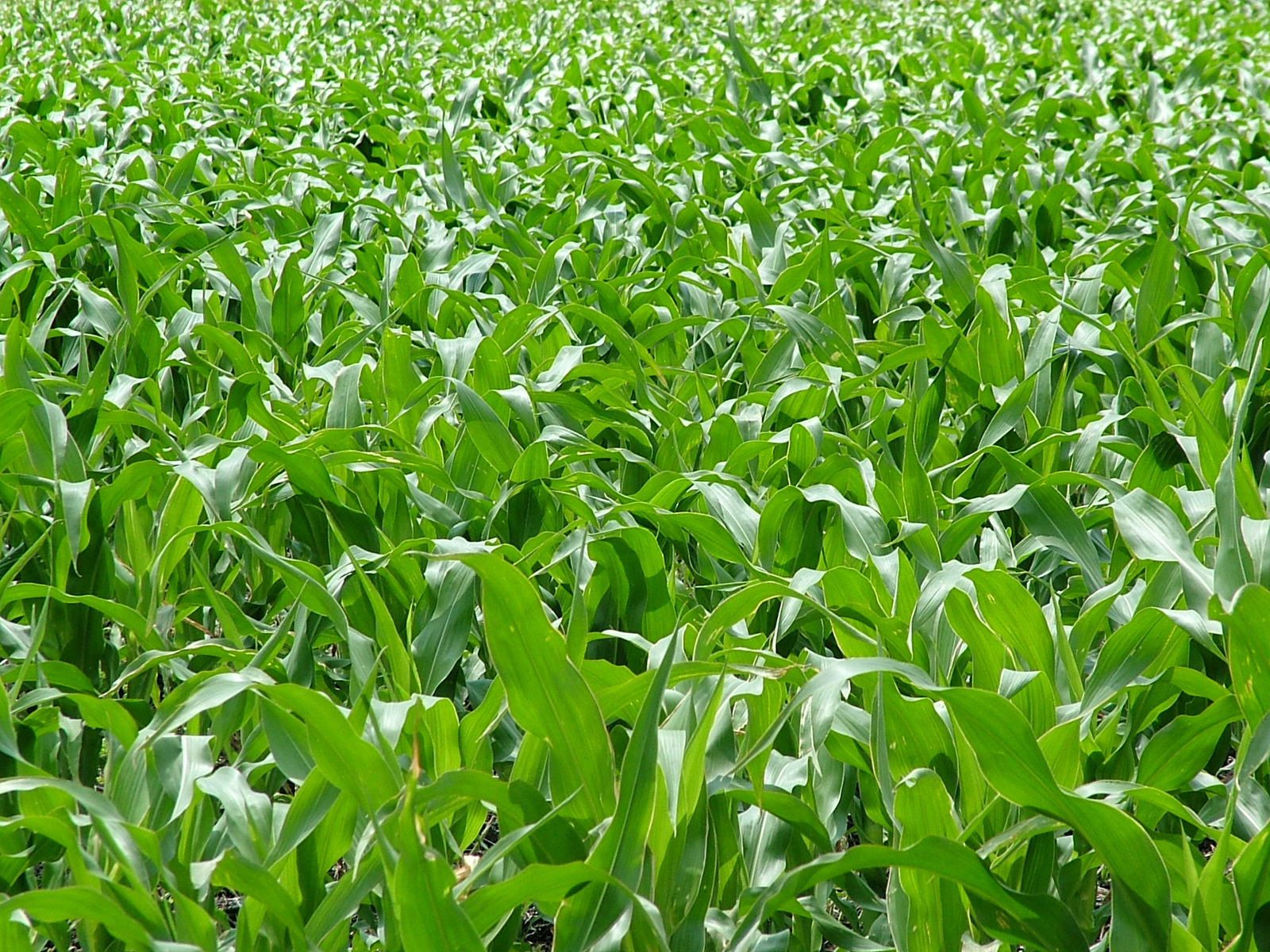
The plan is backed by solid South African research. The Department of Water and Sanitation pointed to Water Research Commission trials at Bishopstowe and Appelsbosch farms in KwaZulu-Natal, where co-composted sludge was tested against conventional fertilisers on chillies, tomatoes and maize. The results were striking: E. coli counts on harvested crops came in roughly 1 000 times below the legal safety threshold for food crops.
And the model is already working in practice. In Pietermaritzburg, a partnership between Msunduzi Municipality, uMngeni-Uthukela Water, the University of KwaZulu-Natal and private company Duzi Turf converts wastewater sludge and green waste into compost that is registered with the Department of Agriculture and sold to farmers and landscapers.
Pilots and partnerships taking shape
The department is now piloting the conversion of the Esther Park Wastewater Treatment Works into a dedicated sludge treatment plant, in partnership with the University of KwaZulu-Natal and the Ekurhuleni Water Care Company. Since 2022, municipalities have been legally required to divert sludge away from landfill sites towards facilities that treat it for beneficial use, in line with national norms and standards.
Bloom called on Grain SA and emerging farmers to help identify suitable locations for future pilot projects. “We will keep pushing municipalities toward decentralised treatment near the towns where you farm,” he said.
Growing together at NAMPO Cape
The announcement landed on fertile ground. NAMPO Cape 2026, held at Bredasdorp Park from 9 to 12 September under the theme Together We Grow, brought together farmers, agribusinesses, researchers and communities from across the agricultural value chain, with more than 500 exhibitors showcasing the latest agricultural technology and innovations.
For emerging farmers squeezed by input costs, the message from Bredasdorp was one of practical hope: the resources South Africa needs to grow more food, more affordably, may already be flowing through its towns, and science, government and industry are lining up to harvest them. The full announcement is available from SAnews.
Photo: commons.wikimedia.org