Good News · All Nine Provinces

Independent · Local · Forward-looking

Mzansi News Online

Uniting SA Through Good News

Category: Good News

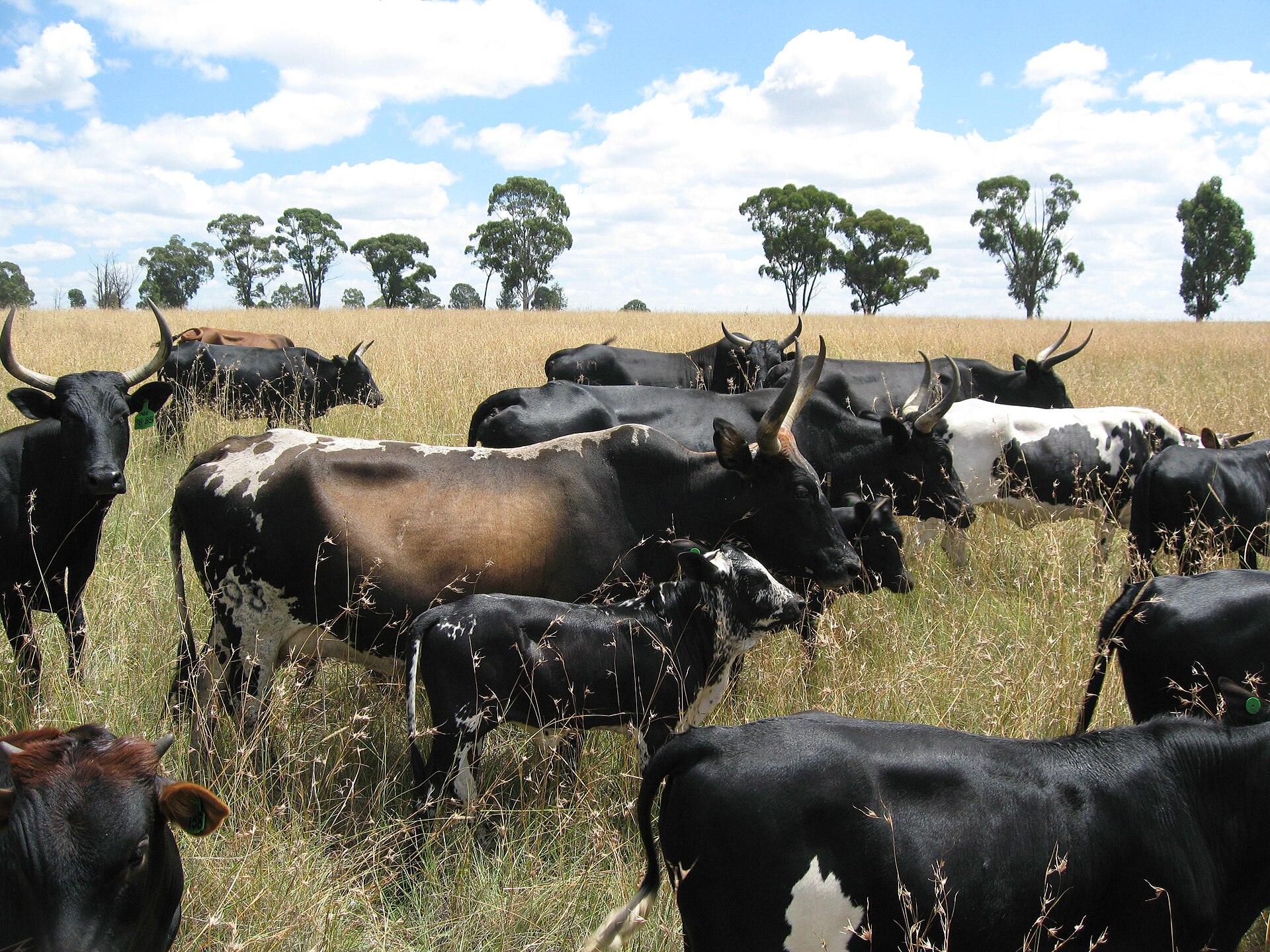
  • 23 Million Doses and a Nation of Healthy Herds: SA Turns the Tide on Foot-and-Mouth

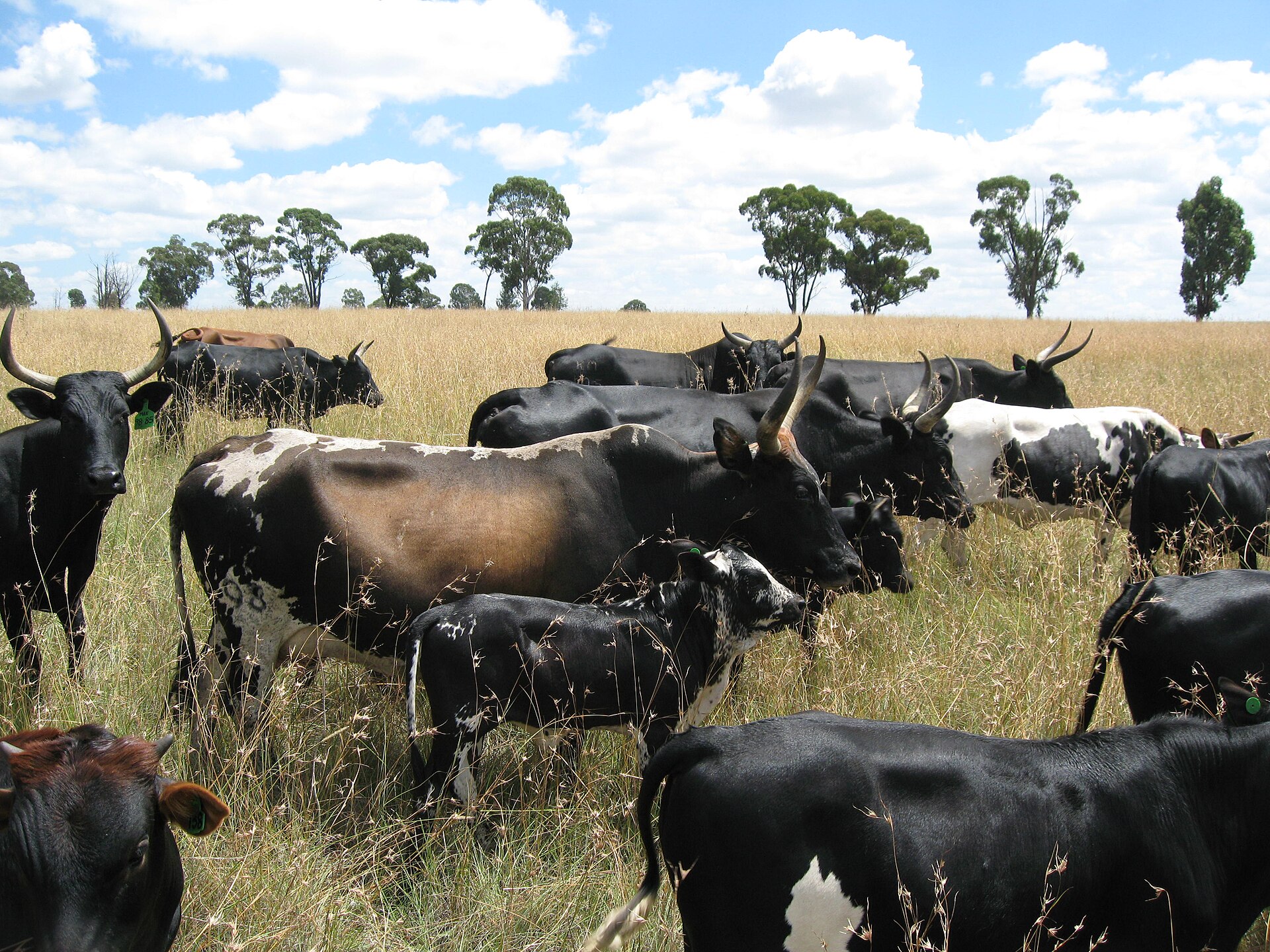
    23 Million Doses and a Nation of Healthy Herds: SA Turns the Tide on Foot-and-Mouth

    South Africa’s fight against foot-and-mouth disease has reached a series of remarkable milestones, with government and the private sector pulling together to protect the national herd. Agriculture Minister Willie Aucamp shared the good news at the TLU SA Congress in Pretoria.

    The headline achievement: over the past week, North West province recorded no new cases of the disease for the first time since December 2025, a clear sign that the strategy is working.

    Every dairy cow, first dose done

    Behind that turnaround sits a vaccination effort of national scale. “Government and the private sector have worked together to import over 23 million vaccine doses. We are making steady progress with the vaccination of cattle in all provinces,” Aucamp told the congress.

    “Every single commercial dairy cow in South Africa has received their first dose of vaccine. That is over 1.38 million animals. Second-round booster distributions are already moving forward rapidly,” the Minister said.

    Farmers empowered to protect their own herds

    A key innovation has been a legal path for farmers to vaccinate their own cattle, so that government never becomes a bottleneck in animal healthcare. More than 1 000 farmers have already registered on the department’s online systems as authorised persons to vaccinate their herds.

    Farmers can also use approved platforms provided by private sector stakeholders such as Red Meat Industry Services, the Southern African Agri Initiative and Buffalo Analytics. The process is straightforward:

    • Apply on the FMD Reporting system to be approved as an authorised person.
    • Give notice of the intention to vaccinate to the provincial director of veterinary services or the local state veterinarian, then procure the vaccine directly from the area’s veterinarian.
    • Within 14 days of vaccinating, report back on the animals vaccinated, the vaccine used and the farm’s location, online or in writing.

    “When you manage biosecurity on your own farm, our national defence against animal disease grows stronger,” Aucamp said, urging farmers with the means to vaccinate proactively.

    Partnership that unlocks potential

    The Minister held the campaign up as proof of what joint action can achieve. Working together, he said, government and organised agriculture can cut through red tape, streamline regulations and open lucrative new export markets, securing vaccines faster and protecting vital supply chains along the way.

    “Government creates the enabling framework, and you do what you do best: farm productively and ensure food security in the country,” he said.

    The full address was reported by SAnews.gov.za.

    Photo: commons.wikimedia.org
  • Turning the Tide: North West Goes a Full Week Without a Single New Foot-and-Mouth Case

    Turning the Tide: North West Goes a Full Week Without a Single New Foot-and-Mouth Case

    There is good news from South Africa’s farming heartland: the North West province has recorded no new cases of foot-and-mouth disease (FMD) over the past week, the first clean week since December 2025.

    The North West Department of Agriculture and Rural Development says the milestone signals a positive shift in the province’s fight against the disease, and shows that intensified vaccination and disease-control interventions are beginning to yield results.

    A vaccination drive of remarkable scale

    Behind the breakthrough lies one of the province’s largest-ever animal health campaigns. A mass FMD vaccination programme has been rolled out across all four districts and 18 local municipalities as part of the broader national effort to contain the disease and protect the provincial livestock sector.

    The numbers are impressive:

    • 1 570 100 doses of FMD vaccine received by the province to date
    • 1 413 859 animals already vaccinated
    • Booster vaccinations set to begin in September in areas where animals received their first doses

    “Encouraging” progress, says MEC Sambatha

    Agriculture and Rural Development MEC Madoda Sambatha welcomed the development while encouraging farmers to keep up the good work.

    “The fact that we have gone a full week without recording a new case of foot-and-mouth disease is encouraging and demonstrates the progress we are making through our collective efforts. However, we must remain vigilant,” Sambatha said.

    The MEC emphasised that vaccination works best when complemented by responsible livestock management and adherence to disease-control measures, and the department urged farmers to report any suspected cases immediately so early detection can keep the momentum going.

    Team effort across the province

    The department reaffirmed its commitment to working hand-in-hand with farmers, organised agriculture, municipalities and traditional leaders to strengthen disease surveillance and expand vaccination coverage, alongside continued efforts to reach animals in areas not yet covered by the programme.

    For a province where cattle are wealth, heritage and livelihood rolled into one, a quiet week on the FMD front is loud good news, and a tribute to what vets, farmers and communities can achieve together. Source: SAnews.gov.za

    Photo: commons.wikimedia.org

  • The People’s Queen: Bakoena Royal Neo Mopeli Brings Rural Voices to SA’s Climate Table

    The People’s Queen: Bakoena Royal Neo Mopeli Brings Rural Voices to SA’s Climate Table

    She is a wife, a mom, a community worker — and a Queen. Her Majesty Queen Neo Mopeli of the Bakoena Nation in the Free State is quietly redefining what royalty means in modern South Africa, pairing humility with a powerful new role at the heart of the country’s climate response.

    “I’m a simple girl; at the core of it all,” she said in an interview with SAnews. “My biggest purpose and goal in life is to always work for the marginalised and the vulnerable.”

    A royal seat at the climate table

    Queen Mopeli serves as one of the 25 commissioners of the Presidential Climate Commission, the independent, multi-stakeholder body established by President Cyril Ramaphosa to oversee South Africa’s just and equitable transition to a low-emissions, climate-resilient economy. The second cohort of commissioners was announced in January this year.

    As the Commission moves from conceptualisation into implementation, the Queen has a clear mission: making sure the people usually left outside the room are heard inside it.

    “I come from the traditional constituency, which makes up a large part of the public that would ordinarily never find themselves in these kinds of rooms, platforms and tables. I would like to ensure that the voices of the rural communities, particularly the women and the young people, are heard,” she explained.

    A transition that happens with people

    The Queen is passionate about translating climate change out of jargon and into everyday life. Climate change, she notes, is about water security, food security, energy and agriculture — a generational challenge that touches everyone.

    “The most important thing is that the transition doesn’t happen to people; it happens with people — that is the motto and the slogan that we are using at the PCC,” she said, adding that South Africa’s Just Energy Transition must keep jobs, inequality and food security at its centre while embracing renewable energy, technology, sustainable agriculture and emerging industries.

    The quiet moments that matter most

    Becoming Queen six years ago came earlier than she ever expected, and she describes the role as one that has taught her humility, gratitude and thankfulness. While royal life brings glamorous events and prominent company, it is the unphotographed moments she treasures — like the party she hosted at an orphanage, where a child hugged her and said it was the first party they had ever had.

    “This is why I do it… and this is why I continue to do it,” said the mother of Prince Motebang, four, and Prince Seeiso, two, who are being raised to understand that leadership comes with responsibility, humility and grace.

    As the Sesotho saying she lives by goes: Morena ke Morena ka sechaba — a King is a King through the people. In the Free State highlands, a Queen is proving it every day.

    Photo: commons.wikimedia.org

  • History Maker: Dr Praveena Sukhraj-Ely Becomes First Blind Leader of a National Department

    History Maker: Dr Praveena Sukhraj-Ely Becomes First Blind Leader of a National Department

    South Africa has marked a powerful first: Dr Praveena Sukhraj-Ely has become the first totally blind person to lead a national government department, serving as Acting Director-General of the Department of Women, Youth and Persons with Disabilities since her appointment in July.

    Speaking to SAnews during Women’s Month, whose 2026 theme is Empowered Women Empower the Nation, Sukhraj-Ely reflected on a milestone she says she never dared to imagine for herself.

    “I never knew of a blind person or a person with disability who has occupied this position at a national level. To be trusted with accounts, figures, and to lead the entire national department as a blind person is something that I do not take lightly,” she said.

    From Pietermaritzburg classroom to the highest rung of public service

    Originally from Durban in KwaZulu-Natal, Sukhraj-Ely matriculated in 1995 at the Arthur Blaxall School for the Blind in Pietermaritzburg. She went on to earn four degrees, including a Bachelor of Social Science, a Bachelor of Laws, a Master of Arts in Political Science awarded cum laude, and a PhD in Public Policy from the University of KwaZulu-Natal.

    A legal practitioner and public policy expert, she has built deep experience in governance, constitutional law, disability rights and public administration. She also serves as the State Representative on the Commission for Employment Equity, where she champions a 7 percent disability employment target for 2030, and she is among the leaders driving the drafting of the Disability Access to Justice Policy.

    “Not the exception, but the norm”

    While her appointment is a landmark for the disability sector, Sukhraj-Ely is clear that she does not want to be celebrated as a rare exception. She wants talent, qualifications and leadership to open doors for persons with disabilities as a matter of course.

    “I want it to become the case that a person who has the potential, qualifications and capabilities must not be discriminated against on the grounds of their disability, but be given the equity and reasonable accommodation based on their diversity and their disability,” she said.

    She linked her journey to the generations of South African women who marched before her: “I feel like the women of 1956 who were marching for everyone would be applauding right now.”

    Opening doors for others

    Sukhraj-Ely hopes her role will encourage other departments to place persons with disabilities in leadership positions, so that the principle of nothing about us without us shapes policy, legislation and implementation from the inside.

    For her, the appointment signals that South Africa is beginning to show real confidence in the leadership capabilities that exist within the disability sector, a step she calls “a step in the right direction” on the road to a more inclusive public service.

    Photo: commons.wikimedia.org

  • Water That Unites: SA and Lesotho’s Highlands Partnership Leads Africa’s Year of Water

    Water That Unites: SA and Lesotho’s Highlands Partnership Leads Africa’s Year of Water

    When the African Union declared 2026 the year of “Assuring Sustainable Water Availability and Safe Sanitation Systems”, it elevated water from a service-delivery concern to a continental priority. And South Africa has a head start – because one of Africa’s best examples of water cooperation flows right into Gauteng’s taps.

    Writing for SAnews, the Government Communication and Information System’s Shadi Motau highlights how South Africa is turning continental commitments into real action at home and across borders.

    The Highlands example

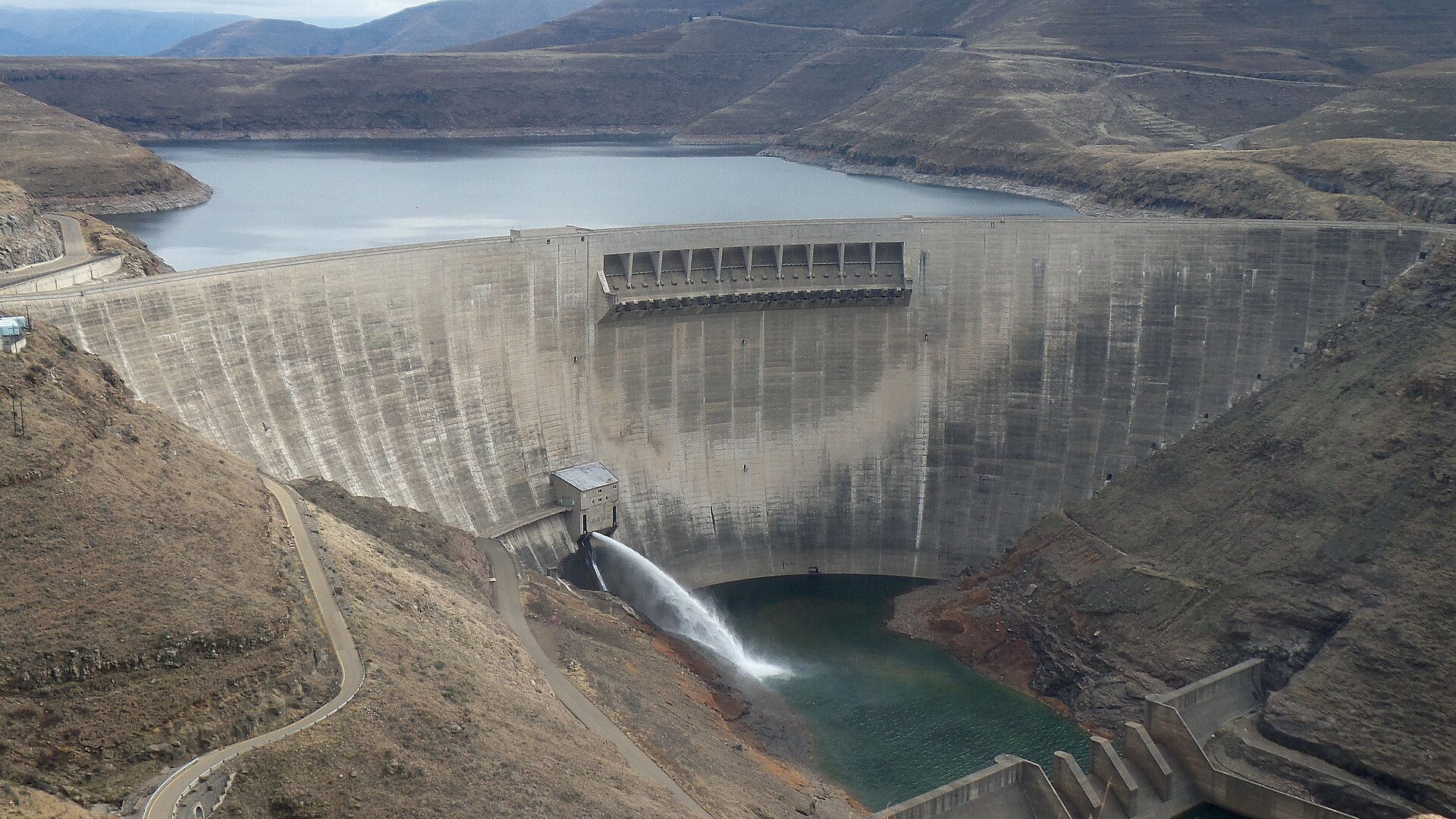
    South Africa’s partnership with the Kingdom of Lesotho through the Lesotho Highlands Water Project shows what shared water resources can achieve. The project generates hydropower benefits for Lesotho while transferring water through a network of dams and tunnels to South Africa’s Vaal River System – the water backbone of Gauteng and its surrounding economic heartland.

    It is a practical demonstration that rivers do not respect borders, and that neighbours who plan together prosper together. Regional cooperation of this kind strengthens water security, supports economic activity and improves livelihoods on both sides of the mountain kingdom’s border.

    From continental vision to local taps

    The Africa Water Vision 2063 seeks a resilient continent where sustainable water and safe sanitation are accessible to all – feeding directly into the United Nations Sustainable Development Goal 6 on universal access to clean water. South Africa is translating that agenda into domestic action through the National Water Action Plan, a framework for tackling infrastructure constraints, water security, institutional capacity and the reliability of water services.

    At the end of July, President Cyril Ramaphosa carried the message to the First Ordinary Session of the Seventh Legislature of the Pan-African Parliament, underscoring that access to clean water and safe sanitation is fundamental to human dignity, public health and Africa’s long-term development.

    Water security is women’s empowerment

    With South Africa commemorating Women’s Month, the piece makes a powerful point: water security is not gender neutral. In many communities, women and girls carry the responsibility of securing water for their households. Every tap installed closer to home, and every sanitation system upgraded, returns hours, dignity, safety and economic opportunity to women – which is why government insists women must have a meaningful voice in how water is planned, managed and governed.

    The message is clear and hopeful: from SDG 6 to Agenda 2063 to the National Water Action Plan, the frameworks are aligned, the flagship projects are proven, and the task now is delivery. Africa’s water future, as Motau writes, will be secured through investment, innovation, regional cooperation and partnerships that put communities at the centre – and South Africa is helping lead the way.

    Photo: commons.wikimedia.org

  • Small Change, Giant Legacy: New R2 Coins Put Charlotte Maxeke and the Women of 1956 in Every Pocket

    Small Change, Giant Legacy: New R2 Coins Put Charlotte Maxeke and the Women of 1956 in Every Pocket

    South Africans will soon find history jingling in their pockets. The South African Reserve Bank on Wednesday launched two commemorative circulation coins honouring the women whose courage, leadership and sacrifice helped shape the country’s path to freedom, equality and justice.

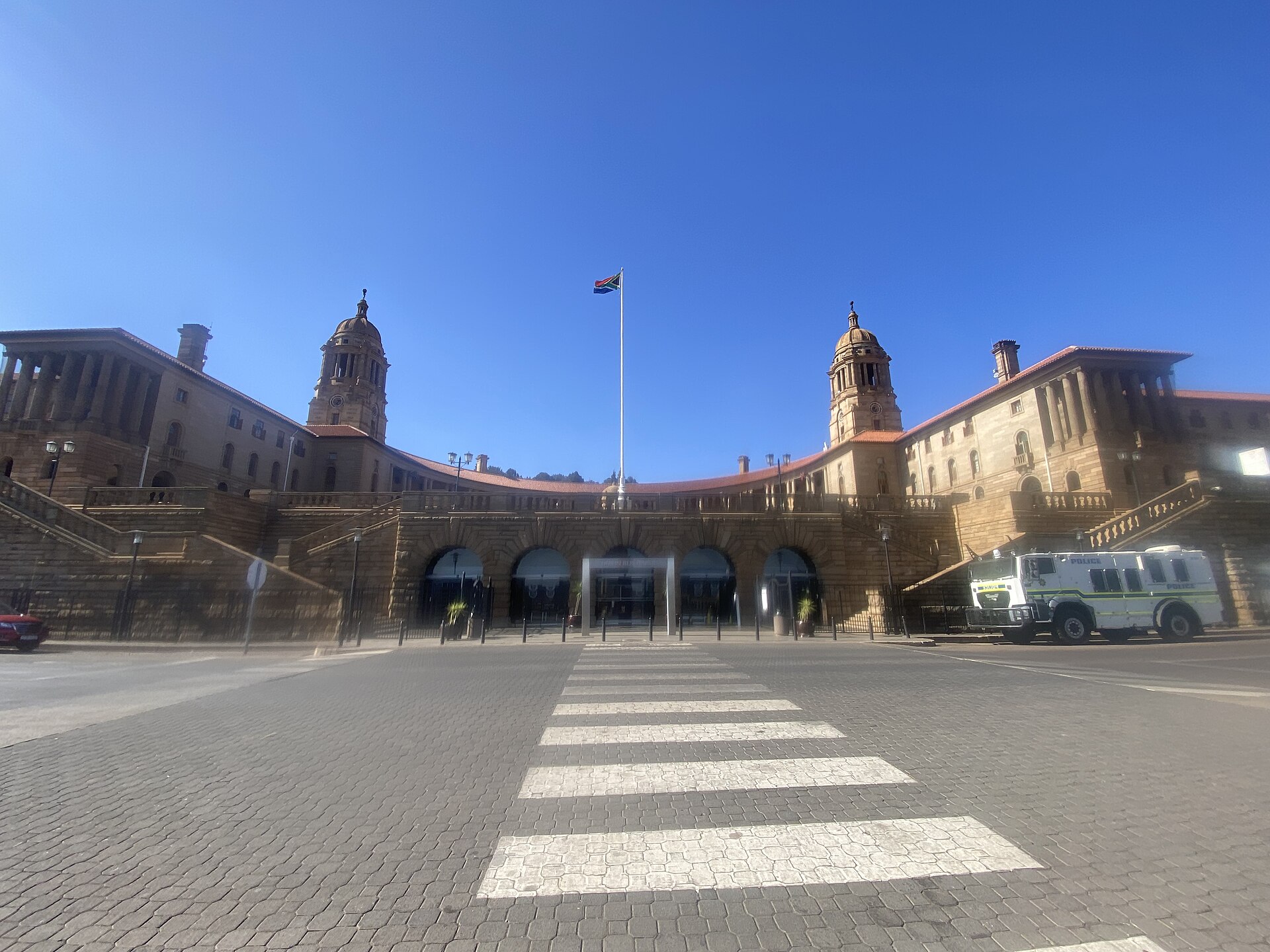
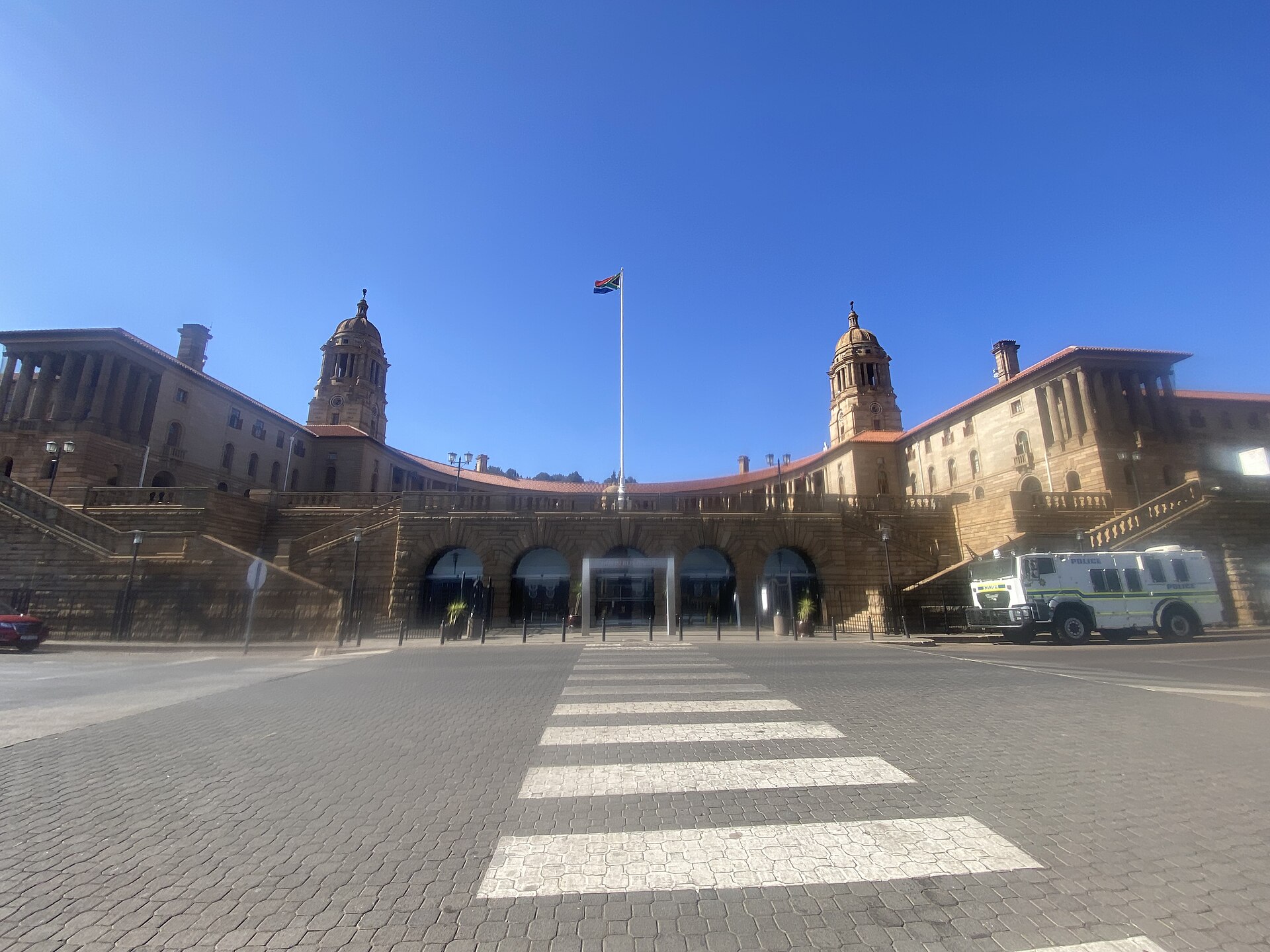
    The first R2 coin marks 125 years since Charlotte Maxeke became the first Black South African woman to graduate with a university degree. The second commemorates 70 years since the historic 1956 Women’s March, when more than 20 000 women marched to the Union Buildings in Pretoria to protest against apartheid pass laws.

    Part of the Milestones of Freedom

    The coins form part of the Milestones of Freedom campaign, launched by President Cyril Ramaphosa in June 2026 to commemorate key moments in South Africa’s democratic journey while strengthening service delivery and promoting social cohesion. As the coins change hands in shops, taxis and spaza stores across the country, they will carry the stories of South Africa’s heroines through communities and across generations.

    Speaking virtually at the launch, held at the Reserve Bank’s head office in Pretoria, Minister of Women, Youth and Persons with Disabilities Sindisiwe Chikunga described the moment as a significant one in the country’s history.

    Today, South Africa affirms that our national story cannot be told without recognising the central role played by women.

    Chikunga reminded South Africans that Maxeke earned her degree in 1901, at a time when both racial discrimination and gender barriers sought to limit opportunity. “She shattered expectations and expanded possibilities for generations of women to follow. Her achievement was far more than academic. It was a declaration that Black women were entitled to knowledge, dignity, leadership and equal participation in society,” the Minister said, adding that Maxeke understood education as a transformative power that equips citizens to participate meaningfully in the economy and unlock opportunities for growth.

    Honouring the marchers of 1956

    The Minister paid moving tribute to the leaders of the Women’s March, which she called a defining example of democratic participation and active citizenship. Lilian Ngoyi, she said, became extraordinary because she organised; Helen Joseph became a symbol because she embraced sacrifice; Rahima Moosa left a legacy because she invested herself in justice; Lillian Diedrickse used her linguistic prowess to organise and facilitate inclusion; and Sophia Williams-De Bruyn spent decades ensuring the story of the march continues to inspire new generations.

    A legacy that keeps circulating

    Through the coins, South Africa affirms that it values the courage, leadership and contributions of its women, and that their legacy must continue to inspire. As the Reserve Bank’s new R2 pieces begin to circulate, every purchase becomes a small act of remembrance, placing women’s stories quite literally in the hands of the nation.

    Source: SAnews.gov.za

    Photo: commons.wikimedia.org

  • Open for the World: Tourism Takes Centre Stage in South Africa’s New Growth Drive

    Open for the World: Tourism Takes Centre Stage in South Africa’s New Growth Drive

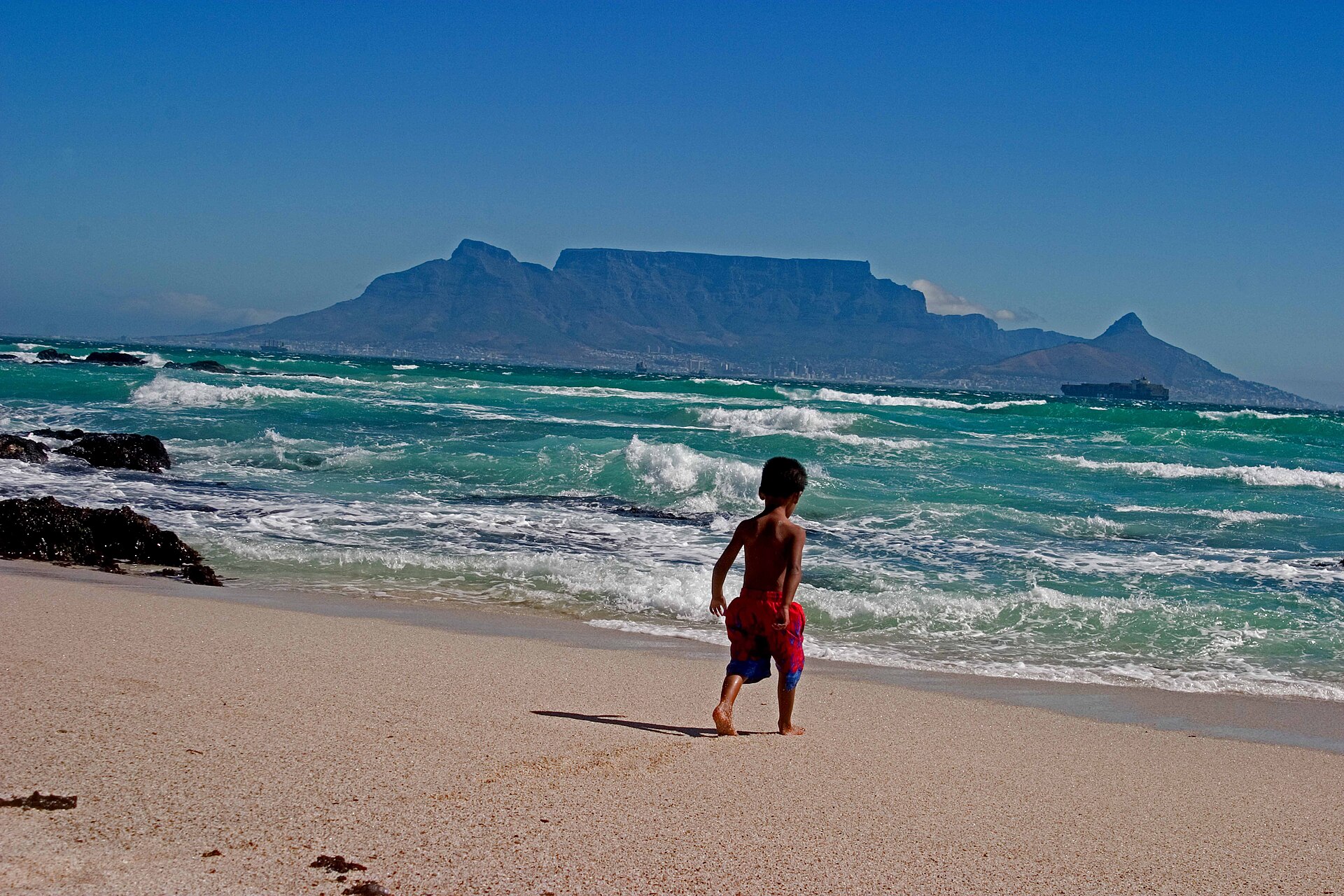
    South Africa’s greatest natural assets, from Table Mountain to the bushveld, are officially at the heart of the country’s new growth push. Tourism Minister Patricia de Lille has welcomed the launch of Phase Three of the Government-Business Partnership, which names tourism as one of the key sectors to drive inclusive economic growth, job creation and confidence, SAnews reports.

    President Cyril Ramaphosa launched Phase Three on Friday with an immediate target of lifting economic growth above 3%, and tourism, agriculture and agro-processing, and mining have been prioritised for their power to attract investment, earn foreign revenue and create jobs at scale.

    Why Tourism Earned Its Seat at the Table

    The numbers make a compelling case. According to Statistics South Africa’s Tourism Satellite Account, the sector supported 954 000 direct jobs in 2024 and contributed 4.9% of gross domestic product, a bigger slice of the economy than agriculture, utilities or construction, the Department of Tourism notes.

    For a sector built on the country’s beauty, heritage and hospitality, that is a remarkable engine of livelihoods, and government believes it can grow much bigger.

    The Growth Checklist

    Under Phase Three, government has identified the key areas that will get focused attention to help tourism soar:

    • Improved air access to bring more visitors directly to South African runways
    • Faster, more modern visa processing
    • Stronger destination marketing to keep Mzansi top of travellers’ wish lists
    • Enhanced tourist safety
    • Increased investment in tourism infrastructure

    De Lille said these priorities dovetail neatly with the Cabinet-endorsed Tourism Growth Partnership Plan, which already unites government and the private sector around ease of access, coordinated destination marketing, safety, product development and job creation.

    From Plans to Progress You Can Measure

    This is not a strategy left to gather dust. A Project Management Office has been established, and a dashboard now tracks progress against the sector’s macroeconomic targets across its workstreams.

    “Operation Vulindlela now gives us an opportunity to bring greater momentum, coordination and accountability to this work as we continue to demonstrate that tourism policy is economic policy,” De Lille said.

    The Department of Tourism says it will work with the Presidency, other departments and the private sector to turn Phase Three’s priorities into measurable outcomes. With nearly a million South Africans already earning a living from visitors, and the world’s travellers increasingly looking our way, the welcome mat has never been bigger.

    Source: SAnews.gov.za

    Photo: commons.wikimedia.org

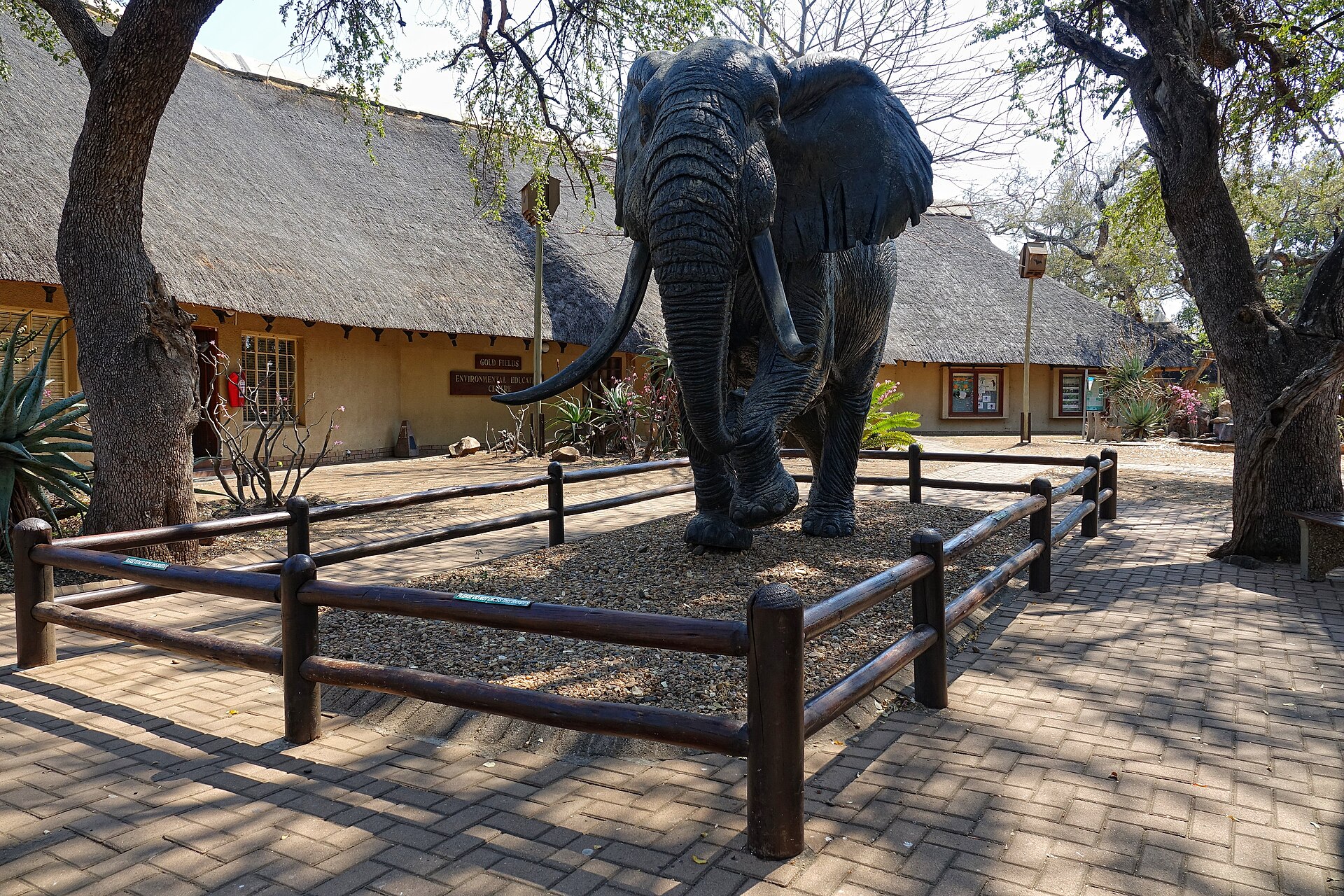
  • The Jewel Shines Again: Kruger’s R950 Million Rebuild Is Bringing Letaba Back Better Than Ever

    The Jewel Shines Again: Kruger’s R950 Million Rebuild Is Bringing Letaba Back Better Than Ever

    South Africa’s most beloved wilderness is bouncing back in style. A major recovery programme, valued at R950 million, is restoring the Kruger National Park’s roads, bridges, accommodation and water infrastructure, and rebuilding the icon better than before.

    Following heavy summer rains at the start of the year, the Park’s management team and contractors have been hard at work, and the progress is showing. Minister of Forestry, Fisheries and the Environment David Maynier visited the Park last week to see the recovery first-hand, and came away upbeat.

    “The recovery work being undertaken is not just repairing the damage, but also building more modern and resilient facilities for the future. Our national parks are valuable environmental assets, and the Kruger National Park is the jewel in our crown. We must ensure that they are maintained and revitalised.”

    Letaba Comes Back to Life

    At Letaba Rest Camp, one of the camps hardest hit, repairs are progressing well. The camp’s A and B accommodation circles are expected to be back in operation in September 2026, welcoming guests to refreshed facilities on the banks of the Letaba River.

    The Letaba High-Level Bridge, a vital artery through the Park, is already open to traffic, with the final touches of its rebuild now nearing completion.

    Guests Are Loving It

    During his visit, Minister Maynier spent time with visitors at both the Skukuza Rest Camp units and the Letaba camp site, and the feedback spoke for itself.

    “I’m happy to report that the reviews were overwhelmingly positive, and any snags will be addressed by the Park’s management,” he said, adding that the guest experience will be a key focus of investment going forward: “We want families and friends to come together and create lasting memories of their time at the Park.”

    Built for the Future

    The rebuild is being approached as an upgrade, not a patch-up. New works are designed to be more modern and more resilient, protecting the Park’s infrastructure for generations of visitors to come, and safeguarding the tourism economy that supports thousands of livelihoods around Kruger’s borders.

    The Department of Forestry, Fisheries and the Environment has promised further updates as the recovery works continue. For now, the message to Mzansi’s wildlife lovers is a warm one: the jewel in our crown is shining again, and Letaba is ready to make new memories this spring.

    Source: SAnews.

    Photo: commons.wikimedia.org

  • Fly Over the Free State: New Golden Gate Zipline Takes Mzansi Adventure Tourism to New Heights

    Fly Over the Free State: New Golden Gate Zipline Takes Mzansi Adventure Tourism to New Heights

    Visitors to the Free State’s beloved Golden Gate Highlands National Park have always been spoiled for choice, from exploring the prehistoric world of the dinosaurs that once roamed these plains to taking in the Maluti Mountains on horseback or on foot. Now there is a brand-new way to drink in that famous landscape: from the air.

    South African National Parks (SANParks) has officially added ziplining to the park’s adventure menu, SAnews reports. Thrill-seekers can now soar across seven cables strung between elevated platforms, with every section of the ride revealing a fresh perspective of the sandstone cliffs, waterfalls and valleys that make Golden Gate one of Mzansi’s most photographed places.

    Twenty local jobs, and counting

    The new attraction is more than a bucket-list ride. It has already created 20 jobs for residents, with every staff member hired from Clarens and the surrounding Free State.

    “We have made sure that we hire staff locally. All our staff are local, from Clarens and the Free State. We want to promote local employment, training and skills development, because all our guides receive specific skills training, certification and first-aid training,” Golden Gate Zipline Director Mika Lutchman told SAnews.

    Demand is expected to be strong, and the team is already preparing for it: ten more people are currently in training, a programme that takes between six and twelve months to complete. The zipline is also set to open a new income stream for SANParks and to boost occupancy at Golden Gate’s accommodation, good news for the wider Clarens tourism economy.

    Built gently, flown safely

    The attraction took about two years to establish, and Lutchman stressed that protecting the park’s natural and cultural heritage guided every decision. Environmental impact assessments formed part of the planning, platforms were built from sustainable wood rather than corroding steel, and the cables were deliberately designed to blend into the mountain scenery.

    “It was very important for us to develop a sustainable product, one that is in symbiosis with the environment in which it finds itself. It was important for us not to disturb vegetation or protected species, and not to damage rock,” Lutchman said.

    Safety gets the same care as scenery. Visitors ride with professional-grade harnesses and equipment under the eye of trained guides, while strict engineers’ reports, rigger sign-offs and regular certification keep the infrastructure in top condition.

    Another reason to visit the Highlands

    For a park already famous for its golden cliffs, dinosaur heritage and mountain trails, the zipline adds a jolt of adrenaline to the itinerary, and a reminder that South Africa’s national parks can deliver world-class adventure while putting local people and the environment first.

    So next time you find yourself winding through the Free State highlands, look up. That happy shout echoing off the sandstone might just be Mzansi’s newest way to fly.

    Photo: commons.wikimedia.org

  • Women Rising: From the 1956 March to 45% of the Bench, Mzansi Celebrates Women’s Month Gains in Kimberley

    Women Rising: From the 1956 March to 45% of the Bench, Mzansi Celebrates Women’s Month Gains in Kimberley

    Seventy years after thousands of women marched on the Union Buildings, South Africa paused this week to measure how far their daughters and granddaughters have come, and the numbers tell a remarkable story.

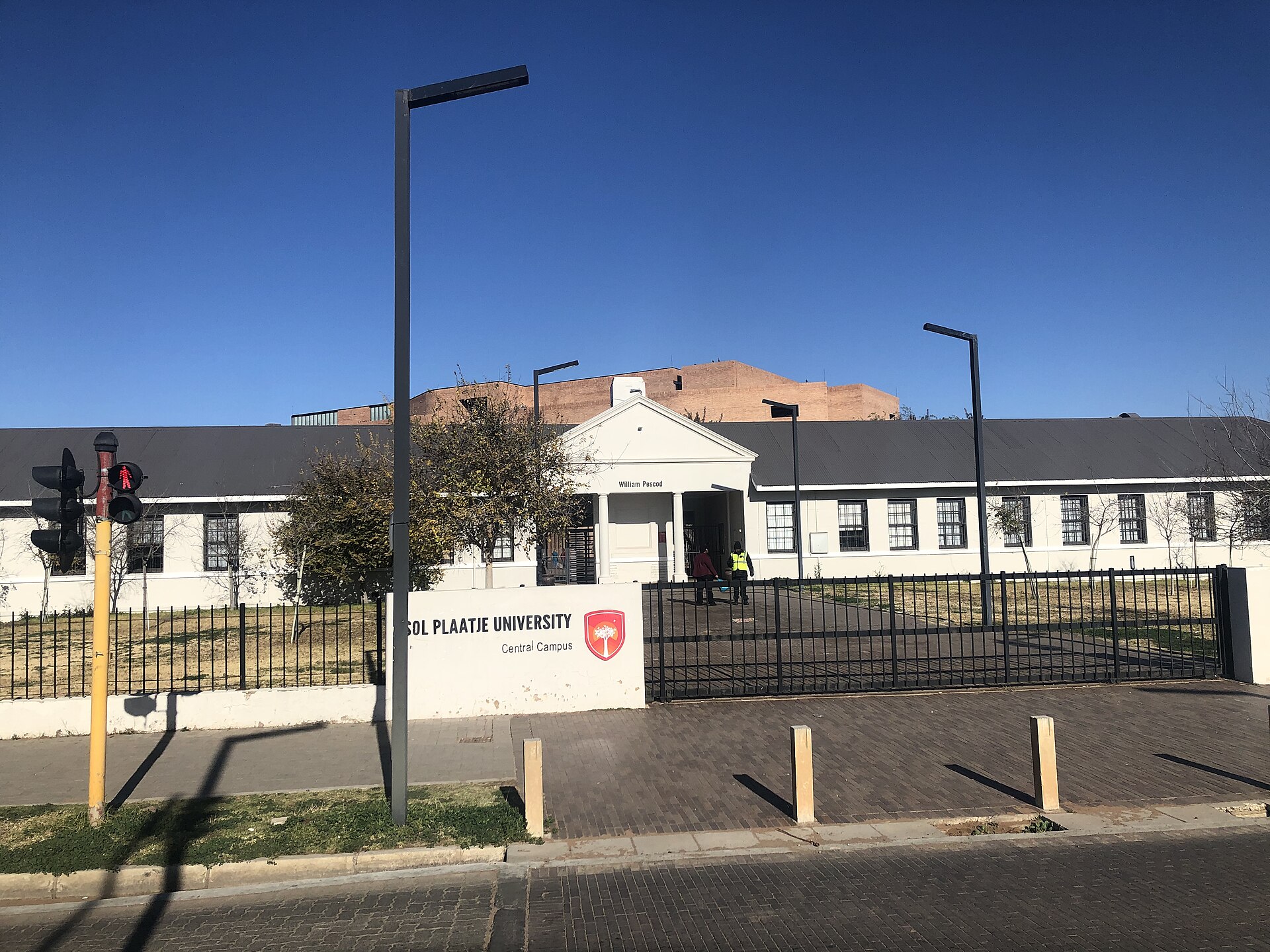
    Speaking at the National Women’s Day Commemoration at Sol Plaatje University in Kimberley, Northern Cape, Minister in the Presidency for Women, Youth and Persons with Disabilities Sindisiwe Chikunga celebrated the gains women have made since the adoption of the Women’s Charter in 1954 and the historic 1956 Women’s March, as reported by SAnews.

    The numbers that tell the story

    The event, hosted by Parliament under the theme “70 Years of Resistance, 72 Years of Vision – Advancing Gender Justice, Equality and Resilient Economies for All”, heard that South African women today make up:

    • 43.5% of the National Assembly;
    • 45% of the country’s judges;
    • More than 60% of university graduates;
    • Recipients of 58% of the nearly 3.4 million housing subsidies approved since 1994.

    “Let us celebrate the domestic worker, who is now protected by law; the farm worker, who now has a minimum wage, and the girl in Galeshewe, who will finish matric this year, in a country where in 1996, less than 16% of women had done so,” Chikunga said.

    From Kimberley to the stars

    The Minister reflected on the symbolism of hosting the commemoration at a university named after Sol Plaatje, in a province where opportunity is expanding for young women.

    “Let us celebrate that this commemoration is hosted at a university carrying the name of Sol Plaatje, in a province where a young woman can now study astronomy and work at the largest radio telescope on earth for free through the National Students Financial Aid Scheme.”

    Looking ahead, Chikunga said the Northern Cape’s renewable energy boom is another frontier for women. The province has the largest concentration of solar and wind generation in South Africa, and she called for young women from Upington, De Aar and Springbok to be actively included in the sector’s growth.

    Building the next generation

    Chikunga championed structured and sustained mentorship for young women, creating deliberate pathways into mining, logistics, energy and leadership, from geology and exploration through to corporate boardrooms. Government is also developing a care economy strategy so that the work which sustains households and communities is recognised, supported and paid.

    The commemoration forms part of the year-long Milestones of Freedom campaign launched by President Cyril Ramaphosa in June, honouring, among other anniversaries, 70 years since the 1956 Women’s March.

    The message from Kimberley was clear: the story of South African women is one of extraordinary progress, and the next chapter is already being written.

    Photo: commons.wikimedia.org