Good News · All Nine Provinces

Independent · Local · Forward-looking

Mzansi News Online

Uniting SA Through Good News

Category: Events

  • Three Provinces, One Destination: Historic Tri-Province Launch Opens Tourism Month at Lake Gariep

    Three Provinces, One Destination: Historic Tri-Province Launch Opens Tourism Month at Lake Gariep

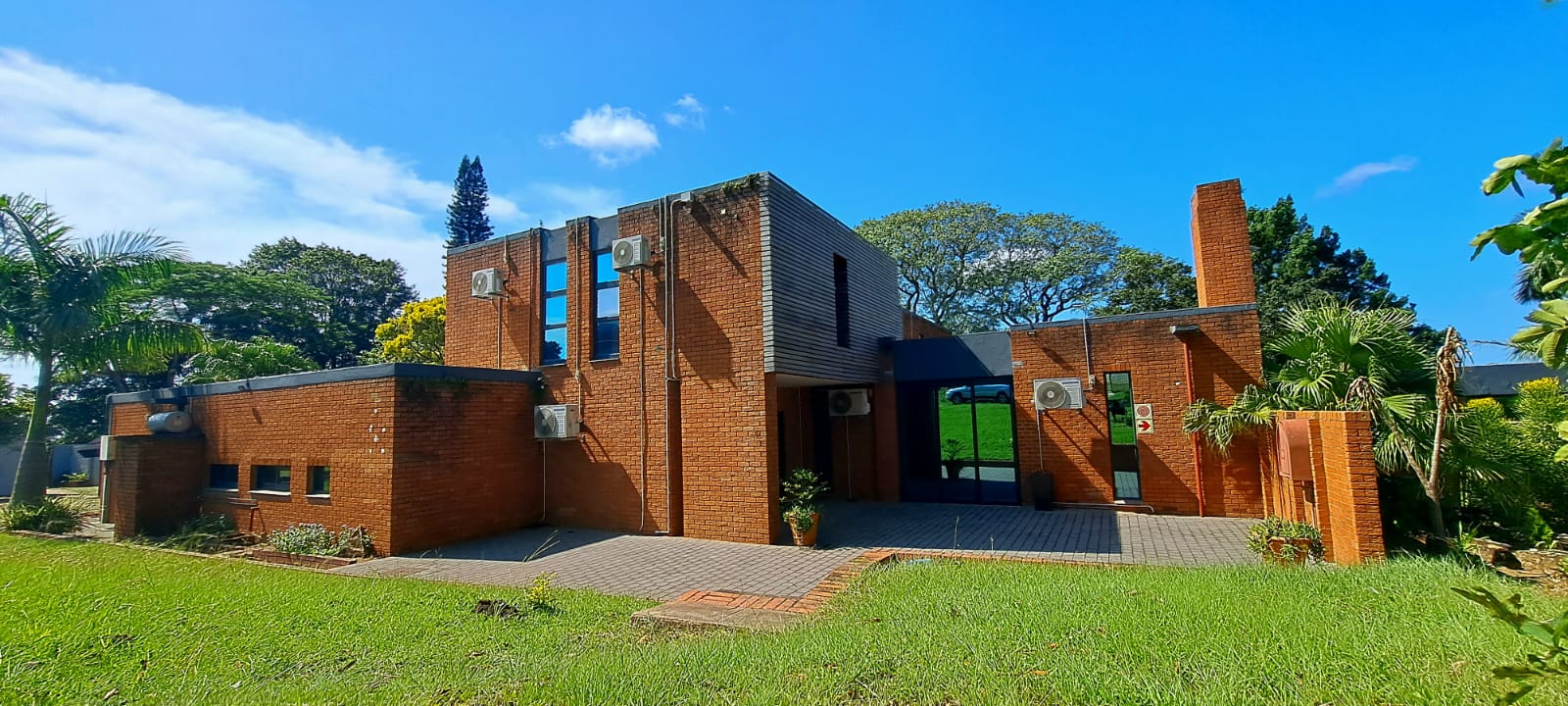
    September is Tourism Month, and this year it opened with a South African first: the Northern Cape, Free State and Eastern Cape joined forces for the inaugural Tri-Province Tourism Month media launch, held at the Chargo River Lodge in Colesberg under the 2026 theme “Growing South Africa’s Tourism Sector in the Digital Era”.

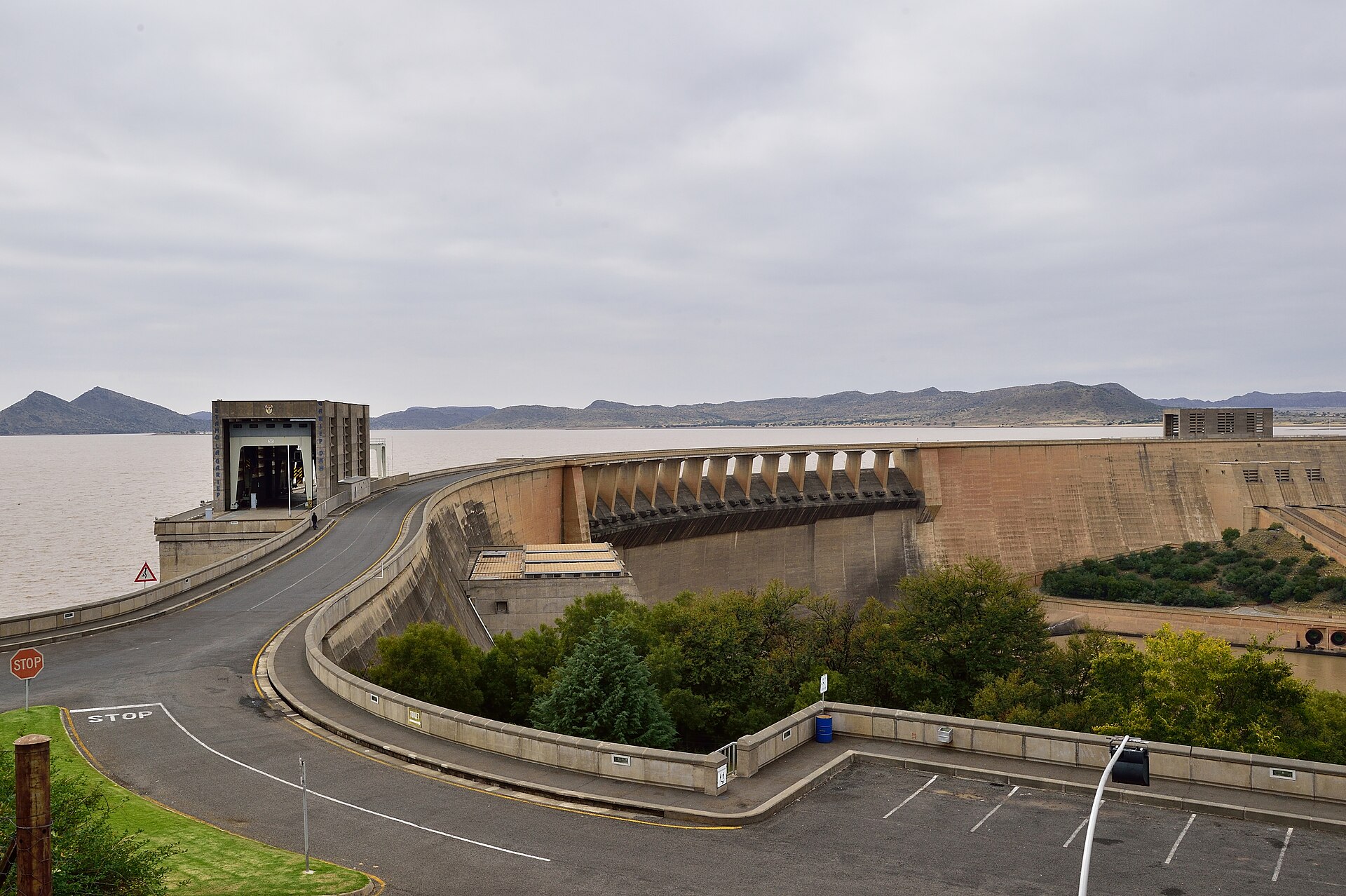
    At the heart of the collaboration is Lake Gariep — South Africa’s largest reservoir and a natural wonder shared by all three provinces.

    Breaking Boundaries for Travellers

    “This pioneering collaboration positions the three provinces as one seamless tourism region, centred on the breathtaking Lake Gariep,” the Northern Cape Economic Development, Trade and Investment Promotion Agency said in a statement carried by SAnews. “By breaking provincial boundaries, the initiative invites domestic travellers to experience connected journeys of culture, heritage, adventure, stargazing, and wildlife across all three destinations.”

    With industry stakeholders on board, the campaign promises fresh itineraries designed to encourage longer stays and greater local spend — good news for the small towns and communities along the way.

    Signed, Sealed, Connected

    The launch was officially opened by three MECs — Nonkqubela Ntomboxolo Pieters of the Eastern Cape, Venus Blennies Magage of the Northern Cape and Ketso Makume of the Free State. A memorandum of understanding was signed by the chief executives of the three provincial tourism authorities: Shawn Modise (Northern Cape), Obakeng Seseane (Free State) and Nokulunga Mnqeta (Eastern Cape).

    Modise hailed the initiative as “a historic moment for rural tourism growth in South Africa”, urging tour operators and the travel trade to package joint itineraries that inspire travel across provincial lines.

    Tourism for the Digital Era

    True to this year’s theme, the collaboration embraces digital innovation — integrating artificial intelligence, social media storytelling and immersive visitor experiences to position the three provinces as a modern, competitive and sustainable destination.

    Tourism Month, celebrated every September, encourages South Africans to explore their own country affordably and authentically. This year’s flagship collaboration invites visitors to “find their joy” across three provinces — creating lasting memories while supporting local communities, from the shores of Lake Gariep to the stars of the Karoo sky.

    Photo: commons.wikimedia.org
  • Heritage Day 2026 Heads to KZN: King Zwelithini Stadium to Host a Celebration of the Ties That Bind Us

    Heritage Day 2026 Heads to KZN: King Zwelithini Stadium to Host a Celebration of the Ties That Bind Us

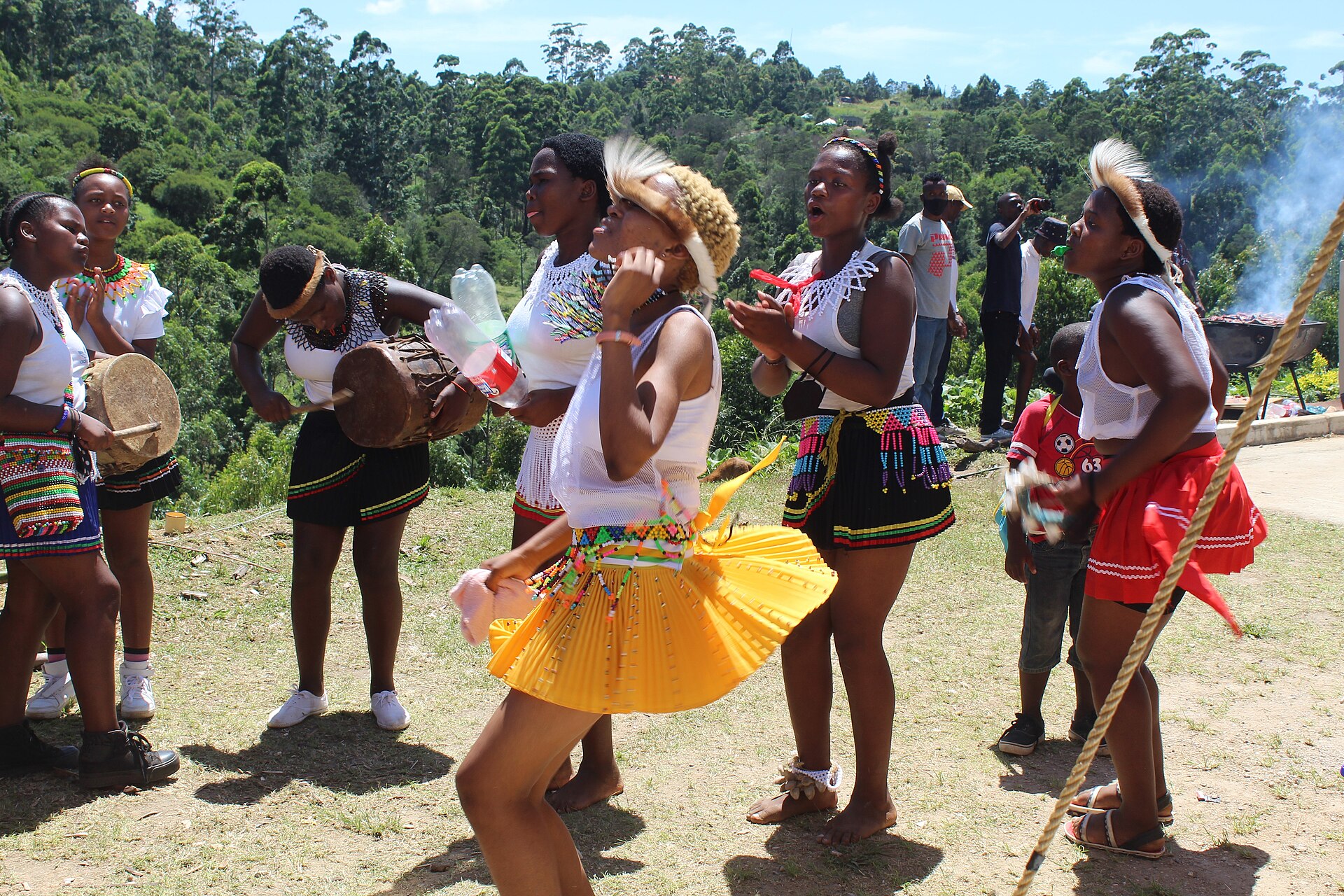
    South Africa’s biggest annual celebration of culture is coming home to the heartland of the Zulu nation. The national Heritage Day celebrations on 24 September will this year be held at the King Zwelithini Stadium in KwaZulu-Natal, promising a spectacular gathering of song, dance and living tradition.

    A partnership fit for a king

    The celebrations will be held in partnership with the Zulu Kingdom and the Royal House under the theme “Celebrating Our Living Heritage: Strengthening the Ties That Bind Us.”

    In a first-of-its-kind pairing, this year’s national celebration will be combined with uMkhosi weLembe, the annual Zulu cultural commemoration honouring the legacy of King Shaka kaSenzangakhona and celebrating the rich heritage of the Zulu nation. Expect regiments in full traditional dress, praise poetry, and the thunder of indlamu dancing at a stadium named for the late King Goodwill Zwelithini.

    A month to celebrate who we are

    South Africa celebrates Heritage Day and Heritage Month every September, and this year’s theme seeks to recognise the diverse cultures, languages, traditions and histories that shape South Africa’s national identity.

    From braais in Boksburg to kite festivals in Cape Town, Heritage Day has grown into one of the country’s most loved public holidays, a day when South Africans of every background celebrate what makes the rainbow nation unlike anywhere else on Earth. This year, all eyes turn to KwaZulu-Natal, where the ties that bind us will be on joyous display.

    • What: National Heritage Day celebrations, combined with uMkhosi weLembe
    • When: 24 September 2026
    • Where: King Zwelithini Stadium, KwaZulu-Natal
    • Theme: Celebrating Our Living Heritage: Strengthening the Ties That Bind Us

    Pack your traditional attire and bring the family: this is set to be a Heritage Day for the history books. Source: SAnews.gov.za

    Photo: commons.wikimedia.org

  • The Wild, On the House: Free Entry to National Parks Returns This September

    The Wild, On the House: Free Entry to National Parks Returns This September

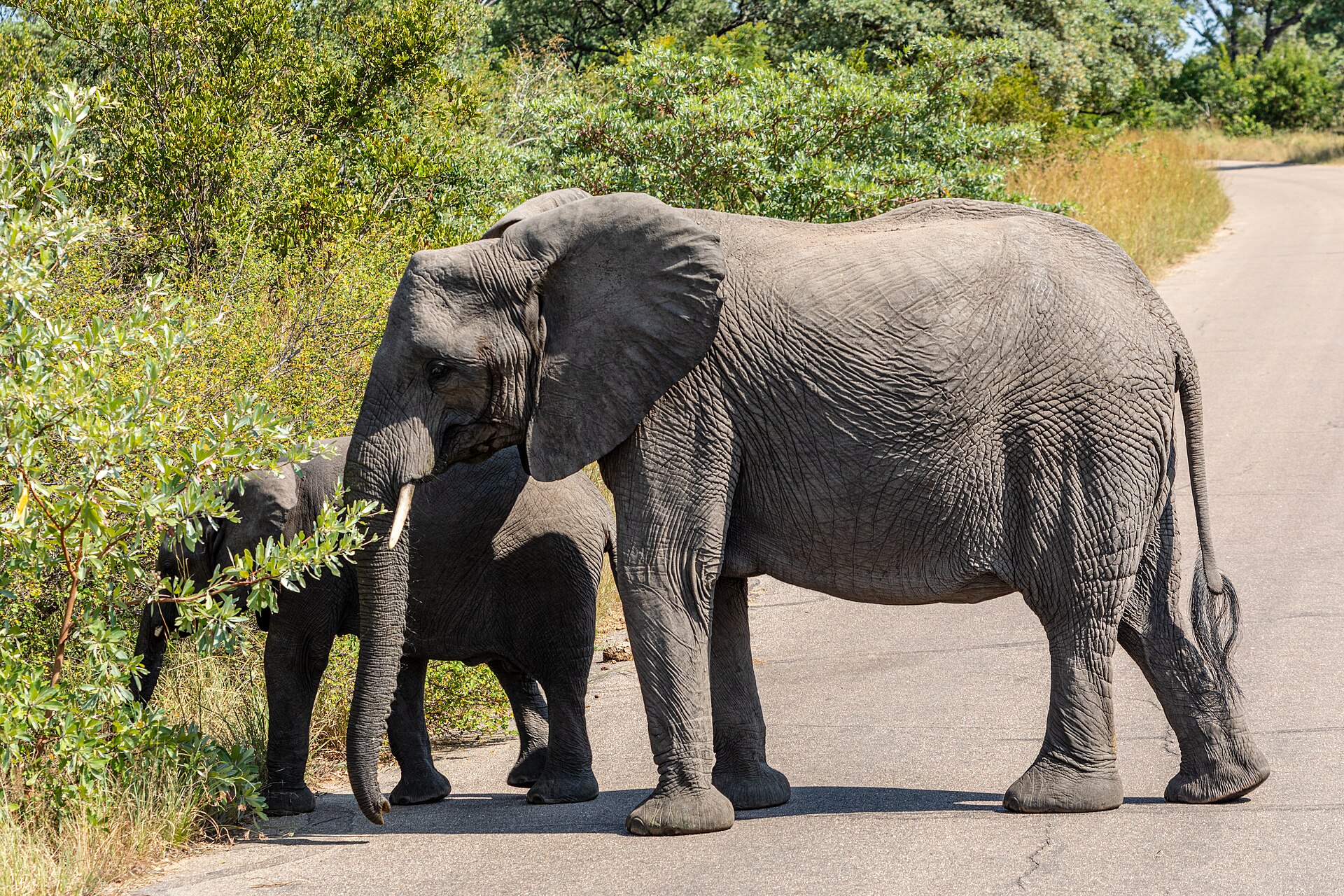
    Pack the cooler box and charge the camera: South Africa’s national parks are throwing open their gates for free. SANParks has announced that the 21st annual SA National Parks Week will run from 7 to 13 September 2026, giving South African day visitors no-charge access to participating parks across the country.

    For three of the crown jewels – Kruger National Park, West Coast National Park and Augrabies Falls National Park – free access runs on weekdays only, from Monday 7 to Friday 11 September, as reported by SAnews.

    A week for families, schools and first-timers

    “This highly anticipated South African National Parks campaign opens the gates of participating national parks to South African day visitors at no charge, creating an opportunity for families, communities, schools, nature lovers and first-time visitors to experience some of the country’s most spectacular protected areas,” SANParks said.

    Getting in is simple: South Africans need only present their identity documents at the gate, and children under 18 do not need any identification at all.

    What to know before you go

    • Free entry covers day visits only – accommodation, guided activities and game drives carry their normal fees.
    • Namaqua National Park, the Boulders Penguin Colony section of Table Mountain National Park and the Table Mountain Aerial Cableway are not part of the free-access week.
    • Individual parks may have their own entry conditions and daily visitor limits, so arriving early is wise.
    • Park-by-park dates are listed on the SANParks website.

    Two decades of opening the wild to everyone

    Since its launch in 2006, SA National Parks Week has grown into one of SANParks’ flagship public initiatives, drawing hundreds of thousands of day visitors over the years and deepening public love for the country’s protected places. In 2025 alone, more than 105 000 visitors took advantage of the free week.

    Behind the fun lies a serious and hopeful purpose: the more South Africans experience their parks first-hand, the stronger the constituency for conservation becomes. A child who watches an elephant amble past the family car this September may well grow into tomorrow’s ranger, guide or wildlife scientist.

    The gates open on 7 September. Mzansi, your wild heritage is waiting – and this week, it’s on the house.

    Photo: commons.wikimedia.org

  • Torch of Freedom Shines in Bloemfontein: Historic Waaihoek Church Hosts Milestones of Freedom Launch

    Torch of Freedom Shines in Bloemfontein: Historic Waaihoek Church Hosts Milestones of Freedom Launch

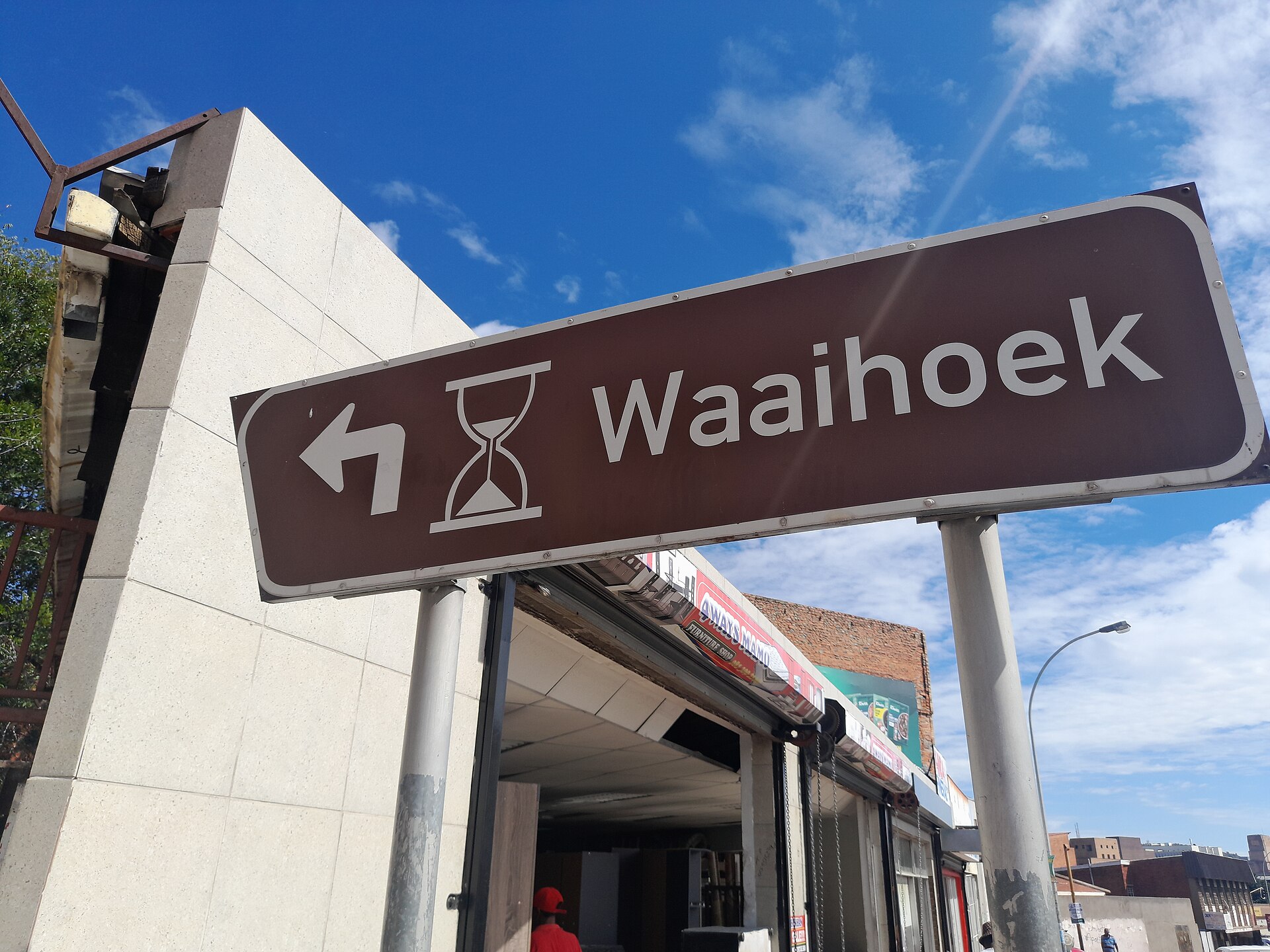
    One of South Africa’s most hallowed heritage sites is set for a day of celebration and remembrance. Deputy Minister in The Presidency Kenny Morolong, in partnership with the Free State provincial government and Mangaung Metropolitan Municipality Executive Mayor Gregory Nthatisi, launches the Milestones of Freedom campaign in the Free State on Thursday at the Waaihoek Wesleyan Church in Bloemfontein.

    The campaign seeks to promote social cohesion, inspire national pride and encourage reflection on South Africa’s remarkable democratic journey. This year it highlights an extraordinary constellation of anniversaries: 30 years since the adoption of the Constitution, 50 years since the 1976 youth uprising, 70 years since the 1956 Women’s March, and 60 years since the forced removals from District Six, moments of struggle that gave rise to the free nation South Africans share today.

    A Freedom Walk in Maxeke’s footsteps

    The day begins at 9am with a Freedom Walk in honour of Charlotte Maxeke, the pioneering religious leader, social and political activist who is celebrated as one of the great figures in the struggle for freedom and equality. Students from local tertiary institutions and representatives of civil society organisations will join the walk, which ends with a visit to the Waaihoek Wesleyan Church Museum, where participants can reflect on the journey from apartheid to democracy.

    The choice of venue could hardly be richer in meaning. Waaihoek Wesleyan Church is one of the most significant sites in the history of South Africa’s liberation struggle, giving Thursday’s celebration deep roots in the very soil where the dream of freedom was nurtured.

    Lighting the Torch of Freedom

    Morolong, together with provincial and local leaders, will preside over the Lighting of the Torch of Freedom ceremony at the church, honouring the women of the historic 1956 anti-pass campaign that culminated in the great march to the Union Buildings on 9 August 1956.

    A campaign gathering pace

    Since President Cyril Ramaphosa launched the national campaign in June 2026, the provincial rollout that began on 26 July has already reached five provinces, with the Free State, Limpopo and North West completing the journey.

    “Government calls on South Africans to reflect on the journey of freedom and appreciate the sacrifices made in attaining the democracy we enjoy today by celebrating the key milestones highlighted by this campaign,” the Government Communication and Information System said.

    Source: SAnews.gov.za

    Photo: commons.wikimedia.org

  • Durban Welcomes a Region: Poetry and Song Open the 46th SADC Summit on Home Soil

    Durban Welcomes a Region: Poetry and Song Open the 46th SADC Summit on Home Soil

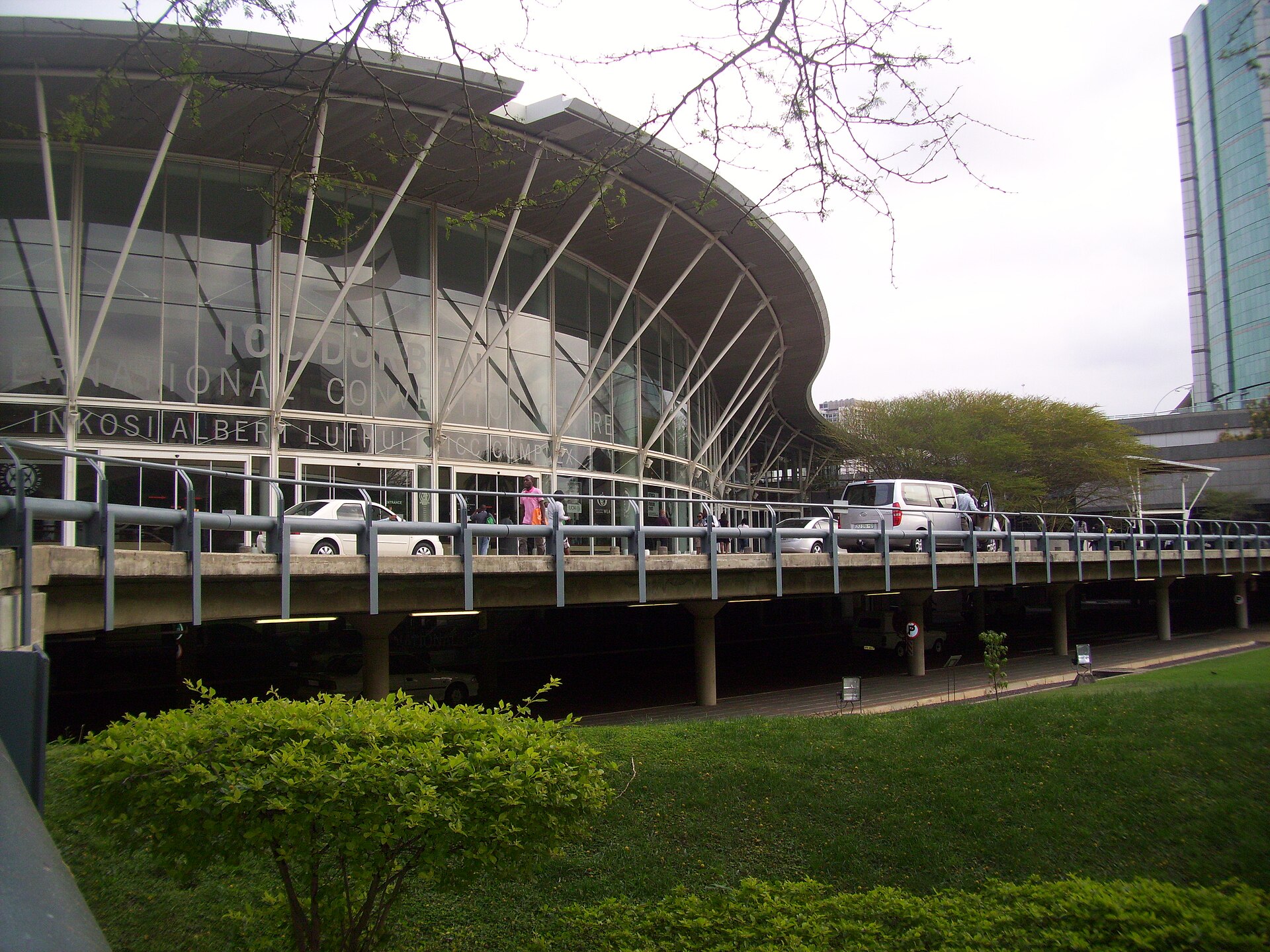
    Poetry, song and the warmth of a South African welcome opened the 46th Ordinary Summit of SADC Heads of State and Government in Durban on Monday, as regional leaders gathered for high-level talks on integration, industrialisation and sustainable development across Southern Africa.

    Hosted by South Africa at the Durban International Convention Centre under the theme “Resilient, sustainable, and inclusive industrialisation through infrastructure development, agricultural and critical minerals transformation in pursuit of a just world”, the summit places infrastructure, agricultural transformation and the beneficiation of critical minerals at the centre of the region’s development agenda.

    Culture takes centre stage

    Acclaimed South African poet Lebo Mashile opened proceedings with a moving poem dedicated to SADC, reflecting on the shared history, aspirations and interconnectedness of the region. Cultural performances followed, showcasing South Africa’s rich heritage and giving the regional gathering a distinctly local flavour, a reminder that beyond the political and economic agenda, the region is bound by shared history, culture and collective dreams.

    “You have come not as strangers or visitors, but as brothers and sisters, as partners and as fellow custodians of a shared Southern African destiny,” President Cyril Ramaphosa told the visiting leaders on behalf of the government and people of South Africa.

    A city steeped in African history

    The President noted that the summit was meeting at a special place and moment in African history: Durban is the city where the African Union was officially launched 24 years ago, and the gathering fell exactly 34 years after the SADC Declaration and Treaty were signed in Windhoek, Namibia, on 17 August 1992.

    “We therefore meet at the confluence of two defining moments in Africa’s history: the establishment of our Southern African Community and the birth of our continental Union,” he said.

    He pointed to the real progress the region has already made through initiatives such as the SADC Free Trade Area, the SADC Real-Time Gross Settlement System and the Southern African Power Pool, and urged leaders to accelerate the pace so that regional decisions translate into jobs, industries, reliable electricity, affordable food, quality healthcare and education.

    “Our communiqués must become construction sites, factories, power lines, water systems, laboratories, businesses and jobs,” he said.

    Tributaries of one great river

    In the speech’s most memorable image, President Ramaphosa compared the community to a great river system in which each member state is a tributary with its own history, identity, character and strength.

    “A tributary does not lose its identity when it joins a great river. It gains reach, depth and power. In the same way, regional integration does not diminish our sovereignty. It multiplies our collective capacity to secure the well-being of our people,” he said.

    Urging leaders to turn “borders into bridges” and “solidarity into shared prosperity”, the President declared the summit officially open, and Durban, for a shining moment, became the beating heart of Southern Africa.

    The story was first reported by SAnews.gov.za.

    Photo: commons.wikimedia.org

  • Celebrating Mzansi’s Women of Science: 2026 SAWiSA Finalists Announced Ahead of Johannesburg Gala

    Celebrating Mzansi’s Women of Science: 2026 SAWiSA Finalists Announced Ahead of Johannesburg Gala

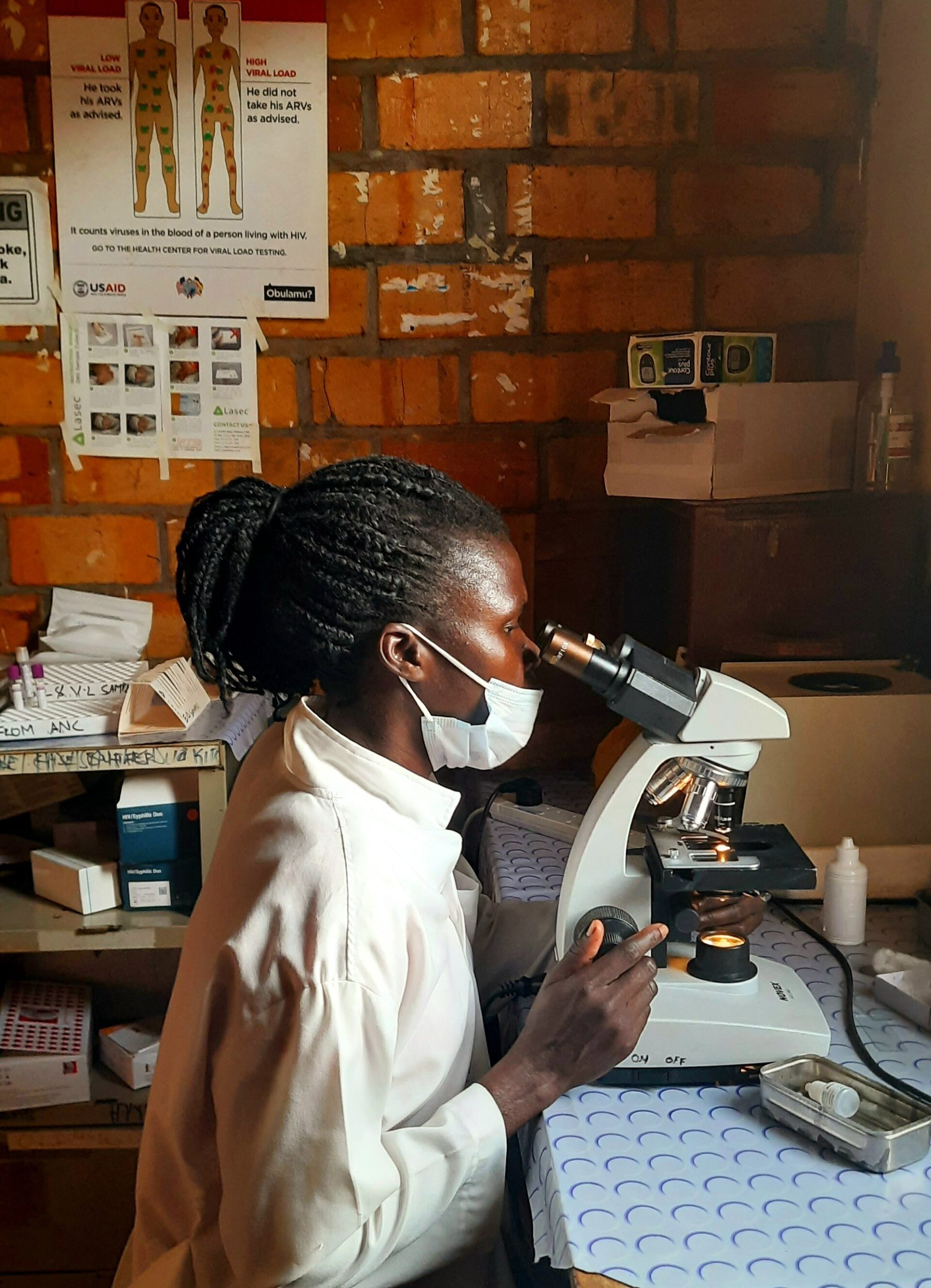
    South Africa’s brightest women scientists are about to get their moment in the spotlight. The Department of Science, Technology and Innovation (DSTI) has announced the finalists for the 2026 South African Women in Science Awards (SAWiSA), with the winners to be crowned at a gala dinner on 20 August 2026 at the NH Johannesburg Sandton Hotel.

    The announcement lands in a Women’s Month rich with meaning, as the country commemorates the 70th anniversary of the historic 1956 march, when 20 000 women walked to the Union Buildings to stand up against apartheid pass laws. Seven decades on, South African women are marching into laboratories, observatories and innovation hubs, and SAWiSA exists to celebrate them.

    Placing Women at the Centre

    “Celebrated annually during Women’s Month, SAWiSA recognises and rewards excellence in science, technology and innovation by South African women. The awards also celebrate outstanding researchers and scientists, whose achievements inspire the next generation of women and girls to pursue careers in science, technology and innovation,” the DSTI said in its announcement on Wednesday.

    This year’s theme, Placing Women at the Centre of Science, Technology and Innovation, aligns with the department’s wider mantra of placing science, technology and innovation at the centre of government, education, industry and society. It underscores the critical role women play in advancing scientific excellence, driving innovation and contributing to South Africa’s socio-economic development.

    A Fellowship Named for a Trailblazer

    Among the most touching changes this year is a tribute to one of South Africa’s most distinguished black women scientists. The DSTI Fellowships have been renamed the DSTI-Prof. Keolebogile Motaung Fellowships, in honour of the late Professor Shirley Keolebogile Motaung, a celebrated scientist and academic.

    The fellowships will be awarded to young women pursuing their master’s and doctoral degrees, in recognition of their academic excellence and research potential, ensuring that Professor Motaung’s legacy lives on in the careers she helps launch.

    A Fresh Look for a Growing Platform

    The 2026 edition also introduces a refreshed SAWiSA identity, reflected in a new logo, trophy and overall branding that combines scientific symbolism, feminine strength and South African identity. The department says the new look strengthens the visibility of research excellence, reinforces SAWiSA’s role as an instrument of transformation, and creates a recognisable platform through which awardees can inspire public participation in science, mentorship and future talent development.

    For the finalists, the coming week is a celebration of years of dedication at the lab bench and in the field. For the young girls watching, it is something even more valuable: proof that South African women belong at the very centre of science, and that the next great discovery could carry their name. All eyes now turn to Sandton on 20 August, when the class of 2026 takes its bow, according to the announcement reported by SAnews.

    Photo: commons.wikimedia.org

  • Mark Your Calendars, Mzansi: Local Government Elections Set for 4 November 2026

    Mark Your Calendars, Mzansi: Local Government Elections Set for 4 November 2026

    South Africa’s democratic calendar has its next big date. Municipal elections will take place on 4 November 2026, after Cooperative Governance and Traditional Affairs (CoGTA) Minister Velenkosini Hlabisa officially gazetted the date in Government Gazette No. 55162, setting the country’s well-oiled electoral machinery in motion once again.

    The announcement, reported by SAnews, marks the formal start of the election period, and with it, another proud chapter in a democratic tradition South Africans have built over three decades.

    The Countdown Begins

    The gazetting follows the Constitution and the Municipal Structures Act, which require that elections be held within 90 days of the end of local government’s five-year term. With the date now official, the voters’ roll has closed and the focus shifts squarely to voting day.

    Minister Hlabisa thanked the citizens who made sure their names appear on the voters’ roll during the Electoral Commission’s registration drive, and called on all South Africans, especially women, young people, persons with disabilities and people in rural areas under traditional authorities, to turn out and strengthen democracy with their vote.

    A Timetable to Guide the Way

    At a media briefing on Friday, the Electoral Commission welcomed the proclamation of 4 November and announced the publication of the official Election Timetable. The timetable serves as the guiding framework for everything that happens between now and voting day, from the finalisation and certification of the voters’ roll to candidate nominations, objections and special voting arrangements.

    It is the kind of methodical, transparent preparation that has earned South Africa’s elections a reputation for credibility, election after election, since 1994.

    Every Vote Strengthens Democracy

    Local government elections decide who runs the services closest to people’s daily lives: water, electricity, refuse collection, roads, parks and libraries. That makes 4 November a chance for every community to shape its own future, street by street and ward by ward.

    The Electoral Commission will provide regular updates on election processes over the coming weeks, so voters can follow every step on the road to the polls.

    Seventy years after the women of 1956 marched for the right to be heard, and more than thirty years into constitutional democracy, South Africans once again have the opportunity to do something remarkable in its simplicity: stand in line, make a mark, and have a say. See you at the polls, Mzansi.

    Photo: commons.wikimedia.org

  • A World First for Joburg: Sony World Photography Awards Exhibition Makes Its South African Debut

    A World First for Joburg: Sony World Photography Awards Exhibition Makes Its South African Debut

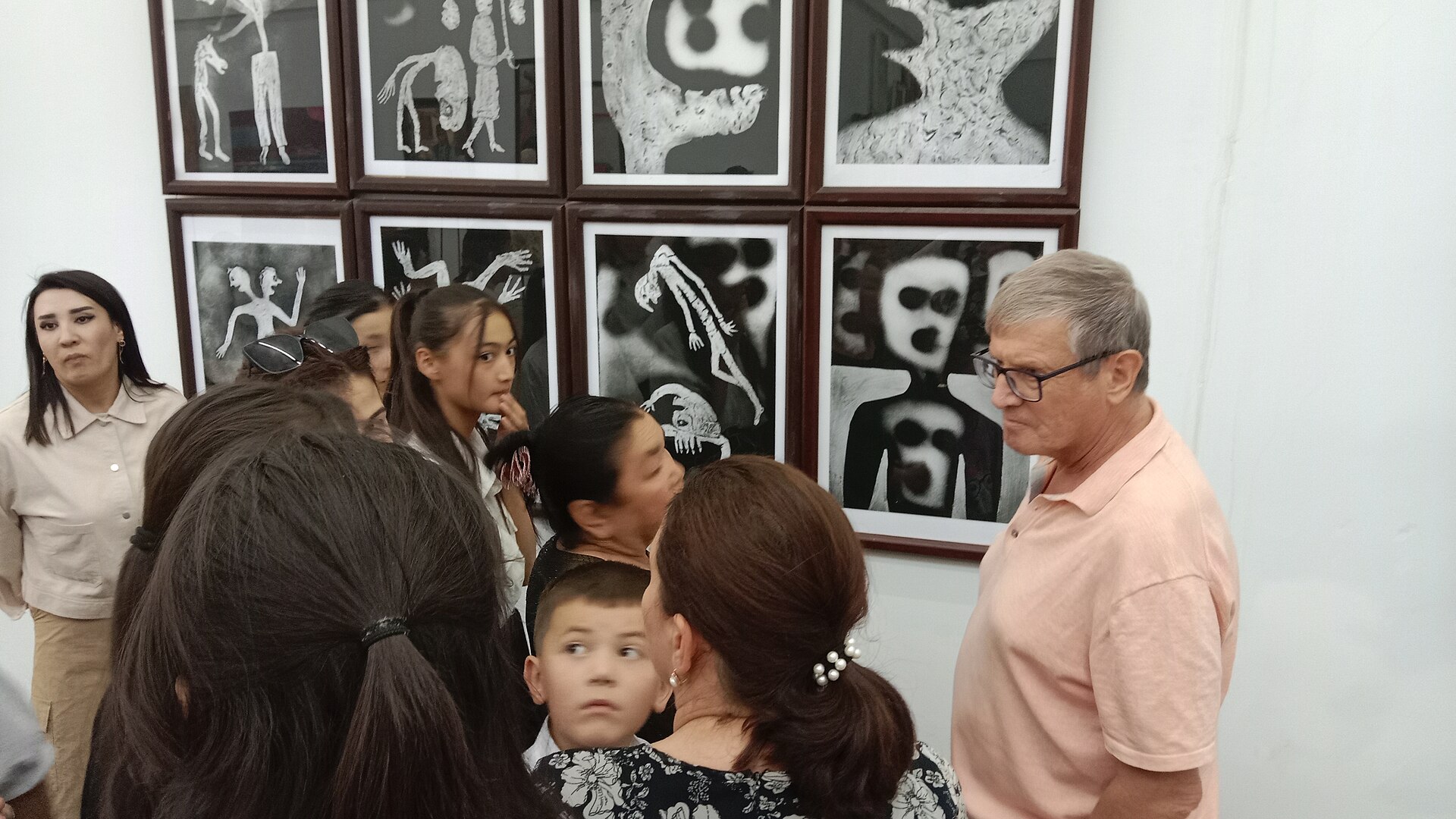
    Johannesburg is about to make photographic history. On 15 August 2026, the Roger Ballen Centre for Photography in Forest Town opens Decisive Moment — the first-ever South African exhibition of the Sony World Photography Awards, one of the most prestigious international honours in photography.

    The exhibition, which runs until 22 January 2027, brings together award-winning images from the 2024, 2025 and 2026 editions of the Awards, now in their 20th year. The scale of the platform is enormous: this year’s competition alone drew more than 430 000 entries from over 200 countries and territories — and the winning work is now making its South African debut.

    The world’s best images, in a Joburg gallery

    Curated in partnership with Creo and the World Photography Organisation, the show spans documentary, portraiture, wildlife, sport, landscape and creative photography, offering visitors a wide-ranging look at how photographers around the world are documenting and interpreting contemporary life.

    Roger Ballen, founder of the Centre, described the exhibition as a rare opportunity to bring global photographic perspectives into conversation with a city defined by its own complexity and diversity, saying he expects the show to resonate widely with visitors while honouring the calibre of work the Awards represent.

    New Eyes: a spotlight on South African talent

    Running alongside the international showcase is New Eyes: The Roger Ballen Centre Photography Award, a brand-new initiative spotlighting emerging South African photographers. The inaugural edition features work from Karabo Mooki, D.M. Terblanche and Zwelibanzi Zwane, selected by a panel of Emilie Demon, Michelle Loukidis and Jabulani Dhlamini — each bringing deep experience in photography, education and curatorship.

    Placing a new South African award alongside an internationally recognised one creates a deliberate dialogue between global photographic excellence and the local talent shaping the medium’s next chapter.

    Plan your visit

    The Centre has built a public programme around both exhibitions — talks, workshops, masterclasses and guided walkabouts — aimed at deepening visual literacy among audiences, students and emerging photographers. Updated programme details will be published on the Centre’s website and social media channels throughout the run, giving schools, camera clubs and aspiring photographers plenty of chances to engage with the work up close over the exhibition’s five-month stay.

    • Where: Roger Ballen Centre for Photography, 2 Duncombe Road, Forest Town, Johannesburg
    • When: 15 August 2026 to 22 January 2027
    • Hours: Tuesday to Friday 10:00–16:00, Saturdays 10:00–12:00
    • Admission: R50

    For a city with Johannesburg’s creative energy, hosting the world’s biggest photography awards for the first time is more than an exhibition — it is a statement that South Africa belongs on the global cultural map.

    Facts sourced from Business Explainer.

    Photo: commons.wikimedia.org

  • A Decade of African Ideas: Mbali International Conference Celebrates 10 Years in Richards Bay

    A Decade of African Ideas: Mbali International Conference Celebrates 10 Years in Richards Bay

    Ten years after it first opened its doors to Africa’s thinkers, the Mbali International Conference is celebrating a milestone edition in Richards Bay, KwaZulu-Natal, with a call for the continent to seize its moment on the world stage.

    Hosted by the University of Zululand from 4 to 6 August 2026, the three-day gathering is being held under the theme “Africa Awakens: Possibilities, Progress, Partnerships in a Multipolar World”. The tenth edition marks a decade of promoting African intellectualism, thought leadership and progressive dialogue.

    The conference has brought together academics, policymakers, innovators and business leaders from across the continent to reflect on Africa’s role in shaping global development.

    African voices at the forefront

    Addressing delegates, KwaZulu-Natal Premier Thamsanqa Ntuli underscored the importance of partnerships, knowledge exchange and visionary leadership in unlocking Africa’s full potential amid a rapidly evolving global landscape.

    Ntuli said platforms such as the Mbali International Conference are critical to ensuring that African voices, ideas and experiences remain at the forefront of discussions on development, innovation and international cooperation.

    “Africa’s progress depends on stronger collaboration between governments, academia, innovators, the private sector and civil society,” the Premier said.

    He highlighted the importance of positioning KwaZulu-Natal as a province that contributes meaningfully to continental dialogue, economic development and the advancement of African-led solutions to African challenges.

    Opportunity in a multipolar world

    The Premier noted that the conference provides a platform for delegates to explore new opportunities for cooperation in a multipolar world, where emerging economies and developing regions are playing an increasingly influential role in shaping the global agenda.

    It is a fitting conversation for Richards Bay, an industrial and port city with deep links to trade across the Indian Ocean, and for the University of Zululand, which has used the conference to build a bridge between the academy and the practical work of development.

    Ten years of building a platform

    Ntuli commended the organisers for sustaining a platform that continues to promote intellectual engagement and African excellence, and that fosters partnerships aimed at building a more inclusive and prosperous continent.

    The conference is expected to reaffirm the role of dialogue, innovation and collective action in advancing Africa’s development agenda, while inspiring new hope for future generations to contribute to the continent’s growth and transformation.

    A decade in, the message from Richards Bay is a confident one: Africa’s ideas are awake, its partnerships are growing, and its universities are helping to lead the way.

    Photo: commons.wikimedia.org
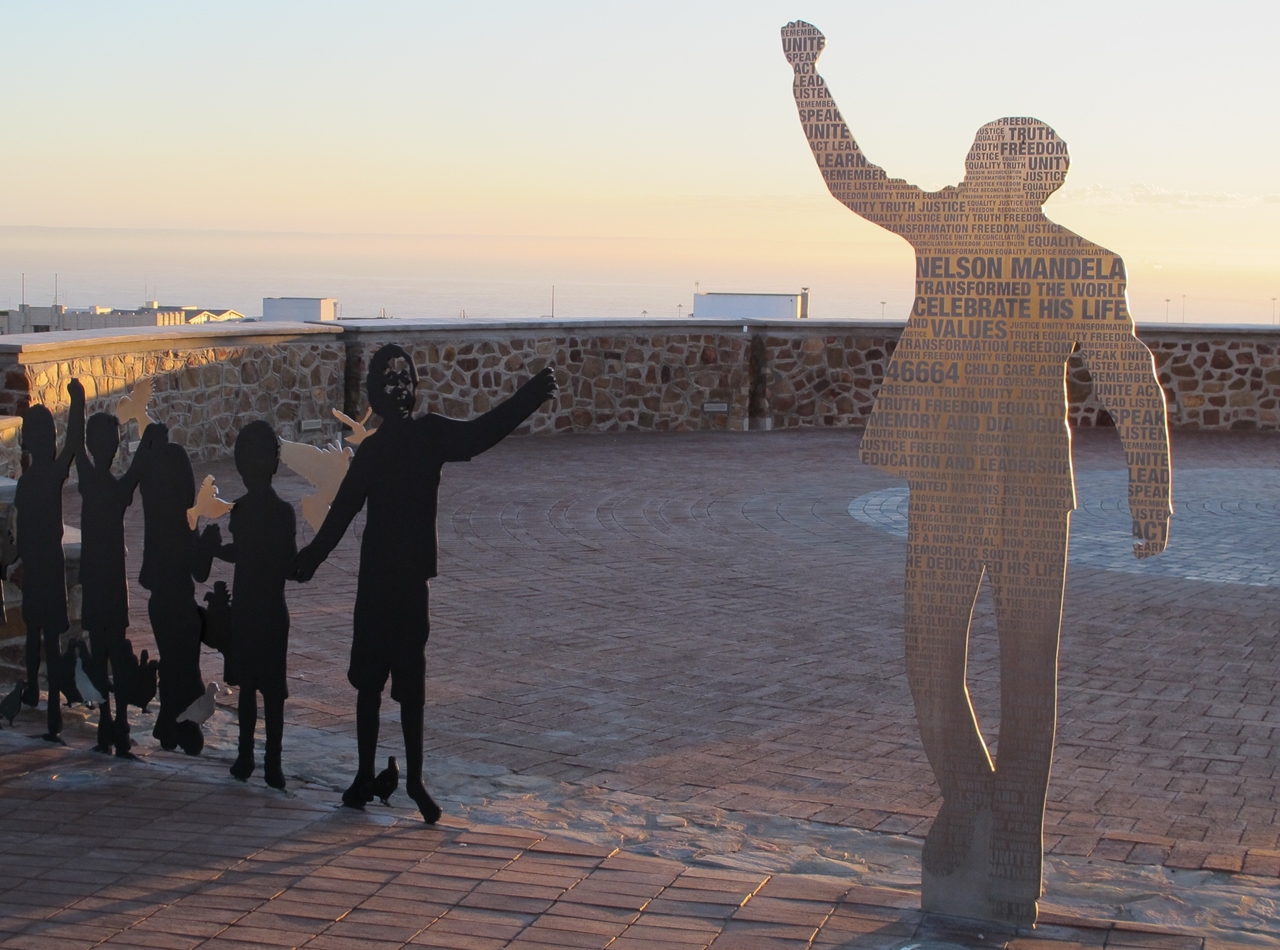
  • Milestones of Freedom Hits the Road: Democracy Celebrations Roll Out to Every Province

    Milestones of Freedom Hits the Road: Democracy Celebrations Roll Out to Every Province

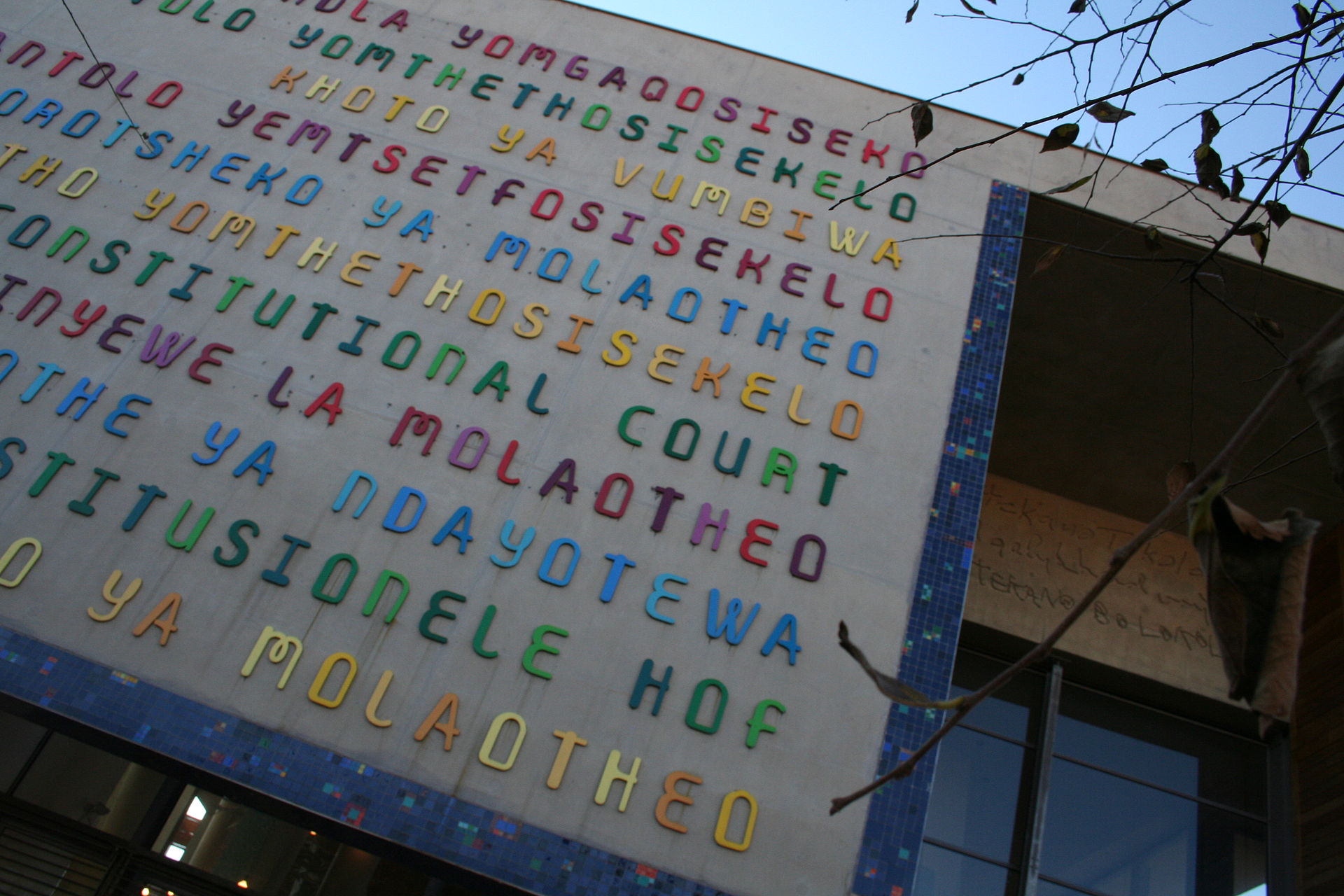
    South Africa’s Milestones of Freedom campaign is going national. Following its launch by President Cyril Ramaphosa on 18 June 2026, the Government Communication and Information System, better known as GCIS, has begun rolling the campaign out to all nine provinces, bringing celebrations of the country’s democratic journey directly into communities, SAnews reports.

    The campaign is designed to promote social cohesion, inspire national pride and encourage reflection on how far South Africa has come, by spotlighting the remarkable cluster of anniversaries the country marks this year.

    A year of powerful anniversaries

    Four landmark commemorations anchor the campaign:

    • The 30th anniversary of the adoption of the Constitution
    • The 50th anniversary of the 1976 Youth Uprising
    • The 70th anniversary of the 1956 Women’s March
    • The 60th anniversary of the forced removals from District Six

    The first provincial launch took place in Sharpeville, Gauteng, on 26 July 2026, where GCIS and provincial government partners hosted a memorial lecture marking the Constitution’s 30th anniversary – a fitting choice, given Sharpeville’s deep significance in the story of South Africa’s freedom.

    Coming to a community near you

    August is set to be the campaign’s busiest month yet, with launches planned across the country:

    • 6 August: KwaZulu-Natal (Ilembe District) and Northern Cape (John Taolo Gaetsewe District)
    • 10 August: Free State (Mangaung Metro)
    • 11 August: Eastern Cape (Kouga Local Municipality)
    • 11-12 August: Western Cape (City of Cape Town)
    • 14 August: Mpumalanga (Gert Sibande District)
    • 26 August: Limpopo (Capricorn District, Polokwane)
    • 27 August: North West (Dr Kenneth Kaunda Municipality)

    The rollout continues right through to February 2027, with each launch led by GCIS in partnership with Offices of the Premier, the departments responsible for cooperative governance and for sport, arts and culture, and local municipalities.

    An open invitation

    Government has extended a warm invitation to all South Africans to take part. “Government encourages communities to participate in Milestones of Freedom activities as an opportunity to deepen their understanding of South Africa’s shared history and strengthen their appreciation of the country’s journey to democracy,” GCIS said.

    Details of upcoming events are available on the government website – a chance for families, schools and communities to celebrate the milestones that made modern South Africa possible.

    Photo: commons.wikimedia.org