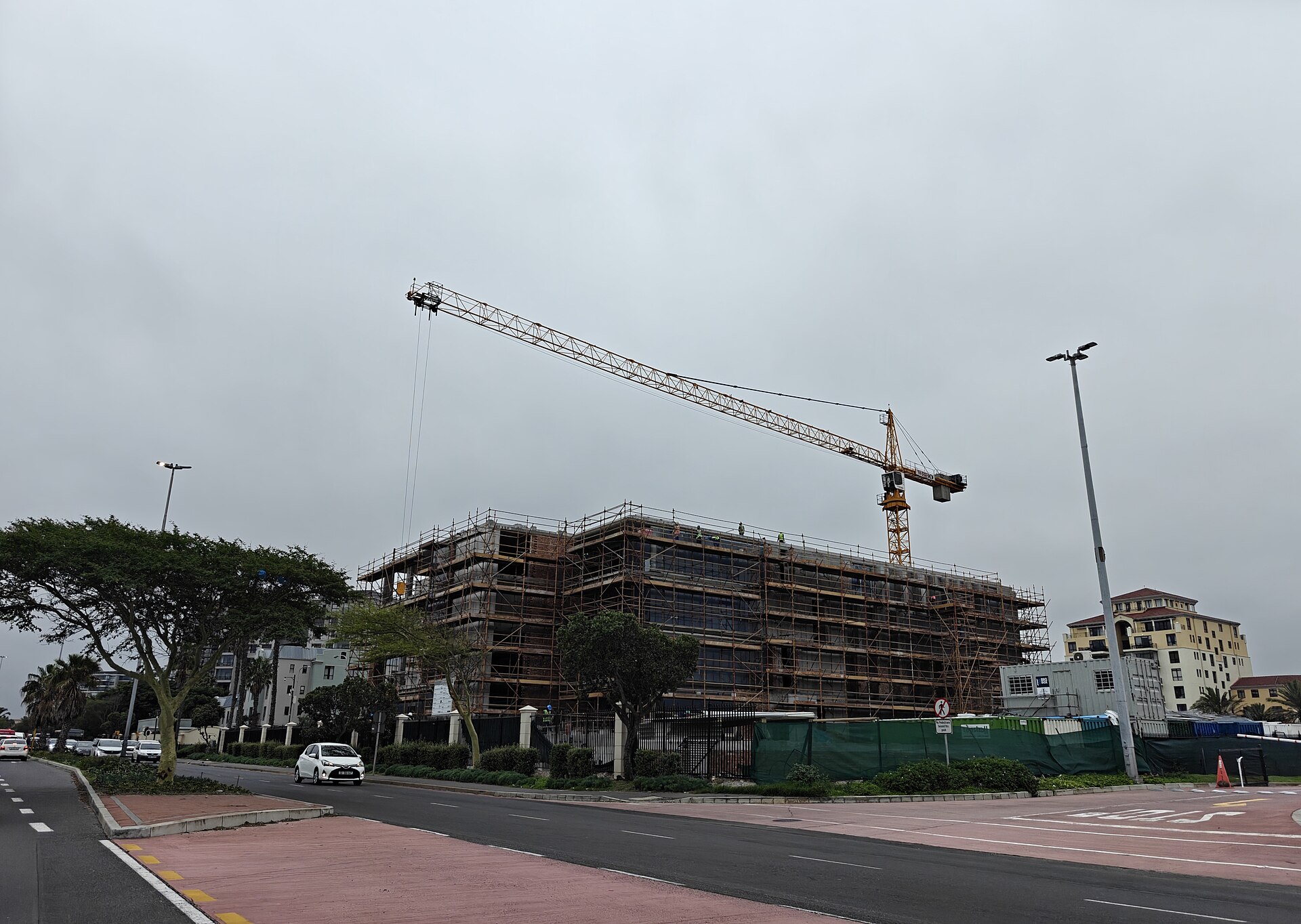
South Africa’s construction industry is being invited to step boldly into the digital age. Speaking at the Built Environment Summit at the Cape Town International Convention Centre, Public Works and Infrastructure Deputy Minister Sihle Zikalala urged the sector to embrace technological innovation to lift safety and performance on construction sites across the country.
Zikalala told delegates that modern project management must increasingly rely on technological tools to strengthen inspection, oversight and delivery outcomes, describing technology in construction as no longer simply a matter of modernisation but an “indispensable intervention” needed to improve performance, reduce failure rates and ensure projects are completed efficiently, on time and within budget.
AI as a Partner, Not a Threat
The Deputy Minister tackled one of the big questions of the moment head-on: will artificial intelligence take construction jobs? His answer was an emphatic no. AI, he said, should be seen as an accelerator of productivity rather than a threat to employment.
“The integration of technology presents an opportunity to revolutionise how projects are monitored, controlled, and delivered. Far from being a threat to employment, AI serves as a powerful catalyst for efficiencies and productivity gains. By automating routine and repetitive tasks, AI frees up skilled professionals to focus on higher-value activities that require critical thinking and creativity,” Zikalala said.
It is a vision in which South African engineers, quantity surveyors and site managers spend less time on paperwork and more time on the skilled judgement calls that machines cannot make.
Drones, Digital Models and Smarter Inspections
Zikalala highlighted the growing role of a whole toolkit of technologies in strengthening the country’s inspection systems, including:
- Building Information Modelling (BIM), which creates rich digital models of projects before and during construction;
- Drones that give inspectors eyes over every corner of a site;
- Artificial intelligence and advanced data analytics that spot patterns humans might miss.
Together, he said, these tools can enhance visibility on sites, provide stronger evidence-based oversight and help identify risks earlier, before they escalate into failures. That means safer sites for workers and better-built infrastructure for the communities who use it.
Growing the Inspector Corps
Technology alone is not the whole answer, and the Deputy Minister also called for closer coordination across all spheres of government to increase the number of registered building inspectors, describing this as critical to protecting both construction infrastructure and the workers on the ground.
The message from the summit was one of confidence in the sector’s future: a South African built environment where digital tools and skilled professionals work hand in hand, delivering the roads, schools, clinics and homes the country needs, done right the first time.
With industry leaders gathered in Cape Town to chart that course together, the foundations for a smarter, safer construction sector are already being laid.
Source: SAnews.gov.za
Photo: commons.wikimedia.org










Leave a Reply