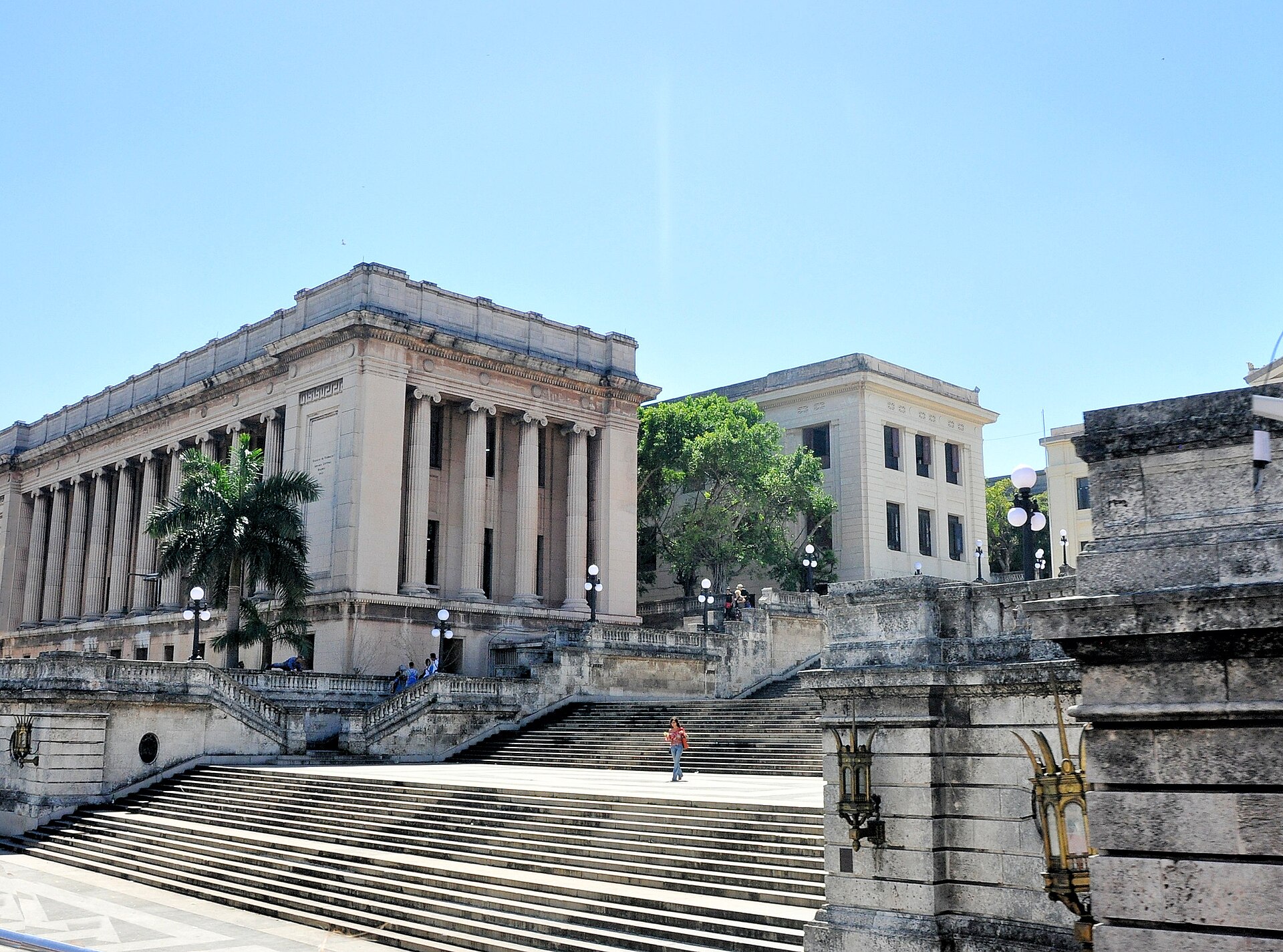
Eighteen young South Africans from disadvantaged backgrounds are packing their bags for Havana, selected to study medicine in Cuba through the Nelson Mandela Fidel Castro Medical Training Programme. The Gauteng Department of Health, which backs the cohort, calls it a major investment in the country’s future healthcare leaders.
The scale of the competition tells its own story of ambition. Some 2 480 young people from across Gauteng applied for a place. Of those, about 740 met the requirements and 91 were shortlisted before the final 18 were chosen.
Chosen for excellence and heart
Selection was about far more than marks. Candidates came from households earning R350 000 a year or less, with priority given to learners from Quintile 1 to 3 schools, so that the programme keeps opening doors for young people who would otherwise face financial barriers to studying medicine.
The process included home visits, interviews and background evaluations, weighing academic performance alongside each candidate’s socioeconomic circumstances and, in the department’s words, their “potential to contribute meaningfully to the healthcare sector”.
“Successful candidates demonstrated a strong commitment to returning to serve the country and applying the knowledge and skills acquired through the programme to strengthen healthcare delivery, particularly in areas where shortages of healthcare professionals remain a challenge,” the department explained.
A pipeline that is already delivering
The new recruits follow a well-trodden path. Since the programme began, 463 students have graduated through it and are now serving in Gauteng’s public healthcare facilities. The department says many are already making a significant impact, and it is confident the new cohort will continue that legacy of service and excellence.
The Cuban medical curriculum places a strong emphasis on primary health care, prevention and health promotion, which aligns closely with South Africa’s own health priorities. Graduates return home with expertise that strengthens community-based services and supports efforts to reduce the burden of disease through preventative care.
Building tomorrow’s health system
On their return, the 18 will join Gauteng’s growing pool of medical practitioners, improving access to quality healthcare, particularly in underserved and rural communities. Their training will also support the strengthening of primary health care services and the future rollout of the National Health Insurance, helping to build a more equitable system for all.
“The programme empowers talented students from disadvantaged backgrounds to become medical doctors while equipping them with the skills and knowledge needed to serve the people of South Africa,” the department said.
For 18 families across Gauteng, it is the start of an extraordinary journey, and for the province’s clinics and hospitals, the promise of 18 more doctors committed to coming home. The story was first reported by SAnews.gov.za.
Photo: commons.wikimedia.org


.jpg)


_01.jpg)

