Good News · All Nine Provinces

Independent · Local · Forward-looking

Mzansi News Online

Uniting SA Through Good News

Category: Service Delivery

  • Back on Track: Cape Mainline Fully Reopens After a Massive Engineering Effort

    Back on Track: Cape Mainline Fully Reopens After a Massive Engineering Effort

    The Cape Mainline is humming again. Transnet Rail Infrastructure Manager (TRIM) has completed the full recovery and reconstruction of the vital Western Cape rail artery, and both diesel and electric trains are once more running the length of the line.

    “The reopening of the Cape Mainline reinforces TRIM’s commitment to maintaining a safe, reliable and resilient rail network and responding decisively to infrastructure disruptions caused by extreme weather,” said TRIM Chief Executive Moshe Motlohi.

    A rebuild worthy of the Karoo

    The challenge was formidable. Heavy rainfall, strong winds and flooding on 11 and 12 May damaged railway infrastructure at five locations in the Worcester area and caused two washaways at Leeu-Gamka in the Karoo, forcing sections of the line to close for more than two months.

    TRIM responded by rapidly mobilising its internal teams alongside external stakeholders to restore the railway safely and keep disruption to rail operations to a minimum. The recovery effort was comprehensive:

    • Washed-away track formations and their supporting infrastructure were rebuilt from the ground up.
    • Track structures and overhead equipment were reinstated along the damaged sections.
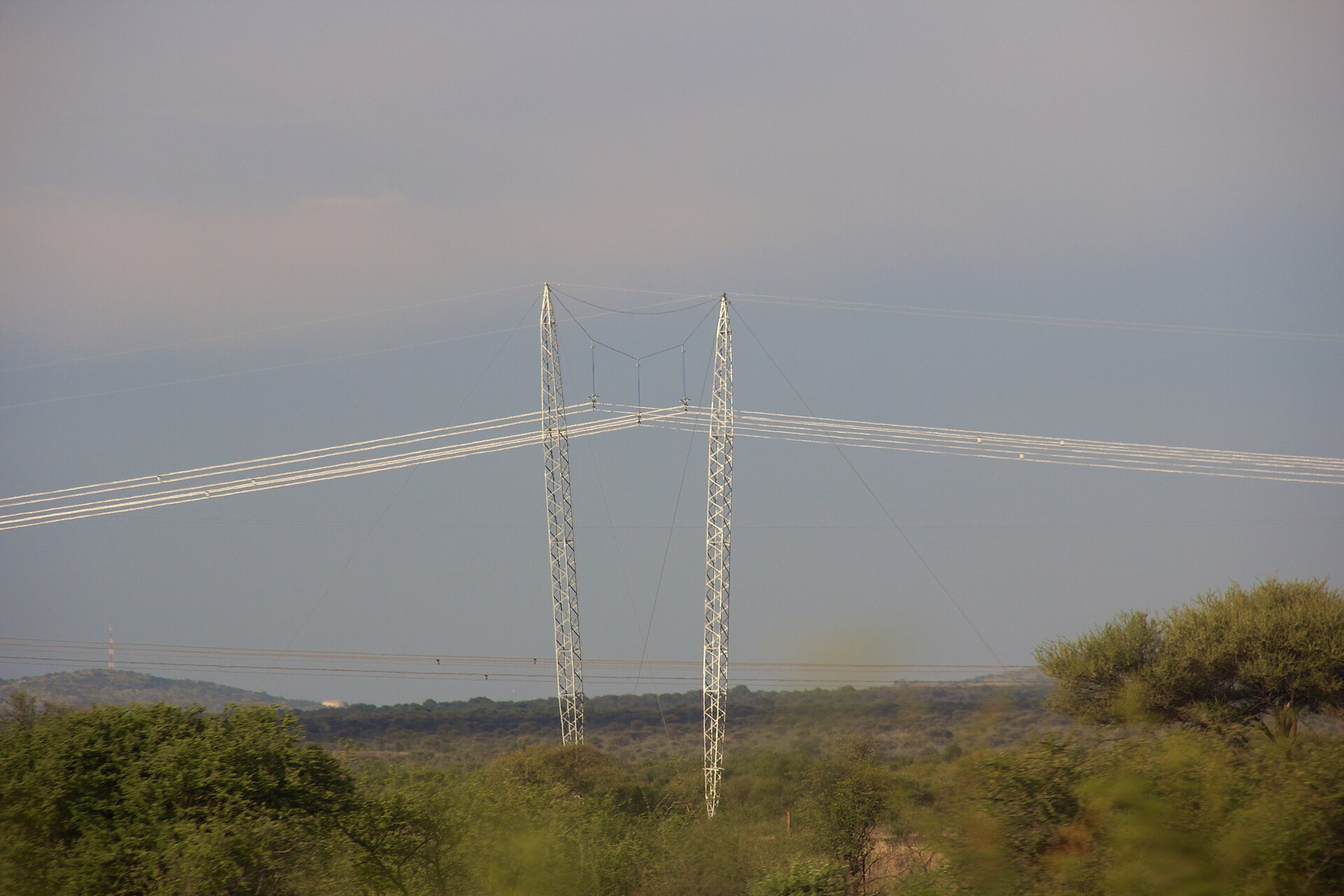
    • Mast poles brought down by the storms were replaced.

    Diesel first, then full electric power

    The comeback arrived in two confident steps. On 31 July 2026, the Cape Mainline reopened to diesel-hauled trains, restoring the flow of traffic through the corridor. Then, in August 2026, the line was fully reopened for electric trains after the reinstated overhead track equipment was completed and commissioned.

    That staged approach meant trains were moving as early as safely possible while the finishing touches were made to the electrical systems, a practical, engineering-led path back to full service.

    Resilience on rails

    For the Western Cape and the country’s freight network, the reopening is more than a repair job. It is a demonstration that South Africa’s rail infrastructure teams can absorb a blow from extreme weather and build back, restoring a corridor that links the Cape to the rest of the nation.

    With formations rebuilt, masts standing tall and the overhead wires live again, the Cape Mainline’s full return is a win for rail users, for freight customers and for everyone who believes in keeping South Africa moving. The announcement was reported by SAnews.gov.za.

    Photo: commons.wikimedia.org
  • Three Days, Three Municipalities: Limpopo Celebrates a Weekend of Water Wins

    Three Days, Three Municipalities: Limpopo Celebrates a Weekend of Water Wins

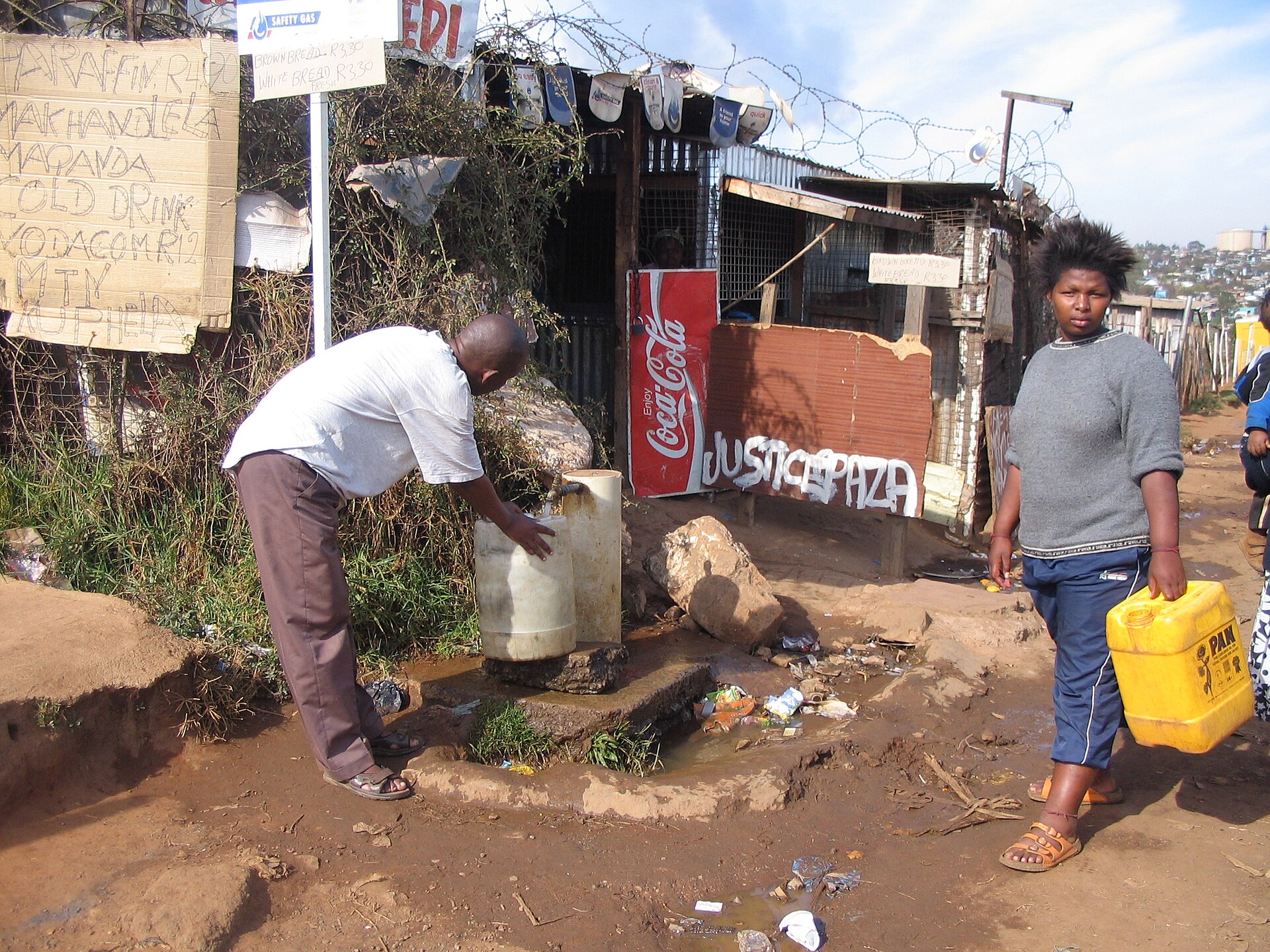
    Taps across Limpopo are flowing with good news. Water and Sanitation Minister Pemmy Majodina, Deputy Minister David Mahlobo and Limpopo Premier Dr Phophi Ramathuba spent three days handing over completed water supply projects in three municipalities, capping years of construction with a weekend of celebration.

    Polokwane: a R200 million boost for Seshego

    The programme opened on Friday, 4 September 2026, with the official handover of the completed Seshego Water Treatment Works to Polokwane Executive Mayor John Mpe. Built through the Department of Water and Sanitation’s Regional and Bulk Infrastructure Grant at a cost of more than R200 million, the plant improves water provision and enhances potable supply to the communities of Seshego and surrounding areas within the city.

    Mogalakwena: 42 000 households connected

    On Saturday, the delegation handed the Jakkalskei Water Supply Scheme to Mogalakwena Executive Mayor Ngoako Taueatsoala. It is a substantial piece of engineering, including the Kroomkloof Water Treatment Works and high-lift pump stations, a 3.5 million-litre water capacity, newly developed boreholes and the refurbishment of 26 community reservoirs.

    “The scheme will improve reliable water supply to over 42 000 households of Mokopane,” the department said.

    Blouberg: two townships, 800 families

    The Minister concluded the programme on Sunday in Blouberg Local Municipality, handing over two water supply schemes to Mayor Maria Thamaga in the townships of Maokeng and Dilaeneng in the Senwabarwana area. Funded through the department’s Water Supply and Infrastructure Grant, the two schemes carry a combined value of R23 million and will benefit more than 800 households.

    Part of a bigger national push

    The handovers form part of government’s ongoing work to ensure communities have access to safe, reliable and sustainable drinking water. The department continues to roll out projects across the country through grants and funding mechanisms that expand supply, upgrade ageing infrastructure, improve treatment capacity and strengthen bulk and local water systems.

    It also works hand in hand with municipalities and their entities to develop new water sources, maintain and rehabilitate infrastructure, and strengthen supply systems, interventions aimed not only at increasing access to potable water but at ensuring the infrastructure can sustainably support growing communities and economic development.

    For tens of thousands of Limpopo families, the result is beautifully simple: clean water, closer to home, from systems built to last. Details were first published by SAnews.gov.za.

    Photo: commons.wikimedia.org
  • Applause Turned Into Working Capital: 24 Durban Tourism Businesses Get R720 000 in Tools of Trade

    Applause Turned Into Working Capital: 24 Durban Tourism Businesses Get R720 000 in Tools of Trade

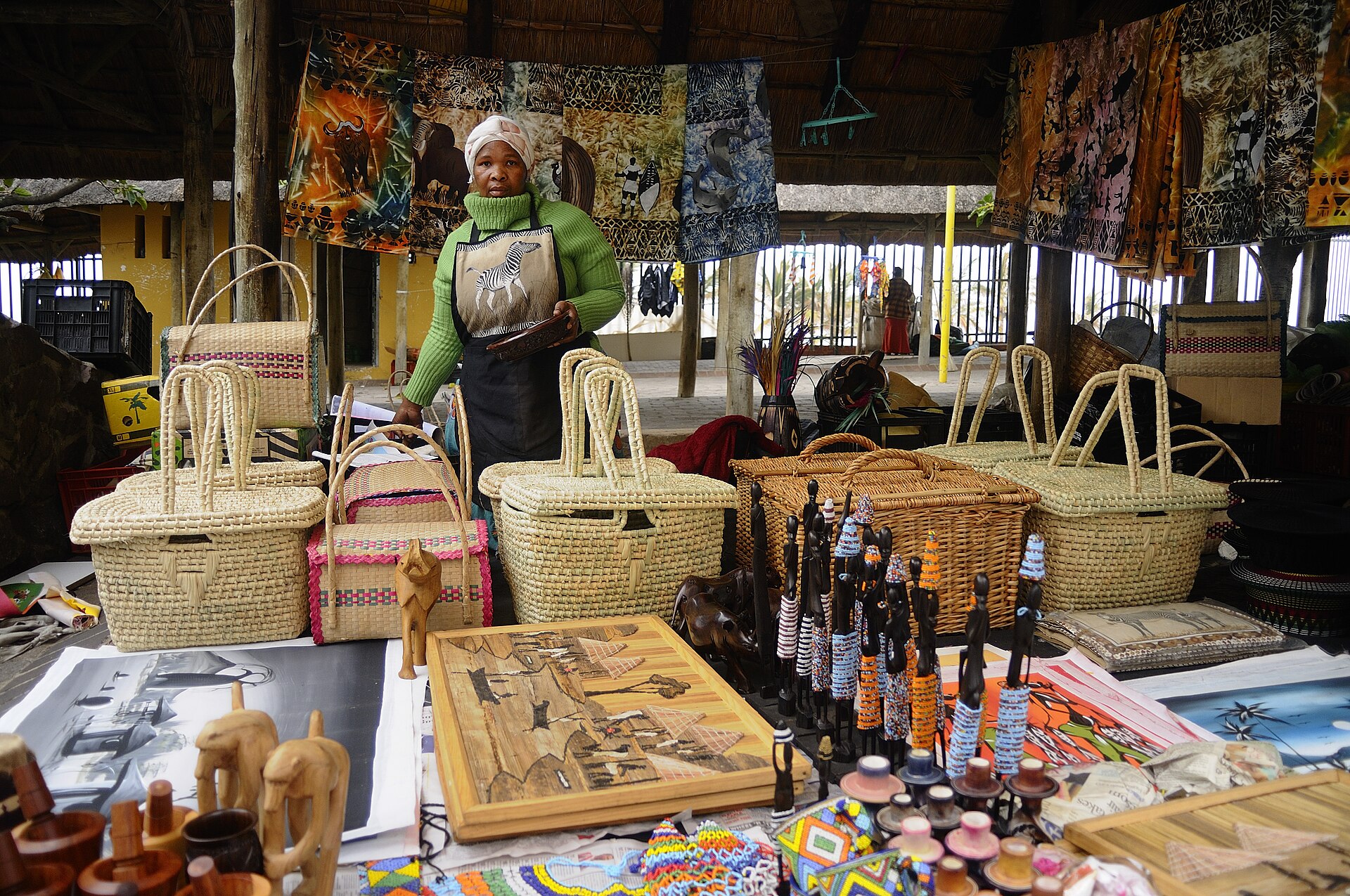
    Two dozen of Durban’s most promising tourism businesses have received a practical leg-up worth a combined R720 000, as Durban Tourism completed the prize-giving for its fifth Durban Tourism Business Awards with a handover of tailor-made tools of trade.

    The 24 beneficiaries emerged as first and second runners-up in the awards, which were held in June 2026. While category winners collected their prizes at the June ceremony, this week’s handover completed the process, with each runner-up receiving equipment matched to the specific needs of their operation.

    Tools chosen to fit each business

    Rather than a one-size-fits-all prize, the support package was built around what each enterprise actually requires to grow. The tools of trade included:

    • Electronics and office equipment
    • Furniture for customer-facing spaces
    • Other essential business tools identified by each beneficiary

    The intervention is designed to strengthen the businesses’ day-to-day operations, improve their capacity and create an enabling environment for them to expand and contribute meaningfully to Durban’s tourism economy.

    Backing the people behind the destination

    Thembo Ntuli, chairperson of the eThekwini Municipality’s Economic Development and Planning Committee, said the city recognises the vital role that innovative tourism businesses play in growing Durban’s offering to visitors.

    “The success of Durban as a tourism destination is linked to the strength, resilience and competitiveness of the businesses and people who form part of our tourism value chain. The handover of these tools of trade is about ensuring that our tourism businesses have the necessary resources to strengthen their operations and grow,” Ntuli said.

    He added that supporting tourism enterprises is critical to building a vibrant and inclusive tourism economy, one that creates opportunities for local businesses and the communities they employ and serve.

    A growing tradition of recognition

    Now in its fifth edition, the Durban Tourism Business Awards have become a fixture on the city’s calendar, celebrating the guesthouses, tour operators, attractions and service providers that keep South Africa’s warmest city on travellers’ itineraries.

    By pairing recognition with resources, Durban Tourism is turning applause into working capital, and reaffirming its commitment to a tourism sector where small enterprises can compete, thrive and help the city welcome ever more visitors to its golden beachfront.

    Source: SAnews.gov.za

    Photo: commons.wikimedia.org

  • Powering Ahead: Independent Grid Operator Takes Shape in SA Electricity Reform Milestone

    Powering Ahead: Independent Grid Operator Takes Shape in SA Electricity Reform Milestone

    South Africa’s journey towards a reliable, affordable and sustainable electricity supply has reached an important milestone, with the establishment of an independent, state-owned Transmission System Operator (TSO) now moving from vision to implementation.

    The TSO sits at the heart of government’s electricity reforms. It will remain state-owned, take control and ownership of the country’s transmission assets, and be responsible for operating the electricity market, laying the foundation for a modern, competitive power sector that can fuel economic growth.

    Presidential Endorsement Sets the Stage

    In July, President Cyril Ramaphosa endorsed the Phase I report of the Eskom Restructuring Task Team (ERTT), formally setting the stage for the restructuring. The move enjoys the full support of Eskom itself.

    “The establishment of a fully independent transmission company is a critical reform which will support the introduction of a competitive electricity market and ensure a reliable, affordable and sustainable electricity supply to power the economy,” President Ramaphosa said, adding that he was encouraged by the speed and diligence with which the task team has taken forward this important task.

    With Phase I endorsed, Phase II of the reform process is now commencing, taking the country a step closer to a fully competitive electricity market.

    Eskom on Board, With a Careful Plan

    Eskom Board Chairman Mteto Nyati confirmed that the utility shares the President’s vision and backs the reform’s careful, staged design.

    “The Eskom Board shares President Ramaphosa’s vision of an independent Transmission System Operator that will own the transmission assets at the appropriate point in the future,” Nyati said. “It is precisely for these reasons that we fully support the pragmatic approach of treating electricity sector reforms as a carefully sequenced process with clear stage gates.”

    Nyati stressed that successful reform and a financially sustainable Eskom are complementary objectives that will help support a stable, sustainable and investment-ready electricity sector, with implementation designed to safeguard Eskom’s financial position and engage lenders carefully along the way.

    Fixing the Foundations Too

    The reform drive is also tackling long-standing structural challenges head-on. The ERTT has proposed a dedicated working group to develop a consolidated action plan on municipal electricity debt, scaling up initiatives that are already showing promise.

    These include the rollout of smart meters, Distribution Agency Agreements, the continued implementation of the Municipal Debt Relief Programme, Metro Trading Services Reform and the Electricity Distribution Industry Reform Roadmap, practical steps that strengthen the whole electricity value chain from power station to plug.

    Taken together, the reforms mark a decisive shift in how South Africa’s power system is run: an independent grid operator, a competitive market on the horizon, and a financially stronger Eskom, all working towards the same goal of dependable, affordable electricity for every home and business in the country.

    Source: SAnews.gov.za

    Photo: commons.wikimedia.org

  • Clean Water Comes Closer to Home: R4 Million Scheme Launched for Ntabankulu Villages

    Clean Water Comes Closer to Home: R4 Million Scheme Launched for Ntabankulu Villages

    For the villages of Luncedweni and Dedelo in the Eastern Cape’s Ntabankulu Local Municipality, reliable clean water is about to move from wish to reality. The Alfred Nzo District Municipality has officially handed over the site of the Luncedweni Water Supply Scheme to contractors, kicking off a four-month build that will bring quality water closer to about 70 households.

    Executive Mayor Tsileng Sobuthongo, joined by Members of the Mayoral Committee and Ntabankulu Speaker Nomvula Kinase, handed the project over to Route 17 CVE Trading and Projects, working in partnership with Lebutaka Consulting Engineers, SAnews reports.

    What the R3.997 Million Buys

    Funded through the Water Services Infrastructure Grant, the investment covers a practical package of works designed for lasting impact:

    • Improvement and optimisation of the existing spring water source and borehole
    • About five kilometres of new water reticulation infrastructure
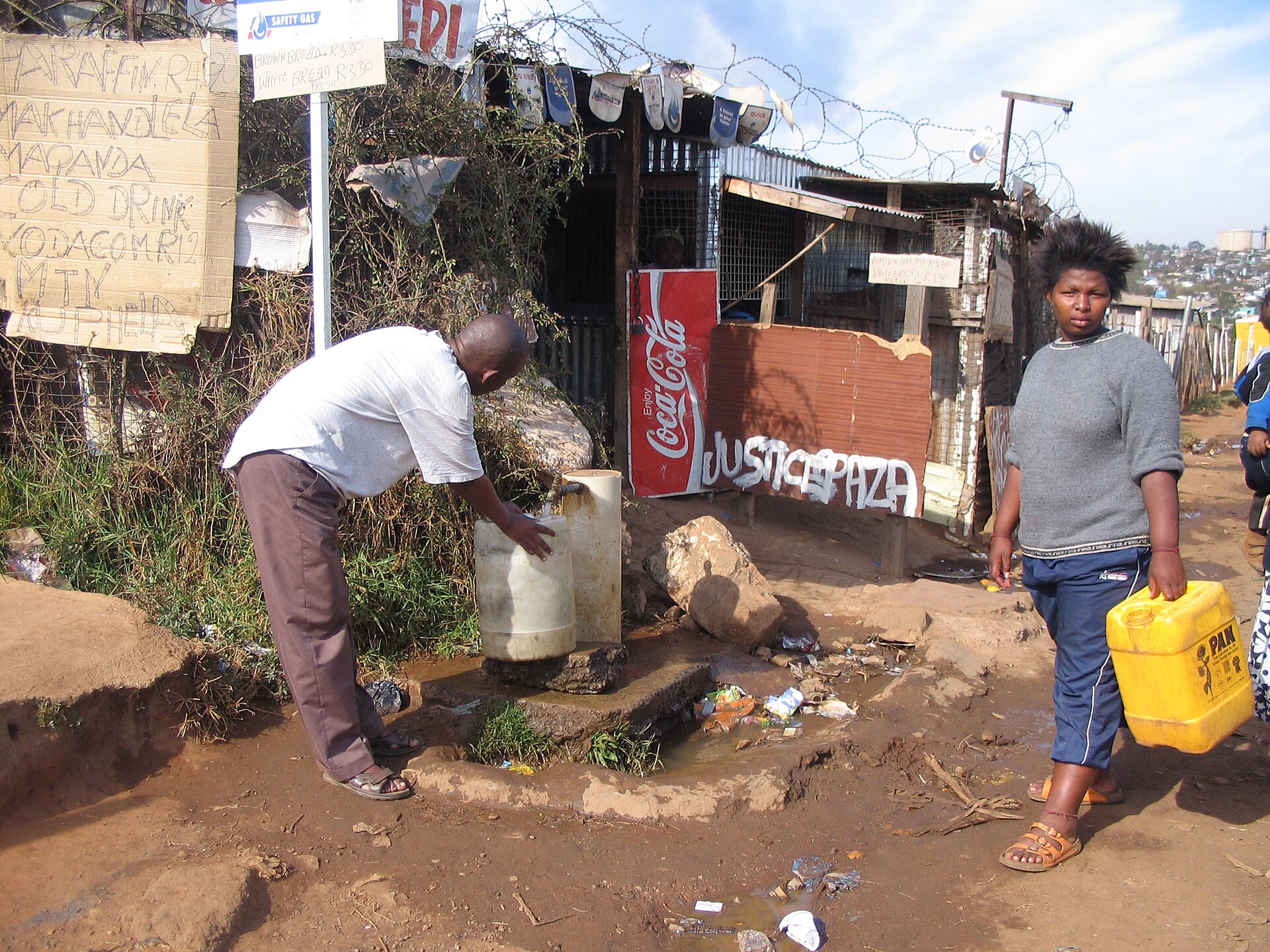
    • Communal standpipes to bring access points closer to residents’ homes

    The communities served have historically faced severe challenges in accessing reliable water services — which is what makes the scheme’s arrival so meaningful for daily life, health and dignity.

    Jobs and Opportunity, Not Just Pipes

    Beyond the health and social benefits, the project is designed as an economic catalyst for the ward. About 15 local jobs are expected to be created during construction, and emerging local businesses will have opportunities to participate through sub-contracting and other project-related activities.

    “The implementation of this project demonstrates the municipality’s commitment to improving basic services, particularly water, and ensuring that our communities receive quality service delivery,” Sobuthongo said. “This project brings renewed hope to the residents of Luncedweni and Dedelo by bringing clean and reliable water closer to their homes.”

    A Community Watching With Hope

    Residents have welcomed the project and called for continued acceleration of basic service delivery across the region. Local resident Iviwe Thoko expressed confidence that the scheme will be completed within the agreed four-month window and bring tangible, daily improvements to the villages.

    The district municipality has committed to monitoring the project closely to keep construction on schedule, ensure the infrastructure meets quality standards, and deliver maximum benefit to the people of Ntabankulu — a promise the two villages will soon be able to measure, one standpipe at a time.

    Photo: commons.wikimedia.org

  • A New Hospital and Water for Six Municipalities: US$405 Million Deal Powers Up SA Infrastructure

    A New Hospital and Water for Six Municipalities: US$405 Million Deal Powers Up SA Infrastructure

    South Africa’s infrastructure drive has received a major boost, with the New Development Bank (NDB) and the South African Government signing two loan agreements worth a combined US$405 million to fund a new central hospital in Limpopo and a bulk water scheme serving the North West and Limpopo provinces.

    National Treasury announced the signing on Friday, saying the financing will support the Limpopo Central Hospital Project and the Magalies Bulk Water Supply Scheme as part of efforts to advance South Africa’s sustainable infrastructure priorities.

    A 488-bed flagship hospital for Polokwane

    The NDB will provide a US$200 million loan for the Limpopo Central Hospital Project: the construction of a brand-new 488-bed tertiary central hospital in Polokwane. The flagship investment is expected to strengthen tertiary healthcare services, expand access to quality medical care and improve health outcomes across the province.

    The new facility will be equipped with advanced diagnostic, treatment and information technology systems, and will serve as the principal referral hospital for Limpopo. Beyond patient care, the hospital will support medical education, clinical research and the training of future healthcare professionals, growing the province’s next generation of doctors, nurses and specialists at home.

    Water security for six municipalities

    The second loan, worth US$205 million, goes to the Magalies Bulk Water Supply Scheme, which aims to improve reliable access to drinking water and support inclusive growth in the North West and Limpopo provinces.

    The scheme will benefit residents in six local municipalities where demand for water has grown ahead of supply:

    • Bela-Bela
    • Modimolle-Mookgophong
    • Mogalakwena
    • Moretele
    • Moses Kotane
    • Rustenburg

    Partnership on favourable terms

    According to National Treasury, both loans carry a maturity period of 10 years, including a four-year grace period, giving the projects room to be built and commissioned before repayments ramp up.

    Treasury expressed its appreciation to the NDB, the multilateral bank established by BRICS member states, for its continued partnership and support of South Africa’s infrastructure development. “The NDB’s project loans, together with financing secured from other multilateral development partners, have enabled Government to meet its 2026/27 foreign currency borrowing requirement of US$3.2 billion,” the department said.

    For the people of Limpopo and North West, the numbers translate into something wonderfully concrete: modern hospital beds, taps that run reliably, and thousands of construction and healthcare jobs on the way. The announcement was first reported by SAnews.

    Photo: commons.wikimedia.org

  • Smooth Switch: 1.8 Million Grant Beneficiaries Embrace Postbank’s New Black Card

    Smooth Switch: 1.8 Million Grant Beneficiaries Embrace Postbank’s New Black Card

    More than 1.8 million social grant beneficiaries have successfully migrated from their old SASSA gold cards to Postbank’s new black cards – with over 80% of targeted migrations completed ahead of the 31 August deadline, the state-owned bank announced on Friday.

    In a statement reported by SAnews, Postbank said the migration process was progressing smoothly, with no significant challenges reported – and that beneficiaries who have already switched are enjoying the ease, convenience and enhancements of the new cards.

    Banking where people already shop

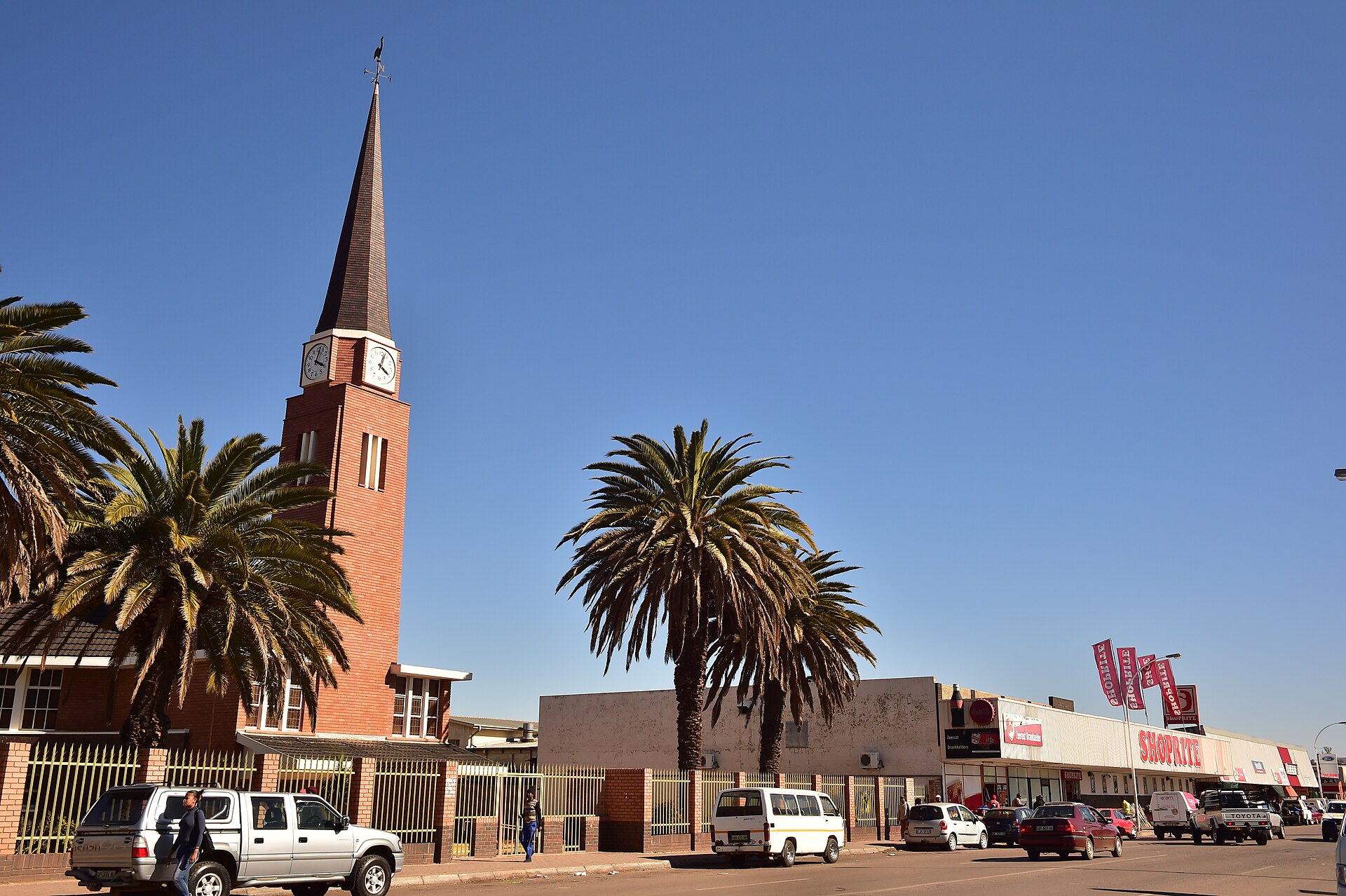
    A big part of the success story is location. Card replacement sites have been placed inside the retailers where beneficiaries already do their shopping – including Shoprite, Checkers, Usave, Pick n Pay, Boxer and Spar stores – making it possible for people, including those in rural areas, to migrate as part of a normal shopping trip.

    Provinces that initially recorded lower numbers, including the Eastern Cape, Western Cape, KwaZulu-Natal and Gauteng, have all ramped up their conversion volumes this week.

    Postbank Chief Commercial Officer Thami Cele said the plan remains firmly on track. “We are encouraged by the latest visible strong response from beneficiaries and the progress we have made. As a state-owned bank, our priority is always to ensure that every social grant beneficiary makes a transition to the new cards and does not experience any inconvenience,” Cele said, adding that most elderly and disability grant recipients have already completed their migrations.

    Extra hours, zero cost, no forms

    To help the last groups over the line – especially child support grant recipients, who make up as much as 90% of those still to migrate – Postbank is extending operating days at its card replacement sites to include Saturdays and Sundays from 09:00.

    The process itself has been kept refreshingly simple:

    • Migration is completely free of charge.
    • Only a valid ID or temporary ID is needed – no forms required.
    • Cards can be collected in any province, regardless of where the grant was registered.
    • Dialling *120*355# from any cellphone locates the nearest migration site.

    No one left behind

    Importantly, Postbank has confirmed that beneficiaries who miss the 31 August deadline will continue receiving their social grants, with accounts remaining active, and card replacement sites staying open after the deadline to assist latecomers.

    Careful planning, a broad public awareness campaign and a retail-based network have turned what could have been a stressful changeover into a story of quiet, effective service delivery – one that has already put a better banking product into the hands of 1.8 million South Africans.

    Photo: commons.wikimedia.org

  • 467 Days of Light: Eskom Smashes Milestones as Diesel Spend Plunges 83%

    467 Days of Light: Eskom Smashes Milestones as Diesel Spend Plunges 83%

    South Africa’s lights have now stayed on for 467 consecutive days – and the numbers behind that streak show a power system that is not just surviving, but genuinely getting stronger.

    Briefing the media on Friday, Minister in the Presidency Khumbudzo Ntshavheni said Cabinet had welcomed continued improvements in Eskom’s generation performance, with the utility exceeding a key milestone in its load reduction eradication programme, SAnews reported.

    Seven provinces ahead of target

    Eskom has achieved load reduction status in seven provinces ahead of its October 2026 target – meaning communities that once endured scheduled power cuts to protect overloaded local networks are being returned to normal supply.

    “Approximately 1.2 million customers have been restored to normal supply conditions, reducing the share of affected customers to 6.8% of Eskom’s customer base,” Ntshavheni said.

    The headline achievement remains the loadshedding-free streak. “South Africa has now recorded 467 consecutive days without loadshedding since 16 May 2025, providing reliable electricity to households and businesses and supporting broader economic development,” the Minister said.

    From diesel bills to real reliability

    Perhaps the most striking figure is what South Africa is no longer spending. Eskom’s diesel expenditure has fallen by more than 83% year-on-year, from R5.92 billion to R992 million, as reliance on expensive Open Cycle Gas Turbines dropped from 8.67% to just 1.10% of generation.

    That is not an accounting trick – it reflects a generation fleet that simply breaks down less. Key indicators back it up:

    • The Energy Availability Factor has reached its highest level since 2020.
    • Approximately 6 100 megawatts of generation capacity has been returned to the grid.
    • Unplanned outages have declined by nearly 40% year-on-year.

    “The sharp reduction in diesel use reflects sustained improvements in fleet performance and a more reliable, efficient and resilient power system,” Ntshavheni said.

    A say in cheaper power

    The energy good news comes with an invitation. Cabinet has called on South Africans to make submissions on the Draft Revised Electricity Pricing Policy, which is currently open for public comment. The proposed measures aim to reduce the cost of electricity over time while protecting vulnerable households and strategic economic sectors.

    For households that once planned dinner around loadshedding schedules, and for small businesses that watched generators eat their profits, the past 15 months have delivered something that once felt out of reach: a normal relationship with the light switch. With seven provinces cleared of load reduction ahead of schedule and billions saved on diesel, the foundations of that new normal look sturdier by the month.

    Photo: commons.wikimedia.org

  • A Trillion Rand of Momentum: SA’s Infrastructure Drive Shifts From Blueprints to Building Sites

    A Trillion Rand of Momentum: SA’s Infrastructure Drive Shifts From Blueprints to Building Sites

    South Africa’s infrastructure ambitions are moving decisively from paper to concrete. A R1 trillion public infrastructure commitment over the next three years – announced by President Cyril Ramaphosa in the 2026 State of the Nation Address – is being matched by new financing tools, faster reforms and a growing pipeline of construction-ready projects.

    The scale of the programme is detailed in a feature by the Government Communication and Information System’s Moahlodi Maphori, published by SAnews.

    Where the money is going

    The headline numbers are substantial:

    • R156 billion is earmarked for water and sanitation infrastructure.
    • A R54 billion incentive will support metropolitan municipalities in reforming their water, sanitation and electricity services.
    • The launch of South Africa’s first national infrastructure bond signals a fresh way to mobilise financing and draw private capital into priority projects.

    Behind the scenes, Operation Vulindlela continues clearing regulatory blockages and strengthening the key network industries – energy, water, transport and logistics – on which everything else depends.

    A pipeline getting build-ready

    Crucially, projects are being prepared to bankable standard rather than left as wish lists. Public Works and Infrastructure Minister Dean Macpherson recently highlighted that Infrastructure South Africa is supporting more than 24 infrastructure projects with an estimated capital value of R148 billion, with 15 supported projects having already completed their preparatory work.

    That preparation matters: bankable projects attract investment and shrink the gap between planning, financing and the first turn of a digger’s wheel.

    The momentum was on display at the Sustainable Infrastructure Development Symposium South Africa (SIDSSA), hosted by Infrastructure South Africa at Century City in Cape Town from 23 to 25 August, where government, private investors and development partners gathered to push the pipeline forward.

    Building the foundations of opportunity

    Roads, rail, ports, water systems, energy networks and digital connectivity are more than public assets – they move goods, connect small businesses to markets and give households confidence that essential services will be there when needed.

    As Maphori writes, each project delivered on time and at scale can unlock investment, support jobs and strengthen productive capacity. With a trillion rand committed, new financing instruments live and a growing stack of shovel-ready projects, South Africa is laying foundations – literally – for a more competitive economy and a more inclusive future.

    Photo: commons.wikimedia.org

  • Banked for Summer: Vaal River System Brims at 98.2% as Gauteng Builds a Water Buffer

    Banked for Summer: Vaal River System Brims at 98.2% as Gauteng Builds a Water Buffer

    As South Africa heads towards the summer rainfall season, the taps of Gauteng can count on a formidable safety net: the Integrated Vaal River System is 98.2% full, giving the country’s economic heartland one of its strongest water buffers in years.

    The latest weekly figures from the Department of Water and Sanitation, reported by SAnews, paint a picture of dams brimming across the system that supplies Gauteng and surrounding areas.

    Dams full to the brim

    The numbers tell a happy story for water security:

    • Vaal Dam, the workhorse that supplies Gauteng, stands at 101.0% of capacity.
    • Bloemhof Dam rose from 108.0% to 109.8%, well above its full supply level.
    • Sterkfontein Dam, the system’s strategic reserve, is steady at 98.8%.
    • Grootdraai Dam holds firm at 96.9%.

    The Lesotho Highlands Water Project is adding to the strength, with Mohale Dam edging up to 101.8% and Katse Dam holding a healthy 81.9%. The department said storage above 100% is carefully managed through controlled releases to maintain reservoir levels and dam safety.

    Prepared for whatever summer brings

    The strong reserves come at exactly the right time. Weather forecasters are watching the possibility of an El Niño developing over summer, which could bring below-normal rainfall to parts of Southern Africa. Thanks to prudent management of inflows, releases and demand, the Vaal system enters that period with what the department calls an important buffer should drier conditions develop.

    The department will keep monitoring reservoir levels, rainfall, catchment conditions and seasonal forecasts, and stands ready to act to protect supplies and maintain the resilience of the system.

    Every drop still counts

    Officials coupled the good news with a friendly reminder that full dams are not a licence to waste.

    “Every effort to prevent water losses, reduce wastage and promote the efficient use of available water remains essential,” the Department of Water and Sanitation said.

    For millions of households and businesses across Gauteng, the message is reassuring: the water is banked, the systems are working, and South Africa’s biggest river system is ready for summer.

    Photo: commons.wikimedia.org