Good News · All Nine Provinces

Independent · Local · Forward-looking

Mzansi News Online

Uniting SA Through Good News

Category: World

  • Partners in Progress: South Africa and Vietnam Deepen Ties With Parliament-to-Parliament Diplomacy

    Partners in Progress: South Africa and Vietnam Deepen Ties With Parliament-to-Parliament Diplomacy

    South Africa’s friendship with Vietnam has moved up a gear, with President Cyril Ramaphosa using a landmark visit to Hanoi to champion a new pillar of cooperation between the two nations: parliament-to-parliament diplomacy.

    Paying a courtesy call on the Chairman of Vietnam’s National Assembly, Trần Thanh Mẫn, President Ramaphosa said it was vital that relations between countries reach beyond the executive level and extend to their legislatures.

    “South Africa values the important role that parliamentary democracy plays in strengthening bilateral relations. It is important that relations between two countries are not just limited to government level, but also at a parliamentary level,” the President said.

    Reciprocal Visits on the 2026 Calendar

    The engagement builds on productive exchanges earlier this year between the Deputy Chairperson of Vietnam’s National Assembly and South Africa’s presiding officers, including the Chairperson of the National Council of Provinces.

    “These exchanges have laid a strong foundation for deeper institutional cooperation between our parliaments. I am pleased that we have agreed to reciprocal visits by office bearers in 2026, which will further enhance dialogue, oversight, collaboration and the sharing of legislative processes,” President Ramaphosa said.

    He also commended the 2024 engagement between a delegation of the Communist Party of Vietnam and the Speaker of Parliament, Thoko Didiza, saying such interactions reflect the enduring relationship and shared values between the two countries.

    Turning a Strategic Partnership Into Results

    With South Africa and Vietnam having elevated their bilateral relations to a strategic partnership, the President said both legislatures will now play a crucial role in making sure agreements in areas such as trade, culture and governance are translated into action.

    “Our legislatures will play a critical role in ensuring that agreements between our governments are implemented and that they deliver tangible benefits for our peoples,” he added.

    Inter-parliamentary cooperation, he noted, helps deepen understanding, promote accountability and ensure that what is signed on paper becomes real progress for citizens in both countries.

    Moments of Warmth in Hanoi

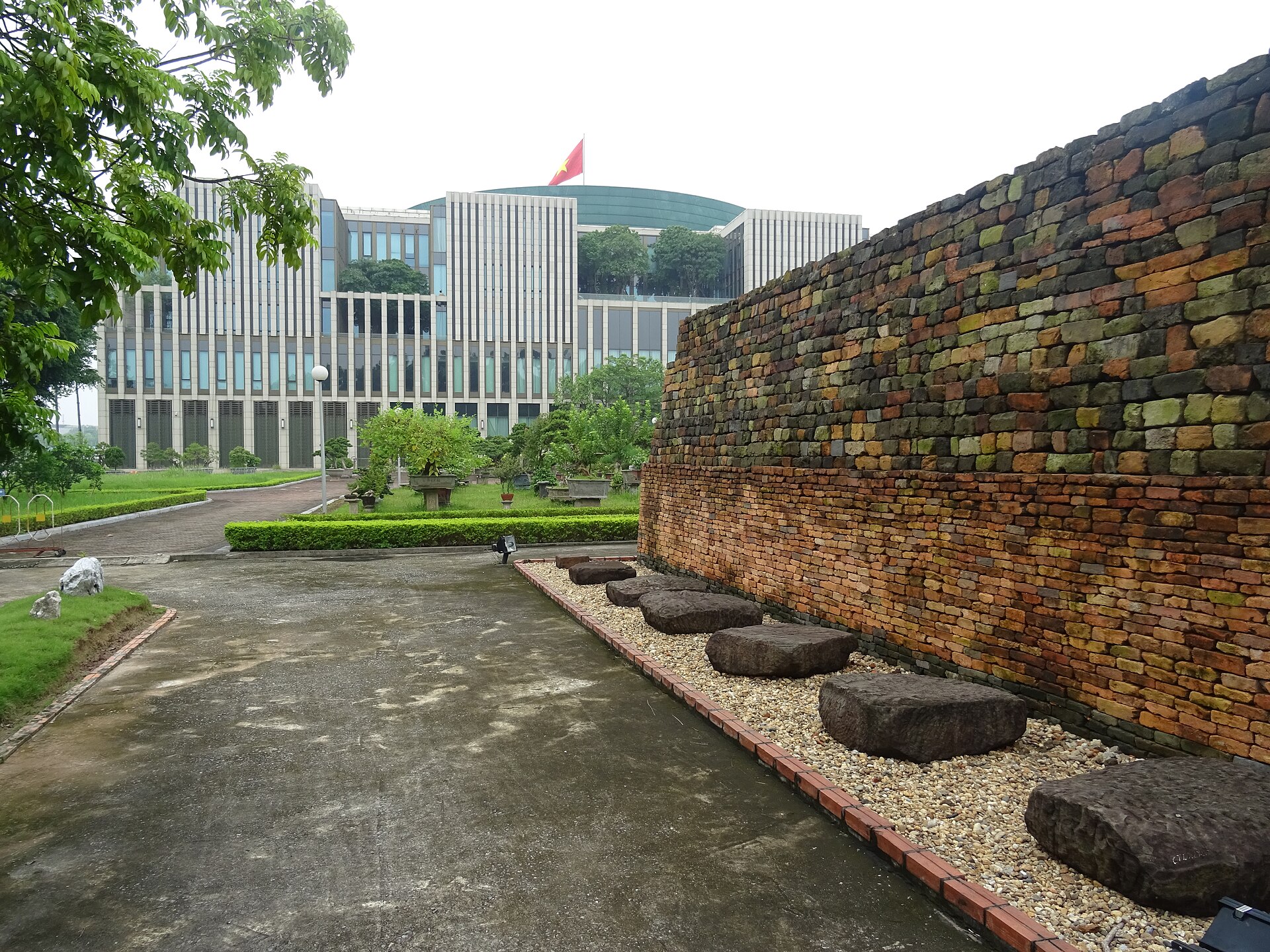
    The visit carried moments of genuine warmth alongside the formal diplomacy. Following the courtesy call, President Ramaphosa was given a tour of the National Assembly Museum. Earlier, he paid a courtesy call to the family home of the late General Võ Nguyên Giáp, one of Vietnam’s most revered military leaders, where the family guided him through the historic home. The President observed local traditions, paid his respects at a sacred site and signed the family book with a heartfelt message of appreciation.

    For South Africa, the deepening bond with one of Asia’s fastest-growing economies opens doors for trade, cultural exchange and shared learning between two nations whose histories are both marked by hard-won freedom – and whose parliaments are now set to write the next chapter together.

    The visit was reported by SAnews.

    Photo: commons.wikimedia.org

  • Tyla Does It Again: SA Star Wins Second Grammy for ‘Push 2 Start’

    Tyla Does It Again: SA Star Wins Second Grammy for ‘Push 2 Start’

    South African pop sensation Tyla has done it again. The Johannesburg-born star claimed her second career Grammy Award on Sunday, winning Best African Music Performance for her hit single ‘Push 2 Start’ at the 68th Grammy Awards in Los Angeles on 1 February 2026.

    The win cements Tyla’s place as one of the most prominent global ambassadors for South African music, adding another major international accolade to a fast-rising career.

    Beating a star-studded field

    Tyla triumphed over a field stacked with some of the biggest names in African music. According to News24 and Music In Africa, her fellow nominees in the category included Burna Boy, Davido (featuring Omah Lay), and Ayra Starr (featuring Wizkid).

    Coming out on top against such heavyweights underlines the scale of the achievement and the strength of Tyla’s growing international appeal.

    A global hit

    ‘Push 2 Start’, released in October 2024, has been a runaway success. The track has amassed more than 440 million streams on Spotify, reflecting the broad reach the song has found with audiences around the world.

    The award is Tyla’s second Grammy win, marking back-to-back recognition for an artist who has quickly become a leading figure in the global rise of African pop.

    ‘Insane’: Tyla reacts to the win

    Speaking backstage after the ceremony, Tyla expressed her pride in being African and described the achievement as ‘insane’, according to reporting from News24 and Music In Africa.

    For South African music fans, the moment is a source of national pride, with Tyla once again carrying the country’s sound onto one of the biggest stages in the global music industry.

    The victory adds to a remarkable run for the young star, who continues to draw international attention to South African and African music more broadly through her chart success and now her second Grammy honour.

    Photo: musicinafrica.net

  • South Africa Lands Landmark G20 Declaration at First Summit Ever Held on African Soil

    South Africa Lands Landmark G20 Declaration at First Summit Ever Held on African Soil

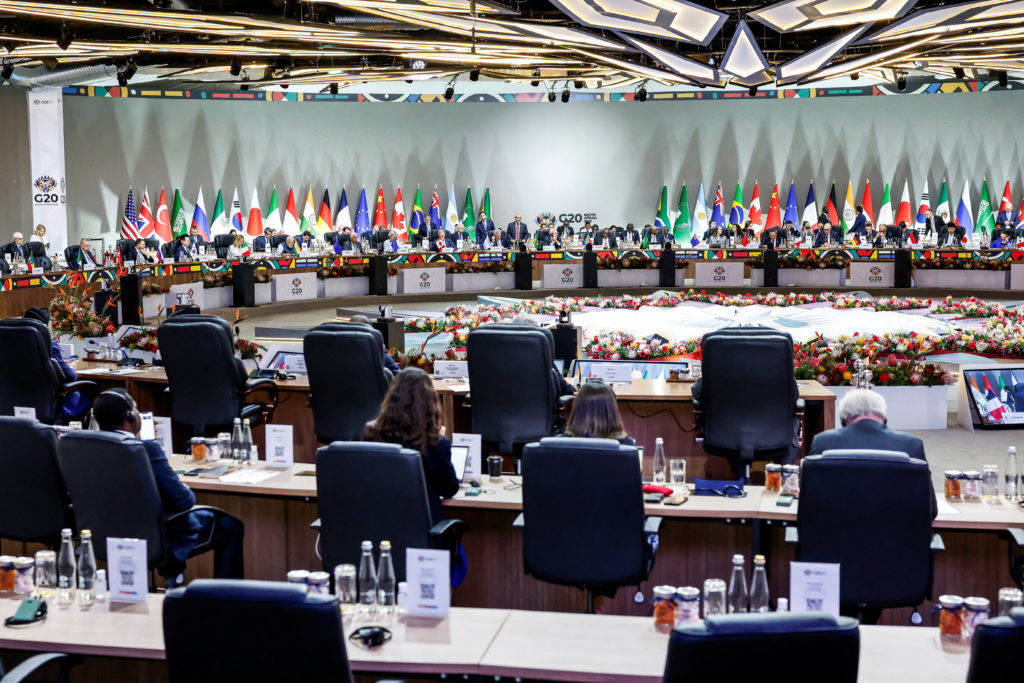
    South Africa has closed its G20 presidency by securing a joint leaders’ declaration at the Johannesburg summit, marking the first time the group of leading economies has met on African soil. President Cyril Ramaphosa presided over the gathering, which ended on Sunday, 23 November 2025, and formally closed proceedings by striking the gavel.

    The summit produced a 122-point Johannesburg declaration that placed the priorities of Africa and the Global South at its centre, even as the United States boycotted the two-day talks entirely.

    A declaration centred on the Global South

    Leaders adopted the 122-point declaration on the opening day of the summit, breaking with the long-standing tradition of issuing a closing statement at the end of proceedings.

    According to the brief, the declaration emphasised the priorities of Africa and the Global South, foregrounding issues that have often struggled for prominence in past G20 discussions. Key themes included:

    • Climate change and the global response to it
    • Debt relief for developing economies
    • Green energy transitions

    The early adoption of the text underscored South Africa’s effort to lock in consensus and ensure the summit delivered a substantive outcome under its presidency.

    Broad backing despite a US absence

    A range of major economies attended the Johannesburg summit and backed the declaration. According to the brief, China, Russia, France, Germany, the United Kingdom, Japan and Canada were among those that supported the text.

    The most striking feature of the summit, however, was who was not present. The Trump administration boycotted the two-day talks, with no US delegation accredited for the event. As reported by PBS News, the summit ended with a glaring US absence following the boycott.

    The decision left the world’s largest economy on the sidelines as fellow members endorsed a wide-ranging agenda shaped by an African host.

    A test of multilateralism

    For South Africa, the summit represented both a logistical milestone and a diplomatic statement. Hosting the first G20 leaders’ meeting on the African continent gave the country a platform to steer the agenda toward concerns long voiced by developing nations.

    President Ramaphosa’s role in presiding over the summit and securing the declaration was central to that outcome. The Mo Ibrahim Foundation framed the achievement as evidence that “multilateralism lives,” arguing that South Africa’s G20 presidency had proved as much.

    The successful adoption of the 122-point text, despite the absence of one of the group’s most powerful members, suggested that consensus could still be reached among the assembled leaders.

    With the gavel struck and the declaration adopted, South Africa’s presidency drew to a close having delivered a joint statement that foregrounded climate action, debt relief and the broader priorities of the Global South. The summit’s location and its outcomes leave a marker in the G20’s history as the first such gathering hosted on African soil.