Good News · All Nine Provinces

Independent · Local · Forward-looking

Mzansi News Online

Uniting SA Through Good News

Category: SA Leads

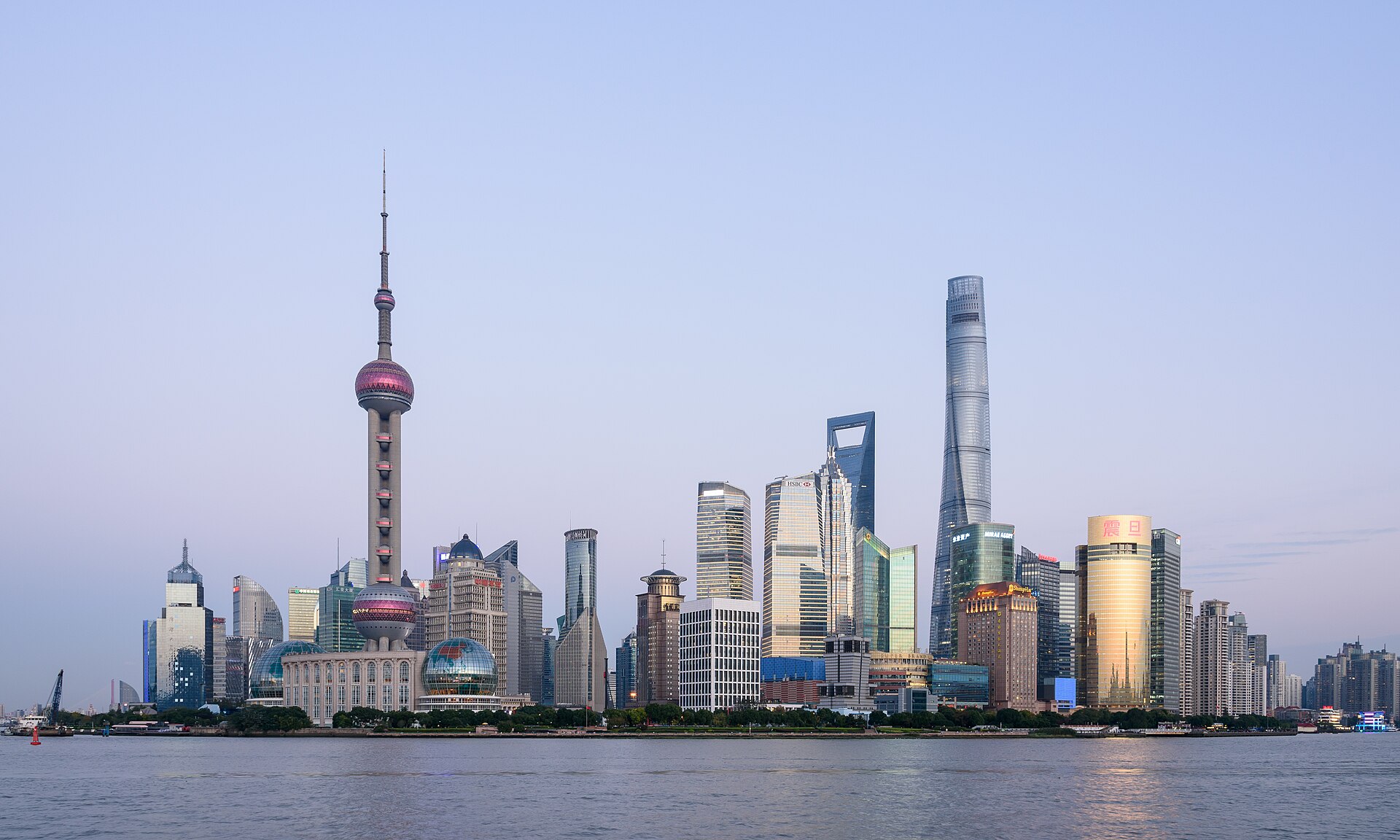
  • Country of Honour: South Africa Takes Centre Stage at Shanghai’s Pujiang Innovation Forum

    Country of Honour: South Africa Takes Centre Stage at Shanghai’s Pujiang Innovation Forum

    South African science is stepping into one of the world’s brightest spotlights. The country is participating as Country of Honour at the 19th Pujiang Innovation Forum in Shanghai, the first African nation ever to receive the designation, and it is arriving with a showcase of world-class innovation.

    Science, Technology and Innovation Minister Professor Blade Nzimande, who is leading the delegation, said South Africa will use the international platform to display its progress in vaccine development, nuclear medicine, hydrogen technology and climate-change research.

    “It is very significant because this is one of the major innovation forums in the world. It also takes place as we celebrate 28 years of our diplomatic relations with the People’s Republic of China,” Nzimande said on his arrival in Shanghai.

    A showcase of South African excellence

    Among the achievements on display is the country’s homegrown vaccine development programme, along with pioneering work in nuclear medicine. Nzimande highlighted the facility at Steve Biko Academic Hospital, the only one of its kind, where nuclear medicine is used to diagnose and treat patients.

    South African speakers will present the nation’s progress across a wide range of scientific fields, from health innovation to climate change. “We have been given enormous space to showcase our innovations as South Africa, and that is very important. Possibly, some positive things are going to come out of that,” the Minister said.

    Partnerships that lift science higher

    The forum offers more than a stage; it is a meeting place for the world’s leading innovators. Nzimande said the gathering would allow the South African delegation to engage with representatives from many participating countries.

    “We are very pleased to be here because there are a lot of countries that are also here. It is not only us that will have a chance to interact. This has the potential to take our science to higher levels as South Africa,” he said.

    The delegation includes scientists, innovators, researchers and business representatives, a mix the Minister said reflects the collaborative nature of modern innovation. “Our scientists and businesspeople whom we invited are here because innovation these days is often a partnership between science councils, ourselves, universities and the private sector,” he explained.

    Building on a growing relationship

    Nzimande noted that China’s position as a leading centre of innovation, together with the two countries’ shared membership of BRICS, opens important doors for cooperation in science and technology.

    For a country that has produced world firsts from heart transplants to deep-space telescopes, the Country of Honour designation in Shanghai is another proud marker of South Africa’s standing in global science, and a springboard for the partnerships that will power its next breakthroughs. The full report is available from SAnews.

    Photo: commons.wikimedia.org
  • Aboard the SA Agulhas II: South African Science Decodes the Ocean’s Hidden Climate Engine

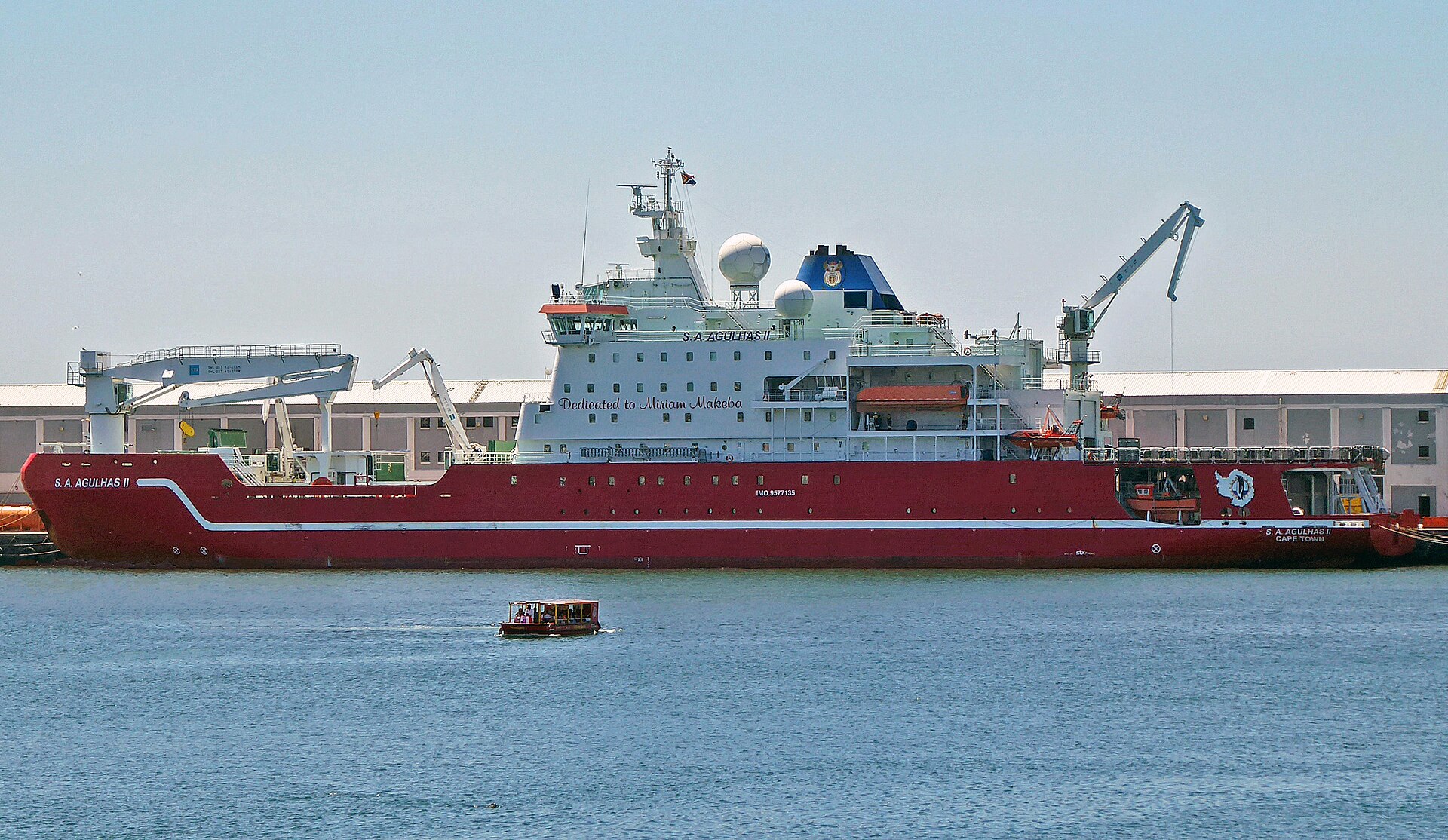
    Aboard the SA Agulhas II: South African Science Decodes the Ocean’s Hidden Climate Engine

    While the world debates climate change on land, South African scientists have been at sea, unlocking the secrets of one of Earth’s most powerful climate regulators. The ocean absorbs roughly a quarter of humanity’s carbon dioxide emissions, and understanding how it does so has become one of the defining scientific challenges of our time — a challenge South Africa is superbly placed to lead.

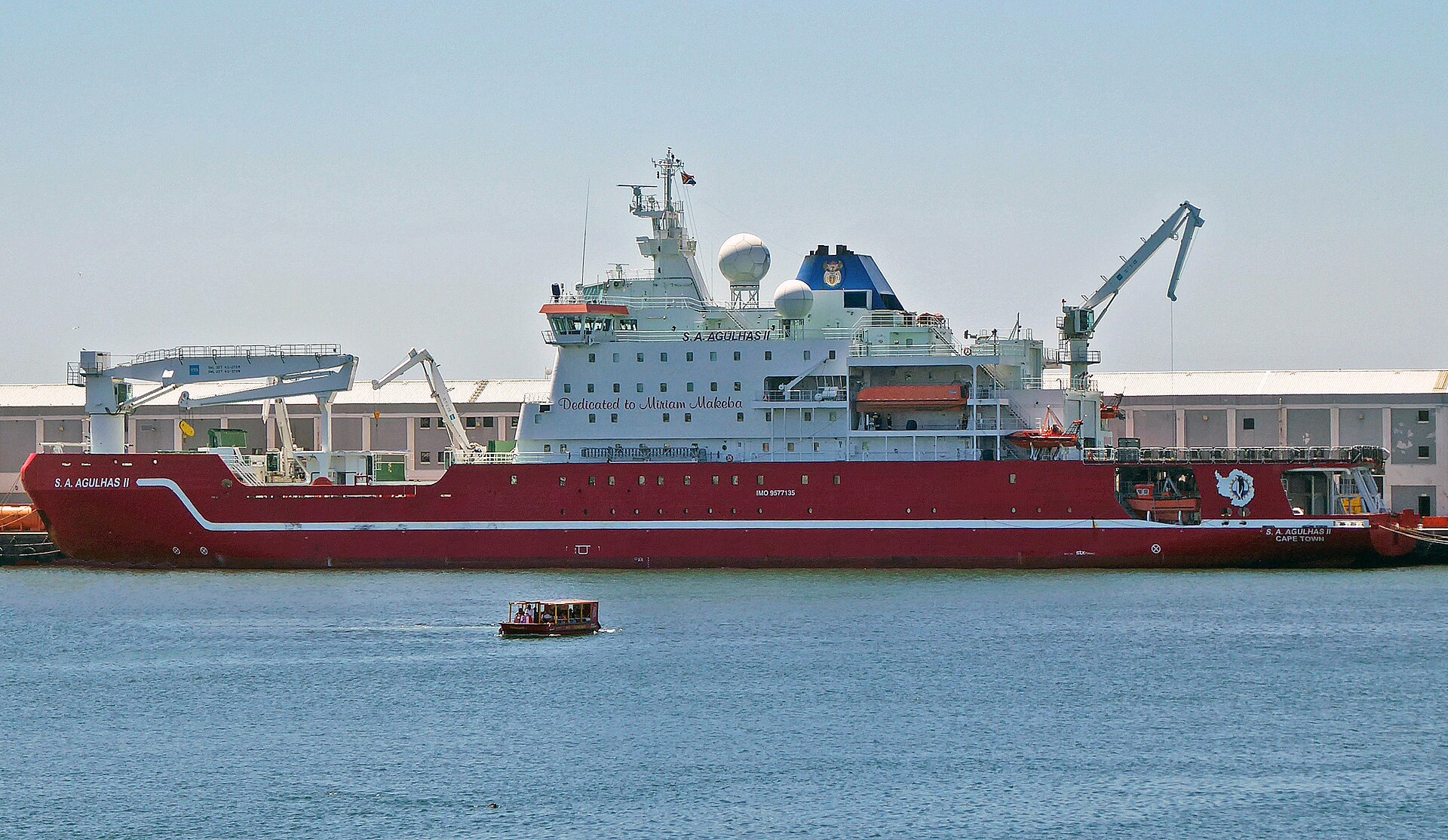
    Writing for SAnews, Department of Forestry, Fisheries and the Environment scientists Dr Mutshutshu Tsanwani and Onele Nyengule describe their recent participation in the WHIRLS expedition aboard the country’s flagship research vessel, the SA Agulhas II, as a remarkable glimpse into the complexity of the ocean’s carbon cycle.

    Chasing eddies in the Cape Basin

    The expedition focused on the Cape Basin and the Agulhas Bank, regions alive with energetic ocean eddies that continually move heat, nutrients and carbon. Though they may look insignificant at the surface, these swirling features play an outsized role in the exchange of carbon dioxide between air and sea.

    The team continuously measured seawater carbon dioxide, pH, dissolved inorganic carbon, total alkalinity and chlorophyll while collecting water samples from the surface down to 1 200 metres, across both cyclonic and anticyclonic eddies. That combination of high-resolution observations allowed the researchers to examine carbon dynamics with unprecedented detail.

    Even the preliminary findings matter globally. Cyclonic eddies appear to draw carbon-rich deep water toward the surface, while anticyclonic eddies push surface waters downward, helping redistribute carbon into the deep ocean, proof that the ocean is a living, constantly changing system rather than a passive reservoir.

    Why South Africa is uniquely positioned

    Surrounded by three oceans, South Africa occupies a strategically important position in global ocean circulation. The interaction between the Agulhas Current, the Southern Ocean and the South Atlantic influences weather, biodiversity and carbon exchange far beyond our coastline, so observations collected in South African waters feed directly into international climate models.

    The expedition also showcased homegrown talent. Collaboration between South African institutions and international partners, the scientists write, showed how shared expertise can advance knowledge while building national scientific capacity, with researchers working long hours at sea while mentoring the next generation.

    An investment that pays dividends

    Sustained ocean observation, the authors argue, is an investment in better climate forecasting, stronger environmental policy, resilient coastal economies and a thriving blue economy.

    “South Africa is uniquely positioned to help answer that question, and the knowledge we generate today will shape the environmental decisions of tomorrow,” they conclude.

    Read the scientists’ full account at SAnews.gov.za.

    Photo: commons.wikimedia.org

  • A World First in the Wild: 30 SANParks Staff Graduate as Africa’s Next Conservation Leaders

    A World First in the Wild: 30 SANParks Staff Graduate as Africa’s Next Conservation Leaders

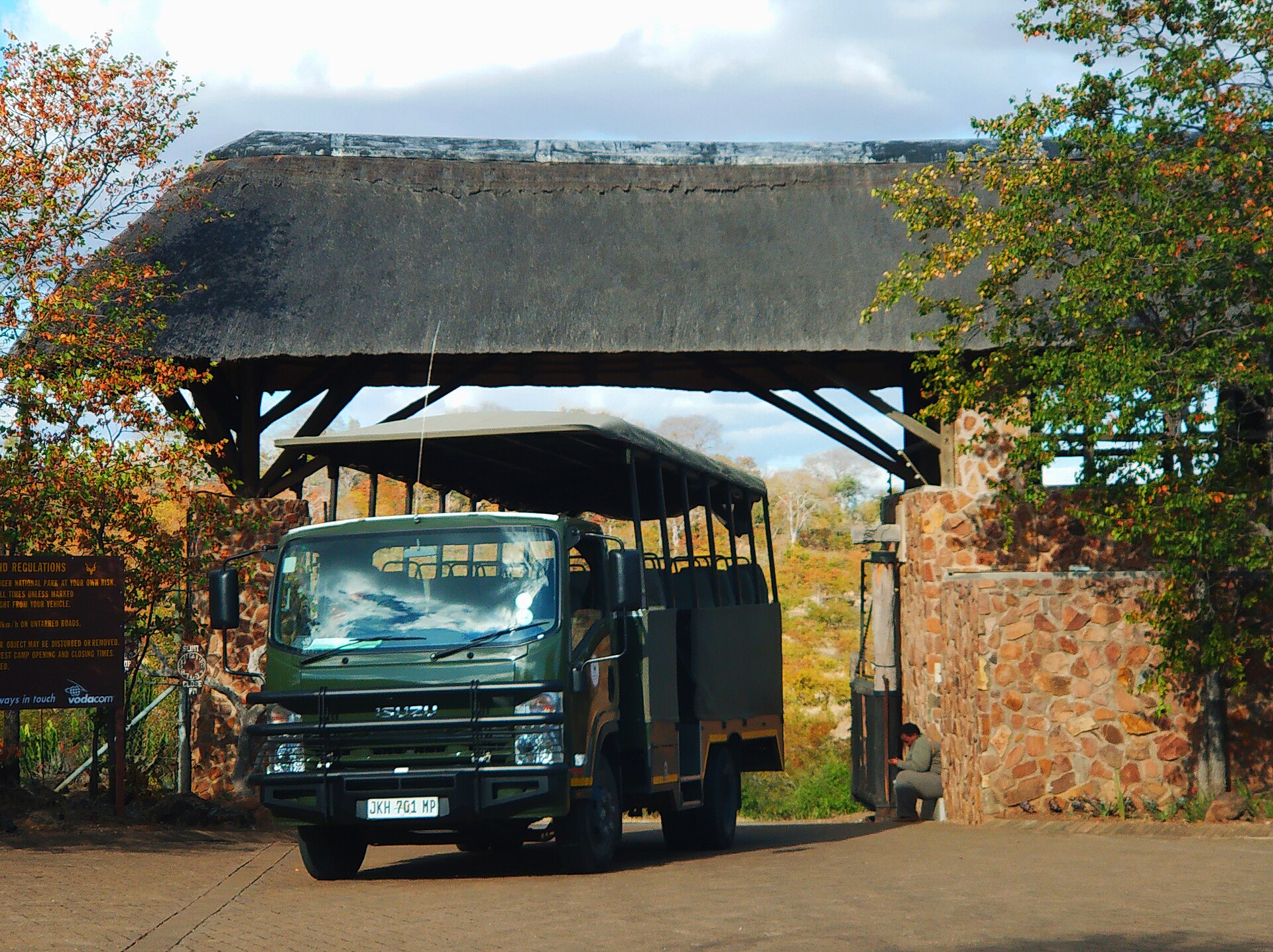
    South Africa has quietly notched up another world first. Thirty South African National Parks (SANParks) staff members have graduated as senior and emerging conservation leaders after completing a Certificate in Park Management Leadership, the flagship qualification of a programme that is the first of its kind anywhere in the world.

    The Park Management Leadership Development Programme was developed through a pioneering partnership between SANParks and the African Leadership University’s (ALU) School of Wildlife Conservation, with the first cohort celebrated at the end of July.

    Built for 21st-century conservation

    Peter Mbelengwa, SANParks general manager of media, events and stakeholder relations, said the programme was established to cultivate a new generation of conservation leaders equipped for the increasingly complex environmental, social and economic challenges facing protected areas across the African continent.

    “The programme combines rigorous academic learning with practical, real-world application, ensuring participants develop the strategic leadership, adaptive management and systems-thinking skills required to lead conservation in the 21st century at a time when inclusivity and benefit-sharing is a globally recognised need,” Mbelengwa said.

    The curriculum blends academic study with hands-on application, covering strategic leadership, adaptive management and systems thinking, the toolkit modern park managers need to balance ecological integrity with human wellbeing.

    From classroom to the veld

    The learning does not stop at graduation. The 30 graduates now enter a structured second-year mentorship phase in which they will implement real projects, test innovative solutions and strengthen conservation leadership across SANParks’ portfolio of national parks.

    “Today’s conservation leaders must be more than capable managers. They must be ethical decision-makers, collaborative leaders and champions of inclusive conservation who understand that managing biodiversity requires facilitating interconnected mega-living landscapes that support both ecological integrity and human well-being,” Mbelengwa said.

    People and parks, thriving together

    The programme is a building block of SANParks’ Vision 2040, which is advancing an inclusive conservation model that recognises communities and stakeholders as essential partners in protecting the country’s natural heritage while promoting sustainable development.

    It marks a purposeful shift in how South Africa cares for its wild places: rather than separating people from nature, the new generation of park leaders is being trained to weave them together, so that national parks deliver benefits for biodiversity and for the communities that live alongside them.

    With a world-first qualification in hand and a mentorship year ahead, these 30 graduates are set to shape the future of conservation not just in South Africa, but across Africa, and they are doing it with a curriculum that the rest of the world will now be watching.

    Sources: myLowveld.net and Bizcommunity

    Photo: commons.wikimedia.org

  • Aboard the SA Agulhas II, South African Scientists Are Decoding the Ocean’s Hidden Climate Engine

    Aboard the SA Agulhas II, South African Scientists Are Decoding the Ocean’s Hidden Climate Engine

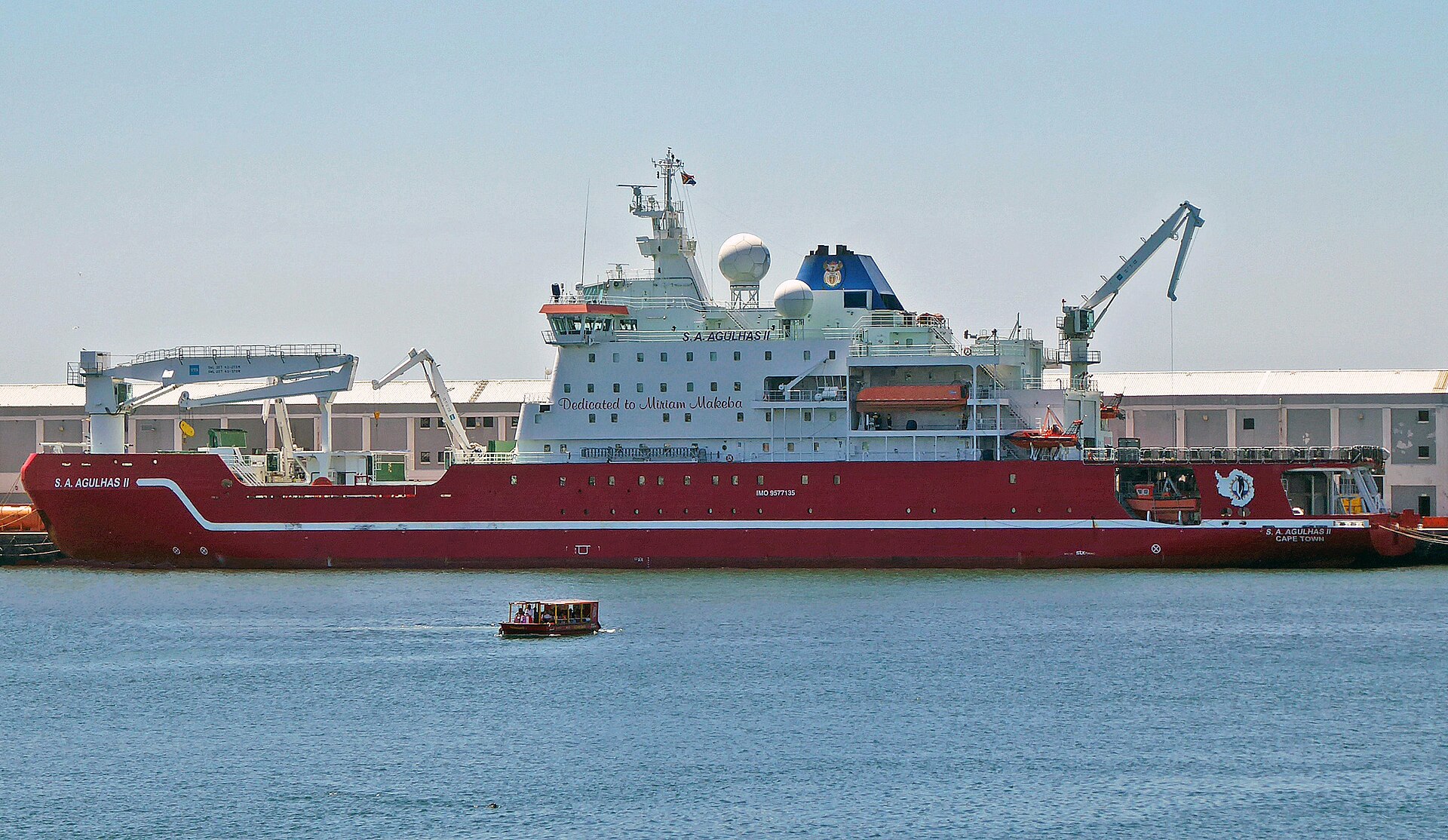
    The ocean quietly absorbs roughly a quarter of humanity’s carbon dioxide emissions, slowing global warming and buying the world precious time. Now South African scientists are leading the charge to understand exactly how this hidden climate engine works, and they are doing it from the deck of one of the country’s proudest scientific assets, the research vessel SA Agulhas II.

    Writing for SAnews, Department of Forestry, Fisheries and the Environment ocean specialists Dr Mutshutshu Tsanwani and Onele Nyengule describe the recent WHIRLS expedition as “a remarkable glimpse into the complexity of the ocean’s carbon cycle”, and a signal of South Africa’s growing investment in world-class marine science.

    Chasing eddies in the Cape Basin

    The expedition focused on the Cape Basin and the Agulhas Bank, regions surrounding South Africa that rank among the most dynamic marine environments on Earth. Here, energetic ocean eddies, giant swirling features of seawater, continually transport heat, nutrients and carbon between the surface and the deep.

    The South African team continuously measured seawater carbon dioxide, pH, dissolved inorganic carbon, total alkalinity and chlorophyll while under way, and collected water samples from the surface down to 1 200 metres across both anticyclonic and cyclonic eddies. This combination of high-resolution observations allowed the scientists to examine carbon dynamics in unprecedented detail.

    What the ocean is telling us

    Even the preliminary findings are illuminating. Cyclonic eddies appear to draw carbon-rich deep water towards the surface, while anticyclonic eddies push surface waters downward, helping redistribute carbon into the deeper ocean where it can be stored for longer. Understanding these fine-scale processes matters for global climate models, for marine ecosystems, and for the fisheries that sustain South African livelihoods and food security.

    The research also sharpens the picture on ocean acidification, which affects the corals, shellfish and plankton that form the foundation of marine food webs, knowledge that is essential for effective marine conservation.

    Three oceans, one national opportunity

    Surrounded by three oceans, South Africa is uniquely placed to lead this field. As Tsanwani and Nyengule put it, the country’s marine environment presents “not only a scientific opportunity but also a national responsibility”, and expeditions like WHIRLS are building the observational backbone that global climate science depends on.

    Every measurement taken from the SA Agulhas II adds to a growing South African contribution to one of the defining scientific challenges of our time, proof that world-leading climate research is being written, in part, in Mzansi’s own waters. The full account was published by SAnews.

    Photo: commons.wikimedia.org
  • Durban Delivers: South Africa Takes the SADC Chair After Hosting a Successful 46th Summit

    Durban Delivers: South Africa Takes the SADC Chair After Hosting a Successful 46th Summit

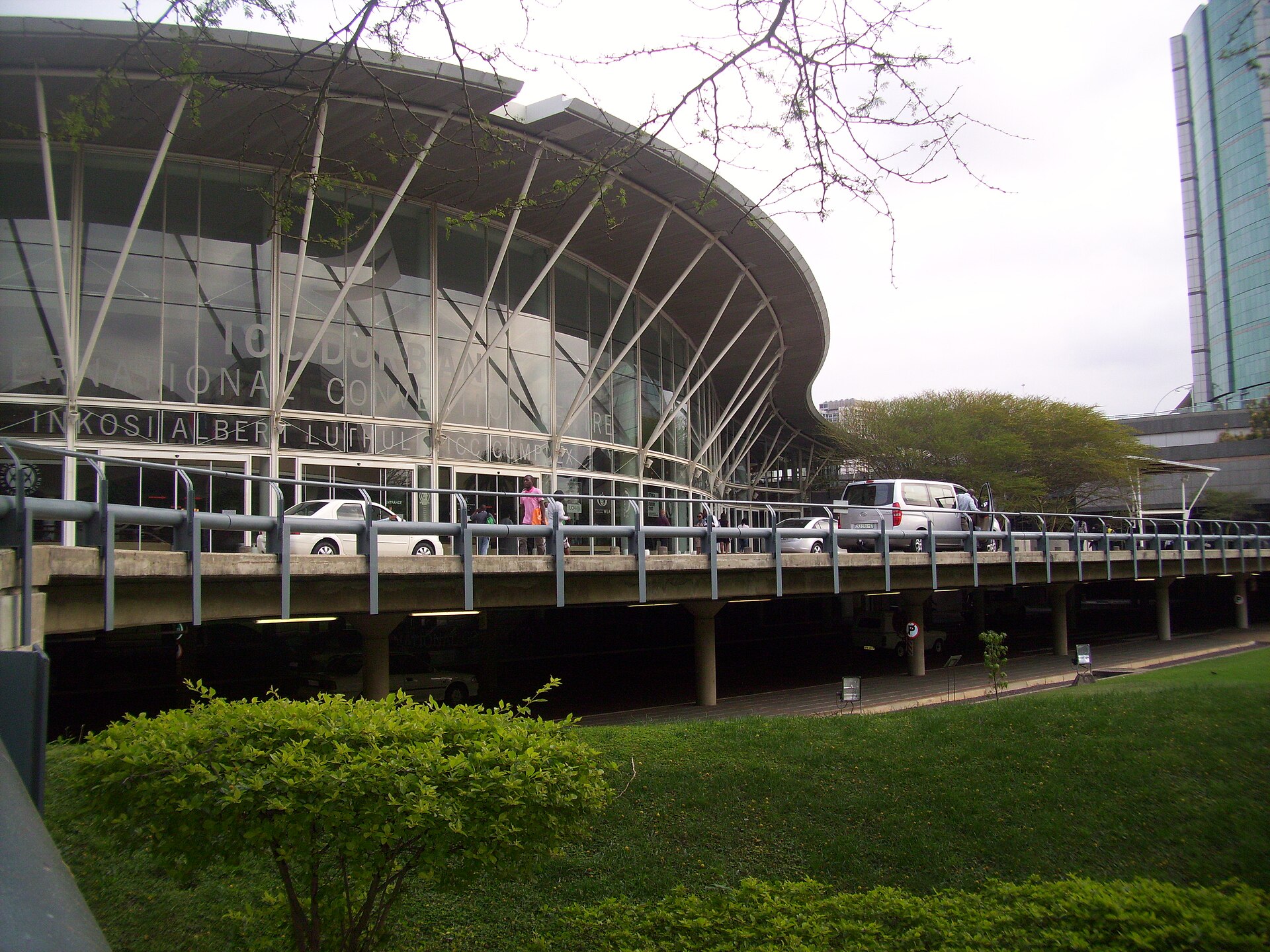
    South Africa is officially at the helm of Southern Africa. Cabinet has welcomed the successful hosting of the 46th SADC Summit in Durban, KwaZulu-Natal, which marked the beginning of South Africa’s Chairship of the 16-member regional bloc, home to more than 400 million people.

    President Cyril Ramaphosa accepted the chairpersonship from Zimbabwean President Emmerson Mnangagwa at the Summit of SADC Heads of State and Government in eThekwini, saying South Africa assumed the responsibility “with great humility and a deep sense of responsibility”, SAnews reported.

    A summit with a bold theme

    The Durban gathering was held under the theme Resilient, Sustainable and Inclusive Industrialisation through Infrastructure Development, Agricultural and Critical Minerals Transformation in pursuit of a Just World.

    Leaders considered reports on the implementation of the Regional Indicative Strategic Development Plan 2020–2030, which drives the region’s peace, security, economic, health and infrastructure agenda, and reviewed progress on the North-South Economic Corridor, including a new corridor investment programme and management institution. Member states will identify at least three high-impact projects to take forward at the next Council of Ministers.

    South Africa’s priorities at the helm

    Setting out the country’s agenda for its tenure, President Ramaphosa pledged to work closely with all member states and to build towards the bloc’s Vision 2050.

    “We will seek greater integration of our economies, building ties of trade and investment that drive resilient, sustainable and inclusive industrialisation,” the President said.

    He also committed South Africa to promoting peace, security and stability across the region, describing these as essential conditions for the wellbeing and development of its people, and thanked the SADC Secretariat, led by Executive Secretary Elias Magosi, for supporting the Community’s work.

    A debt of gratitude, a spirit of solidarity

    The President rooted South Africa’s leadership in the region’s shared history, recalling how neighbouring states supported the country’s path to democracy.

    “As a nation, we owe a debt of gratitude to the members of SADC and its predecessor, the Southern African Development Co-ordination Conference, for their contribution to the achievement of democracy in our country,” he said, adding that progress in the region “will be secured only through unity, cooperation and solidarity”.

    With the Summit hailed as a success and the chairship now in South African hands, the year ahead offers the country a prime opportunity to help translate the region’s shared vision into tangible economic opportunities for its people, from trade and investment to industrial growth and cross-border infrastructure.

    Photo: commons.wikimedia.org

  • From Trainee to Expedition Leader: How a South African Ship Grows Africa’s Ocean Scientists

    From Trainee to Expedition Leader: How a South African Ship Grows Africa’s Ocean Scientists

    A decade ago, a young African researcher stepped aboard South Africa’s flagship research vessel, the R/V SA Agulhas II, as an early-career trainee – a berth on a ship, some mentorship, and a first taste of multinational ocean science. This year, that same scientist returned to sea in her own region as co-cruise leader, responsible for coordinating an entire international research expedition.

    The story, told by Dr Zoleka Filander – an offshore benthic ecologist at the Department of Forestry, Fisheries and the Environment – in an opinion piece for SAnews, is a striking illustration of South Africa’s quiet leadership in growing the next generation of African scientific leaders.

    South Africa’s floating classroom

    The transformation began with the second International Indian Ocean Expedition (IIOE-2), a multinational programme undertaken in 2017 aboard the South African-flagged SA Agulhas II. Established to advance understanding of the Indian Ocean while strengthening regional scientific capacity, the South African-led effort invested deliberately in early-career researchers from Mozambique, Tanzania, Kenya, Egypt and Nigeria.

    What seemed at the time a relatively modest investment – a place on a research cruise, guidance from senior scientists, exposure to international oceanography – has compounded into something far greater.

    The multiplier effect

    As Filander writes, the achievement lies not only in one person’s advancement but in “the transition from trainee to mentor, from participant to leader, and from beneficiary to someone creating opportunities for others”. The investment, she notes, has come full circle.

    This multiplier effect is the most overlooked outcome of capacity development. Programmes count workshops delivered and certificates awarded, but the real return arrives years later – in the generations of scientists that yesterday’s trainees go on to train, mentor and inspire themselves.

    “A tree planted today does not provide shade tomorrow,” Filander writes. “An emerging researcher boarding a research vessel for the first time may not immediately transform ocean science. Given mentorship, opportunity and sustained support, however, that same individual may one day lead international expeditions, shape marine policy and inspire the next generation of scientists.”

    Why it matters for Mzansi

    As the global scientific community embraces equitable partnerships and locally led research, South Africa’s approach – treating participants not as passive recipients of training but as future leaders – is proving its worth across the continent. The SA Agulhas II has carried South African science from the Indian Ocean to Antarctica, and with it, a philosophy: exposure opens the door, and capacity development ensures someone eventually holds the key – then opens that same door for those who follow.

    One berth on one ship, ten years ago. Today, an expedition leader. That is South African investment in people, paying the kind of dividends that never stop compounding.

    Photo: commons.wikimedia.org

  • Nearly a Million Visitors in One Month: SA Tourism Rides a 12.5% Growth Wave

    Nearly a Million Visitors in One Month: SA Tourism Rides a 12.5% Growth Wave

    South Africa’s tourism engine is roaring. The country welcomed 991 696 international tourists in July 2026 alone, a 12.5% jump on July last year, as the sector’s remarkable growth run gathers even more pace.

    The July surge is no once-off. Between January and July 2026, total international arrivals reached 6 576 169, up 12.4% on the same period in 2025, according to figures released by the Department of Tourism and reported by SAnews.

    Growth from every direction

    What makes the numbers especially encouraging is where the visitors are coming from. Arrivals from the rest of Africa climbed 14.3% year-on-year, while overseas arrivals grew 5.7% – evidence that South Africa’s appeal is broadening across markets rather than depending on any single region.

    “The data reveals that the growth is becoming geographically diversified, which has been one of our strategic priorities. Together with the private sector and stakeholders we’ll continue to build on this momentum through the recently launched digital visa, the Electronic Travel Authorisation system,” said Tourism Minister Patricia de Lille.

    A pillar of the growth plan

    The boom lands at a strategic moment. President Cyril Ramaphosa recently named tourism as one of four key sectors chosen to drive inclusive economic growth, job creation and confidence under Phase Three of the Government-Business Partnership, working alongside the reform programme Operation Vulindlela.

    The sector has serious economic muscle to build on. In 2024, tourism sustained 954 000 direct jobs and contributed 4.9% to South Africa’s gross domestic product – and with arrivals accelerating, those numbers look set to climb.

    Why it matters

    Every planeload of visitors ripples outward through the economy: hotel bookings, restaurant tables, township tours, craft markets, game lodges and the thousands of small businesses that serve them. With the new digital Electronic Travel Authorisation making it easier than ever to visit, South Africa is turning its natural advantages – sunshine, scenery, wildlife and world-famous hospitality – into jobs and opportunity.

    Nearly a million visitors in a single winter month is more than a statistic. It is a vote of confidence in Mzansi from travellers across the globe, and a signal that the country’s best tourism days are still ahead.

    Photo: commons.wikimedia.org

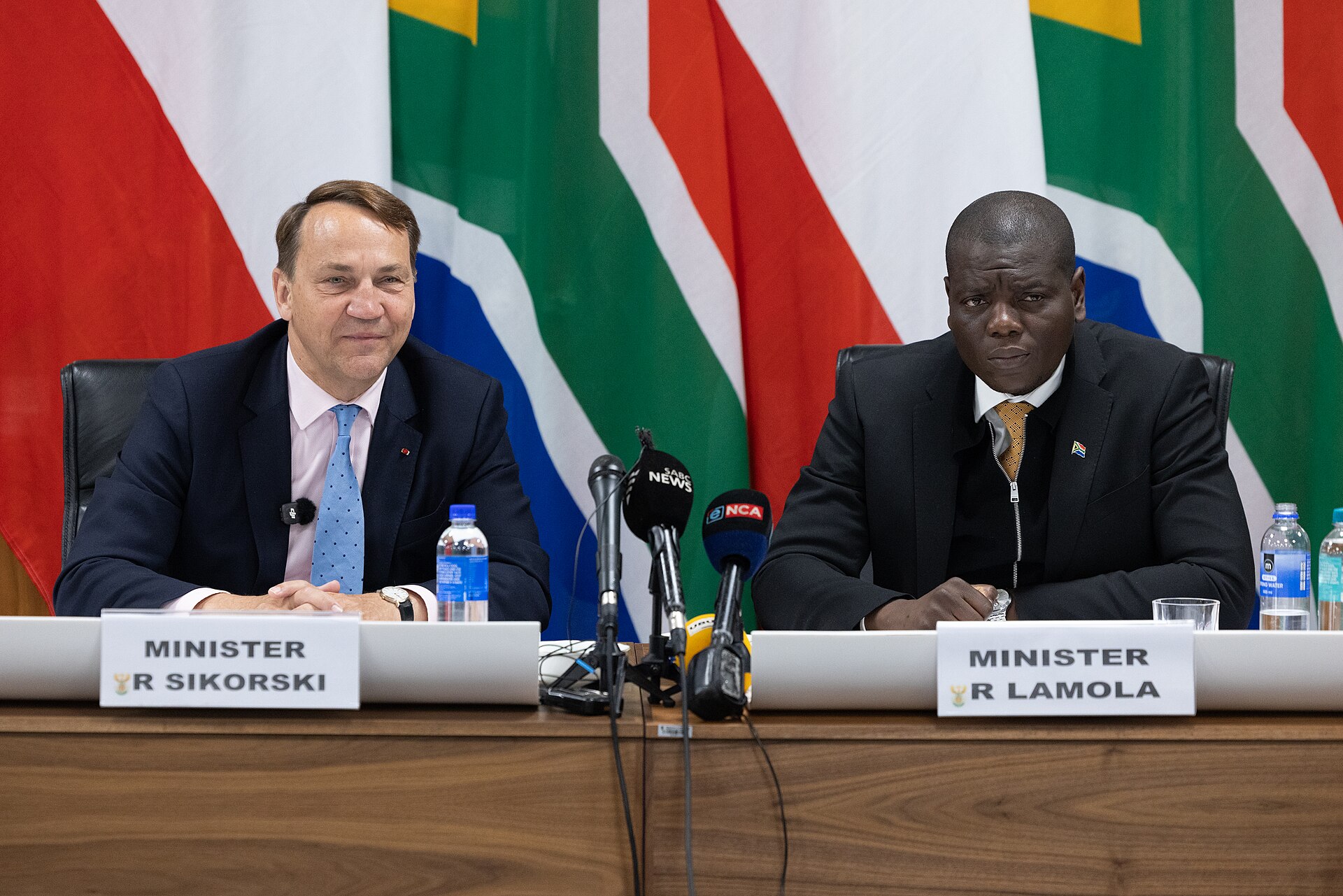
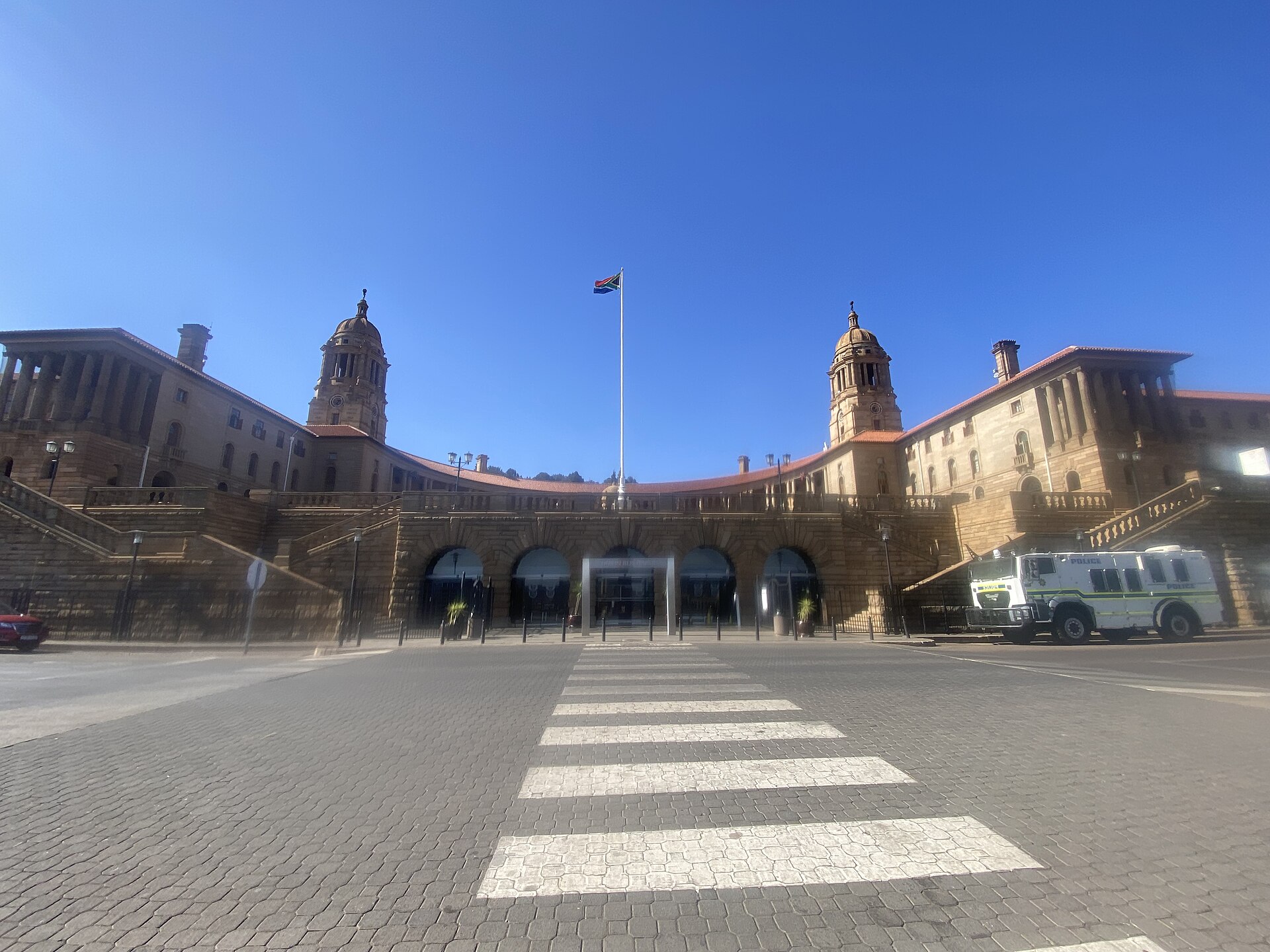
  • Bridge Builders: South Africa and Brazil Chart a Bold Course at Eighth Joint Commission in Pretoria

    Bridge Builders: South Africa and Brazil Chart a Bold Course at Eighth Joint Commission in Pretoria

    Two of the southern hemisphere’s powerhouse economies sat down in Pretoria on Wednesday with a shared mission: to turn their long-standing friendship into prosperity for their people. International Relations and Cooperation Minister Ronald Lamola co-chaired the Eighth Session of the South Africa-Brazil Joint Commission alongside Brazil’s Minister of Foreign Affairs, Mauro Vieira.

    Delivering the opening remarks, Lamola said the two countries’ Strategic Partnership positions them to advance a stronger Global South voice, champion reform of the global financial architecture, and ensure that critical minerals drive industrialisation and prosperity at home.

    Leading economies, natural partners

    As two leading economies on our continents, Brazil and South Africa are bridge builders between the countries of the global North and the global South.

    Lamola noted that the two nations have consistently pursued common positions in multilateral forums, particularly on reforming global governance to better reflect the aspirations of the majority of the international community. As founding members of the G20, he said, Brazil and South Africa have used the forum to place global economic imbalances under the microscope and to advance concrete reforms that would free up resources for hospitals, classrooms and development across Africa, Latin America and the Caribbean.

    Critical minerals, shared opportunity

    The Minister singled out critical minerals as an area of enormous promise. Both countries are richly endowed with the minerals needed for the global transition to a green economy, and Lamola said the partners can pursue a new development model in which those resources fuel industrialisation, skills development and technological advancement in their own economies, rather than simply being exported as raw materials while value is created elsewhere.

    “Our countries have not hesitated to use their voice and soft power to call attention to the challenges and crises bedevilling countries of the global South,” he said, adding that joint efforts between Pretoria and Brasilia are more important than ever.

    A partnership with momentum

    The Joint Commission gives structure to a relationship that spans trade, science, agriculture, energy and culture, and the Pretoria session sets the agenda for the next phase of cooperation. For South Africa, the message from the talks was clear and confident: Mzansi is not waiting on the sidelines of a changing world. It is helping to lead, building bridges across oceans and shaping a fairer global economy in which the Global South writes its own success story.

    Source: SAnews.gov.za

    Photo: commons.wikimedia.org

  • Mzansi’s Youth Agenda Goes Global: Chikunga Flies the Flag at BRICS Youth Ministers’ Meeting in India

    Mzansi’s Youth Agenda Goes Global: Chikunga Flies the Flag at BRICS Youth Ministers’ Meeting in India

    South Africa took its youth empowerment story to the world stage this weekend, and the world took notes. Minister in the Presidency for Women, Youth and Persons with Disabilities Sindisiwe Chikunga represented Mzansi at the BRICS Youth Ministers’ Meeting in Visakhapatnam, India, where she showcased three decades of progress and championed deeper cooperation on skills, entrepreneurship and innovation, SAnews reports.

    By investing in youth today, we invest in the resilience, prosperity and sustainability of our nations tomorrow, Chikunga told the gathering.

    A Proudly South African Scorecard

    The Minister shared numbers that tell a remarkable story of progress. In 1994, the matric pass rate stood at around 58 percent; the Class of 2025 achieved a record-breaking National Senior Certificate pass rate of 88 percent. The National Student Financial Aid Scheme has grown from a R33 million budget serving 7 240 students in 1991 to a budget of over R50 billion in 2026, funding more than 1.1 million students at universities and TVET colleges.

    She also highlighted President Cyril Ramaphosa’s announcement of paid voluntary work opportunities targeting 100 000 young people in 2026, and the work of the National Youth Development Agency and National Youth Service Programme in expanding volunteerism, civic participation and employment support.

    New Friends in High Places

    On the sidelines, Chikunga held a bilateral meeting with the United Arab Emirates Minister of State for Youth Affairs, Dr Sultan bin Saif Al Neyadi, to expand cooperation on youth exchange programmes, skills transfers, entrepreneurship and innovation.

    She pointed to South Africa’s Solar Technology Training Programme, the celebrated Solar Mamas initiative born from SA’s 2023 BRICS chairship, which trains women in solar technology in partnership with Indian counterparts, as proof of what international partnerships can achieve for communities.

    A Framework for the Future

    The meeting concluded with the adoption of a joint statement and the BRICS Youth Cooperation Framework, covering youth development, education, skills, entrepreneurship, innovation, sport and social participation. Chikunga urged that young women, rural youth and young persons with disabilities remain at the heart of the agenda.

    Delegates even planted saplings in honour of their mothers during a tree-planting drive, a fitting symbol for a meeting about growing the next generation. South Africa’s message in India was clear: our young people are not a challenge to be managed, they are the engine of the future.

    Photo: commons.wikimedia.org

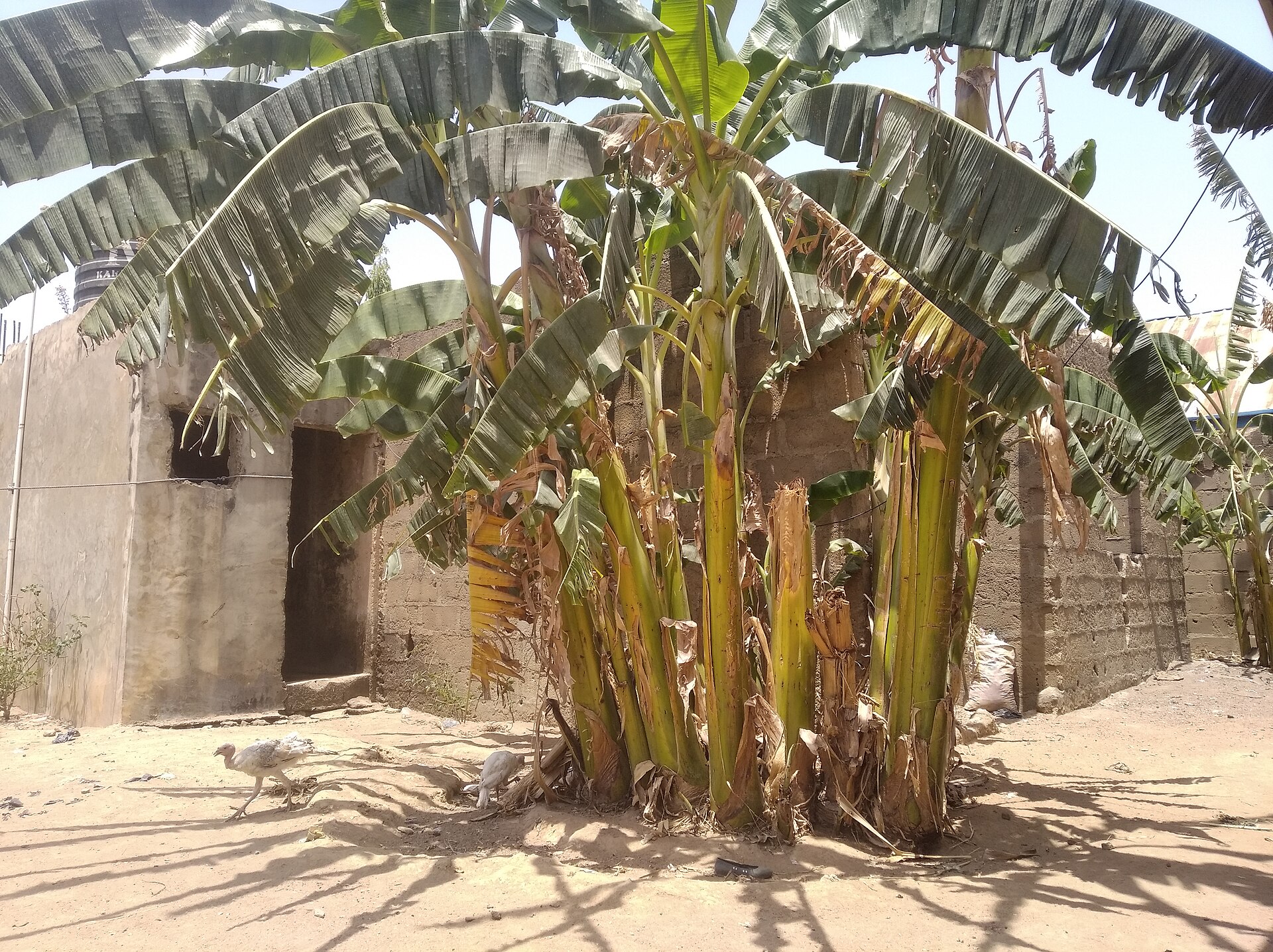
  • From Banana Plants to Beautiful Hair: Limpopo Innovator Spins Green Gold into EcoCurls

    From Banana Plants to Beautiful Hair: Limpopo Innovator Spins Green Gold into EcoCurls

    In the village of Punda Maria-Makhuvha in Limpopo, an idea as bright as it is green is taking root. Lufuno Nemakonde, Managing Director of Funocurls Green Beauty, is developing hairpieces made from banana pseudostem fibre – a plant-based alternative to synthetic hair that she has aptly named EcoCurls.

    “EcoCurls are plant-based and potentially more sustainable alternative to conventional synthetic hairpieces. The innovation is in the development and validation stage. We are happy that the project is currently progressing towards commercialisation,” Nemakonde told SAnews.

    Backed by the Bureau of Standards and the dtic

    The EcoCurls hairpiece has been submitted to the South African Bureau of Standards for independent testing, an important step on the road to store shelves. The innovation has also earned a nod from the innovation and technology section of the Department of Trade, Industry and Competition (the dtic), and Nemakonde has been approved for funding through the Grassroots Innovation Facilitation Scheme, which helps innovators from rural areas and townships commercialise their ideas.

    Her confidence is contagious. She has already secured factory space for her processing plant and is awaiting delivery of specialised machinery being developed specifically for processing banana pseudostem fibre.

    “I had to sit down with the engineers and painstakingly explain the types of machines that will make my dream come true. I am confident that they will come up with something that will turn this place into a successful production plant manufacturing environmentally friendly hairpieces from the banana plants that are in abundance in our area, creating job opportunities in the process,” she said.

    Science meets grandmother’s wisdom

    Nemakonde’s journey began at the meeting point of two worlds. A qualified Medical Technologist, she combined her scientific training with the indigenous knowledge of herbs she learnt from her grandmother, and Funocurls Green Beauty was born.

    The company already manufactures plant-based hair, skin and body-care products using indigenous botanicals such as moringa, marula, baobab and Kalahari melon, selling to locals, beauty parlours and hair salons, and offering contract and private-label manufacturing.

    Flying the flag abroad

    With the dtic’s assistance, Nemakonde has showcased her products at international trade exhibitions in Egypt, Turkey, the United Arab Emirates and Saudi Arabia – proof that a village idea can travel the world.

    If the validation process goes to plan, EcoCurls could soon put Limpopo at the forefront of sustainable beauty, turning a humble banana plant into jobs, pride and truly homegrown style.

    Source: SAnews.gov.za

    Photo: commons.wikimedia.org