Good News · All Nine Provinces

Independent · Local · Forward-looking

Mzansi News Online

Uniting SA Through Good News

Category: Technology

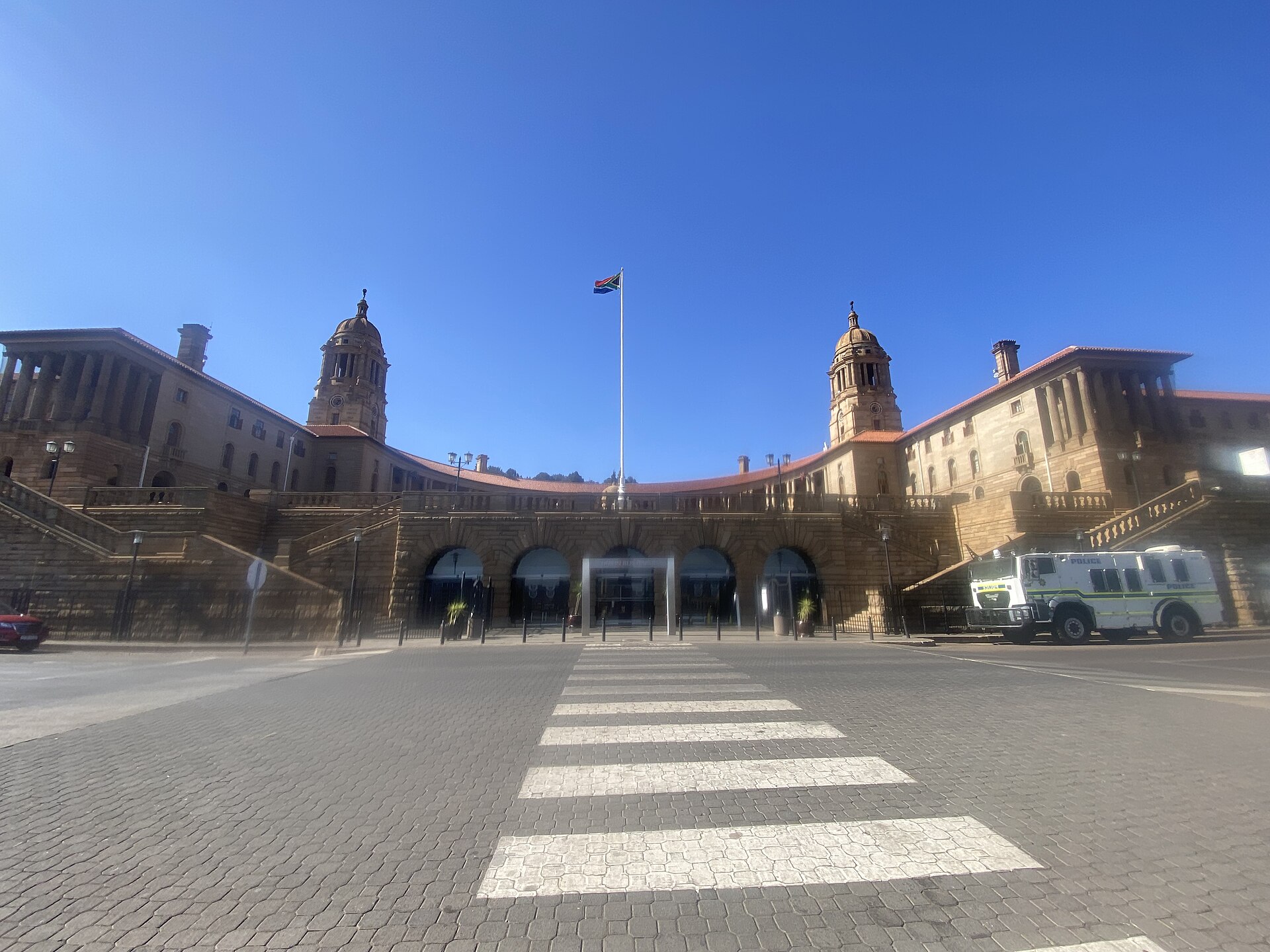
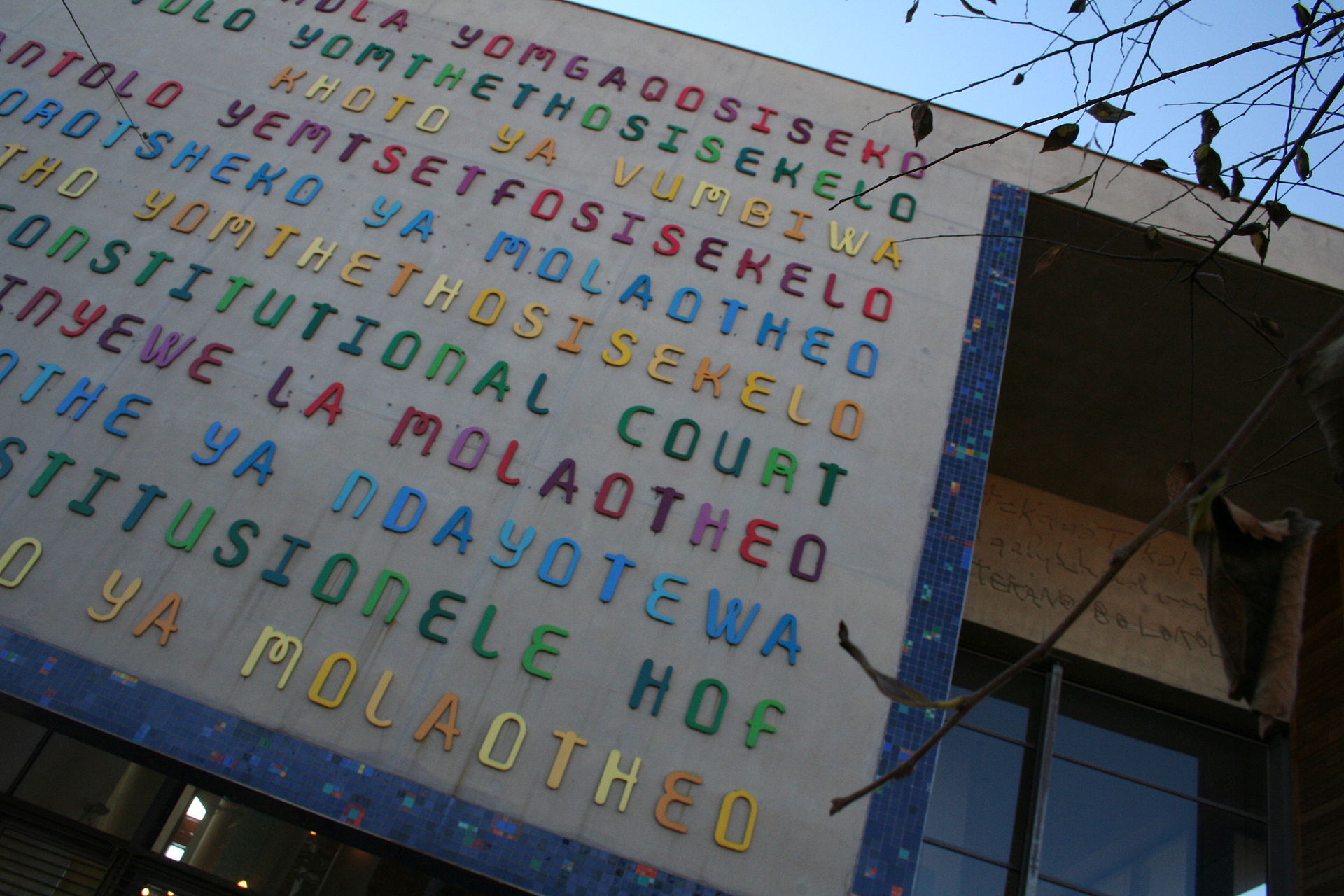
  • Courts Go Digital, Justice Stays Human: How Court Online Is Transforming South African Courtrooms

    Courts Go Digital, Justice Stays Human: How Court Online Is Transforming South African Courtrooms

    South Africa’s courts are quietly undergoing a digital transformation – and it is already making justice faster, more reliable and easier to reach, Deputy Minister of Justice and Constitutional Development Andries Nel told the Lex-Informatica 2026 Conference in Pretoria on Thursday.

    Speaking at the gathering of legal and technology minds, Nel pointed to the Court Online system as a transformative success in the “management, handling, and sharing of court records”, as reported by SAnews.

    Filing court papers from anywhere

    Court Online enables law firms and litigants to file court documents electronically via the internet, significantly reducing reliance on traditional paper-based processes. According to the Deputy Minister, the platform now allows for:

    • Reduced physical movement of people and documents between stakeholders and courts;
    • Faster filing and retrieval of case-related information;
    • The elimination of misplaced or lost case files; and
    • Simultaneous access, so multiple authorised users can view and process the same file in real time.

    For litigants, that means fewer trips to court buildings, fewer delays, and an end to one of the oldest frustrations in the system – the file that cannot be found.

    Technology with a human heart

    Nel was equally clear that technology is a tool for justice, not a substitute for the people who deliver it. “AI can identify precedent, but it can’t understand the moral weight of a decision,” he said.

    “We can bring to technology what technology can’t supply – judgement, context, nuance, empathy, ethics, courage, and human understanding.”

    The challenge, he argued, is not to resist technological change but to ensure that technology serves justice. That means using predictive analytics to anticipate legal needs, automation and digital platforms to deliver timely services, and real-time insights to inform policy – all while enhancing transparency and public trust.

    Leaving no one offline

    Nel stressed that as digitisation advances, the justice system must guard against digital exclusion, ensuring rural communities, the elderly and the economically disadvantaged share fully in the benefits.

    He called for a whole-of-society effort – government, business, the legal profession, academia and civil society working together to shape a digital future that honours constitutional values.

    “Justice in the digital age is about balance: balancing innovation with accountability, progress with protection, and efficiency with human rights and inclusivity,” Nel said. “Let us commit ourselves to ensuring that a digital age works to the betterment of humanity.”

    With Court Online growing and a clear ethical compass guiding the journey, South Africa is building something worth celebrating: a justice system that is both smarter and more human.

    Photo: commons.wikimedia.org

  • Government in Your Pocket: South Africa’s Digital Services Drive Gathers Real Momentum

    Government in Your Pocket: South Africa’s Digital Services Drive Gathers Real Momentum

    Filing your taxes from your couch. Applying for a Smart ID at your bank. Renewing a vehicle licence online. Piece by piece, South Africa’s government is going digital — and the momentum is building, SAnews reports.

    The latest step came with the Department of Home Affairs launching Phase II of its successful Trusted Employer Scheme, part of modernising the immigration system to cut red tape, attract investment and support job creation.

    One trusted platform for everything

    The bigger picture is the Roadmap for the Digital Transformation of Government, launched in May 2025, which unifies previously fragmented digital initiatives into a single whole-of-government vision: an inclusive, secure and people-centred digital government by 2030.

    “This roadmap is government’s commitment… It sets out a focused plan to modernise how we deliver services by investing in shared systems, improving coordination and removing the barriers that make it difficult for people to get what they need. The roadmap outlines better ways to verify identity, reduce fraud, share data safely, make and receive payments and access services through a single trusted platform,” President Cyril Ramaphosa wrote in the roadmap’s foreword.

    Central to the vision is the MyMzansi platform, designed as a single access point to government services and information.

    Progress you can already use

    The digital shift is not a distant promise — South Africans are using it today:

    • SARS lets taxpayers manage their affairs through eFiling and the SARS MobiApp — submissions, queries and compliance checks without visiting a branch;
    • eHomeAffairs allows much of the Smart ID and passport process to happen online, including payments and appointment bookings;
    • Absa has gone live with digital Smart ID applications, joining a network of 296 participating bank branches nationwide;
    • SAYouth connects young people to employment, skills development and entrepreneurial opportunities;
    • NaTIS lets motorists renew vehicle licences and complete other services online.

    Connecting the unconnected

    Inclusion is built into the plan. Phase 2 of SA Connect, set for completion in 2025/26 according to the Budget Review, will deploy about 1 180 kilometres of fibre to extend broadband coverage to about 5.6 million households through community Wi-Fi hotspots, while State Information Technology Agency-led upgrades extend connectivity at 6 343 government facilities.

    Government has committed that rural communities and vulnerable groups will continue to access services through multiple channels as digital services expand — so no one is left behind. Less paperwork, lower travel costs, stronger security and services in your pocket: the digital future of government is steadily arriving, and it is looking distinctly user-friendly.

    Photo: commons.wikimedia.org

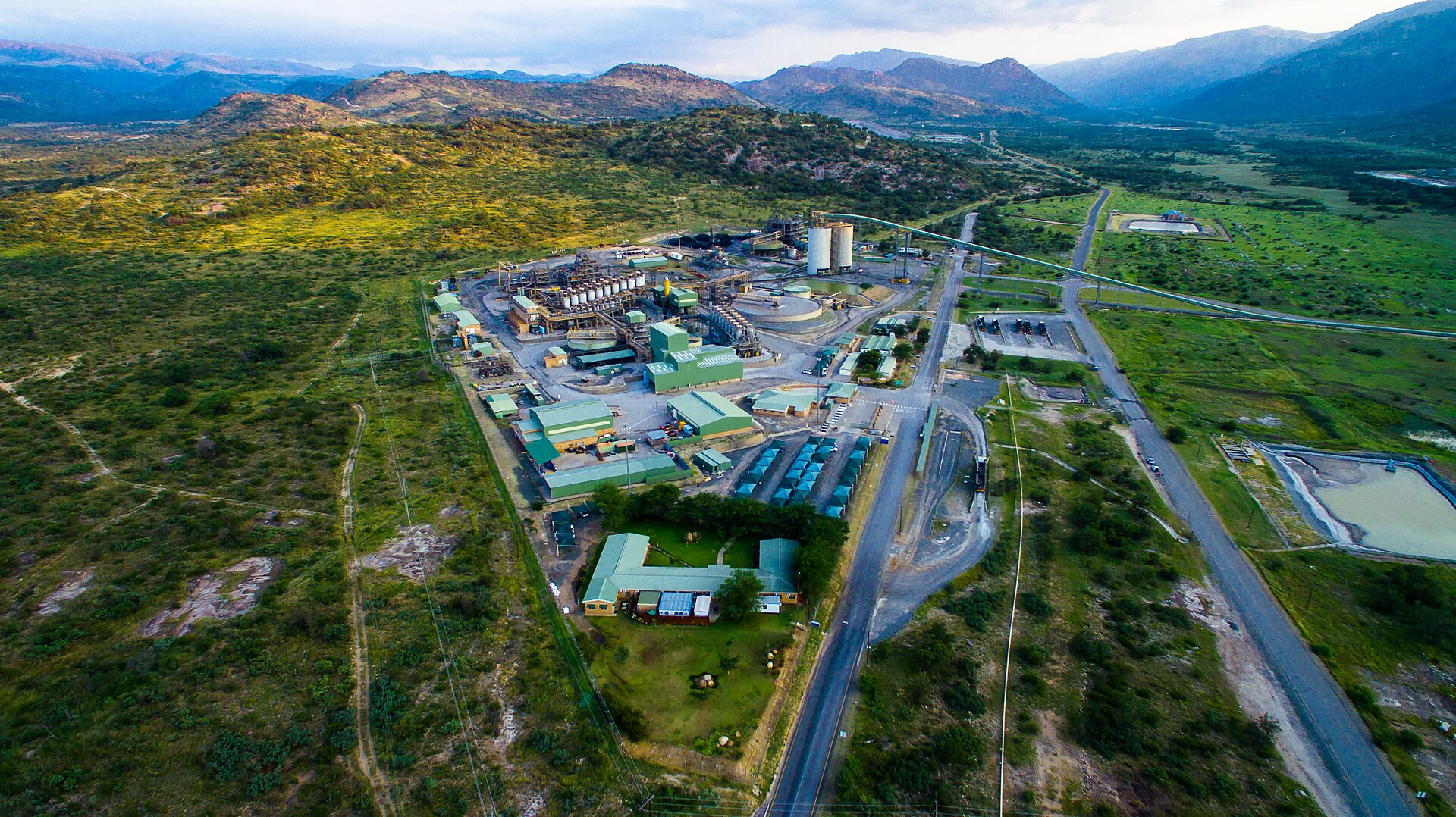
  • From Pit to Powerhouse: Nzimande Puts Mineral Beneficiation at the Heart of Africa’s Economic Future

    From Pit to Powerhouse: Nzimande Puts Mineral Beneficiation at the Heart of Africa’s Economic Future

    Africa’s minerals should power African industries — not just fill export ships. That was the message from Science, Technology and Innovation Minister Prof Blade Nzimande, who told delegates at SADC Industrialisation Week that mineral beneficiation must sit “at the absolute centre” of the continent’s economic conversation.

    Speaking during a panel discussion on critical minerals at the Inkosi Albert Luthuli ICC in Durban, Nzimande outlined how strategic local processing can create regional value chains and sustainable economic growth across Southern Africa.

    Beyond Raw Exports

    Nzimande opened by referencing President Cyril Ramaphosa’s keynote at the 2026 Africa Energy Indaba, echoing the President’s assertion that Africa’s vast underground critical minerals are increasingly essential to global technology and energy applications.

    “President Ramaphosa emphasised that the promise of Agenda 2063 relies not just on universal access to energy, but on productive access. This is access that empowers African economies to move beyond merely exporting raw materials and towards localised value addition,” Nzimande said.

    Critical minerals, he stressed, have become the bedrock of modern economic growth, industrial competitiveness, energy security and the global transition to clean technologies. For the SADC region, the challenge is no longer proving these resources exist — it is actively leveraging them to unlock widespread industrialisation.

    Hydrogen and Batteries: South Africa’s Two Big Bets

    Setting out the Department of Science, Technology and Innovation’s perspective, the Minister described critical minerals as strategic enablers of future industries rather than ordinary commodities, and pointed to two sectors driving South Africa’s transition: the hydrogen economy and the battery economy.

    Both are central pillars of South Africa’s Decadal Plan for Science, Technology and Innovation (2022–2032), which supports the country’s just energy transition and inclusive economic growth.

    South Africa is hardly starting from scratch. Nzimande reminded delegates of the country’s long-standing institutional foundations — including the 15-year Hydrogen South Africa (HySA) strategy launched in 2007, which built a strong base for hydrogen and fuel cell technologies well before the world’s current hydrogen rush.

    Science Meets the Assembly Line

    The department continues to lead public-private partnership models aimed at bridging foundational scientific research with market-ready manufacturing solutions across the SADC region — the connective tissue between the laboratory and the factory floor.

    With the region’s mineral wealth, South Africa’s research infrastructure and a shared industrialisation agenda on display in Durban this week, the pieces are aligning for a Southern Africa that refines, manufactures and innovates — adding value at home, and exporting products rather than just potential, according to SAnews.

    Photo: commons.wikimedia.org

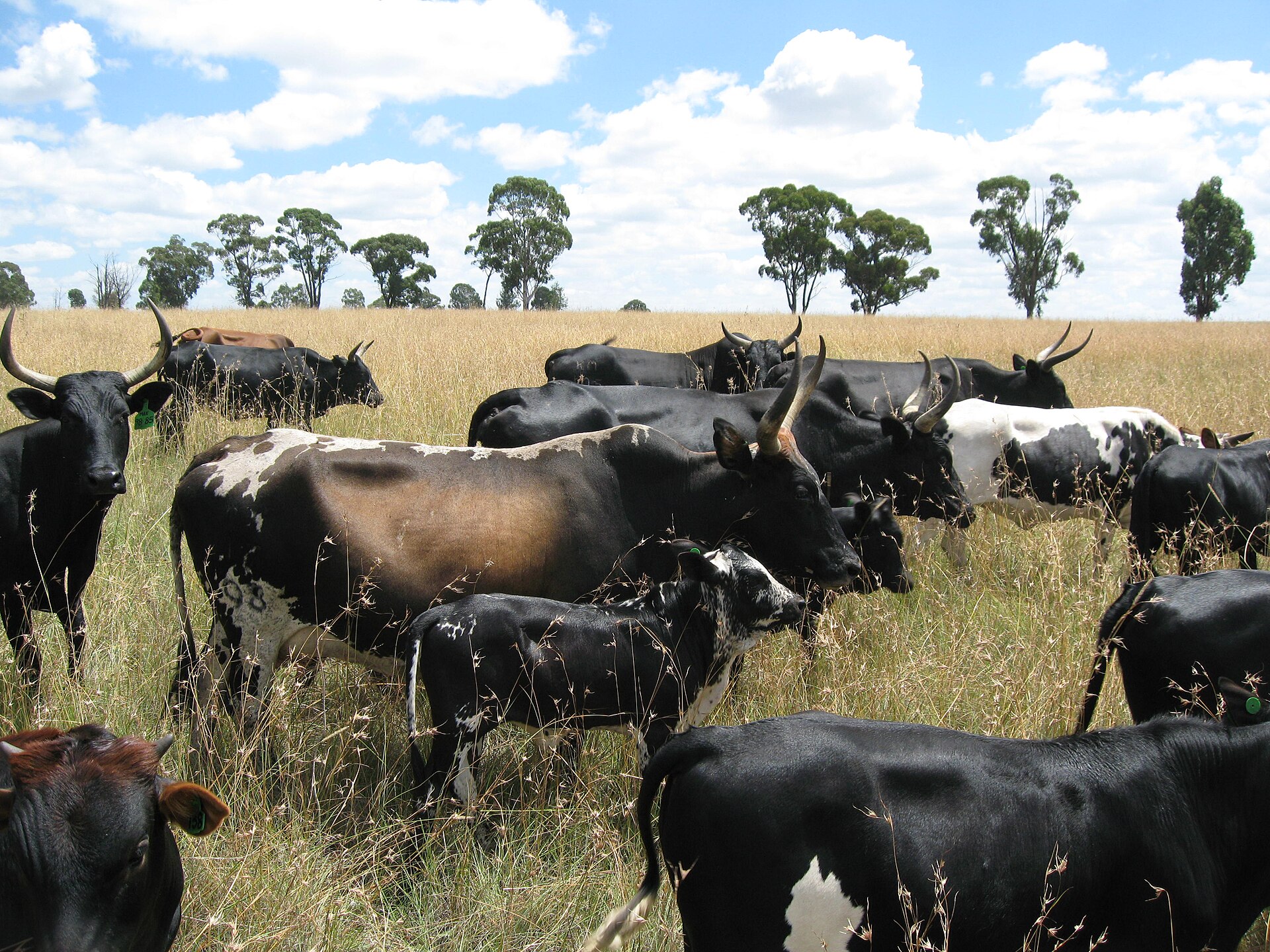
  • Farmers in the Driving Seat: New Online Portal Lets Livestock Owners Vaccinate Their Own Herds Against FMD

    Farmers in the Driving Seat: New Online Portal Lets Livestock Owners Vaccinate Their Own Herds Against FMD

    South Africa’s farmers have just been handed a powerful new tool. The Department of Agriculture has launched an online self-vaccination application portal that allows livestock owners to apply for authorisation to vaccinate their own animals against Foot and Mouth Disease (FMD) — a smart, digital step that puts herd protection directly in farmers’ hands.

    Agriculture Minister Willie Aucamp said the new system enables cattle owners and managers to perform voluntary vaccination of their livestock, with government and the private sector pulling together.

    “This step is only the beginning, and I can assure all stakeholders that the Department of Agriculture is committed to enabling the private sector to help tackle this FMD outbreak,” Aucamp said.

    How the Portal Works

    The portal, available through the FMD Reporting System at fmd.nda.gov.za, was designed around biosecurity requirements, legal prescripts and traceability. The process has three simple parts:

    1. Apply to be an authorised person. Livestock owners and managers register on the FMD Reporting System and apply for approval to administer FMD vaccines.
    2. Give notice of intention to vaccinate. Once approved, they notify the Provincial Director of Veterinary Services or their local State Veterinarian at least five days before vaccinating, after which they can procure vaccines directly from their authorised veterinarian.
    3. Submit a vaccination report. Within 14 days of vaccinating, authorised persons file a feedback report covering the animals vaccinated, the vaccine used and the farm location.

    Farmers can also use approved third-party digital platforms — including those operated by Red Meat Industry Services, the Southern African Agri Initiative and Buffalo Analytics — to complete notification and reporting, with all information flowing back to the department’s system.

    A Road Back to FMD-Free Status

    The data gathered through the reporting system will let government track the vaccination programme’s progress in real time — and it serves a bigger prize.

    “It will also enable us to efficiently provide up-to-date information on the success of South Africa’s vaccination programme to the World Organisation for Animal Health when we are in a position to apply for FMD-free status with vaccination once again,” the Minister said.

    Regaining that status would be a major win for South African agriculture and its export markets.

    Nobody Left Behind

    While farmers joining the voluntary programme will cover the cost of vaccines for their own herds, government will continue to provide vaccines in areas where new outbreaks are detected — and to farmers who cannot afford them. Organised agriculture bodies have been encouraged to coordinate vaccine orders on behalf of their members so importers and veterinarians can plan supply across the country.

    Aucamp paid tribute to the people who made the launch possible: “I want to thank all farmers, organised agriculture organisations as well as the Department of Agriculture officials, who have worked tirelessly to get these systems up and running.”

    It is a fine example of what happens when technology, government and the farming community pull in the same direction, according to SAnews.

    Photo: commons.wikimedia.org

  • Science in Everyone’s Language: The Communicators Bringing MeerKAT, Medicine and More to South Africans

    Science in Everyone’s Language: The Communicators Bringing MeerKAT, Medicine and More to South Africans

    South Africa’s scientists are producing knowledge of global significance – and a dedicated corps of science communicators is making sure that knowledge belongs to everyone, not just the laboratories that produce it.

    “A science communicator helps to close the gap between science and society,” Dr Anton Binneman, Manager for Science Communication at the National Research Foundation’s South African Agency for Science and Technology Advancement (SAASTA), told the South African Government News Agency. The work involves translating complex scientific information into language and formats that different audiences can understand, relate to and use.

    A month-long celebration of science

    The conversation comes as South Africa commemorates its first National Science Month, launched on 4 July 2026 by Deputy Minister of Science, Technology and Innovation Dr Nomalungelo Gina at the Vaal University of Technology in Sebokeng, under the theme Science, Technology and Innovation are for everyone.

    The expansion from National Science Week – observed since 2000 – to a full month gives universities, science councils, schools, businesses and community organisations more time and space to participate, Binneman said, with public lectures, exhibitions, science tours, school activities and community engagements spanning themes from health and climate change to space science and indigenous knowledge systems.

    World-class science, made local

    Binneman is keen to challenge the idea that South Africa merely consumes science produced elsewhere. The country has world-class research capabilities in astronomy, biodiversity, health, paleoscience, climate research, nuclear science and space weather.

    “Facilities such as MeerKAT, the Southern African Large Telescope, iThemba LABS, and the South African National Space Agency’s Space Weather Centre demonstrate that South Africa is not merely consuming scientific knowledge produced elsewhere; we are helping to produce knowledge of global significance.”

    His own path has included work on the Square Kilometre Array project in the Northern Cape, the international effort to build the world’s largest radio telescope – an experience, he says, that taught him to listen to communities as well as explain the science.

    Growing the next generation of communicators

    To build the profession, the Department of Science, Technology and Innovation, through NRF-SAASTA, supports a postgraduate diploma in science communication, complemented by internships, mentorship and workplace-based learning. Binneman highlights a particular need for communicators who can work in South Africa’s indigenous languages.

    “People should not have to encounter science only in highly technical English. Language affects access, trust and the ability to participate meaningfully,” he said.

    The goal, ultimately, is a society in which people can ask informed questions, assess evidence and take part in decisions about science and technology – a fitting ambition for a month built on the idea that science is for everyone.

    The full interview was published by SAnews.

    Photo: commons.wikimedia.org

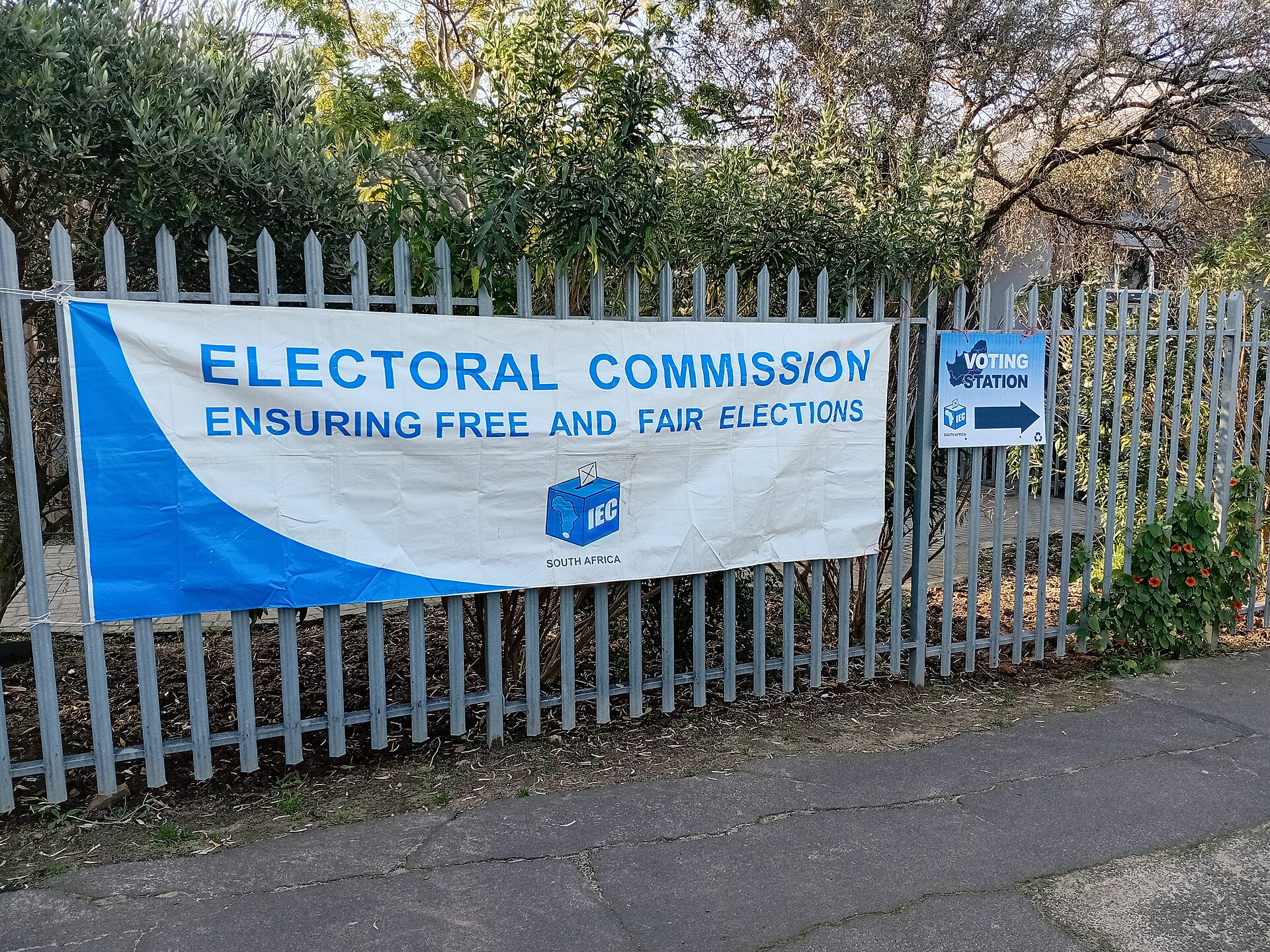
  • Register to Vote Without Spending a Cent of Data: IEC’s Zero-Rated Portal Puts Democracy in Every Pocket

    Register to Vote Without Spending a Cent of Data: IEC’s Zero-Rated Portal Puts Democracy in Every Pocket

    Registering to vote in South Africa now costs nothing at all, not even mobile data. The Electoral Commission of South Africa (IEC) has urged eligible voters to register or update their registration details online, reminding the public that its Online Voter Registration Portal is zero-rated across the major mobile networks.

    What Zero-Rating Means for Voters

    Zero-rating means users can access the registration portal without paying for mobile data. Even a voter with no airtime and no data balance can register to vote or update their details, removing one of the most practical barriers between citizens and the ballot box.

    There is one small technical step to remember: the IEC has pointed out that users must still switch on mobile data on their phones to connect to the portal. No airtime or existing data balance is required, but mobile connectivity must be enabled for the connection to work.

    How to Get It Done in Minutes

    The portal is available at registertovote.elections.org.za, and using it is straightforward:

    1. Switch on mobile data on your phone.
    2. Visit the Online Voter Registration Portal.
    3. Register for the first time, or check and update your existing details.

    The commission has encouraged voters not to wait until the last minute to verify their registration information, and to make sure their details are up to date well ahead of the 2026 Local Government Elections.

    Technology in Service of Democracy

    The zero-rated portal is a quietly powerful example of digital public service done right. By partnering with mobile networks to remove the data cost, the IEC has extended the reach of the electoral system to every corner of the country where a phone signal reaches, including households where every megabyte is budgeted.

    It also spares citizens a trip and a queue. What once required a visit to a registration station can now be completed from a kitchen table, a taxi rank or a village kilometres from the nearest office, at any hour of the day.

    The online option is especially valuable for first-time voters, young people comfortable doing everything on a phone, and citizens who have moved house since the last election and need their details to match their new ward. Checking now, rather than in the final rush, gives the commission time to resolve any queries and gives voters certainty that they will be on the roll where they live.

    The IEC is encouraging all citizens to take part in the electoral process under a simple, stirring message: “Your vote is your voice. Make your mark.” With the portal free to use and open now, making that mark has never been easier, according to details reported by SAnews.

    Photo: commons.wikimedia.org

  • One Trusted Platform for Every Service: South Africa’s Digital Government Drive Gathers Speed

    One Trusted Platform for Every Service: South Africa’s Digital Government Drive Gathers Speed

    South Africa’s drive to build a modern, digital government is picking up real pace, with the Department of Home Affairs this week launching Phase II of its Trusted Employer Scheme – the latest in a string of digital milestones designed to cut red tape, attract investment and bring public services within reach of every citizen.

    Monday’s launch is part of a much bigger story: the Roadmap for the Digital Transformation of the South African Government, launched in May 2025, which knits together previously fragmented digital projects into a single, whole-of-government vision for an inclusive, secure and people-centred digital state by 2030.

    A Single Front Door to Government

    At the centre of the vision is the MyMzansi platform, designed to give South Africans one trusted access point for government services and information. Instead of navigating dozens of separate systems, citizens will increasingly be able to apply for services, receive payments, verify their identity and find information through seamless digital channels.

    In his foreword to the roadmap, President Cyril Ramaphosa framed the programme as a promise to those who need it most. “These issues affect everyone, but they are most challenging for the poor and those who reside far from government service centres,” he wrote. “This roadmap is government’s commitment to change this situation. It sets out a focused plan to modernise how we deliver services by investing in shared systems, improving coordination and removing the barriers that make it difficult for people to get what they need.”

    Progress Citizens Can Already Use

    The transformation is not a distant ambition – several services are already live and widely used:

    • With tax season underway, the South African Revenue Service lets taxpayers manage their affairs entirely online through eFiling and the SARS MobiApp, from submissions to compliance checks, without visiting a branch.
    • Through eHomeAffairs, citizens can complete much of the Smart ID and passport application process online, including payments and appointment bookings, before a quick biometric verification.
    • The Trusted Employer Scheme’s second phase further streamlines South Africa’s immigration system for employers, supporting economic growth and job creation.

    No One Left Behind

    Government has been clear that digitisation will not come at the expense of inclusion. Rural communities and vulnerable groups will continue to access public services through multiple channels as digital services expand, ensuring the benefits of technology reach every corner of the country.

    The expected dividends are practical and immediate: less paperwork, lower travel costs, stronger security, reduced fraud and better coordination across departments. Beyond service delivery, the programme is expected to fuel economic growth by cutting administrative burdens, supporting innovation and opening new opportunities in education, employment and entrepreneurship.

    For a country where a trip to a government office once meant long queues and long journeys, the message from the roadmap is refreshingly simple: government is coming to you – on your phone, in your language, at your convenience.

    Photo: commons.wikimedia.org

  • Founding Member at the AI Top Table: South Africa and China Deepen Science Partnership at Shanghai Summit

    Founding Member at the AI Top Table: South Africa and China Deepen Science Partnership at Shanghai Summit

    South Africa has taken a seat at the top table of global artificial intelligence cooperation, joining the formal launch of the World Artificial Intelligence Cooperation Organisation (WAICO) as a founding member during the 2026 World Artificial Intelligence Conference (WAIC) in Shanghai.

    On the sidelines of the summit, Science, Technology and Innovation Minister Prof. Blade Nzimande met China’s Minister of Science and Technology, Prof. Yin Hejun, for a high-level bilateral meeting to deepen cooperation across key frontiers of science and technology, SAnews reports.

    From Quantum Computing to the Stars

    The two leaders explored expanded collaboration in a striking range of strategic fields, including:

    • Artificial intelligence and joint research centres and laboratories;
    • Space science and astronomy;
    • Quantum computing and cybersecurity;
    • Public science engagement and youth development;
    • The Young Scientists Exchange Programme.

    Nzimande thanked China for inviting South Africa to WAICO’s formal launch and reaffirmed the country’s commitment to supporting the new organisation as it gets off the ground. He also welcomed the opening address delivered by Chinese President Xi Jinping at the conference, describing it as deeply insightful.

    Country of Honour

    There was more good news for South African science on the sidelines: China has designated South Africa as a “Country of Honour” at the 19th Pujiang Innovation Forum, scheduled to take place in China in September 2026 — a signal of the growing weight South Africa carries in global research partnerships.

    The Minister used the meeting to showcase South Africa’s own ambitions, outlining plans to establish a national science and technology museum to bring science closer to ordinary South Africans.

    He also extended an invitation of his own: for China’s Ministry of Science and Technology to participate in Science Forum South Africa, Africa’s premier global science gathering, which will be held in December this year.

    Nzimande further thanked China for its support of South Africa’s G20 Presidency, underlining how the science partnership sits within a broader relationship between the two countries.

    Science Month Momentum

    The timing could hardly be better. WAIC 2026 takes place as South Africa observes National Science Month in July — a celebration of science, technology and innovation across the country’s schools, universities and science centres.

    For South African researchers and young scientists, the deepened partnership promises concrete opportunities: joint laboratories, exchange programmes and collaborative projects in some of the fastest-moving fields in the world, from machine learning to quantum technology.

    With the Square Kilometre Array telescope already making the country a global astronomy destination, and now a founding role in the world’s newest AI cooperation body, South Africa continues to punch above its weight in international science — and to make sure its young people share in the benefits.

    Photo: commons.wikimedia.org

  • Robots, Renewables and R24 Million: Mossel Bay Gets a Fourth Industrial Revolution Training Hub

    Robots, Renewables and R24 Million: Mossel Bay Gets a Fourth Industrial Revolution Training Hub

    Young people on the Garden Route have just gained a world-class springboard into the careers of the future. Higher Education and Training Deputy Minister Dr Nomusa Dube-Ncube on Thursday officially launched a Fourth Industrial Revolution (4IR) Centre of Excellence and three new Centres of Specialisation at South Cape TVET College’s Mossel Bay Campus.

    The facilities were established through a combined investment of more than R24 million from the ETDP SETA, the Manufacturing, Engineering and Related Services SETA (MerSETA) and the Industrial Development Corporation, with additional support from technology giants Intel and HP, SAnews reports.

    ‘A Vote of Confidence in You’

    “This is not just money spent on machines. It is a vote of confidence in you and in the young people of this region. It says: we believe in your future, and we are backing it,” Dube-Ncube told students at the launch.

    The new Centres of Specialisation cover electrical work, boilermaking and automotive motor mechanics. Electrical students will train in modern installations and renewable energy systems, boilermaking students will master fabrication, welding and computer-aided design, and automotive students will learn to service hybrid and electric vehicles.

    “These skills are needed right now, and they will be needed even more tomorrow,” the Deputy Minister said.

    A Growing National Network

    The Mossel Bay facility is the latest in a growing network of 4IR Centres of Excellence across the country, following similar launches at Eastcape Midlands, Flavius Mareka and Letaba TVET colleges. The centres bring robotics, automation, artificial intelligence and smart manufacturing directly into TVET classrooms, and will help South African students train to international standards for competitions such as the WorldSkills Championship.

    Dube-Ncube said stronger ties between TVET colleges and economic development zones will keep training aligned with real regional opportunities in maritime industries, energy and agriculture along the Garden Route, citing the partnership between colleges and the Richards Bay Industrial Development Zone as a model for improving graduate employment.

    For Mossel Bay itself, the launch positions the town’s campus as a regional anchor for advanced technical skills, drawing students from across the southern Cape who previously had to travel to larger centres for comparable training.

    Doors Opening Abroad Too

    The Deputy Minister also spotlighted government-funded international scholarships that many young people do not know exist. South African students are already studying in Germany, the Netherlands, Japan and China, and this year 196 students were awarded or nominated for scholarships in eight countries from a pool of more than 5,600 applications. Applications for the 2027 international scholarship programmes are expected to open between August and December.

    “A centre without a path to employment is just a building. A centre with that path is a bridge to a better life,” Dube-Ncube said.

    Photo: commons.wikimedia.org

  • Smart IDs at Your Local Bank: Absa Becomes Fourth Bank to Offer Home Affairs Services

    Smart IDs at Your Local Bank: Absa Becomes Fourth Bank to Offer Home Affairs Services

    Getting a Smart ID in South Africa keeps getting easier. The Department of Home Affairs has announced that Absa has gone live with digital Smart ID applications, becoming the fourth bank to offer the service through the department’s Digital Partnership Model.

    Absa joins Capitec, Standard Bank and First National Bank in the programme, which now gives South Africans access to Smart ID services through a network of 296 participating bank branches across the country, SAnews reports.

    Rolling out branch by branch

    As part of the launch, 12 Absa branches have been enabled to provide Home Affairs Smart ID services, with a further 60 Absa branches scheduled to go live before the end of 2026. Beyond its branches, Absa will also introduce an innovative mobile offering, Bank on the Move, extending secure Home Affairs services to even more communities.

    The numbers show South Africans are voting with their feet: more than 385,000 Smart ID applications have already been processed through the Digital Partnership – achieved in just four months.

    A faster, more secure ID for everyone

    The partnership makes it easier than ever to replace the older, fraud-prone green barcoded ID book with the far more secure Smart ID Card – often while doing the day’s banking.

    “Processing more than 385 000 Smart ID applications in just four months demonstrates that South Africans are embracing a faster, more secure and more convenient way of accessing Home Affairs services,” Home Affairs Minister Dr Leon Schreiber said.

    Schreiber said the rapid expansion of the partnership demonstrates the success of the department’s vision to “fundamentally transform Home Affairs service delivery through digital innovation.”

    750 branches in sight

    The rollout forms part of the department’s Home Affairs @ home reform programme, which aims to expand the Digital Partnership to 750 participating bank branches by the end of this year.

    “Together with innovations such as Bank on the Move, we are bringing secure and dignified access to Smart ID services closer to where people live and work,” Schreiber said.

    For millions of South Africans, that means one less trip to a Home Affairs office – and one more everyday errand that can be ticked off at the local bank. It is digital government at its most practical: quicker queues, safer documents and services that meet people where they already are.

    Photo: commons.wikimedia.org