As National Science Month draws to a close, there is plenty for South Africans to celebrate: the country remains a continental leader in science, innovation and technology, with home-grown breakthroughs that have changed lives around the world.
In a feature published by SAnews, Government Communications’ William Baloyi charts the country’s proud scientific record, from historic firsts to world-leading facilities in the Karoo.
Inventions that save lives
Consider the Lodox scanner. First developed in the mining industry to detect smuggled diamonds through low-dose, full-body X-ray imaging, the technology is today used in trauma centres and hospitals in South Africa and internationally, producing full-body images within seconds while exposing patients to significantly less radiation than traditional X-rays or CT scans.
South Africa’s record of medical firsts goes back decades. The world’s first successful human-to-human heart transplant was performed by Professor Christiaan Barnard at Cape Town’s Groote Schuur Hospital in 1967, and South African researchers continue to contribute to global health through advances in infectious disease research, HIV prevention and vaccine development. At the University of Cape Town, the Cancer Research Initiative is advancing prevention, diagnosis and treatment research that responds to the needs of African populations.
Eyes on the universe from the Karoo
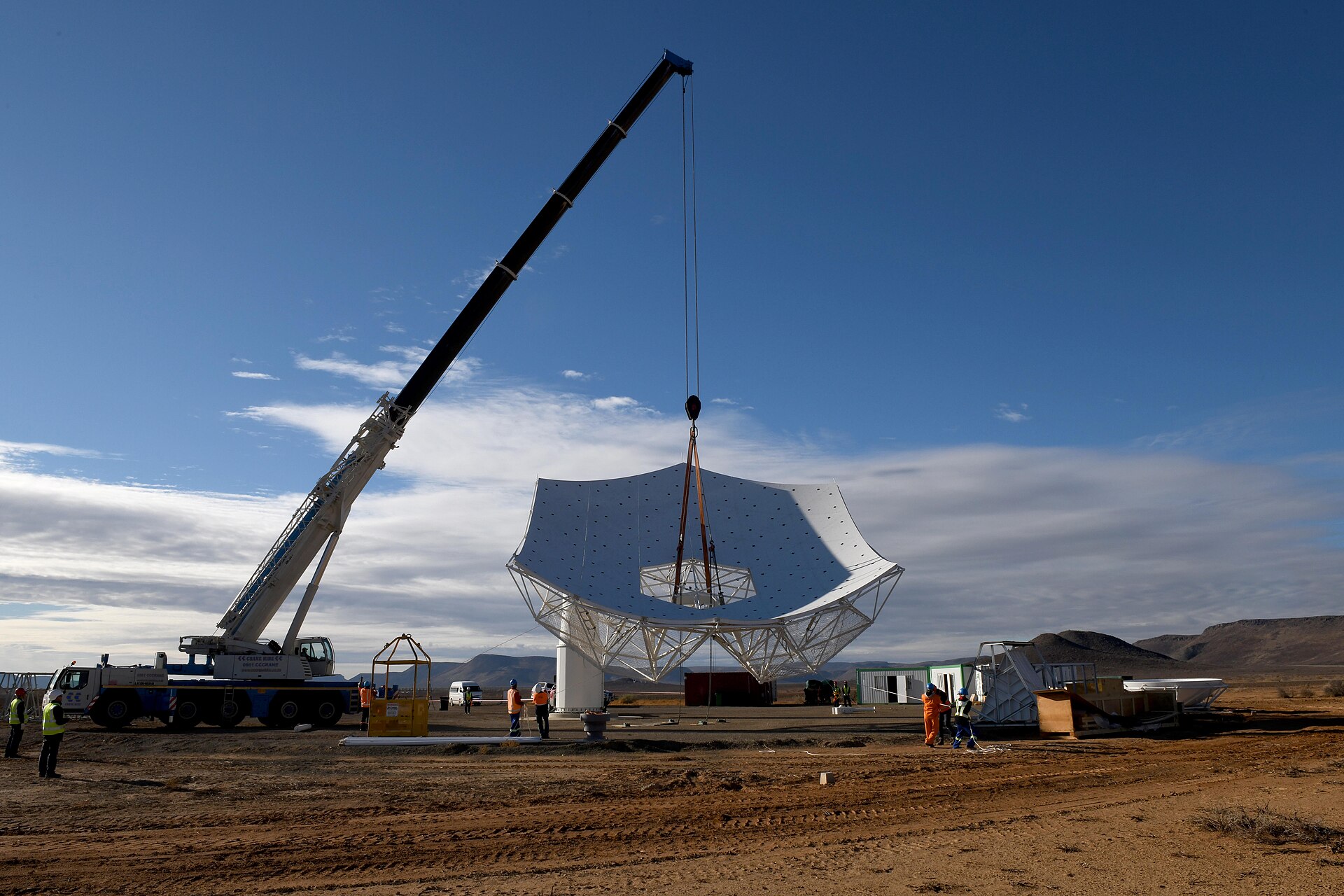
South Africa’s leadership in astronomy is on spectacular display in the Northern Cape, where the country hosts the African site of the Square Kilometre Array (SKA), an international project to build the world’s largest radio telescope with a collecting area equivalent to approximately one square kilometre.
Its precursor, the MeerKAT radio telescope in the Karoo, has already produced important discoveries, including detailed observations of the centre of the Milky Way, positioning South Africa as a key contributor to global astronomy.
The country’s space credentials also include SumbandilaSat, its first locally developed microsatellite, launched in 2009 and a demonstration of growing local expertise in satellite technology.
A research powerhouse
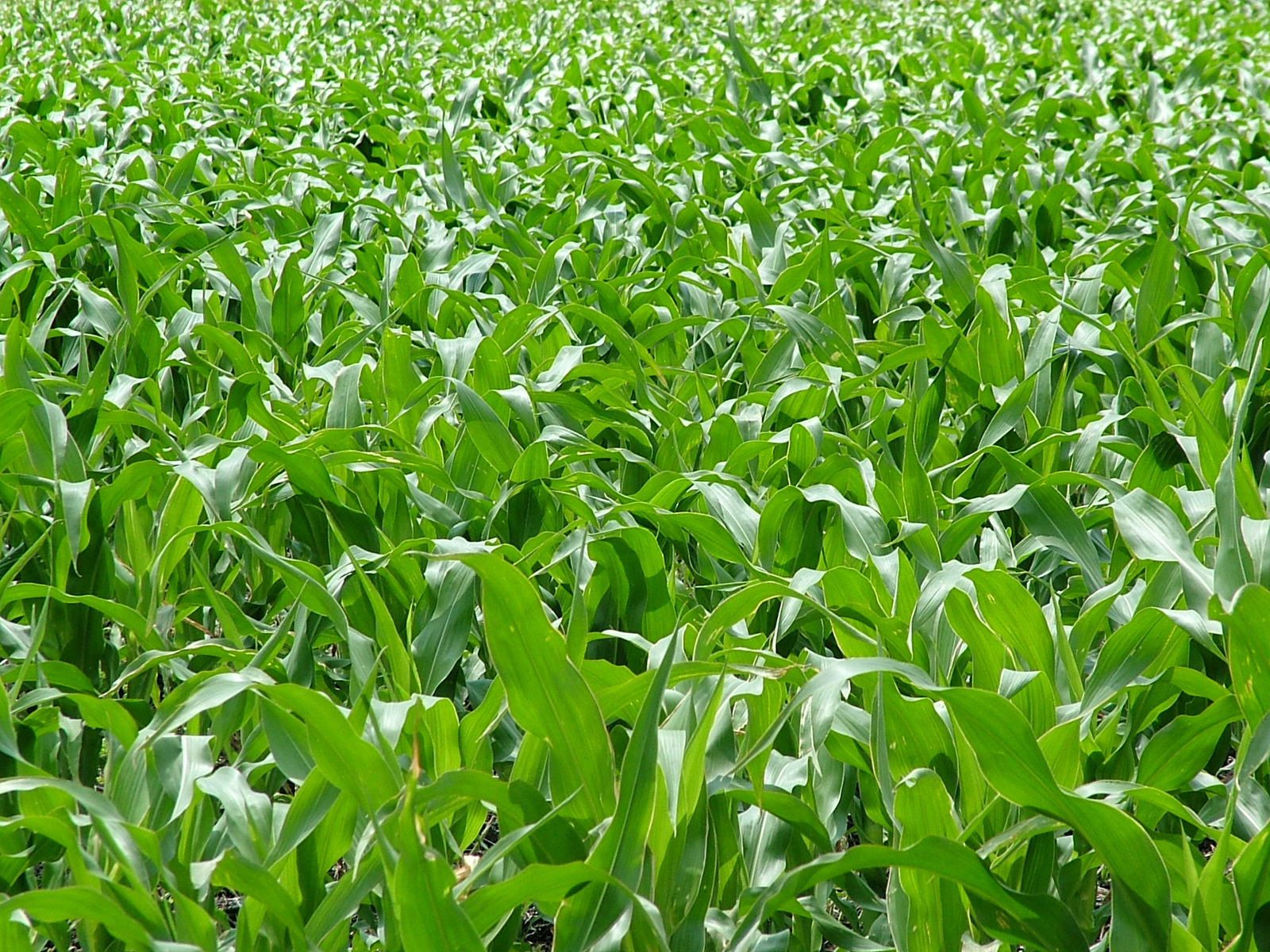
The numbers back up the reputation. In 2023, South Africa produced 25 775 scientific articles, placing the country 29th in the world and second in Africa. Plant breeders’ rights applications grew from 263 in 2022 to 318 in 2023, placing South Africa among the global leaders in agricultural innovation, with local scientists strengthening food security through climate-smart agriculture and improved crop varieties.
Behind it all stands a strong ecosystem: the Council for Scientific and Industrial Research, the National Research Foundation, universities and research institutions that turn ideas into solutions.
From the operating theatre at Groote Schuur to the radio dishes of the Karoo, South African science is a story of curiosity, excellence and impact, and its next chapter is already being written by a new generation of researchers and innovators.
Photo: commons.wikimedia.org





Leave a Reply