Good News · All Nine Provinces

Independent · Local · Forward-looking

Mzansi News Online

Uniting SA Through Good News

Category: Health

  • Two Jabs a Year to Stay HIV-Free: South Africa Readies Rollout of Game-Changer Lenacapavir

    Two Jabs a Year to Stay HIV-Free: South Africa Readies Rollout of Game-Changer Lenacapavir

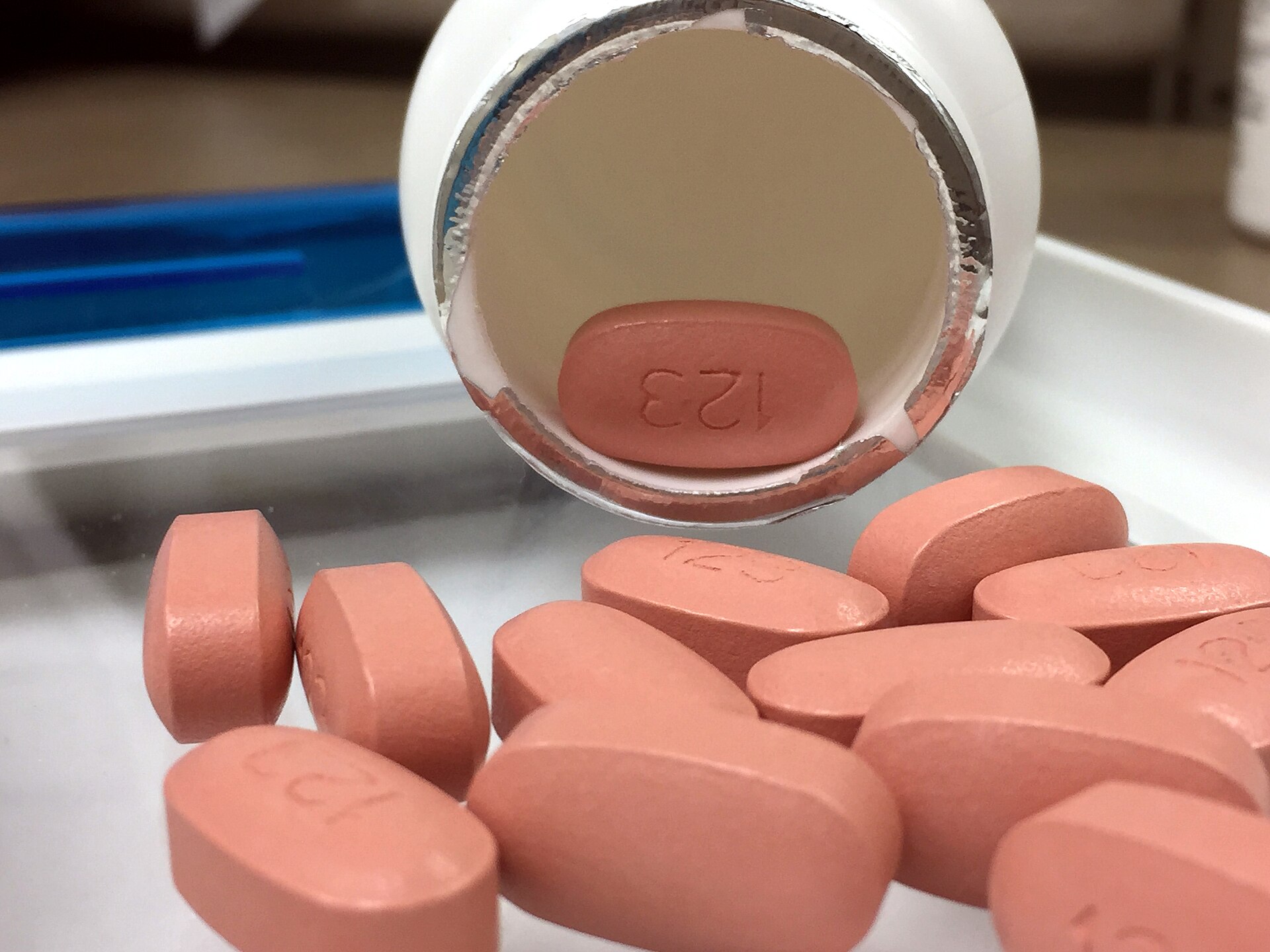
    South Africa is preparing to add one of the most significant HIV prevention advances in years to its public health toolkit: Lenacapavir, a long-acting injectable that offers six months of continuous protection from a single dose.

    The first batch of the medicine, 37 920 doses, arrived in the country in early April, and Health Minister Dr Aaron Motsoaledi is expected to announce the launch date for its rollout. The Department of Health has described Lenacapavir as a preventive medicine, not a vaccine, and as one of the most important steps forward in HIV prevention in years.

    Two Injections a Year Instead of a Daily Pill

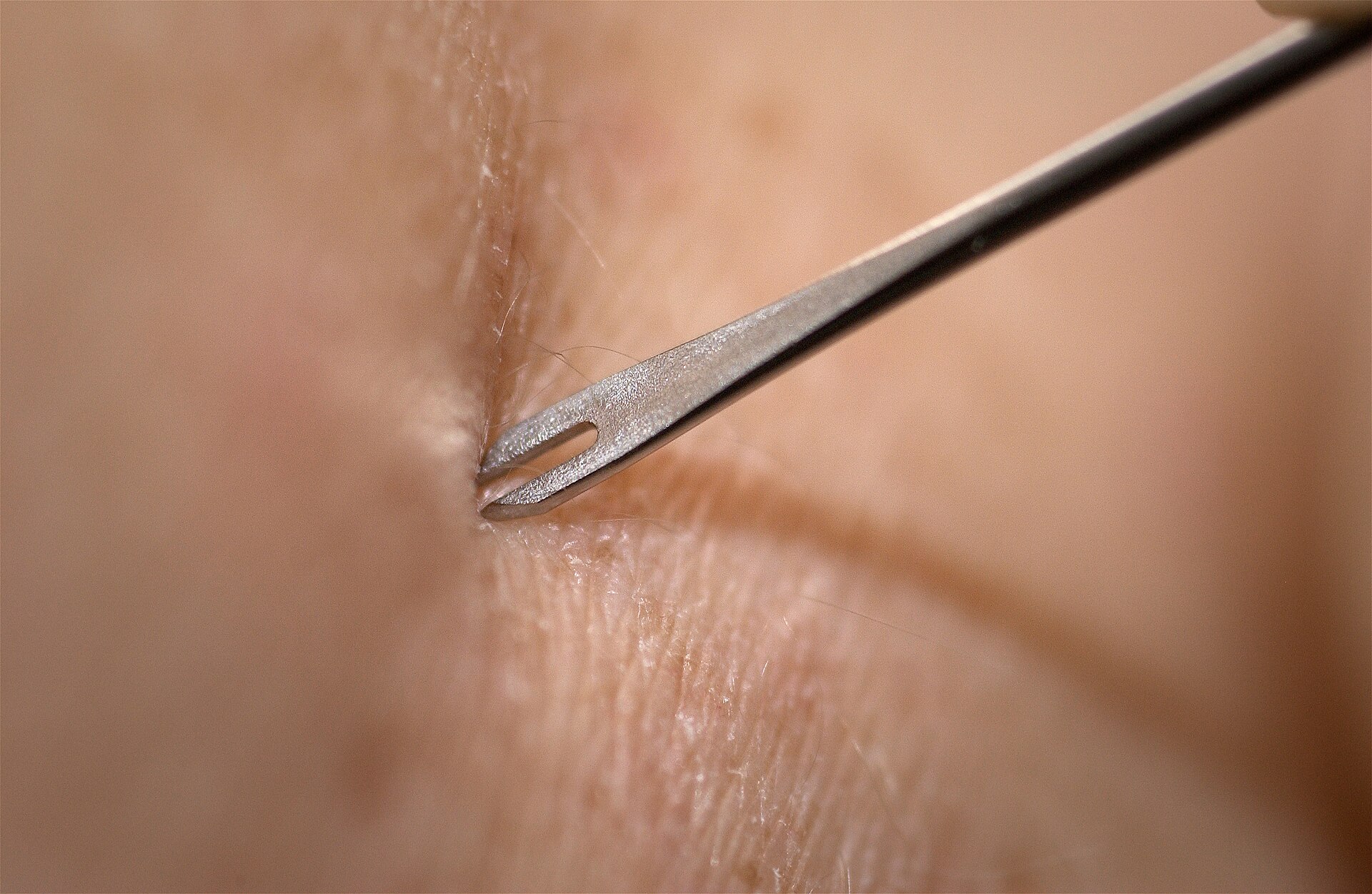
    Lenacapavir is a new long-acting antiretroviral, an HIV-1 capsid inhibitor used for pre-exposure prophylaxis, better known as PrEP. Administered by injection twice a year, it offers a welcome alternative to daily pills or bi-monthly injections.

    That simple change could make a real difference. The Department of Health notes that many users of daily oral PrEP find it hard to take a pill every single day because of stigma, pill fatigue or life circumstances. A discreet, six-monthly injection offers greater convenience and is likely to support far better adherence, especially for people who struggle with frequent clinic visits.

    The rollout forms part of integrated, people-centred HIV prevention services, and is expected to expand prevention choices for priority groups, including adolescent girls and young women, who have carried the greatest burden of the epidemic.

    Backed by Regulators and the World Health Organisation

    The South African Health Products Regulatory Authority (SAHPRA) registered the injectable in October 2025. It is used to reduce the risk of HIV in adults and adolescents who weigh at least 35 kg, are HIV negative and are at risk of infection, starting with an initiation dose given just under the skin together with tablets taken on days one and two.

    The World Health Organisation has recommended offering Lenacapavir as an additional HIV prevention choice. Among its benefits, the WHO notes that the medicine need not be discontinued during pregnancy and breastfeeding for HIV-negative women with a high likelihood of exposure.

    A Bigger, Better Prevention Toolkit

    Government has made clear that the new injectable is aimed squarely at keeping South Africans HIV-free. Tabling the Department of Health’s Budget Vote, Motsoaledi said government plans to offer the drug to young women and to everyone at risk.

    “To reach our goal of ending AIDS as a public health threat and achieve the UNAIDS target of 95% of people at risk having access to prevention options, we must continually improve and expand our prevention toolkit,” the Minister said.

    Lenacapavir will be offered alongside existing options, and health authorities stress it should always be used in combination with safer sex practices. But for the many South Africans for whom daily pills have been a barrier, two visits a year could be the game changer the country has been waiting for.

    With doses already in the country and a rollout on the horizon, South Africa is once again positioning itself at the front of the global fight against HIV, this time with hope that arrives just twice a year.

    Source: SAnews.gov.za

    Photo: commons.wikimedia.org

  • One Donor, Seven Lives: The Simple Registration That Turns Ordinary South Africans Into Lifesavers

    One Donor, Seven Lives: The Simple Registration That Turns Ordinary South Africans Into Lifesavers

    One registered organ donor can save up to seven lives, and tissue donations can improve the lives of as many as 50 people. That is the hopeful message from the Gauteng Department of Health, which is calling on South Africans to register as organ and tissue donors and give patients on transplant waiting lists a second chance at life.

    According to the department, some 6 500 people across the country are currently on waiting lists for organ and tissue transplants, with about 1 100 patients in Gauteng alone either waiting for a kidney transplant or being assessed for placement on the list.

    “For those waiting, organ donation represents far more than a medical procedure. It is the possibility of a second chance at life. It may mean a child getting the opportunity to grow up, a parent being able to spend more time with their family, or a patient no longer having to endure regular dialysis treatments,” the department said, as reported by SAnews.

    What can be donated

    Organs that can be donated include the heart, lungs, liver, kidneys and pancreas. Tissue donation can include corneas, skin, heart valves, bone, blood vessels and connective tissue, helping to restore sight, improve mobility and significantly enhance recipients’ quality of life.

    Living donation is also an option. Healthy people can donate one kidney or portions of the liver and continue living full, normal lives. “Medical advances have made living donation a safe and effective option for many patients in need of a transplant,” the department noted.

    South Africa performed approximately 317 solid organ transplants in 2024 across public and private healthcare facilities, and every new registration helps close the gap between demand and supply.

    Busting the myths

    The department stressed that many hesitations rest on myths. Age alone, or the presence of certain medical conditions, does not automatically prevent a person from becoming a donor; suitability is carefully assessed by medical professionals at the appropriate time.

    Families are also encouraged to talk about donation openly. Sharing your decision with loved ones ahead of time can provide comfort and clear guidance if they are ever asked about it.

    How to register

    Registering is simple and is described by the department as “one of the most selfless acts a person can make”. To become a donor, you can:

    • Enquire at your nearest hospital; or
    • Register online with the Organ Donor Foundation of South Africa at www.odf.org.za.

    “By registering as an organ or tissue donor, individuals can leave behind a legacy of hope and healing. Every donor has the power to transform multiple lives,” the department said.

    Photo: commons.wikimedia.org

  • A Shot at Ending TB: South Africa Prepares to Roll Out a New Tuberculosis Vaccine

    A Shot at Ending TB: South Africa Prepares to Roll Out a New Tuberculosis Vaccine

    South Africa is getting ready for a breakthrough that could change the country’s health story for good: the registration and introduction of a brand-new tuberculosis vaccine, currently in Phase 3 clinical trials.

    Briefing the media on Friday, Minister in the Presidency Khumbudzo Ntshavheni said Cabinet had been updated on progress towards the development of the vaccine, which could significantly contribute to eliminating TB as a public health threat in South Africa.

    “Cabinet noted that government is preparing for the registration and introduction of the vaccine, should the trials prove successful,” Ntshavheni said, according to SAnews.

    Made for the world, boosting jobs at home

    The good news does not stop at prevention. Cabinet also welcomed an agreement with the Serum Institute of India – the world’s largest vaccine maker – to produce TB vaccines for global distribution.

    The agreement is expected to strengthen South Africa’s vaccine manufacturing capacity, support local innovation, and contribute to economic growth and job creation. In other words, a vaccine that protects South Africans could also employ them.

    TB has long been one of South Africa’s most stubborn health challenges, which is exactly why this moment matters. A modern, effective vaccine – the first major advance of its kind in a century of TB prevention – would be a game-changer for families and communities across the country. Government is not waiting for the finish line to prepare: the groundwork for registration and rollout is being laid now, so that if the Phase 3 trials succeed, South Africans can benefit without delay.

    Part of a bigger winning streak for SA health and trade

    The vaccine update came in a Cabinet briefing packed with encouraging news. Ministers also welcomed the extension of the African Growth and Opportunity Act until 31 December 2028, keeping preferential access to the United States market for South African products, and a landmark agreement with India that expands treatment options for South African citrus exports after nearly a decade of negotiations.

    That citrus deal builds on an industry already flying high: South Africa exported 2.9 million tonnes of citrus in 2025, earning 2.1 billion US dollars for the economy.

    Cabinet further welcomed the launch of the Electronic Travel Authorisation platform, which replaces manual visa processes with a faster, more efficient digital system – a boost for tourism, business and investment.

    Why this matters

    Taken together, the message from Friday’s briefing is one of momentum. South Africa is positioning itself not just as a recipient of global health innovation, but as a manufacturer and distributor of it – with the scientific muscle to help protect the world from TB while creating opportunities at home.

    For the millions of South Africans whose lives have been touched by tuberculosis, the finish line of a long fight may finally be coming into view.

    Photo: commons.wikimedia.org

  • Two Jabs a Year to Stay HIV-Free: Lenacapavir Ushers in a New Era for South African Prevention

    Two Jabs a Year to Stay HIV-Free: Lenacapavir Ushers in a New Era for South African Prevention

    South Africa’s fight against HIV has a powerful new weapon. Lenacapavir, a long-acting injectable medicine described as one of the most significant HIV prevention advances in years, has arrived in the country – and it asks for just two clinic visits a year.

    Administered via injection twice a year, lenacapavir offers six months of continuous protection per dose, a welcome alternative to daily pills or two-monthly injections, SAnews reports. The first batch of 37 920 doses arrived in the country in early April.

    Why six-monthly dosing matters

    The Department of Health says the medicine’s six-monthly schedule has the potential to overcome many of the barriers South Africa has experienced with daily oral PrEP (pre-exposure prophylaxis). It offers greater discretion and convenience, and likely better adherence, especially for people who struggle with taking a pill every day or making frequent clinic visits.

    The rollout is expected to expand prevention choices for the groups who need them most, including adolescent girls and young women, who have carried the greatest burden of the epidemic. The World Health Organisation recommends offering the injectable as an additional HIV prevention choice, and notes that it need not be discontinued during pregnancy and breastfeeding for HIV-negative women at high risk of exposure.

    Registered, recommended and ready

    The South African Health Products Regulatory Authority (SAHPRA) registered the antiviral in October 2025. A novel HIV-1 capsid inhibitor, lenacapavir is used to reduce the risk of HIV in adults and adolescents who weigh at least 35 kg, are HIV negative and are at risk of infection, starting with an initiation dose given just under the skin along with tablets on days one and two.

    Health Minister Dr Aaron Motsoaledi has said government plans to offer the medicine to young women and everyone at risk of HIV so they can stay HIV-free.

    “To reach our goal of ending AIDS as a public health threat and achieve the UNAIDS target of 95% of people at risk having access to prevention options, we must continually improve and expand our prevention toolkit.”

    A stronger toolkit for a healthier Mzansi

    Lenacapavir joins condoms, daily oral PrEP and other options in an ever-growing prevention arsenal, delivered as part of integrated, people-centred HIV prevention services. SAHPRA advises that the injectable should always be used alongside safer sex practices such as condoms.

    For a country determined to end AIDS as a public health threat, two small injections a year could make an enormous difference – offering new hope, more choice and easier protection to millions of South Africans.

    Source: SAnews.gov.za

    Photo: commons.wikimedia.org
  • A 220-Bed Promise Kept: New King Nyabela Hospital Opens Its Doors in Middelburg

    A 220-Bed Promise Kept: New King Nyabela Hospital Opens Its Doors in Middelburg

    The people of Middelburg and the wider Nkangala District have a world-class new home for their healthcare. President Cyril Ramaphosa has officially opened the new King Nyabela Hospital in Mpumalanga, describing it as government delivering on its promise of quality healthcare for all, SAnews reports.

    The 220-bed Level 1 district hospital replaces the old Middelburg Hospital and will serve some 240 000 people living in the Steve Tshwete Local Municipality, in a province where about 87% of residents rely on public healthcare.

    “Healthcare is about giving every man, woman and child the chance to live with dignity. This is the promise of our Constitution, which declares that everyone has the right of access to health care services,” the President said at the opening.

    Comprehensive care under one roof

    The new facility is impressively complete. It houses surgical, medical, paediatric, antenatal, postnatal, neonatal and high-care wards, alongside three state-of-the-art operating theatres and a 24-hour accident and emergency department.

    Outpatients are equally well looked after, with services that include:

    • A pharmacy, dentistry and eye care
    • TB and HIV management
    • Dietetics and nutrition services
    • Physiotherapy, occupational therapy and social work
    • Mental health services and medical male circumcision

    President Ramaphosa held the range of services up as an example of what he called comprehensive healthcare. “Comprehensive health care is about walking alongside our people through every season of their lives. It is about helping people to keep and stay healthy and starting to do so when they are still children,” he said.

    On time and on budget

    In a detail that deserves its own applause, the President noted that King Nyabela Hospital was delivered on time and on budget, setting the standard he wants for every hospital and clinic commissioned as South Africa moves towards universal health coverage under the National Health Insurance, which aims to ensure everyone can access quality health services regardless of where they live or their ability to pay.

    The opening was attended by Health Minister Dr Aaron Motsoaledi and Mpumalanga Premier Mandla Ndlovu, alongside proud community members and the healthcare workers who will bring the building to life.

    A name that honours history

    The hospital carries the name of King Nyabela, the celebrated leader of the Ndzundza-Ndebele people and son of King Mabhoko, rooting this modern facility in the proud heritage of the region it serves.

    For a growing town at the heart of Mpumalanga, the message is simple and hopeful: quality care, close to home, built for the next generation.

    Photo: commons.wikimedia.org

  • Two Jabs a Year to Stay HIV-Free: South Africa Prepares to Roll Out Game-Changing Lenacapavir

    Two Jabs a Year to Stay HIV-Free: South Africa Prepares to Roll Out Game-Changing Lenacapavir

    South Africa is preparing to roll out one of the most significant HIV prevention advances in years: lenacapavir, a long-acting injectable that offers six months of continuous protection from just one dose, twice a year.

    The first batch of 37 920 doses arrived in the country in early April, and the Department of Health is now laying the groundwork for a carefully targeted national rollout, with Health Minister Dr Aaron Motsoaledi expected to announce the official launch date.

    Why Two Injections a Year Change Everything

    Lenacapavir is a new long-acting antiretroviral – an HIV-1 capsid inhibitor used for pre-exposure prophylaxis (PrEP). Its six-monthly dosing schedule promises to overcome many of the barriers that have limited daily oral PrEP, offering greater discretion, convenience and better adherence for people who struggle with taking a pill every day or making frequent clinic visits.

    The evidence behind the medicine is remarkable. In the PURPOSE clinical trials, lenacapavir showed 100% efficacy among women within the study period, and around 96% efficacy in a second trial among men who have sex with men and transgender women. On the strength of those results, the World Health Organisation this year issued new guidelines recommending lenacapavir as an additional HIV prevention choice – noting, too, that it need not be discontinued during pregnancy and breastfeeding for HIV-negative women at high risk of exposure.

    The South African Health Products Regulatory Authority (SAHPRA) registered the injectable in October 2025 for adults and adolescents weighing at least 35 kg who are HIV negative and at risk of infection, to be used alongside safer sex practices such as condoms.

    A Data-Driven Rollout Where It Matters Most

    The Department of Health plans to introduce lenacapavir initially in about 23 high-incidence districts across six provinces, targeting around 360 high-performing public clinics in the first phase. The rollout will prioritise the groups carrying the greatest burden of the epidemic, including pregnant and breastfeeding women, adolescent girls and young women, female sex workers, and men who have sex with men.

    “To reach our goal of ending AIDS as a public health threat and achieve the UNAIDS target of 95% of people at risk having access to prevention options, we must continually improve and expand our prevention toolkit,” Motsoaledi said.

    The department has stressed that lenacapavir is a preventive medicine, not a vaccine, and describes it as one of the most significant HIV prevention advances in years. It arrives as part of integrated, people-centred HIV prevention services designed to offer real choices to those who face barriers to existing methods.

    New Hope in a Long Fight

    For a country that has carried one of the world’s heaviest HIV burdens – and led some of its most determined responses – the arrival of a twice-yearly injection is a genuine turning point. With doses in the country, regulatory approval secured and a clinic network identified, South Africa is poised to put one of the world’s most powerful new prevention tools directly into the hands of the people who need it most.

    The rollout plans were reported by SAnews.

    Photo: commons.wikimedia.org

  • A 29% Leap for Women’s Health: Gauteng Celebrates Big Rise in Cervical Cancer Screenings

    A 29% Leap for Women’s Health: Gauteng Celebrates Big Rise in Cervical Cancer Screenings

    As South Africa marks the 70th anniversary of the historic 1956 Women’s March, the Gauteng Department of Health has delivered a fitting tribute: a 29% increase in cervical cancer screenings across the province, with almost 45 000 more women taking charge of their health in a single year.

    According to the provincial department, 198 611 women were screened during the 2025/26 financial year, up from 153 703 the year before — an increase of 44 908 women accessing a service that can detect changes in the cervix early, before they ever develop into cancer, SAnews reported.

    Honouring 1956 With Action

    Gauteng MEC for Health and Wellness, Faith Mazibuko, said the progress shows what is possible when women have access to health information and services.

    “The women of 1956 understood that progress begins when women stand up and act. Seventy years later, we honour them by ensuring that women are empowered with information and access to services that can save their lives. Every woman who goes for screening is taking charge of her health, her future and the wellbeing of her family,” she said.

    The department attributes the improvement to cervical cancer awareness drives rolled out across all five of the province’s districts from the third quarter of the 2025/26 financial year. The West Rand recorded the greatest improvement, and targeted work is now planned to lift screening uptake even further in Ekurhuleni.

    Protecting the Next Generation

    The screening surge goes hand in hand with Gauteng’s single-dose HPV vaccination campaign, which protects Grade-5 girls aged nine and older against the high-risk HPV types that cause most cervical cancer cases. During the 2025/26 period, 72 249 Grade-5 girls were vaccinated at public schools, with a further 9 740 vaccinated at independent schools.

    Cervical cancer is largely preventable through HPV vaccination and regular screening, and it can be cured when detected early and treated promptly. That makes every one of those vaccinations and screenings a quiet victory for the province’s families.

    Keeping the Momentum

    In the current financial year, the department will continue its awareness drives and train Ward-Based Primary Health Care Outreach Teams to bring education directly into households. Under the screening programme, HIV-negative women are screened at the ages of 30 and 50, while women living with HIV are eligible from the age of 20.

    The department has urged women not to wait for symptoms before screening, and called on parents to sign and return HPV vaccination consent forms promptly so that no eligible girl misses her protection. This Women’s Month, Gauteng’s message is clear: the march towards equality now runs straight through the clinic door — and tens of thousands more women are walking it.

    Photo: commons.wikimedia.org

  • 220 Beds of Dignity: President Ramaphosa Opens the New King Nyabela Hospital in Mpumalanga

    220 Beds of Dignity: President Ramaphosa Opens the New King Nyabela Hospital in Mpumalanga

    President Cyril Ramaphosa has officially opened the new King Nyabela Hospital in Mpumalanga – a modern, 220-bed district facility that will serve the roughly 240 000 people of the Steve Tshwete Local Municipality, and one that was delivered on time and on budget.

    With about 87% of Mpumalanga’s residents relying entirely on public healthcare, the new hospital is a significant boost for the province, SAnews reports.

    “Healthcare is about giving every man, woman and child the chance to live with dignity,” the President said at Tuesday’s opening. “This is the promise of our Constitution, which declares that everyone has the right of access to health care services.”

    A full suite of services under one roof

    The facility is far more than a set of wards. It includes surgical, medical, paediatric, antenatal, postnatal, neonatal and high-care wards, alongside what the Presidency describes as world-class accident and emergency departments and three operating theatres.

    Outpatients are equally well catered for. Services include:

    • A pharmacy and TB and HIV management
    • Dentistry and eye care
    • Dietetics and nutrition services
    • Social workers, occupational therapy and physiotherapy
    • Medical male circumcision and mental health care

    President Ramaphosa held the range of services up as an example of truly comprehensive care. “Healthcare is not just about calling for an ambulance when we are sick,” he said. “Comprehensive health care is about walking alongside our people through every season of their lives. It is about helping people to keep and stay healthy and starting to do so when they are still children. It is about healing the mind as well as the body.”

    A building block for universal coverage

    The President placed the new hospital within the bigger journey towards universal health coverage, noting that the National Health Insurance is at its core about implementing “the constitutional right of access to healthcare, without this being dependent on where one lives or one’s ability to pay”.

    He emphasised that as the rollout continues, all commissioned hospitals and clinics must be completed to budget and on time – a standard King Nyabela Hospital itself has already met.

    A salute to the people in scrubs

    The President reserved special praise for the country’s health workers, the people who will bring the new building to life every day.

    “While hospitals and clinics are built with bricks and mortar, the heartbeat of our facilities is provided by the health care providers who diligently perform their duties. We salute all the healthcare workers at this facility and across our country.”

    For the communities of Steve Tshwete Local Municipality, the doors are now open – and a new chapter in local healthcare has begun.

    Photo: commons.wikimedia.org

  • A Century in the Making: South Africa Gets Ready for a Game-Changing New TB Vaccine

    A Century in the Making: South Africa Gets Ready for a Game-Changing New TB Vaccine

    South Africa is preparing for what could be one of the most significant health advances in a century. The Department of Health has welcomed clear progress towards a new tuberculosis (TB) vaccine and confirmed that it is already doing the groundwork to make sure South Africans can access it quickly once it is approved.

    The optimism centres on the M72/AS01E vaccine candidate, which has shown promise in Phase 1 and Phase 2 trials and is now in large Phase 3 trials in South Africa, Kenya, Zambia, Malawi and Indonesia.

    The first new TB vaccine in over 100 years

    According to the department, a vaccine that prevents TB disease in adolescents and adults would be a genuine game-changer for TB control and elimination, both in South Africa and globally.

    “Once approved, it will be the first TB vaccine introduced in over a century, because currently we have only the Bacille Calmette-Guérin (BCG) vaccine, which is given to newborn infants and children under 5 years old and offers limited protection later in life,” the department said.

    That gap has long been one of the biggest challenges in the fight against TB. The BCG jab protects the very young, but adolescents and adults have had no vaccine to shield them, which is why a successful M72/AS01E rollout would be so important for a country that has carried a heavy TB burden for generations.

    Getting ready before the results are in

    Rather than waiting for the trials to conclude, the Department of Health is preparing now. “To ensure we can offer protection to South Africans at the earliest opportunity if the trial is successful, the Department of Health is proactively preparing for registration and introduction of the new vaccine,” the department said.

    There is encouraging news on supply too. The department said it had been informed by officials from the Gates Medical Research Institute and the Bill & Melinda Gates Foundation that an agreement had been reached with the Serum Institute of India, the world’s largest vaccine manufacturer, on the number of doses to be produced and sold globally.

    Crucially, the agreement also provides for progressive production by pharmaceutical partners in South Africa and Indonesia over time. The department said this local manufacturing element would, in turn, help boost the country’s economic growth, adding a welcome industrial dividend to a public-health win.

    A step towards the 2030 goal

    South Africa has committed to eliminating TB as a public health threat by 2030, and the department framed this progress as a major move in that direction. “This is arguably a major step toward a new TB vaccine, the first significant advance since BCG more than 100 years ago,” it said.

    The department stressed that it “stands ready to support the production and introduction of the M72/AS01E vaccine in South Africa once the trial results are known, and the vaccine has been registered by the South African Health Products Regulatory Authority (SAHPRA).”

    For millions of South Africans, the message is one of hope: a century-old wait for better protection against TB may finally be nearing its end, and the country is getting ready to move the moment the science says go.

    Photo: commons.wikimedia.org

  • Home-Grown Health Leadership: South Africa’s Sustainability Blueprint Guides the Region’s HIV Response at AIDS 2026

    Home-Grown Health Leadership: South Africa’s Sustainability Blueprint Guides the Region’s HIV Response at AIDS 2026

    South Africa took centre stage at the 26th International AIDS Conference in Rio de Janeiro this week, offering its own pioneering roadmap as a model for how Southern Africa can lead, fund and sustain the world’s most successful HIV response for generations to come.

    Speaking at the Southern African Development Community (SADC) Secretariat session, held under the theme Sustaining the HIV Response in Southern Africa Beyond 2030, Deputy Minister of Health Dr Joe Phaahla championed a bold vision of health sovereignty for the region, as reported by SAnews.

    From dependence to leadership

    Phaahla told delegates that sustainability has evolved far beyond simply filling funding gaps. “Sustainability is about ensuring that countries have the institutions, systems, financing mechanisms, workforce capacity, governance structures, and community partnerships required to maintain HIV gains for generations to come,” he said.

    At the heart of his message was health sovereignty — the principle that countries should “determine the direction of their own health responses”. That means mobilising domestic resources, strengthening public health systems and building national capacity, while still engaging global partners “from a position of leadership, ownership, and shared accountability”.

    South Africa’s framework shows the way

    The Deputy Minister pointed to South Africa’s own National Sustainability Framework as a source of “valuable insights” for the region. Developed to support the country’s transition to a country-led HIV response, the framework builds sustainability across six interconnected domains:

    • Epidemic control
    • Financial sustainability
    • Service delivery
    • Governance and accountability
    • Strengthening critical social and community enablers
    • Resilient systems for health

    “Together, these domains acknowledge that sustainability cannot be achieved through isolated interventions. It requires integrated programmes, capable systems, and strong institutions,” Phaahla noted.

    Solidarity, the region’s superpower

    Phaahla was equally clear that no country walks this road alone, calling regional solidarity SADC’s “greatest strategic asset”. Working together, he said, the region can achieve things no single nation could:

    • Cross-border continuity of HIV services, so people stay connected to care wherever they live, work or travel
    • Joint procurement and supply-chain efficiencies that stretch every rand further and improve access to essential medicines
    • Shared learning, knowledge exchange and innovation across borders
    • Coordinated responses to public health threats that do not respect national boundaries

    The goal, he said, is a regional HIV response that is domestically led and community-driven, financially sustainable, integrated within primary health care and universal health coverage, and resilient for the future.

    It is a confident, forward-looking vision — and with South Africa’s sustainability framework already lighting the path, Southern Africa is showing the world what home-grown health leadership looks like.

    Photo: commons.wikimedia.org