Good News · All Nine Provinces

Independent · Local · Forward-looking

Mzansi News Online

Uniting SA Through Good News

Category: Business

  • Back on the Rails: Transnet Powers to R4.6 Billion Profit as Freight Recovery Gathers Steam

    Back on the Rails: Transnet Powers to R4.6 Billion Profit as Freight Recovery Gathers Steam

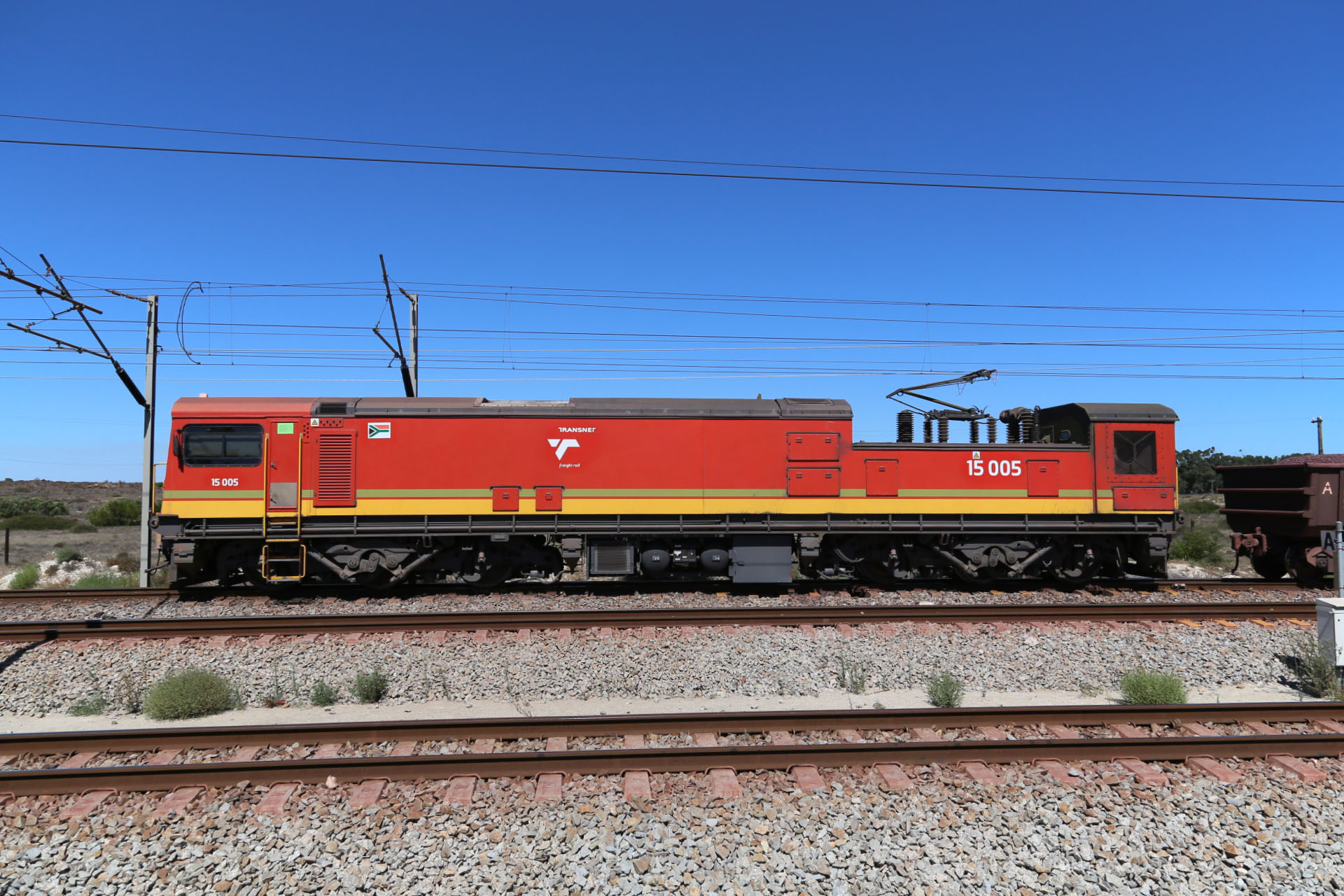
    South Africa’s freight logistics backbone is carrying good news. Transnet has recorded a profit of R4.6 billion for the financial year ended 31 March 2026, a striking turnaround from the R1.9 billion net loss of the previous year, and clear evidence that the State-owned company’s recovery efforts are delivering measurable results.

    Announcing its results on Thursday, Transnet reported that revenue rose 7.1% to R88.6 billion, driven by higher rail and pipeline volumes and tariff adjustments across the business. Earnings before interest, taxes, depreciation and amortisation edged up to R30.9 billion, while the company invested R23.3 billion in infrastructure renewal, operational recovery and future growth.

    More trains, more tonnes

    The star of the results is the railway itself. Rail volumes increased by 4.9% to 167.9 million tonnes, which the company attributes to focused interventions aimed at improving network reliability, maintenance execution and asset availability. Pipeline volumes also grew during the reporting period.

    “The improvement in financial performance was supported by higher rail and pipeline volumes, tariff adjustments across the business and continued efforts to improve operational efficiencies,” the company said in a statement.

    Crucially, customers are noticing. Users of the freight logistics system have acknowledged improvements in rail performance and service delivery, and industry bodies, including the citrus sector, have recognised enhancements in port operations that contributed to improved export performance. The operational gains have also been acknowledged by the Minister of Transport and Cabinet as part of government’s broader effort to restore South Africa’s freight logistics system and support economic growth.

    A landmark port partnership

    A key milestone of the year was the implementation of Transnet’s Private Sector Participation strategy through the Durban Gateway Terminal transaction. Transnet disposed of a 49.999% interest in the terminal to International Container Terminal Services Inc. for R10.5 billion, with effect from 1 January 2026, while retaining a 50.001% shareholding.

    The transaction generated a profit on disposal of R12.5 billion, including a related fair value adjustment, and strengthened the group’s overall financial performance. More importantly for the long term, it represents a major step in attracting private investment, improving operational performance and modernising South Africa’s port system for global competitiveness.

    Momentum for the economy

    Every extra tonne on rail and every container moving smoothly through a port ripples outward, into mines, farms, factories and export markets. While Transnet acknowledges that challenges remain, the numbers tell a story of a logistics giant finding its stride again, and of a freight system starting to pull its full weight for South Africa’s economy. The full results announcement is available from SAnews.

    Photo: commons.wikimedia.org
  • ‘Ready for a New Era’: South Africa and India Move to Turn Friendship Into Factories, Trade and Jobs

    ‘Ready for a New Era’: South Africa and India Move to Turn Friendship Into Factories, Trade and Jobs

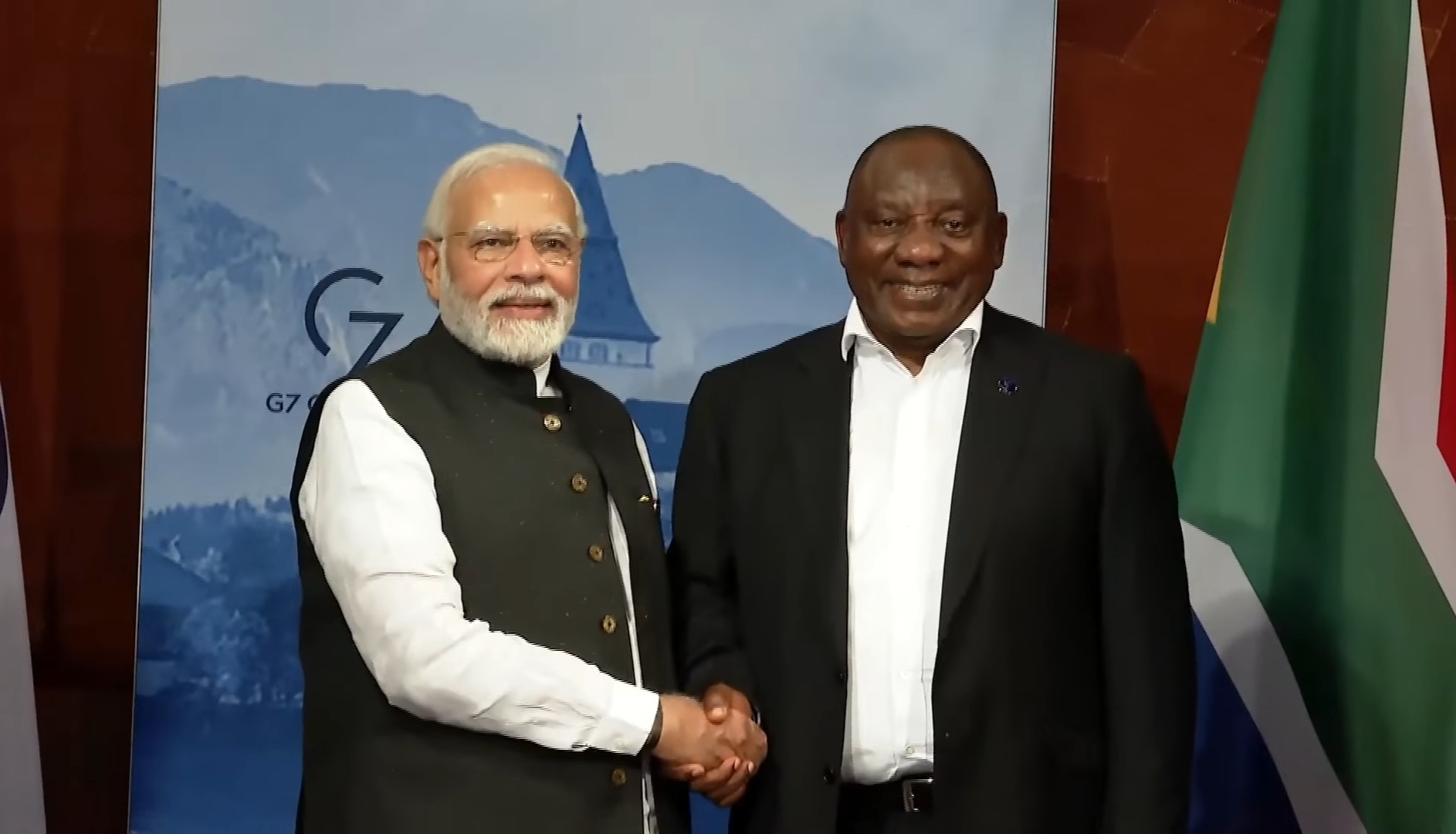
    South Africa and India are preparing to write an ambitious new chapter in their economic relationship. Speaking at the South Africa–India Roundtable in New Delhi on Saturday, held on the sidelines of the BRICS Summit, President Cyril Ramaphosa said the two countries have a significant opportunity to deepen cooperation in investment, trade, exports, innovation, industrial development and sustainable growth.

    “We are ready for a new era in economic relations between our two countries. This forum provides the private sector with an opportunity to transform policy dialogue into commercially viable projects and long-term partnerships,” the President told business leaders.

    President Ramaphosa said the outcomes of the forum must be anchored in actionable commitments, supported by both government facilitation and private sector leadership. “By working together, we can draw on our complementary resources and capabilities to create shared value. We can empower our youth and uplift our communities,” he said.

    Green energy and new industries

    The President identified energy transition and green industrialisation as the first frontier of collaboration. Both countries are navigating ambitious energy transitions, and he pointed to opportunities in renewable energy technologies, green hydrogen, critical minerals, battery value chains and sustainable manufacturing.

    Indian investment is already putting down roots. “Companies like Vedanta have already established a footprint in the country. We believe that other large companies can anchor their investments in South Africa and use it as a base to export into Africa and the rest of the world,” President Ramaphosa said.

    Minerals beneficiated at home

    The second promising area is mining, critical minerals and beneficiation. South Africa’s mineral wealth and India’s manufacturing capabilities, the President said, create the basis for cooperation across critical mineral value chains, with South Africa committed to beneficiating minerals where they are extracted. He highlighted the potential to partner on the production of new energy vehicles, batteries and other advanced products.

    Building the corridors of trade

    The third pillar is infrastructure and connectivity. Investment in transport, logistics, ports, digital connectivity, smart cities and industrial corridors, President Ramaphosa noted, is essential to trade and integration across the African continent, enabling businesses to access new markets and participate in regional and global value chains.

    The Roundtable builds on momentum at home: last month South Africa hosted the Sustainable Infrastructure Development Symposium, underscoring government’s drive to crowd investment into the infrastructure that powers growth.

    With supply chains being reconfigured worldwide and emerging markets driving global growth, the message from New Delhi was confident and clear: South Africa is open for partnership, and two of the Global South’s most dynamic economies are ready to grow together. The President’s full remarks are available from SAnews.

    Photo: commons.wikimedia.org
  • Pitching at the JSE: R897 Million Fund and 40% Procurement Push Power SA’s Women Entrepreneurs

    Pitching at the JSE: R897 Million Fund and 40% Procurement Push Power SA’s Women Entrepreneurs

    South Africa’s women entrepreneurs took centre stage at the Johannesburg Stock Exchange in Sandton on Friday, where the Womanpreneur Pitch & Match 2026 connected founders to capital, markets, investors and supply chains, and government spelled out a growing toolkit of support built to help women-owned businesses scale.

    Delivering the keynote address, Minister for Women, Youth and Persons with Disabilities Sindisiwe Chikunga said the event has evolved from a competition into “a genuine instrument of economic transformation”.

    “Women’s economic empowerment is not only a matter of social justice; it is a growth and development strategy,” Chikunga told the gathering.

    Real money is already moving

    The minister pointed to a string of concrete interventions that are shifting resources towards women-led enterprise:

    • Preferential procurement policy now requires at least 40 percent of public procurement opportunities to benefit women-owned and other designated enterprises.
    • Close to 6 000 women-owned businesses have been trained by government to bid for and win state contracts, with departments required to monitor and report on women’s participation in every procurement process.
    • The R897 million Imbali For Her blended finance programme, launched in May by the Department of Small Business Development and the Small Enterprise Development and Finance Agency (SEDFA), offers up to R5 million per applicant, with grant portions of 40 percent for able-bodied women and 50 percent for women with disabilities.

    Imbali For Her is expected to support close to 975 women-owned businesses and sustain about 2 250 jobs over three years. “SEDFA has already disbursed R454 million to women-owned businesses in a single quarter and has reached almost half a million women beneficiaries over the past three years,” Chikunga said.

    From marching for dignity to building wealth

    The minister linked the JSE gathering to a year of powerful anniversaries: 70 years since the 1956 Women’s March, 50 years since the 1976 Youth Uprisings and 30 years of the Constitution.

    “The women of 1956 marched for dignity, the youth of 1976 rose for opportunity, and the Constitution enshrined dignity, equality and non-sexism as foundations of our democracy. Today, our task is to translate those victories into economic inclusion,” she said.

    Turning commitments into jobs

    Chikunga urged development finance institutions and private-sector partners to keep the momentum going by converting pledges into funding that lands in women’s businesses. “Commitments and approvals are not disbursements, and disbursements are not yet jobs,” she reminded partners.

    The vision, she said, is a South Africa where every woman with a viable business idea can access the capital, markets, networks and opportunities required to grow, and where platforms like Womanpreneur Pitch & Match keep opening doors on the continent’s biggest stock exchange.

    Source: SAnews.gov.za

    Photo: commons.wikimedia.org

  • More in the Pay Packet: National Minimum Wage Rises to R30.23 an Hour, Beating Inflation Again

    More in the Pay Packet: National Minimum Wage Rises to R30.23 an Hour, Beating Inflation Again

    Millions of South African workers are taking home a little more each month, thanks to the latest rise in the National Minimum Wage (NMW), which climbed from R28.79 to R30.23 for each ordinary hour worked with effect from 1 March 2026.

    Employment and Labour Minister Nomakhosazana Meth announced the R1.44 upward adjustment in early February, saying it will benefit all workers, including vulnerable farm workers and domestic workers, the very people the wage floor was designed to protect.

    Six Million Workers Lifted Up

    The National Minimum Wage Act came into effect in 2019 with the purpose of advancing economic development and social justice by improving the wages of the lowest paid workers, protecting them from unreasonably low pay, supporting the country’s economic policy and promoting collective bargaining.

    The impact was immediate and massive. The Department of Employment and Labour’s Acting Deputy Director-General for Labour Policy and Industrial Relations, Thembinkosi Mkalipi, explained just how many lives were changed when the first wage floor was set.

    “In 2019, when we introduced the minimum wage at R20 an hour, there were about six million workers in the economy who were earning below R20 an hour. Therefore, that six million workers were transferred into a higher level by the minimum wage,” Mkalipi said in an interview with SAnews.

    Staying Ahead of Inflation

    Crucially, the annual reviews have kept the wage floor’s real value intact. Mkalipi said the NMW has met and even surpassed inflation over the years since its introduction.

    “We have been able to protect the minimum wage against inflation,” he said.

    That means the increase is not just a number on paper. For a domestic worker or a farm worker, an inflation-beating wage floor translates into groceries, school supplies and transport money that keep pace with the cost of living, year after year.

    A Wage Floor That Cannot Be Bargained Away

    The NMW is the legal floor below which no employer may pay an employee for work done, and the law is clear on how firm that floor is: it cannot be varied by contract, collective agreement or law. It is also an unfair labour practice for an employer to unilaterally alter hours of work or other conditions of employment when implementing the minimum wage.

    The wage applies to workers and employers across the economy, and has been reviewed every year since it came into effect, a built-in mechanism that ensures the lowest paid are never left behind as the economy grows.

    Seven years after South Africa first guaranteed its workers a wage floor, the system is doing exactly what it was designed to do: rising steadily, outpacing inflation and putting real money into the pockets of the workers who need it most. For the country’s farm workers, domestic workers and millions of others, that is welcome relief indeed.

    Source: SAnews.gov.za

    Photo: commons.wikimedia.org

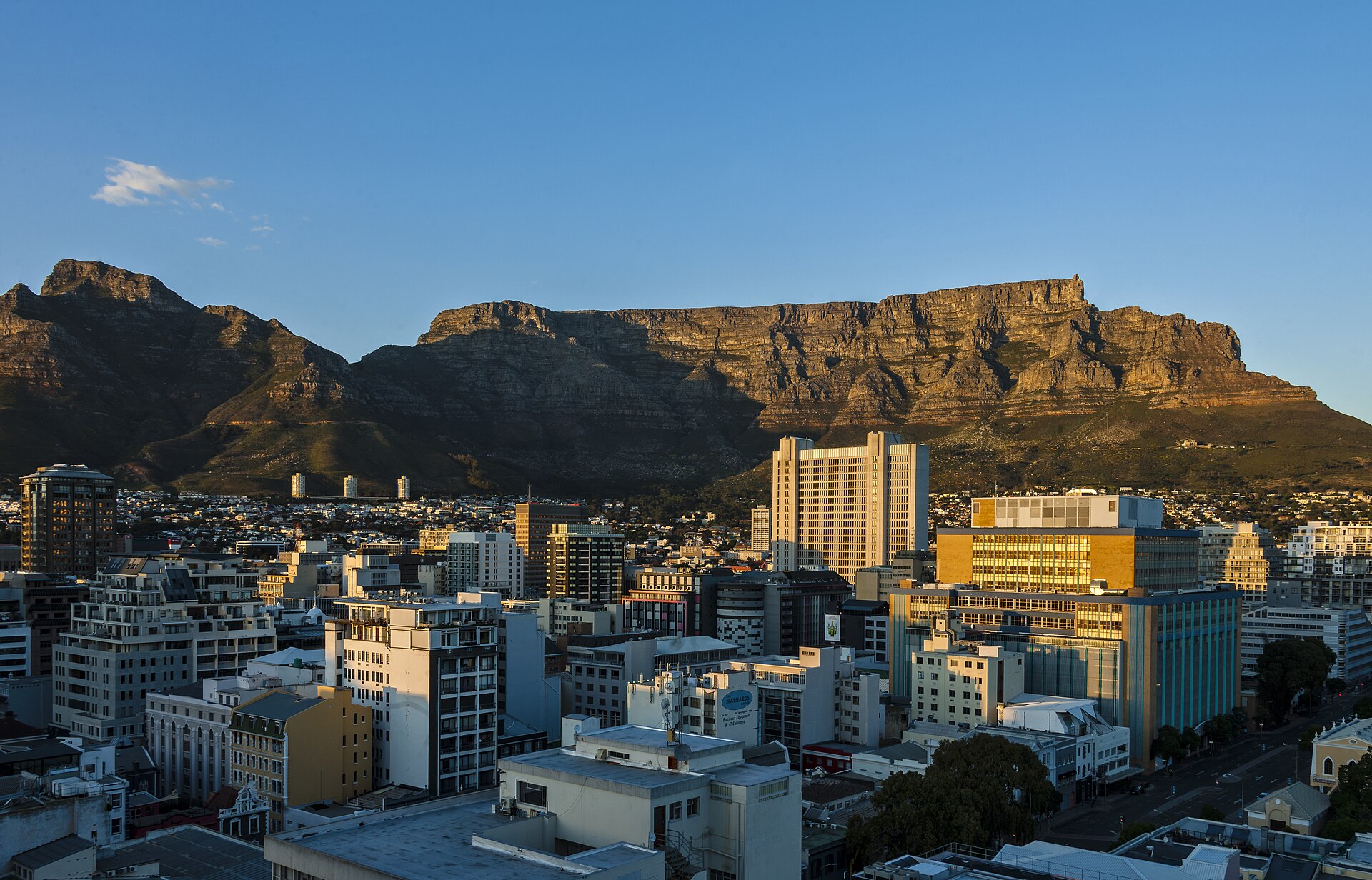
  • From 50 Staff to 2 100: Cape Town’s Global Services Boom Gets a R70 Million Boost

    From 50 Staff to 2 100: Cape Town’s Global Services Boom Gets a R70 Million Boost

    Cape Town’s rise as a world-class hub for global business services has taken another confident step forward. Atain, a global customer experience and business process management company, has officially opened a new centre in the Cape Town CBD, and the numbers behind the ribbon-cutting tell a remarkable South African growth story.

    The company started as a 50-person operation in 2022. Today it employs about 1 500 people in Cape Town, and that workforce is set to grow to 2 100, supported by an investment of R70 million.

    A vote of confidence in South African talent

    Speaking at the official opening, Deputy Minister of Trade, Industry and Competition John Steenhuisen said the global business services (GBS) sector presents significant opportunities for economic growth, job creation and youth skills development.

    “I commend the leadership of Atain for their confidence in our country, and continued investment in our youth. Their vision for employment, skills development, and the advancement of young people into the digital economy is outstanding,” he said.

    Steenhuisen said South Africa is well positioned to benefit as artificial intelligence transforms the global economy, thanks to the country’s time-zone advantages, multilingual capabilities, skilled workforce and established GBS ecosystem.

    “Cape Town remains the heart of the GBS sector, but there are huge opportunities for greater expansion across the rest of the country, particularly into provinces where there are deep pools of untapped talent,” he said.

    Building careers, not just call volumes

    What sets the investment apart is its focus on people. Atain provides employees with incentive schemes, medical cover, funeral benefits and door-to-door transport. Through the Atain Academy, the company deliberately recruits young people from disadvantaged and high-risk communities, and more than 350 learners have already been trained, creating a pipeline of skilled talent and real pathways into sustainable employment.

    “Atain is building more than a business centre. You are building futures. You are building the skills that South Africa so fundamentally needs and, most importantly, building opportunities for South Africans, particularly our youth,” Steenhuisen said.

    The deal also showcases South African teamwork behind the scenes: the South African High Commission in India and InvestSA, part of the Department of Trade, Industry and Competition, both played an active role in pursuing and facilitating the investment.

    “South Africa is a strategic hub”

    Atain’s Chief Human Resources Officer, Amir Bharwani, said the company is committed to scaling up further. “We have built a strong presence in Cape Town on the strength of exceptional local talent, and we are committed to scaling our investment further. Our focus is to create meaningful careers, build future-ready skills, and deliver exceptional outcomes for our clients globally,” he said.

    With government pledging to clear obstacles and open what Steenhuisen called “a superhighway of growth, development and opportunity”, Cape Town’s skyline is not the only thing on the up. Source: SAnews.gov.za

    Photo: commons.wikimedia.org

  • Back in the Black: Eskom Posts R30.3 Billion Profit and First Credit Upgrade in a Decade

    Back in the Black: Eskom Posts R30.3 Billion Profit and First Credit Upgrade in a Decade

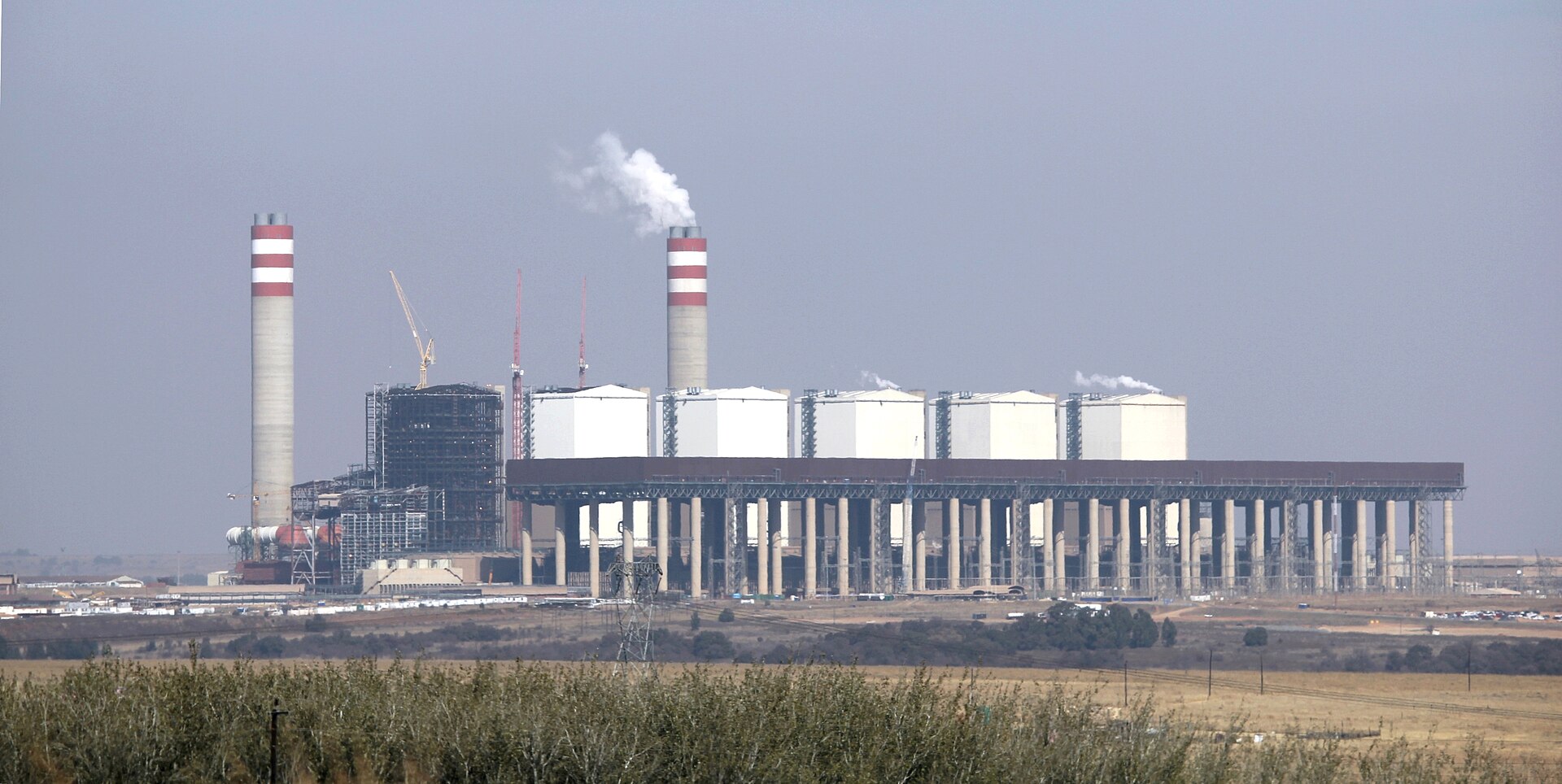
    Eskom has done it again. The national power utility announced on Monday that it has recorded a second successive year of profitability, posting a group profit after tax of R30.3 billion for the financial year ended 31 March 2026 — more than double the previous year’s restated R14 billion.

    The results, announced in Eskom’s annual results for the 2026 financial year, confirm that the utility’s turnaround strategy is delivering on both fronts: the lights are staying on, and the books are healing.

    A balance sheet on the mend

    The numbers tell a story of steady recovery. Eskom’s EBITDA margin grew to 30.63%, up from a restated 28.75% the year before, alongside what the utility describes as a healthier balance sheet and materially improved liquidity.

    Group Chief Financial Officer Calib Cassim highlighted a milestone many thought was years away: positive credit-rating actions from S&P Global, Fitch and Moody’s, including Eskom’s first credit-rating upgrade in over a decade.

    “We received our first credit-rating upgrade in over a decade, which will enhance Eskom’s access to lower borrowing costs to support future capex, which also contributed to South Africa’s own sovereign upgrade,” Cassim said.

    He credited government’s debt relief support with freeing up cash from operations to be reinvested in the business, notably the generation recovery plan, “the benefits of which the country is experiencing today”.

    The lights stayed on — and the economy felt it

    The financial turnaround has marched in step with an operational one. More than a year has passed without load shedding, with just four days totalling 26 hours recorded in the entire 2026 financial year.

    Group Chief Executive Dan Marokane put the recovery in perspective: the Council for Scientific and Industrial Research estimated that load shedding cost the economy up to R2.8 trillion in 2023. By 2024 that impact had plunged 83% to R481 billion — and in the latest financial year it was minimal.

    “We are moving from recovery to transformation, shifting our focus from stabilising the business to building a financially sustainable, competitive and future-ready Eskom,” Marokane said, adding that profits are being reinvested in maintaining and expanding critical infrastructure and in the technologies driving the utility’s decarbonisation journey.

    Powering growth, sustainably

    Board chairperson Mteto Nyati said profit and public purpose go hand in hand. “Eskom’s purpose is to power growth sustainably. Profit is not the opposite of that public purpose. It is what makes the purpose possible,” he said, pointing to reinvestment in Eskom Green, a better customer experience in distribution, the reliability of the coal fleet and grid expansion so new generation can connect.

    Eskom says the gains also support its aspiration to keep electricity price increases in single digits — good news for households and businesses alike as South Africa’s energy recovery gathers pace.

    Photo: commons.wikimedia.org

  • 75 Years of Legacy in Motion: Kariega Celebrates Volkswagen, Home of the World’s Polo

    75 Years of Legacy in Motion: Kariega Celebrates Volkswagen, Home of the World’s Polo

    Seventy-five years after the first Volkswagen Beetle rolled off the production line in the Eastern Cape, the Kariega plant that started it all is celebrating in style, with President Cyril Ramaphosa delivering the keynote address at Volkswagen Group Africa’s 75th Anniversary Gala Dinner in Nelson Mandela Bay on Monday.

    Held under the theme “A Legacy in Motion: Honouring the past, celebrating today, driving tomorrow”, the celebration recognises the company’s enormous contribution to South Africa’s automotive industry, economy, skills development and communities, the Presidency said.

    From Studebakers to a global Polo powerhouse

    The Kariega story began in 1946, when the plant, in the town then known as Uitenhage, was established as South African Motor Assemblers and Distributors (SAMAD) to assemble Studebaker cars. On 31 August 1951, the first Volkswagen Beetle rolled off the line, and a South African icon was born.

    Over the past 75 years the plant has produced nearly 40 different models and built more than 4.8 million vehicles, over three million of them for the local market. Today Kariega holds a distinction few factories anywhere can claim: it is the sole manufacturer of the Volkswagen Polo worldwide, exporting the model to 38 countries while also building the much-loved Polo Vivo for South African drivers.

    An engine for jobs and communities

    Volkswagen Group Africa employs approximately 3 600 people and supports 1 440 suppliers, while its wider operations are estimated to sustain around 50 000 indirect jobs, making it a cornerstone of the Nelson Mandela Bay economy and of South Africa’s automotive manufacturing sector.

    The company has backed that presence with serious investment: more than R13 billion ploughed into its South African facilities since 2010, and over R800 million in corporate social investment since 1994, supporting the communities that have built its vehicles for generations.

    Driving tomorrow

    The anniversary is as much about the future as the past. As part of the celebrations, Volkswagen will officially unveil a new vehicle model to be built at the Kariega plant, underlining its commitment to local manufacturing and future growth.

    The company’s African footprint is expanding too, with assembly facilities already operating in Kenya, Rwanda and Ghana, and a strategy to develop sustainable automotive ecosystems and mobility solutions across the continent, with South Africa at the heart of it.

    The gala will honour the generations of employees, partners, dealers, suppliers and customers who shaped the company’s journey, a fitting tribute to 75 years of South African hands building cars for the world. The event details were reported by SAnews.

    Photo: commons.wikimedia.org
  • From One Washing Machine to a Township Jobs Engine: The Rise of Ventersdorp’s MaRocks Laundry

    From One Washing Machine to a Township Jobs Engine: The Rise of Ventersdorp’s MaRocks Laundry

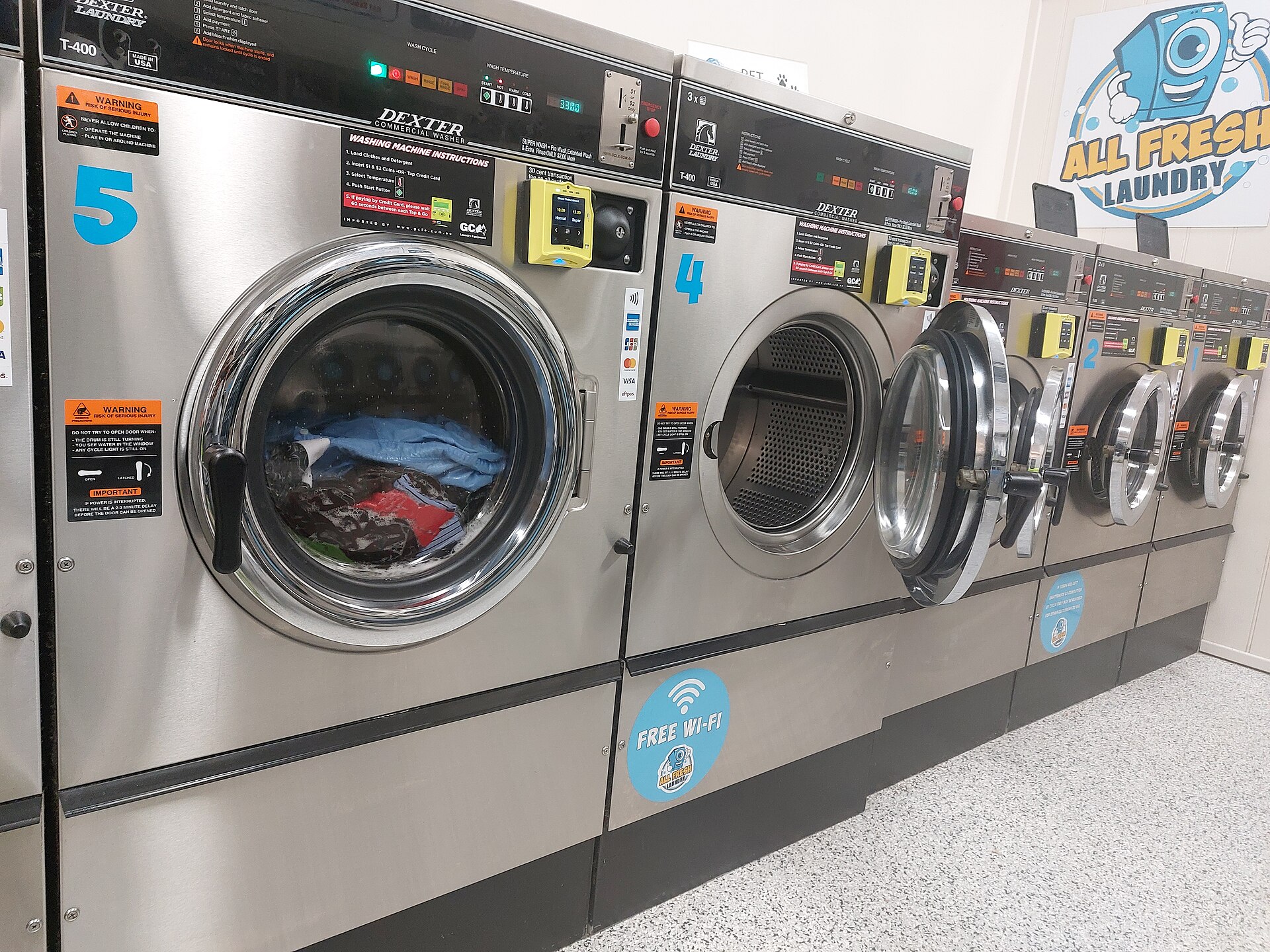
    Tsholofelo Moeng started with one washing machine, a small dryer and a business run from her home in Tshing Township, Ventersdorp. Today she leads a growing enterprise that employs members of her community, and she is only getting started.

    As South Africa commemorates Women’s Month, Moeng’s journey as Managing Member of MaRocks Laundry Services, featured by SAnews, shows how determination and smart support can turn the smallest of starts into livelihoods for many.

    From selling biscuits to building a business

    An economics graduate of Tshwane University of Technology and North-West University, Moeng struggled to find work after her studies and sold biscuits to make ends meet. Rather than give up, she and a friend researched what their community actually needed, and MaRocks Laundry Services was born on a quiet street with limited customer traffic.

    The turning point came when the pair attended training run by the National Development Agency, which supports community-owned enterprises. The training encouraged them to apply for grant funding, and after a due diligence process that began in 2022, MaRocks was approved for R222 316 in NDA grant funding in 2024.

    What the funding unlocked

    The grant transformed the operation. MaRocks acquired:

    • Four additional commercial washing machines;
    • A 2 500-litre water tank and a 7.5kVA generator, keeping the business running through water and electricity interruptions;
    • Two steam irons and a basic office container.

    The business now employs three additional people, brings in part-time workers during peak periods and supports an outsourced delivery service. It serves households and local businesses, washing blankets, carpets, sneakers and clothing, and offers steam-ironing services.

    “We are able to operate faster than before. When there is no water, we are still operational, and even when there is no electricity, we have a generator to continue working,” Moeng said.

    The next chapter: nine jobs and new services

    The NDA has since provided a further R198 495 in sustainability funding, which will bring in two industrial sewing machines, an industrial overlocker, sneaker-cleaning equipment, an industrial steam iron, a press steamer and an additional container. The expansion is expected to create five new jobs while sustaining four existing ones, and will let MaRocks diversify into sewing, alterations and sneaker cleaning.

    Moeng’s next ambition is a same-day dry-cleaning service for Ventersdorp, where residents currently travel out of town for the service, a move that could serve the local hospital, clinic and guest houses while creating even more work.

    “I have managed and am surviving and thriving. I do not regret being here; I am doing better, providing livelihoods to others as well as myself. I show up as a businesswoman,” she said.

    Photo: commons.wikimedia.org

  • Trade Keeps Flowing: Extended UAE Registration Deadline Backs SA Red Meat Farmers

    Trade Keeps Flowing: Extended UAE Registration Deadline Backs SA Red Meat Farmers

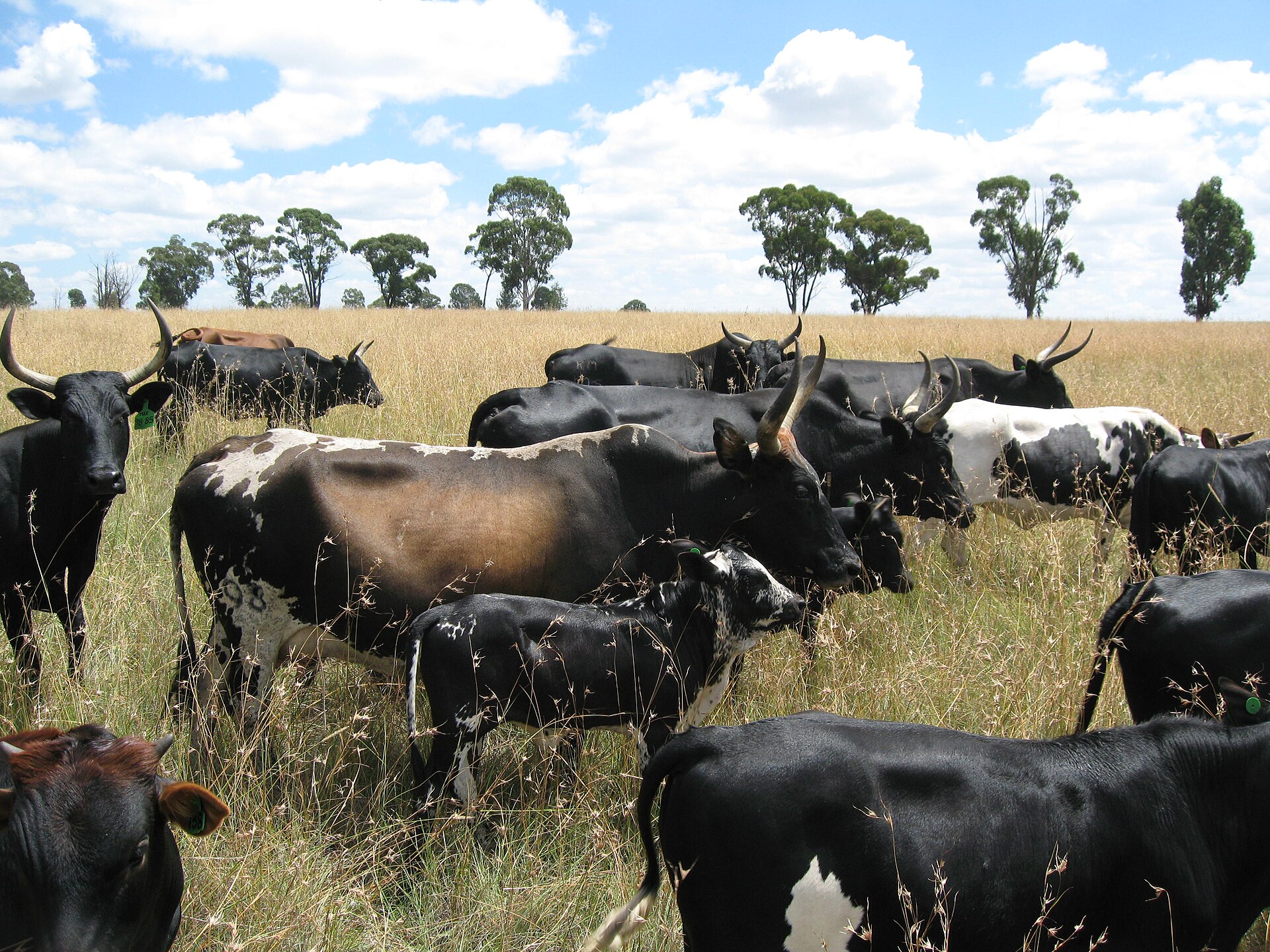
    South Africa’s booming red meat trade with the United Arab Emirates has been given valuable breathing room. Agriculture Minister Willie Aucamp has extended the deadline for farms and feedlots to register under Veterinary Procedural Notice 59 (VPN-59) to 31 December 2026, keeping export channels open while producers complete their paperwork.

    The extension, announced on Wednesday and reported by SAnews, is designed to prevent any disruption to South Africa’s red meat exports to the UAE while farmers and provincial state veterinarians work through the compliance and registration process.

    Protecting jobs and a prized trade relationship

    “This extension is critical for our livestock sector and agricultural trade relations with the United Arab Emirates,” Aucamp said.

    The minister said the decision would help protect livelihoods across the livestock value chain – from farm workers and feedlot operators to abattoirs and exporters – while maintaining South Africa’s standing as a trusted supplier in the Gulf market.

    The extra time allows trade to continue flowing while the industry finalises registration, and ensures South African producers keep meeting the international standards that make their beef, lamb and mutton sought after abroad.

    Standards stay sky-high

    Importantly, the extension is about time, not shortcuts. During the extended period, livestock may only be supplied for export if three conditions are met:

    1. The farm or feedlot has been inspected by the responsible provincial state veterinarian.
    2. Compliance with the applicable requirements has been verified.
    3. A complete registration application has been submitted to the Department of Agriculture’s Directorate: Animal Health.

    After 31 December 2026, only registered farms and feedlots will be eligible to supply livestock for red meat exports to the UAE. The department said the arrangement preserves the animal-health and food-safety standards on which the trade is built.

    A win for farming Mzansi

    For South Africa’s farmers, the extension is a practical, common-sense win: trade continues, standards hold, and producers get the time they need to formalise their place in a growing export market. It is exactly the kind of quiet, constructive governance that keeps rural economies working and South African produce on tables around the world.

    Photo: commons.wikimedia.org

  • From Plans on Paper to Shovels in the Ground: New Partnership Set to Supercharge SA’s Tourism Infrastructure

    From Plans on Paper to Shovels in the Ground: New Partnership Set to Supercharge SA’s Tourism Infrastructure

    South Africa’s tourism boom is getting a powerful new engine. The Departments of Tourism and Public Works and Infrastructure have formalised a strategic partnership designed to unlock investment in tourism infrastructure, drive economic growth and create jobs across the country.

    Tourism Minister Patricia de Lille and Public Works and Infrastructure Minister Dean Macpherson sealed the partnership through a Memorandum of Agreement that will strengthen the preparation of priority tourism infrastructure projects and crowd in greater private-sector investment.

    If we want tourism to make an even greater contribution to economic growth and job creation, we must build the infrastructure that makes investment and new tourism experiences possible.

    That was the message from de Lille on Tuesday as the three-year agreement was announced.

    Expert muscle behind bankable projects

    Under the agreement, the Department of Public Works and Infrastructure will support the Department of Tourism with specialist resources, including investment expertise and transaction advisory services, to strengthen the project pipeline and get projects investment-ready. Infrastructure South Africa, the programme within Public Works that provides infrastructure planning, management and delivery services, will supply the specialist technical and transaction support.

    “This partnership will also facilitate the transfer of skills, knowledge and technical competencies to strengthen the Department of Tourism’s long-term capacity. We must turn tourism potential into bankable projects, investment and ultimately jobs,” de Lille said.

    Macpherson was equally upbeat. “Through this partnership, we can help move priority tourism infrastructure projects from plans on paper to shovels in the ground, while crowding in private-sector investment and creating new economic opportunities across the country. This is another practical step towards our goal of turning South Africa into a construction site and using infrastructure as a catalyst for economic growth and job creation,” he said.

    Momentum on top of momentum

    The agreement lands just days after President Cyril Ramaphosa launched Phase Three of the Government-Business Partnership, which identified tourism as one of the key sectors capable of accelerating inclusive economic growth and employment.

    And there is more good news on the horizon: the Department of Tourism will host the second Tourism Infrastructure Investment Summit in Gauteng from 30 September to 1 October 2026. Building on the successful inaugural event in 2025, the summit will connect a growing pipeline of credible, bankable tourism projects with potential investors and financiers, another sign that South Africa’s most beautiful industry is open for business.

    Source: SAnews.gov.za

    Photo: commons.wikimedia.org