Good News · All Nine Provinces

Independent · Local · Forward-looking

Mzansi News Online

Uniting SA Through Good News

Category: Community

  • Ten Years of Walking Together: Silent Walk and Run Lights Up Deaf Awareness Month in Alberton

    Ten Years of Walking Together: Silent Walk and Run Lights Up Deaf Awareness Month in Alberton

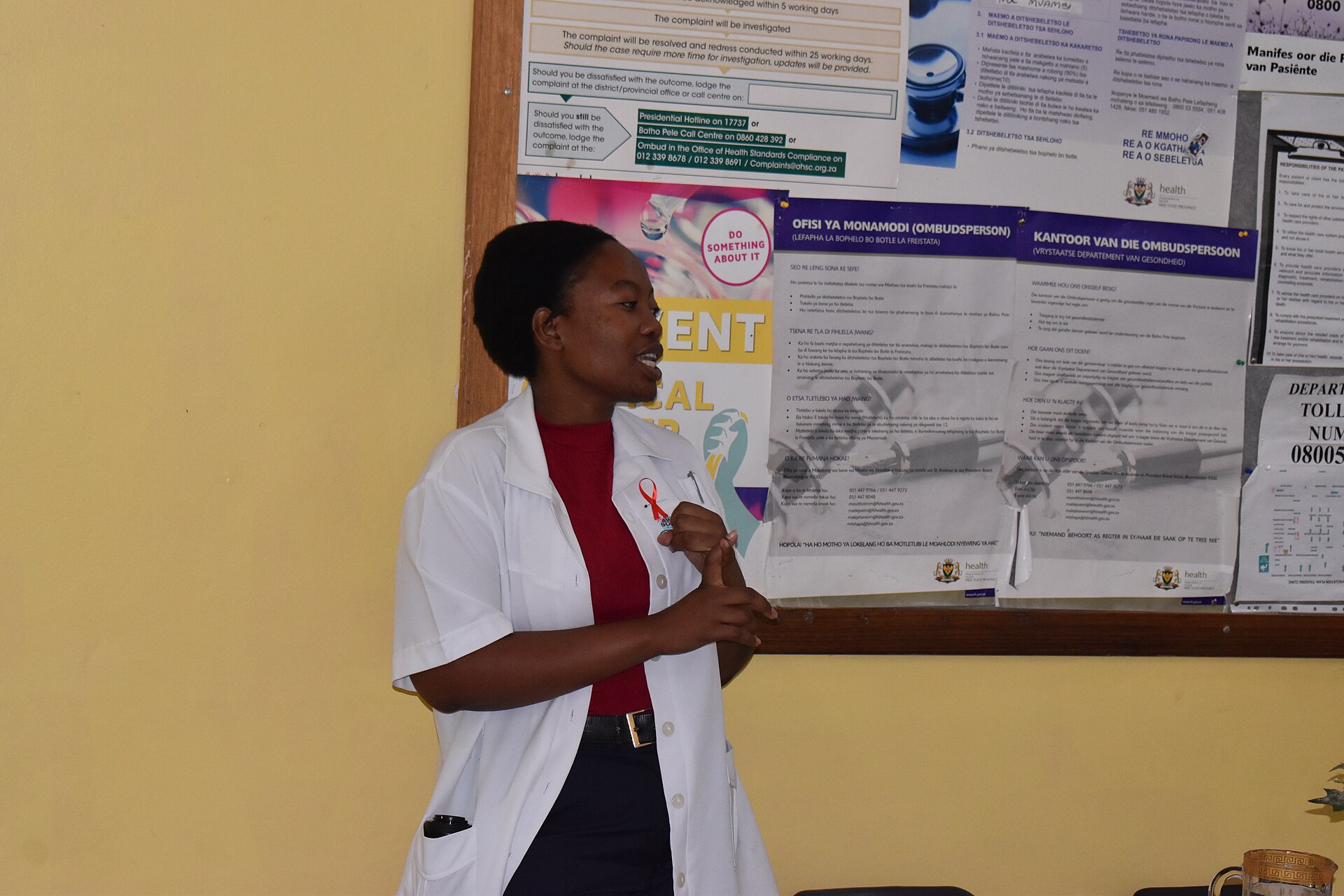
    For a decade, one Gauteng event has proved that solidarity does not need a soundtrack. On Sunday 13 September, the Gauteng Department of Sport, Arts, Culture and Recreation and the Neema Foundation for the Deaf commemorate the 10th Annual Silent Walk and Run at Rietvlei Zoo Farm in Alberton, a milestone celebration in the heart of Deaf Awareness Month.

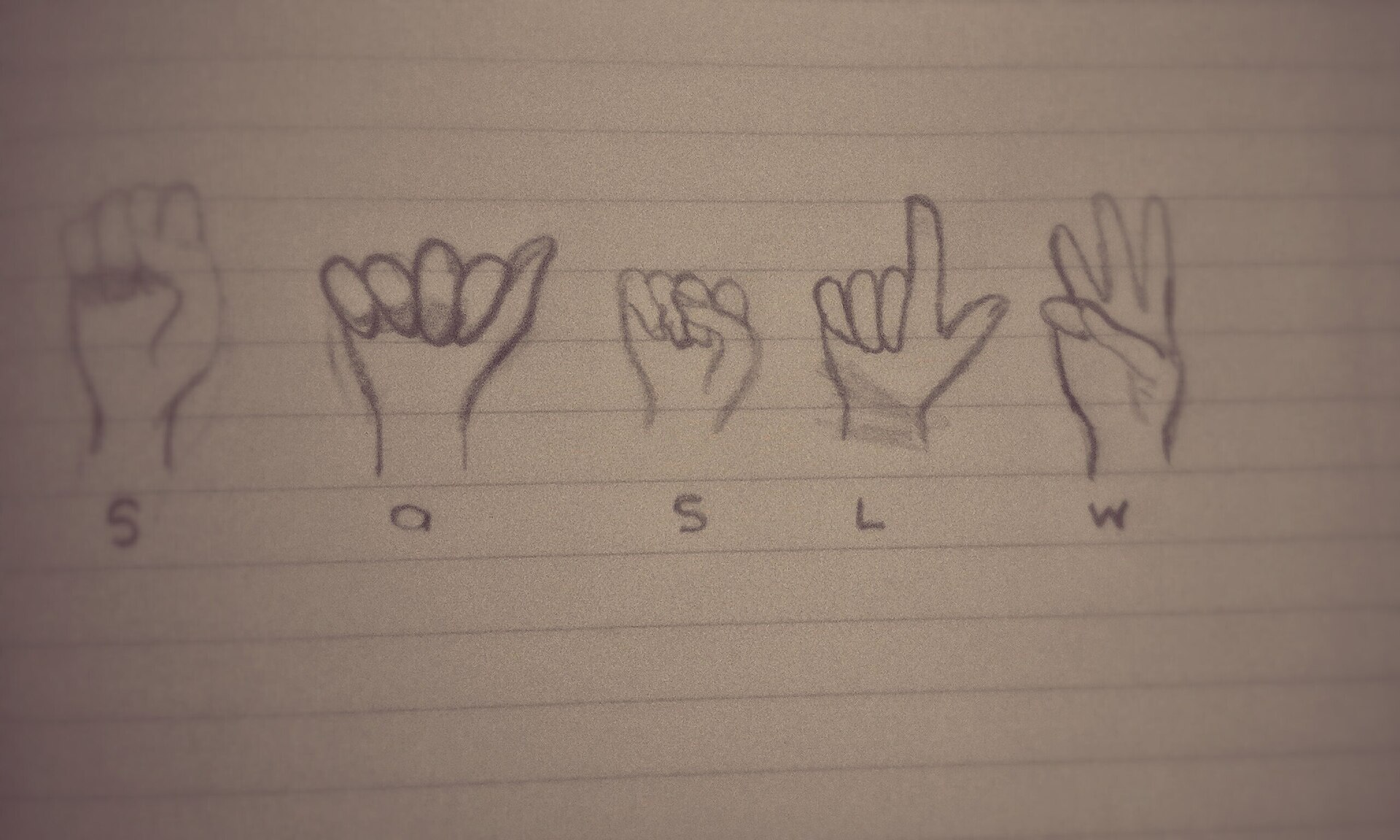
    The Silent Walk and Run promotes greater understanding of the Deaf community, encourages the use of sign language, and advocates for a more inclusive society where persons with disabilities enjoy equal opportunities and access.

    Shining a blue light on sign languages

    This year’s event is held under the theme Shine a Blue Light on Sign Languages, and organisers have widened its embrace: the 2026 edition will also raise awareness and funds in the fight against Gender-Based Violence and Femicide, connecting two causes that both call for a more caring society.

    Gauteng Sport, Arts, Culture and Recreation MEC Lebogang Maile threw his support behind the initiative and encouraged citizens to lace up and take part.

    “This initiative not only amplifies awareness and advocacy for the Deaf community but also promotes healthy lifestyles through physical activity while fostering unity, understanding and social inclusion,” Maile said.

    Community-driven, government-backed

    The Silent Walk and Run is one of several community-driven initiatives supported by the department through its funding assistance programme. According to Maile, it aligns directly with the province’s mandate to create inclusive spaces where all people, including persons living with disabilities, can actively participate in sport, recreation and community programmes.

    The timing could not be better. South Africa has embraced South African Sign Language as an official language, and Deaf Awareness Month each September has become a national moment to celebrate Deaf culture, teach the wider public a few signs, and build bridges between hearing and Deaf communities.

    A decade worth celebrating

    Marking ten years of the event, Maile paid tribute to those who have kept it growing year after year.

    “We salute the organisers, participants and partners who continue to champion inclusion, accessibility and equal opportunities for persons living with disabilities. Together, we can build a Gauteng that leaves no one behind and where every voice, whether spoken or signed, is valued and respected,” he said.

    Entries for the Silent Walk and Run are available on the Neema Foundation website, and details of the commemoration were announced by SAnews. Whether you walk, run or sign your support from the sidelines, Rietvlei Zoo Farm promises a morning where inclusion sets the pace.

    Photo: commons.wikimedia.org

  • A New Sound for a Township Beacon: Pheli FM Gets a Studio Upgrade After 10 Years On Air

    A New Sound for a Township Beacon: Pheli FM Gets a Studio Upgrade After 10 Years On Air

    Atteridgeville’s beloved community voice is sounding better than ever. Pheli FM, the township station that has kept homes west of Pretoria informed and entertained for a decade, received a major boost on Friday when Deputy Minister in the Presidency Kenny Morolong and the Media Development and Diversity Agency (MDDA) handed over brand-new studio equipment.

    The upgraded studio is expected to sharpen the station’s broadcasting and production capabilities, lift the quality of its content and give presenters, volunteers and producers a far more efficient working environment.

    Ten years of trusted companionship

    Morolong described Pheli FM as “a beacon that has touched countless lives, offered hope and served as a trusted companion” to the people of Atteridgeville.

    “Celebrating 10 years on air this past December is no small feat. It is indeed a testament to the station’s fortitude in an ever increasingly tough media landscape,” the deputy minister said at the handover.

    He praised the station’s deep roots in daily township life. “Pheli FM is deeply embedded in the daily life of the people it serves. It knows the heartbeat of local schools, the small businesses, the community organisations, religious centres, sports clubs and the young people in this community actively searching for opportunities,” he said.

    A platform that builds people

    Beyond the airwaves, Pheli FM has partnered with residents to document the history of Atteridgeville, a project Morolong said shows “just how intertwined the station’s identity is with the people themselves. When a community has a platform to speak and engage on, it gains the power to find its own solutions.”

    The station has also become a training ground for local talent. “By opening your doors to train local youth as presenters, producers and technicians, you are placing real tools for growth directly into the hands of the community,” Morolong said, applauding the station for cultivating what he called a culture of skills development and hope.

    Part of a much bigger success story

    The handover forms part of a long-running national investment in grassroots media. Since the 2004/2005 financial year, the MDDA has funded 361 community radio and television stations across South Africa, helping local voices flourish in every province.

    For Morolong, that mission matters because community media does more than report. He called for platforms that “connect people directly to opportunities, inspire young talent and strengthen social cohesion”, saying Pheli FM “has chosen not to stand on the sidelines, but to stand with this community as part of the solution.”

    With new equipment humming in its Atteridgeville studio and a second decade on air under way, Pheli FM’s signal of hope is set to travel further and sound clearer than ever.

    Source: SAnews.gov.za

    Photo: commons.wikimedia.org

  • From Street Corners to Spinach Fields: How Johanna Mailula Turned Care Into a Village Economy

    From Street Corners to Spinach Fields: How Johanna Mailula Turned Care Into a Village Economy

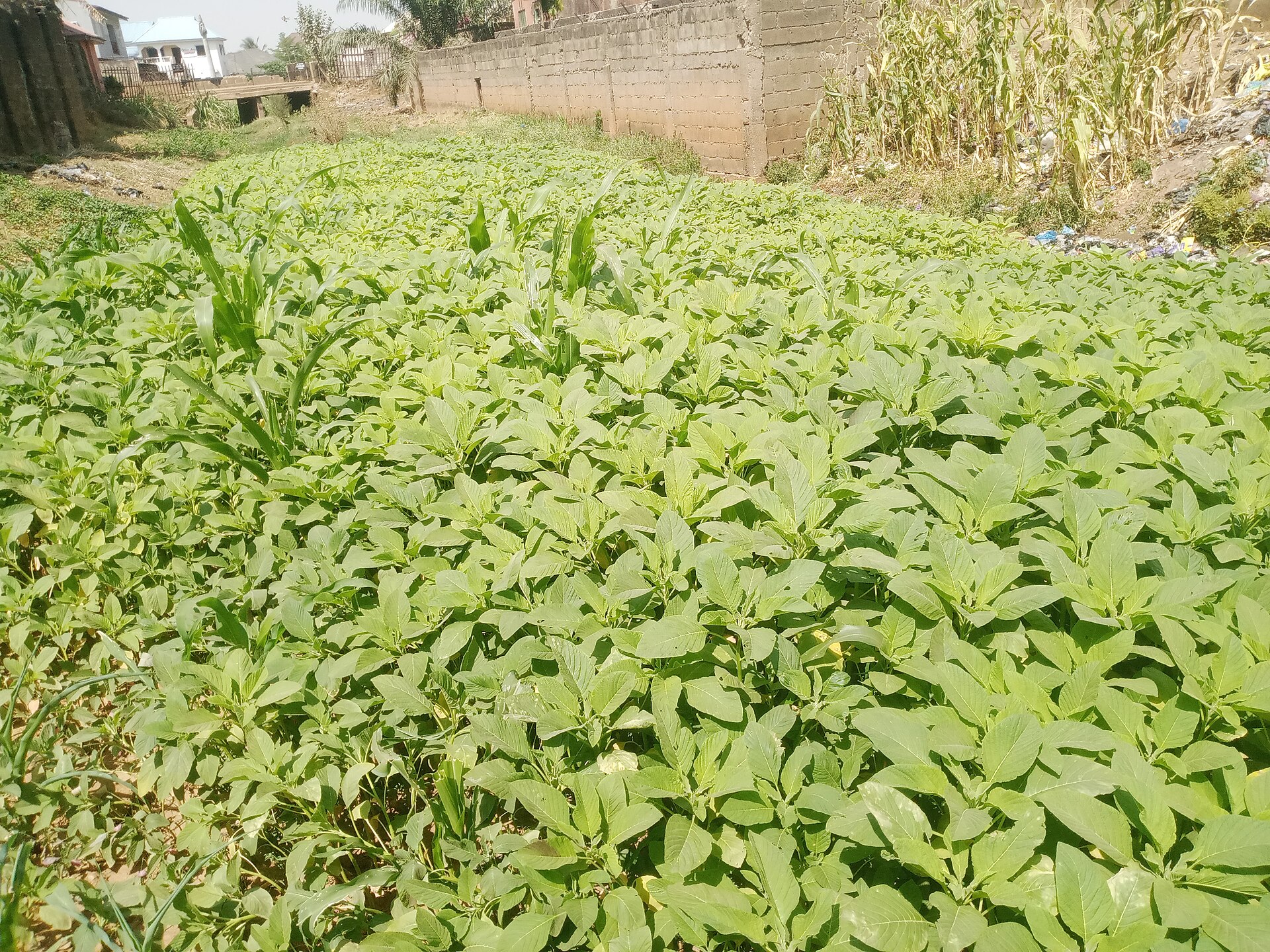
    What started as one woman’s worry about children playing unsupervised in the streets of Maphosa village in Botlokwa, Limpopo, has grown into a community engine that feeds, teaches and employs — and now dreams of exporting vegetables beyond South Africa’s borders.

    Johanna Mailula, a mother of three and grandmother of two, founded the Maphosa Drop-in Centre in 2016. “My greatest concern was seeing children playing in the streets after school, with no one looking after them. I knew I had to do something to create a safe place where they could be cared for and supported,” she told SAnews.

    A Safe Place That Grew

    Nearly a decade on, the centre cares for 68 children, providing psychosocial support, homework assistance, educational enrichment, life skills development and nutritious meals. In the early years, Mailula went door-to-door for donations. “The community supported us with the little they had, and that encouraged me to continue,” she recalls.

    But Mailula understood that protecting children could not be separated from the economic pressures on their families. So the centre branched into agriculture — and the results have been remarkable.

    Vegetables People Travel For

    The centre’s agricultural project has created 17 permanent jobs, plus seasonal work and volunteer opportunities. Its produce has built a reputation that draws buyers from across the province. “People from different districts travel to buy our vegetables because they trust the quality of our produce,” Mailula says.

    With five hectares of land allocated by the Traditional Council, she is thinking bigger: “Our dream is to export our produce beyond South Africa. The additional land gives us the opportunity to increase production and build a sustainable agricultural enterprise that benefits the entire community.”

    Partnerships That Multiply Impact

    The centre’s rise shows what community-led initiatives can achieve when backed by the right partners. Support has come from the Department of Social Development, the National Lotteries Commission and the local municipality, while humanitarian partners such as Gift of the Givers help vulnerable households facing food insecurity.

    A major milestone came in 2026, when support facilitated by the National Development Agency unlocked a partnership with The Church of Jesus Christ of Latter-day Saints, bringing R1.3 million to implement the Green Harvest Project. The funding has delivered:

    • Irrigation infrastructure, boreholes and water storage facilities
    • Fencing and shade-net structures
    • Seedling production and expanded crop cultivation
    • Training and mentorship in food production and market access

    From a handful of children off the street to a growing rural enterprise, Mailula’s journey is proof of what local leadership can build when vision is matched with action — one vegetable bed at a time.

    Photo: commons.wikimedia.org
  • A Language That Belongs to All of Us: Deaf Awareness Month Puts South African Sign Language in the Spotlight

    A Language That Belongs to All of Us: Deaf Awareness Month Puts South African Sign Language in the Spotlight

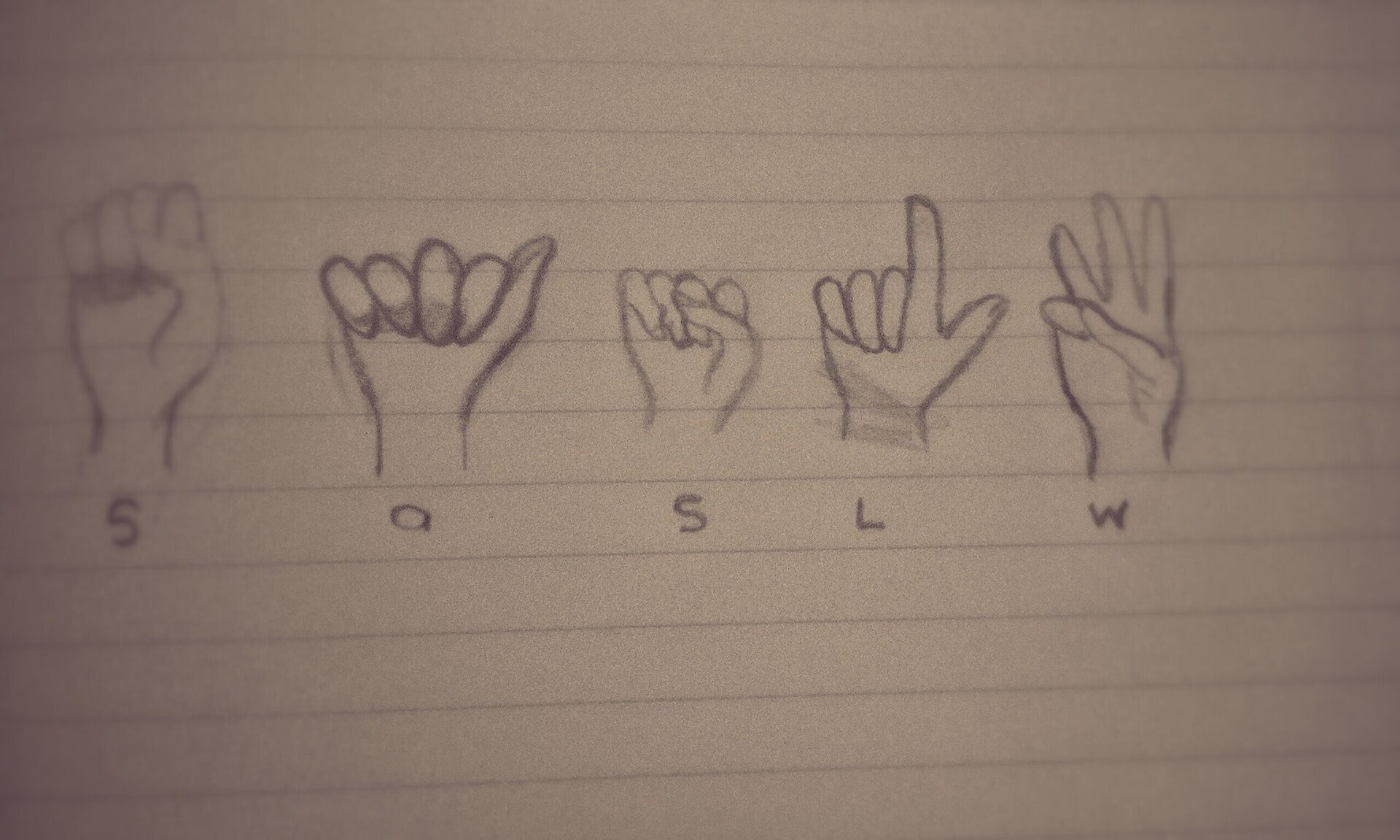
    September is Deaf Awareness Month, and South Africa is marking it with a proud reminder of a world-leading milestone: South African Sign Language (SASL) is one of the country’s official languages, signed into law by President Cyril Ramaphosa in July 2023.

    Launching this year’s observance under the theme “Declaring Deaf People’s Human Rights,” Pan South African Language Board (PanSALB) CEO Dr Keaobaka Seshoka called on all sectors of society to work together to bring down communication barriers and let the language flourish.

    “A right, not charity”

    “We must, as a society, come together and ensure that access to quality information becomes a lived reality for the deaf community. We must also make sure that providing South African Sign Language interpretation is not treated as charity; it is a right,” Seshoka said at the virtual launch on Tuesday.

    Her vision is a country where constitutional recognition translates into everyday service: deaf South Africans served in their own language at hospitals, police stations, courts and universities alike.

    Nothing about us without us

    Seshoka stressed that deaf people themselves must be at the table when decisions about language accessibility are made. “We cannot continue designing solutions for deaf people without working with deaf people. We need to work alongside the deaf community. We must support the development and increased use of South African Sign Language and create conditions in which it can flourish,” she said.

    PanSALB is urging organisations across the country to adopt the South African Sign Language Charter, which sets out pledges to improve deaf communities’ access to quality information and to protect their linguistic human rights.

    Starting with families

    Encouragingly, the work is already reaching into homes. PanSALB is partnering with other departments to run workshops for parents and families of deaf children, recognising that early language acquisition, family support and inclusive communication are fundamental to the education and the social and emotional development of deaf children.

    “These initiatives form part of PanSALB’s broader commitment to promoting linguistic human rights, advancing the use of South African Sign Language and fostering a more inclusive society in which deaf persons can participate fully and equally in all spheres of life,” Seshoka said.

    With SASL taking its rightful place among South Africa’s official languages, Deaf Awareness Month 2026 is both a celebration and an invitation: learn a sign, share a conversation, and help build a country where every voice, spoken or signed, is heard. Source: SAnews.gov.za

    Photo: commons.wikimedia.org

  • From Beneficiaries to Bosses: Women Set to Own More of SA’s Human Settlements Value Chain

    From Beneficiaries to Bosses: Women Set to Own More of SA’s Human Settlements Value Chain

    South Africa’s human settlements sector is opening its doors wider to women, not just as beneficiaries of housing programmes, but as owners, professionals, decision-makers and leaders across the entire value chain.

    That was the rallying message from Human Settlements Minister Thembi Simelane at the Women in Human Settlements Sector Dialogue in Johannesburg on Monday evening, where she was joined by Deputy Minister Tandi Mahambehlala and female Members of Executive Councils responsible for human settlements from across the country.

    From celebration to real economic power

    Held under the theme “Value Chain Opportunities for Women in the Human Settlements Sector, Empowered Women – Empower the Nation,” the dialogue brought together government, sector entities, industry stakeholders and women beneficiaries. It marked the closing of the 2026 Women’s Month programme and followed the recent launch of the Women of Human Settlements platform at Freedom Park.

    Simelane said the gathering was designed to be more than a celebration: a sector-wide space in which women shape policy, influence institutions and expand their economic power.

    “Today’s engagement carries that work forward. It has moved from policy direction to implementation; from targets to opportunity; from institutional programmes to the experiences of women whose businesses, careers and professional journeys have been affected by those programmes,” she said.

    The 40% set-aside: a practical tool for change

    At the heart of the plan is the approved 40% set-aside target for women, which Simelane said must become a practical instrument for expanding women’s participation throughout the delivery value chain, reflected in procurement planning, sourcing, awards, contract values, payments and performance reporting.

    “It should not be treated as a slogan or an end-of-year calculation. It is one practical instrument through which public expenditure can widen participation in the economy,” she said.

    The Minister set out an ambitious vision that goes beyond ticking boxes: women-owned businesses entering procurement pipelines, competing effectively, being paid on time and progressing to larger opportunities, and professional women moving into technical authority, executive leadership and boardrooms, with ownership and influence across land, finance, construction, property management, regulation, research and innovation.

    Empowerment that enlarges choices

    Simelane also underlined why economic power matters so deeply for women’s wellbeing. “Economic dependence can narrow a woman’s choices. Secure tenure, a professional pathway, access to finance, a contract and a sustainable enterprise can enlarge them,” she said.

    With government, industry and women builders now pulling in the same direction, the sector that puts roofs over South African heads is on course to put more women at its helm. Source: SAnews.gov.za

    Photo: commons.wikimedia.org

  • Champions of Belonging: Special Olympics Summer Games Light Up Rustenburg

    Champions of Belonging: Special Olympics Summer Games Light Up Rustenburg

    Rustenburg came alive at the weekend as the 2026 Special Olympics South Africa National Summer Games wrapped up in the North West — a celebration of courage, discipline, friendship and pure joy that showed the country exactly what its athletes with intellectual disabilities can do when given the stage.

    Delivering the keynote address at Saturday’s closing ceremony, Deputy Minister in the Presidency for Women, Youth and Persons with Disabilities Mmapaseka Steve Letsike saluted the athletes for demonstrating the power of opportunity, participation and recognition.

    More than a sporting spectacle

    Letsike said the Games offered far more than competition. “Sport may be the arena in which we have gathered, but the real conversation is about dignity, belonging and equality,” she told athletes, families and supporters.

    The lesson of the Special Olympics, she said, is not that athletes are extraordinary because they have somehow overcome their disabilities — it is that society often underestimates what people are capable of.

    “When those barriers are removed, when support is available and when people are afforded the dignity of opportunity, talent finds expression,” the Deputy Minister said.

    Building inclusion into everything

    Letsike used the moment to paint a vision of a South Africa where inclusion spans a person’s entire life journey — from early childhood through education, healthcare, sport and skills development to employment, economic participation and independent living.

    She welcomed the Healthy Athletes screenings held during the Games, saying they showed how participation in sport connects to a much broader question of wellbeing, linking accessible healthcare, early identification of health needs and sustained support to sporting opportunity.

    The principle of “nothing about us without us”, she added, must move from slogan to standard practice, with persons with disabilities represented wherever decisions are made about their lives.

    Heroes on and off the field

    The Deputy Minister paid warm tribute to the families, caregivers, coaches, officials and volunteers whose dedication carried the Games, and encouraged the athletes selected to represent South Africa at the 2027 World Summer Games to carry with them the hopes of everyone who competed in Rustenburg.

    For the athletes who filled the tracks, fields and courts of the North West with determination and delight, the message from the closing ceremony was unambiguous: South Africa sees you, South Africa celebrates you — and the road to 2027 starts now.

    Photo: commons.wikimedia.org

  • Thirty Years on Air: Mthatha’s UCR FM Celebrated as a Community Voice Reaching 450 000 Listeners

    Thirty Years on Air: Mthatha’s UCR FM Celebrated as a Community Voice Reaching 450 000 Listeners

    Thirty years after it began as a modest campus initiative, UCR FM in Mthatha is reaching more than 450 000 listeners and being hailed as one of the Eastern Cape’s most trusted community voices.

    Deputy Minister in the Presidency Kenny Morolong led the tributes at the station’s 30th anniversary gala dinner in Mthatha on Friday, describing the broadcaster as an important platform for information, dialogue and local development, SAnews reported.

    From campus project to provincial institution

    UCR FM was established through the vision of the late Professor Tokollo Moleah, then Vice-Chancellor of the University of Transkei, who wanted a platform where the voices of people in the province could be heard.

    “What began as a modest campus initiative soon grew beyond the boundaries of the university,” Morolong said, describing a station that has become part of daily life in homes, taxis, workplaces and villages across the province.

    The station’s winning formula is a programming mix of 60 percent talk and 40 percent music, delivered in isiXhosa, English, Sesotho and isiZulu. That multilingual approach, Morolong said, is central to giving people access to information in languages they understand and trust.

    A launchpad for talent and a partner in democracy

    Over three decades, UCR FM has provided a platform for local artists, entrepreneurs, educators, faith-based organisations, traditional leaders, young people and community activists, and it has launched media careers, with former station figures such as Sizwe Kupelo going on to prominent roles in national media and the public sector.

    Morolong linked the station’s milestone to the 30th anniversary of South Africa’s Constitution, noting that community radio gives practical expression to constitutional rights such as freedom of expression and access to information.

    “In many ways, our community radio sector really is constitutional democracy at work,” he said.

    Good news for the whole community media sector

    The anniversary also brought welcome news for community broadcasters nationwide. Morolong reaffirmed government’s commitment to the sector, noting that the Media Development and Diversity Agency has supported hundreds of community media initiatives across radio, television and print with skills development, governance support and infrastructure upgrades.

    He announced that the Government Communication and Information System is finalising a Media Buying Policy to give effect to the provision that 30 percent of government advertising expenditure should be allocated to community media, a move set to strengthen the financial sustainability of community radio, television and print outlets.

    “We do not see community media as an optional extra to South Africa’s media landscape,” Morolong said, calling the sector a critical partner in deepening democracy and advancing development.

    Photo: commons.wikimedia.org

  • Ntuzuma Rising: R200 Million Mall and ICT Hub Are Turning a Durban Township into a Jobs Engine

    Ntuzuma Rising: R200 Million Mall and ICT Hub Are Turning a Durban Township into a Jobs Engine

    Something big is rising in Ntuzuma Ward 42, north of Durban, and it is more than just bricks and mortar. More than R200 million is being invested in the area in projects designed to drive economic inclusion, create jobs and open doors for local residents, according to SAnews.

    At the heart of the transformation are two flagship projects: the construction of the Ntuzuma Mall and a R32 million upgrade of the KwaNozaza ICT Hub, both part of eThekwini Municipality’s drive to bring quality retail, technology infrastructure and sustainable livelihoods to township communities.

    A Mall Built by the Community, for the Community

    The Ntuzuma Mall is progressing through its construction phases toward a 2027 launch, and it is shaping up to be a proper neighbourhood economic hub. The development will feature anchor tenants, line shops, internal and external walkways, plus supporting roads, paving and landscaping.

    “Major retailers expected to form part of the development include Shoprite and Boxer, among others,” the municipality said.

    Nkululeko Mkhize, Deputy Director for Programme Coordination, said the mall represents a significant 18 000 square metre private sector investment aimed at boosting the local economy and empowering small and medium enterprises.

    “Key highlights include the creation of hundreds of construction jobs for local youth and the integration of small businesses alongside major retailers upon its 2027 completion, fostering long-term sustainability through inclusive development,” Mkhize said.

    From Classroom to Construction Site

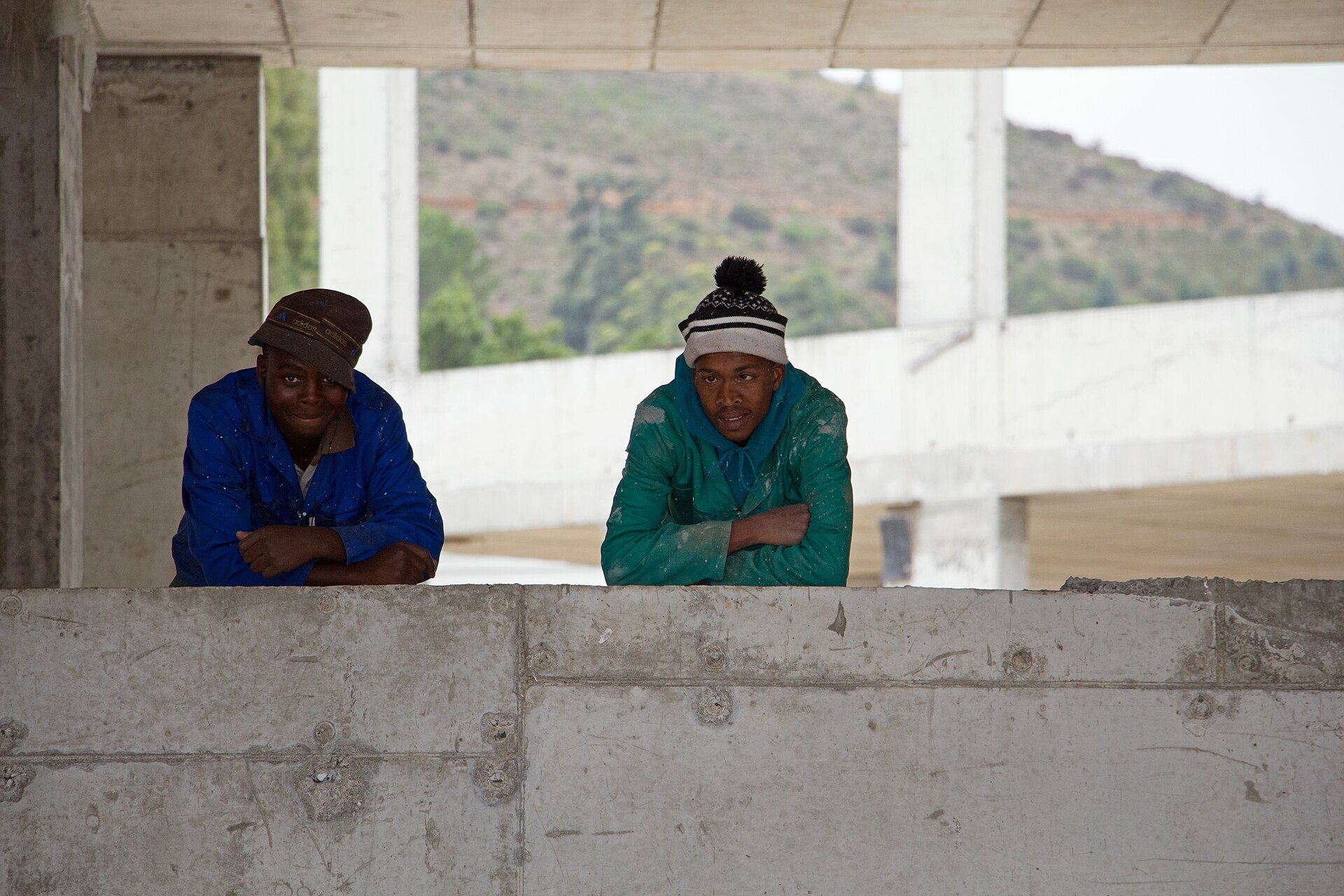
    Perhaps the most heart-warming part of the story is happening on the scaffolding itself. Young people from the area are applying their vocational training in a live construction environment, gaining real-world experience in:

    • Plumbing
    • Electrical installations
    • Bricklaying
    • Plastering and tiling

    It is a direct bridge from training to employment, turning a construction site into a classroom and giving local youth a track record they can build careers on.

    A Digital Future at KwaNozaza

    Meanwhile, the R32 million KwaNozaza ICT Hub upgrade is developing the facility into a modern technology and innovation space, expanding access to digital opportunities right inside the community.

    The municipality sees both investments as catalysts for economic inclusion and spatial transformation in township communities, aligned with its strategic priority of economic growth and job creation. With retail, skills and digital access all converging in one ward, Ntuzuma’s 2027 is looking bright indeed.

    Source: SAnews.gov.za

    Photo: commons.wikimedia.org

  • The ‘Mother of Broken Cars’ Earns Her Stripes: Mount Fletcher’s Nosipho Kholutsoane Graduates as a Qualified Mechanic

    The ‘Mother of Broken Cars’ Earns Her Stripes: Mount Fletcher’s Nosipho Kholutsoane Graduates as a Qualified Mechanic

    In Mount Fletcher in the Eastern Cape, everyone knows her as the “Mother of Broken Cars” – the woman who takes neglected, forgotten vehicles and brings them roaring back to life. Now Nosipho Kholutsoane has something new to celebrate: a formal qualification to match her golden hands.

    Kholutsoane graduated as a motor mechanic from the King Sabata Dalindyebo (KSD) TVET College in Mthatha on 17 July 2026, alongside 69 other graduates of the Artisan Recognition of Prior Learning (ARPL) Programme, SAnews reports. She was one of only two women in the class of 70 – a milestone for women in the traditionally male-dominated automotive sector.

    From passion project to thriving business

    Through her business, Lereku Trading, Kholutsoane restores vintage and unique vehicles, with skills spanning vehicle body building, motor body repairs, spray painting and classic-car restoration. Her creations have been hired for weddings, matric dances and shows, and her work has even caught international attention: German broadcaster Deutsche Welle has featured some of her restorations.

    The ARPL programme that recognised her skills was funded through a project of the Eastern Cape Office of the Premier and implemented by the Automotive Industry Development Centre Eastern Cape (AIDC-EC) in partnership with KSD TVET College.

    An investment that is paying off

    After Kholutsoane answered a call for participants in the Automotive Aftermarket Support Programme in 2023, the AIDC-EC identified where support could help her business grow. In 2025, Lereku Trading received tools and equipment worth R474 747.30 through the AIDC-EC Tools, Machinery and Equipment Support Programme.

    For Kholutsoane, the qualification is about far more than a piece of paper.

    “The qualification formally recognises the expertise I have developed over the years and could help strengthen my credibility, unlock new opportunities and position my business for further growth.”

    Breaking barriers in Women’s Month

    As South Africa commemorates the 70th anniversary of the 1956 Women’s March, Kholutsoane’s story is a timely reminder of what happens when women’s skills are recognised and invested in: businesses grow, communities benefit and the next generation sees what is possible.

    From a passion for broken cars to a formally certified artisan with a growing enterprise, the Mother of Broken Cars is proof that talent, backed by opportunity, can take you anywhere.

    Source: SAnews.gov.za

    Photo: commons.wikimedia.org

  • The Backbone of Our Health: Mzansi Salutes the Women Powering South African Healthcare

    The Backbone of Our Health: Mzansi Salutes the Women Powering South African Healthcare

    As South Africa celebrates Women’s Month, the country’s Health Minister has paid a heartfelt tribute to the women who keep the nation healthy, calling them the very backbone of the healthcare system, SAnews reports.

    Speaking on the sidelines of the opening of the new King Nyabela Hospital in Middelburg, Mpumalanga, Minister Aaron Motsoaledi noted that women occupy every sphere of the health system, from the wards to the boardrooms.

    “In healthcare, women are the backbone of the healthcare system because we’ve got more female nurses than male nurses, and I’ve always said that nursing is the backbone of the system,” Motsoaledi said. “We do have quite a number of women who are in charge. They are hospital CEOs, hospital medical managers, surgeons, gynaecologists and psychiatrists.”

    Voices from the frontline

    Healthcare workers at the hospital opening reflected on what Women’s Month means to them, and their pride was infectious.

    “This Women’s Month, I call on women to stand up for themselves and for their children. They must not allow themselves to be distracted. I say forward with women and imbokodo,” healthcare worker Gladys Masina told SAnews, invoking the famous word for the rock that symbolises South African womanhood.

    Her colleague Meikie Motau kept it simple and generous: “I want to praise all the women of the Department of Health; may they continue to provide lifesaving care.”

    Seventy years of marching forward

    Women’s Month commemorates the historic 1956 Women’s March, when 20 000 women walked to the Union Buildings in Pretoria. Seventy years on, their legacy towers over South African life.

    At the launch of Women’s Month on 1 August, Minister in the Presidency for Women, Youth and Persons with Disabilities Sindisiwe Chikunga described the marchers as “the authors of our liberation and freedom, the midwives of democracy, the first architects of a more equal South Africa”.

    “They became the rhythm of a nation’s progress, echoing through every classroom, every boardroom, every parliament, every marketplace, and every enterprise led by women today,” Chikunga said.

    Honouring them every day

    From the community health worker doing home visits at dawn, to the theatre sister scrubbing in for a late-night emergency, to the hospital CEO balancing budgets and beds, women carry South Africa’s health system with skill and heart.

    This Women’s Month, Mzansi says thank you. Wathint’ abafazi, wathint’ imbokodo: you strike a woman, you strike a rock, and our nation’s health rests on the strongest rock of all.

    Photo: commons.wikimedia.org