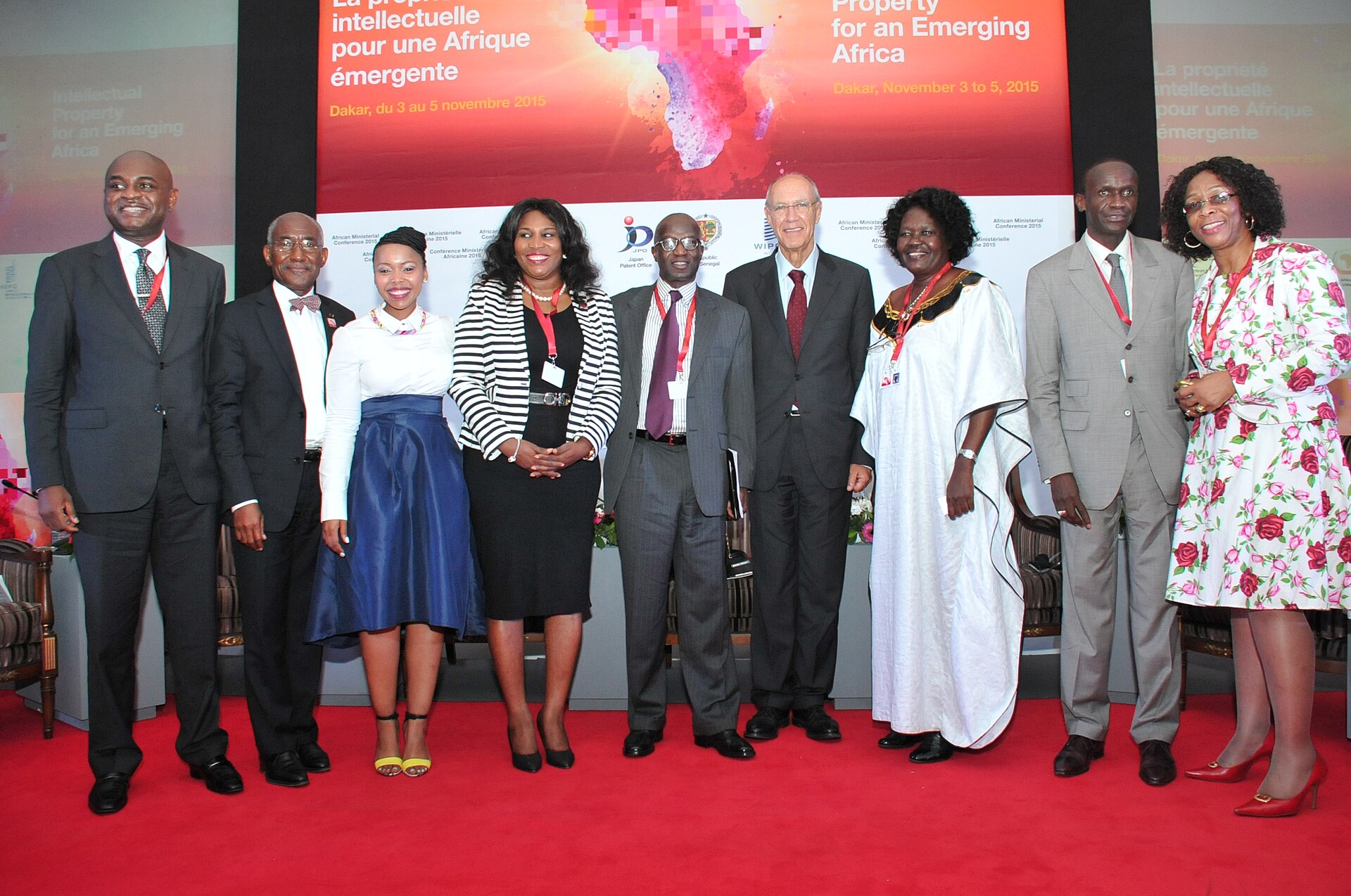
Artificial intelligence should open doors for every South African woman, from newsrooms and universities to the most remote rural villages. That was the inspiring message from the third annual Women in Media and Communications Panel Discussion, hosted in partnership by the Government Communication and Information System (GCIS) and the Tshwane University of Technology (TUT) on Wednesday.
Held during Women’s Month under the theme Coded for Equality: Women, AI and the New Media Landscape, the gathering brought together government, academia, media and industry representatives to examine women’s representation and influence as AI increasingly shapes how information is created, distributed and consumed.
Technology that reaches every village
GCIS Chief Director for Products and Platforms Zanele Mngadi urged the sector to think beyond careers and consider how AI can improve the lives of women still underserved by the digital economy.
How can we use these tools to make information more accessible to a woman in a rural village, in her own language and through a platform she can access? How can we connect her more effectively to information about healthcare, education, agricultural support, business opportunities and government services?
Mngadi said women journalists and communicators are perfectly placed to lead that change. “In the hands of women journalists and communicators, AI can become a powerful tool for inclusion, enabling us to deliver credible and useful information further, faster, in more languages and in forms that speak to the realities of women wherever they live,” she said.
From representation to real influence
Keynote speaker Tumi Lebaka, CEO of the Gauteng Film Commission, challenged women to aim beyond simply securing a seat in the technology and media sectors. Meaningful transformation, she argued, means women having influence over resources, decisions and intellectual property.
Equality cannot depend on women becoming better at surviving unequal systems. We therefore have to participate in redesigning systems themselves.
Lebaka drew a powerful parallel between the historic struggle for representation in media and the new frontier she called the algorithm room, the space where the technologies of tomorrow are designed. She encouraged women to move beyond being users of AI and become developers, researchers, policymakers, regulators, entrepreneurs, investors and owners, so that the systems of the future are trained on the values of an equal South Africa.
A new generation takes note
With students, academics and industry leaders sharing one stage, the panel showed South Africa’s tech conversation at its best: forward-looking, inclusive and rooted in the belief that innovation is strongest when everyone helps write the code.
Source: SAnews.gov.za
Photo: commons.wikimedia.org










Leave a Reply