Good News · All Nine Provinces

Independent · Local · Forward-looking

Mzansi News Online

Uniting SA Through Good News

Category: SA Leads

  • Good Neighbours, Great Plans: South Africa and Zimbabwe Sign a Raft of Deals to Boost Trade and Ties

    Good Neighbours, Great Plans: South Africa and Zimbabwe Sign a Raft of Deals to Boost Trade and Ties

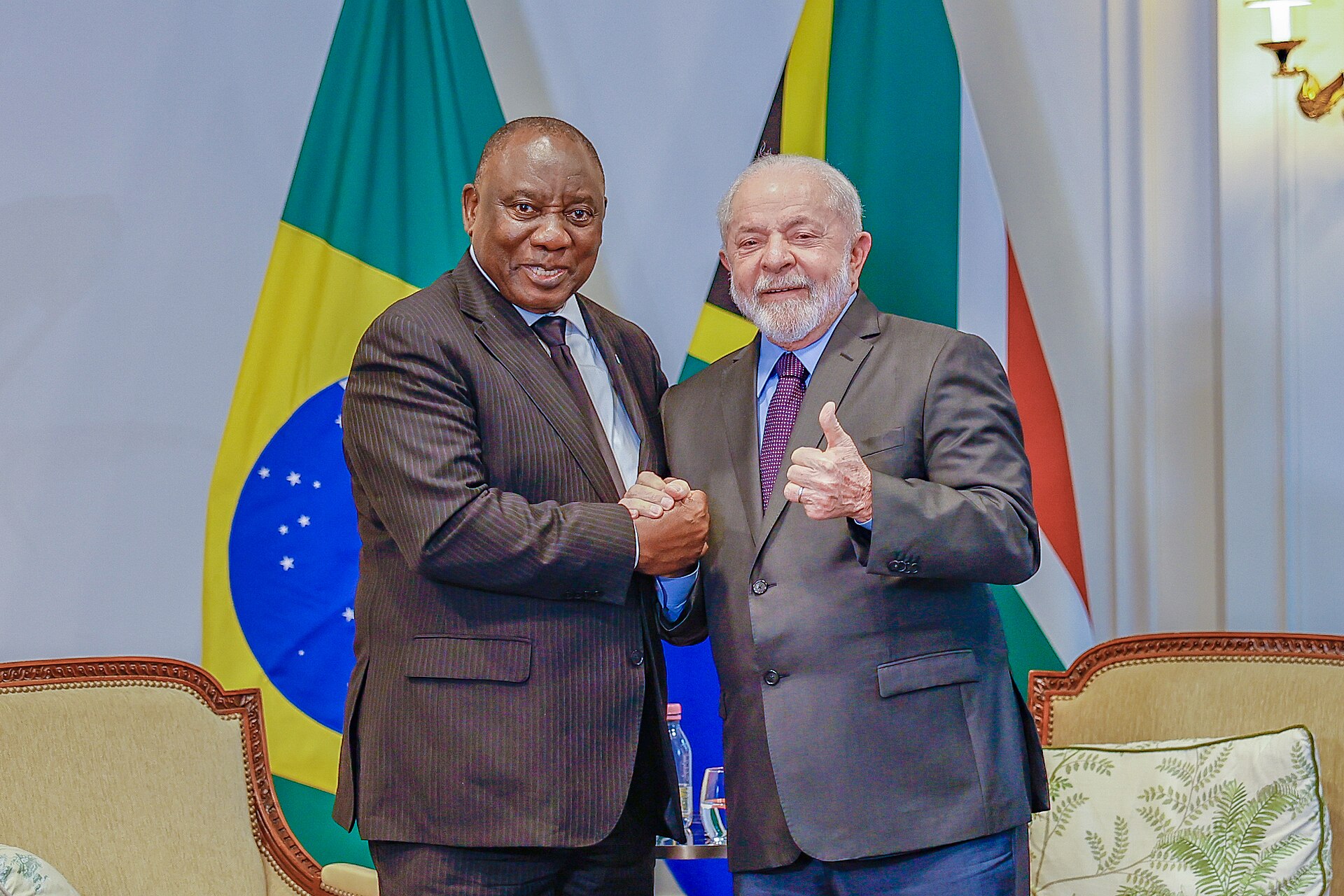
    South Africa and Zimbabwe have turned neighbourly goodwill into signed commitments, concluding a package of agreements and Memoranda of Understanding spanning agriculture, gender equality, diplomacy, correctional services, and arts and culture. The instruments were signed on Friday in Pretoria at the close of the Fourth Session of the South Africa–Zimbabwe Bi-National Commission, co-chaired by President Cyril Ramaphosa and Zimbabwean President Emmerson Mnangagwa.

    The signings are designed to translate the two countries’ longstanding political and historical ties into practical programmes that drive economic growth, development and shared prosperity on both sides of the Limpopo.

    “The agreements and Memoranda of Understanding signed in our presence today, together with the decisions reached, reflect our concrete plans to deepen cooperation. These instruments must now be implemented so that our countries and people benefit,” President Ramaphosa said.

    A strategic partnership with real momentum

    President Ramaphosa described Zimbabwe as a strategic partner and one of South Africa’s largest trading partners, with both countries committing to redouble efforts to expand investment and trade. He singled out agriculture and agro-processing, energy, mining, transport, medicines and vaccines, water, tourism, finance and digital technology as sectors brimming with opportunity.

    Among the agreements is an MoU pairing the Zimbabwe Foreign Service Institute with the Diplomatic Academy of South Africa’s Department of International Relations and Cooperation, signed by Minister Ronald Lamola and his counterpart, Minister Amon Murwira, alongside an MoU on women’s empowerment and gender equality.

    Bridges, borders and big projects

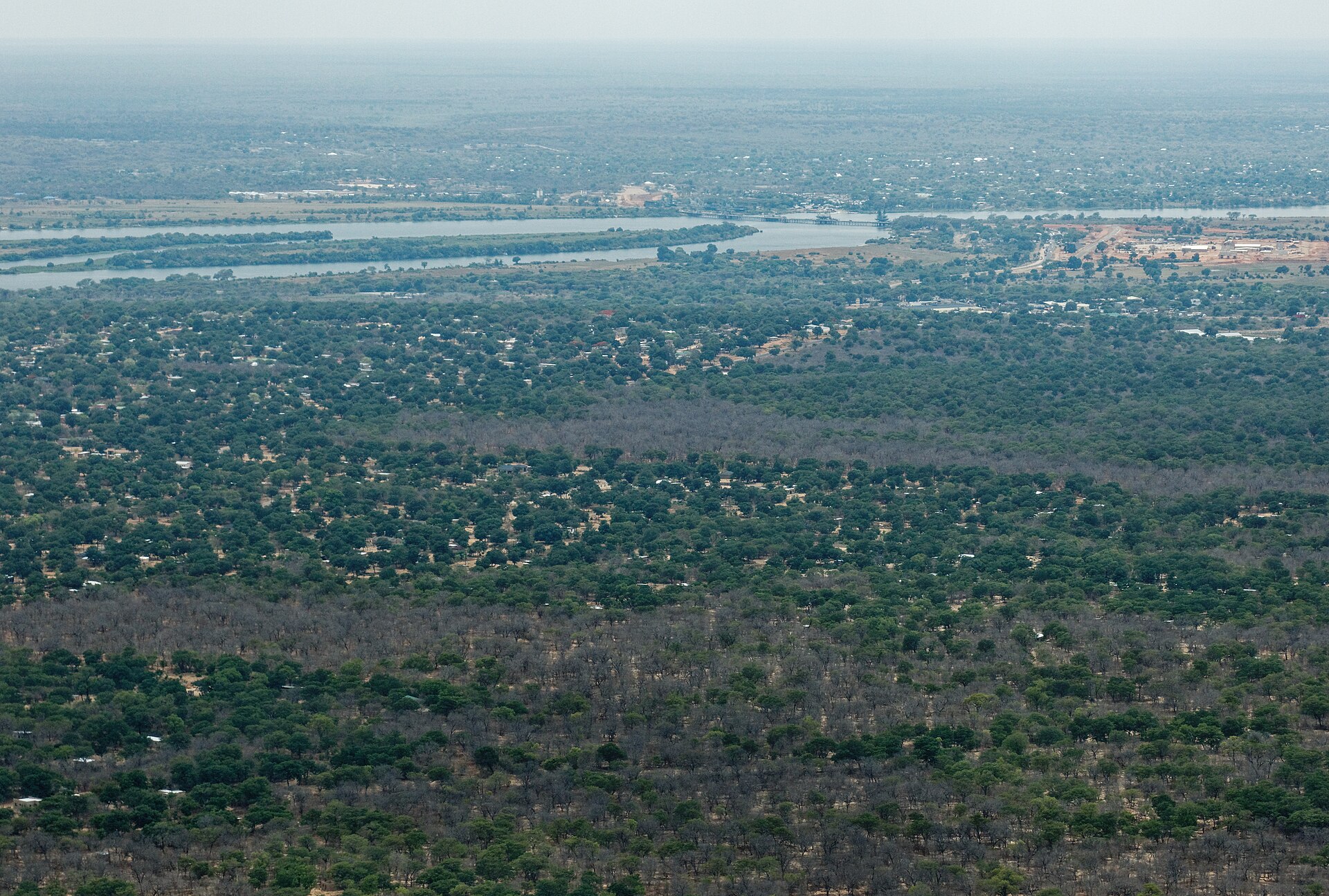
    Moving people and goods more easily featured prominently. President Ramaphosa stressed the two countries’ commitment to seamless, secure and well-coordinated border movement, while President Mnangagwa highlighted the construction of the Third Limpopo Bridge and the operationalisation of a One Stop Border Post as vital priorities.

    President Mnangagwa, who described the session as highly productive, said the two economies rise together. “When South Africa thrives, Zimbabwe thrives too, and vice versa,” he said, pointing to cross-border manufacturing value chains, infrastructure development, agriculture and mineral beneficiation as High Impact Priority Projects ready for implementation. Zimbabwe, he added, is committed to removing tariff and non-tariff barriers to trade and improving conditions for South African businesses operating there.

    From ink to impact

    Both leaders were emphatic that the real measure of the summit will be delivery. Ministers and senior officials will follow up on the priority projects identified, with a Decision Management System used to monitor implementation ahead of the Fifth Session of the commission.

    “Our common history and geography are the foundations of our shared future. The realisation of that shared future depends on effective and sustained collaboration,” President Ramaphosa said. “Let us turn our decisions into actions. Let us turn our people’s expectations into reality.”

    Beyond economics, the two countries will deepen cultural and people-to-people ties, including South Africa’s participation in the Museum of African Liberation in Zimbabwe, a platform celebrating the continent’s journey to freedom. President Mnangagwa summed up the mood of the summit in one line: “I am confident that the win-win outcomes of this BNC will contribute significantly to our shared developmental agenda.”

    Proceedings were reported by SAnews.

    Photo: commons.wikimedia.org
  • Gateways, Not Bottlenecks: Ramaphosa Champions One-Stop Borders to Unlock Southern African Trade

    Gateways, Not Bottlenecks: Ramaphosa Champions One-Stop Borders to Unlock Southern African Trade

    South Africa is using its year at the helm of the Southern African Development Community (SADC) to tackle one of the region’s oldest headaches: slow borders. And the vision is bold, crossings that work as gateways for trade and travel rather than bottlenecks.

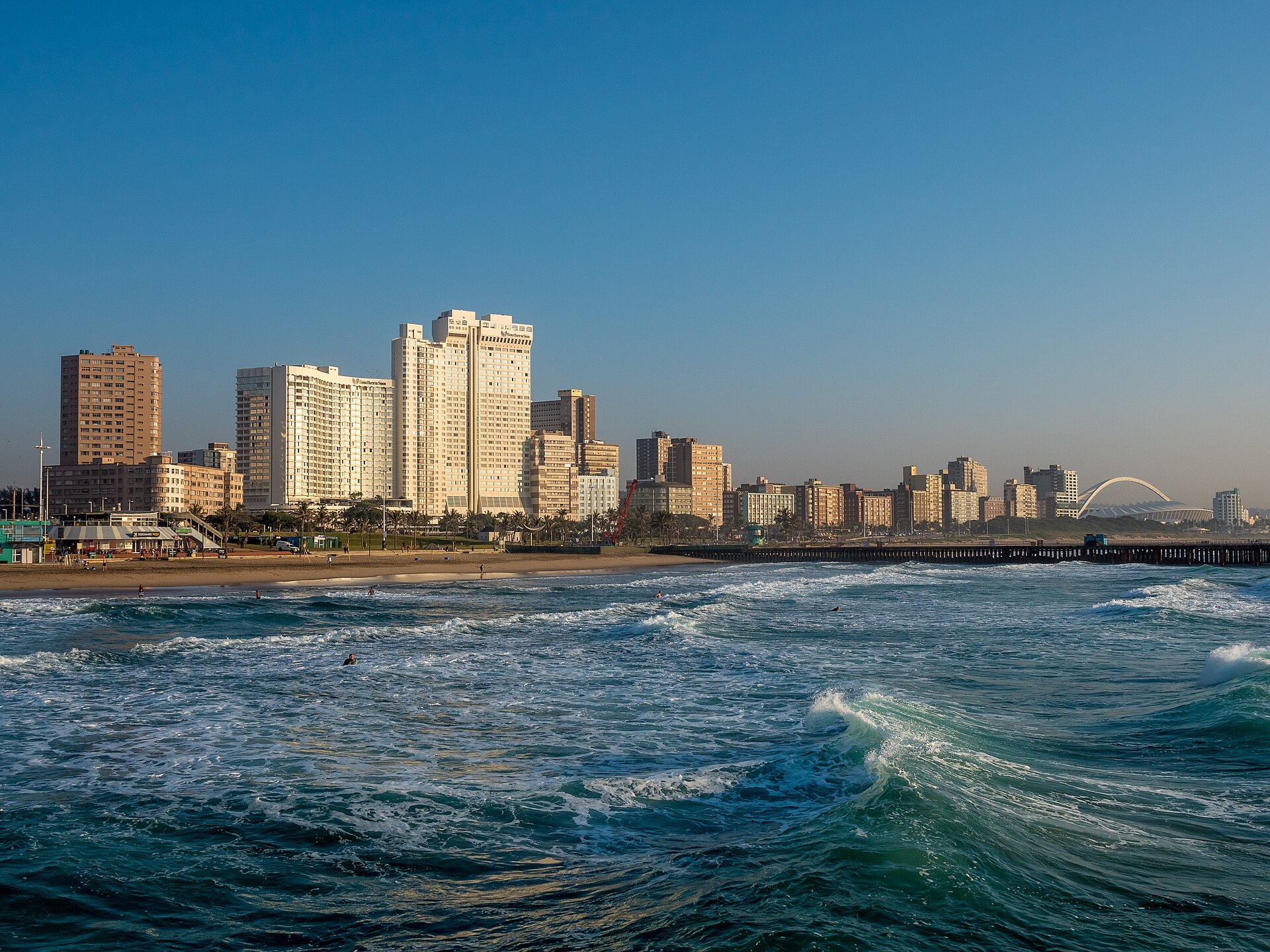
    Closing the 46th Ordinary SADC Summit in eThekwini on Monday evening, President Cyril Ramaphosa called for the accelerated establishment of One-Stop Border Posts (OSBPs) and the modernisation of the systems that govern the movement of goods and people across Southern Africa.

    “We must accelerate the establishment of the identified One-Stop Border Posts. A truck carrying goods across Southern Africa should not spend days waiting at a border,” the President said, linking efficient borders directly to regional industrialisation, infrastructure development and lower costs of trade.

    From Two Stops to One

    One-Stop Border Posts do away with the duplication that slows crossings today, where travellers and trucks must clear two separate facilities run by neighbouring countries. Under SADC’s Regional Infrastructure Development Master Plan, traditional two-stop borders are being transformed into single, seamless crossings.

    South Africa’s Cross-Border Road Transport Agency (C-BRTA) has identified a series of OSBPs and regional border initiatives, including Chirundu, Kazungula, Kasumbalesa, Lebombo and Mamuno, as part of the drive to improve corridor efficiency across the region.

    The President stressed that smoother movement and security go hand in hand: “Our borders must facilitate legitimate trade and movement while maintaining effective security and customs controls.”

    The Digital Border Is Already Here

    The transformation is as much digital as physical. The C-BRTA’s Cross-Easy platform already lets cross-border operators apply for permits online, track applications, make payments and receive notifications digitally. A new Operator Compliance Accreditation System aims to cut transit delays further through risk-based compliance.

    At regional level, the Corridor Trip Monitoring System, developed under the Tripartite Transport and Transit Facilitation Programme, is designed to integrate transport, immigration and customs systems, support electronic documentation and cargo tracking, and shrink travel and transit times across whole corridors.

    SADC has described digital transformation as a critical enabler of its Vision 2050, and South Africa is leading by example at home, with its electronic visa system and the newly launched Electronic Travel Authorisation modernising how visitors arrive.

    A More Connected Region

    Well-managed movement of people is part of the same story. SADC’s Labour Migration Action Plan seeks to strengthen governance, protect workers and boost the contribution of safe, regular migration to development across the region.

    For South Africa’s SADC Chairship, the message from Durban is clear and optimistic: build the borders of the future, connect the region’s economies, and let Southern Africa’s goods, ideas and people move.

    Source: SAnews.

    Photo: commons.wikimedia.org

  • Home-Soil Honours: Two South African Journalists Shine at the 2026 SADC Media Awards

    Home-Soil Honours: Two South African Journalists Shine at the 2026 SADC Media Awards

    South African journalism has taken a bow on the regional stage, with two local media professionals honoured for excellence at the 2026 Southern African Development Community (SADC) Media Awards in Durban on Monday.

    The awards, presented on the sidelines of the 46th Ordinary Summit of SADC Heads of State and Government, celebrate outstanding journalism that deepens understanding of regional integration, development and cooperation among SADC member states, with prizes in four categories: photo, print, television and radio journalism.

    A picture worth a thousand words

    Siyabulela Duda, a photojournalist at the Government Communication and Information System (GCIS), clinched second prize in the photo category, earning US$1,000 for a striking image captioned: “Former Deputy President of South Africa, Phumzile Mlambo-Ngcuka, congratulates newly inaugurated Namibian President Netumbo Nandi-Ndaitwah at State House in Windhoek, Namibia”.

    Published under the headline “Women’s Hour”, the entry celebrated the SADC region’s progress in placing women in the highest levels of decision-making, including the presidency itself.

    Radio waves of recognition

    Radio reporter Seakga Relebogile Tladi of Sputnik Radio Africa was awarded second prize in the radio category, also worth US$1,000, for an entry featuring voices from across the region, including officials from Lesotho, Namibia and Zimbabwe, that explored regional solidarity among SADC member states.

    Pride of a nation’s newsrooms

    Government congratulated the pair warmly, describing their recognition as a reflection of the vital role the media plays in strengthening regional understanding and cooperation.

    “Government extends its warmest congratulations to Messrs Duda and Tladi for this important achievement and for demonstrating the professionalism, creativity and commitment that characterise the best of South African journalism,” the GCIS said in a statement.

    “Through compelling visual storytelling, radio journalism and other forms of reporting, journalists help connect citizens across the region and bring the work of SADC closer to communities.”

    The GCIS also commended all South African journalists who report on regional and continental developments with integrity, professionalism and dedication, saying a vibrant, ethical and professional media is essential to informed public discourse, a strong democracy and people-to-people solidarity across Southern Africa.

    With the region’s leaders gathered in Durban and South African storytellers being honoured on home soil, it was a proud week for Mzansi’s newsrooms. Government wished both winners continued success in their careers, and so do we.

    The story was first reported by SAnews.gov.za.

    Photo: commons.wikimedia.org

  • Mzansi at the Helm: South Africa Takes the SADC Chair With a Pledge of Deeper Regional Integration

    Mzansi at the Helm: South Africa Takes the SADC Chair With a Pledge of Deeper Regional Integration

    South Africa has stepped into the leadership of Southern Africa. President Cyril Ramaphosa accepted the chairpersonship of the Southern African Development Community (SADC) from Zimbabwean President Emmerson Mnangagwa at the 46th Summit of SADC Heads of State and Government in eThekwini on Monday, pledging to use the country’s tenure to deepen regional economic integration and drive resilient, sustainable and inclusive industrialisation.

    The handover marked the beginning of South Africa’s leadership of the 16-member regional bloc, a role President Ramaphosa said the country assumed “with great humility and a deep sense of responsibility”.

    A leadership rooted in gratitude

    The President reminded the summit that South Africa’s place in SADC is anchored in the region’s support for the country’s own journey to democracy.

    “As a nation, we owe a debt of gratitude to the members of SADC and its predecessor, the Southern African Development Co-ordination Conference, for their contribution to the achievement of democracy in our country. Our participation in SADC is founded on this history,” he said.

    That history, he added, sustains “an abiding conviction that progress in our region will be secured only through unity, cooperation and solidarity”.

    Trade, investment and shared growth

    Setting out South Africa’s priorities, President Ramaphosa pledged to work closely with all member states on the basis of sovereign equality, mutual respect and consensus building, while taking forward the bloc’s Vision 2050 and the SADC Regional Indicative Strategic Development Plan.

    “We will seek greater integration of our economies, building ties of trade and investment that drive resilient, sustainable and inclusive industrialisation,” he said.

    The commitment comes as SADC works to unlock the potential of a regional market of more than 400 million people by strengthening trade and investment links, industrial capacity and cross-border cooperation. South Africa also committed to promoting peace, security and stability, which the President described as essential conditions for the wellbeing and development of the region’s people.

    Carrying a legacy forward

    President Ramaphosa thanked outgoing chairperson President Mnangagwa for his leadership, and the SADC Secretariat under Executive Secretary Elias Magosi for supporting the community’s work. He said South Africa would ensure continuity while advancing the region’s long-term development priorities, guided by the same spirit of solidarity that brought Southern Africa together during the liberation struggle.

    “As the Government and the people of South Africa, we are determined that through our Chairship and through our continued participation in SADC, we will be worthy of the struggles that were fought by the members of this Community for the achievement of our freedom,” he said.

    For the year ahead, the regional spotlight shines on South Africa, and Mzansi is ready to lead.

    The story was first reported by SAnews.gov.za.

    Photo: commons.wikimedia.org

  • Durban Takes Centre Stage: Ramaphosa Sets Out Bold Vision for Southern Africa’s Own Industrial Revolution

    Durban Takes Centre Stage: Ramaphosa Sets Out Bold Vision for Southern Africa’s Own Industrial Revolution

    South Africa is once again at the heart of continental affairs, with Durban hosting the 46th Summit of the Southern African Development Community (SADC) and President Cyril Ramaphosa delivering a rousing public lecture setting out a vision of a self-reliant, industrialised Southern Africa.

    Speaking at the University of KwaZulu-Natal’s Westville Campus on Friday, on the eve of the summit, the President said the region already has everything it needs to prosper, as reported by SAnews.

    “We have the means”

    The lecture was held under the theme “Translating SADC Vision 2050 into Action: Pathways Towards Solidarity, Equality and Shared Prosperity”, and the President’s message was one of confidence in the region’s potential.

    “Together, we have the mineral resources we need. We have the technology and know-how to turn these resources into the manufactured goods that our people use. We have the financial institutions, the funding instruments and the markets to finance our industries and to build the infrastructure we need.”

    With trade among SADC states standing at just under a quarter of the region’s combined total trade, President Ramaphosa said the opportunity for growth is enormous. “We need to use our own resources to drive our own industrial revolution,” he told the audience.

    From potential to production

    The President laid out practical steps to unlock the region’s economic power, including:

    • Removing non-tariff barriers, harmonising standards and speeding up border processes so goods move easily across the region;
    • Investing in refining and smelting capacity so Southern Africa processes its own critical minerals;
    • Building regional transport corridors such as the Maputo, North-South, Trans-Kalahari, Beira and Lobito corridors, which “must carry power, data and people”;
    • Expanding electricity trading through the Southern African Power Pool, alongside renewable energy, green hydrogen and battery storage;
    • Growing pharmaceutical manufacturing, supported by a new SADC pooled procurement mechanism for medicines.

    He identified pharmaceuticals, automotive manufacturing, agro-processing, paper and pulp, furniture and semiconductor value chains as industries with real potential to drive regional industrialisation, with small and medium-sized enterprises creating opportunities for women and young people.

    A proud host

    The summit itself is being held under the theme of resilient, sustainable and inclusive industrialisation through infrastructure development, agricultural and critical minerals transformation.

    For Durban and for South Africa, hosting the leaders of 16 member states is another moment in the spotlight, and another chance to show the warmth and capability that make Mzansi a natural home for Africa’s big conversations.

    Photo: commons.wikimedia.org

  • UN-Habitat Opens a South African Home Base to Supercharge the Housing Drive

    UN-Habitat Opens a South African Home Base to Supercharge the Housing Drive

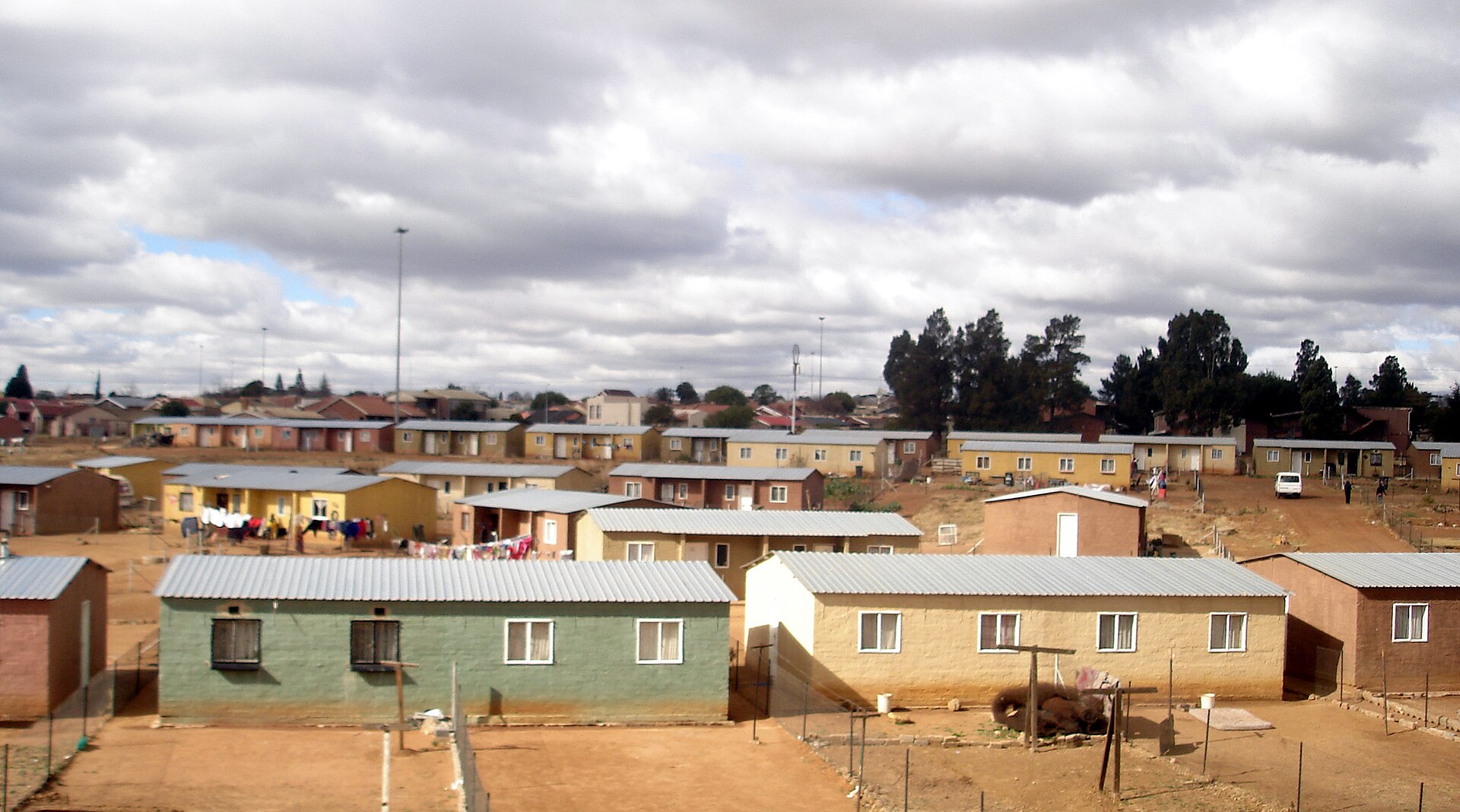
    South Africa’s drive to build sustainable, inclusive and resilient human settlements has received a major boost, with the United Nations’ urban development agency opening a dedicated country office on home soil.

    Human Settlements Minister Thembi Simelane and UN-Habitat Executive Director Anacláudia Rossbach officially launched the new UN-Habitat Country Office in the City of Tshwane, Gauteng, on Friday, 14 August 2026. Simelane described the moment as a new chapter in a partnership between South Africa and the UN agency that stretches back several years.

    A stronger platform for better housing

    Simelane said the country office was a significant step towards transforming human settlements, upgrading informal settlements and advancing sustainable urbanisation. The office will help integrate South Africa’s settlements work into the broader United Nations Sustainable Development Cooperation Framework, while providing extra support for national priorities.

    Through its collaboration with UN-Habitat, South Africa has already gained international recognition for its work to provide adequate housing and upgrade informal settlements.

    “With the unwavering support of UN-Habitat, our country stands as a vocal champion for the transformation and upgrading of informal settlements, addressing poverty, ensuring adequate shelter, and delivering essential services to our people,” Simelane said.

    Established in 1975, UN-Habitat supports change in cities and human settlements worldwide through knowledge sharing, policy advice, technical assistance and joint action.

    Built on a clear national plan

    The UN-Habitat Country Programme for South Africa was adopted in September 2023 after extensive consultation with the human settlements sector. It is aligned with the National Development Plan, particularly Chapter 8 on transforming human settlements and Chapter 12 on building safer communities, and it supports the Medium-Term Development Plan 2024-2029, especially the priority focused on reducing poverty and tackling the high cost of living.

    Simelane said the programme adds fresh impetus and guidance for spatial integration, the development of inclusive and resilient settlements, and capacity-building within local government. It also backs the Comprehensive Plan for the Creation of Sustainable Human Settlements, which aims to provide decent shelter for all by upgrading informal settlements and improving substandard housing.

    A springboard for the region

    The Minister said the partnership could strengthen the continent’s urban development agenda and contribute to Agenda 2063 – The Africa We Want.

    “It serves as a springboard for establishing a Southern African Development Community consolidated agenda on human settlements, thereby filling a critical gap in current regional development programmes,” she said.

    The launch builds on years of cooperation. In October 2022, South Africa hosted then UN-Habitat Executive Director Maimunah Mohd Sharif, a visit that led to the adoption of the Global Action Plan on Accelerating the Transformation of Informal Settlements and Slums, and the signing of a memorandum of understanding on the Sustainable Development Goals and the New Urban Agenda.

    With the new office now open, government, UN agencies and development partners have a stronger, shared platform to turn plans for dignified homes into bricks, taps and streetlights for South African families.

    Photo: commons.wikimedia.org

  • World-Class Science, Made in Mzansi: UCT’s Professor Liesl Zühlke Wins Top L’Oréal-UNESCO Women in Science Award

    World-Class Science, Made in Mzansi: UCT’s Professor Liesl Zühlke Wins Top L’Oréal-UNESCO Women in Science Award

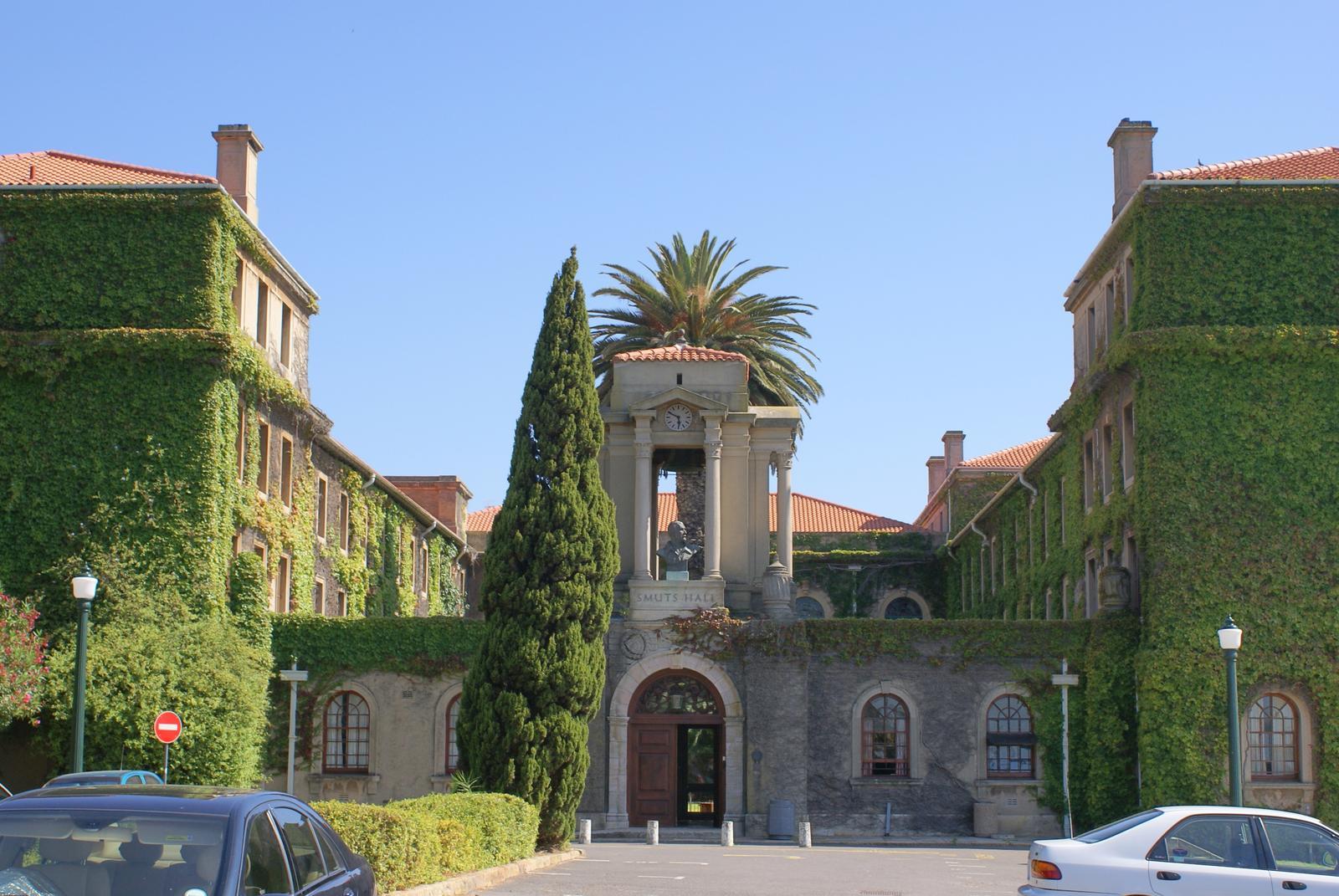
    As South Africa celebrates Women’s Month, the country has a world-class example of what its women scientists can achieve. Professor Liesl Zühlke, a paediatric cardiologist and researcher at the University of Cape Town, has been named the 2026 laureate for Africa and the Arab States in the prestigious L’Oréal-UNESCO For Women in Science International Awards, one of the highest honours in global science.

    Zühlke was officially honoured at UNESCO Headquarters in Paris on 11 June 2026, placing a South African researcher at the very top table of international science and shining a spotlight on the calibre of women scientists emerging from this country.

    Science That Saves Children’s Hearts

    Zühlke’s award-winning work focuses on cardiovascular diseases in children, including rheumatic heart disease, a preventable condition that continues to disproportionately affect vulnerable communities. Her research is a powerful example of scientific excellence translated into practical interventions that improve healthcare and save young lives.

    Her research reach extends well beyond rheumatic and congenital heart disease, taking in HIV among adolescents and cardiac disease in women of childbearing age, fields where her findings directly shape better care for South Africans.

    She carries an extraordinary portfolio of roles: Vice-President of the South African Medical Research Council’s Extramural Research and Internal Portfolio, Director of the Children’s Heart Disease Research Unit at the University of Cape Town, and practising paediatric cardiologist at the beloved Red Cross War Memorial Children’s Hospital. Her achievements have earned her numerous accolades, including the 2023 South African Women in Science Award and recognition as one of the world’s leading scholars in rheumatic heart disease research.

    Part of a Bigger South African Story

    Zühlke’s journey is one chapter in a much broader story. Across the country’s laboratories, universities, hospitals, research institutions and technology companies, South African women are making significant contributions to scientific discovery and innovation, in fields ranging from medical research and engineering to information technology, environmental science, astronomy and biotechnology.

    That growing visibility matters enormously for the next generation. Recognition at the highest levels of world science gives young South African girls living proof that careers in science, technology, engineering and mathematics are not only possible, but can change society for the better.

    Investing in Talent That Reflects the Nation

    For South Africa, championing women in science is about more than celebrating individual triumphs. It is about opening the doors of research, innovation and decision-making to everyone, and making sure the country’s scientific talent reflects the full diversity of its people.

    As Women’s Month invites the nation to reflect on the road to gender equality, achievements like Zühlke’s show just how far South African women have come in STEM, and how much further they can take the country. When women are given the opportunity, resources and support to pursue scientific careers, they help solve some of society’s most pressing challenges and build a stronger, healthier and more innovative South Africa, according to the report by SAnews.

    Photo: commons.wikimedia.org
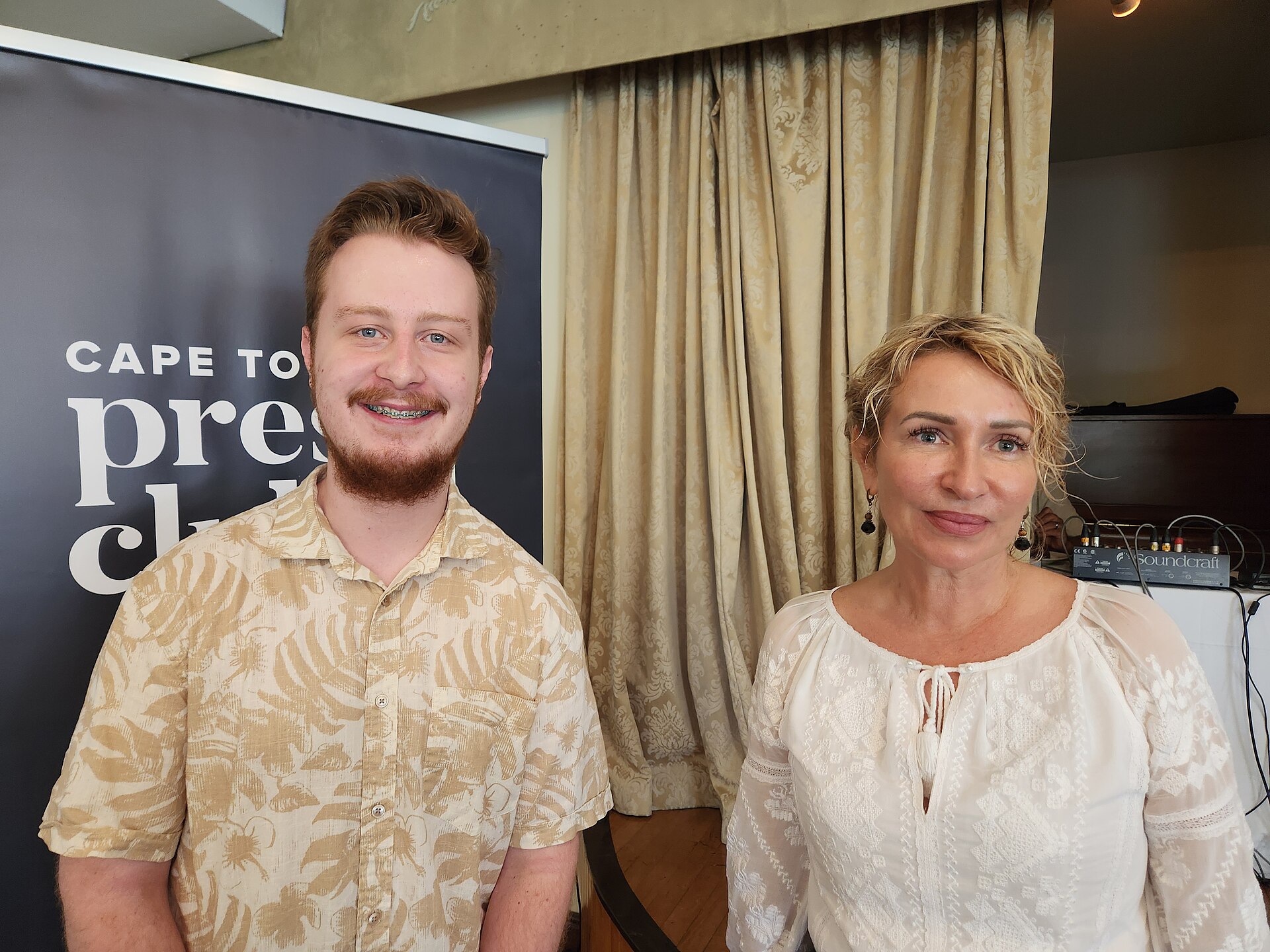
  • From Mbombela to Stockholm: South Africa Rallies Behind Teen Water Innovator Sinenhlanhla Nkosi

    From Mbombela to Stockholm: South Africa Rallies Behind Teen Water Innovator Sinenhlanhla Nkosi

    A 17-year-old learner from Mbombela is about to carry South Africa’s flag onto one of the world’s most respected science stages. The Department of Water and Sanitation has called on South Africans to rally behind Sinenhlanhla Sikhulile Nkosi as he prepares to represent the country at the prestigious Stockholm Junior Water Prize in Sweden later this month.

    Sinenhlanhla, a Grade 11 learner at Sitintile Secondary School in Mbombela, Mpumalanga, made history as the first learner from his province to win the department’s flagship 2026 South African Youth Water Prize, the annual competition that challenges learners in Grades 9 to 11 to develop innovative, science-based solutions to real water problems in their schools and communities.

    The Sentinel Barrier: a clever fix for an invisible problem

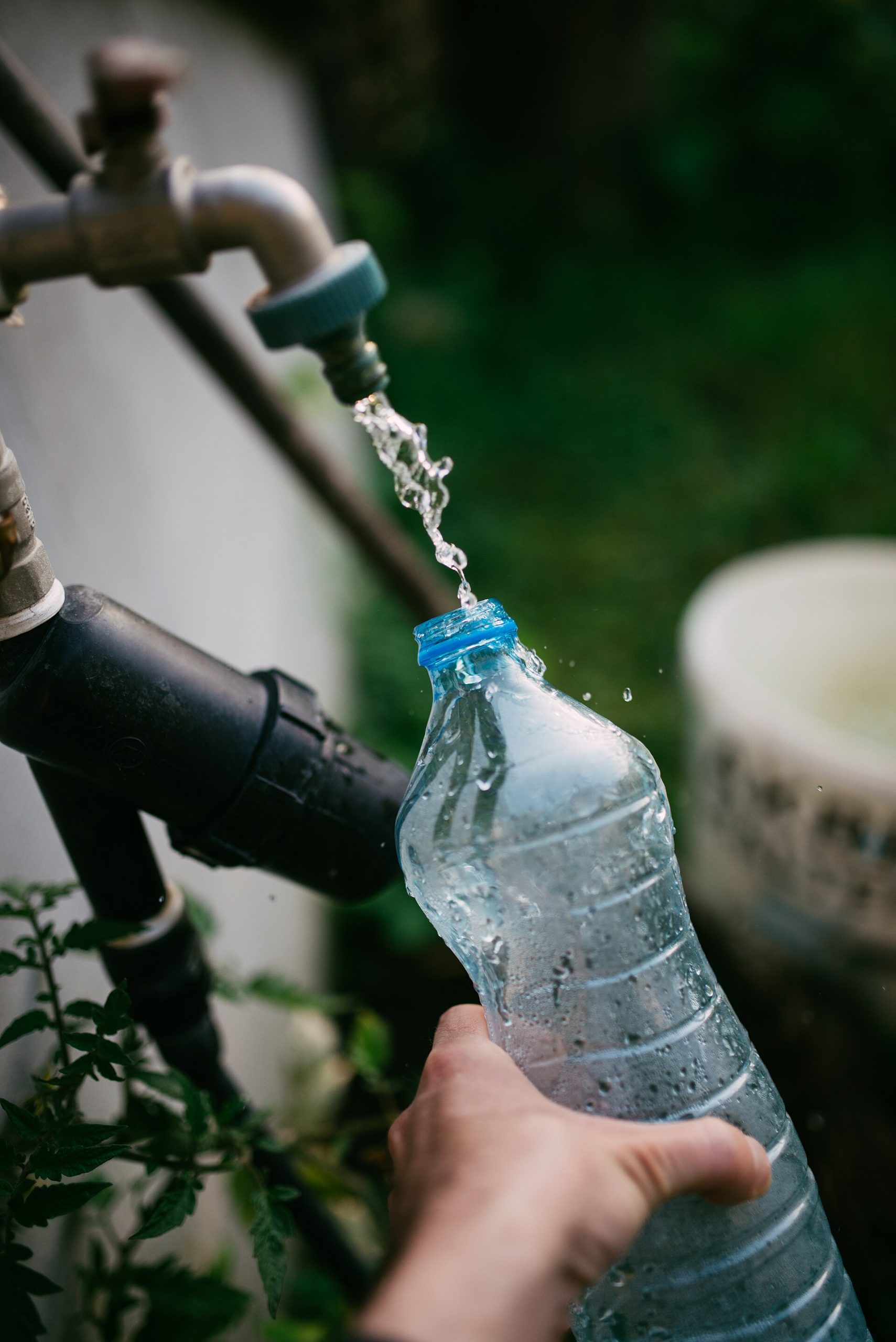
    Sinenhlanhla secured the national title with a project called The Sentinel Barrier — an innovative silicone-based elastomeric coating applied to the inside of PET plastic bottles. The invention helps prevent microplastics and harmful chemicals from leaching into drinking water, offering a practical answer to one of the world’s fastest-growing environmental and public health concerns.

    In Stockholm he will compete alongside some of the world’s most promising young scientists, with entrants from more than 30 countries sharing their passion for water and environmental innovation. The Stockholm Junior Water Prize is widely regarded as the world’s leading water-focused competition for school-age researchers, and simply reaching it places a learner among the very best young scientific minds of their generation.

    His route there was anything but easy. The South African Youth Water Prize is the Department of Water and Sanitation’s flagship schools programme, drawing entries from across the country each year, and Sinenhlanhla had to beat the best of every other province to claim the 2026 national title — something no Mpumalanga learner had ever done before.

    How South Africans can help

    Beyond the main competition, Sinenhlanhla also has a shot at the Stockholm Junior Water Prize People’s Choice Award, which is decided by online public vote.

    “Every vote is a vote of confidence in a young South African whose innovation and determination have taken him from a classroom in Mpumalanga to one of the world’s most respected science platforms,” the Department of Water and Sanitation said.

    Voting is simple and open until 15 August 2026:

    1. Visit the Stockholm Junior Water Prize People’s Choice Award page.
    2. Select Sinenhlanhla Sikhulile Nkosi’s project, “Barrier coatings for reducing microplastic release and chemical leaching in plastic containers”.
    3. Submit your vote.

    The South African Youth Water Prize has over the years nurtured some of the country’s brightest young minds, providing a launch pad for future scientists, engineers and environmental leaders. Win or lose in Sweden, Sinenhlanhla has already shown what South African classrooms can produce — and for the next week, every South African with an internet connection can stand behind him.

    Facts and quotes sourced from SAnews.gov.za, the South African government news agency.

    Photo: commons.wikimedia.org

  • World’s Best: South African Lodges and Hotels Take Top Honours in the Travel + Leisure 2026 Awards

    World’s Best: South African Lodges and Hotels Take Top Honours in the Travel + Leisure 2026 Awards

    South African hospitality has once again claimed its place at the very top of world travel. In the Travel + Leisure 2026 World’s Best Awards — based on survey responses from more than 207 000 international readers — South Africa’s family-owned MORE Collection achieved a remarkable double win, taking first place in both the African safari lodge and African city hotel categories.

    Lion Sands: Africa’s No. 1 safari lodge, and fourth-best hotel on Earth

    Lion Sands Game Reserve, set along the Sabie River on the border of the Kruger National Park, was named the No. 1 Safari Lodge in Africa — and ranked an extraordinary No. 4 among the World’s Best Hotels overall. Travellers singled out the property for its riverfront wildlife viewing and its signature open-air treehouse accommodation, where guests sleep under the stars surrounded by the sounds of the bush.

    For a South African lodge to sit fourth on a global list of the world’s best hotels — ahead of celebrated properties across every continent — is a striking endorsement of the country’s safari product, its guides and the people who make the guest experience what it is.

    Cape Cadogan: Cape Town’s heritage jewel crowned Africa’s best city hotel

    In Cape Town, the Cape Cadogan Boutique Hotel took top honours as the No. 1 City Hotel in Africa and ranked No. 35 globally. Housed in a restored 19th-century national monument on Kloof Street, the hotel stood out for its heritage design and the local culinary offering at its Upper Union restaurant.

    The global context underlines the scale of the achievement: Patina Osaka in Japan was named the No. 1 Hotel in the World, while San Miguel de Allende in Mexico took the title of the World’s Best City. South Africa’s winners stood shoulder to shoulder with the finest names in world travel — and in the safari category, nobody on the continent stood higher.

    Why it matters

    Tourism is one of South Africa’s most powerful job creators, and international recognition of this calibre feeds directly into bookings, employment and small-business supply chains from Skukuza to the City Bowl. Every guest drawn to a world-ranked lodge supports trackers, chefs, housekeepers, farmers and craft suppliers in the surrounding communities, which is why awards like these ripple far beyond the properties that win them.

    It is also worth noting who won: not a global chain, but a family-owned South African collection competing against the biggest hospitality brands on the planet. Awards voted by real travellers — not judging panels — are among the most trusted signals in the industry, and this year more than 207 000 of them said the same thing: when it comes to safari and city hospitality in Africa, South Africa leads.

    Facts sourced from Channel Africa (SABC), reporting on the Travel + Leisure 2026 World’s Best Awards.

    Photo: commons.wikimedia.org
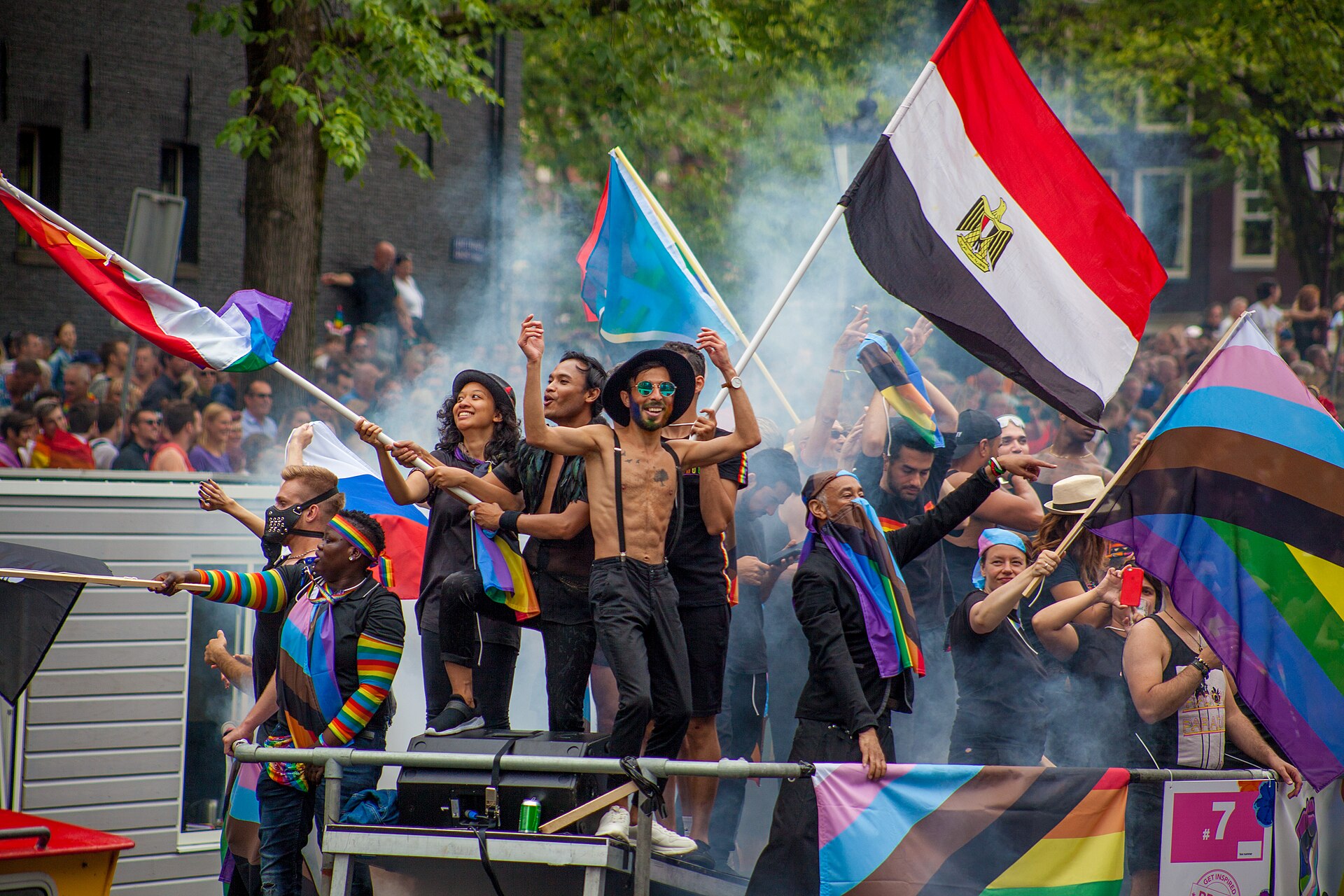
  • South Africa Shines on the World Stage: Deputy Minister Steve Letsike Wins Emerging Leader Award at WorldPride Amsterdam

    South Africa Shines on the World Stage: Deputy Minister Steve Letsike Wins Emerging Leader Award at WorldPride Amsterdam

    South African leadership in human rights has been recognised on one of the world’s biggest stages. Deputy Minister in the Presidency for Women, Youth and Persons with Disabilities, Mmapaseka Steve Letsike, has been honoured with the Emerging Leader Award at the International Pride Awards during WorldPride Amsterdam 2026.

    The award, announced on Wednesday, 5 August 2026, recognises individuals who are “reimagining LGBTIQ+ liberation for a new generation”, according to SAnews.

    Global recognition for a lifetime of service

    The International Pride Awards are a joint initiative of the United Nations Development Programme (UNDP) and ILGA World, celebrating courageous individuals working across the globe to advance equality, freedom and safe spaces for LGBTIQ+ people.

    The Department of Women, Youth and Persons with Disabilities congratulated Letsike, describing the recognition as particularly significant because it acknowledges a leadership journey rooted in decades of activism that now carries into the institutions of democratic governance.

    For decades, Letsike has been part of South Africa’s struggle for equality and social justice, advancing the rights of LGBTIQ+ persons while insisting that the fight for equality is inseparable from the broader struggle against poverty and exclusion.

    Standing on the shoulders of giants

    Accepting the award, Letsike said she received the recognition with profound humility, stressing that the struggle for human dignity has always been a collective effort.

    “I stand on the shoulders of generations of activists who fought when it was dangerous to be visible, dangerous to speak and, for many, dangerous simply to exist as themselves. But every generation must define what liberation demands of it,” she said.

    “Yet I remain hopeful because I see in this generation the courage, imagination and determination not only to defend the freedoms we have won, but to take the struggle for liberation further than we ever imagined possible.”

    A proudly South African milestone

    The department noted that the recognition holds particular significance for South Africa, whose Constitution was founded on the principle that no person should face discrimination based on race, sex, gender, sexual orientation or any other characteristic of identity. South Africa’s constitutional protection against discrimination on the grounds of sexual orientation became an important global milestone — a first that inspired similar protections around the world.

    The department said it views the award as a tribute to the collective work of South Africans who continue to turn constitutional promises into lived equality — and as proof that the country’s voice carries far beyond its borders.

    From Amsterdam’s canals to the Union Buildings, the message is clear: South African leadership continues to light the way.

    Photo: commons.wikimedia.org