Good News · All Nine Provinces

Independent · Local · Forward-looking

Mzansi News Online

Uniting SA Through Good News

Category: SA Leads

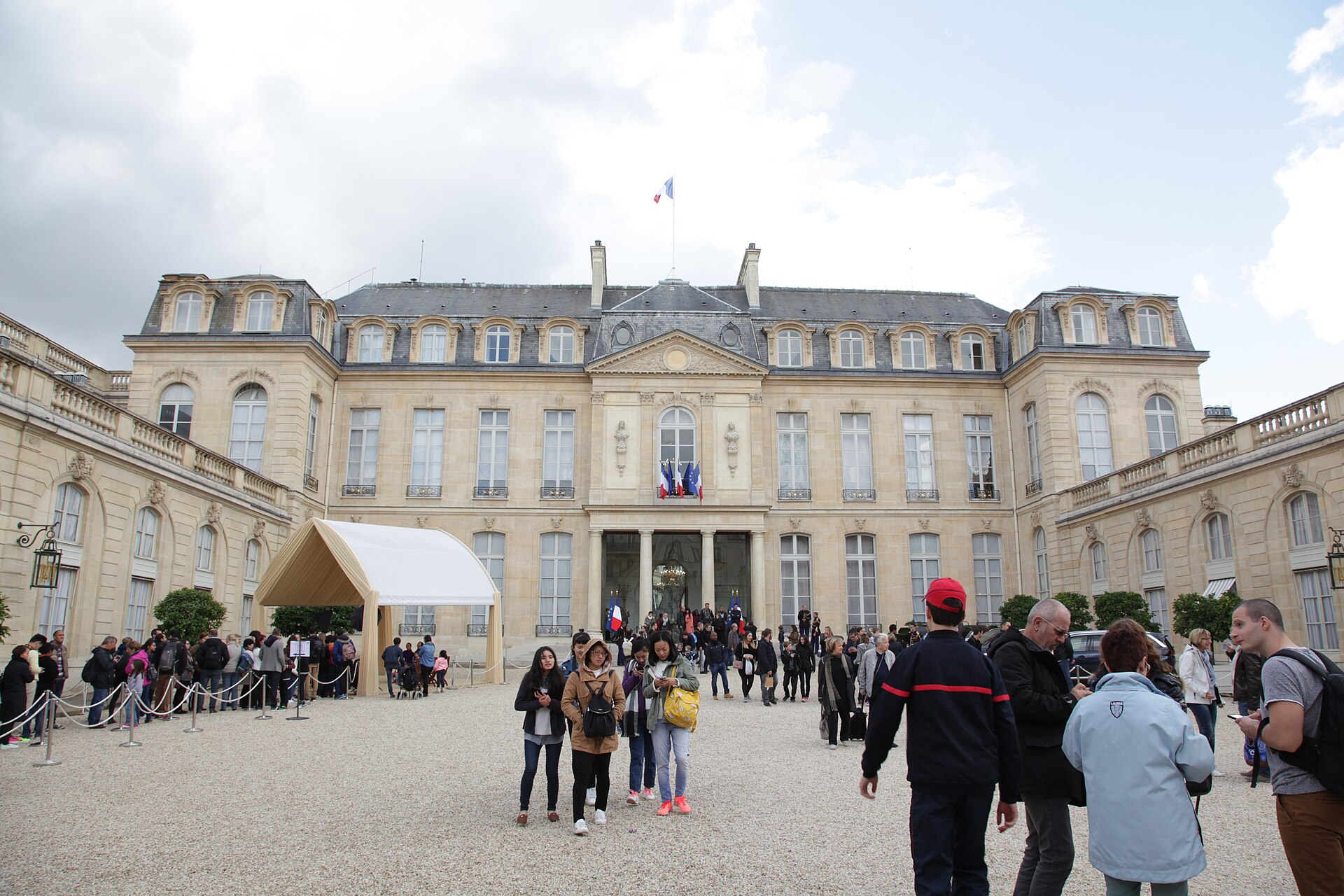
  • R20.7 Billion Vote of Confidence: South Africa and France Deepen Ties in Paris

    R20.7 Billion Vote of Confidence: South Africa and France Deepen Ties in Paris

    South Africa’s partnership with France is going from strength to strength, with President Cyril Ramaphosa announcing that thirty French companies have pledged approximately EUR 1.11 billion – about R20.7 billion – in investments across key sectors of the South African economy.

    President Ramaphosa, who is on an Official Visit to France from 10 to 12 July, met French President Emmanuel Macron in Paris on Friday, where the two leaders reviewed a relationship spanning trade and investment, energy, education, science and cultural exchange.

    “France is a key strategic partner for South Africa, and we enjoy longstanding bilateral cooperation spanning trade and investment, energy, defence, education, people-to-people exchange and other fields,” President Ramaphosa said.

    French investors back South Africa’s growth

    The investment pledges were made at the 6th South Africa Investment Conference held in Johannesburg in March, which saw a strong showing by French companies. President Ramaphosa said the commitments demonstrate the increasing confidence French businesses have in the South African economy and its future growth prospects.

    “As we embark on the largest mass infrastructure build in our country’s history, we look forward to participation by French firms in this as well as other sectors,” he said.

    Several new agreements are under negotiation between the two countries, including an Agreement on Transport Related Matters, an agreement on Cooperation in the Peaceful Uses of Nuclear Energy, and a Draft Declaration of Intent on Mobility.

    Science ties reach for the stars

    Cooperation in science, technology and innovation is flourishing. President Ramaphosa congratulated France on becoming a full member of the Square Kilometre Array Observatory (SKAO) – the radio-telescope project co-hosted in South Africa’s Karoo – making France the 14th Member State of the intergovernmental organisation.

    A recent Joint Committee Meeting on science, technology and innovation identified artificial intelligence, oceans and marine sciences, and soil health and water as priority areas for joint work. “We welcome this ongoing cooperation in pursuit of innovation-led growth and environmental sustainability,” the President said.

    Culture, defence and a busy calendar ahead

    The two countries have agreed to convene the 13th Defence Strategic Dialogue, expected to take place in South Africa in October, to take stock of their Memorandum of Understanding on Defence Cooperation and explore new areas of collaboration.

    Cultural diplomacy is also on the rise, with both governments backing their creative industries as engines of growth, transformation, social cohesion and job creation. President Ramaphosa underlined South Africa’s commitment to multilateralism, saying it remains the most effective means of addressing shared global challenges.

    With investment flowing, science partnerships deepening and a full diplomatic calendar ahead, the Paris visit has set the stage for an even stronger chapter in South African-French relations, SAnews.gov.za reports.

    Photo: commons.wikimedia.org
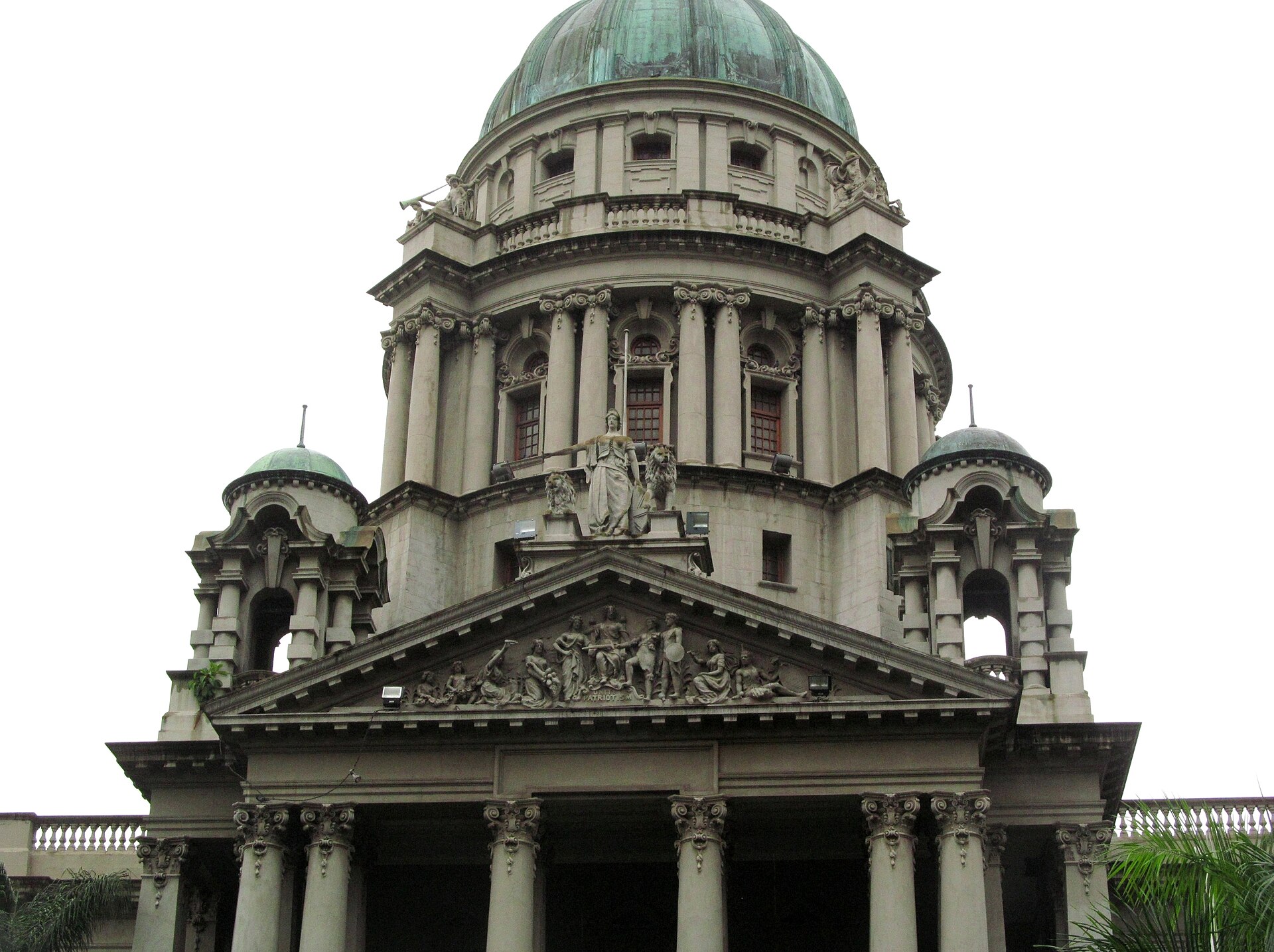
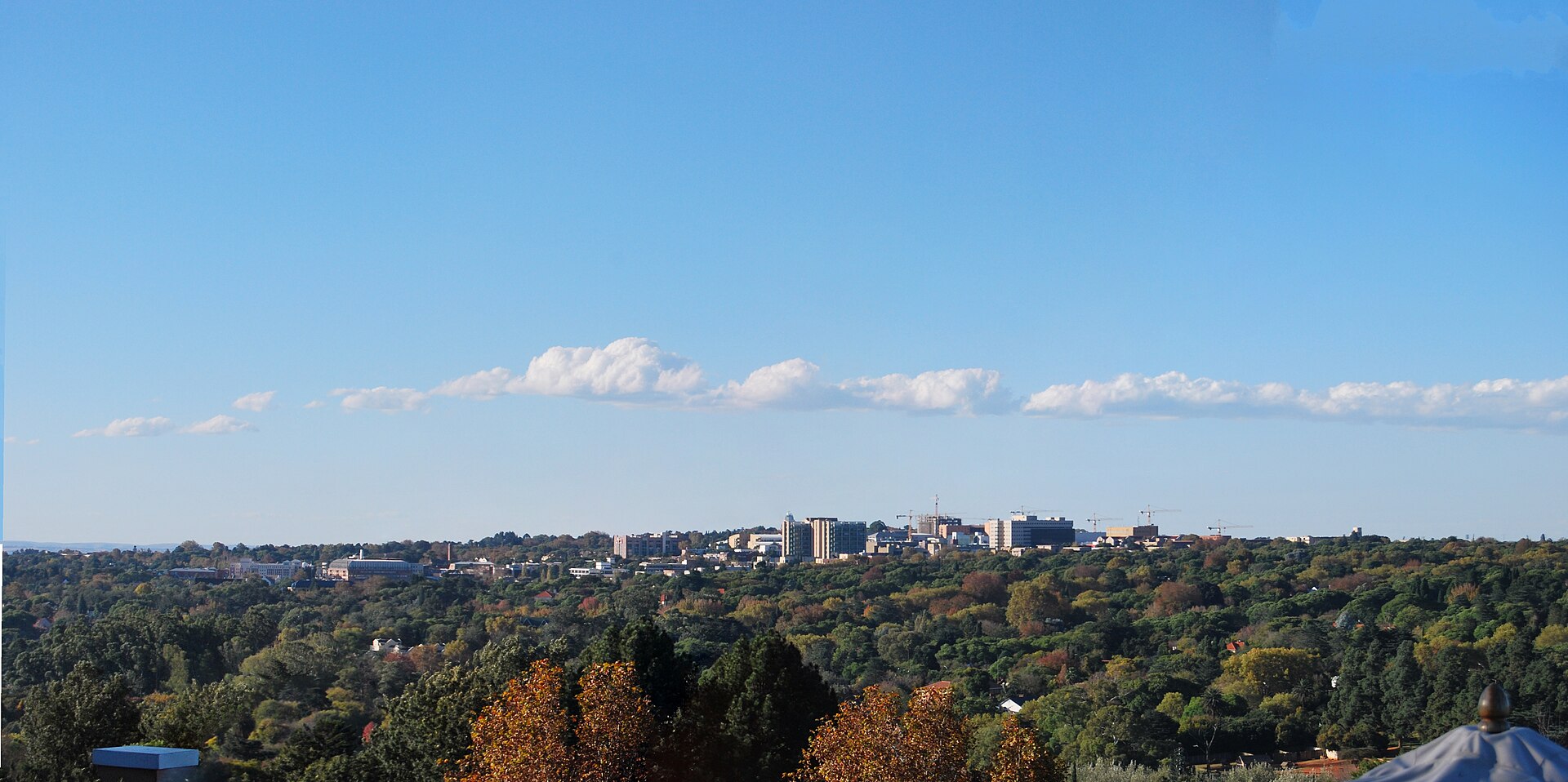
  • Durban to Welcome the World: reSURGEnce Conference Brings Global Investors in October

    Durban to Welcome the World: reSURGEnce Conference Brings Global Investors in October

    Durban is preparing to open its doors to the world once again. The city will host the reSURGEnce Durban Conference from 24 to 28 October 2026 at the Durban Exhibition Centre, welcoming delegates from the United States, the Caribbean and other parts of the African diaspora, SAnews reports.

    The international gathering, held under the theme “Decreasing Barriers by Increasing Access”, aims to strengthen investment, trade and economic collaboration between Africa and global partners. Investors, business leaders, entrepreneurs, government representatives and faith leaders will come together to explore opportunities for expanding investment, entrepreneurship and strategic partnerships between Africa and the global diaspora.

    A City Ready for Business

    The eThekwini Municipality says preparations are well advanced, with plans in place to ensure the successful hosting of the international event. International delegates have been encouraged to depart for South Africa from 21 October to allow sufficient time ahead of the conference programme.

    eThekwini City Manager Musa Mbhele and USA reSURGEnce Conference Convenor, Reverend Dennis Dillon, have reaffirmed Durban’s readiness to welcome delegates from across the world.

    “Durban is open for business and ready to welcome the world. As a leading investment and trade destination, our city offers world-class conferencing facilities, modern infrastructure and an enabling environment for business growth. We look forward to connecting global delegates with local opportunities while showcasing Durban’s investment potential,” Mbhele said.

    Mbhele added that comprehensive safety and security measures are in place to ensure delegates enjoy a safe and seamless experience throughout the conference.

    Showcasing Local Talent

    The programme promises far more than boardroom talks. According to the municipality, the week will include:

    • An exhibition showcasing locally manufactured products;
    • Business and investment discussions and business-to-business meetings;
    • Networking sessions and cultural exchanges;
    • Faith-based engagements designed to strengthen international collaboration.

    Collectively, these activities position Durban as a gateway for investment, collaboration and meaningful partnerships on the African continent.

    Momentum That Crosses the Atlantic

    The engagement will not end when the conference wraps up. The programme continues in the United States from 17 to 22 November, with follow-up events scheduled for New York and Newark that will build on the momentum of the Durban conference and advance the partnerships established here at home.

    For a city that has already earned its stripes hosting major international gatherings, the reSURGEnce Conference is another vote of confidence in Durban’s world-class conferencing facilities and its growing reputation as an investment destination. Registration details, travel packages and further event information are available at www.resurgenceconference.com.

    Photo: commons.wikimedia.org

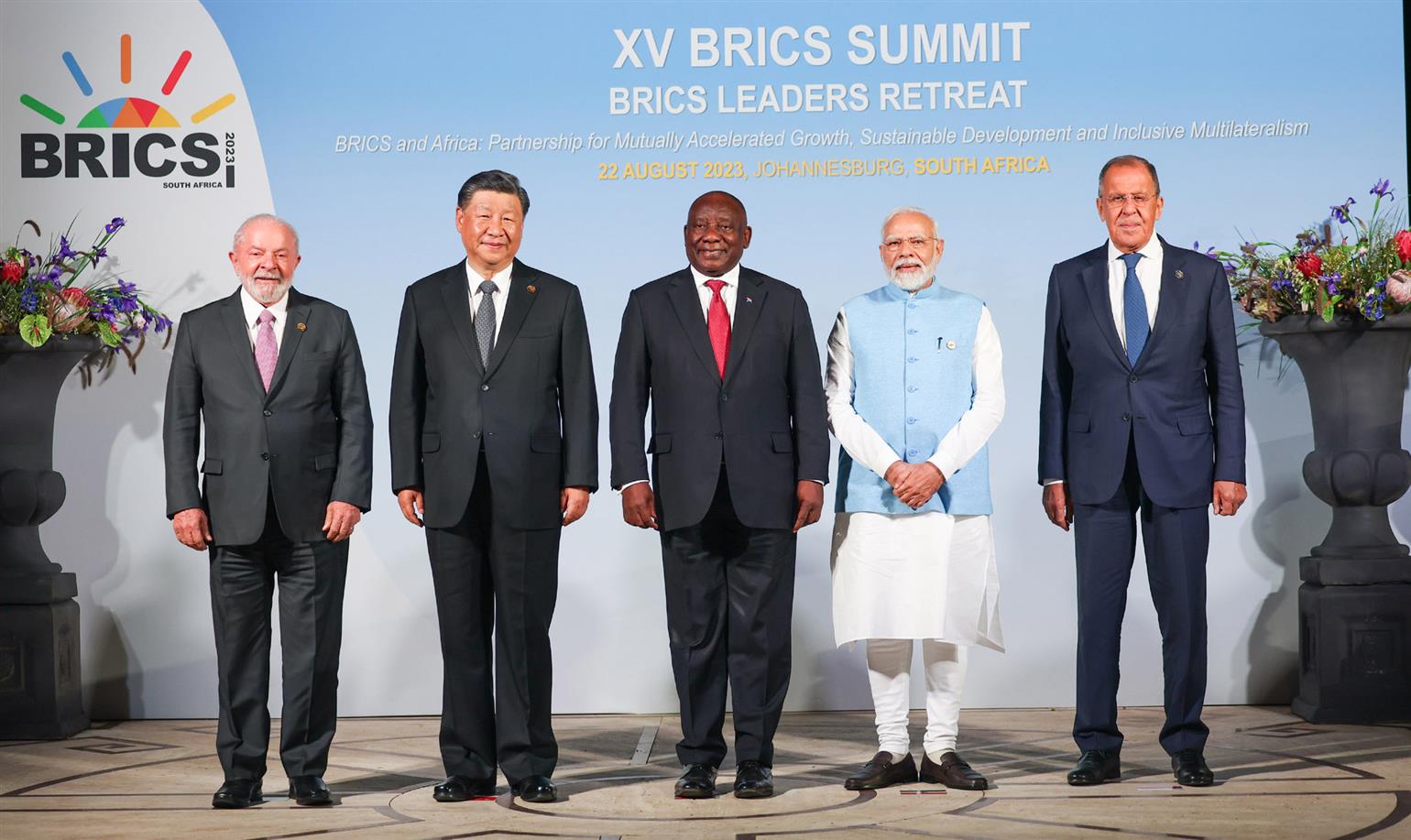
  • SA-Founded BRICS Women’s Forum Rallies Behind Women-Led Economic Growth

    SA-Founded BRICS Women’s Forum Rallies Behind Women-Led Economic Growth

    South Africa is once again leading the global conversation on women’s economic empowerment, with Minister in the Presidency for Women, Youth and Persons with Disabilities Sindisiwe Chikunga calling on BRICS nations to transform the bloc into a global force for women-led development.

    Addressing the BRICS Ministerial Meeting on Women’s Affairs this week, Chikunga argued that women’s empowerment must be treated as a core driver of economic growth, innovation and sustainable development — not a side issue.

    “Our shared task is to ensure that women’s empowerment is not treated as a narrow social policy issue, but as a central developmental imperative,” she said.

    A Forum Born in South Africa

    There is a proudly South African story behind the platform itself: the BRICS Ministerial Meeting on Women’s Affairs was established during South Africa’s BRICS chairship in 2023, creating a dedicated forum for member states to coordinate on women’s rights, economic empowerment and inclusive development. Since then, it has become an important mechanism for sharing policy experience and finding practical ways to grow women’s participation in the economy.

    The BRICS grouping — Brazil, Russia, India, China and South Africa, joined by newer members Egypt, Ethiopia, Iran, Saudi Arabia and the United Arab Emirates — represents a growing share of global economic output. Across these countries, women are increasingly driving entrepreneurship, innovation, agriculture, digital services and community development.

    Chikunga said the meeting’s focus areas — governance and leadership, financial and digital inclusion, entrepreneurship and skills, climate action, food security and nutrition — are deeply interconnected and critical to achieving meaningful gender equality. “Through the leadership of India, we believe this platform will help us advance joint initiatives on women-led development — recognising women as leaders, entrepreneurs, innovators and drivers of sustainable change across our economies,” she said.

    South Africa’s Homegrown Initiatives

    The Minister showcased two bold South African programmes that are drawing international attention.

    First, government is finalising a Women’s Economic Assembly framework to increase women’s representation in procurement structures, state-owned enterprise boards and decision-making bodies across the public and private sectors. Grounded in Section 9 of the Constitution, the initiative aims to move women beyond consultative participation to genuine representation and influence.

    Second, South Africa is advancing a Cooperative Banking Institution Initiative designed to help close the estimated US$1.7 trillion global financing gap faced by women entrepreneurs. The vision: a women-owned and women-controlled banking architecture that tackles limited collateral, gender bias in lending and financial products that fail to serve women properly.

    A Safety Net That Reaches Millions

    Chikunga also highlighted South Africa’s social protection programmes, including the Child Support Grant, which reaches more than 13 million children — one of the developing world’s most extensive social safety nets and a powerful support for women-headed households.

    From founding the BRICS women’s forum to pioneering women-controlled banking, South Africa is demonstrating that gender equality and economic growth are not competing goals but the same goal. As Chikunga’s message travels through the BRICS network, it carries a distinctly South African conviction: when women lead, economies rise.

    Photo: commons.wikimedia.org

  • New South Africa-UN Framework Sets Five-Year Path for Jobs, Skills and Climate Resilience

    New South Africa-UN Framework Sets Five-Year Path for Jobs, Skills and Climate Resilience

    South Africa and the United Nations have set out a five-year cooperation framework designed to turn shared development goals into coordinated work on jobs, skills, public services and climate resilience.

    The United Nations Sustainable Development Cooperation Framework covers 2026 to 2030 and aligns its programme with South Africa’s National Development Plan, the Medium-Term Development Plan, the UN 2030 Agenda and the African Union’s Agenda 2063.

    A framework summary published by the UN in South Africa describes the partnership as a commitment to accelerate progress while applying the principle of leaving no one behind. The agreement is due to be formalised by Planning, Monitoring and Evaluation Minister Maropene Ramokgopa and UN Resident Coordinator Nelson Muffuh.

    Three connected priorities

    The plan organises the partnership around three broad priorities. The first is inclusive economic and social transformation, with attention to job creation in the green, digital and care economies, support for small businesses, stronger social protection and closer alignment between skills development and employment.

    The second priority is transformational governance. Proposed areas of cooperation include professional public administration, stronger municipal capacity, civic participation and institutions that deliver services effectively and protect rights.

    The third priority focuses on resilience and sustainability. It includes climate-smart agriculture, renewable energy, biodiversity conservation, disaster-risk reduction, water and energy security, early-warning systems and the mobilisation of green finance.

    These areas are designed to reinforce one another. Skills and enterprise support can help more people enter emerging industries, while capable institutions and resilient infrastructure give those opportunities a stronger foundation.

    Using South African systems

    The framework emphasises national ownership. Instead of creating a parallel administration, implementation will use existing South African coordination mechanisms, including structures that already work on the Sustainable Development Goals.

    Results groups will be jointly led by government and the UN, supported by monitoring and learning arrangements. The plan also streamlines the number of outcomes, outputs and indicators, an approach intended to sharpen focus, reduce the reporting burden and strengthen accountability.

    The estimated resource requirement is about US$266.9 million. The framework proposes a mix of domestic resources, public-private partnerships and blended finance, reflecting the scale of the programme and the need to connect public priorities with wider investment.

    A practical partnership through 2030

    The South African Government’s announcement says the agreement reaffirms shared commitments to inclusive growth, reduced inequality, stronger institutions, environmental protection and development that reaches all communities.

    Senior representatives from government, civil society, foundations, diplomatic missions, development partners and UN entities are expected to participate in the formalisation of the framework. That broad involvement matters because delivery will depend on expertise and resources from beyond any single institution.

    The value of a cooperation framework will ultimately be measured in implementation. Its positive promise is that South Africa’s existing plans now have an aligned five-year platform through which international expertise, financing and local leadership can work toward common outcomes.

    This article was produced with AI assistance and editorially reviewed by Mzansi News Online.

  • ‘In the Driving Seat’: SA Hosts Africa’s First Google Cloud Summit as Ramaphosa Champions Homegrown Tech

    ‘In the Driving Seat’: SA Hosts Africa’s First Google Cloud Summit as Ramaphosa Champions Homegrown Tech

    South Africa cemented its status as the continent’s technology gateway this week, hosting the first Google Cloud Summit ever held on African soil at the Sandton Convention Centre on 1 July 2026.

    Addressing delegates, President Cyril Ramaphosa struck a confident note, declaring that Africa is “in the driving seat” of digital innovation rather than playing catch-up. “Africa is no longer simply adopting technologies developed elsewhere,” he said. “We are becoming a place where new digital solutions are imagined, tested and scaled.”

    The continent’s cloud capital

    The numbers back the ambition. South Africa hosts roughly 70% of Africa’s hyperscale data centre capacity and is the continent’s largest cloud market. Cape Town was recently ranked the third-highest startup ecosystem in Africa, underlining a tech scene that stretches well beyond Johannesburg.

    Reforms clearing the runway

    Government’s Operation Vulindlela is coordinating the structural reforms behind the momentum, including the build-out of comprehensive digital public infrastructure. Together with private-sector investment of the scale a Google summit signals, the goal is an economy where connectivity, skills and enterprise reinforce one another.

    For a country determined to lead, hosting Africa’s first summit of its kind was more than a ceremony — it was a statement of intent.

    Photo: commons.wikimedia.org

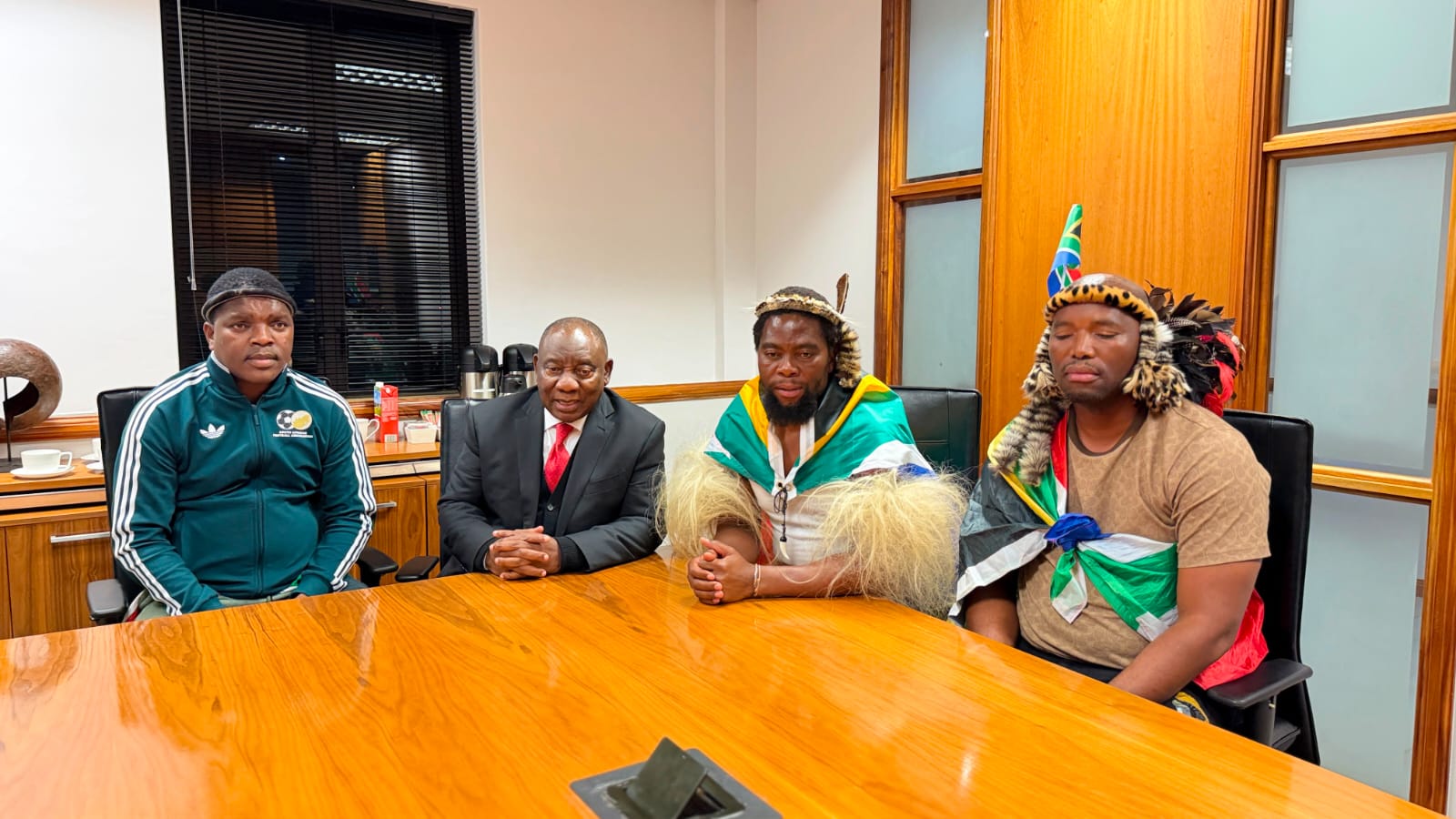
  • Calm Holds Across the Country After Ramaphosa Meets Protest Leaders

    Calm Holds Across the Country After Ramaphosa Meets Protest Leaders

    The evening of 29 June 2026 may be remembered as the moment the national mood began to turn. In talks that ran late into the night, President Cyril Ramaphosa sat down with leaders of the protests that had drawn communities together across the country — and chose conversation over confrontation.

    By the morning of 30 June, the shift was visible. Neighbourhoods that had braced for another tense day instead woke to quiet. Shops opened. Taxis ran their routes. The ordinary rhythm of a working day returned to towns and cities that, only hours earlier, had been holding their breath.

    When leaders choose to listen, communities choose to wait — and waiting is where peace begins.

    The significance of the intervention lies less in any single announcement than in the gesture itself. By meeting protest leaders directly, and being seen to do so, the President signalled that grievances would be heard at the highest level rather than met with force. In a country whose democracy was itself built through negotiation, that choice carries weight that ordinary South Africans understand instinctively.

    De-escalation is rarely dramatic. It does not arrive with a headline so much as with an absence — the absence of broken glass, of smoke on the horizon, of fear in the school run. Across many communities on Tuesday, that absence was the news. Residents spoke of relief; local leaders urged patience; and the work of turning a calm morning into a lasting settlement quietly began.

    There is a long road still to travel. The concerns that brought people onto the streets do not vanish in a single night of talks, and no one is pretending otherwise. But a country that can pull back from the edge through dialogue has shown itself something important about its own character. For now, the streets are calm, the conversation is open, and South Africa has chosen, once again, to talk its way forward.

    Photo: Supplied

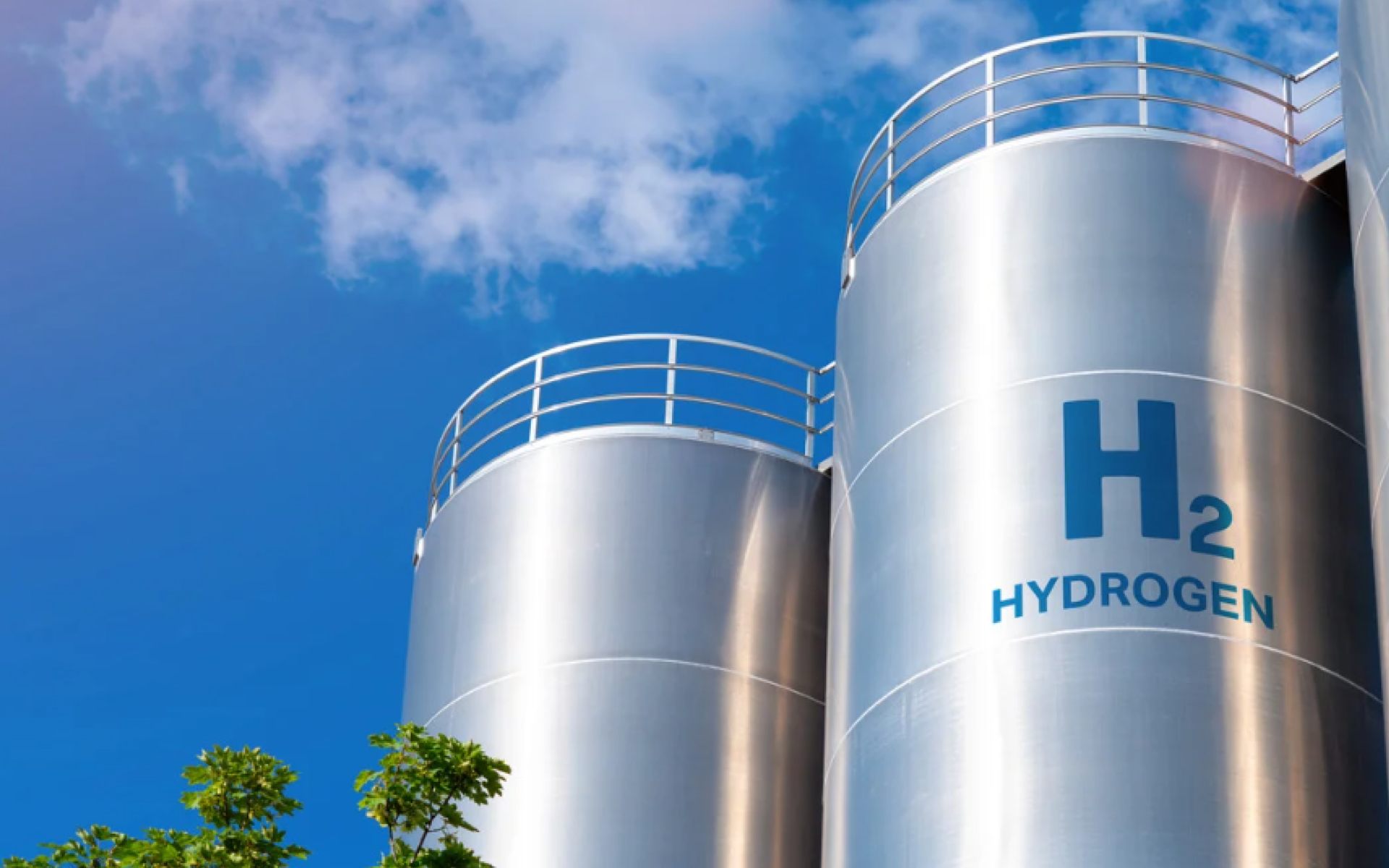
  • SA Leads Africa’s Green Hydrogen Race as Prieska Reserve Powers Up

    SA Leads Africa’s Green Hydrogen Race as Prieska Reserve Powers Up

    South Africa is staking its claim at the front of Africa’s green hydrogen revolution, with the pioneering Prieska Power Reserve in the Northern Cape set to begin producing green hydrogen and green ammonia in 2026.

    The project places the country among the continent’s early leaders as Africa positions itself to become a global supplier of low-carbon fuels.

    Prieska set to power up in 2026

    The Prieska Power Reserve is on track to start producing green hydrogen and green ammonia in 2026, marking a significant milestone for South Africa’s emerging low-carbon energy sector.

    According to Energy Capital & Power, the first phase of the project is expected to produce 72,000 tonnes of green ammonia per year.

    What sets the development apart is the scale of renewable energy behind it. The reserve is powered by 180 MW of solar, 130 MW of onshore wind and 129.4 MWh of battery storage, an integrated mix designed to keep production running on clean power.

    South Africa among the continent’s front-runners

    South Africa is not alone in chasing the opportunity, but it is firmly in the leading group. Alongside Namibia and Mauritania, the country is emerging as one of Africa’s early leaders in green hydrogen.

    The momentum reflects a broader continental push. Africa now hosts 78 proposed green hydrogen projects, representing about $194 billion in planned investment, according to a January 2026 industry report.

    That pipeline signals growing confidence that the continent’s abundant solar and wind resources can be harnessed to produce fuels for both domestic use and export markets.

    A foundation for Africa’s clean fuel ambitions

    Green hydrogen and green ammonia are produced using renewable electricity, offering a low-carbon alternative to fossil-fuel-derived equivalents. For a continent rich in sun and wind, the appeal is clear.

    The Green Hydrogen Organisation lists South Africa among the countries building out this new industry, underscoring the role projects like Prieska could play in establishing the country as a reliable producer.

    With construction-stage projects advancing toward production and a substantial investment pipeline taking shape across the continent, the year ahead is shaping up to be a defining one. As the Prieska Power Reserve prepares to power up, South Africa is positioning itself to help lead Africa’s entry into the global green hydrogen market.

    Photo: energycapitalpower.com