Good News · All Nine Provinces

Independent · Local · Forward-looking

Mzansi News Online

Uniting SA Through Good News

Category: Business

  • R14.8 Billion and 30,000 Jobs: South Africa’s Special Economic Zones Come of Age

    R14.8 Billion and 30,000 Jobs: South Africa’s Special Economic Zones Come of Age

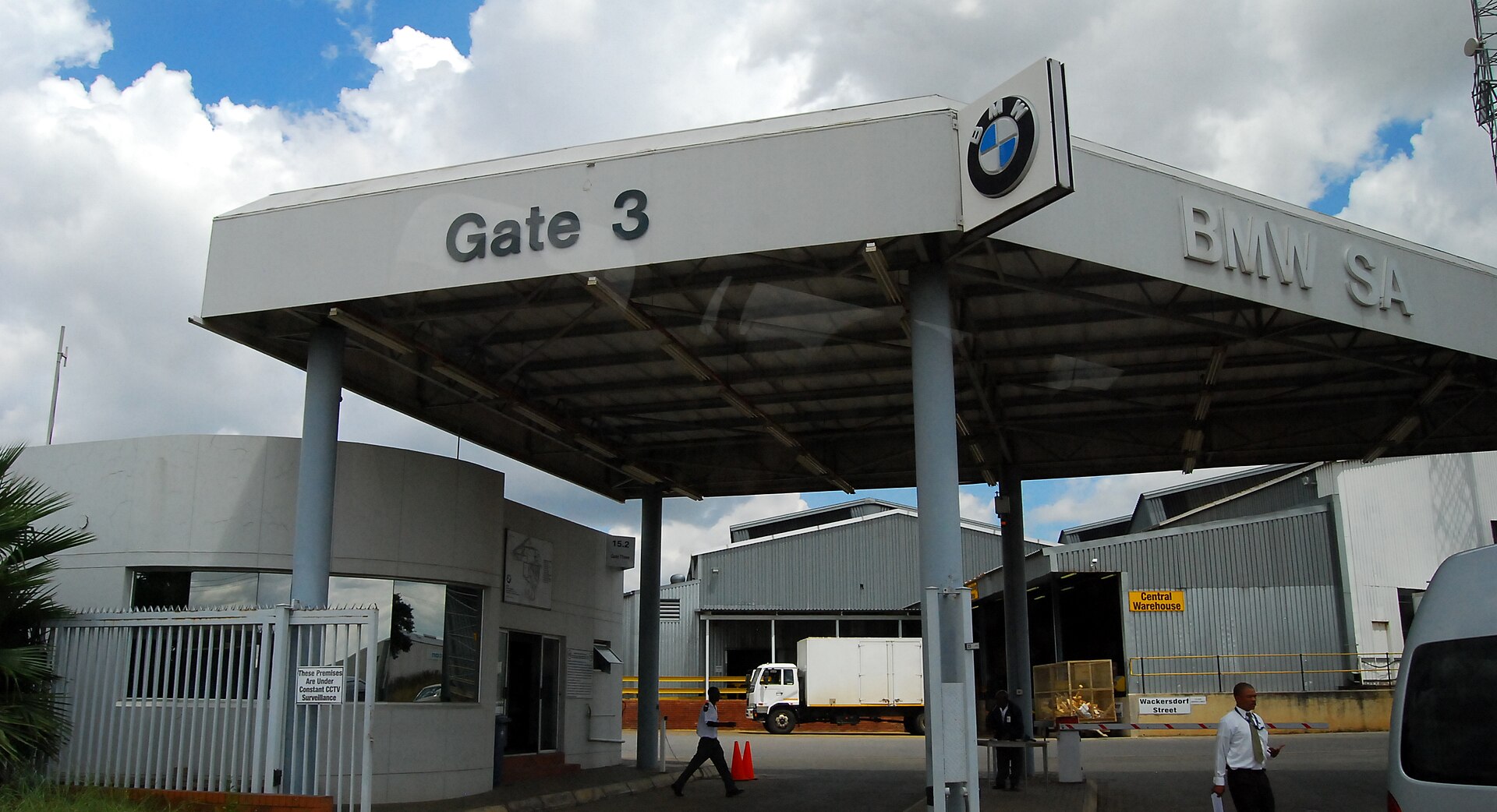
    South Africa’s Special Economic Zones are paying off — to the tune of R14.8 billion in revenue and more than 30,000 jobs across automotive manufacturing, agro-processing and renewable energy, according to a World Bank study cited by Deputy President Paul Mashatile.

    Speaking at the Second International Special Economic Zones Conference in Durban, Mashatile traced the programme’s journey from the Industrial Development Zone initiative launched in 1997 to today’s nationwide network of investment hubs that are helping to re-industrialise the economy.

    Lessons learned, results delivered

    The Deputy President was frank about the programme’s evolution. By 2010, government had invested more than R3 billion in the Coega Industrial Development Zone in the Eastern Cape alone, attracting 21 investments valued at R9.2 billion and generating 2,837 operational jobs. Learning from early challenges, government sharpened its approach with the Special Economic Zones Act in 2012, broadening the focus to accelerating industrialisation, creating jobs and driving inclusive economic development.

    Flagship successes now include the Tshwane Automotive Special Economic Zone and Coega, both of which support skills development and downstream supply chains.

    The next phase: strategic, reliable, inclusive

    The programme is entering its third phase through the Spatial Industrial Development Strategy, which aims to grow the manufacturing sector’s contribution to gross domestic product from its current 12%. Manufacturing, Mashatile noted, carries significant multiplier effects that can help tackle unemployment, especially among youth and women.

    With about 5,400 special economic zones worldwide competing for the same capital, Mashatile set out a confident vision for how South Africa stands apart.

    “We cannot compete simply by being the cheapest. We compete by being the most strategic, the most reliable, and the most inclusive,” he told delegates.

    He emphasised that zones now operate in every province, unlocking regional potential from KwaZulu-Natal to Limpopo and from the Eastern Cape to the Northern Cape, connecting local enterprises to regional and global markets and positioning South Africa as a gateway to the African continent.

    Engines of opportunity, not islands of prosperity

    Closing the Durban conference, the Deputy President challenged delegates to keep the momentum going.

    “Let us renew our collective commitment to ensure that our Special Economic Zones become engines of investment, innovation and opportunity — not islands of prosperity, but catalysts for inclusive growth that will uplift every province and every community across our country,” he said, as reported by SAnews.

    With billions invested, thousands employed and a clear strategy for the decade ahead, South Africa’s economic zones are proving that smart industrial policy can deliver real jobs in real communities.

    Photo: commons.wikimedia.org
  • Gateway to the World: Western Cape Launches Export Strategy 2035 to Power Growth and Jobs

    Gateway to the World: Western Cape Launches Export Strategy 2035 to Power Growth and Jobs

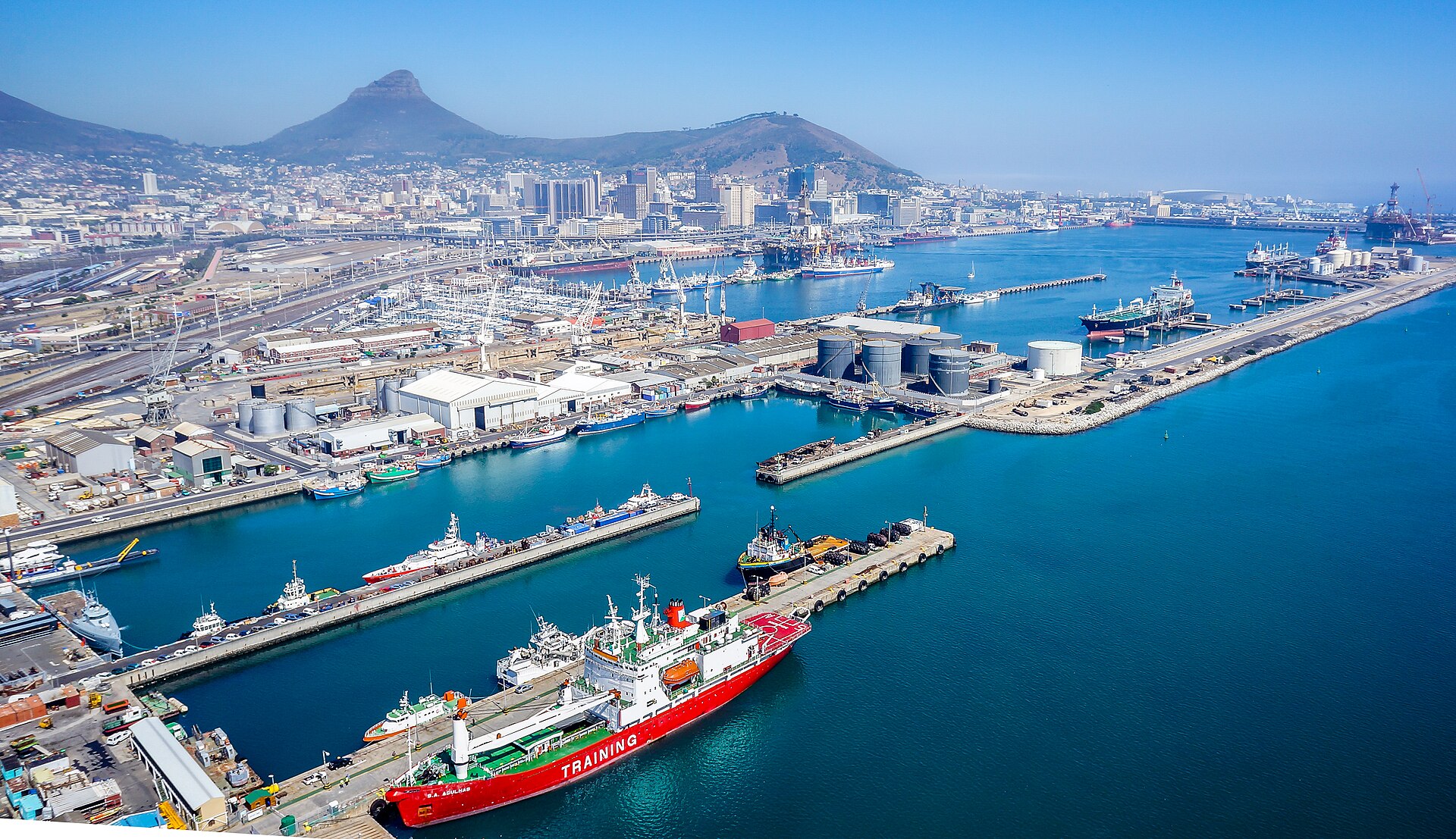
    The Western Cape has set its sights firmly on the global marketplace. Provincial Agriculture, Economic Development and Tourism MEC Dr Ivan Meyer has launched the Western Cape Export Strategy 2035, a roadmap that positions expanded market access as a key driver of economic growth, investment and job creation.

    “Growth for Jobs is our vision. The Export Strategy is our roadmap. Market access is the bridge that connects Western Cape businesses to global opportunity, investment and jobs,” Meyer said at the launch on Wednesday, as reported by SAnews.

    Bold targets for 2035

    The strategy gives practical effect to the province’s Growth for Jobs vision, which aims to build a R1 trillion Western Cape economy growing inclusively at between 4% and 6% a year. By 2035, the province intends to:

    • Significantly increase the total value of Western Cape exports;
    • Grow the number of active exporters by 1,000;
    • Unlock at least 10 new export product opportunities;
    • Accelerate broader economic growth through export-led expansion.

    Meyer said the domestic market alone cannot deliver the level of growth needed to create sustainable employment, and that exporting helps businesses access new markets, improve competitiveness, drive innovation and build resilience.

    Businesses lead, government enables

    The province is already home to world-class exporters across agriculture, manufacturing, technology and services, and the strategy aims to help more businesses enter export markets while existing exporters grow their international footprint.

    Its focus areas include improving access to international markets, strengthening compliance with global standards, leveraging trade agreements, enhancing logistics and export infrastructure, and advocating for the removal of trade barriers.

    “Government does not export; businesses export, businesses invest, businesses innovate, and businesses create jobs. Our role is to create the conditions that enable exporters to succeed,” Meyer said, thanking Wesgro, provincial departments, municipalities, export councils, industry associations and exporters for helping shape the plan.

    Measured in jobs, not documents

    Meyer was clear that success will be judged by outcomes rather than the publication itself. “Our success will be measured by new markets opened, new exporters supported, new investment secured and new jobs created,” he said, calling the strategy “a commitment to action and a commitment to building a more competitive, resilient and inclusive economy.”

    For a farmer in the Swartland, a manufacturer in Atlantis or a tech start-up in Stellenbosch, the message is the same: when businesses gain market access, they gain the opportunity to grow – and when businesses grow, jobs follow. The full strategy is available on the Western Cape Government website.

    Photo: commons.wikimedia.org

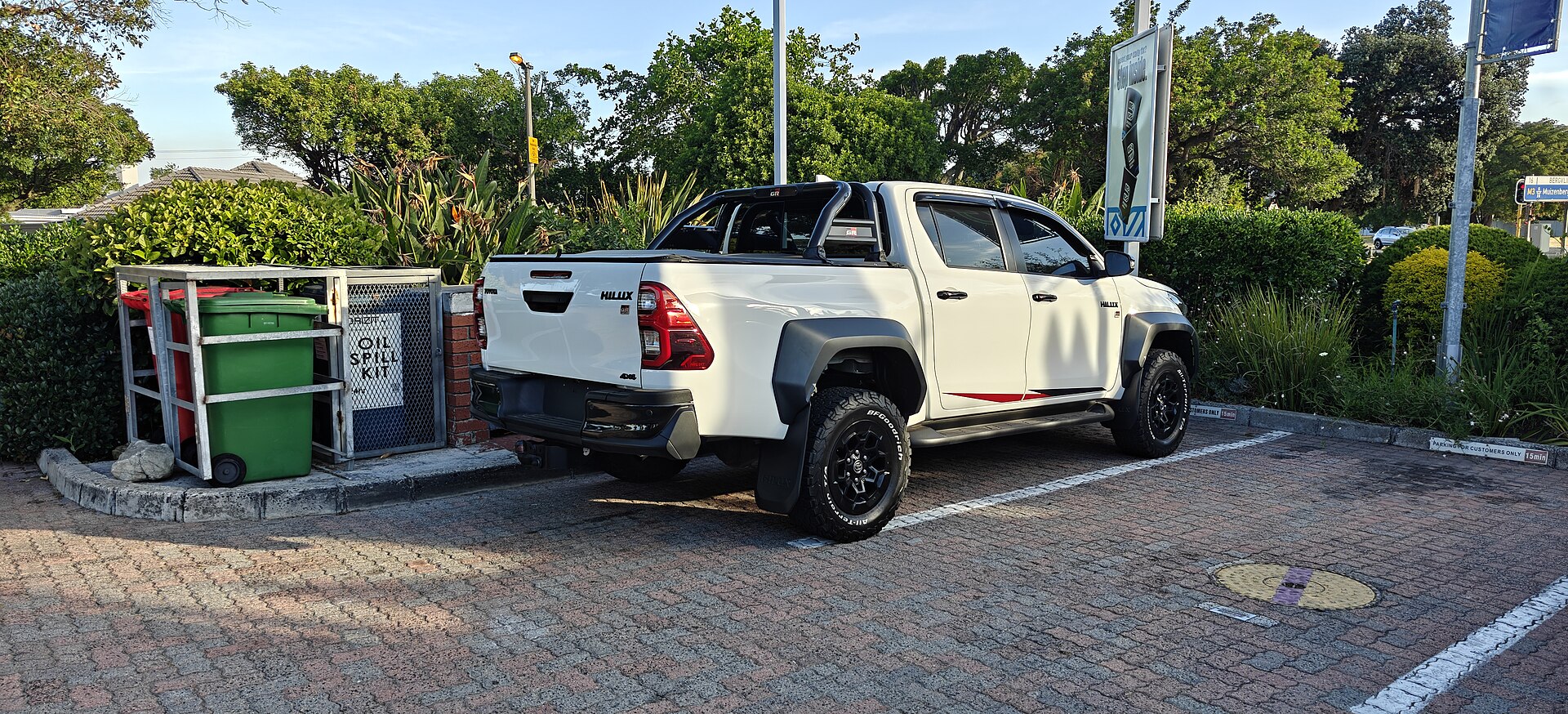
  • R10.4 Billion and Rolling: Next-Generation Toyota Hilux Enters Production in Durban

    R10.4 Billion and Rolling: Next-Generation Toyota Hilux Enters Production in Durban

    South Africa’s automotive industry marks a proud milestone this week as Toyota South Africa Motors begins local production of the latest-generation Hilux at its Prospecton plant in Durban, backed by a R10.4 billion investment in the facility.

    President Cyril Ramaphosa will attend the Hilux Line-Off Ceremony on Thursday, touring the plant and meeting business leaders as the first of the new bakkies rolls off the line. The Presidency said the investment is expected to strengthen South Africa’s manufacturing capacity, improve export competitiveness and support job creation, while reinforcing the country’s position as a leading automotive manufacturing hub and demonstrating continued investor confidence in the industrial sector.

    Special economic zones deliver jobs by the thousands

    The good news does not stop at the factory gate. On Thursday evening the President delivers the keynote address at the Special Economic Zones Achievement Awards Gala Dinner at the Durban International Convention Centre, celebrating the contribution of South Africa’s 12 designated Special Economic Zones to industrialisation and growth.

    According to the Presidency, the SEZ programme has already attracted more than R31 billion in investment from 224 companies, creating more than 28 000 direct jobs. The awards recognise excellence in leadership, governance, investment promotion, innovation, local procurement, export growth, small-business integration and sustainable industrial development.

    Growing together with Namibia

    On Friday, President Ramaphosa co-chairs the fourth South Africa–Namibia Bi-National Commission in Pretoria alongside Namibian President Netumbo Nandi-Ndaitwah, the highest structured platform for cooperation between the two neighbours. The countries have concluded 75 bilateral agreements spanning trade, science and technology, environmental management and social development.

    The partnership is already paying dividends: more than 50 South African companies invested approximately US$1.2 billion in Namibia between 2023 and 2025, creating around 4 900 jobs in mining, banking, insurance, renewable energy and property. A South Africa–Namibia Business Forum runs alongside the commission under the theme of driving regional industrialisation, investment and sustainable growth.

    Mandela Day brings water to unserved communities

    The week culminates on Saturday, Nelson Mandela International Day, when the President officiates the launch of the Unserved Communities Access Acceleration Programme in the Eastern Cape and in Hammanskraal, Gauteng. The programme expands access to water infrastructure in historically underserved communities through sustainable, decentralised groundwater treatment solutions for rural and peri-urban areas.

    The Presidency said the initiative forms part of government’s broader work to restore dignity and combat poverty – a fitting way to honour Madiba’s legacy in a week that showcases South Africa building, investing and growing.

    Details of the programme were announced by the Presidency, as reported by SAnews.gov.za.

    Photo: commons.wikimedia.org

  • Made in Africa, for Africa: Manufacturing Indaba Opens Its Doors in Sandton

    Made in Africa, for Africa: Manufacturing Indaba Opens Its Doors in Sandton

    South Africa’s factories, entrepreneurs and investors are converging on Johannesburg this week as the Manufacturing Indaba opens at the Sandton Convention Centre on Tuesday, 14 July, with Deputy Minister of Trade, Industry and Competition John Steenhuisen delivering the opening address.

    The annual gathering has become one of the continent’s premier platforms for makers of all sizes, SAnews reports.

    A showcase for African makers

    “The Manufacturing Indaba is an annual exhibition platform allowing businesses of all sizes from industry giants to emerging entrepreneurs to showcase their products, technologies, and innovations to a highly targeted audience,” the Department of Trade, Industry and Competition said in a statement.

    This year’s edition runs under a theme with real ambition: “Made in Africa for Africa: Get South African and African Production onto shelves and into global value chains.”

    According to the department, the exhibition aims to promote Africa’s reindustrialisation by bringing together business leaders, policymakers and investors, and provides a platform to strengthen economic development, create employment and promote local production.

    The whole manufacturing ecosystem in one room

    What sets the Indaba apart is the breadth of who shows up. The event draws together the full chain of people needed to get a South African product from the drawing board to a shop shelf abroad:

    • Manufacturers, from established industry giants to emerging entrepreneurs
    • Investors and financiers looking for industrial opportunities
    • Policymakers shaping the rules of trade and industry
    • Technology providers and logistics companies that keep production moving

    “The event is dedicated to advancing Africa’s industrialisation and reindustrialisation by promoting local manufacturing, value-added production and economic growth,” the department said, adding that participants will discuss strategies for competitiveness, sustainability and innovation.

    Connecting, learning, building

    The department said the Manufacturing Indaba 2026 represents a key opportunity to connect, learn and drive Africa’s manufacturing future through innovation, trade and industrial transformation.

    For South Africa, the stakes are encouraging rather than daunting. Every local product that lands on a shelf — whether in Nairobi, Lagos or London — supports jobs at home, and every factory that grows adds skills, suppliers and opportunity around it. A packed convention centre in Sandton this week is a good sign that the country’s makers are ready to claim more of that future.

    With government leadership opening the proceedings and a hall full of entrepreneurs ready to pitch, partner and produce, the message from Sandton is clear: South Africa is serious about making things again — and making them for the world.

    Photo: commons.wikimedia.org

  • Stronger Together: South Africa and Namibia Talk Trade at Midrand Business Forum

    Stronger Together: South Africa and Namibia Talk Trade at Midrand Business Forum

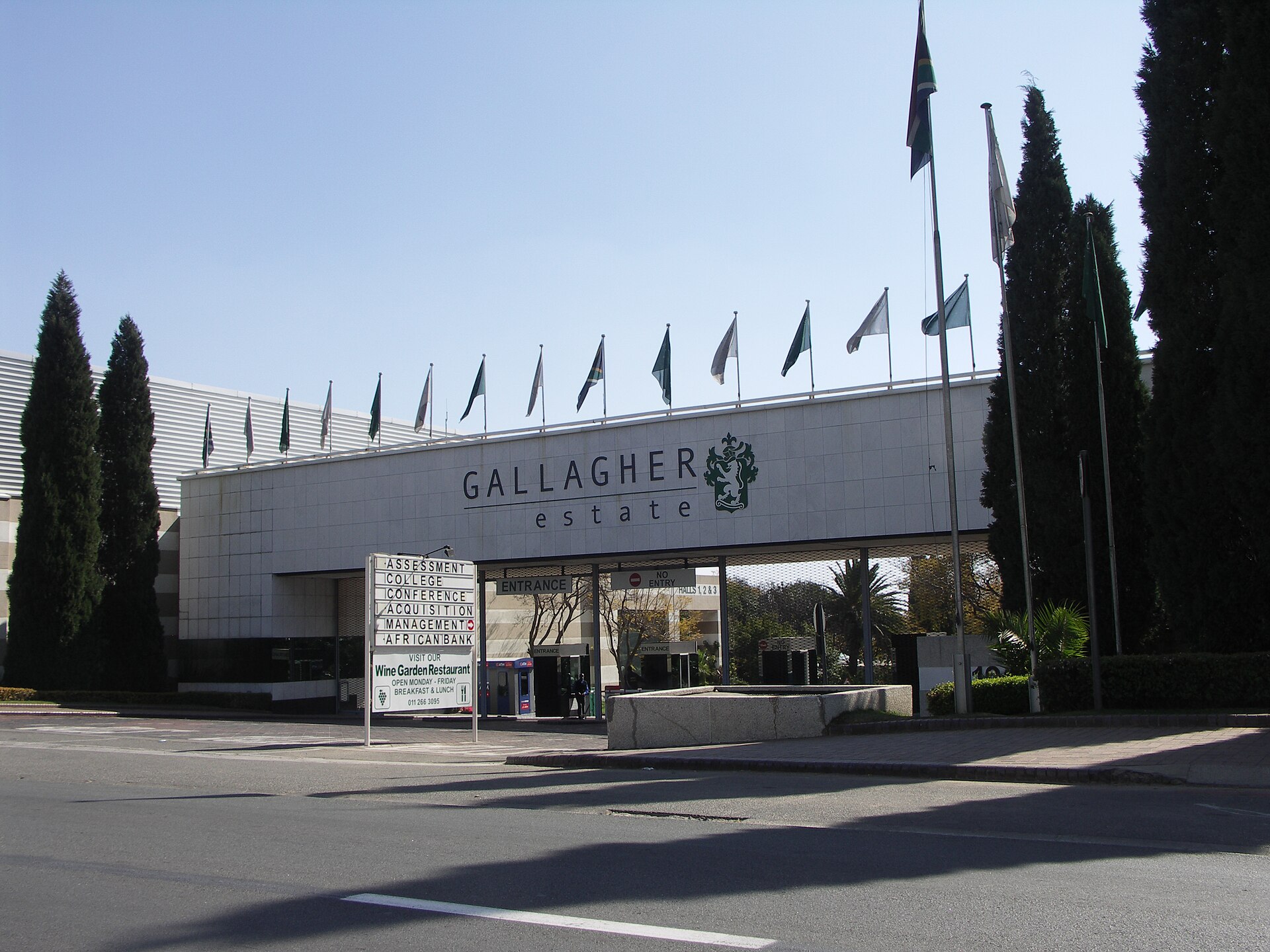
    South Africa and Namibia are pulling their economic strengths closer together this week, with the Department of Trade, Industry and Competition (the dtic) set to host the South Africa–Namibia Business Forum at the Gallagher Convention Centre in Midrand, Johannesburg, on Friday, 17 July.

    The forum forms part of the programme of the Bi-National Commission between the two neighbours and will bring government and business representatives from both countries around the same table to strengthen bilateral trade and investment, SAnews reports.

    Clearing the road for goods to move

    According to the dtic’s Acting Deputy Director-General for Exports, Willem Van der Spuy, the forum has two practical objectives: identifying the barriers currently hindering cross-border trade, and aligning strategies to improve transport and logistics so that processed goods can move seamlessly across the border.

    That focus on logistics matters. When trucks, rail and ports work smoothly between neighbouring economies, factories on both sides of the border gain reliable access to bigger markets, and consumers benefit from better prices and choice.

    Building regional value chains

    Van der Spuy said the relationship between the two countries is ready to move beyond goodwill and into shared industrial strategy.

    “The bilateral relations between South Africa and Namibia should evolve to focus more on the implementation of the Southern African Customs Union (SACU) Industrialisation Strategy and the African Continental Free Trade Agreement (AfCFTA) in a way that promotes the development of regional value-chains and growth of the respective economies and creates employment by tapping into manufacturing and export potential in among others, agriculture and agro-processing, clothing, textile and footwear industries,” he said.

    In plain terms, that means the two countries want to make more things together — from farm produce processed into export-ready food, to clothing, textiles and footwear manufactured within the region rather than imported from further afield. Every link added to those value chains is a workshop, a factory floor or a packhouse employing local people.

    Complementary strengths, shared growth

    The forum will also explore how South Africa and Namibia can leverage their complementary strengths to build resilient regional ecosystems, promote value addition and accelerate industrialisation in key sectors, including manufacturing.

    Fittingly, the gathering will run under the theme “Driving Regional Industrialisation, Investment and Sustainable Growth Through Strategic South Africa–Namibia Partnerships.”

    For two economies bound by history, geography and the SACU family, Friday’s forum is a reminder that Southern Africa’s growth story is strongest when it is written together. If the discussions in Midrand translate into smoother borders and busier factories, workers and businesses in both countries stand to win.

    Photo: commons.wikimedia.org

  • 400,000 Strong: Small Businesses and Spaza Shops Flock to New Digital Support Platform

    400,000 Strong: Small Businesses and Spaza Shops Flock to New Digital Support Platform

    South Africa’s township and rural entrepreneurs are stepping into the formal economy in record numbers. More than 400,000 informal and micro businesses have now been captured on the Department of Small Business Development’s DSBD Connect System, Justice Minister Mmamoloko Kubayi announced at a briefing on Sunday.

    “Registration of informal and micro businesses is continuing. To date, more than 400,000 businesses have been captured on the DSBD Connect System, and the implementation of the plan will increase the number of registered businesses,” Kubayi said.

    A digital front door for small business

    DSBD Connect is a digital platform designed to help the department support spaza shops and small enterprises, opening the way for owners to access funding and form partnerships with original equipment manufacturers.

    For hundreds of thousands of business owners who have long operated outside formal systems, registration is the first step towards bank accounts, supplier relationships, and government support programmes that were previously out of reach.

    The Department of Small Business Development, the South African Local Government Association (SALGA) and the Department of Cooperative Governance and Traditional Affairs are finalising a Project Implementation Plan to expand the registration drive even further, Kubayi said.

    R500 million behind the counter

    The registration milestone builds on government’s wider push to strengthen township and rural economies. Earlier this year, the DSBD and SALGA rolled out a nationwide outreach campaign to help qualifying spaza shop owners apply for the R500 million Spaza Shop Support Fund, offering practical guidance on meeting application requirements, improving compliance and accessing funding to grow their enterprises.

    The fund forms part of government’s commitment to increasing the participation of South African-owned spaza shops in township and rural retail, tackling one of the biggest barriers facing informal businesses: the paperwork and compliance hurdles that keep them from accessing support.

    The backbone of local economies

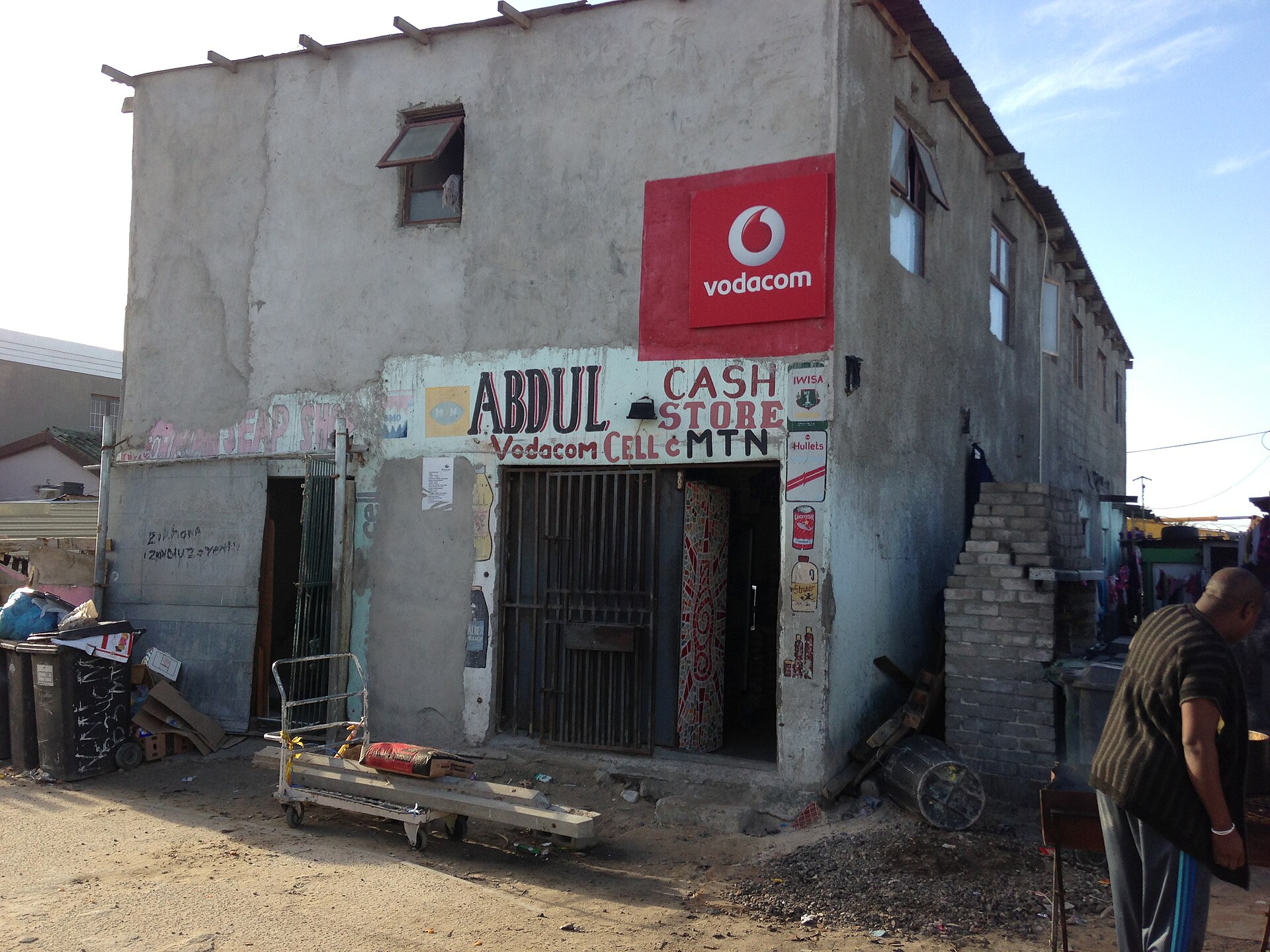
    Spaza shops and micro enterprises are the beating heart of South Africa’s neighbourhood economies, providing daily essentials, local jobs and first rungs on the entrepreneurial ladder. Every business captured on DSBD Connect is a business that can now be seen, supported and helped to grow.

    With registration continuing and implementation plans being finalised, the 400,000 milestone looks set to be just the beginning of a bigger, better supported small business sector.

    More details are available from SAnews.

    Photo: commons.wikimedia.org
  • 4.2 Million Visitors and Counting: SA Tourism Surges 12.8% in 2026

    4.2 Million Visitors and Counting: SA Tourism Surges 12.8% in 2026

    South Africa’s tourism sector is booming, with 4,220,586 international visitors arriving between January and May 2026 – a 12.8% jump on the same period last year – as new air routes, better infrastructure and a diversified offering pay off handsomely.

    Tourism Minister Patricia de Lille welcomed the numbers as proof that the country’s tourism strategy is working.

    “These results affirm that our decision to invest in tourism infrastructure, improve ease of access, and diversify our tourism offerings across the country is paying off. South Africa’s greatest competitive advantage lies in the combination of our people, our natural beauty, our rich heritage, and our world-class infrastructure,” De Lille said.

    May momentum keeps building

    The month of May alone brought 861,750 international arrivals, up 7.2% on the same month last year, with overseas (long-haul) tourist numbers rising an impressive 12.1%. Visitors from the United States led the overseas charge with 41,846 arrivals in May, followed by the United Kingdom with 22,160.

    The standout performer, though, was Brazil. Arrivals from the South American giant surged 40.6% in May, climbing from 4,737 to 6,660 visitors – and the momentum is set to accelerate.

    New wings for the Brazil boom

    LATAM Airlines launched its new direct service between Cape Town and Sao Paulo on 2 July 2026, operating three flights per week to strengthen connectivity between South Africa and Latin America.

    “We are particularly encouraged by the strong growth from Brazil as LATAM Airlines prepares to launch its direct service. Every new air route creates new opportunities for tourism, trade, and investment,” De Lille said, noting that the expansion aligns with the Cabinet-approved Tourism Route Development Marketing Plan focused on unlocking new source markets.

    Why it matters

    Tourism is one of South Africa’s most powerful job creators, supporting livelihoods from township tour guides and craft markets to game lodges, restaurants and airlines. Every additional flight and every extra visitor translates into spending that flows directly into local communities across all nine provinces.

    The 2026 surge builds on a record-breaking 2025 and positions South Africa as one of the world’s fastest-growing major destinations. With the northern-hemisphere summer holidays now underway and new direct routes coming online, the industry has every reason to expect the second half of the year to be even stronger.

    From Table Mountain and the V&A Waterfront to the Kruger National Park and the Drakensberg, the world is rediscovering South Africa – and arriving in record numbers, Getaway reports.

    Photo: commons.wikimedia.org

  • Breakthrough for Farmers: FMD Settlement Opens the Door to Wider Vaccine Access

    Breakthrough for Farmers: FMD Settlement Opens the Door to Wider Vaccine Access

    South Africa’s livestock farmers have been handed a major boost after the Department of Agriculture and leading agricultural organisations reached a landmark settlement on the management of the country’s Foot and Mouth Disease (FMD) outbreak, opening the way for farmers to vaccinate their own herds and for vaccines to be imported at scale.

    Agriculture Minister Willie Aucamp described the agreement, concluded after lengthy negotiations in Pretoria on Thursday, 9 July 2026, as a significant breakthrough for the livestock industry. The talks brought the department together with the applicants in the case, including Sakeliga, the South African Agri Initiative (SAAI) and Free State Agriculture, along with other respondents.

    “Today’s settlement is not only a win for the parties involved in the case but is a win for all South African farmers, as this sector contributes significantly to the country’s job creation efforts and GDP,” Aucamp said after the announcement.

    Farmers can now vaccinate voluntarily

    The most important outcome of the agreement is that owners and managers of cloven-hoofed livestock will be permitted to voluntarily vaccinate their animals against Foot and Mouth Disease. The vaccinations must be carried out in line with biosecurity requirements and legal prescripts, including strict traceability and reporting conditions, so that the national disease-control effort stays coordinated.

    For farmers, that means a practical new tool to protect their herds and their livelihoods, while the state retains the oversight needed to keep South Africa’s export markets confident in the country’s animal-health controls.

    Vaccine imports opened up

    In another far-reaching step, the department and Onderstepoort Biological Products (OBP) have expressly relinquished their sole rights to the import and distribution of FMD vaccines, clearing the path for the private sector to bring in doses at scale.

    “Government cannot do this alone. We will continue to hold hands with all industry and private sector role players in the control of the FMD outbreak. We now need to enable the private sector to import at scale,” the Minister said.

    Partnership over confrontation

    What began as a court case has ended in collaboration. The applicant organisations welcomed the settlement and committed to continuing their work with the department to bring the outbreak under control. Aucamp thanked all parties for what he called a constructive and solutions-driven approach during the negotiations, and said the focus now shifts to the efficient rollout of the measures agreed upon.

    The settlement is a reminder of what is possible when government and organised agriculture pull in the same direction. Livestock farming supports jobs and food security in every province, and a stable, well-vaccinated national herd strengthens rural economies from the Free State to the Eastern Cape.

    With vaccination now in farmers’ hands and the vaccine pipeline opening up, South Africa’s agricultural sector can look ahead with renewed confidence, according to the department. As reported by SAnews.gov.za, the emphasis from all sides is now squarely on implementation.

    Photo: commons.wikimedia.org

  • North West Calls Young and Women Farmers to Enter 2026 Entrepreneur Awards

    North West Calls Young and Women Farmers to Enter 2026 Entrepreneur Awards

    The North West province is rolling out the red carpet for its agricultural stars, with the Department of Agriculture and Rural Development (DARD) officially opening entries for the 2026 Youth and Women Entrepreneur of the Year Awards — a celebration of the young people and women who are feeding the nation and growing its economy.

    The annual awards recognise the vital contribution of women and youth in agriculture while actively promoting their participation in the sector as a driver of food security, job creation and economic growth in the province.

    A Platform for Excellence

    North West MEC for Agriculture and Rural Development, Madoda Sambatha, said the awards serve as an important platform to acknowledge excellence in agriculture, while encouraging young farmers and women entrepreneurs to remain committed to the sector.

    “The competition is open to youth- and women-owned agricultural enterprises operating in the North West province and meeting the required eligibility criteria. Participation in the youth category is limited to individuals between the ages of 18 and 35. Enterprises must be at least 80% owned, managed, and operated by youth or women,” Sambatha said.

    Entries close on Friday, 28 August 2026, and winners will be honoured at an awards ceremony during Heritage Month in September — a fitting stage for celebrating homegrown agricultural talent.

    Eight Categories, Endless Inspiration

    The 2026 awards will recognise achievers across eight categories:

    • Best Youth/Woman Subsistence Farmer
    • Best Youth/Woman Smallholder Farmer
    • Best Youth/Woman Commercial Farmer
    • Best Youth/Woman Exporter
    • Best Youth/Woman Person with Disability
    • Best Youth/Woman Agro-Processor
    • Best Youth/Woman Worker
    • Overall Youth/Woman Winner

    The range of categories reflects the full spectrum of agricultural enterprise — from the subsistence farmer feeding a family and community, to the commercial exporter flying the South African flag in international markets. The dedicated category for persons with disabilities underlines the province’s commitment to an agricultural sector where everyone can excel.

    How to Enter

    Interested farmers and agri-entrepreneurs are encouraged to contact their district coordinators to obtain application forms, or to visit their nearest district or local agriculture office for assistance. Further enquiries can be directed to the Provincial Project Coordinator, Poiho Ramotlatsi.

    The department said all applications will undergo a verification process in line with the competition rules, with shortlisted projects assessed through site visits before final nominees are confirmed — ensuring the awards go to genuinely deserving enterprises.

    Initiatives like these matter far beyond the awards evening itself. Agriculture remains one of South Africa’s most powerful engines for rural employment and food security, and the young people and women building agricultural businesses in the North West are the sector’s future. By shining a spotlight on their achievements, the province is planting seeds of inspiration that will be harvested for generations.

    Photo: commons.wikimedia.org

  • More Seats to South Africa as Turkish Airlines Expands to 20 Weekly Flights

    More Seats to South Africa as Turkish Airlines Expands to 20 Weekly Flights

    South Africa’s international air links are set for another lift as Turkish Airlines expands its direct schedule to Johannesburg and Cape Town from 14 to 20 weekly flights.

    The additional services begin in October, ahead of the South African summer travel season. Johannesburg will move from seven to 10 weekly flights from 25 October, followed by Cape Town’s increase from seven to 10 on 26 October.

    The revised schedule gives travellers more choice and connects both South African gateways to Turkish Airlines’ Istanbul hub. From there, passengers can reach a network of more than 350 destinations across Europe, Asia, the Middle East and the Americas, according to a schedule announcement carried by MyPressportal.

    Growth backed by visitor demand

    Tourism Minister Patricia de Lille welcomed the expansion as a sign of confidence in South Africa’s visitor economy. A Department of Tourism statement published by Polity said arrivals from Turkiye in May 2026 were 92% higher than in the same month a year earlier.

    The wider tourism figures also point upward. South Africa recorded 10.5 million international arrivals in 2025. Between January and May 2026, the country welcomed 4,761,108 international visitors, a 12.8% year-on-year increase.

    Turkish Airlines and South African Tourism are also planning a joint destination marketing campaign. More capacity and coordinated promotion can reinforce one another: additional seats make growth possible, while destination marketing helps fill those seats with leisure and business travellers.

    More options for two major gateways

    The extra Johannesburg flights will operate during the northern winter schedule through 27 March 2027. The additional Cape Town services are scheduled through 28 March. Together, the routes provide six more weekly connections than the current timetable.

    For travellers, frequency matters. More departure days can shorten connection times, make multi-city itineraries easier and provide added flexibility when plans change. For tourism businesses, steady air capacity supports forward bookings and makes it easier to market South Africa in long-haul source markets.

    The expansion also strengthens both Johannesburg and Cape Town as gateways. Visitors arriving in either city can connect onward to provinces and tourism regions across the country, distributing the value of international travel beyond the airports themselves.

    A broader air-access upswing

    The announcement follows other new international links. Air Europa launched direct Madrid-Johannesburg service in June, while LATAM Airlines began three weekly flights between Sao Paulo and Cape Town.

    Those additions align with the country’s Tourism Route Development Marketing Plan, which focuses on direct connectivity and stronger airline partnerships. Better air access supports hotels, tour operators, restaurants, transport services, conference venues and the many small businesses that form part of the visitor experience.

    Turkish Airlines’ decision is therefore more than a timetable change. It adds practical capacity to a tourism sector already showing growth and gives South Africa another platform for welcoming visitors, supporting trade and strengthening international connections.

    This article was produced with AI assistance and editorially reviewed by Mzansi News Online.