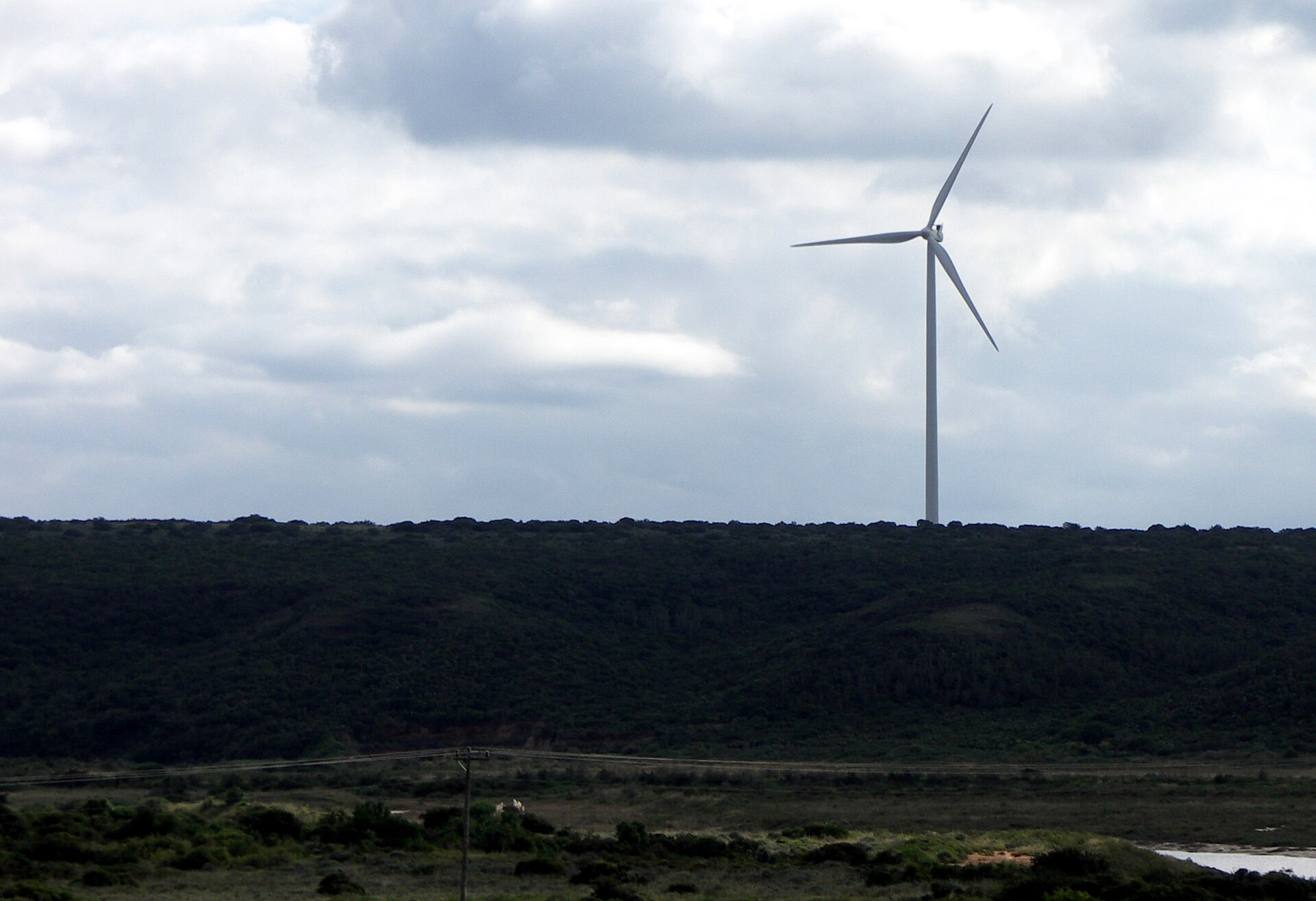
South Africa’s Special Economic Zones are paying off — to the tune of R14.8 billion in revenue and more than 30,000 jobs across automotive manufacturing, agro-processing and renewable energy, according to a World Bank study cited by Deputy President Paul Mashatile.
Speaking at the Second International Special Economic Zones Conference in Durban, Mashatile traced the programme’s journey from the Industrial Development Zone initiative launched in 1997 to today’s nationwide network of investment hubs that are helping to re-industrialise the economy.
Lessons learned, results delivered
The Deputy President was frank about the programme’s evolution. By 2010, government had invested more than R3 billion in the Coega Industrial Development Zone in the Eastern Cape alone, attracting 21 investments valued at R9.2 billion and generating 2,837 operational jobs. Learning from early challenges, government sharpened its approach with the Special Economic Zones Act in 2012, broadening the focus to accelerating industrialisation, creating jobs and driving inclusive economic development.
Flagship successes now include the Tshwane Automotive Special Economic Zone and Coega, both of which support skills development and downstream supply chains.
The next phase: strategic, reliable, inclusive
The programme is entering its third phase through the Spatial Industrial Development Strategy, which aims to grow the manufacturing sector’s contribution to gross domestic product from its current 12%. Manufacturing, Mashatile noted, carries significant multiplier effects that can help tackle unemployment, especially among youth and women.
With about 5,400 special economic zones worldwide competing for the same capital, Mashatile set out a confident vision for how South Africa stands apart.
“We cannot compete simply by being the cheapest. We compete by being the most strategic, the most reliable, and the most inclusive,” he told delegates.
He emphasised that zones now operate in every province, unlocking regional potential from KwaZulu-Natal to Limpopo and from the Eastern Cape to the Northern Cape, connecting local enterprises to regional and global markets and positioning South Africa as a gateway to the African continent.
Engines of opportunity, not islands of prosperity
Closing the Durban conference, the Deputy President challenged delegates to keep the momentum going.
“Let us renew our collective commitment to ensure that our Special Economic Zones become engines of investment, innovation and opportunity — not islands of prosperity, but catalysts for inclusive growth that will uplift every province and every community across our country,” he said, as reported by SAnews.
With billions invested, thousands employed and a clear strategy for the decade ahead, South Africa’s economic zones are proving that smart industrial policy can deliver real jobs in real communities.
Photo: commons.wikimedia.org





Leave a Reply