Good News · All Nine Provinces

Independent · Local · Forward-looking

Mzansi News Online

Uniting SA Through Good News

Category: Business

  • Rosslyn Revs Up: Chery Takeover Protects 692 Jobs and Targets 3,000 More

    Rosslyn Revs Up: Chery Takeover Protects 692 Jobs and Targets 3,000 More

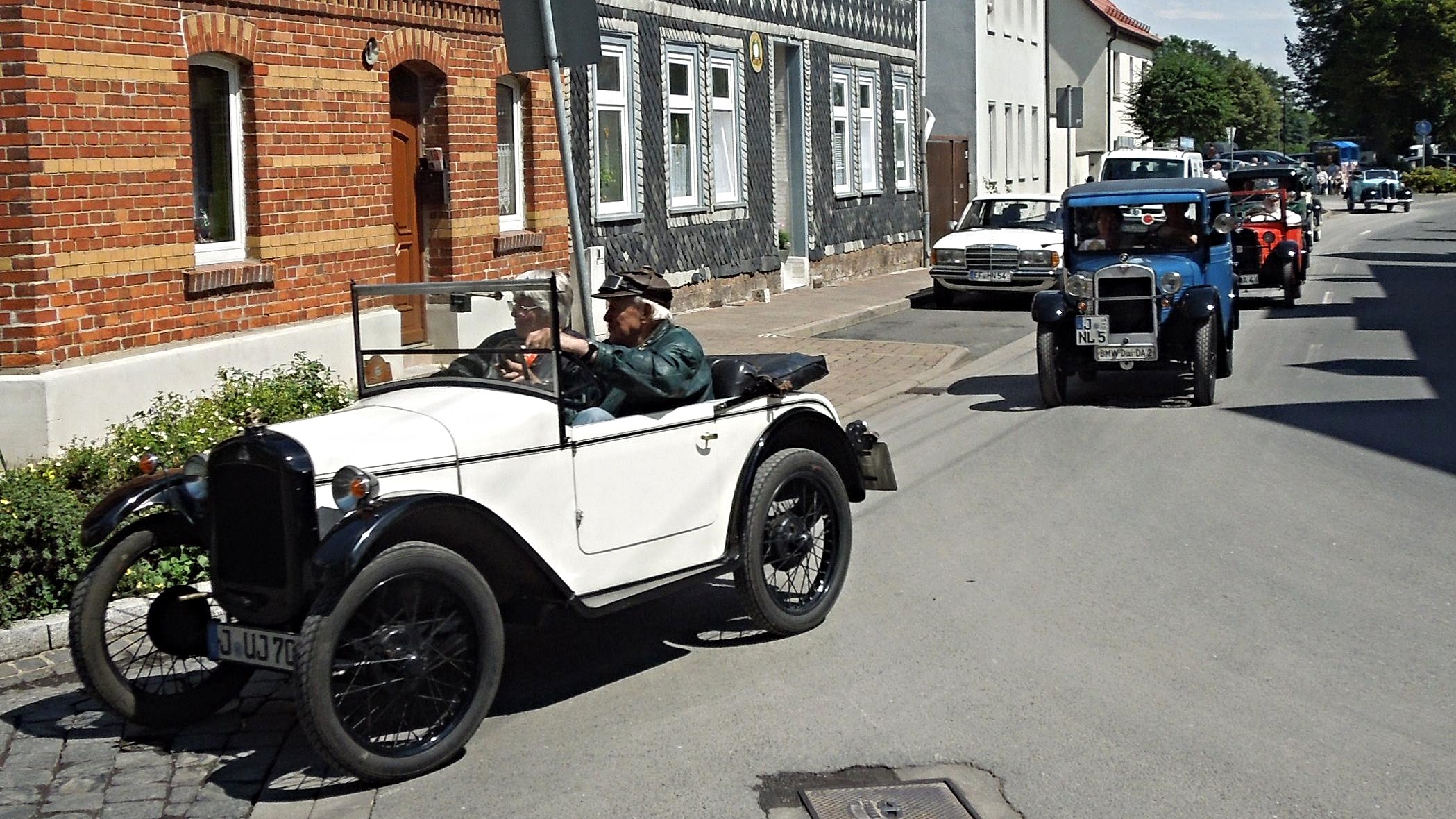
    A landmark handover in Rosslyn has given one of South Africa’s best-known vehicle plants a fresh industrial future. Chery has formally taken over the Pretoria facility previously owned by Nissan, preserving hundreds of skilled jobs while preparing for local production and a much larger South African manufacturing footprint.

    The transition matters because the Rosslyn plant has been part of the country’s automotive story since 1963. According to The Citizen’s report on the handover, Chery will retain 692 workers from the existing workforce. The company also plans to create another 3,000 jobs through a major upgrade of the facility and is targeting 40% local content, a goal that could open additional opportunities for component makers and service providers.

    From importer to local manufacturer

    The move changes Chery’s role in South Africa from vehicle importer to local producer. The first vehicles from the renewed assembly line are expected in 2027, while the wider plan is to use South Africa as an African base for manufacturing, exports, research and development, and operations.

    That ambition gives the investment significance beyond one factory. Local production links engineers, artisans, logistics companies and parts suppliers to a long value chain. A stronger local-content programme can also help smaller businesses build the quality systems, technical capacity and dependable order books needed to grow.

    At the official celebration, Chery chairman Yin Tongyue described the company as a long-term partner in South Africa’s industrial development. Gauteng Premier Panyaza Lesufi welcomed the continuity created by the transfer, particularly the retention of experienced employees and the continued productive use of a major industrial asset.

    Investment connected to skills and inclusion

    Deputy President Paul Mashatile said the milestone followed government engagement with Chery during a working visit to China in November 2023. In his address at the Rosslyn celebration, he linked the investment to skills development, local supply chains and the opportunity for young South Africans to enter technical careers.

    Mashatile also highlighted the Automotive Industry Transformation Fund, which has supported more than 80 Black-owned businesses in the automotive value chain since 2021. That existing base gives local enterprises a pathway to participate as the Rosslyn plant expands and Chery works toward its localisation target.

    South Africa already has a deep automotive manufacturing tradition and access to markets across the continent. Keeping the Rosslyn plant active protects that industrial capability, while the promised upgrades, jobs and supplier development offer a practical route to broaden its impact.

    The handover is therefore more than a change of name above a factory gate. It is a vote of confidence in South African manufacturing and a platform on which workers, suppliers and the wider Tshwane economy can build.

    This article was produced with AI assistance and editorially reviewed by Mzansi News Online.
  • R890 Billion Pledged: SA Investment Conference Targets 230,000 New Jobs

    R890 Billion Pledged: SA Investment Conference Targets 230,000 New Jobs

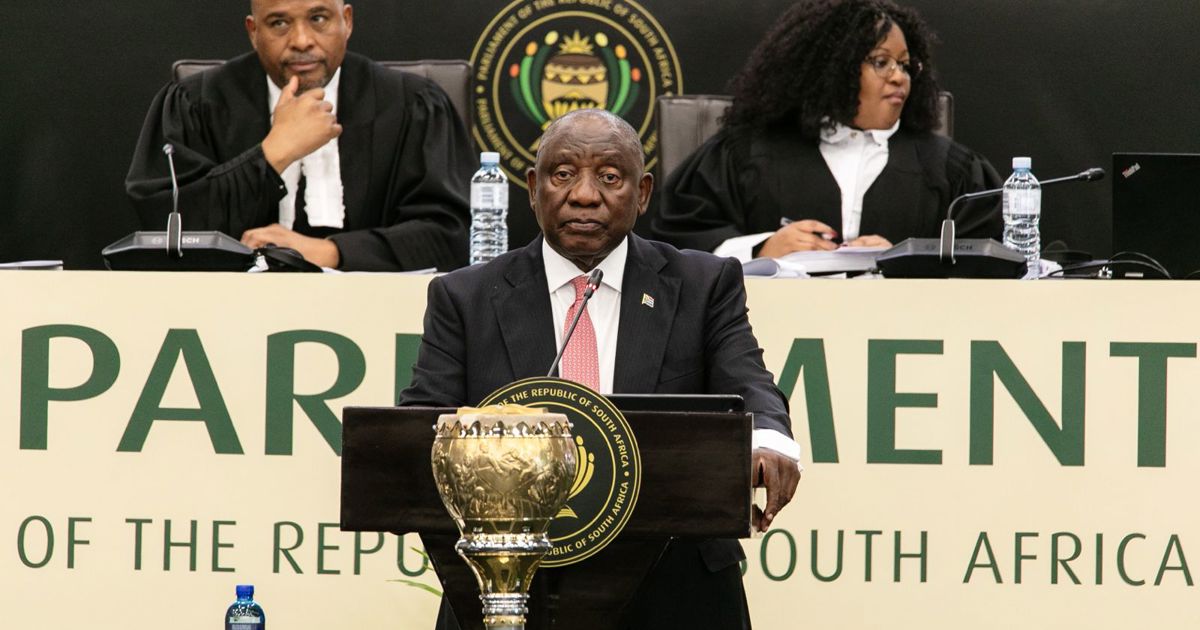
    South Africa has secured close to R890 billion in fresh investment commitments at its sixth South Africa Investment Conference, a milestone President Cyril Ramaphosa described as a turning point for the country’s economy.

    The conference, held in Sandton on 31 March 2026, drew pledges spanning 81 projects across all nine provinces, with investors sourced from 22 global markets. The commitments are projected to create more than 230,000 direct permanent jobs.

    Where the money is coming from

    Of the nearly R890 billion pledged, about R415 billion came from private-sector companies. The remainder was committed by development finance and multilateral institutions, reflecting confidence from a broad mix of investors.

    The geographic spread was a notable feature of this round, with projects reaching every province rather than clustering in the traditional economic hubs. Drawing investors from 22 global markets points to renewed international interest in the South African economy.

    A ‘turning point’ for the economy

    President Ramaphosa hailed the result as an economic turning point, framing the pledges as evidence that investor confidence in the country is strengthening. He said the investment commitments could create more than 230,000 jobs, according to SAnews.

    The President used the occasion to raise the bar for the years ahead, setting a new target of attracting R3 trillion in investment commitments over the next five years.

    What the numbers mean

    The headline figures from the conference include:

    • R890 billion in total investment commitments secured.
    • 81 projects spanning all nine provinces.
    • 22 global markets represented among the investors.
    • 230,000+ direct permanent jobs projected.
    • R415 billion pledged by private-sector companies, with the balance from development finance and multilateral institutions.
    • R3 trillion targeted over the next five years.

    The job creation projection will be closely watched given the central place that employment holds in the national economic agenda. Permanent positions tied to capital projects are seen as a more durable measure of impact than short-term gains.

    By spreading the commitments across the entire country and drawing on a wide range of international markets, the latest conference signals an effort to broaden the base of investment beyond established centres. The R3 trillion target now sets a clear benchmark against which future conferences will be measured.

    For now, the focus turns to converting the pledges into projects on the ground, the stage at which investment commitments translate into the jobs and growth the conference set out to deliver.

    Photo: ewn.co.za

  • Mulilo Pledges Nearly R15 Billion for New Solar and Battery Projects, Promising Jobs Boost

    Mulilo Pledges Nearly R15 Billion for New Solar and Battery Projects, Promising Jobs Boost

    Renewable energy company Mulilo has committed nearly R15 billion to build three large-scale solar plants and a battery storage system, in a pledge made at the 2026 South Africa Investment Conference (SAIC) that is expected to deliver a significant jobs boost. According to SAnews, the investment will add 716 megawatts of new generation capacity to the national grid.

    The commitment, announced on 1 April 2026, amounts to about R14.8 billion, according to Business Day. It will fund three large-scale solar photovoltaic (PV) projects and a battery energy storage system (BESS).

    What the investment will build

    The combined projects are set to add 716 megawatts of new capacity to South Africa’s national grid, according to SAnews. The package brings together solar generation and battery storage, a pairing intended to help stabilise supply as the country works to expand its renewable energy base.

    The investment is expected to support employment across several phases of the projects, including:

    • Construction
    • Operations
    • Maintenance
    • Security
    • Plant management

    Long-term partnerships and jobs

    Mulilo’s Chief Commercial Officer, Seithati Bolipombo, framed the commitment as part of a broader strategy focused on lasting economic impact. The company is “investing in long-term partnerships that unlock infrastructure, create jobs,” Bolipombo said, according to SAnews.

    The emphasis on jobs across the construction, operations and maintenance phases aligns with the conference’s wider goal of attracting investment that supports growth and employment in South Africa.

    Scaling up renewable capacity

    The SAIC pledge forms part of Mulilo’s larger ambitions for renewable energy in the country. The company aims to bring up to 1GW of renewable energy into rollout annually, according to SAnews.

    Mulilo is also targeting 5GW into construction and operation by 2028, signalling a sustained pipeline of projects beyond the three solar plants and battery system announced at the conference.

    The 2026 South Africa Investment Conference serves as a platform for companies to announce commitments aimed at strengthening the country’s infrastructure and economy. Mulilo’s nearly R15 billion pledge ranks among the announcements tied to expanding South Africa’s renewable energy capacity, according to Business Day.

  • Western Cape’s Largest Solar Cluster Goes Live as Grootfontein Plant Starts Operating

    Western Cape’s Largest Solar Cluster Goes Live as Grootfontein Plant Starts Operating

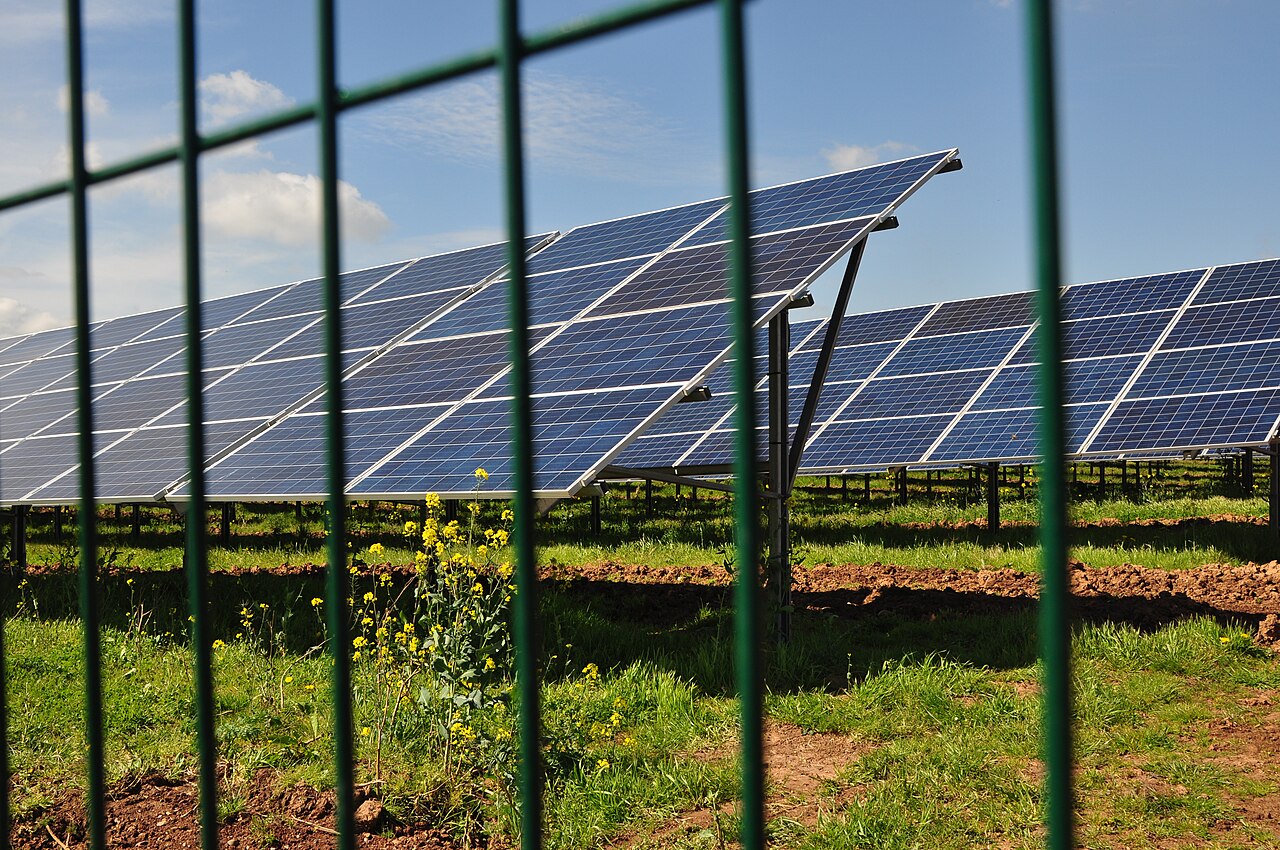
    Renewable energy developer Scatec started commercial operation of its 273 MW Grootfontein solar power plant in the Western Cape on 6 December 2025, marking the launch of the largest co-located solar photovoltaic (PV) cluster in the province. The plant sits about 150 km north-east of Cape Town and is expected to generate around 700 GWh of clean energy a year.

    According to Scatec, Grootfontein is the first solar project to reach commercial operation under Round 5 of South Africa’s Renewable Energy Independent Power Producer Procurement Programme (REIPPPP), the government scheme used to add privately developed generation capacity to the national grid.

    A milestone for the province’s renewables

    At 273 MW, the plant ranks as the largest co-located solar PV cluster in the Western Cape. Scatec says the facility is expected to produce roughly 700 GWh of clean electricity each year, enough to abate an estimated 630,000 tonnes of carbon dioxide emissions annually.

    The project is underpinned by a 20-year power purchase agreement, providing a long-term contracted offtake for the electricity generated. Scatec will provide operations, maintenance and asset management services across the plant’s operating life, according to the company.

    Ownership and community stake

    Ownership of the Grootfontein plant is shared among three parties, with a portion held directly by a local community trust. According to Scatec, the equity is split as follows:

    • Scatec holds 51% of the project.
    • H1 Holdings, the local black economic empowerment (BEE) partner, holds 46.5%.
    • The Grootfontein Local Community Trust holds 2.5%.

    The community trust’s 2.5% equity stake is intended to channel a share of the project’s benefits to people living near the plant, a structure commonly used in South African renewable energy projects developed under the REIPPPP framework.

    What it means for the grid

    As the first Round 5 solar project to reach commercial operation, Grootfontein is an early marker of progress for that procurement round. The plant’s expected annual output of about 700 GWh adds new utility-scale solar capacity to the system, while the long-term power purchase agreement and Scatec’s ongoing operations and maintenance role are designed to support stable, contracted delivery over the next two decades.

    The combination of large-scale generation, a 20-year offtake agreement, BEE participation through H1 Holdings and a direct community stake reflects the model South Africa has used to expand its renewable energy fleet through the REIPPPP, according to the project’s announced structure.