Good News · All Nine Provinces

Independent · Local · Forward-looking

Mzansi News Online

Uniting SA Through Good News

Category: Business

  • Beating the Targets: Black Ownership of SA’s Economy Hits 45.8% as New Transformation Fund Gains Powerful Backers

    Beating the Targets: Black Ownership of SA’s Economy Hits 45.8% as New Transformation Fund Gains Powerful Backers

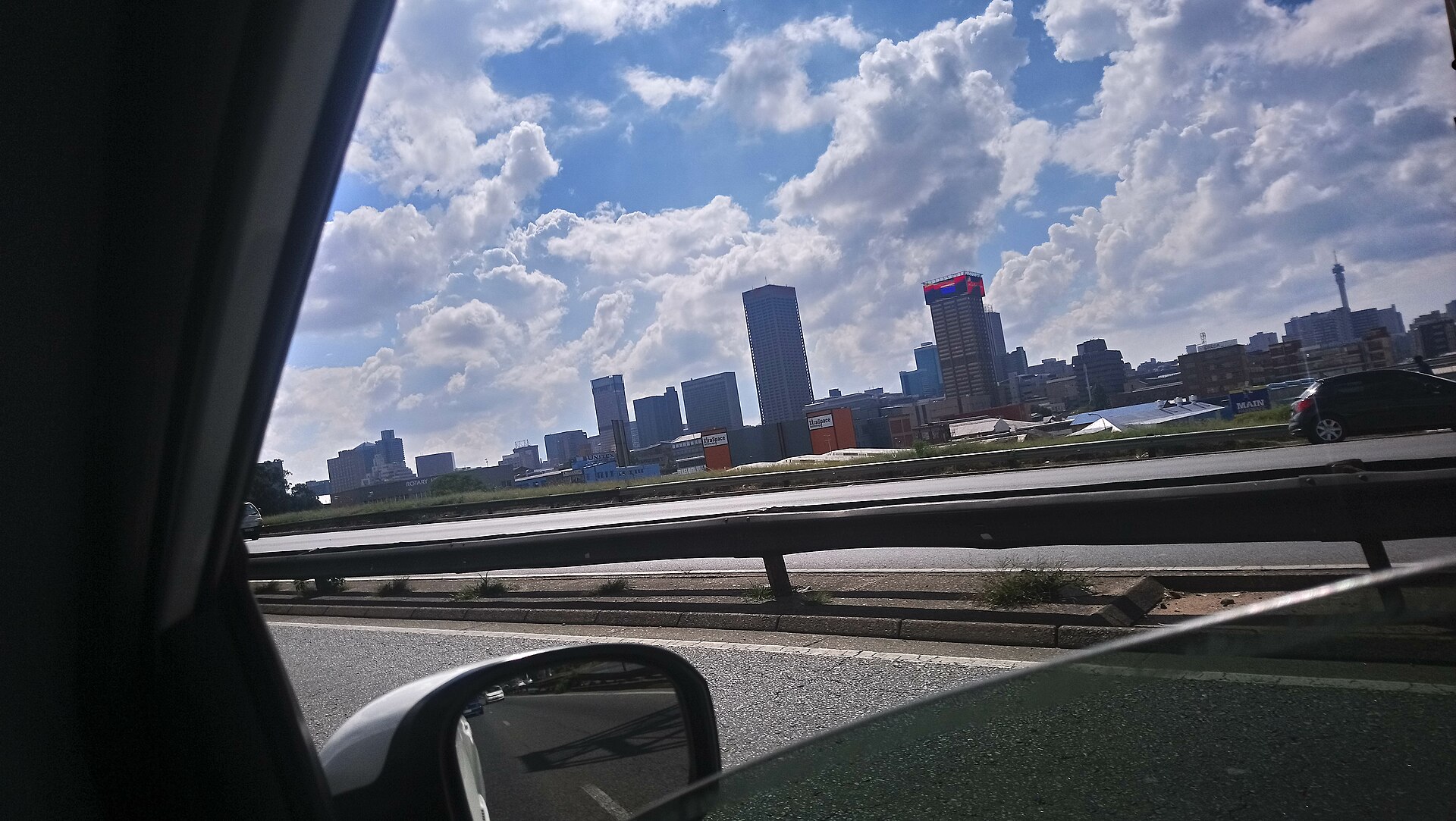
    South Africa’s economic transformation story has some numbers worth celebrating: Black ownership of the economy reached 45.8 percent in 2023, comfortably ahead of the 25-percent-plus-one-vote target, while Black female ownership stands at 13.6 percent, surpassing its 10 percent target.

    Trade, Industry and Competition Minister Parks Tau shared the figures in his keynote address at the Black Business Council’s Annual Summit in Johannesburg, SAnews reported.

    “Transformation is not a promise on paper. Instead, it is a measurable, growing reality in our economy.”

    Tau said Broad-Based Black Economic Empowerment has placed Black South Africans in corporate boardrooms, expanded the Black middle class, fostered the growth of many micro, small and medium enterprises, and injected sizeable economic inclusion through worker ownership schemes. Average scores for enterprise and supplier development, ownership, socio-economic development, skills development and management control are all trending upward.

    Women leading the country’s development banks

    There was more good news on the leadership front: almost all of the dtic’s Development Finance Institutions are now led by women as chairperson, chief executive or both.

    The Industrial Development Corporation alone has facilitated R26.6 billion in transformation funding, of which approximately R5.6 billion went to women entrepreneurs and women-empowered businesses.

    A ‘jet engine’ for inclusive growth

    Looking ahead, the Minister pointed to the new Transformation Fund as the next big lever for opening access to funding for black-owned, women-owned and youth-owned businesses. The dtic has already secured heavyweight partners: the Unemployment Insurance Fund is contributing R500 million, the Development Bank of Southern Africa R250 million, Vodacom R400 million and IBM R220 million.

    “The Transformation Fund is South Africa’s Transformation Jet Engine. This is a jet engine that draws its power from every component working together. Capital provides the fuel, but it must connect to capability. Capability must connect to markets,” Tau told delegates.

    “And growing enterprises must translate into jobs, localisation, industrialisation and exports.”

    The Minister reminded delegates that the South African economy cannot grow sustainably if the majority of its people remain excluded, and said B-BBEE seeks to unlock the full potential of the economy for everyone. The summit heard that funding mechanisms are crucial to the success of transformation, which is why the fund was built hand in hand with social partners from the start.

    Tau described South Africa as entering an era of boldness and getting things done, and said the public-private partnership behind the fund shows what is possible when government, business and social partners pull in the same direction.

    With ownership targets being beaten, women at the helm of development finance and hundreds of millions of rand flowing into a new generation of entrepreneurs, the transformation journey is picking up real speed.

    Photo: commons.wikimedia.org
  • A Modern Payments Backbone: Reserve Bank Steps Up to Steer South Africa’s National Payment System

    A Modern Payments Backbone: Reserve Bank Steps Up to Steer South Africa’s National Payment System

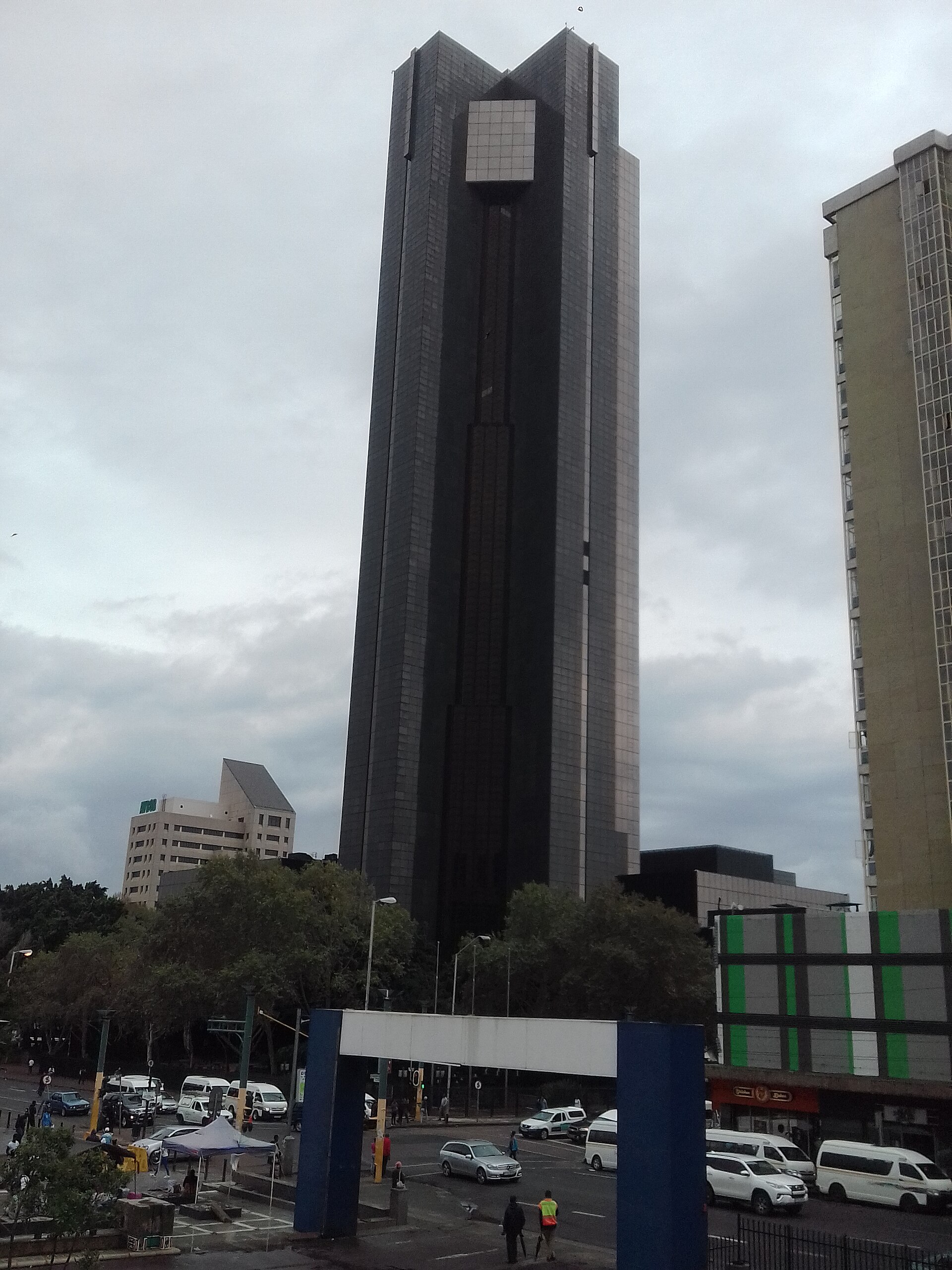
    South Africa’s financial plumbing is getting a carefully managed upgrade. As part of ongoing reforms to modernise the national payment system, the South African Reserve Bank (SARB) is taking over key payment management functions from the Payments Association of South Africa (PASA), in a transition designed to make the system safer, more efficient and more innovative for everyone who uses it.

    The central bank announced the move on Tuesday, confirming that it is in the process of withdrawing its recognition of PASA as a payment system management body, according to SAnews.

    What Is Changing

    From 11 August 2026, some of PASA’s functions, affected employees and intellectual property transfer to the SARB. The remaining functions and employees, including those moving to the new payments utility PayInc, will complete their transfer on 2 September 2026.

    PASA will continue to fulfil its current duties throughout the transition and is working hand in hand with the SARB, PayInc and other stakeholders to support what the central bank describes as an orderly and effective transfer.

    No Disruption for Consumers

    For ordinary South Africans, the most important news is what will not change. Everyday payment services, including card payments, electronic transfers, debit orders and ATM withdrawals, will continue to operate exactly as normal throughout the changeover.

    “The change is aimed at ensuring that South Africa’s payment system remains safe, efficient, innovative and responsive to the needs of all users. The transition will not affect the ability of consumers and businesses to make or receive payments,” the SARB said.

    Building for the Future

    The restructuring is part of a broader, deliberate modernisation of how money moves in South Africa, a journey that has already delivered innovations like the PayShap instant payment service. By bringing core management functions under the central bank’s roof while establishing PayInc for industry functions, the reforms aim to give the country a payments architecture that is more responsive to new technology and to the needs of all users, from big banks to spaza shops.

    Importantly, the SARB has committed to keeping the conversation open: stakeholders will continue to have opportunities to engage with the central bank on payment system matters through established consultation and engagement processes.

    A stronger, more modern payments backbone means faster innovation, better competition and safer transactions in the years ahead, quiet, technical progress that ultimately benefits every South African who taps a card, sends money home or draws cash at month-end.

    Photo: commons.wikimedia.org
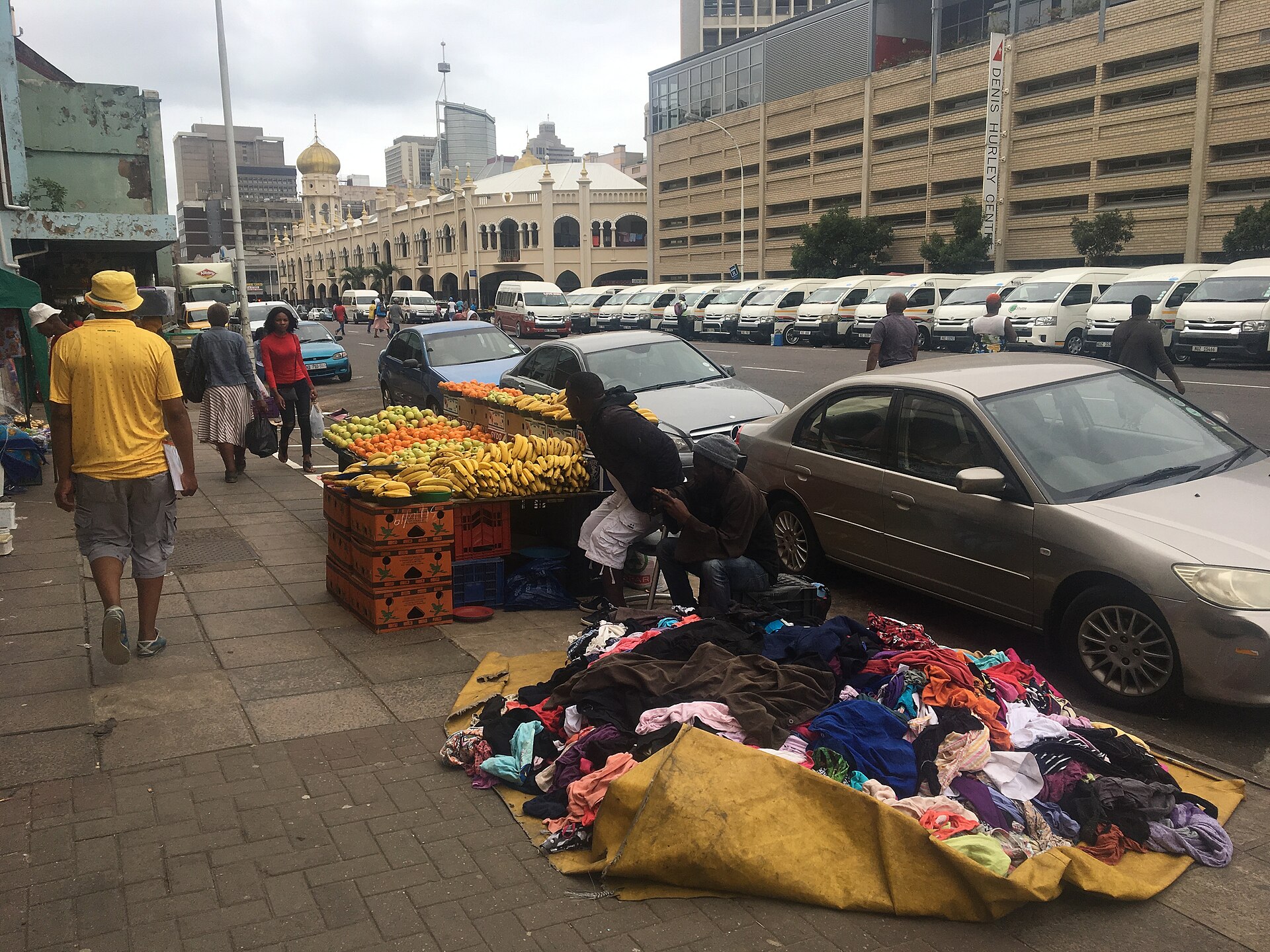
  • Empowered Women, Real Sales: EmpowerHer Trade Fair Opens New Doors for Durban’s Women Entrepreneurs

    Empowered Women, Real Sales: EmpowerHer Trade Fair Opens New Doors for Durban’s Women Entrepreneurs

    Women entrepreneurs who exhibited at the inaugural EmpowerHer Market Trade Fair in Durban say the initiative delivered far more than visibility, turning a single day of trading into real sales, new customers and lasting business connections.

    The trade fair was launched at the Olive Convention Centre in Durban on 1 August, opening South Africa’s 2026 Women’s Month programme on a decidedly practical note. Spearheaded by the Department of Women, Youth and Persons with Disabilities in partnership with Absa, it was officially opened by the Minister in the Presidency responsible for Women, Youth and Persons with Disabilities, Sindisiwe Chikunga.

    From Showcasing to Selling

    This year’s Women’s Month is observed under the theme Empowered Women Empower the Nation, with a sharp focus on strengthening women’s participation in the economy. Chikunga told delegates that the fair was designed to bridge the gap between women entrepreneurs and viable markets by connecting women-owned businesses directly with buyers, investors, government departments, corporates, financial institutions and enterprise development partners.

    “We aim to move beyond showcasing products towards actual commercial transactions, investment, procurement opportunities, business partnerships and long-term market linkages. This trade fair is not merely an exhibition – it is an economic empowerment and market access intervention,” the Minister said.

    Beyond the exhibition stands, entrepreneurs took part in business pitch sessions, procurement engagements, finance and development finance discussions, and business support clinics designed to help them grow their enterprises.

    “We Made Serious Sales Today”

    Among the exhibitors was Gogo Nomangungu, founder of Sangoma Diaries, whose stand the Minister visited during her walkabout. Nomangungu said the fair exceeded her expectations, generating strong sales of her complementary herbal medicines and organic skincare products.

    “By opening this women’s trade fair, we made serious sales today. Our businesses are growing because customers are buying directly from us. I’m very grateful to the Department of Women, Youth and Persons with Disabilities for creating this opportunity,” she said.

    She also welcomed the platform’s celebration of indigenous knowledge systems and locally manufactured products, saying initiatives that connect entrepreneurs directly with consumers can play a significant role in helping small businesses flourish.

    A Women’s Month With Momentum

    The fair forms part of government’s broader drive to expand market access, business partnerships and investment opportunities for women-owned enterprises – tackling well-documented barriers such as limited access to markets, procurement, finance, technology and supply chains.

    The timing carries deep meaning. South Africa commemorates Women’s Month every August in honour of the more than 20 000 women who marched to the Union Buildings on 9 August 1956, and National Women’s Day is observed each year on 9 August. Seventy years on, initiatives like EmpowerHer are turning that legacy of courage into economic opportunity – one sale, one partnership and one thriving woman-owned business at a time.

    Details of the trade fair were reported by SAnews.

    Photo: commons.wikimedia.org

  • From Vilakazi Street to Germany: North West Beekeeper Mems Ramaila Turns a Chance Meeting Into a Honey Success Story

    From Vilakazi Street to Germany: North West Beekeeper Mems Ramaila Turns a Chance Meeting Into a Honey Success Story

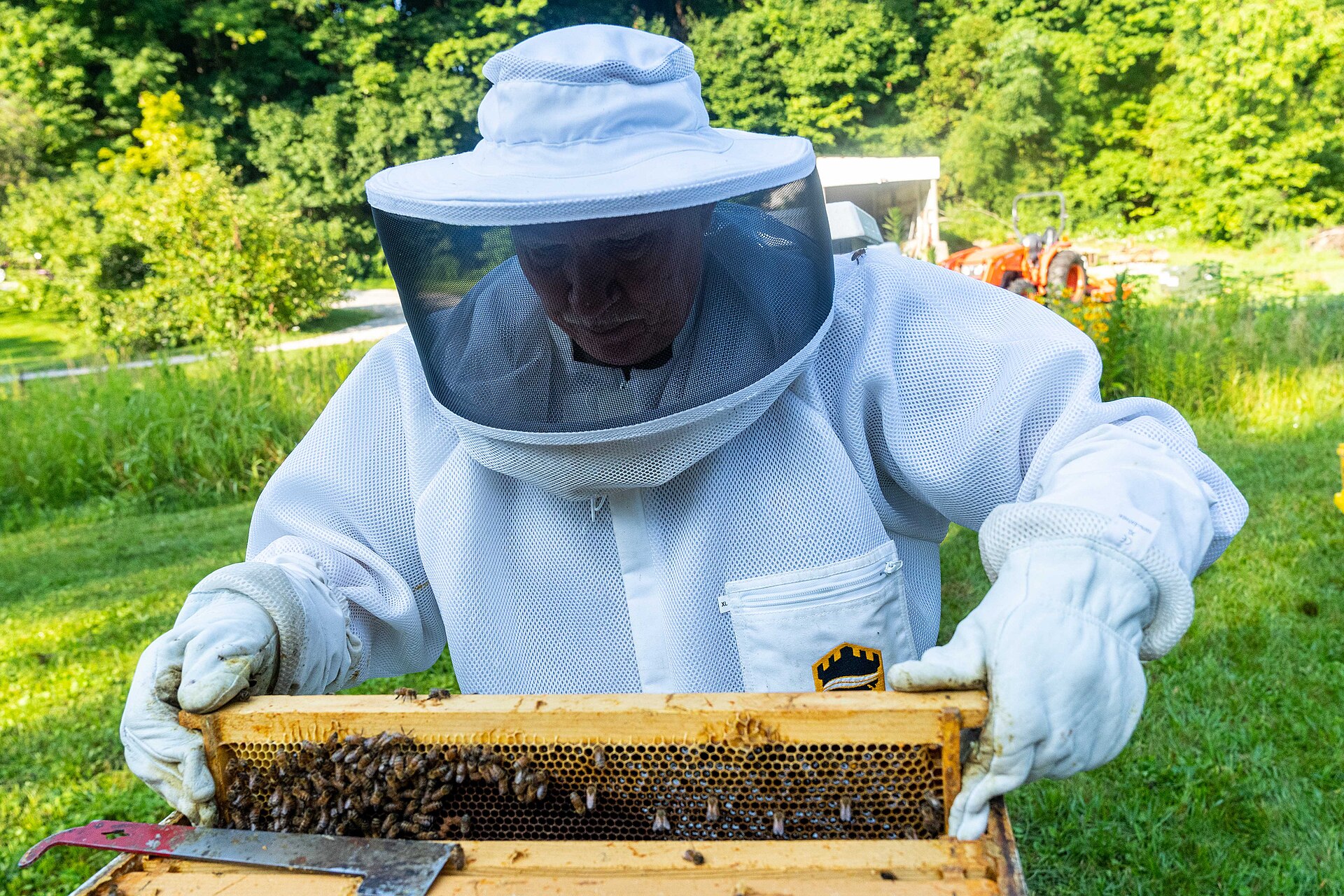
    A casual conversation with a German tourist in a Vilakazi Street restaurant in Soweto has grown into one of South Africa’s most promising women-led agribusinesses. Seven years on, North West farmer Mems Ramaila runs Bee African, a thriving beekeeping enterprise that is winning recognition in an industry still largely dominated by men.

    Ramaila, a lucerne farmer based near Brits, told SAnews that her journey began with a simple question: what could she do with the bees that constantly swarmed around her farm?

    “I had always been interested in beekeeping and wondered how I could make use of the bees that were already part of my farming environment. A casual conversation with a German tourist in Vilakazi Street in 2019 changed everything,” she said.

    That tourist introduced her to internationally acclaimed honey judge Arie Krieke, who travelled to South Africa later that year and spent three weeks on her farm sharing his expertise in beekeeping and honey production. Today more than 50 beehives are spread across the property, and the business has grown well beyond raw honey into value-added agro-processing.

    A partnership with Germany that keeps paying off

    Ramaila’s rise has been accelerated by the Partnering in Business with Germany Programme, an initiative of the Department of Trade, Industry and Competition, the German Federal Ministry for Economic Affairs and Climate Action and the German development agency GIZ, which equips emerging South African exporters to access international markets.

    “My three-week visit to Germany in 2025 was a turning point for my business. Not only did I gain valuable insights into accessing the German and broader European markets, but I also secured a Memorandum of Agreement with a respected German beekeeping company, Kriel Honig,” Ramaila explained.

    The partnership has already delivered results. In February 2026, Kriel Honig’s owner Utha Bonowsky spent a month in South Africa training the Bee African team in value addition and the beneficiation of bee products. The team now manufactures premium beeswax candles, honey condiments and other specialty wellness products, and Ramaila says consumer response has been “overwhelmingly positive”, with pop-up market demand growing so fast that major shopping centres have invited the company to showcase its range.

    Bees, education and bigger dreams

    Beyond commerce, Bee African regularly hosts school learners on the farm, teaching them about the essential role bees play in biodiversity, pollination and sustainable agriculture. The company has also diversified into manufacturing beekeeping equipment and customised gift boxes, and earns additional income from educational farm experiences.

    Ramaila’s next priority is scaling up production to help grow South Africa’s domestic honey output, since the country still relies heavily on imported honey. The business currently employs three people, but she believes it can create many more opportunities.

    “Our vision is to grow the business, create more jobs, and empower more women and young people to participate in the beekeeping value chain,” she said.

    Facts and quotes sourced from SAnews.gov.za, the South African government news agency.

    Photo: commons.wikimedia.org

  • From Beijing With Megawatts: Team South Africa Returns From China With Energy Investment Wins

    From Beijing With Megawatts: Team South Africa Returns From China With Energy Investment Wins

    Team South Africa has wrapped up a high-powered investment mission to China with a pipeline of energy deals taking shape, fresh momentum for green hydrogen, and a landmark nuclear technology agreement in hand.

    Electricity and Energy Minister Dr Kgosientsho Ramokgopa led the South African delegation at the South Africa-China Electricity and Energy Investment Conference in Beijing this week, making the case for strategic partnerships to secure the country’s energy future, with investment opportunities anchored in the Integrated Resource Plan (IRP) 2025, SAnews reports.

    Six Manufacturers Signal Interest

    According to the Department of Electricity and Energy, the mission has solidified a robust pipeline of investment interest, including advance interest from six key Original Equipment Manufacturers in the energy sector, the companies that build the turbines, panels, transformers and grid hardware South Africa needs for its infrastructure build-out.

    The aim, the department said, is to align Chinese industrial capability with South Africa’s own priorities under the country’s industrial-led inclusive growth path, with the energy sector as its anchor.

    Green Hydrogen Takes a Step Forward in Sasolburg

    Among the most significant developments to emerge from the week was Sasol’s commissioning of Envision to design a green hydrogen system for its Sasolburg operations.

    The project will explore producing green hydrogen for eMethanol and, eventually, sustainable aviation fuel, part of Sasol’s broader strategy to decarbonise its industrial assets. It is a concrete step in a field where South Africa’s abundant sun, wind and industrial know-how give it a genuine competitive edge.

    The delegation also secured a Memorandum of Understanding between South Africa’s National Radioactive Waste Disposal Institute and the China National Nuclear Corporation, under which the two institutions will collaborate on advanced nuclear waste disposal technologies, expertise that becomes increasingly valuable as South Africa weighs an expanded role for nuclear power.

    From Site Visits to Signed Deals

    Beyond the conference hall, the delegation undertook technical site visits covering green hydrogen, green ammonia, green energy supply to data centres, nuclear waste storage and disposal facilities, ultra-high-voltage transmission technologies and Special Economic Zones, a study tour of exactly the technologies South Africa wants to build at home.

    “By bridging the gap between policy and implementation, the delegation has established a clear roadmap for the next phase of development,” the department said.

    The next phase is where the mission’s promise becomes practical: consolidating final commitments, translating the technical insights from the site visits into actionable project pipelines, and accelerating the execution of high-impact energy and infrastructure projects.

    For a country that has spent recent years steadily rebuilding its energy security, and celebrating more than a year without load shedding, the Beijing mission signals that the next chapter is about growth, not just recovery. With the IRP 2025 setting out the investment map and international partners lining up to participate, South Africa’s energy story is increasingly one worth telling.

    Photo: commons.wikimedia.org

  • From the Cape to the World: Free Online Export Course Opens Global Markets for Western Cape Businesses

    From the Cape to the World: Free Online Export Course Opens Global Markets for Western Cape Businesses

    Hundreds of Western Cape entrepreneurs are learning how to take their products global, thanks to a free Online Export Course launched by the provincial Department of Economic Development and Tourism (DEDAT) in partnership with the International Trade Institute of Southern Africa (ITISA).

    The self-paced course has already attracted strong interest across the province, with 518 participants registering since its launch and more than 70 already completing the programme, according to SAnews. Many graduates have gone on to access additional export support initiatives offered by the provincial government.

    Exports as a jobs engine

    The initiative forms part of the Western Cape Government’s Growth for Jobs Strategy, which aims to drive economic growth, expand market access and create sustainable employment.

    “Through this free Online Export Course, we are equipping entrepreneurs and businesses with the practical skills they need to access new markets, grow their customer base, and contribute to the Western Cape’s export-led growth agenda,” said Dr Ivan Meyer, Western Cape MEC for Agriculture, Economic Development and Tourism, who described export growth as one of the most effective ways to stimulate the economy and create jobs.

    Real businesses, real results

    The course is already changing how local businesses operate. Alicia Somdaka, founder and chief executive of emerging agro-processing business Imbali Nature’s Crown, said the programme gave her valuable insight into export compliance, documentation, tariff classification and accessing international markets.

    “Following the course, I registered a business domain and dedicated company email, redesigned my product labels to meet export requirements, and I’m currently preparing my business for export opportunities in Europe and the Middle East,” Somdaka said.

    Fellow participant Sandiswa Masimini described the course as an enriching experience covering documentation, compliance, logistics, customs procedures and international trade requirements. “I would highly recommend the course to anyone seeking to build or advance a career in exports and international trade,” she said.

    Nine modules, zero cost

    The programme combines practical tools, expert guidance and real-world case studies, delivered through videos, downloadable resources and assessments. Its nine modules walk learners through the full export journey, including:

    • Export readiness and international marketing
    • Global trade, transport, logistics and cargo insurance
    • Incoterms® 2020 and export administration
    • Financial risk management and customs procedures
    • Product classification and compliance requirements

    The course caters to both emerging and experienced exporters — from small, medium and micro enterprises taking their first steps into international markets, to business development professionals, trade facilitators and export managers sharpening their strategies.

    Entrepreneurs and business owners can access the free course through the Western Cape Department of Economic Development and Tourism’s website, and start building their export-ready business today.

    Photo: commons.wikimedia.org

  • A ‘National Treasure’ at Work: President Ramaphosa Tours Sasol Secunda and Salutes a Job-Creating Giant

    A ‘National Treasure’ at Work: President Ramaphosa Tours Sasol Secunda and Salutes a Job-Creating Giant

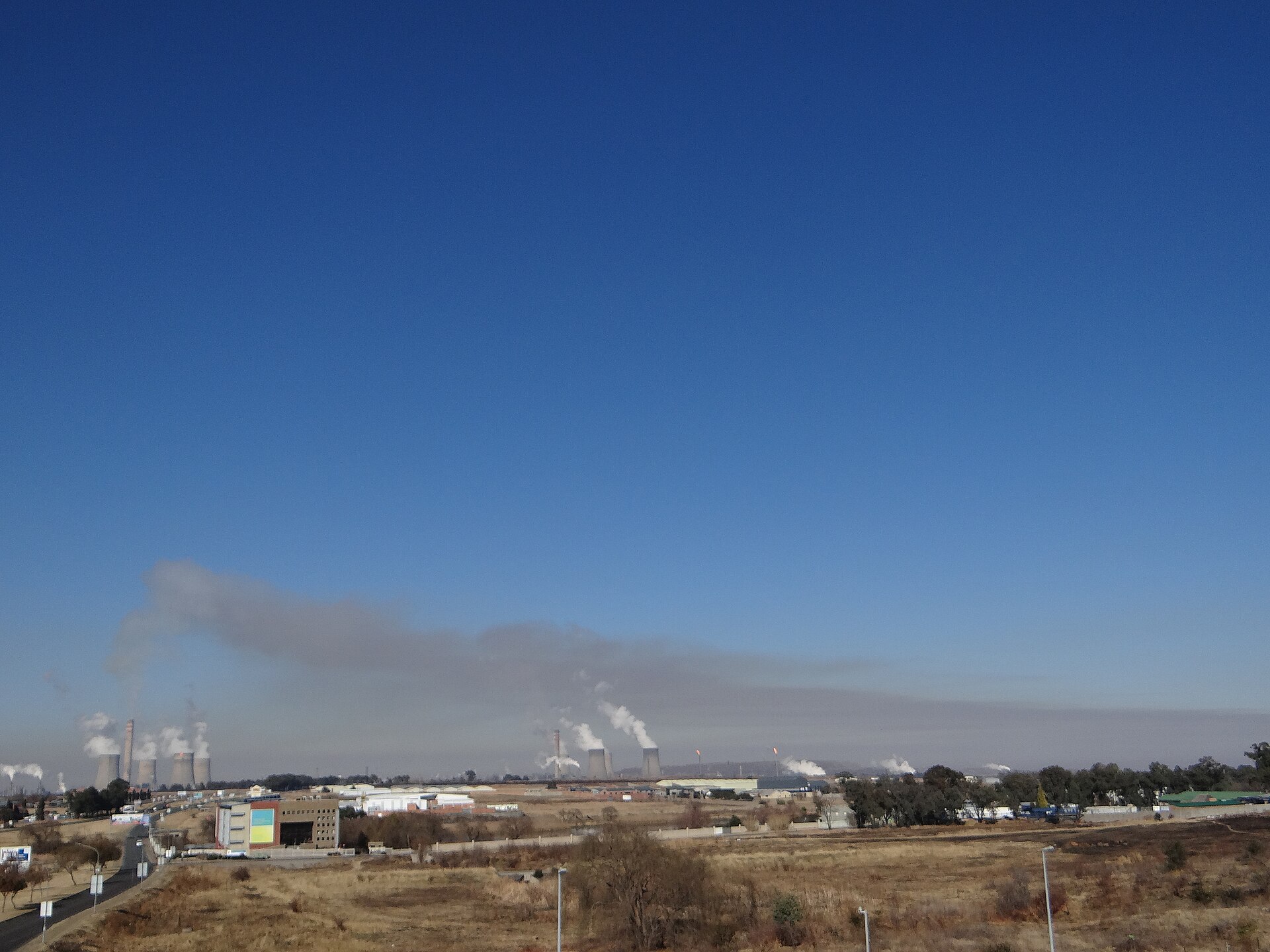
    President Cyril Ramaphosa has hailed Sasol as a “national treasure” after a first-hand tour of the company’s giant Secunda Operations in Mpumalanga on Thursday, describing the chemicals and energy group as one of the key players propelling South Africa’s economic development.

    “Sasol is a great contributor to our economy, and I’ve been very pleased to come and see the real industrial actor in our economy and one of the key players that propels the economic development that we have,” the President said during the visit, according to SAnews.

    From a rock of coal to world-class products

    The Secunda complex is one of the largest industrial sites in the world. Approximately 35 million tonnes of locally mined coal are beneficiated there each year, feeding an integrated value chain that spans mining, gasification, Sasol’s proprietary Fischer-Tropsch technology, refining, logistics and chemical production.

    “It’s so impressive that from a rock of coal, they can make wonderful products. They convert coal that we all look at and kick around into diesel, petrol, gas, sulphuric substances and products as well as plastics,” President Ramaphosa said.

    The Presidency said the briefing highlighted Sasol’s role in supporting local manufacturing, strengthening supply chains, driving innovation, developing critical skills and sustaining employment, while ensuring a reliable supply of the liquid fuels and chemical products that underpin economic activity.

    Jobs, small business and big investment

    The numbers behind the plant tell their own story. At Secunda alone, Sasol employs some 6 000 people, and once service providers are counted, as many as 40 000 people can be on site at any given time. The company also works with a diverse base of small and medium enterprises, opening doors for local businesses to partner with one of the world’s industrial giants.

    “What’s also impressive is that they work with many other companies, small and medium enterprises, and they give opportunities to small businesses that do a lot of work here with Sasol,” the President noted.

    Confidence is being backed with capital. At the sixth South Africa Investment Conference held in March, Sasol pledged a massive R60 billion investment across its chemicals and packaging operations, to be rolled out across all nine provinces.

    Proudly South African industry

    President Ramaphosa was accompanied by Mpumalanga Premier Mandla Ndlovu and hosted by Sasol President and Chief Executive Officer Simon Baloyi and Board Chairperson Muriel Dube, together with members of the Sasol Group Executive Committee.

    “Government owns quite a good portion of Sasol through our various structures of investment. We are very proud of what Sasol is; the standing that it has in our economy; the contribution it makes and the number of people that it employs,” the President said.

    “So, as South Africa, we should be proud of a company like Sasol. It’s a job creator and great contributor to our economy.”

    From roads to housing materials, the products flowing out of Secunda find their way into the everyday infrastructure that South Africans rely on — a reminder that homegrown industry remains one of the country’s greatest assets.

    Photo: commons.wikimedia.org

  • R2 Billion on the Table: Nelson Mandela Bay Moves to Land a Major Tyre Factory at Coega

    R2 Billion on the Table: Nelson Mandela Bay Moves to Land a Major Tyre Factory at Coega

    Nelson Mandela Bay is pulling out all the stops to land one of the biggest industrial investments the metro has seen in years: a proposed R2 billion tyre manufacturing and recycling facility at the Coega Special Economic Zone, backed by global tyre giant Sailun Group.

    Executive Mayor Babalwa Lobishe has reaffirmed the metro’s commitment to securing the deal, SAnews reports, following strategic engagements with the Coega Development Corporation and Sailun as the company weighs the Coega SEZ as the preferred home for its regional manufacturing hub.

    Thousands of jobs on the horizon

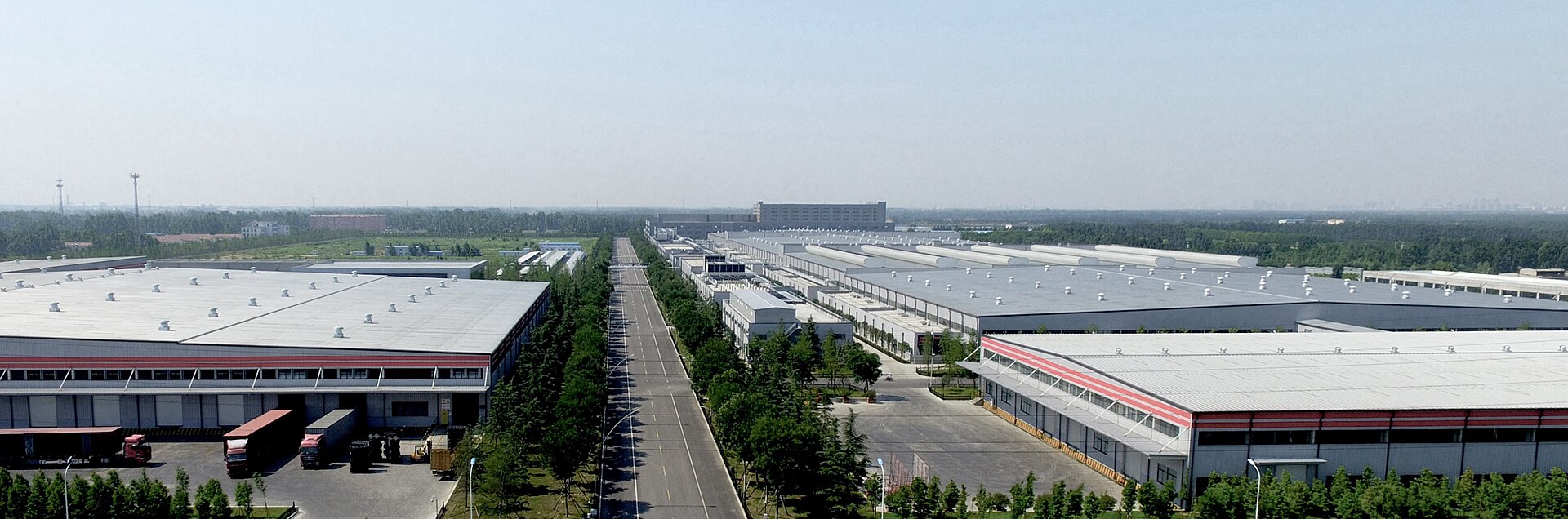
    The numbers behind the proposal are striking. The development would see a 20-hectare manufacturing facility rise at Coega, with an estimated production footprint of 100 000 square metres. In its first phase alone, the plant is expected to roll out one million passenger vehicle tyres and 300 000 truck and bus tyres every year, with production set to grow as demand rises.

    The investment is projected to create about 200 direct jobs in the initial operational phase, climbing to approximately 800 permanent jobs as the facility expands. More than 1 200 indirect employment opportunities are expected across construction, logistics and supporting industries.

    “Nelson Mandela Bay is ready to compete for global investment. We are determined to create an enabling environment where investors can establish, grow and contribute meaningfully to our local economy,” Lobishe said. “Every major investment we secure creates employment, stimulates local businesses, expands our manufacturing capability and restores confidence in our city as an investment destination.”

    Why Coega makes sense

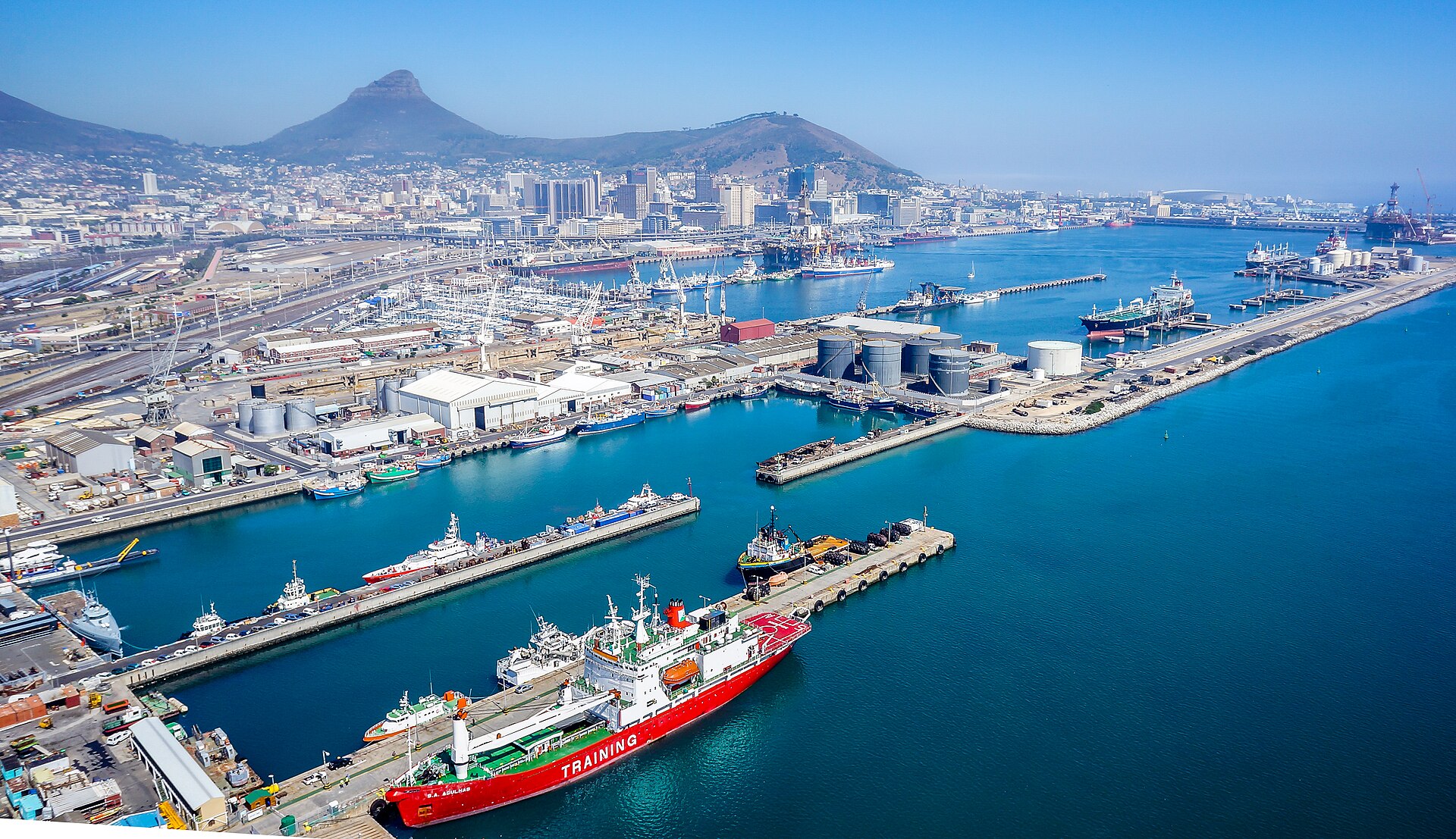
    Sailun is currently conducting feasibility studies for a hub that would supply the Southern African Customs Union and the broader sub-Saharan African market. According to the municipality, the company is drawn to the Coega SEZ for its strategic location, world-class logistics infrastructure, available industrial land, renewable energy opportunities and direct access to the Port of Ngqura.

    Sustainability is baked into the design. The proposed facility would incorporate embedded renewable energy generation, battery storage systems and the use of treated industrial return-effluent water to support cleaner manufacturing.

    A team effort for the Bay

    The mayor emphasised that the municipality is working hand in hand with the Coega Development Corporation, the Department of Trade, Industry and Competition and other stakeholders to present a competitive, investor-friendly value proposition.

    For a metro that already anchors South Africa’s automotive industry, the proposed plant would strengthen Nelson Mandela Bay’s position as a leading vehicle manufacturing hub, unlock new export markets and grow the municipality’s long-term revenue base — good news for the Bay, the Eastern Cape and the country’s industrial ambitions alike.

    Photo: commons.wikimedia.org

  • Powering 500 000 Homes: Mpumalanga’s New Wind Farm Delivers Jobs, Investment and Clean Energy

    Powering 500 000 Homes: Mpumalanga’s New Wind Farm Delivers Jobs, Investment and Clean Energy

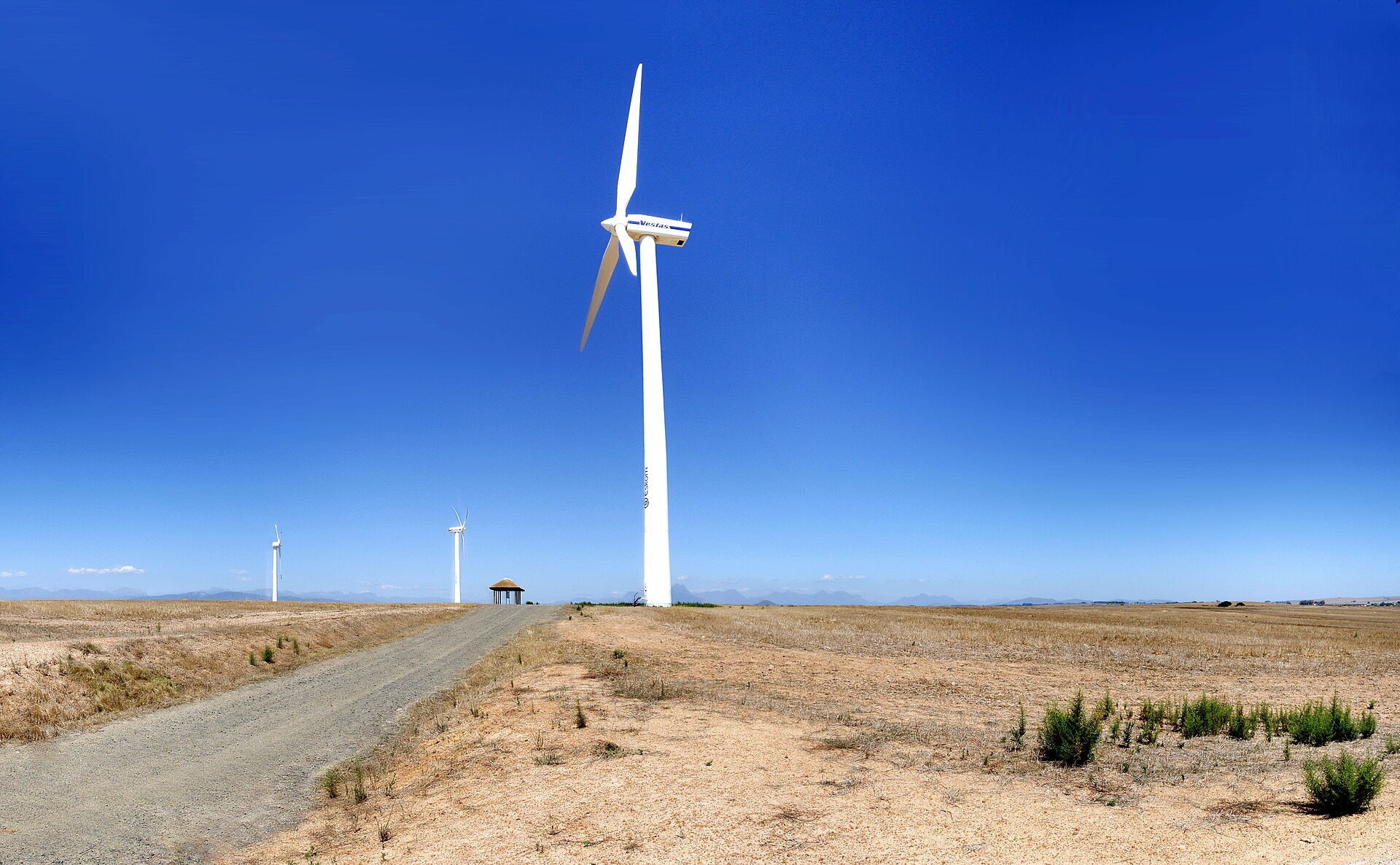
    A new wind farm near Bethal in Mpumalanga is being hailed as a milestone in South Africa’s energy story, one that pairs jobs, investment and clean power in the country’s traditional coal heartland. President Cyril Ramaphosa has launched commercial operations at the Ummbila Emoyeni Wind Energy Facility, calling it a significant step towards strengthening energy security and advancing the Just Energy Transition.

    Speaking at the launch on Friday, the President described the project as an example of how government, the private sector, Eskom and communities can work together to drive infrastructure development and inclusive economic growth.

    More than 1 000 jobs and counting

    The numbers behind the project tell an encouraging story. “I understand that to date, more than 1 000 jobs have been created through this project, with about half of these jobs going to people living within a 10km radius,” President Ramaphosa said.

    The developer, proudly South African company Seriti Green, reported that over 2 100 employees had contributed to construction, and that more than 18 500 job seekers had registered on its Skills Hub to access current and future opportunities. Notably, more than half of those who registered are women, which the President welcomed as “a promising sign of the potential that this and other projects have to drive women’s economic empowerment.”

    Mpumalanga Premier Mandla Ndlovu said the facility had brought real hope to the province. “Our communities see this project as a symbol of a brighter future,” he said, adding that it was about “creating jobs, developing skills, attracting investment, restoring dignity to families, and opening opportunities for the next generation.”

    Coal and renewables, side by side

    What makes Ummbila Emoyeni striking is where it sits. Located in South Africa’s traditional energy-producing region, the facility shows how renewable power can grow alongside the coal industry rather than simply replacing it overnight.

    The first phase comprises 155MW of wind generation and forms part of a planned 900MW renewable energy programme. Seriti Green Chairman Mike Teke said the project already showed what collaboration could achieve. “This is JET in action. Coal and renewables together, and the benefits and beneficiaries in the towns of Bethal, Davel and Morgenzon transforming their towns and communities, and powering 500 000 homes,” he said.

    Safety was a point of pride too. Seriti Green CEO Peter Venn said the project had accumulated more than three million hours of work “and all of that time, we did not record a single lost-time injury.”

    Confidence in South Africa

    The wind farm also reflects growing investor confidence in the country. Seriti pledged R4.5 billion at the 5th South Africa Investment Conference in 2023, followed by a further R10 billion investment in renewable energy infrastructure at the 6th conference earlier this year.

    For residents nearby, the promise is practical. Community member Muziwabantu Sikhakhane told SAnews the facility would boost the province’s energy security and keep opportunity closer to home. “We hope more job opportunities will be created for our people. There will be no need to flock to Gauteng for jobs,” he said.

    With turbines now turning and homes being powered, Ummbila Emoyeni stands as proof that South Africa can build infrastructure of global significance while keeping its communities firmly at the centre of the story.

    Photo: commons.wikimedia.org

  • Rail Deals, Water Plans and a Modern Grid: Operation Vulindlela’s Latest Report Shows Reform Momentum Building

    Rail Deals, Water Plans and a Modern Grid: Operation Vulindlela’s Latest Report Shows Reform Momentum Building

    South Africa’s flagship reform programme is picking up speed. The Operation Vulindlela 2026 first-quarter report, released on Friday, records progress across electricity, freight rail, water, visas, local government and housing — the network industries and systems that underpin growth and everyday service delivery, SAnews reports.

    Operation Vulindlela is a joint initiative of the National Treasury and the Presidency that accelerates structural reforms to achieve rapid, inclusive economic growth, improve service delivery and strengthen state capability. “Sustained implementation of structural reforms is improving South Africa’s competitiveness, reducing constraints to growth, and laying the foundations for higher levels of private investment,” the report notes.

    Powering a Competitive Electricity Market

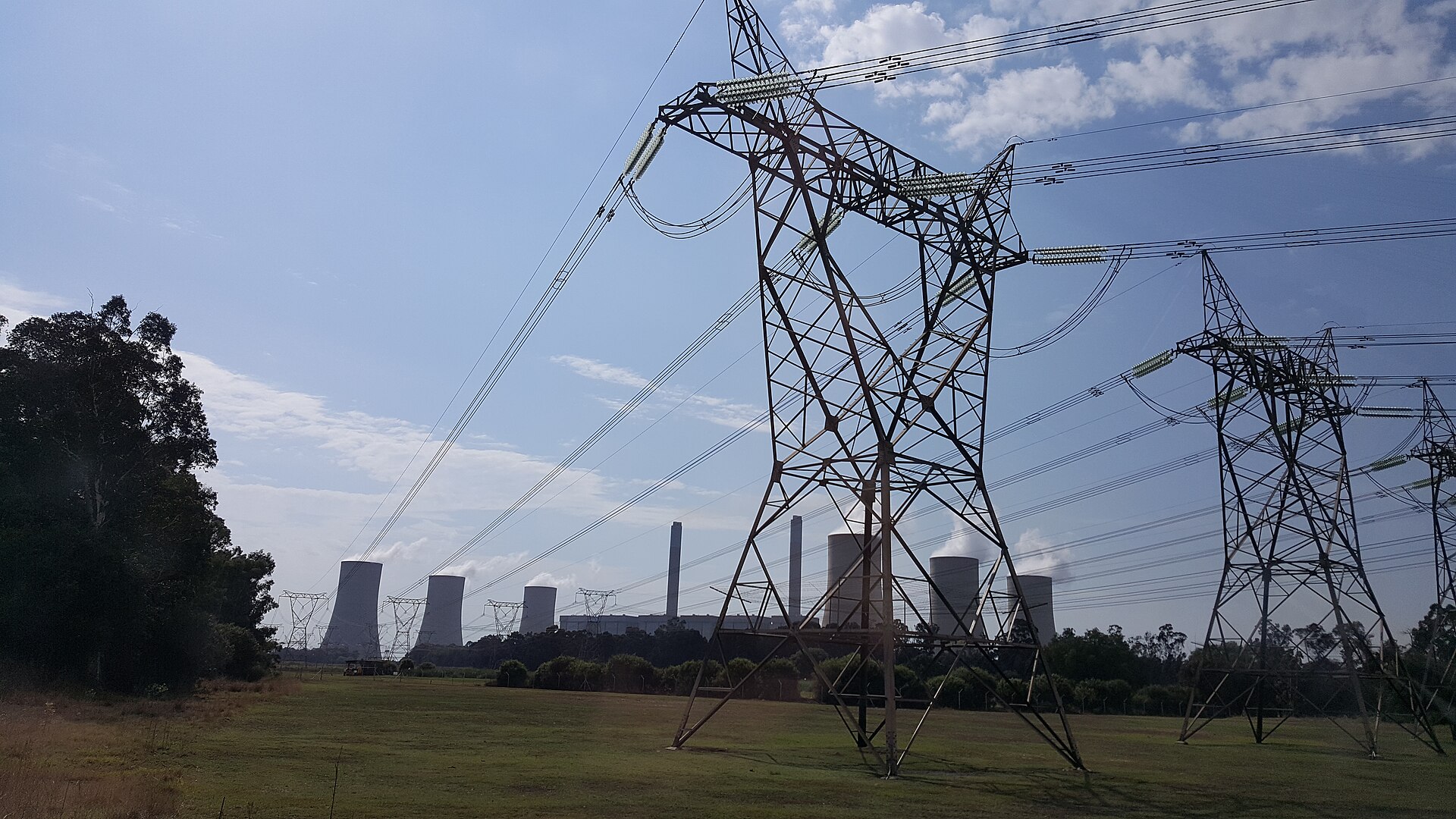
    The first phase of the Eskom Restructuring Task Team’s work is complete, with its report on establishing an independent state-owned transmission entity endorsed by President Cyril Ramaphosa. The report calls this a critical step to restructure Eskom while maintaining energy security and reducing the high cost of electricity. Key steps have also been taken towards a regulatory framework for the coming South African Wholesale Electricity Market.

    Opening the Rails

    Freight reform produced some of the quarter’s most tangible wins: publication of the latest Network Statement opening the freight rail network to multiple operators, Rail Access Agreements concluded with 11 train operating companies, an implementation plan for corporatising the Transnet National Ports Authority, and a finalised draft National Rail Bill. In parallel, PRASA continued restoring passenger rail services and expanding its rolling stock, supporting urban mobility and economic inclusion.

    Water for All, Visas That Work

    President Ramaphosa recently unveiled the National Water Action Plan, aimed at delivering running water to all South Africans regardless of location. Together with the new National Water Crisis Committee, the plan provides a coordinated framework for the sector, while the South African National Water Resources Infrastructure Agency is being operationalised and the project pipeline expands through the Water Partnerships Office and the newly established Infrastructure Finance and Implementation Support Agency.

    Visa reform is also delivering. The Electronic Travel Authorisation system is being expanded, Phase II of the Trusted Employer Scheme has launched for all qualifying employers, new visa programmes are supporting business events, tourism and the creative industries, and major land ports of entry are being redeveloped through public-private partnerships to speed up cross-border trade and travel.

    Stronger Municipalities, Better Housing

    The first cohort of metros is implementing the Metro Trading Services Reform Programme to improve municipal water, electricity and sanitation services, while work advances on the White Paper on Local Government and municipal finance reforms. On housing, government is developing subsidy programmes to support affordable housing investment, releasing well-located public land and tackling the title deeds backlog.

    The report is candid that progress in some areas has been uneven given the complexity of institutional reform — but its direction is clear: “the focus will increasingly shift towards accelerating delivery” so that reforms translate into measurable improvements in infrastructure, service delivery and inclusive growth.

    Photo: commons.wikimedia.org