Good News · All Nine Provinces

Independent · Local · Forward-looking

Mzansi News Online

Uniting SA Through Good News

Category: Business

  • Growth Forecast Up, Rail Volumes Up, Factories Humming: South Africa’s Economic Reforms Gain Traction

    Growth Forecast Up, Rail Volumes Up, Factories Humming: South Africa’s Economic Reforms Gain Traction

    South Africa’s economic reform drive is delivering measurable results, with the International Monetary Fund revising the country’s projected GDP growth upward to 1.1%, freight rail volumes climbing, and billions of rands in fresh automotive investment landing on factory floors.

    “While the upward revision to South Africa’s economic growth forecast remains modest, it reflects growing confidence in the country’s economic recovery efforts despite weaker global growth,” Minister in the Presidency Khumbudzo Ntshavheni said in Pretoria on Thursday, briefing media on the outcomes of Wednesday’s Cabinet meeting, as reported by SAnews.

    “Cabinet noted that this positive adjustment reflects a stabilising domestic economy that continues to demonstrate resilience,” she added.

    More freight moving on South Africa’s rails

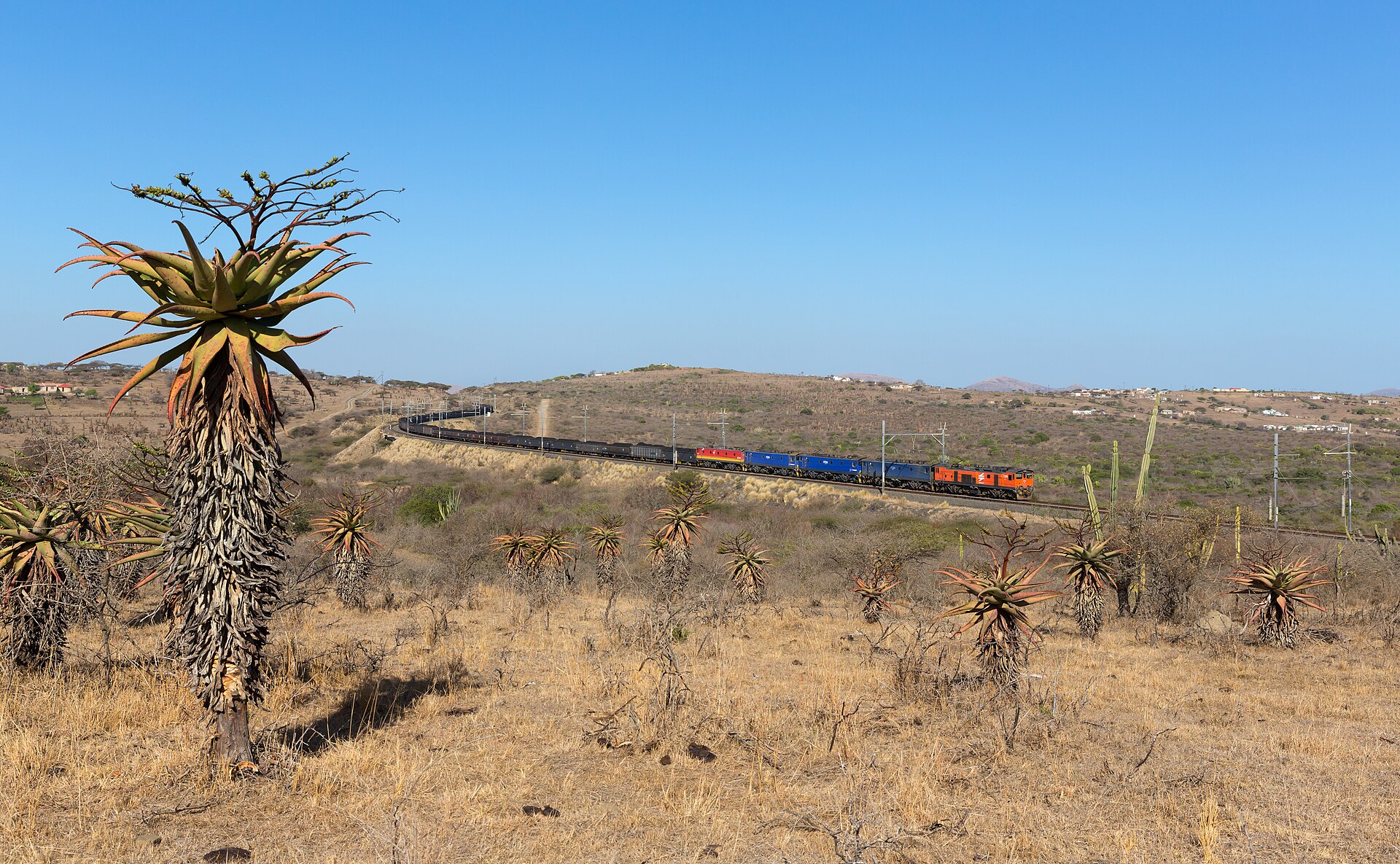
    Some of the clearest evidence comes from the railways. In the first quarter of the 2026/27 financial year, Transnet Freight Rail moved 42.0 million tons of cargo, up from 40.2 million tons a year earlier – a 4.4% year-on-year improvement.

    Remarkably, the gain was achieved even though an additional 11-day scheduled maintenance shutdown was carried out on the Iron Ore Line during the quarter. “Notwithstanding this, TFR moved a higher volume of tonnage, demonstrating a significant improvement in operational efficiency and throughput,” Ntshavheni said.

    Automakers doubling down on South Africa

    The automotive sector is backing the recovery with hard capital. Cabinet welcomed Toyota South Africa Motors’ R10.4 billion investment in its Prospecton plant in eThekwini to produce the ninth-generation Hilux – an investment that supports nearly 27 000 jobs across the supplier network and sustains more than 4 300 direct assembly jobs.

    Alongside it, the Chery Group has acquired and is revitalising the former Nissan manufacturing facility in Rosslyn, Gauteng, where it plans to build the Chery, Jaecoo and Jetour brands. Initial production is scheduled for mid-2027, ramping up to an annual output of 15 000 units the following year.

    “The Chery Group’s acquisition secures 692 manufacturing jobs and is projected to create nearly 3 000 direct and indirect opportunities across logistics, engineering, supply chains and support services. These long-term commitments also solidify South Africa’s position as a robust manufacturing and regional export hub,” Ntshavheni said.

    Faster visas for job-creating employers

    Cabinet further welcomed the launch of Phase II of the Trusted Employer Scheme, which fast-tracks visa processing for verified employers who invest locally, prioritise South African jobs and develop local skills. A dedicated online portal, “Home Affairs @ home”, opened for expressions of interest from 20 July to 4 September 2026.

    Taken together – a better growth outlook, rising rail volumes, new production lines and smarter digital services – the picture is one of an economy steadily finding its stride.

    Photo: commons.wikimedia.org
  • R4.2 Billion In, R531 Million Out: Dube TradePort SEZ Powers KwaZulu-Natal’s Economic Rise

    R4.2 Billion In, R531 Million Out: Dube TradePort SEZ Powers KwaZulu-Natal’s Economic Rise

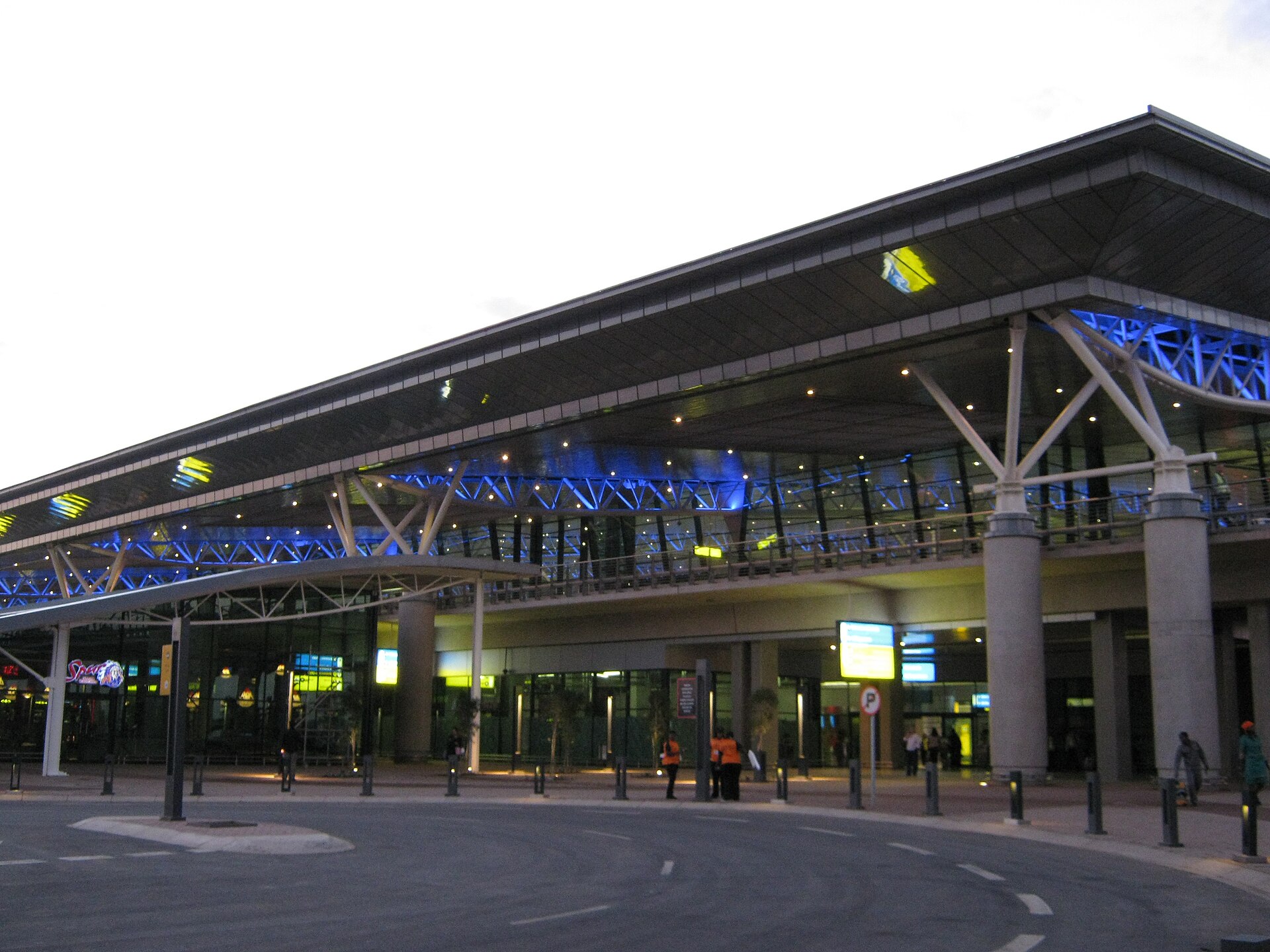
    KwaZulu-Natal’s flagship Special Economic Zone is delivering on its promise. The Dube TradePort SEZ, anchored alongside King Shaka International Airport north of Durban, has attracted R4.2 billion in private-sector investment since its inception and today sustains approximately 36 872 permanent jobs across the province, according to its latest Socio-Economic Impact Assessment Report.

    The report, highlighted by SAnews this week, paints a picture of a zone that keeps compounding its wins: growing exports, expanding infrastructure and investors who keep coming back to put in more.

    Investors doubling down

    Dube TradePort Chief Executive Officer Hamish Erskine said the SEZ attracted a further R480 million in private-sector investment during the past financial year — much of it from existing investors expanding their capital and equipment. Those commitments created 631 new permanent jobs and 102 temporary jobs.

    “Our continued investment in strategic infrastructure and investor-focused development is creating a platform for sustained economic growth and industrial expansion. Dube TradePort remains a powerful catalyst for attracting investment, creating jobs, and strengthening KwaZulu-Natal’s position in global markets,” Erskine said.

    Exports top R531 million

    Businesses operating within the zone generated approximately R531 million in exports during the previous financial year, shipping products to markets across the Southern African Development Community and further afield.

    Erskine credited the zone’s integrated development model: world-class industrial infrastructure and logistics wrapped around direct access to global markets through King Shaka International Airport, the Port of Durban and the road network linking KwaZulu-Natal to the rest of Southern Africa.

    Building for the next wave

    The growth engine is not idling. During the 2025/26 financial year, Dube TradePort invested R109.7 million in fixed capital projects, completing major infrastructure works in Dube TradeZone 2 and Dube AgriZone 2 while advancing large-scale industrial warehousing.

    Strategic projects earmarked for the coming year include:

    • A solar farm generating at least 4.4 megawatts of renewable energy, boosting energy resilience for investors;
    • Two new industrial warehouses for medium-sized manufacturers seeking world-class facilities inside the zone;
    • Planning for a new water reservoir to secure long-term water availability for industrial expansion.

    For a province building its future on trade, logistics and manufacturing, Dube TradePort’s numbers tell a confident story: investment in, exports out, and tens of thousands of families supported by the jobs in between.

    Photo: commons.wikimedia.org

  • Confidence Restored: eThekwini’s Credit Outlook Lifted to Stable as the City’s Finances Strengthen

    Confidence Restored: eThekwini’s Credit Outlook Lifted to Stable as the City’s Finances Strengthen

    Good news for Durban’s balance sheet — and for everyone who calls the city home. Independent ratings agency Global Credit Ratings (GCR) has revised eThekwini Municipality’s credit outlook from negative to stable, while affirming the city’s long-term AA-(ZA) investment-grade credit rating.

    The improved outlook is an independent endorsement of the municipality’s strengthened financial position, improved infrastructure delivery and disciplined fiscal management — and it signals growing confidence in eThekwini’s ability to sustain investment, accelerate service delivery and build a resilient metropolitan economy.

    What Changed

    According to the municipality, the upgrade reflects steady, deliberate work: a conservative debt profile, stable collection rates, sound financial management and continued access to funding, all maintained through a challenging economic climate.

    eThekwini Mayor Cyril Xaba welcomed the decision.

    “This outcome is an independent endorsement of the progress we have made in implementing the Municipality’s financial strategy, accelerating investment in critical infrastructure, and maintaining fiscal discipline through a conservative debt profile, stable collection rates, and continued access to funding despite a challenging operating environment,” Xaba said.

    The mayor commended City Manager Musa Mbhele, Chief Financial Officer Dr Sandile Mnguni, the Finance Cluster and all municipal departments for their collective role in strengthening the city’s finances and reinforcing investor confidence.

    Why It Matters for Residents

    A stable outlook on an investment-grade rating is more than a technical milestone. It gives investors and lenders greater assurance, which helps the city borrow affordably to fund the infrastructure residents rely on — roads, water, electricity and public spaces. The municipality says the revised outlook provides assurance to investors, lenders, residents and businesses alike that eThekwini is consolidating its financial strength while accelerating infrastructure investment to drive economic growth and improve service delivery.

    Eyes on the Road Ahead

    GCR also identified priorities for continued attention — among them reducing water losses, strengthening debt collection and enhancing governance and internal controls. The municipality says these form part of its long-term financial sustainability and infrastructure renewal programme, meaning the rating news is not a finish line but a milestone on a longer journey of improvement.

    For a metro that has poured millions into inner-city road upgrades and township enterprise support in recent months, the stable outlook is well-timed wind in the sails. Durban’s financial house is in better order, its infrastructure programme is accelerating, and independent analysts have taken notice — a win worth celebrating for South Africa’s busiest port city, according to SAnews.

    Photo: commons.wikimedia.org

  • Proudly South African, Warmly Received: SA Businesses Return From Angola With 82 Trade Leads

    Proudly South African, Warmly Received: SA Businesses Return From Angola With 82 Trade Leads

    South African exporters have returned from Angola with full order books in the making. The business delegation that flew the flag at the Feira Internacional de Angola (FILDA) — the country’s largest international multi-sector exhibition, held in Luanda from 21 to 26 July 2026 — came home with a strong pipeline of promising trade leads.

    Supported by the Department of Trade, Industry and Competition (the dtic), the delegation showcased proudly South African products and services from the agro-processing, steel and metal fabrication, engineering and mining, and chemical sectors.

    The Numbers Tell the Story

    The South African pavilion was one of the busiest spots at the show. By the close of the exhibition, the delegation had recorded:

    • More than 2 000 visitors to the South African pavilion;
    • 82 trade leads gathered by participating companies;
    • Meetings with 341 buyers; and
    • 55 business-to-business meetings concluded.

    A Gateway to the Continent

    For Malcolm Green, owner of La RicMal Wines, the response from Angolan importers and distributors came down to quality, pricing and packaging — and the opportunity reaches far beyond one market.

    “There are also businesses operating in Angola that serve markets beyond the country’s borders, including neighbouring countries such as the Democratic Republic of Congo, Zambia and Namibia, who showed interest in doing business with us. I see Angola as a gateway, with FILDA serving as an important conduit for South African businesses seeking to access other African markets,” Green said.

    Johannesburg-based steel fabricator InfraPower Engineering engaged potential clients from Angola, Zimbabwe, India and beyond. “The exhibition generated strong interest in our products, with visitors making inquiries and requesting pricing on some of the offerings,” said Managing Director Rakgomo Maetje.

    Lizwile Engineering targeted partnerships in Angola’s infrastructure, mining, energy and oil and gas sectors. Executive Director Nomagugu Mvelase said the company established relationships with several Angolan firms and is pursuing opportunities in Ghana, Zambia, Zimbabwe, Namibia and Kenya. “Our technical expertise and experience in delivering projects under challenging conditions positions us to contribute meaningfully to infrastructure development across the continent,” Mvelase said.

    TLT-Turbo Africa explored refinery upgrades and underground mining ventilation opportunities, while Eastern Cape-based Analit Africa Consumer Brands — maker of in-house food brands and organic premium skincare — identified potential distributors, drew interest from major retailers and was even asked by a major bank to submit a business plan, said founder Lungisa Lutshaba.

    Shaping Export Markets

    The mission forms part of government’s drive to actively shape export markets by expanding opportunities for South African companies across the African continent. On the evidence of Luanda, that strategy is working — and Mzansi’s products are winning friends far beyond our borders, according to SAnews.

    Photo: commons.wikimedia.org

  • An $8 Billion Partnership: South Africa Joins Afreximbank as a Full Member and Unlocks a Major Growth Package

    An $8 Billion Partnership: South Africa Joins Afreximbank as a Full Member and Unlocks a Major Growth Package

    South Africa’s new strategic partnership with the African Export–Import Bank (Afreximbank) has unlocked a US$8 billion commitment to drive industrial growth, create jobs and add more value to the country’s natural resources, the Presidency has confirmed.

    The commitment follows the signing of the Instrument of Accession in Johannesburg earlier this month, when South Africa became a full sovereign member – a Class A shareholder – of the Cairo-headquartered bank. South Africa is the 54th state to accede to the bank’s Establishment Agreement.

    What the money is for

    According to the South African Government News Agency, the package paves the way for:

    • Expanding local manufacturing and mineral processing, including funding support for local smelters, refineries and processing plants for gold, platinum and battery minerals such as lithium;
    • Investing in critical infrastructure such as energy generation and transmission;
    • Developing industrial parks and special economic zones;
    • Improving access to regional and continental markets under the African Continental Free Trade Agreement (AfCFTA).

    Small businesses stand to gain too. The bank’s programmes are designed to support SMME development in sectors like automotive components, pharmaceuticals and agro-processing, with access to trade finance, training and e-commerce readiness initiatives for digital trade across the continent.

    “Whatever it takes”

    Afreximbank President Dr George Elombi left little doubt about the bank’s intent.

    “We have put together what we consider an important package of US$8 billion for South Africa. We will do whatever it takes to support the government and the private sector in building a local economy that serves all South Africans, and that looks out to the wider African continent as a natural source and destination of wealth.”

    With a continental market of about 1.4 billion people, Elombi urged African countries to look inward for growth: “We do not have to reinvent the wheel. Let us look within the continent for sources of development.”

    A stepping stone to a South African Exim bank

    President Cyril Ramaphosa said accession affirms South Africa’s commitment to African industrial development, and revealed a bigger ambition: “Accession brings us a step closer towards the incubation of a South African Export–Import Bank,” building on the experience of the Export Credit Insurance Corporation.

    South Africa is already the continent’s largest regional contributor to intra-African trade, accounting for 19.1% of total African trade in 2024, according to Afreximbank. Membership gives the country a stronger voice in the bank’s governance and access to more competitive financing for exporters, state-owned enterprises and private companies, with the bank set to work alongside institutions such as the Industrial Development Corporation, the Development Bank of Southern Africa, the Public Investment Corporation and commercial banks.

    The full report was published by SAnews.

    Photo: commons.wikimedia.org

  • From Subsistence to Success: Eastern Cape Launches R80 Million Grain Commercialisation Drive

    From Subsistence to Success: Eastern Cape Launches R80 Million Grain Commercialisation Drive

    Emerging grain farmers in the Eastern Cape have been handed a clear path from subsistence farming to commercial success. The provincial Department of Rural Development and Agrarian Reform (DRDAR) has launched its Grain Commercialisation Chapter, an initiative aimed at building sustainable farming enterprises and opening market access for producers across the province.

    The launch took place at a vibrant Harvest Day celebration at Sonskyn Farm in the Elundini Local Municipality on Thursday, bringing together farmers, industry stakeholders and government partners. The event forms part of the department’s broader Agriculture Commercialisation Programme, which works to unlock farmers’ economic potential through targeted support, stronger production capacity and integration into sustainable agricultural value chains.

    R80 Million for Grain on 24 000 Hectares

    The initiative is backed by serious resources. In her 2026/27 Budget Vote, Eastern Cape Agriculture MEC Nonceba Kontsiwe announced an allocation of R80 million to the grain and oilseeds value chain, supporting production on 24 000 hectares of land across the province.

    “One thing I have always emphasised is that people must not underestimate their potential. Even a child crawls before they eventually walk,” Kontsiwe told farmers at the launch. “As government, we took a decision that our people must be supported to become commercial farmers. These farmers include the young, women and other producers who participate in various agricultural value chains such as grain, wool, citrus, livestock, poultry and others.”

    Kontsiwe highlighted how grain production strengthens the whole agricultural ecosystem, noting that Joe Gqabi District is one of the province’s leading wool producers and that farmers there have performed exceptionally well this year. “To have quality livestock, you need quality feed. Through grain production, these farmers are playing a critical role in producing food for both people and animals,” she said.

    A 21-Year-Old Shows the Way

    The Harvest Day also put the spotlight on the young farmers entering the sector — none more inspiring than 21-year-old Iviwe Sondlo, who leases Sonskyn Farm itself. Sondlo’s love of agriculture was sparked early by his father, who taught him to operate a tractor as a boy. In 2025, encouraged by his father, he partnered with his cousin to lease the farm and plant maize on 47 hectares.

    “We are planning to include more grains in future, expand our enterprise, and create more employment opportunities for young people,” Sondlo said.

    Sonskyn Farm already supplies its produce to established industry players, including BKB in Nqanqarhu (formerly Maclear) and Bester in Mthatha — proof that emerging farmers can plug directly into commercial value chains when given the right support.

    Growing a New Generation of Commercial Farmers

    The department says Sondlo’s journey reflects exactly what the Grain Commercialisation Chapter is designed to achieve: attracting more young people into agriculture while building a new generation of commercial producers. With R80 million behind them, thousands of hectares under production and role models like Sondlo leading from the front, the Eastern Cape’s grain farmers have every reason to look forward to the next harvest.

    Reporting based on information from SAnews.gov.za.

    Photo: commons.wikimedia.org

  • A $400 Million Vote of Confidence: African Development Bank Backs Mpumalanga’s Municipal Utility Reform

    A $400 Million Vote of Confidence: African Development Bank Backs Mpumalanga’s Municipal Utility Reform

    Mpumalanga’s drive to build stronger, more reliable municipal services has received a major international vote of confidence. The African Development Bank (AfDB) Group has approved a $400 million loan for the Mpumalanga Municipal Utility Reform Programme, a landmark initiative designed to strengthen water and electricity services in the province’s municipalities.

    First announced by National Treasury during the 2025 Medium Term Budget Policy Statement, the programme supports South Africa’s Just Energy Transition by bolstering municipalities most affected by the shift away from coal — helping them become more capable, better funded and more resilient.

    What the Funding Will Do

    The programme takes a practical, results-driven approach to municipal services, focusing on:

    • Reducing water and electricity losses
    • Improving revenue collection
    • Repairing critical infrastructure
    • Strengthening utility management
    • Encouraging private-sector involvement through performance-based contracts

    “We see the Mpumalanga Municipal Utility Reform Programme as an important step towards improving and stabilising municipal services,” said National Treasury’s Ogalaletseng Gaarekwe. “It will test a support model that strengthens operations and maintenance, planning, infrastructure, and municipal capability, helping to provide more reliable and sustainable water and energy services while advancing the Government’s Just Energy Transition goals.”

    A Model Other Municipalities Can Follow

    The AfDB sees the programme as more than a provincial project — it is a blueprint. Kevin Kariuki, the bank’s Vice President for Power, Energy, Climate and Green Growth, underlined how well-run municipalities power national development.

    “Strong municipalities are fundamental to South Africa’s long-term development. By strengthening the financial sustainability of municipal utilities, this operation will improve electricity delivery, build more resilient local institutions, and establish a replicable model for reforms that strengthen municipalities across South Africa,” Kariuki said.

    If the model succeeds in Mpumalanga, it could be rolled out to municipalities around the country — multiplying the benefit of every rand and dollar invested.

    International Partnership in Action

    The financing is backed by a guarantee from the United Kingdom’s Foreign, Commonwealth and Development Office (FCDO) through the Just Energy Transition Partnership, with the FCDO also providing technical assistance to help the programme deliver.

    “MURP represents a practical partnership that demonstrates how innovative financing can help municipalities deliver more reliable services and create the conditions for greater investment and economic growth, while advancing South Africa’s Just Energy Transition,” said Acting British High Commissioner to South Africa Lisa Weedon. “We are pleased to support the National Treasury and its partners in delivering this important initiative.”

    For the people of Mpumalanga, the numbers on the loan agreement translate into something much closer to home: taps that run, lights that stay on, and municipalities with the skills and resources to serve their communities well into the future. It is a powerful example of South Africa leading with innovative financing models — and of the world backing that leadership with real capital.

    Reporting based on information from SAnews.gov.za.

    Photo: commons.wikimedia.org

  • Up to R100 000 to Grow Your Spaza: A Step-by-Step Guide to the Spaza Shop Support Fund

    Up to R100 000 to Grow Your Spaza: A Step-by-Step Guide to the Spaza Shop Support Fund

    Township and rural shop owners have a real chance to level up: the Spaza Shop Support Fund offers qualifying businesses up to R100 000 for upgrades, training and stock – and applying is a clear, four-step process.

    Launched in 2025 by the Department of Small Business Development, the fund supports eligible spaza shops and other food-handling outlets across South Africa. The aim is to help township and rural enterprises improve their operations, sharpen their competitiveness, create jobs and drive local economic development.

    Funding of up to R100 000 is available per business. Amounts above R50 000 are structured as a blend of 50% grant and 50% loan, and the money can be used for shop upgrades, business training and stock purchases.

    Step 1: Check that you qualify

    To be eligible, the spaza shop owner must be a South African citizen, or have been naturalised before 1994. The business must operate in a township or rural area and serve its local community, and it must be registered with the local municipality in line with by-laws and licensing requirements.

    Applicants must also be registered with the South African Revenue Service, or qualify for a six-month transitional period, and the shop must comply with all relevant legislation, including food preparation, health and safety requirements. Importantly, the owner must actively manage the business.

    Step 2: Gather your documents

    Before starting the online application, shop owners should have the following ready:

    • A certified copy of a South African identity document.
    • Business registration documents.
    • Proof of business address.
    • Proof that the spaza shop or food-handling outlet is operational.
    • Bank account confirmation documents.
    • A business permit issued by the municipality.

    Those seeking more than R80 000 will also need to register with the Companies and Intellectual Property Commission within six months of receiving funding.

    Steps 3 and 4: Apply online and await assessment

    Applications are submitted through the sefa SMME portal at systemsnew.sefa.org.za/SMMEPortal. Applicants should double-check that all information is accurate and that every supporting document uploads correctly.

    Applications are then assessed against the programme requirements, and applicants may be contacted if additional information is needed.

    The fund gives priority consideration to young entrepreneurs between 18 and 35, women-owned businesses and businesses owned by people with disabilities – a deliberate push to put growth capital where it can change the most lives.

    Spaza shops are the backbone of township trade, and this fund treats them that way: as businesses worth investing in. Full details are available on the fund’s website, as set out in the guide published by SAnews, first carried in Vuk’uzenzele.

    Photo: commons.wikimedia.org
  • One Million and Counting: North West Hits Historic Milestone in Cattle Vaccination Drive

    One Million and Counting: North West Hits Historic Milestone in Cattle Vaccination Drive

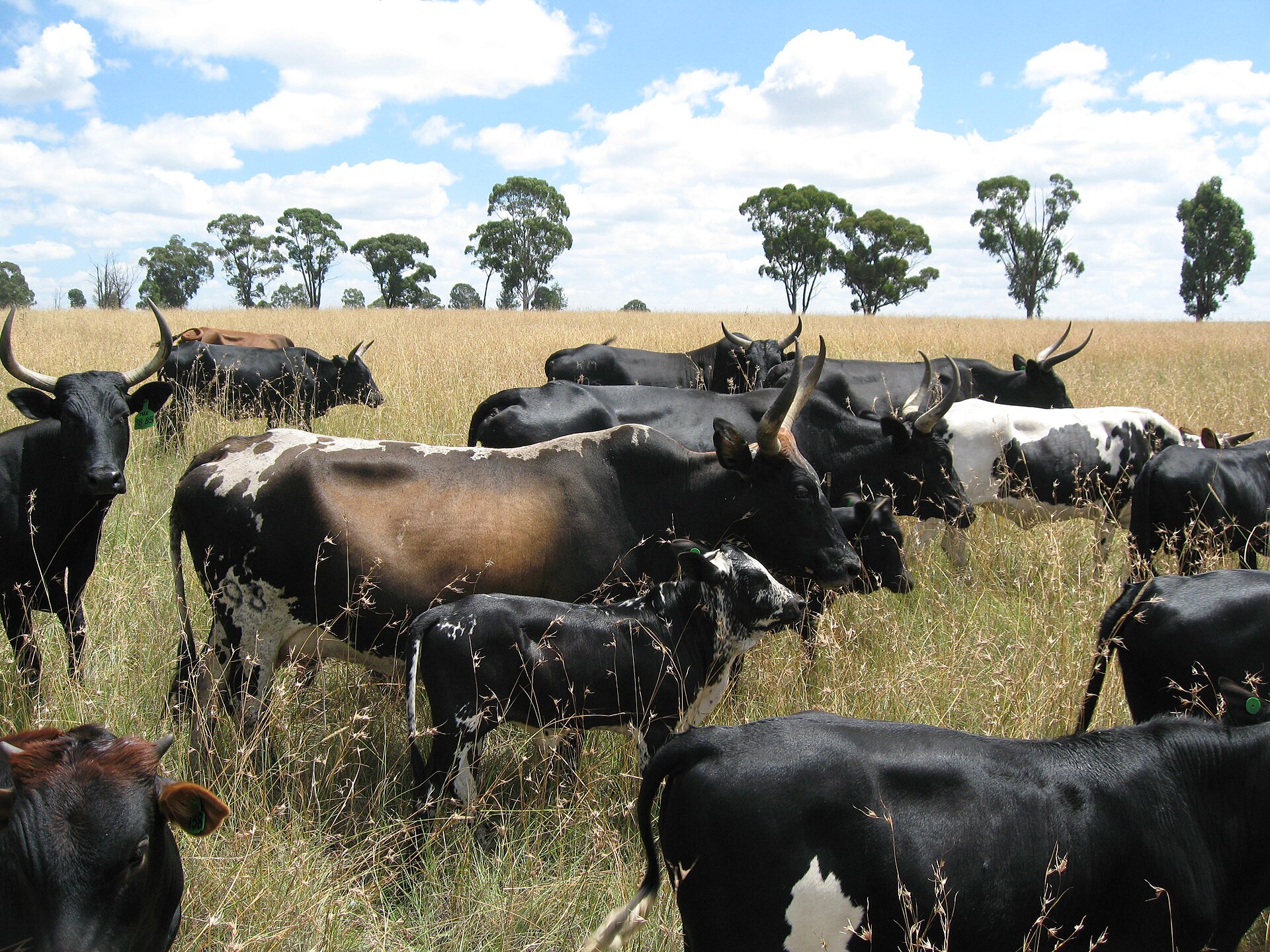
    The North West Department of Agriculture and Rural Development has vaccinated more than one million cattle against Foot-and-Mouth Disease – a landmark achievement that puts the province at the forefront of the national drive to protect South Africa’s livestock industry.

    According to the department, 1 032 615 cattle had received the vaccine by 19 July 2026, a figure that places North West among the leading provinces implementing the national FMD vaccination programme since the mass campaign began in early March.

    On Track for Herd Immunity

    MEC for Agriculture and Rural Development Madoda Sambatha announced that the province has now reached approximately 74% vaccination coverage of its estimated cattle population – and remains firmly on track to hit its target of 80% by the end of August 2026, the critical threshold for establishing herd immunity.

    “Reaching more than one million vaccinated cattle is a remarkable achievement and a testament to the commitment, professionalism, and hard work of our veterinary teams, who have worked tirelessly across all four districts of the province,” Sambatha said. “This milestone brings us closer to our goal of vaccinating at least 80% of the provincial herd by the end of August and, ultimately, every eligible animal in the province.”

    A Team Effort Across the Province

    The MEC paid warm tribute to the people behind the numbers: veterinary professionals, animal health technicians and support staff who have criss-crossed the province’s four districts since March. He also thanked Veterinary Services, livestock farmers, organised agriculture, industry stakeholders and every individual who has contributed to the campaign’s success.

    The scale of the operation is remarkable. Vaccinating over a million animals in under five months has required close coordination between government teams, traditional leaders, farming communities and industry partners – a model of what is possible when a province pulls together behind a common goal.

    The Road Ahead

    Sambatha was careful to frame the milestone as a foundation rather than a finish line. Once the first round of vaccinations concludes, teams will return to administer a second dose to all vaccinated animals, since full protection depends on completing the vaccination schedule.

    “This is not the finish line; it is an important step in a much longer journey towards controlling and eventually eradicating the disease,” he said, urging farmers to keep up strict biosecurity measures and present all eligible animals for vaccination.

    Vaccination activities continue in high-risk areas to maximise coverage, with the department reaffirming its commitment to working alongside farmers, organised agriculture and traditional leaders to safeguard animal health and secure the future of the province’s livestock economy.

    For a province where cattle are both livelihood and heritage, a million vaccinated animals is more than a statistic – it is a promise kept to farming communities, and a big step towards an FMD-free future.

    Photo: commons.wikimedia.org

  • Bottling Biodiversity: South Africa Moves to Claim Its Share of the R270 Billion Global Essential Oils Market

    Bottling Biodiversity: South Africa Moves to Claim Its Share of the R270 Billion Global Essential Oils Market

    From buchu in the Cape mountains to marula and baobab in the bushveld, South Africa is preparing to turn its extraordinary natural biodiversity into a globally competitive essential oils industry — and a new national conference aims to unlock the door to premium world markets.

    The Department of Trade, Industry and Competition (dtic) will host the Essential Oils Conference in Pretoria from 23 to 24 July 2026, under the theme “Treasures of the Past Leading to the Trophy of the Future”, SAnews reports.

    “South Africa’s natural biodiversity is one of our greatest economic assets,” said the dtic’s Deputy Director-General of Sectors, Dr Tebogo Makube. “By investing in quality infrastructure, innovation and internationally recognised standards, we are creating the conditions for local producers to compete successfully in premium global markets while advancing industrialisation and export-led growth.”

    A Growing Global Prize

    The global essential oils market is valued at more than USD15 billion — roughly R270 billion — and keeps growing as demand rises for natural, sustainably sourced ingredients in cosmetics, pharmaceuticals, food, fragrance and wellness products.

    South Africa currently exports approximately USD73.5 million worth of essential oils annually, but is well positioned to expand its share thanks to high-value indigenous oils such as buchu, Cape chamomile, rose geranium, helichrysum, marula and baobab.

    The ambition, Makube stressed, goes beyond shipping raw materials. “Our ambition is not simply to export raw natural resources, but to develop globally competitive manufacturing industries that produce high-value essential oil products. This approach strengthens industrial capability, creates employment and enables South African businesses to capture greater value from global supply chains,” he said.

    Rural Communities First in Line

    The sector’s growth promises to reach the people who need it most. “The essential oils sector has significant potential to create sustainable livelihoods, particularly for rural communities, women-owned enterprises, youth entrepreneurs and small businesses,” Makube said.

    The conference will bring together producers, exporters, manufacturers, researchers, laboratories, certification bodies, international buyers and investors to discuss market diversification, quality assurance, sustainability and emerging export opportunities.

    It is hosted in partnership with the Southern African Essential Oil Producers’ Association (SAEOPA), the Swiss State Secretariat for Economic Affairs (SECO) and the United Nations Industrial Development Organisation (UNIDO), and forms part of the UNIDO-SECO Global Quality and Standards Programme — a 42-month partnership with the dtic to strengthen South Africa’s quality infrastructure and boost compliance with international standards.

    The dtic is also rolling out interventions to promote value addition, facilitate market access and support small, medium and emerging enterprises entering domestic and international value chains.

    If the plan works, the scents of the Karoo and the Cape — bottled, branded and certified in South Africa — could soon be found on shelves around the world, carrying jobs and rural development home with every export order.

    Photo: commons.wikimedia.org