Good News · All Nine Provinces

Independent · Local · Forward-looking

Mzansi News Online

Uniting SA Through Good News

Category: Business

  • Aiming Higher Together: Phase Three of SA’s Government-Business Partnership Targets 3% Growth and a Million Jobs

    Aiming Higher Together: Phase Three of SA’s Government-Business Partnership Targets 3% Growth and a Million Jobs

    The partnership that helped South Africa bank more than 400 days without load shedding is setting its sights higher. President Cyril Ramaphosa says the newly launched third phase of the government-business partnership will focus on accelerating economic growth, expanding employment and making sure reform gains show up in people’s daily lives.

    Writing in his weekly newsletter on Monday, reported by SAnews, the President said the partnership, established in 2023, has already proved what collaboration can do.

    A Track Record Worth Celebrating

    The scoreboard from the first two phases speaks for itself: over 400 days of uninterrupted electricity supply, strengthened port operations, and freight rail corridors opened to private operators.

    “This has been possible thanks to a remarkable turnaround in generation led by Eskom, a rapid expansion in private generation capacity and significant progress toward a competitive electricity market,” Ramaphosa said.

    He also pointed to South Africa’s removal from the Financial Action Task Force grey list, which was followed by improved outlooks and ratings from credit rating agencies.

    “These are real outcomes that demonstrate that social partnerships are more than meetings and presentations; they are practical, delivery-focused mechanisms that achieve measurable results,” he said.

    The New Targets: 3% Growth, One Million Jobs

    Phase Three sets a bold, concrete goal: lift GDP growth above 3% a year and contribute towards one million new jobs by 2030. Three pillars will drive the push:

    1. Sustaining core enablers: completing Eskom’s unbundling, building new transmission lines, fully operationalising the wholesale electricity market and expanding private train operations.
    2. Unlocking high-employment industries: mining, agriculture and agro-processing, tourism and infrastructure, helped along by a new mining cadastre system, streamlined visas and expanded agricultural export markets.
    3. Strengthening confidence across society and the economy, including extending partnership models to improve municipal service delivery.

    Young People at the Centre

    The partnership will also intensify efforts to open doors for young South Africans, with joint initiatives to boost youth placement in entry-level jobs, expanded employment incentives, support for work-seekers and scaled-up public employment programmes.

    “The overarching lesson of these past three years is that no single sector of society can resolve South Africa’s economic challenges in isolation. Government brings an electoral mandate, regulatory authority and policy direction. Business brings investment, technical skills and resources,” the President said. “When we align our capabilities around clear, measurable objectives, we move our country forward.”

    From keeping the lights on to creating a million jobs: if the first chapters of this partnership are anything to go by, South Africans have good reason to watch this space.

    Source: SAnews.gov.za

    Photo: commons.wikimedia.org
  • Green Power Surge: NERSA Registers 124 New Renewable Plants Worth R20 Billion in Three Months

    Green Power Surge: NERSA Registers 124 New Renewable Plants Worth R20 Billion in Three Months

    South Africa’s renewable energy boom is not slowing down. The National Energy Regulator of South Africa (NERSA) registered 124 new renewable energy generation facilities in the first quarter of the 2026/27 financial year, representing a combined 804 megawatts of capacity and an estimated R20.18 billion in investment.

    Even better news for anyone who has ever battled red tape: NERSA processed the applications in an average of just 10 working days each, according to SAnews.

    Faster Than Last Year, and Getting Better

    “This is an improvement from the 2025/26 financial year’s first quarter, during which 111 applications for registration were processed within an average of 11 working days. This shows NERSA’s commitment to efficient evaluation and processing of generation facilities’ registration applications,” the regulator said in a statement.

    The new quarter’s haul breaks down into 122 solar photovoltaic facilities with a combined 236 MW, and two wind facilities packing a hefty 568 MW between them. Encouragingly, the registered facilities are spread across all of South Africa’s provinces, meaning the green energy dividend is being shared countrywide.

    Where the Power Plugs In

    Of the 124 facilities, 63 connect to municipal distribution networks, adding 47 MW and roughly R639 million in investment at local level. The other 61 plug into the Eskom network, accounting for 757 MW and approximately R19.5 billion. The average investment cost worked out to about R25 099 per kilowatt.

    Every megawatt matters: more generation capacity supports grid reliability, encourages private investment and strengthens the country’s energy security while the electricity sector transitions to a more competitive, renewables-rich future.

    A R409 Billion Success Story

    Zoom out, and the picture is even brighter. Since the registration regime began in 2018, NERSA has registered 2 619 generation facilities with a combined capacity of 20 131 MW, representing an estimated total investment of around R409 billion.

    That is more than twenty gigawatts of new generation capacity signed into the system in under a decade, a quiet revolution built one solar panel and one wind turbine at a time.

    “NERSA’s approval of 124 new generation facilities supports grid reliability and safety, improves national electricity planning, encourages private investment, expands generation capacity, strengthens South Africa’s energy security and facilitates the transition to a more competitive, renewable-based electricity sector,” the regulator concluded.

    For a country that has fought hard for a stable grid, every one of these 124 new plants is another brick in the wall of energy security, and another reason to feel optimistic about a sun-powered South African future.

    Source: SAnews.gov.za

    Photo: commons.wikimedia.org
  • Turning South Africa Into a Construction Site: Record-Breaking SIDSSA 2026 Opens in Cape Town

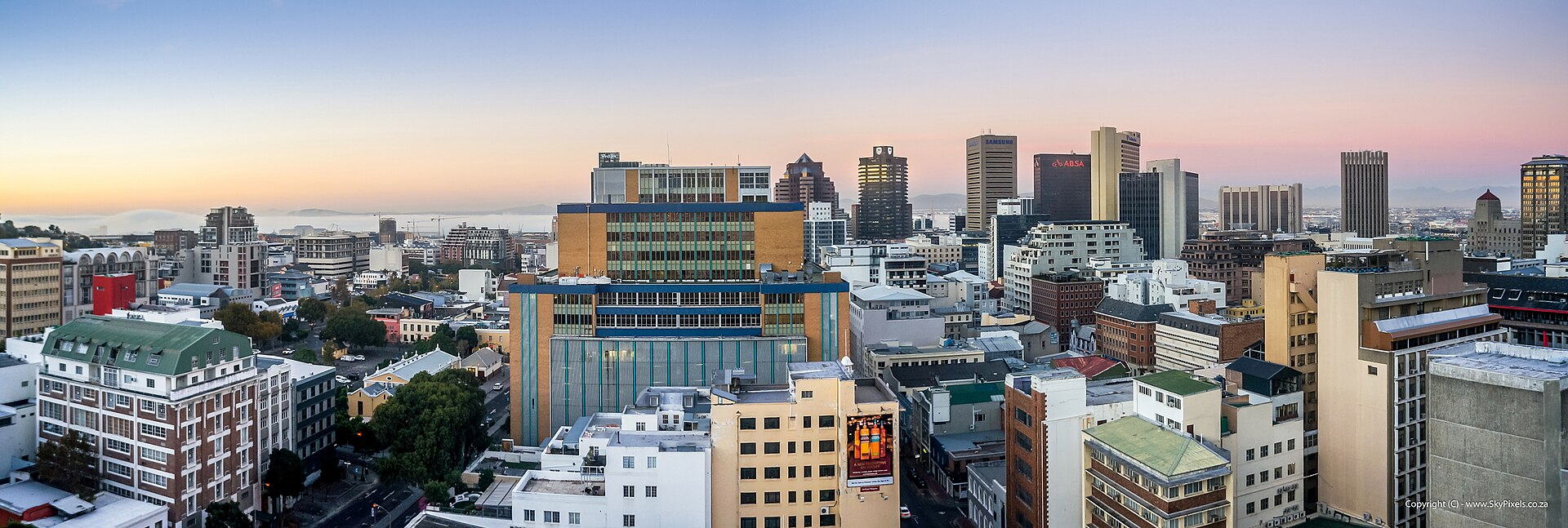
    Turning South Africa Into a Construction Site: Record-Breaking SIDSSA 2026 Opens in Cape Town

    Cape Town is buzzing with builders, financiers and problem-solvers this week as the 5th Sustainable Infrastructure Development Symposium South Africa (SIDSSA) gets underway, and this year’s edition is the biggest and most African yet.

    Hosted by Infrastructure South Africa (ISA) and convened by President Cyril Ramaphosa, the symposium brings together investors, financial institutions, policymakers and technical experts under the theme Shaping the future of municipal infrastructure, with a sharp focus on building future-ready, resilient and sustainable municipal services, SAnews reports.

    A Record Continental Gathering

    Public Works and Infrastructure Minister Dean Macpherson revealed that more than 1 200 delegates will attend over the coming days, including seven African ministers from countries such as Kenya, Botswana and Zimbabwe, and nine African mayors from cities including Nairobi, Maputo and Douala, the most in the conference’s six-year history.

    For the first time ever, 13 mayors from South Africa’s metropolitan and regional centres are also taking part in the City to City Connect conversations, alongside the Premier of Gauteng and seven provincial executive council members.

    Over 1 200 delegates will enter our doors over the upcoming days as we work to turn South Africa into a construction site, Macpherson said.

    New Partnership Signed to Get Projects Moving

    The symposium opened with action, not just talk. ISA signed a Memorandum of Understanding with the National Building Institute, the Infrastructure Technical Assistance Facility and engineering firm Zutari to enhance collaboration and support infrastructure projects across the country.

    Head of Infrastructure South Africa Mameetse Masemola explained that ISA’s mandate is to identify and prioritise strategic infrastructure and to package projects so they move from concept to bankability, attracting both public funding and private sector financing.

    Learning From a Water Success Story

    Delegates also visited the award-winning Cape Flats Aquifer Recharge Project, a municipal water treatment plant born out of Cape Town’s water crisis that recharges the aquifer through four linear filtration buildings, a shining example of the innovative municipal infrastructure the symposium wants to replicate countrywide.

    Since its inception in 2020, SIDSSA has strengthened the national infrastructure pipeline and mobilised funding across energy, water and sanitation, transport, digital infrastructure, agriculture and human settlements. With the continent’s builders now gathered in one room, the 2026 edition aims to convert commitments into completed projects, and communities into winners.

    Photo: commons.wikimedia.org

  • R380 Billion in the Pipeline: Special Economic Zones Gear Up to Become Job Engines for SA’s Youth

    R380 Billion in the Pipeline: Special Economic Zones Gear Up to Become Job Engines for SA’s Youth

    South Africa’s Special Economic Zones are being primed to become engines of opportunity for young people, with a five-year plan that aims to convert a combined investment pipeline of more than R380 billion into operational factories, infrastructure and jobs.

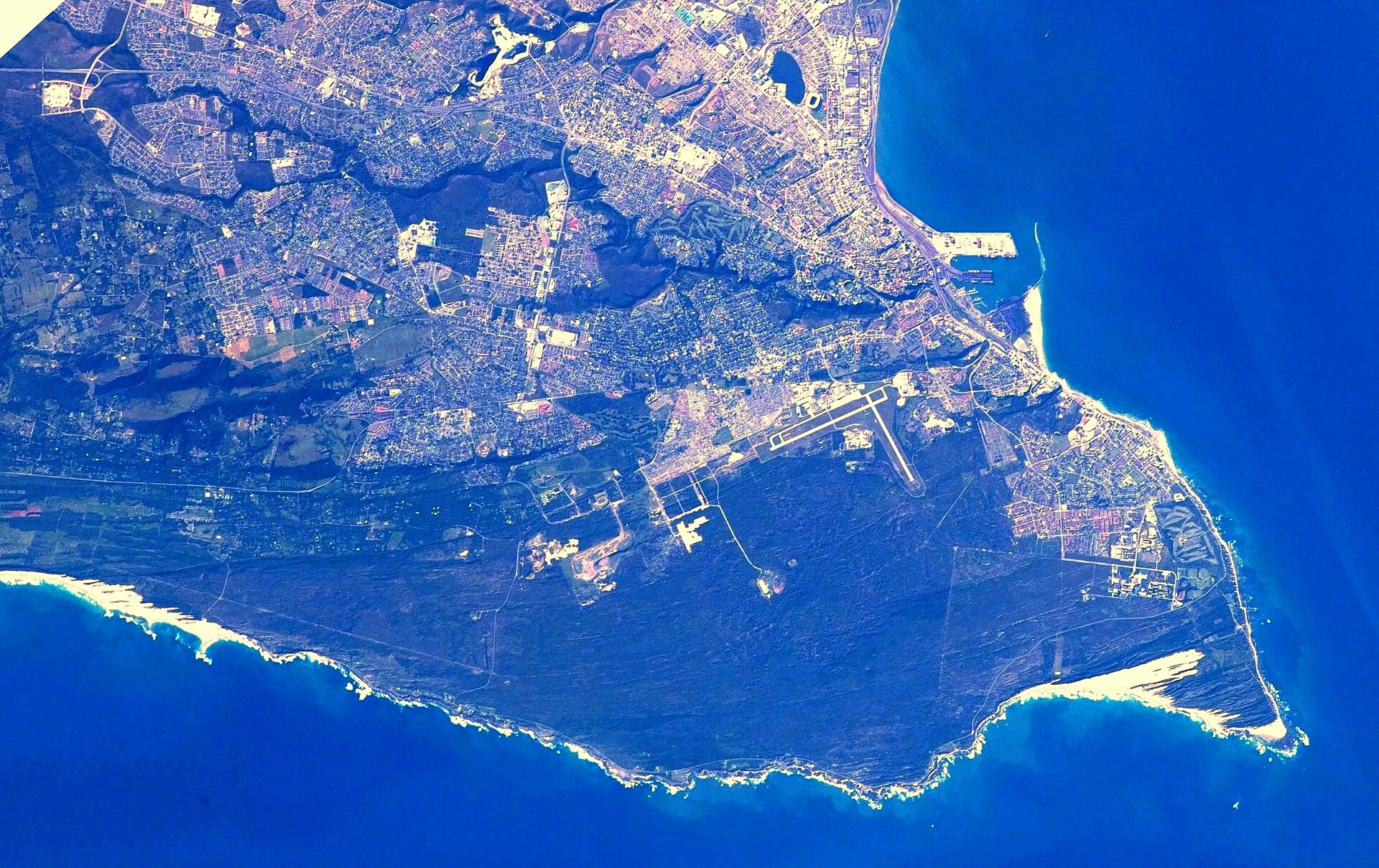
    That was the central message from the two-day SEZs CEOs Forum hosted by the Department of Trade, Industry and Competition (the dtic) at the Coega SEZ in Gqeberha, Eastern Cape, from 18 to 19 August 2026, where the chief executives of the country’s economic zones gathered to align their plans with the new Spatial Industrial Development strategy.

    Zones with a mission

    The Chairperson of the Special Economic Zones Advisory Board, Fish Mahlalela, challenged the CEOs to put young people at the heart of everything the zones do, describing SEZs as centres of industrialisation, hubs of manufacturing and academies of skills development.

    “I am convinced that what was discussed here over the two days will manifest itself in the work on the ground that all of you will be able to implement as part of your plans to use the SEZs to change the economy of your provinces,” Mahlalela said.

    He urged the zones to provide infrastructure and unlock opportunities for micro, small and medium enterprises, which he called critical to creating jobs, and to establish skills academies in every SEZ as part of the new model advocated by the Spatial Industrial Development strategy.

    Communities at the centre

    Mahlalela was equally clear that local people must share in the gains. “No one should be left behind in the implementation of these plans. It is fundamental that we move along with the local people so that they appreciate the work that the SEZs are doing,” he said, adding that community support is what enables the zones to make a lasting impact in their environments.

    A five-year runway for growth

    The Acting Deputy Director-General of Investment and Spatial Industrial Development at the dtic, Maoto Molefane, said the forum had charted a clear way forward for the next five years, from driving re-industrialisation to attracting new investment into the country.

    The five-year SEZ implementation plan includes converting over R380 billion of combined investment pipelines into operational investments, developing infrastructure, bringing new SEZs into operation and strengthening capacity across the programme.

    “The CEOs also learnt from each other on how the SEZs can contribute to driving industrialisation,” Molefane said, noting that the dtic left the forum with a clear picture of what each zone plans to deliver and the areas where national government can smooth the path.

    With Coega and its fellow zones already anchoring manufacturing and export industries around the country, the forum’s message was one of focus and ambition: turn pipelines into plants, plants into jobs, and jobs into futures for South Africa’s young people.

    The forum was reported by SAnews.

    Photo: commons.wikimedia.org

  • From Participation to Power: Deputy Minister Letsike Charts the Next Chapter for Women in the Economy

    From Participation to Power: Deputy Minister Letsike Charts the Next Chapter for Women in the Economy

    South Africa’s women have opened doors into Parliament, universities, boardrooms and industries once closed to them. Now, says Deputy Minister in the Presidency for Women, Youth and Persons with Disabilities Mmapaseka Steve Letsike, it is time for the next great leap: from participation to real ownership, wealth creation and economic power.

    Addressing the Ascend Her Business Conference in Sandton on Friday, Letsike celebrated the significant progress the country has made in opening spaces for women, while setting out an ambitious vision for what comes next.

    “For me, the next stage of women’s economic emancipation must be about moving from participation to power,” Letsike said.

    From earning to owning

    Letsike argued that true empowerment means looking beyond what women earn to what women own. A woman can register a company but struggle to obtain capital, she noted; she can win a contract but not own the equipment required to deliver it, or distribute somebody else’s products without ever becoming a producer herself.

    “Real economic transformation must therefore concern itself not only with what women earn, but increasingly with what women own,” she said.

    She pointed to a proud heritage to build on. African women have long demonstrated entrepreneurship and resilience, trading, farming, organising stokvels and cooperatives, and creating livelihoods in tough circumstances. The task now is to match that ambition with an economy that creates meaningful opportunities for growth and ownership, including access to finance, land, procurement opportunities and the networks where big economic decisions are made.

    Building the future, not just entering it

    The Deputy Minister was especially upbeat about the opportunities in new industries. Artificial intelligence, renewable energy, financial technology and digital commerce are already reshaping the economy, and she wants South African women at the forefront of all of them.

    “We need women building technology, owning intellectual property, manufacturing, investing and creating enterprises that can compete across our continent. The future cannot simply be something that African women enter after somebody else has built it. African women must be among those who build it,” she said.

    Her ambition for entrepreneurs is bold and clear: “At some point, the subcontractor must become the principal contractor. The distributor must become the manufacturer.”

    Sisterhood as economic infrastructure

    Letsike called on government, the private sector, development finance institutions and entrepreneurs to create the conditions for women-owned businesses to flourish, with access to capital, markets and opportunities. And she urged successful women to lift as they rise, by buying from women-owned businesses, sharing opportunities, making introductions and opening doors.

    “Perhaps, then, the next evolution of women’s solidarity is that our solidarity must become economic infrastructure,” she said.

    Her parting message to the Ascend Her graduates captured the spirit of Women’s Month perfectly: build profitable businesses, own assets, create wealth, and use that success to create opportunities for others. If that vision takes hold, the next generation of South African women will not just work in the economy. They will own it.

    Remarks reported by SAnews.

    Photo: commons.wikimedia.org

  • Open for Investment: Eastern Cape Municipalities Pitch Bankable Projects at East London Lekgotla

    Open for Investment: Eastern Cape Municipalities Pitch Bankable Projects at East London Lekgotla

    The Eastern Cape rolled out the red carpet for investors this week as municipal leaders, government stakeholders and financiers gathered in East London to showcase the province’s most promising local projects, and to reimagine municipalities as engines of economic growth.

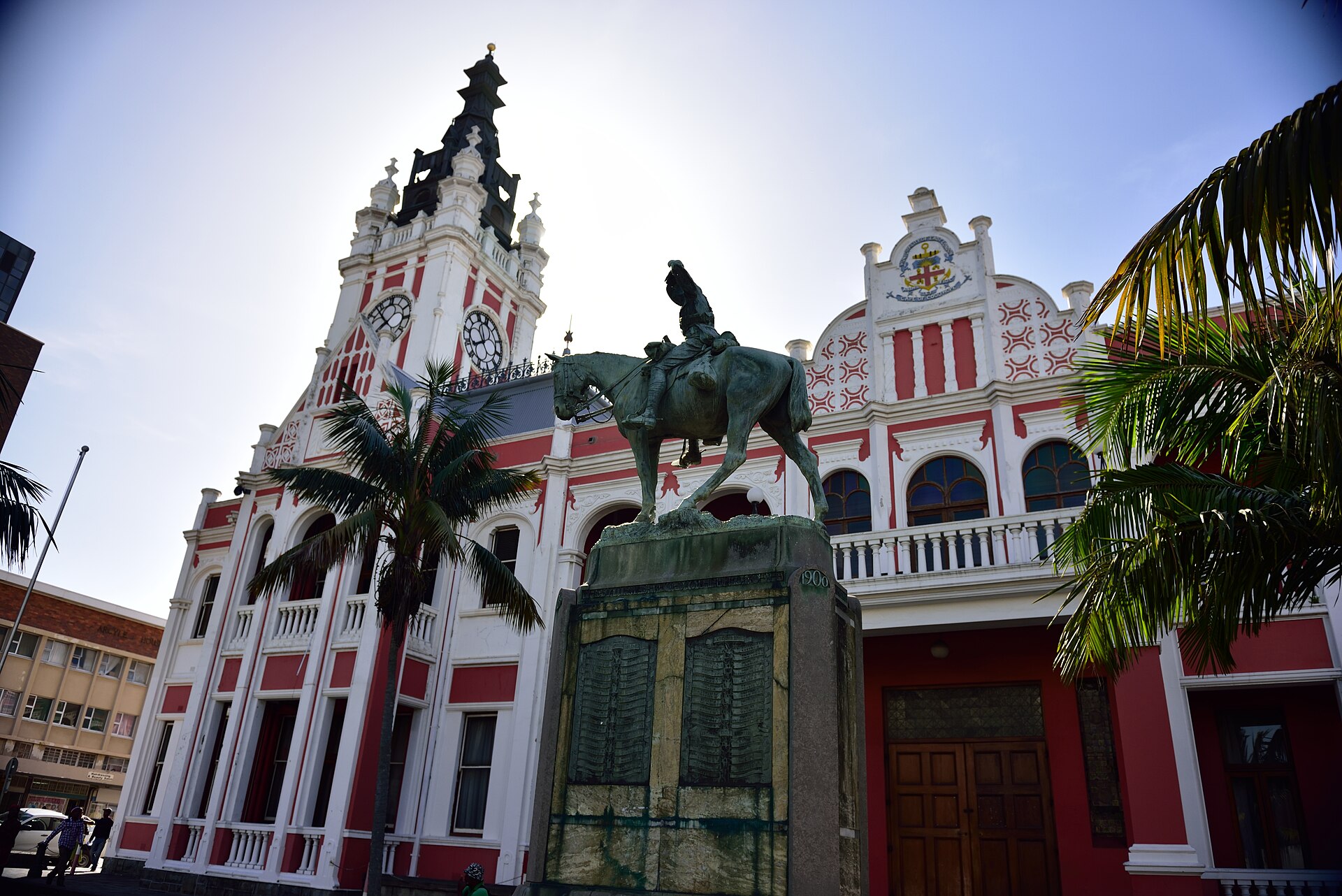
    The South African Local Government Association (SALGA) convened its Eastern Cape Provincial Executive Committee Investment Lekgotla at KuGompo City in East London, as part of the two-day SALGA Provincial Members Assembly that opened on Tuesday, 18 August 2026.

    A Living Economic Contract

    Setting the tone, SALGA President Bheke Stofile urged municipalities to treat their Integrated Development Plans (IDPs) not as compliance paperwork but as living blueprints that connect community priorities to budgets and investment.

    “The IDP must become a living economic contract with measurable projects, clear responsibilities and firm timelines, not a document remembered only when compliance is tested.”

    It is a vision of local government that does more than deliver services, one that actively courts investment, builds partnerships and creates opportunity on residents’ doorsteps.

    Showcasing the Best of the Province

    The Investment Promotion Lekgotla that opened proceedings was designed to position Eastern Cape municipalities as attractive investment destinations. Municipalities from across the province presented investment-ready, bankable projects, while key economic development departments and institutions outlined the support available to help unlock local growth.

    The session also promoted public-private partnerships and facilitated direct engagements between municipalities and investors, practical matchmaking aimed at turning plans into construction sites, businesses and jobs.

    Three Decades of Building Local Government

    The Assembly, the highest decision-making platform of SALGA’s member municipalities in the province, will adopt the Eastern Cape’s programme of action, business plan and budget, and reflect on the socio-economic progress achieved during the sixth term of local government.

    On day two, Eastern Cape MEC for Cooperative Governance and Traditional Affairs Zolile Williams is expected to celebrate the achievements of the outgoing administration and set out priorities for the next, with a focus on strengthening cooperative governance and accelerating service delivery for communities.

    The gathering carries extra significance this year: it comes as the country marks 30 years of democratic local government and three decades of SALGA’s advocacy for developmental municipalities.

    For communities across the Eastern Cape, the message from East London is an encouraging one. When municipalities plan boldly, partner smartly and put bankable projects on the table, investment follows, and with it, jobs and better services closer to home.

    Source: SAnews.

    Photo: commons.wikimedia.org

  • Eighty Years Strong and Hiring Hope: Aberdare Cables Milestone Sparks a Rallying Cry for Youth Jobs

    Eighty Years Strong and Hiring Hope: Aberdare Cables Milestone Sparks a Rallying Cry for Youth Jobs

    South African industry has been handed an inspiring challenge: open the doors wider for young people and turn the country’s industrial success stories into launchpads for the next generation.

    Deputy Minister in the Presidency for Women, Youth and Persons with Disabilities, Mmapaseka Steve Letsike, delivered the call at the 80th anniversary celebration of cable manufacturer Aberdare Cables in Johannesburg, celebrating a company whose eight decades of resilience, adaptation and innovation have helped build South Africa’s infrastructure, telecommunications and mining sectors.

    Eighty years of made-in-Mzansi manufacturing

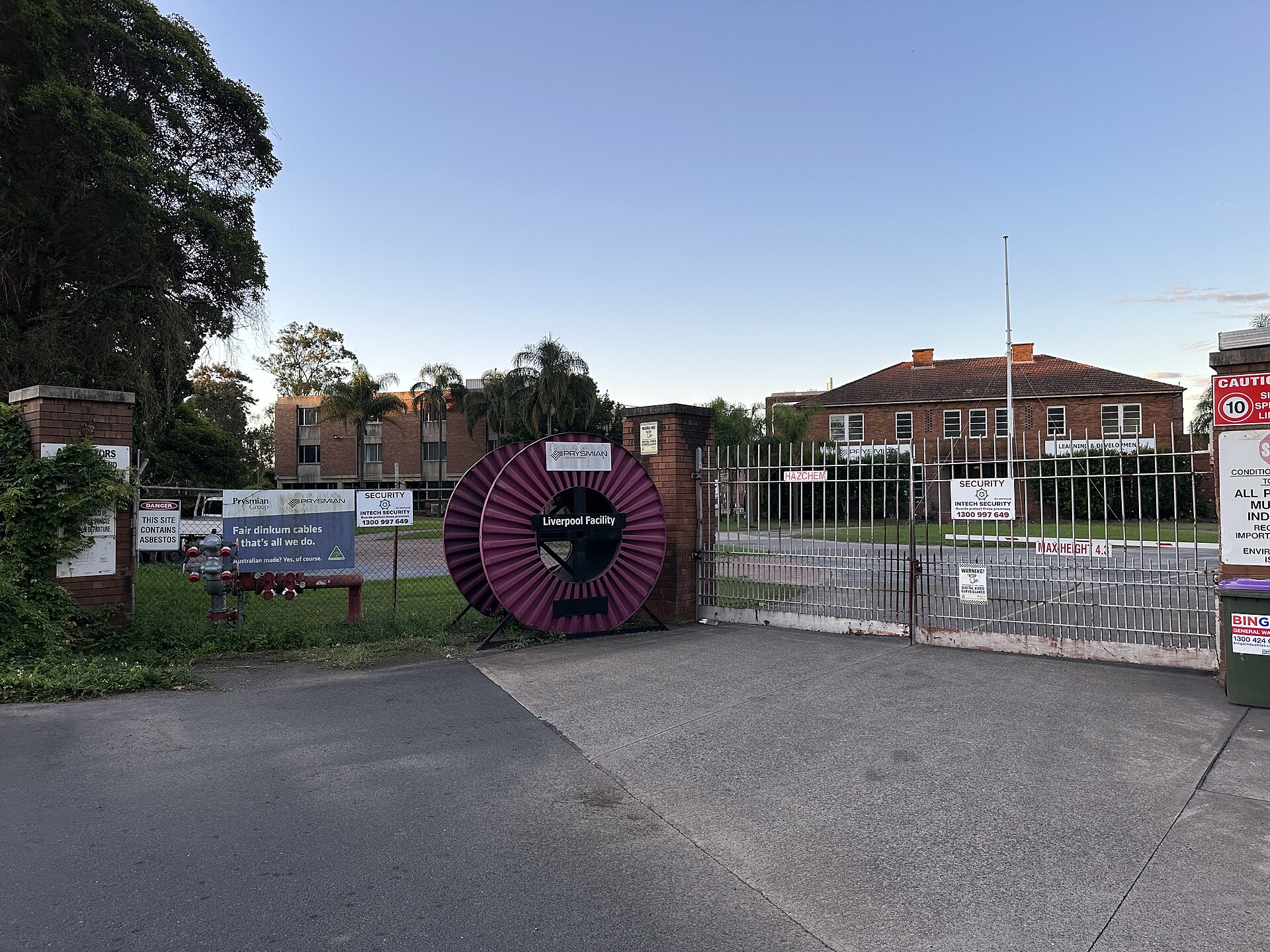
    Aberdare Cables today operates manufacturing facilities in Pietermaritzburg, Gqeberha and Gauteng, directly employing approximately 1 150 South Africans while supporting many more livelihoods through its suppliers and broader value chain.

    Letsike said milestones like this one should also inspire reflection on the future, and especially on how young people can become central to South Africa’s next chapter of industrialisation.

    “We cannot speak about the future of South African industry without speaking about the future of South Africa’s youth,” she said. “We cannot celebrate successful South African companies without asking how we bring more young South Africans into those companies.”

    From classroom to factory floor

    The Deputy Minister urged businesses to strengthen workplace-based learning through internships, apprenticeships, learnerships and graduate placements, and to create more opportunities for graduates of Technical and Vocational Education and Training (TVET) colleges, which are producing artisans and technicians with exactly the skills the country’s industrialisation programme needs.

    “These young people need more than certificates. They need workplaces, mentors, practical experience, and their first opportunity to prove what they can do,” she said.

    She encouraged manufacturing and infrastructure companies to join the Youth Employment Service (YES) programme and to partner with the Harambee Youth Employment Accelerator, taking on as many young people as they have capacity for.

    Solar Mamas light the way

    Letsike pointed to a shining example of what deliberate skills investment can achieve: through a partnership with the Energy and Water Sector Education and Training Authority (EWSETA), 22 young women from rural provinces including Limpopo, North West and the Free State travelled to India for training under the Solar Mamas programme, gaining practical skills in renewable energy design, manufacturing, installation and maintenance.

    She said South Africa must position young people, particularly young women and persons with disabilities, at the centre of the sectors set to shape the economy’s future, including renewable energy, digital technology, advanced manufacturing, engineering, artificial intelligence and automation.

    “Our young people must design, manufacture, install, maintain and ultimately own businesses within these value chains,” she said, adding that young South Africans are not seeking charity but the chance to demonstrate their skills, creativity, discipline and potential.

    The story was first reported by SAnews.gov.za.

    Photo: commons.wikimedia.org

  • Ruler of African Skies: SA Mint’s 2026 Martial Eagle Coins Take Flight in Gold and Silver

    Ruler of African Skies: SA Mint’s 2026 Martial Eagle Coins Take Flight in Gold and Silver

    It can spot prey from three kilometres away and commands the African savannah sky as the undisputed ruler of the raptor world. Now the majestic martial eagle has been immortalised in gold and silver by the South African Mint.

    The Mint has launched the 2026 Martial Eagle collection, the second release in its acclaimed Odyssey of the Sky seven-coin series honouring the continent’s most powerful birds of prey, as reported by SAnews.

    World-class craftsmanship

    Managing Director at the South African Mint, Richard Collocott, said the series celebrates something bigger than coins.

    “The Odyssey of the Sky is more than a coin series; it is a celebration of Africa’s extraordinary birdlife and the artistry that brings these stories to life through world-class minting. With the Martial Eagle, we continue the journey, offering collectors another beautifully crafted chapter in a series that is fast becoming one of our most distinctive modern collections.”

    The collection is struck in 24-carat gold and fine silver, with designs inspired by the bird’s strength and character. Each coin also carries a distinctive African motif celebrating the bond between people and nature, and every release is limited in number.

    A Krugerrand pairing for collectors

    A major highlight of the 2026 release is the inclusion of two highly exclusive coin sets that pair an Odyssey of the Sky Martial Eagle coin with South Africa’s world-famous Krugerrand, marked by a uniquely minted martial eagle privy mark.

    For collectors, that combination brings together two icons: the world’s original modern bullion coin, first struck in 1967, and a new series that is quickly winning admirers at home and abroad.

    Mzansi craftsmanship on the world stage

    The Odyssey of the Sky will unfold over seven annual releases, each telling the story of an extraordinary African bird while showcasing the South African Mint’s commitment to craftsmanship, innovation and design excellence.

    It is another reminder that South African artistry and precision manufacturing continue to hold their own among the world’s best, with the country’s coins prized by collectors on every continent.

    More information about the 2026 Martial Eagle collection is available on the South African Mint’s website at www.samint.co.za.

    Photo: commons.wikimedia.org

  • A Maritime Skills Revolution: SA Moves to Open the Ocean Economy to Women

    A Maritime Skills Revolution: SA Moves to Open the Ocean Economy to Women

    South Africa’s vast ocean economy holds enormous promise, and a national push is under way to make sure women share fully in its rewards.

    Speaking at the National Women’s Month Commemoration hosted by Parliament at Sol Plaatje University in Kimberley, Northern Cape, on Thursday, Minister in the Presidency for Women, Youth and Persons with Disabilities Sindisiwe Chikunga called for a “maritime skills revolution” to open the sector to more South African women. Her message came as the country marks 70 years since the historic 1956 Women’s March.

    Opening the ocean economy to women

    Chikunga placed the ocean economy at the centre of efforts to build resilient and inclusive economies, describing the sea as a vast source of largely untapped potential. Findings from the first Maritime Skills Summit showed that men account for 71.5% of people employed in the maritime sector, while 54% of workers are between the ages of 35 and 55 – a snapshot the Minister wants to change.

    “Black women will not merely take centre stage in this sector; they will have to be prioritised,” Chikunga said. She argued that far-reaching change is needed, both within the maritime sector and in society, to create the conditions in which women can participate meaningfully across every value chain in the ocean economy.

    Building skills that stay at home

    The Minister called for a skills revolution across high-potential areas including fisheries and aquaculture, offshore oil and gas, marine biotechnology, and coastal and marine tourism. Crucially, she said, the expertise to unlock these sectors must be developed locally.

    “None of these will serve us if the skills that unlock them sit outside our borders,” Chikunga said, stressing that skills development and women’s empowerment must be built into the planning, implementation, and monitoring of how the country industrialises and beneficiates its ocean resources – rather than being treated as an afterthought.

    She framed the goal simply: to break the cycle of a rich continent with poor communities, South Africa needs a sector-specific skills revolution that meets the current and future needs of the blue economy.

    Honouring 1956, building the future

    The commemoration was held under the theme “70 Years of Resistance, 72 Years of Vision – Advancing Gender Justice, Equality and Resilient Economies for All.” It forms part of South Africa’s Milestones of Freedom campaign, a year-long programme launched by President Cyril Ramaphosa on 18 June 2026 under the banner “Honouring the Past. Delivering the Future,” which celebrates milestones on the road to democracy while driving service delivery and social cohesion.

    Chikunga said the nation has made significant strides since the women of 1956 marched for their rights, and that the task now is to turn hard-won rights into real participation, ownership and leadership for women in every sector.

    “Our task is smaller than theirs. The laws are written. The doors of learning and culture are largely open. What remains is to walk our daughters through them – into the mines, into the ports, into the courts, and into this House – and to stay there until it is ordinary,” she said.

    Photo: commons.wikimedia.org

  • Building More Than Bridges: Ramaphosa Says SA’s Infrastructure Boom Will Rebuild Industry and Create Jobs

    Building More Than Bridges: Ramaphosa Says SA’s Infrastructure Boom Will Rebuild Industry and Create Jobs

    South Africa’s biggest infrastructure drive since the dawn of democracy must do more than lay rails and raise transmission lines. It must rebuild the nation’s factories, grow skills and create jobs, President Cyril Ramaphosa says.

    Addressing the Steel and Engineering Industries Federation of Southern Africa (SEIFSA) Presidential Business Breakfast at the Radisson Hotel OR Tambo on Thursday, the President said South Africa was entering one of the most important periods of infrastructure investment and economic reform since the advent of democracy, SAnews reported.

    “Our task is to ensure that this investment does more than build infrastructure. It must rebuild South African industry.”

    Every transmission line, railway, port and water system constructed, he said, should expand the productive capacity of the economy. “We must use this infrastructure programme to create factories, develop skills, strengthen supply chains, support new industrialists and create jobs.”

    An engine room of 1 300 companies

    The President underlined the strategic importance of the metals, engineering and capital equipment industries, noting that SEIFSA’s more than 1 300 member companies manufacture the equipment and components that keep mining, electricity, transport and manufacturing running.

    Manufacturing, he said, is fundamental to the country’s economic sovereignty: “It generates skills. It drives innovation. It supports exports. It creates productive employment. And it sustains thousands of businesses throughout the economy.”

    Cheaper, more competitive electricity on the way

    President Ramaphosa pointed to the reform momentum of Operation Vulindlela, established six years ago to accelerate change in electricity, logistics, water, telecommunications and the visa system, and celebrated the end of load shedding as a major achievement.

    The next phase of electricity reform, he said, will focus not only on security of supply but on bringing costs down for households and energy-intensive industries alike.

    There is a concrete milestone in sight: the South African Wholesale Electricity Market is expected to begin operating next year, creating a competitive market in which multiple generators compete to supply power. Competition, together with expanded transmission capacity and continued investment in new generation, should create a more efficient electricity system and place downward pressure on electricity costs.

    The President also announced that an Eskom Restructuring Task Team has been established to oversee the creation of a fully independent, state-owned transmission company, another building block in a modern, investment-ready energy system.

    For South Africa’s steelmakers, engineers and the young people who will fill tomorrow’s factory floors, the message from the highest office was clear: the cranes going up across the country are lifting more than concrete. They are lifting an industrial revival.

    Photo: commons.wikimedia.org