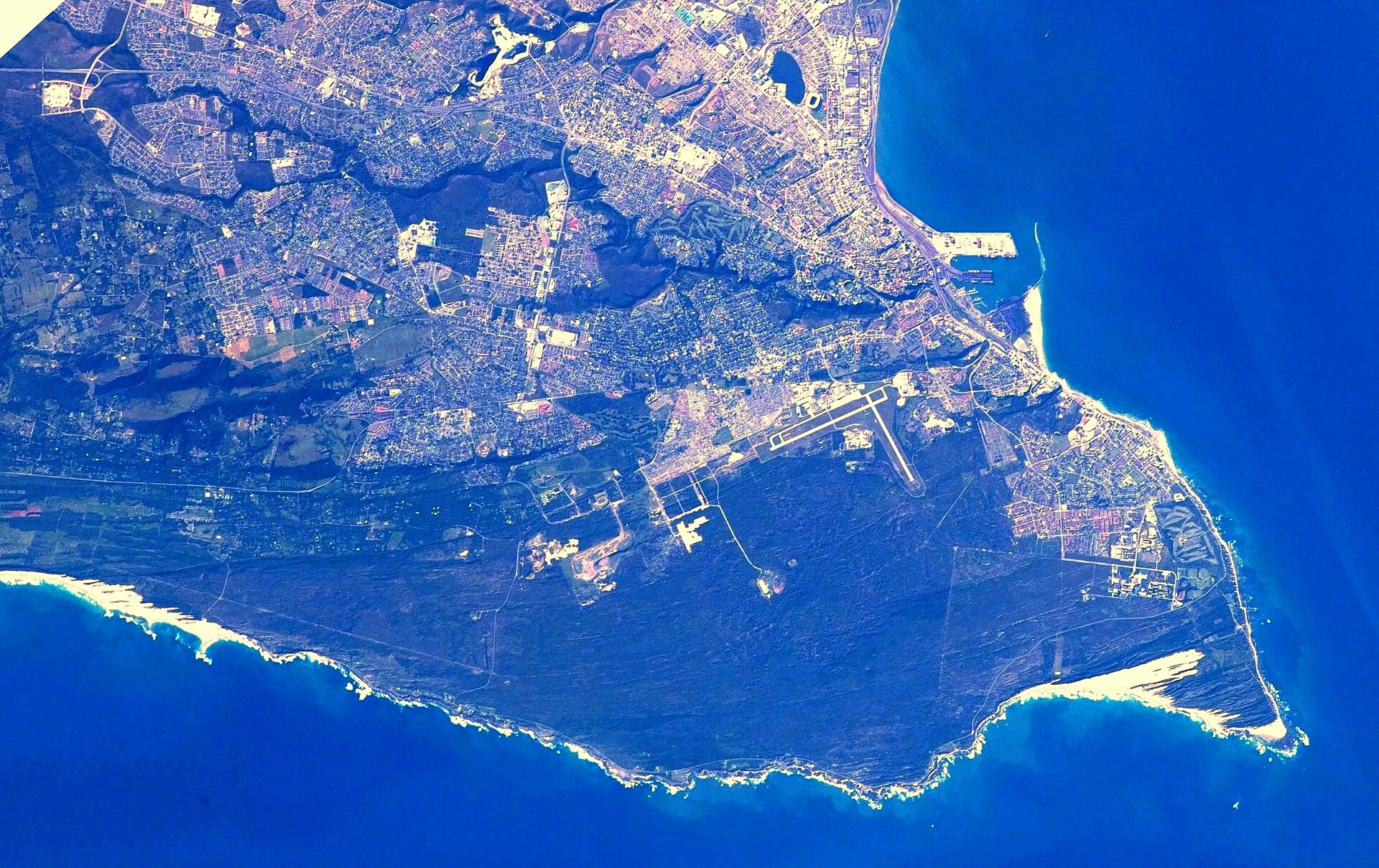
South Africa’s Special Economic Zones are being primed to become engines of opportunity for young people, with a five-year plan that aims to convert a combined investment pipeline of more than R380 billion into operational factories, infrastructure and jobs.
That was the central message from the two-day SEZs CEOs Forum hosted by the Department of Trade, Industry and Competition (the dtic) at the Coega SEZ in Gqeberha, Eastern Cape, from 18 to 19 August 2026, where the chief executives of the country’s economic zones gathered to align their plans with the new Spatial Industrial Development strategy.
Zones with a mission
The Chairperson of the Special Economic Zones Advisory Board, Fish Mahlalela, challenged the CEOs to put young people at the heart of everything the zones do, describing SEZs as centres of industrialisation, hubs of manufacturing and academies of skills development.
“I am convinced that what was discussed here over the two days will manifest itself in the work on the ground that all of you will be able to implement as part of your plans to use the SEZs to change the economy of your provinces,” Mahlalela said.
He urged the zones to provide infrastructure and unlock opportunities for micro, small and medium enterprises, which he called critical to creating jobs, and to establish skills academies in every SEZ as part of the new model advocated by the Spatial Industrial Development strategy.
Communities at the centre
Mahlalela was equally clear that local people must share in the gains. “No one should be left behind in the implementation of these plans. It is fundamental that we move along with the local people so that they appreciate the work that the SEZs are doing,” he said, adding that community support is what enables the zones to make a lasting impact in their environments.
A five-year runway for growth
The Acting Deputy Director-General of Investment and Spatial Industrial Development at the dtic, Maoto Molefane, said the forum had charted a clear way forward for the next five years, from driving re-industrialisation to attracting new investment into the country.
The five-year SEZ implementation plan includes converting over R380 billion of combined investment pipelines into operational investments, developing infrastructure, bringing new SEZs into operation and strengthening capacity across the programme.
“The CEOs also learnt from each other on how the SEZs can contribute to driving industrialisation,” Molefane said, noting that the dtic left the forum with a clear picture of what each zone plans to deliver and the areas where national government can smooth the path.
With Coega and its fellow zones already anchoring manufacturing and export industries around the country, the forum’s message was one of focus and ambition: turn pipelines into plants, plants into jobs, and jobs into futures for South Africa’s young people.
The forum was reported by SAnews.
Photo: commons.wikimedia.org




Leave a Reply