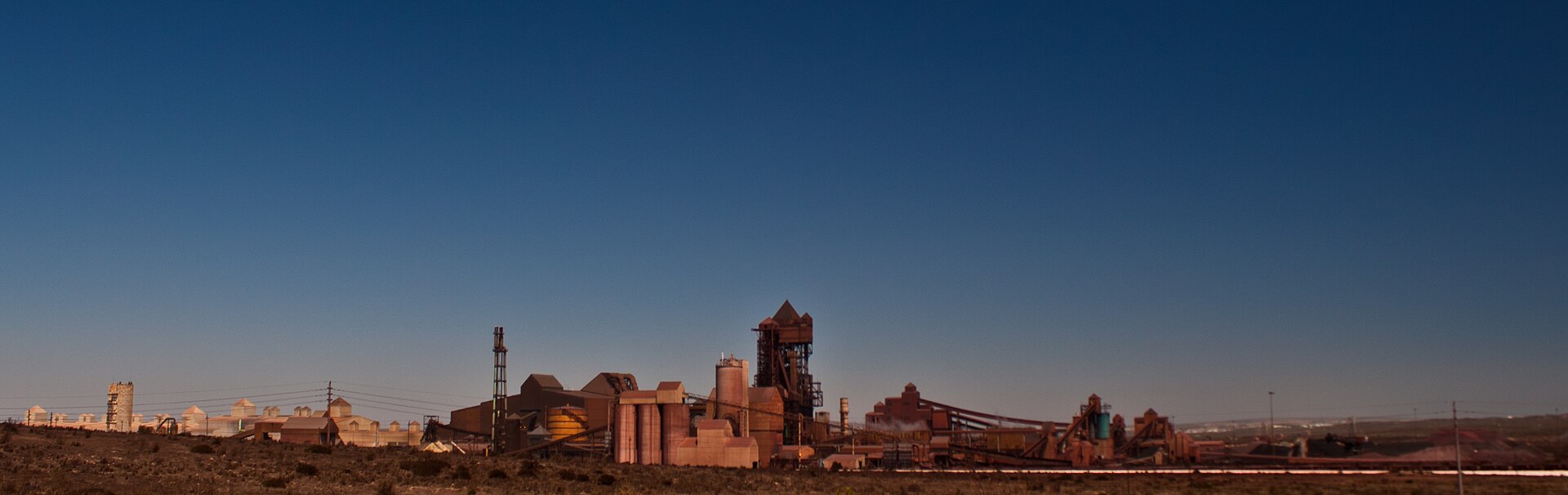
South Africa’s biggest infrastructure drive since the dawn of democracy must do more than lay rails and raise transmission lines. It must rebuild the nation’s factories, grow skills and create jobs, President Cyril Ramaphosa says.
Addressing the Steel and Engineering Industries Federation of Southern Africa (SEIFSA) Presidential Business Breakfast at the Radisson Hotel OR Tambo on Thursday, the President said South Africa was entering one of the most important periods of infrastructure investment and economic reform since the advent of democracy, SAnews reported.
“Our task is to ensure that this investment does more than build infrastructure. It must rebuild South African industry.”
Every transmission line, railway, port and water system constructed, he said, should expand the productive capacity of the economy. “We must use this infrastructure programme to create factories, develop skills, strengthen supply chains, support new industrialists and create jobs.”
An engine room of 1 300 companies
The President underlined the strategic importance of the metals, engineering and capital equipment industries, noting that SEIFSA’s more than 1 300 member companies manufacture the equipment and components that keep mining, electricity, transport and manufacturing running.
Manufacturing, he said, is fundamental to the country’s economic sovereignty: “It generates skills. It drives innovation. It supports exports. It creates productive employment. And it sustains thousands of businesses throughout the economy.”
Cheaper, more competitive electricity on the way
President Ramaphosa pointed to the reform momentum of Operation Vulindlela, established six years ago to accelerate change in electricity, logistics, water, telecommunications and the visa system, and celebrated the end of load shedding as a major achievement.
The next phase of electricity reform, he said, will focus not only on security of supply but on bringing costs down for households and energy-intensive industries alike.
There is a concrete milestone in sight: the South African Wholesale Electricity Market is expected to begin operating next year, creating a competitive market in which multiple generators compete to supply power. Competition, together with expanded transmission capacity and continued investment in new generation, should create a more efficient electricity system and place downward pressure on electricity costs.
The President also announced that an Eskom Restructuring Task Team has been established to oversee the creation of a fully independent, state-owned transmission company, another building block in a modern, investment-ready energy system.
For South Africa’s steelmakers, engineers and the young people who will fill tomorrow’s factory floors, the message from the highest office was clear: the cranes going up across the country are lifting more than concrete. They are lifting an industrial revival.
Photo: commons.wikimedia.org




Leave a Reply