Good News · All Nine Provinces

Independent · Local · Forward-looking

Mzansi News Online

Uniting SA Through Good News

Category: SA Leads

  • R295 Billion and Rising: South Africa and Germany Put Their Strategic Partnership to Work

    R295 Billion and Rising: South Africa and Germany Put Their Strategic Partnership to Work

    South Africa and Germany have reaffirmed their commitment to a deepening Strategic Partnership, with trade between the two nations already worth some R295 billion a year and new plans on the table for critical minerals, battery manufacturing and skills for young South Africans.

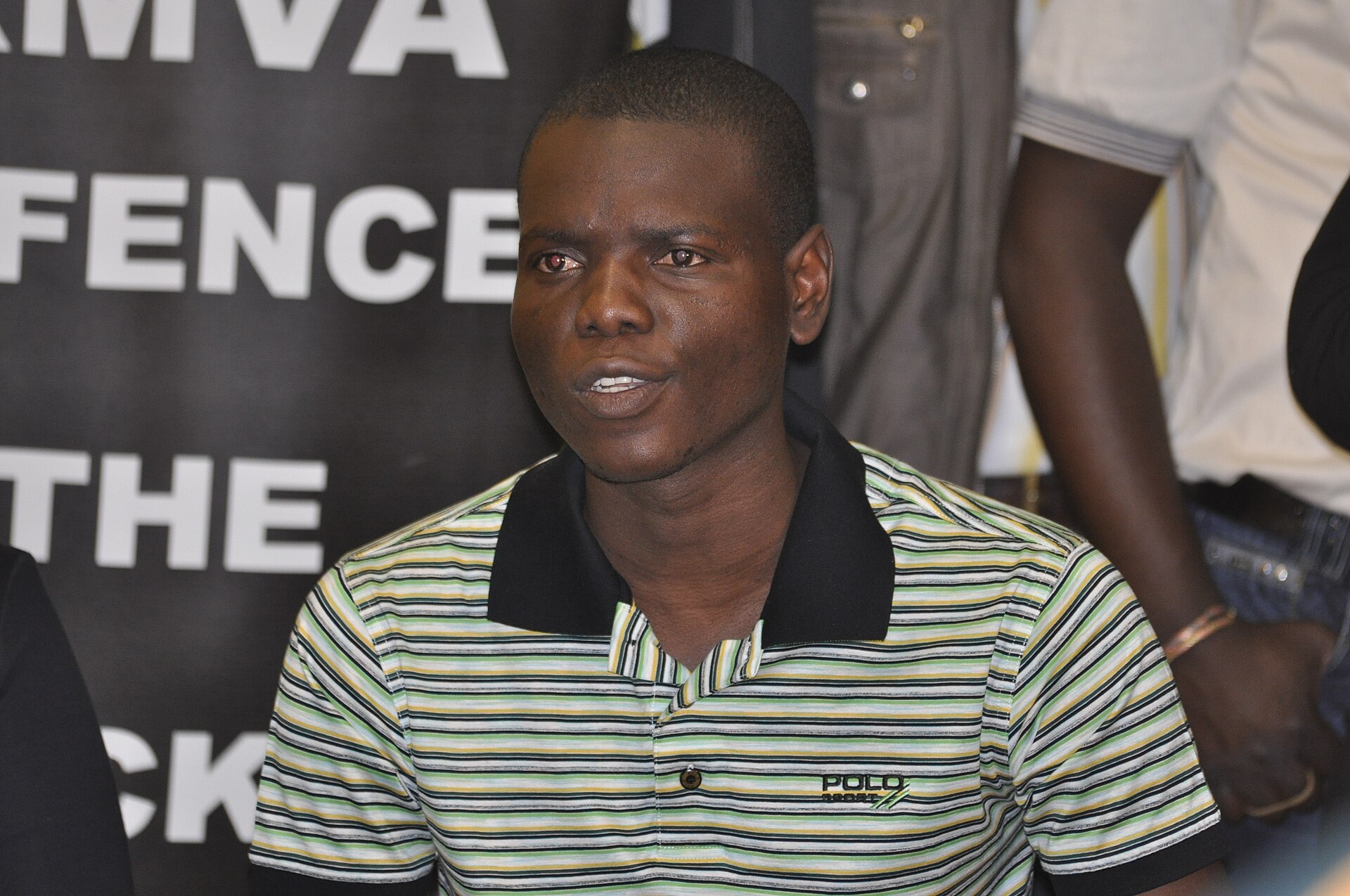
    Minister of International Relations and Cooperation Ronald Lamola hosted Germany’s Federal Minister of Foreign Affairs, Dr Johann Wadephul, on a two-day working visit to South Africa this week, with the two ministers holding one-on-one talks before convening official discussions on Thursday.

    “I am pleased to report that our engagement was frank, warm and productive. We reviewed implementation across the Action Plan, took stock of the progress made and agreed on the areas in which we must move faster,” Lamola said.

    Thirty years of partnership, elevated

    The visit builds on the 12th meeting of the South Africa–Germany Bi-National Commission, held in Berlin in April 2026. That gathering marked 30 years of the mechanism and saw the two countries formally elevate their relationship to a Strategic Partnership, backed by a Joint Action Plan that translates the closer ties into practical cooperation.

    The economic foundations are already formidable. Germany remains one of South Africa’s most important trading partners in Europe, with bilateral trade valued at approximately R295 billion in 2025. More than 600 German companies operate in South Africa, employing around 100 000 people.

    Batteries, minerals and jobs

    Economic cooperation formed a central part of this week’s discussions, particularly expanding trade and investment, working together on critical raw materials, and building a battery value chain on South African soil.

    “We discussed the expansion of trade and investment, cooperation on critical raw materials, and the development of a battery value chain that creates value and jobs here in South Africa,” Lamola said.

    The ministers also reviewed the Just Energy Transition Partnership, which supports South Africa’s shift towards cleaner energy in a way that keeps social and economic considerations front and centre, along with long-standing cooperation on vocational education and training.

    “This cooperation speaks directly to the urgent challenge of youth employment,” Lamola noted.

    A standing feature, not an occasional event

    Both sides agreed to institutionalise regular high-level engagements between their foreign ministries, so momentum does not depend on set-piece summits. “Our intention is to ensure that engagement of this kind becomes a standing feature of our partnership, rather than an occasional event,” Lamola said.

    As the current Chair of the Southern African Development Community, South Africa also briefed Germany on regional priorities ahead of next month’s SADC Summit, including industrialisation, agricultural transformation and the energy transition – areas where the partnership with Europe’s largest economy could pay dividends well beyond South Africa’s borders.

    For a relationship that began three decades ago, the message from Pretoria this week was clear: the best chapters are still being written, according to the account of the visit published by SAnews.

    Photo: commons.wikimedia.org
  • Rethink Amanzi: Cape Town Hosts Africa’s Premier Water Summit as 2 000 Experts Chart a Secure Future

    Rethink Amanzi: Cape Town Hosts Africa’s Premier Water Summit as 2 000 Experts Chart a Secure Future

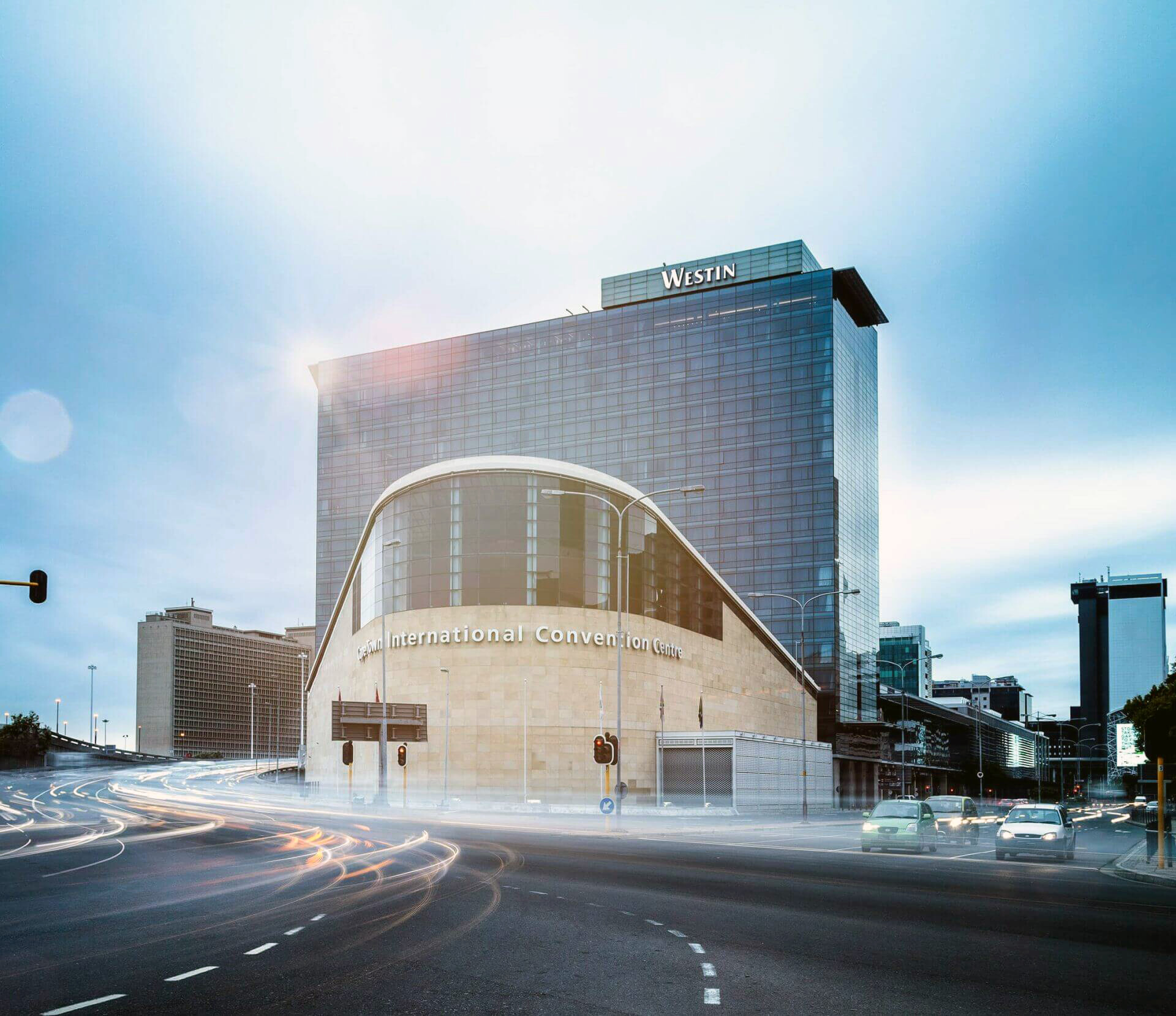
    Cape Town has become the water capital of the continent this week, as more than 2 000 scientists, engineers, researchers, policymakers, municipal leaders and private sector partners from across Southern Africa gathered at the Cape Town International Convention Centre for the Water Institute of Southern Africa (WISA) Biennial Conference and Exhibition.

    Running from 22 to 24 July 2026 under the theme Rethink Amanzi – Securing Our Future, the conference is one of Africa’s leading platforms for advancing research, innovation and collaboration in the water sector – and South Africa is proudly playing host.

    Innovation at the centre of water security

    Opening the conference, Water and Sanitation Minister Pemmy Majodina said innovation, research and strong partnerships will be critical to securing South Africa’s water future.

    “The increasingly complex challenges confronting the water sector cannot be solved by any single institution acting alone,” the Minister said.

    Majodina described innovation as central to government’s efforts to move from managing recurring water challenges to building long-term water security. “The future of water security will be built through innovation, collaboration and evidence-based policymaking,” she said.

    Securing the country’s water future, she added, will require more than investing in infrastructure alone: “It will demand new forms of leadership, new governance models, new financing mechanisms, new technologies and, perhaps most importantly, a renewed commitment to collective action.”

    Hundreds of papers, cutting-edge ideas

    Over three days, delegates are interrogating the sector’s big themes, including resilient infrastructure, innovative financing, climate adaptation, digital technologies, groundwater development, water reuse, circular economy approaches, citizen science, youth leadership and the future of water research.

    Hundreds of technical papers are being presented, covering topics from emerging contaminants and advanced treatment to water reuse and artificial intelligence. The Minister noted that technological advances – including artificial intelligence, machine learning and smart monitoring systems – are already transforming water management by improving predictive maintenance, operational efficiency and decision-making, while complementing rather than replacing skilled professionals.

    Majodina also stressed the importance of developing the next generation of water professionals, saying investment in engineers, scientists, researchers and young practitioners is essential to the sector’s long-term sustainability. She called for blended financing models that combine public, private and development finance to modernise water infrastructure while keeping water a public good.

    South Africa leading regional cooperation

    The country’s leadership extends well beyond its borders. South Africa recently co-chaired the 44th Southern African Development Community (SADC) Joint Meeting of Ministers Responsible for Water and Energy, where member states reaffirmed their commitment to collaboration on shared watercourses, climate resilience and regional infrastructure development.

    South Africa has also proposed the establishment of a SADC Water Week to strengthen regional collaboration, knowledge-sharing and innovation across the water sector.

    Closing her address, the Minister urged delegates to use the gathering to forge new partnerships, exchange ideas and develop practical solutions. “The true success of this conference will be measured by partnerships formed, innovations adopted, institutions strengthened and tangible improvements for millions of South Africans,” she said.

    With the world’s water thinkers gathered on its shores and fresh ideas flowing as freely as the conversations, South Africa is once again showing that when it comes to tackling the continent’s biggest challenges, it leads from the front. The full story is available from SAnews.

    Photo: commons.wikimedia.org

  • Partners for Empowerment: South Africa and the Netherlands Sign Landmark Pact for Women, Youth and Persons With Disabilities

    Partners for Empowerment: South Africa and the Netherlands Sign Landmark Pact for Women, Youth and Persons With Disabilities

    South Africa and the Kingdom of the Netherlands have signed a Memorandum of Understanding aimed at advancing the socio-economic empowerment of women, youth and persons with disabilities, turning decades of diplomatic goodwill into a concrete programme for inclusion.

    The agreement was signed in Pretoria on Monday by Minister in the Presidency for Women, Youth and Persons with Disabilities, Sindisiwe Lydia Chikunga, and the Netherlands’ Ambassador to South Africa, Joanne Doornewaard, according to SAnews.

    “In signing this Memorandum of Understanding, we are transforming our historic diplomatic goodwill into tangible socio-economic opportunities for the citizens of both our nations,” Chikunga said at the ceremony.

    Building on a Strong Foundation

    The pact builds on the Joint Commission of Cooperation the two countries signed in 2015, and creates a framework for exchanging expertise on policy-making that advances equality and participation. The Netherlands ranks among South Africa’s major investors and trading partners, and is one of the country’s largest sources of international tourists.

    Chikunga thanked the Dutch government for backing the Empowerment of Women Working Group, which South Africa chaired during its G20 Presidency. Cooperation under the new agreement will carry forward several G20 legacy projects, including:

    • A national Care Economy Strategy to recognise, reduce and redistribute unpaid care work while creating jobs in the care sector;
    • Programmes promoting positive masculinity, engaging men and boys in the fight against gender-based violence;
    • A Disability Inclusion Nerve Centre of Excellence to strengthen implementation of the White Paper on the Rights of Persons with Disabilities.

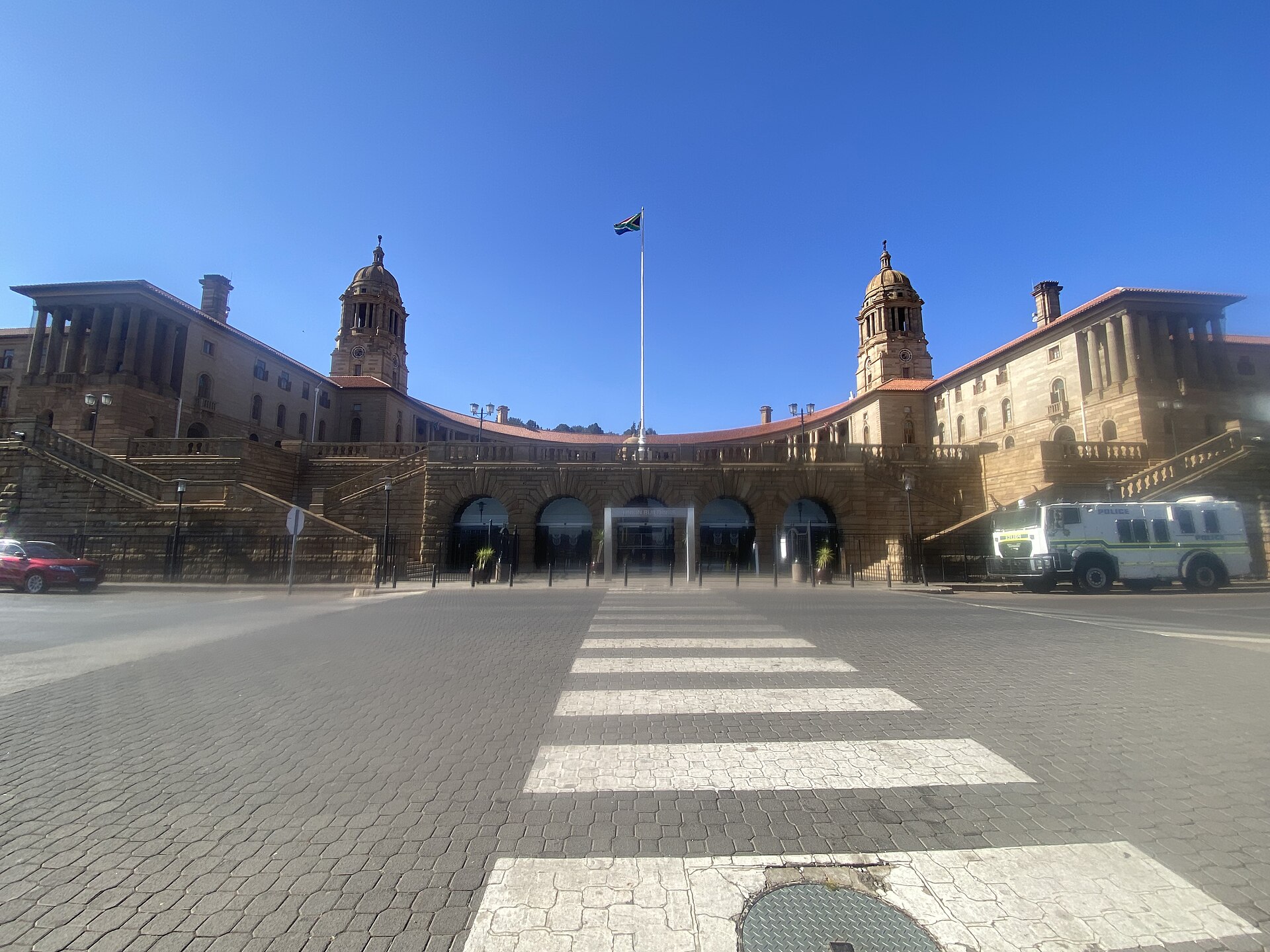
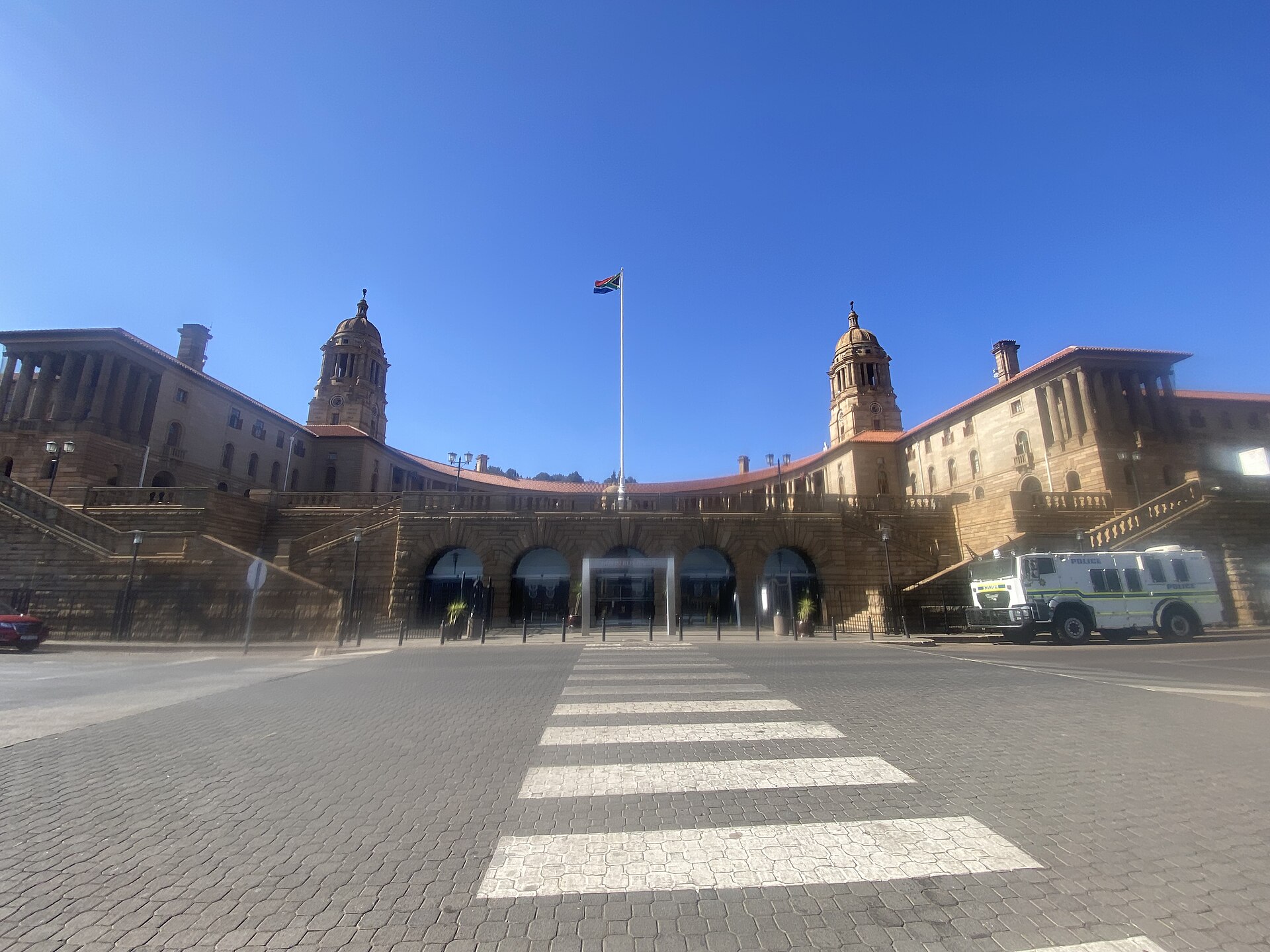
    The Minister noted that the signing falls in a landmark year: South Africa marks the 70th anniversary of the 1956 Women’s March, the 50th anniversary of the 1976 Youth Uprising, and 30 years of its Constitution. She said the partnership should honour the more than 20,000 women who marched on the Union Buildings, and give practical expression to the dreams of the Class of 1976.

    From Paper to Progress

    Deputy Minister Mmapaseka Letsike, delivering the closing remarks, said the agreement’s success will be measured by real change in people’s lives. “The significance of today will not be determined by how carefully the document is worded… It will be determined by what changes after we leave this room,” she said, as reported by SAnews.

    A bilateral working group will develop a two-year implementation plan, monitor progress and submit annual reports. Letsike called for civil society organisations, youth formations, disability groups and researchers to be actively involved, stressing that disability initiatives must be shaped by persons with disabilities themselves, in line with the principle of “Nothing About Us Without Us”.

    Chikunga urged officials from both countries to finalise an implementation plan before the end of August, and pointed to agriculture as a promising arena, where Dutch expertise could boost South African women’s economic participation through skills development, technology transfer and market access.

    “This MoU cannot and should not gather dust,” the Minister said.

    Photo: commons.wikimedia.org

  • Global Honour for a South African Scientist: Glasgow Confers Honorary Doctorate on SAMRC Chief Ntobeko Ntusi

    Global Honour for a South African Scientist: Glasgow Confers Honorary Doctorate on SAMRC Chief Ntobeko Ntusi

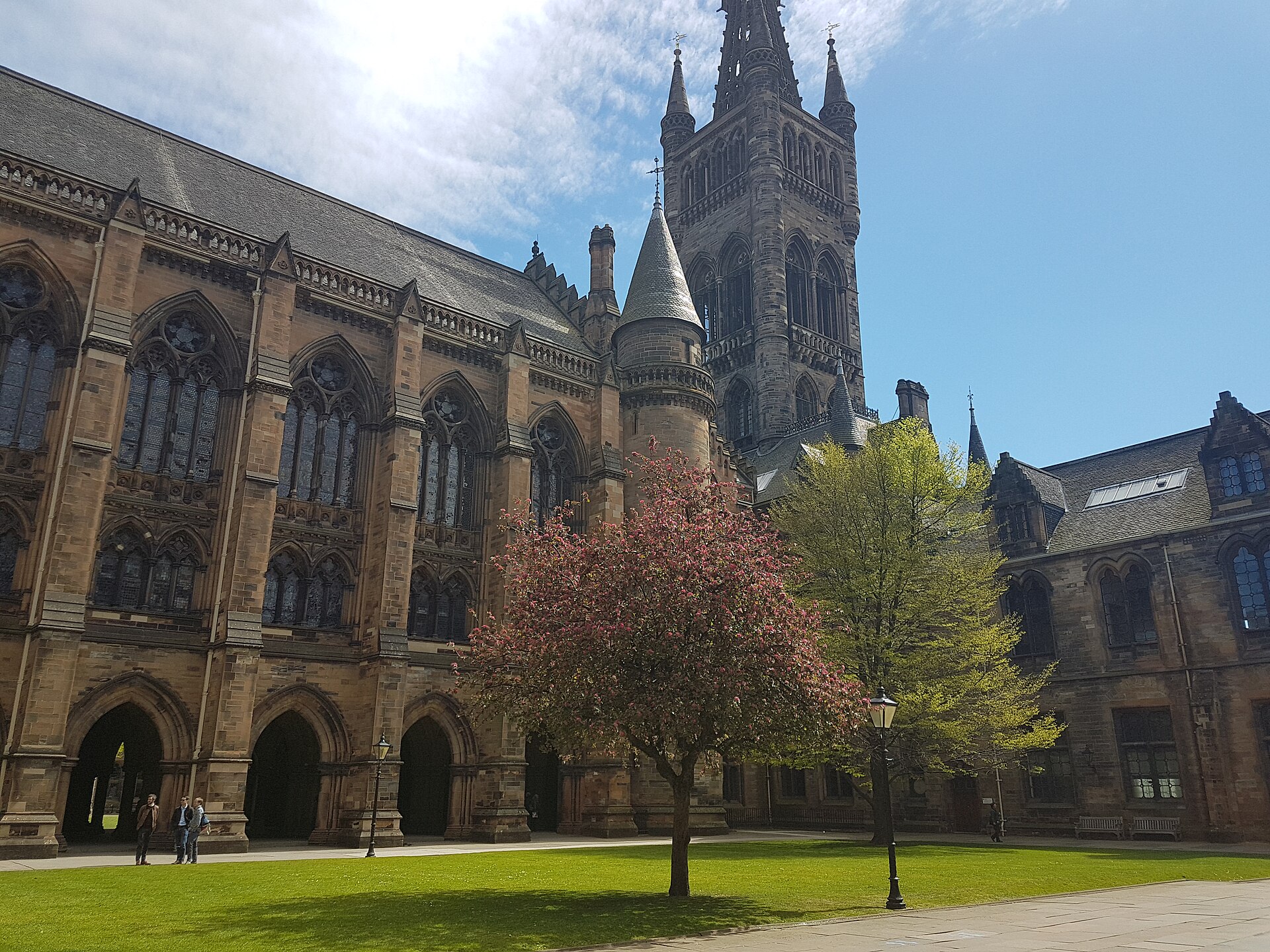
    One of the world’s oldest universities has bestowed one of its highest honours on a South African scientist. Professor Ntobeko Ntusi, President and Chief Executive Officer of the South African Medical Research Council (SAMRC), has been awarded an Honorary Doctor of Medical Sciences degree by the University of Glasgow in Scotland.

    The honorary doctorate was conferred during the university’s Commemoration Day celebrations, which this year marked the institution’s 575th anniversary, SAnews reported.

    Recognition of a Distinguished Career

    The University of Glasgow said the award recognises Professor Ntusi’s distinguished career as a clinician-scientist, internationally acclaimed cardiovascular researcher and leader in advancing medical science, health equity and research excellence in Africa and globally.

    Receiving the honour, Professor Ntusi described the moment as both humbling and deeply meaningful.

    “To be recognised by one of the world’s oldest and most distinguished universities, a university whose history spans nearly six centuries and whose contributions have shaped medicine, science, and society across generations, is an honour beyond anything I could have imagined,” he said.

    He added that the distinction reflects “not only individual achievement, but also the many students, colleagues, institutions and communities whose support has made my journey possible”.

    Africa as a Leader, Not a Participant

    Throughout his career, Professor Ntusi has championed scientific research as a catalyst for tackling pressing health challenges, while advocating for stronger investment in African research capacity, innovation and scientific leadership.

    In his acceptance address, he set out a bold vision for the continent’s place in global science. “The future of medical science cannot be built upon exclusion. It must be global, collaborative, and include Africa not merely as a participant but as a leader in scientific discovery, innovation, and knowledge generation,” he said.

    “If we invest in talent, we invest in solutions; if we invest in science, we invest in prosperity; and if we invest in health research, we invest in a more secure and equitable future for humanity.”

    A Proud Moment for South Africa

    University of Glasgow Principal and Vice-Chancellor Professor Andy Schofield said the institution’s honorary degrees recognise individuals whose work has transformed their professions and made a lasting contribution to society. “Honorary degrees give us the opportunity to recognise individuals whose achievements have had a profound and positive impact within their professions and wider society. Their work embodies values that continue to inspire our community,” he said.

    The SAMRC described the conferral as a proud moment, not only for the organisation but for South Africa and the African scientific community as a whole. “It reflects the growing global recognition of African research excellence and reinforces the continent’s vital role in advancing medical discovery and improving health outcomes worldwide,” the council said.

    Professor Ntusi has dedicated his career to strengthening health research systems, mentoring emerging scientists and fostering international scientific partnerships. Under his leadership, the SAMRC continues to advance world-class research that addresses South Africa’s and Africa’s most pressing health priorities while contributing to global scientific knowledge.

    Fittingly, Professor Ntusi framed the honour not as the culmination of a career, but as a renewed commitment to advancing science, promoting equity in global health and inspiring the next generation of scientific leaders — a generation that, on the evidence of this week, the world is watching with admiration.

    Photo: commons.wikimedia.org

  • South Africa Takes the Lead in Paris: Make Science Work for People, World Urged at UNESCO

    South Africa Takes the Lead in Paris: Make Science Work for People, World Urged at UNESCO

    South Africa has taken centre stage at a major global science gathering in Paris, urging the world’s researchers to make sure their work translates into real improvements in people’s lives.

    Speaking at UNESCO’s 2026 Global Conference of the International Decade of Sciences for Sustainable Development, Deputy Minister of Science, Technology and Innovation Dr Nomalungelo Gina said science must move beyond producing evidence to driving practical solutions that improve livelihoods and strengthen public services, SAnews reports.

    Science as Service, in the Spirit of Madiba

    The timing carried special resonance. South Africa marks July as both Mandela Month and National Science Month, and Gina’s message echoed former President Nelson Mandela’s enduring belief that education, knowledge and innovation should be used to build a more just and equitable society.

    “The decade is an opportunity to strengthen the bridge between evidence and implementation, especially for developing countries that require support for research infrastructure, skills development, data systems, technology transfer, innovation financing and institutional coordination,” Gina told delegates.

    A Proven Track Record

    South Africa spoke from experience. Gina pointed to the country’s internationally recognised genomic surveillance during the COVID-19 pandemic as a powerful example of how sustained investment in science can translate directly into effective public policy. South African scientists’ sequencing work during the pandemic earned global acclaim and helped shape health responses far beyond the country’s borders.

    She said the country’s experience showed that scientific evidence delivers results when it is backed by capable institutions, strong partnerships, public trust and efficient decision-making, and argued that research should be embedded in government planning, budgeting and service delivery.

    Gina was also frank about the road ahead at home, noting that South Africa aims to strengthen investment in research and development and deepen coordination between research institutions and policymakers so that scientific evidence feeds directly into decisions that affect households and communities.

    Global Momentum Building

    The three-day conference, which concluded on Friday, assessed progress under the International Decade of Sciences for Sustainable Development, a UNESCO initiative running from 2024 to 2033. According to UNESCO’s latest assessment, 397 scientific initiatives have already been endorsed across 79 countries, attracting more than US$50 million in support.

    UNESCO Director-General Dr Khaled El-Enany reinforced the South African message. “The world is not lacking scientific knowledge. What we need now are stronger systems to put that knowledge to work for people and the planet,” he said.

    For South Africa, the Paris platform was another moment of continental leadership: a developing nation with world-class science, standing up to insist that knowledge must serve people, at home and everywhere.

    Photo: commons.wikimedia.org

  • Seven Agreements, One Vision: South Africa and Namibia Supercharge Their Partnership in Pretoria

    Seven Agreements, One Vision: South Africa and Namibia Supercharge Their Partnership in Pretoria

    South Africa and Namibia have taken their famously warm relationship to a new level, signing seven agreements on trade, investment, industrialisation and regional integration at the Fourth Session of the South Africa–Namibia Bi-National Commission in Pretoria.

    Co-chaired by President Cyril Ramaphosa and Namibian President Netumbo Nandi-Ndaitwah, the Commission reviewed the full spectrum of bilateral relations and, in a joint communiqué, expressed satisfaction with the steady growth of cooperation between the two neighbours. The session was preceded by senior officials’ meetings on 14 and 15 July and a ministerial segment on 16 July.

    A partnership already paying dividends

    The numbers behind the friendship are impressive. More than 50 South African companies invested in Namibia between 2023 and 2025, contributing approximately US$1.2 billion in capital and creating around 4,900 jobs across mining, banking, insurance, property and renewable energy.

    Since the Bi-National Commission was established in 2013, the two countries have concluded 75 agreements and memoranda of understanding spanning political and economic cooperation, social development, science and technology, and defence and security.

    Energy, transport and shared value chains

    The two Presidents agreed to intensify economic cooperation, promote greater trade and investment, strengthen cross-border value chains and pursue joint industrial development and beneficiation. Cooperation in mining, petroleum and natural gas will expand across mineral and energy value chains, with emphasis on exploration, research, technology, skills development and local value addition.

    Energy featured prominently: the leaders committed to strengthening collaboration in electricity generation and transmission, renewable energy and regional energy security, and to accelerating the Kudu Gas Power Project. On transport, both countries reaffirmed their commitment to the Trans-Kalahari Corridor and other links connecting the Southern African region.

    The Commission also welcomed the South Africa–Namibia Business Forum, held under the theme “Driving Regional Industrialisation, Investment and Sustainable Growth Through Strategic South Africa–Namibia Partnerships”, as a strategic platform bringing government and business leaders together.

    Eyes on the region

    Both leaders reaffirmed their commitment to the Southern African Development Community, the African Union and the African Continental Free Trade Area, and Namibia expressed support for South Africa as host of the 46th Ordinary SADC Summit in August 2026.

    To make sure the agreements translate into action, the Presidents directed ministries to develop implementation plans with clear responsibilities and timelines, according to the joint communiqué reported by SAnews. President Nandi-Ndaitwah has invited President Ramaphosa to Namibia for the Fifth Session — an invitation he accepted, keeping this good-neighbour story firmly on track.

    Photo: commons.wikimedia.org

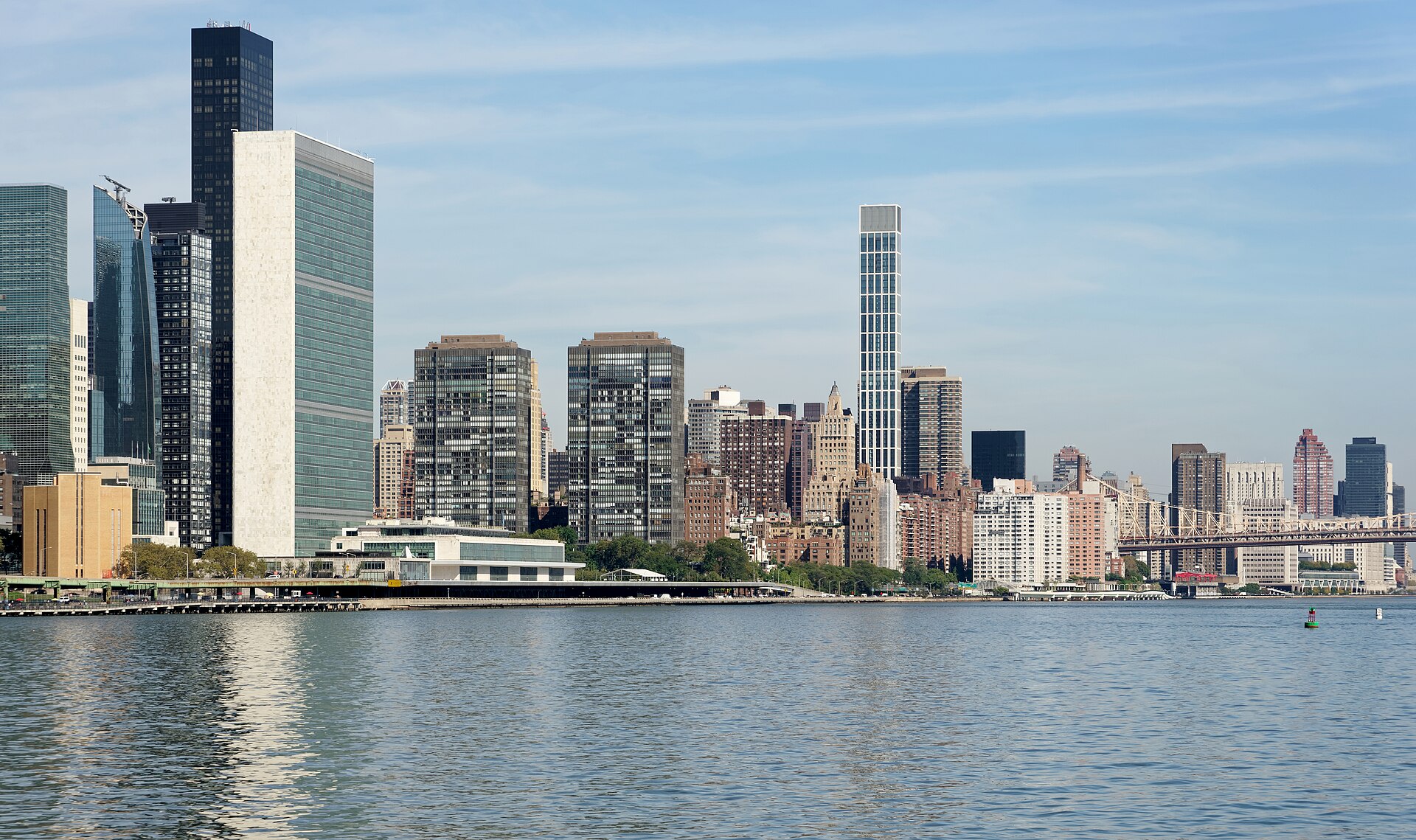
  • South Africa Champions People-Centred Cities at UN Urban Agenda Review

    South Africa Champions People-Centred Cities at UN Urban Agenda Review

    South Africa will carry its vision of inclusive, people-centred cities onto the world stage this week, as Human Settlements Minister Thembi Simelane represents the country at the High-Level Meeting of the United Nations General Assembly on the Midterm Review of the New Urban Agenda on Thursday and Friday.

    Held under the theme “Delivering Sustainable Urbanisation for all: Accelerating and Scaling Implementation of the New Urban Agenda to 2036 Together”, the meeting brings countries together to take stock of progress and share experiences on sustainable urban development since the agenda was adopted in 2016.

    South Africa’s message: put people first

    The Department of Human Settlements said Simelane will use the platform to underscore South Africa’s position on inclusive development and people-centred urban development, accelerating implementation of the New Urban Agenda, the Sustainable Development Goals and the African Union’s Agenda 2063.

    “These imperatives are aligned to the department’s imperatives relating to informal settlements transformation and integrated human settlements development, the provision of adequate housing and climate resilience,” the department said.

    The gathering will showcase effective practices, scalable solutions and innovative partnerships – including financing mechanisms – and identify priority accelerators and policy innovations to advance adequate housing and sustainable urbanisation up to 2036. It is expected to adopt an action-oriented political declaration renewing global commitment, so that no one is left behind.

    A new partnership with Libya

    There was more good news on the sidelines of the ministry’s international work. Simelane met Libya’s Minister of Housing and Construction, Essam Al-Tamouni, to reaffirm the longstanding relations between the two countries and explore new opportunities for cooperation.

    The ministers discussed collaboration across a rich agenda:

    • Affordable housing and integrated human settlements
    • Informal settlement upgrading
    • Innovative building technologies
    • Spatial planning and urban development
    • Housing finance models

    The two countries agreed to strengthen technical cooperation through a bilateral framework that will support knowledge sharing and advance sustainable, inclusive and resilient communities.

    “The engagement reflects a shared commitment to advancing Agenda 2063 and strengthening intra-African cooperation for the benefit of the continent’s people,” the department said.

    From the UN General Assembly to new African partnerships, South Africa’s human settlements agenda is winning friends and sharing home-grown solutions – a quiet but confident example of the country leading with its values. The department’s plans were reported by SAnews.gov.za.

    Photo: commons.wikimedia.org

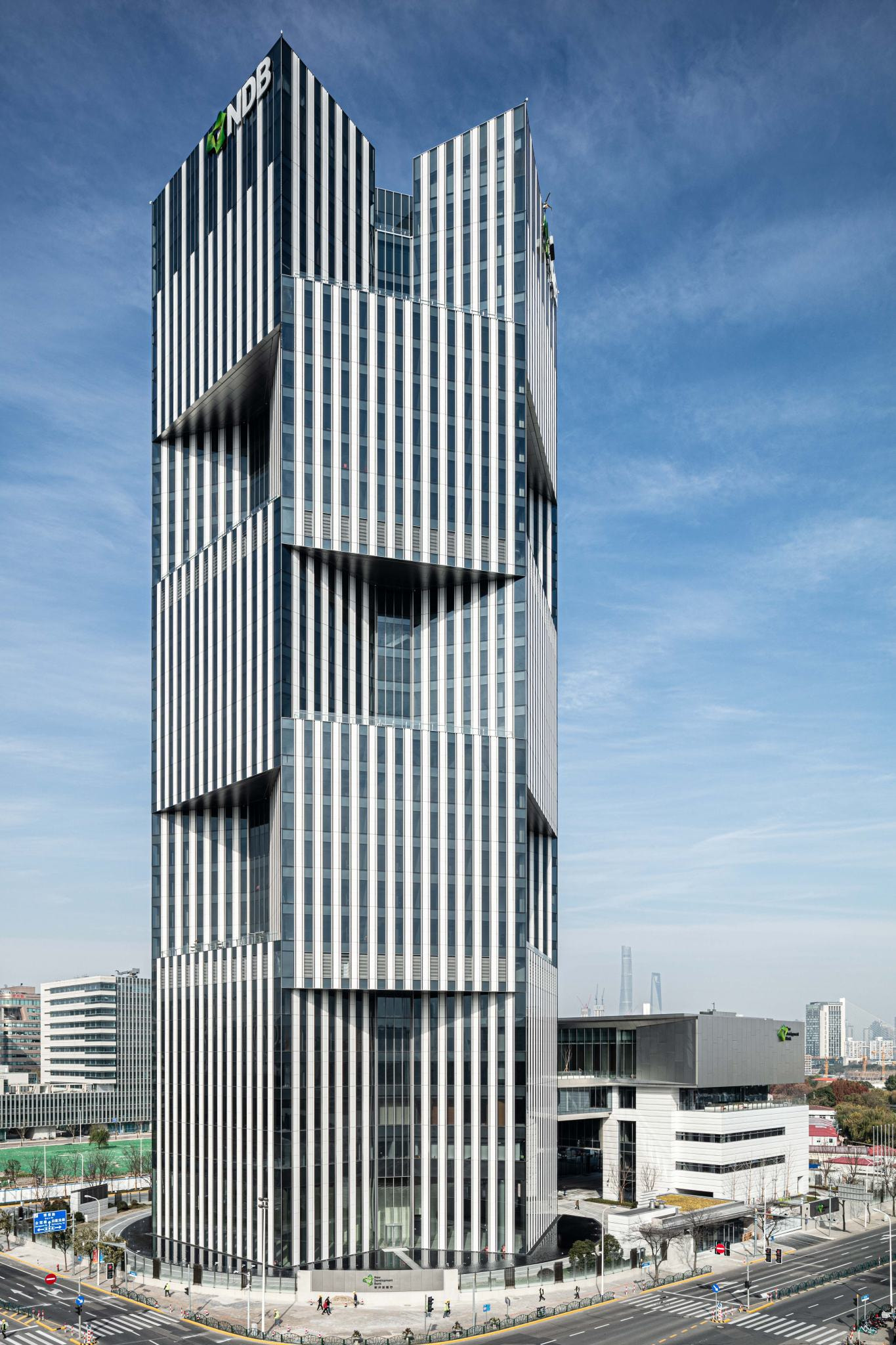
  • South Africa’s Monale Ratsoma Named Vice-President of the BRICS New Development Bank

    South Africa’s Monale Ratsoma Named Vice-President of the BRICS New Development Bank

    Another South African has risen to the top table of global finance. The Board of Governors of the New Development Bank – the multilateral bank established by the BRICS countries – has appointed Monale Ratsoma as the bank’s vice-president from South Africa, effective 8 July 2026.

    In his new role as vice-president and chief risk officer, Ratsoma takes responsibility for risk management, corporate strategy, policies, partnerships and the enforcement of environmental, social and governance standards across the bank’s operations.

    “Ratsoma is a distinguished executive leader and international financial strategist with over two decades of experience at the intersection of international development, economic policy formulation, macroeconomic analysis, sovereign and private sector finance, and global capital markets,” the National Treasury said on Wednesday.

    A track record of firsts

    Ratsoma is no stranger to the New Development Bank. He served as its vice-president and chief financial officer from July 2024 to July 2026, overseeing the bank’s multicurrency funding strategy across key capital markets – including the Euro Medium Term Note programme, Panda Bonds and South African rand funding – as well as financial reporting.

    Before that, as director-general of the bank’s Africa Regional Centre from 2018 to 2024, he established the institution’s first regional office, created to finance operations across the African continent.

    Forged at the National Treasury

    Ratsoma cut his teeth at South Africa’s National Treasury between 2011 and 2018, where he served as deputy director-general for economic policy, leading macroeconomic modelling, econometric forecasting and microeconomic reform. As acting deputy director-general for international and regional economic policy, he negotiated landmark agreements including African Union financing reforms and led South Africa’s participation in the G20, the BRICS bloc, the Southern African Development Community and the Southern African Customs Union.

    He also managed South Africa’s sovereign debt portfolio as chief director for debt issuance and liability management, and has held governance roles at the Trans-Caledon Tunnel Authority and the Corporation for Public Deposits.

    Home-grown excellence

    Ratsoma’s qualifications are proudly South African: a master’s degree in development economics from the University of Johannesburg, an honours degree and a Bachelor of Commerce in economics from the University of the Western Cape, complemented by executive training at the Gordon Institute of Business Science.

    His appointment keeps South African expertise at the heart of an institution that channels billions into infrastructure and sustainable development across the BRICS countries and beyond – more proof that South African talent leads on the world stage. The appointment was announced by the National Treasury, as reported by SAnews.gov.za.

    Photo: commons.wikimedia.org

  • South Africa Takes a Story of Progress to the UN: Power, Water and Connectivity on the Rise

    South Africa Takes a Story of Progress to the UN: Power, Water and Connectivity on the Rise

    South Africa took a confident story of progress to the world stage this week, telling the United Nations that access to electricity, safe drinking water, sanitation, digital connectivity and social protection has steadily improved, and that the country remains firmly on course in its pursuit of the 2030 Agenda for Sustainable Development.

    Deputy Minister in the Presidency for Planning, Monitoring and Evaluation, Seiso Mohai, delivered the message on Tuesday during the General Debate of the UN High-Level Political Forum on Sustainable Development, held at the United Nations Headquarters in New York.

    Real Gains on the Ground

    Mohai told delegates that, despite a demanding global environment, South Africa has made measurable progress across several fronts.

    “Access to electricity, safe drinking water, sanitation, digital connectivity, and social protection services has improved over the years. Investments in renewable energy and sustainable industrialisation are contributing to a more resilient and inclusive economy,” he said.

    He added that the expansion of broadband infrastructure and digital access is “creating new opportunities for innovation, education, and economic participation.”

    The Deputy Minister highlighted that the Sustainable Development Goals are fully integrated into South Africa’s own planning architecture, woven through the National Development Plan Vision 2030 and the Medium-Term Development Plan, so that global goals and national delivery pull in the same direction.

    Leaving No One Behind

    Mohai said the country’s development agenda remains anchored in inclusivity, equality, human dignity and sustainable economic transformation, with deliberate attention to those most at risk of being excluded.

    “South Africa remains committed to ensuring that no one is left behind, particularly women, youth, persons with disabilities, rural communities, and other vulnerable groups,” he said.

    He pointed to strengthened partnerships with civil society, the private sector, academia, development partners and international organisations as a key engine for inclusive and sustainable development outcomes, alongside continued priority investment in infrastructure, energy transition initiatives, industrial development, youth employment, skills development and climate resilience.

    Next Stop: 2027 Progress Report

    Looking ahead, Mohai congratulated fellow member states presenting their Voluntary National Reviews at this year’s forum and confirmed that South Africa looks forward to presenting its own next review in 2027, an opportunity to measure progress, share lessons and accelerate delivery in the final stretch to 2030.

    He closed his address on a distinctly South African note, paying tribute to the enduring legacy of Nelson Mandela, whose values, he said, continue to inspire efforts towards a more just, peaceful and equitable world.

    With the SDGs stitched into national plans and the country’s development indicators moving in the right direction, South Africa’s message in New York was clear: the work continues, and the progress is real. The address was reported by SAnews.

    Photo: commons.wikimedia.org
  • Nine SA Rhinos Complete Historic Comeback Herd in Mozambique’s Zinave National Park

    Nine SA Rhinos Complete Historic Comeback Herd in Mozambique’s Zinave National Park

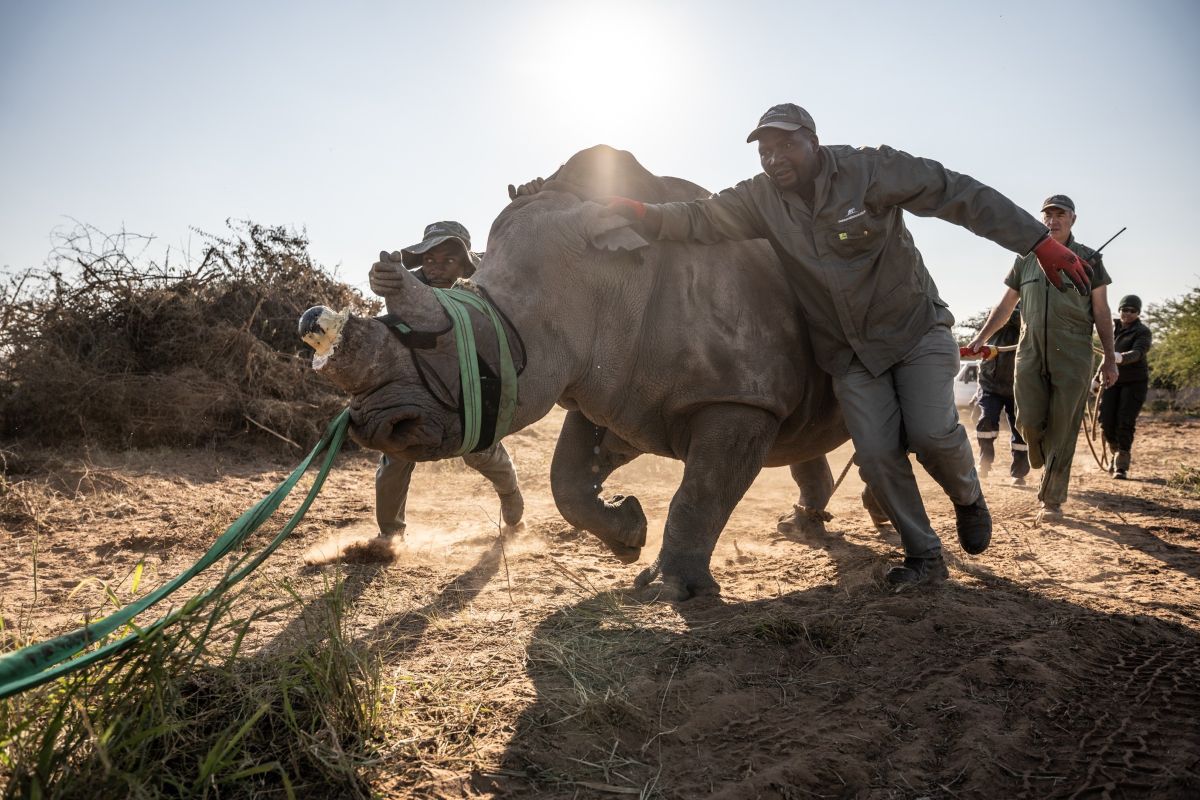
    Nine female white rhinos have completed an extraordinary road trip from South Africa to Mozambique, sealing one of the continent’s great conservation comebacks. The animals were translocated from Manketti Game Reserve near Lephalale in Limpopo to Zinave National Park in June, completing the final phase of a landmark rhino restoration effort led from South African soil.

    The cross-border operation was undertaken by Mozambique’s National Administration for Conservation Areas (ANAC), South African mining company Exxaro Resources and the Peace Parks Foundation, with the support of South Africa’s Department of Forestry, Fisheries and the Environment.

    A founder herd four decades in the making

    The nine new arrivals bring the number of white rhinos introduced to Zinave to 39, where they join 22 critically endangered black rhinos. Together they form the first viable founder populations of both species ever established in a Mozambican national park, ending more than four decades of local extinction, and both species are already breeding and giving birth in their new home.

    “This translocation marks a chapter of pride and hope in Mozambique’s conservation journey,” said Pejul Calenga, Director-General of ANAC. “By returning white rhinos to Zinave, we are not only securing the future of a keystone species but also restoring ecosystem balance.”

    The rhinos are protected within a specially developed high-security sanctuary, backed by significant investment in ranger capacity, surveillance systems and monitoring technology.

    From ‘silent park’ to Big Five destination

    A decade ago Zinave was known as the ‘silent park’, stripped of its wildlife by years of conflict. Under a 20-year co-management agreement between the Government of Mozambique and the Peace Parks Foundation, the 4,080 square kilometre park has staged a remarkable recovery.

    Since 2015, some 2,431 wild animals across 16 species, including elephants, buffalo, leopards and hyenas, have been reintroduced, growing the park’s total population to just under 10,000 head of game and making Zinave Mozambique’s first Big Five national park.

    South African expertise leading the way

    Rhino translocations rank among the most complex operations in wildlife conservation, demanding months of planning, veterinary expertise and specialised capture and transport equipment. That South Africa’s reserves, companies and conservationists sit at the heart of this effort is a point of national pride, proof that the country’s world-leading conservation know-how is restoring wild landscapes far beyond its own borders.

    With the founder herd now complete, the stage is set for Zinave’s rhinos to write the next chapter of a recovery story the whole region can celebrate.

    Full details are available from the Peace Parks Foundation.

    Photo: peaceparks.org (© Peace Parks Foundation)