South Africa and Germany have reaffirmed their commitment to a deepening Strategic Partnership, with trade between the two nations already worth some R295 billion a year and new plans on the table for critical minerals, battery manufacturing and skills for young South Africans.
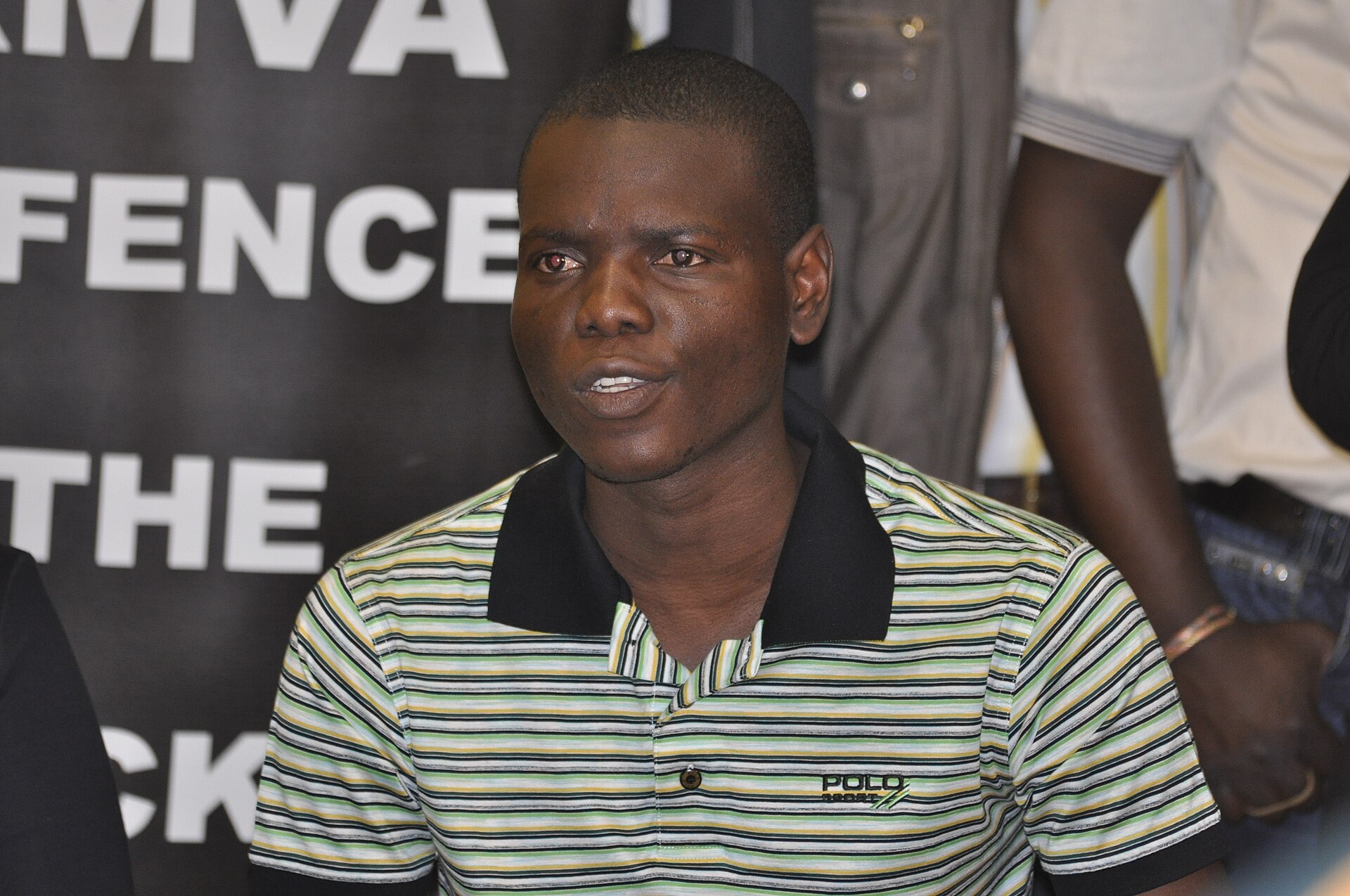
Minister of International Relations and Cooperation Ronald Lamola hosted Germany’s Federal Minister of Foreign Affairs, Dr Johann Wadephul, on a two-day working visit to South Africa this week, with the two ministers holding one-on-one talks before convening official discussions on Thursday.
“I am pleased to report that our engagement was frank, warm and productive. We reviewed implementation across the Action Plan, took stock of the progress made and agreed on the areas in which we must move faster,” Lamola said.
Thirty years of partnership, elevated
The visit builds on the 12th meeting of the South Africa–Germany Bi-National Commission, held in Berlin in April 2026. That gathering marked 30 years of the mechanism and saw the two countries formally elevate their relationship to a Strategic Partnership, backed by a Joint Action Plan that translates the closer ties into practical cooperation.
The economic foundations are already formidable. Germany remains one of South Africa’s most important trading partners in Europe, with bilateral trade valued at approximately R295 billion in 2025. More than 600 German companies operate in South Africa, employing around 100 000 people.
Batteries, minerals and jobs
Economic cooperation formed a central part of this week’s discussions, particularly expanding trade and investment, working together on critical raw materials, and building a battery value chain on South African soil.
“We discussed the expansion of trade and investment, cooperation on critical raw materials, and the development of a battery value chain that creates value and jobs here in South Africa,” Lamola said.
The ministers also reviewed the Just Energy Transition Partnership, which supports South Africa’s shift towards cleaner energy in a way that keeps social and economic considerations front and centre, along with long-standing cooperation on vocational education and training.
“This cooperation speaks directly to the urgent challenge of youth employment,” Lamola noted.
A standing feature, not an occasional event
Both sides agreed to institutionalise regular high-level engagements between their foreign ministries, so momentum does not depend on set-piece summits. “Our intention is to ensure that engagement of this kind becomes a standing feature of our partnership, rather than an occasional event,” Lamola said.
As the current Chair of the Southern African Development Community, South Africa also briefed Germany on regional priorities ahead of next month’s SADC Summit, including industrialisation, agricultural transformation and the energy transition – areas where the partnership with Europe’s largest economy could pay dividends well beyond South Africa’s borders.
For a relationship that began three decades ago, the message from Pretoria this week was clear: the best chapters are still being written, according to the account of the visit published by SAnews.
Photo: commons.wikimedia.org


Leave a Reply