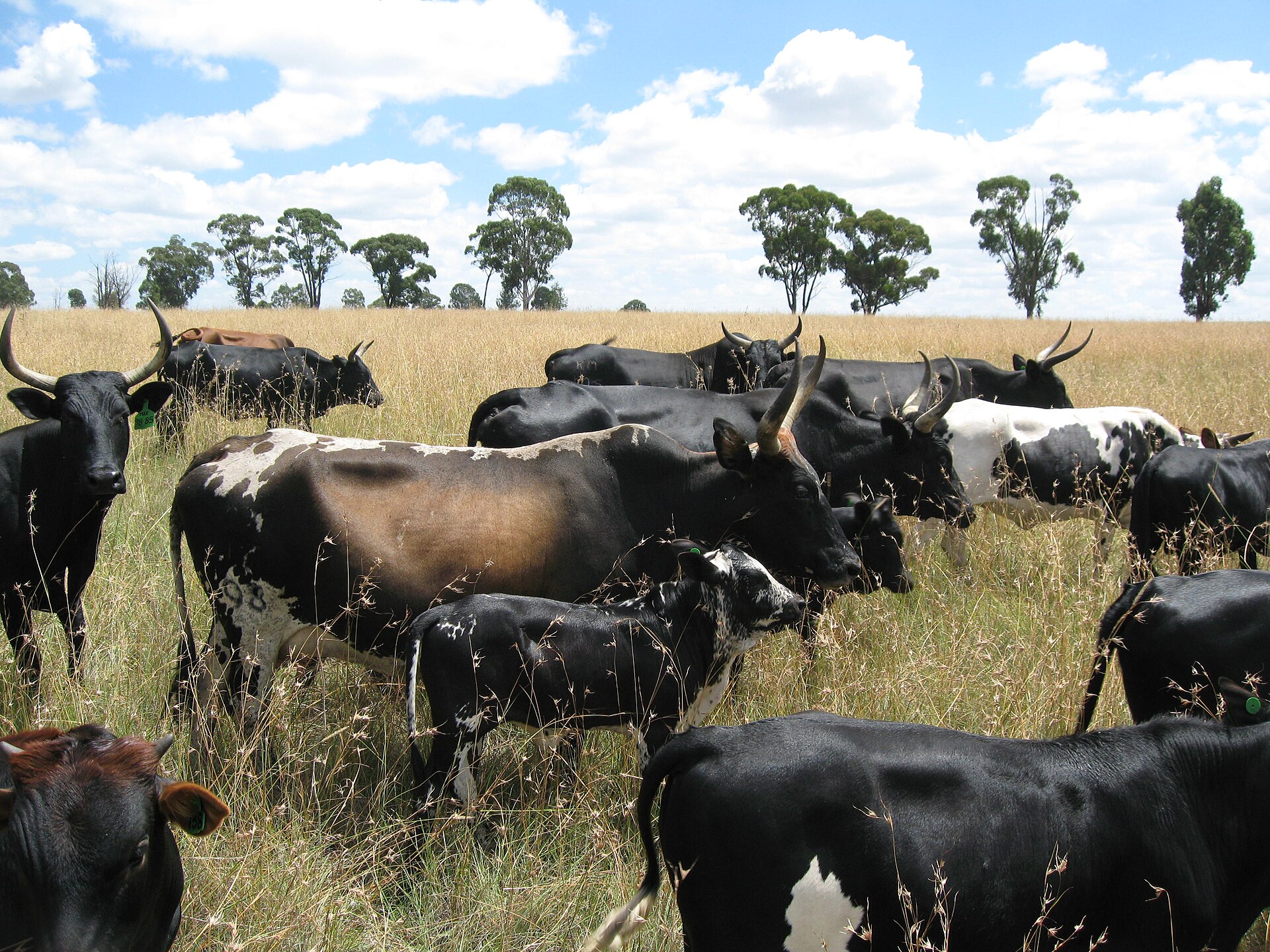
South Africa’s booming red meat trade with the United Arab Emirates has been given valuable breathing room. Agriculture Minister Willie Aucamp has extended the deadline for farms and feedlots to register under Veterinary Procedural Notice 59 (VPN-59) to 31 December 2026, keeping export channels open while producers complete their paperwork.
The extension, announced on Wednesday and reported by SAnews, is designed to prevent any disruption to South Africa’s red meat exports to the UAE while farmers and provincial state veterinarians work through the compliance and registration process.
Protecting jobs and a prized trade relationship
“This extension is critical for our livestock sector and agricultural trade relations with the United Arab Emirates,” Aucamp said.
The minister said the decision would help protect livelihoods across the livestock value chain – from farm workers and feedlot operators to abattoirs and exporters – while maintaining South Africa’s standing as a trusted supplier in the Gulf market.
The extra time allows trade to continue flowing while the industry finalises registration, and ensures South African producers keep meeting the international standards that make their beef, lamb and mutton sought after abroad.
Standards stay sky-high
Importantly, the extension is about time, not shortcuts. During the extended period, livestock may only be supplied for export if three conditions are met:
- The farm or feedlot has been inspected by the responsible provincial state veterinarian.
- Compliance with the applicable requirements has been verified.
- A complete registration application has been submitted to the Department of Agriculture’s Directorate: Animal Health.
After 31 December 2026, only registered farms and feedlots will be eligible to supply livestock for red meat exports to the UAE. The department said the arrangement preserves the animal-health and food-safety standards on which the trade is built.
A win for farming Mzansi
For South Africa’s farmers, the extension is a practical, common-sense win: trade continues, standards hold, and producers get the time they need to formalise their place in a growing export market. It is exactly the kind of quiet, constructive governance that keeps rural economies working and South African produce on tables around the world.
Photo: commons.wikimedia.org








Leave a Reply