Good News · All Nine Provinces

Independent · Local · Forward-looking

Mzansi News Online

Uniting SA Through Good News

Category: Service Delivery

  • Home Affairs at the Mall: Schreiber Opens a Modern New Centurion Office Where People Already Are

    Home Affairs at the Mall: Schreiber Opens a Modern New Centurion Office Where People Already Are

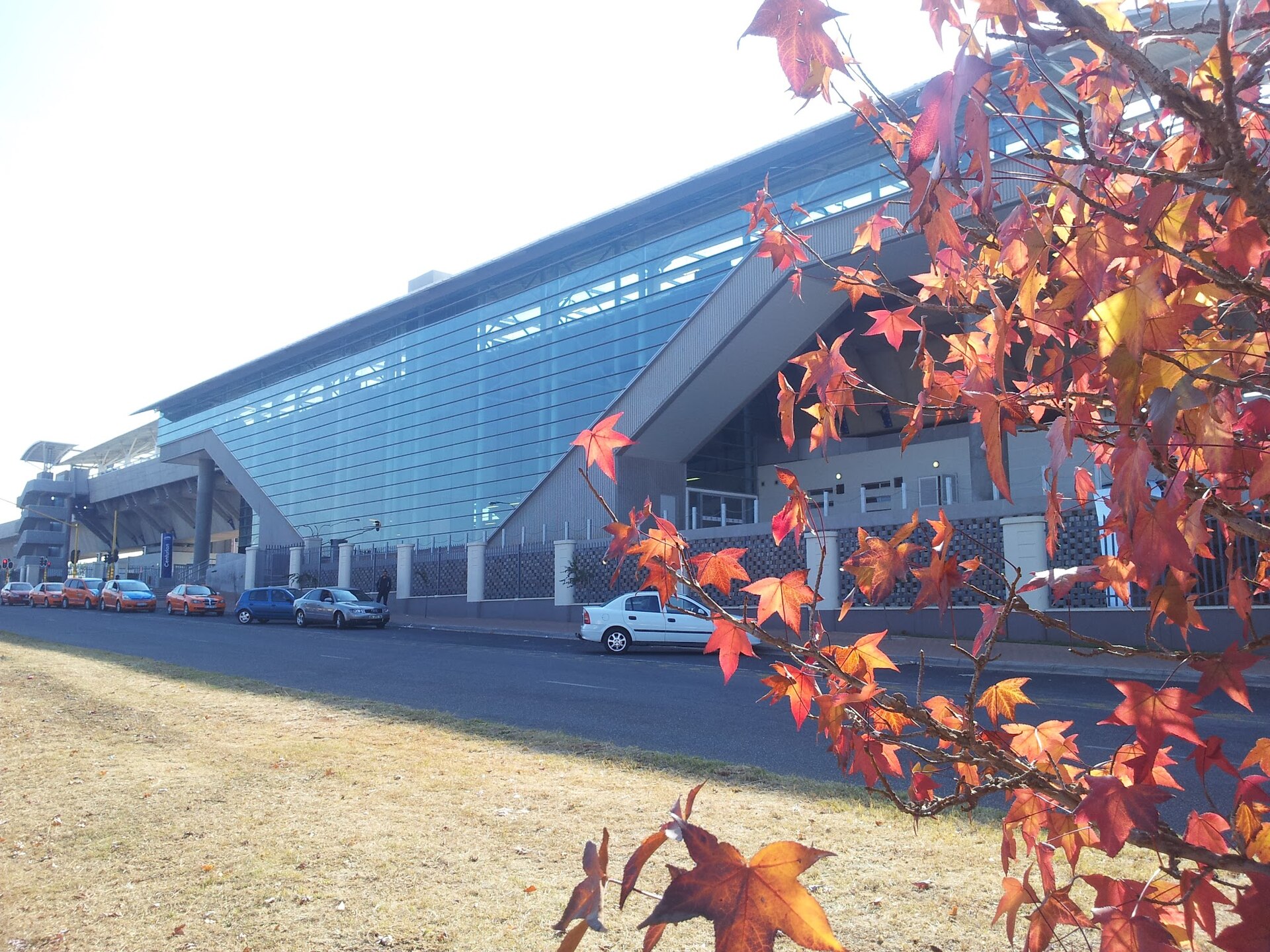
    Renewing your ID between the grocery run and the school pickup: that is the vision Home Affairs Minister Dr Leon Schreiber brought to life this week as he officially opened the department’s new office at Centurion Mall in Pretoria — a milestone in the Home Affairs @ home reform programme to make services more accessible, SAnews reports.

    While the office has been serving clients since earlier this year, Thursday’s official opening celebrated a bigger idea: that government services should come to where people already live, work and shop, and be delivered in environments that treat citizens with dignity.

    Services built around people

    “The relocation of the Centurion office to Centurion Mall brings the Home Affairs @ home vision to life. We are bringing services closer to where people already live, work and shop, while ensuring they are delivered in environments that are safe, accessible and worthy of the people we serve,” Minister Schreiber said.

    The new office replaces a previous site whose ageing infrastructure and limited facilities had made it harder for staff to deliver the standard of service the community deserves. By contrast, the Department of Home Affairs says the new premises provide an accessible, secure and well-equipped environment that supports more efficient service delivery — and restores dignity to the experience of visiting Home Affairs.

    Practical touches matter here: the mall location offers safe surroundings and convenient parking, and the office sits on the Upper Level at Shop 330, within easy reach of commuters and shoppers alike.

    Modern front doors, digital back end

    Schreiber said the relocation demonstrates how the department is modernising both its physical footprint and the way South Africans access services through digital channels — twin tracks of a reform programme that has seen Home Affairs steadily reinvent the citizen experience.

    Notably, the department managed the entire move without interrupting services. The Minister thanked officials and everyone involved in the successful relocation for ensuring uninterrupted service delivery throughout the transition, and for contributing to another milestone in the transformation of Home Affairs.

    A pattern of progress

    The Centurion opening is part of a broader shift that South Africans are increasingly seeing on the ground: services placed in malls and community hubs, shorter and better-managed queues, and a growing suite of digital options that reduce the need to stand in line at all.

    For the people of Centurion and surrounds, the benefit is immediate and tangible — a modern, welcoming Home Affairs office in the heart of their daily routine. For the country, it is another proof point that public services can be delivered with efficiency, care and pride. As the department puts it, this is the Home Affairs @ home vision in action: government meeting people where they are, and serving them well when it gets there.

    Photo: Gautrain Centurion Station, commons.wikimedia.org (CC BY-SA)
  • Doors Open All Weekend: Home Affairs Extends Hours So Every South African Can Register to Vote

    Doors Open All Weekend: Home Affairs Extends Hours So Every South African Can Register to Vote

    No ID, no problem this weekend: the Department of Home Affairs is throwing open its doors across the country to make sure every eligible South African can take part in the final Voter Registration Weekend. All Home Affairs offices nationwide will operate extended hours on Saturday 1 and Sunday 2 August 2026, from 08:00 to 17:00, SAnews reports.

    Home Affairs Minister Dr Leon Schreiber announced the extension on Friday, saying the department wants to ensure that eligible citizens can access the services they need to register to vote ahead of the local government elections on 4 November 2026.

    More than 360 000 IDs ready and waiting

    According to the department, more than 360 000 identity documents are currently awaiting collection at Home Affairs offices around the country. Because a valid identity document is required to register as a voter, Schreiber urged citizens whose documents are ready to collect them this weekend — and encouraged anyone who still needs a Smart ID card to visit their nearest office during the extended hours.

    “The right to vote is one of the cornerstones of our constitutional democracy. By extending operating hours this weekend, Home Affairs is making it easier for every eligible South African to obtain the identity documents they need to register to vote,” Schreiber said.

    “I encourage everyone whose identity document is ready for collection, or who still needs to apply for a Smart ID card, to make use of the extended operating hours this weekend.”

    A whole system pulling in the same direction

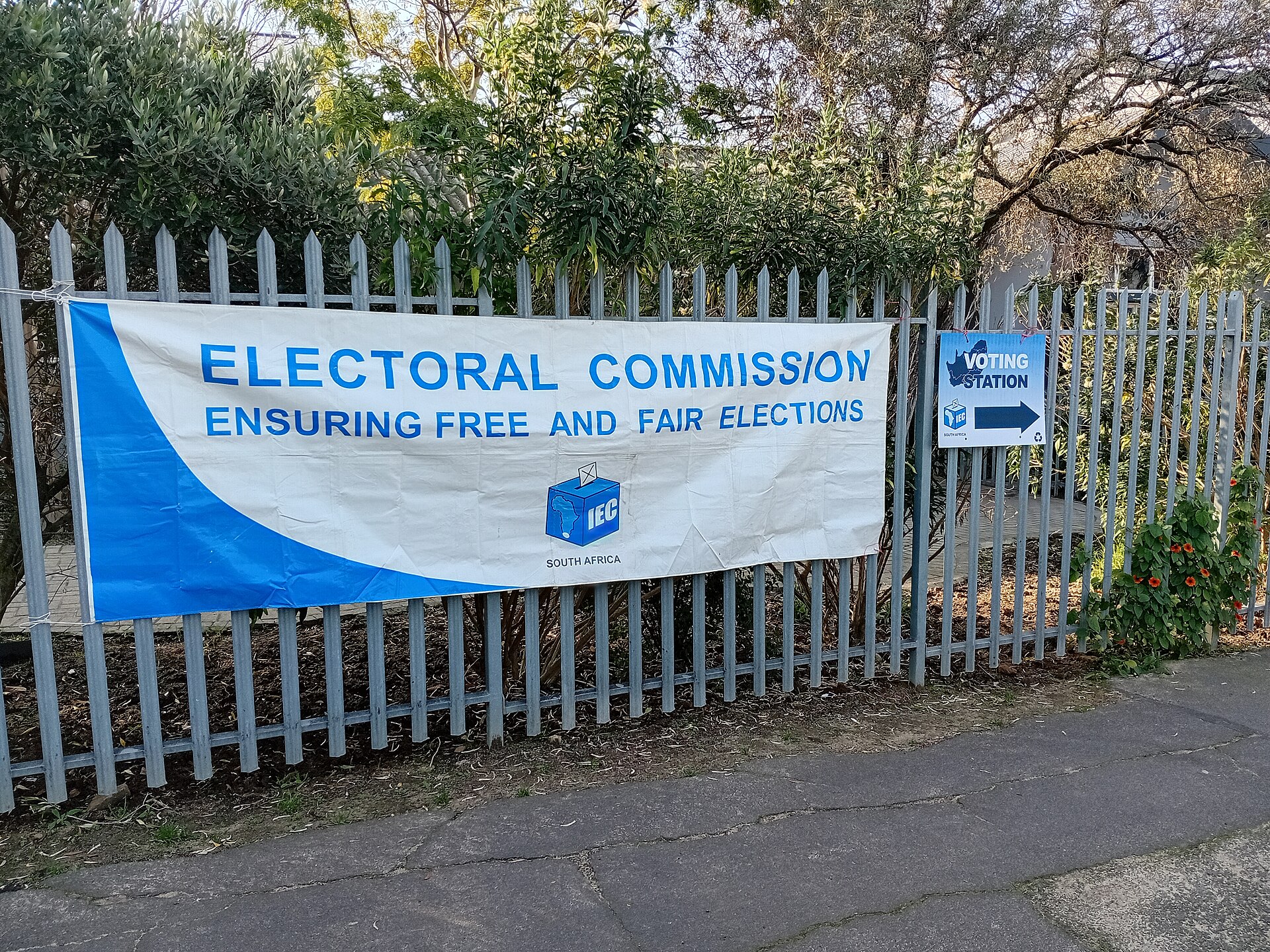
    The Home Affairs push dovetails with a massive national effort by the Electoral Commission (IEC), which is expected to operate 23 699 voting stations across the country on Saturday and Sunday from 8am to 5pm for the final registration weekend, according to SAnews. More than 28.7 million South Africans are already on the voters’ roll.

    For those who prefer to register from the couch, the IEC’s online voter registration service has been zero-rated — meaning it uses no mobile data — after the Commission engaged all of the country’s mobile network providers, who agreed to waive data charges for the service regardless of network.

    What to do this weekend

    • Collect your ID at any Home Affairs office between 08:00 and 17:00 on Saturday or Sunday.
    • Apply for a Smart ID card if you do not yet have one.
    • Register to vote, or update your address, at your local voting station or online at no data cost.

    It is a simple, citizen-first piece of coordination: government departments extending themselves so that the constitutional right to vote is within everyone’s reach. This weekend, the doors are open — all South Africans need to do is walk through them.

    Photo: commons.wikimedia.org

  • Clean Water, Closer to Home: 67 New Rural Water Schemes Roll Out as R156 Billion Investment Flows

    Clean Water, Closer to Home: 67 New Rural Water Schemes Roll Out as R156 Billion Investment Flows

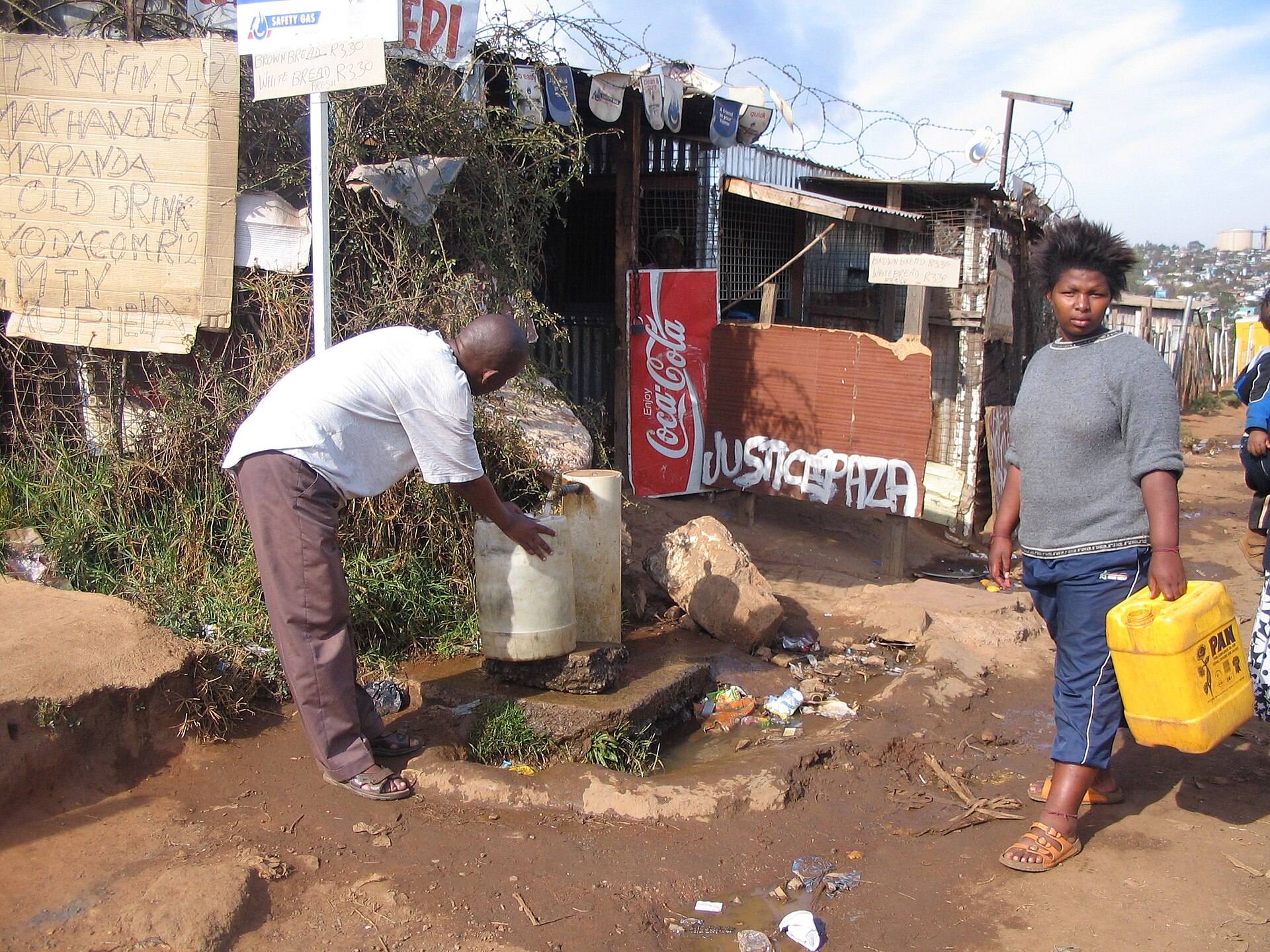
    Safe drinking water is on its way to dozens of rural communities after government launched the National Water Access Acceleration Programme, rolling out 67 decentralised water supply schemes across Gauteng, KwaZulu-Natal and the Eastern Cape.

    The programme was unveiled on International Nelson Mandela Day, 18 July 2026, and Cabinet has now formally commended the launch, Minister in the Presidency Khumbudzo Ntshavheni told journalists in Pretoria, as reported by SAnews.

    Boreholes, springs and treatment plants for unserved communities

    The 67 schemes comprise boreholes and package water treatment plants aimed at expanding access to safe drinking water in rural communities that currently lack reliable water services. They represent the first phase of the Department of Water and Sanitation’s programme, implemented through water boards under the Water Services Act.

    “More than R200 million has been allocated to Phase One of the programme, which combines borehole drilling, groundwater development, spring protection, rainwater harvesting, and rehabilitation of existing water infrastructure to expand access to safe drinking water,” Ntshavheni highlighted.

    R156 billion for water infrastructure over three years

    The acceleration programme sits within a much larger public investment push. Earlier this year, government allocated R156 billion to water and sanitation infrastructure over the next three years – funding that will expand and maintain water networks, improve supply reliability and strengthen services in communities across the country.

    Cabinet also welcomed the release of the National Water Action Plan, which sets out short-, medium- and long-term interventions to secure a reliable supply of quality water for all South Africans. Among its measures are increased investment in water infrastructure, including through private-sector participation, and legal and regulatory reforms to improve municipal service delivery.

    In his weekly newsletter to the nation on Monday, President Cyril Ramaphosa assured citizens that government is focused on implementation, so that running water reaches every South African, regardless of where they live.

    A stronger framework for the future

    Looking further ahead, Cabinet approved the publication of the draft Strategic Framework for Water and Sanitation Services for a 60-day public comment period. The reviewed framework sets sector targets and emphasises climate resilience, financial sustainability, digital transformation and improved planning and delivery.

    “The strategy is intended to strengthen sector governance, improve planning and delivery, and support the provision of sustainable, reliable, and equitable water and sanitation services for all South Africans,” the Minister said.

    For families in the programme’s first 67 communities, the impact will be measured in something far simpler: clean, safe water flowing closer to home.

    Photo: commons.wikimedia.org

  • Ten Years Between Renewals: Cabinet Approves Longer-Life Driving Licence Cards for Motorists

    Ten Years Between Renewals: Cabinet Approves Longer-Life Driving Licence Cards for Motorists

    Millions of South African motorists are set to spend far less time in renewal queues after Cabinet approved the extension of the validity period of driving licence cards for light motor vehicles and motorcycles from five years to 10 years.

    The announcement was made by Minister in the Presidency Khumbudzo Ntshavheni in Pretoria on Thursday, as she briefed the media on the outcomes of Wednesday’s Cabinet meeting. The extension applies to licence codes A, A1, B and EB, which cover motorcycles and light motor vehicles, according to SAnews.

    Why the change makes sense

    The decision was informed by a study undertaken by the Road Traffic Management Corporation, which found that a longer validity period would bring South Africa in line with international best practice.

    “The change aligns with international best practice, enhances administrative efficiency, reduces the frequency of renewals for motorists and eases service-demand pressures within the licensing system,” Ntshavheni said.

    Transport Minister Barbara Creecy and Deputy Minister Mkhuleko Hlengwa both welcomed Cabinet’s approval, which clears the way for draft notices to be submitted for public comment and legal scrutiny before the change becomes law.

    What stays the same

    The 10-year cycle will apply only to light motor vehicles and motorcycles. Other categories keep their existing arrangements:

    • Heavy commercial and public transport vehicle licences remain on their current renewal cycles;
    • Professional Driving Permits, used by taxi, bus and truck drivers, stay on a two-year renewal cycle.

    Implementing the longer validity period requires an amendment to regulation 108 of the Road Traffic Regulations, and the Department of Transport has advised motorists to keep renewing expired cards in the meantime.

    “Motorists must therefore continue to renew expired driving licence cards until the new law takes effect,” the department said in a statement on Thursday.

    A licensing system under less pressure

    For ordinary drivers, the benefits are easy to count: half as many renewal appointments over a decade, half as many card fees, and far fewer hours spent at licensing centres. For the licensing system itself, the change is expected to free up capacity, shorten queues and allow staff to focus on first-time applications and professional permits.

    The reform forms part of a broader push to make government services simpler and more efficient, and it lands as one of those rare policy changes that saves time and money for nearly every household with a car or motorcycle in the driveway.

    Once the legislative amendments are complete, a South African licence card ordered from the card production facility will remain valid for a full decade – a small change on paper that adds up to a big win for motorists across the country.

    Photo: commons.wikimedia.org

  • Louder, Clearer, Prouder: Icora FM in Empangeni Receives a Fully Digitised Studio From the MDDA

    Louder, Clearer, Prouder: Icora FM in Empangeni Receives a Fully Digitised Studio From the MDDA

    Community radio in KwaZulu-Natal is about to sound better than ever. On Friday, the Media Development and Diversity Agency (MDDA) Board will hand over a newly digitised broadcast studio to Icora FM in Empangeni — a major upgrade for a station that is the daily voice of its community.

    The handover, reported by SAnews, will be led by Deputy Minister in the Presidency Kenny Morolong, who chairs the MDDA Board.

    A voice for Empangeni, amplified

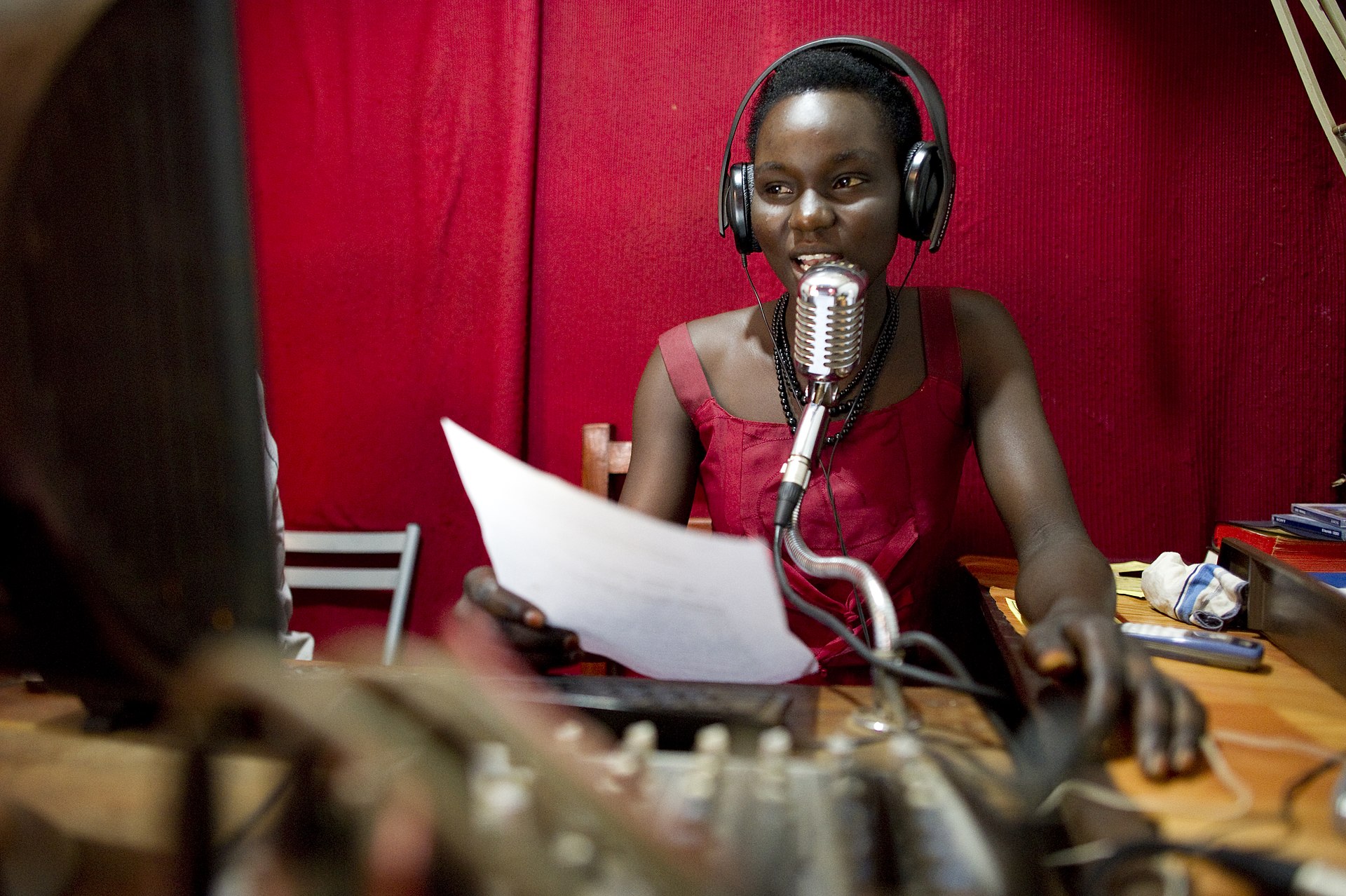
    Icora FM serves Empangeni and its surrounding communities, delivering local news and information alongside education, entertainment and a platform for genuine community engagement. For its presenters, volunteers and producers, the new digital studio means a more efficient working environment; for listeners, it promises sharper sound and richer content.

    The upgrade is expected to improve the station’s broadcasting and production capabilities, strengthen its ability to amplify local voices, encourage community participation and respond to the information needs of the people it serves.

    According to the MDDA, the project demonstrates the role of technology in supporting media diversity and sustainable community broadcasting — a reminder that a strong local station is one of the most powerful tools a community can own.

    Part of a bigger investment in community media

    The Empangeni handover is not a one-off. Earlier this month, Morolong handed over upgraded broadcasting facilities at Radio Mafisa in Rustenburg in the North West province. Broadcasting on 93.4 FM, Radio Mafisa serves communities including Phokeng, Boitekong, Marikana, Mogwase and Tlhabane.

    Together, the two projects form part of the MDDA’s wider drive to strengthen community media through infrastructure development and improved access to modern broadcasting technology — putting professional-grade tools into the hands of the stations closest to the ground.

    Why it matters

    Community radio remains one of South Africa’s great connectors. It speaks in local languages, tells local stories and gives ordinary people a microphone. Every studio that goes digital extends the life and reach of that mission.

    • What: Newly digitised broadcast studio for Icora FM
    • Where: Empangeni, KwaZulu-Natal
    • When: Handover on Friday, led by Deputy Minister Kenny Morolong
    • Also this month: Upgraded facilities for Radio Mafisa (93.4 FM) in Rustenburg

    For the volunteers who keep Icora FM on air and the listeners who tune in every day, Friday’s handover is more than new equipment — it is an investment in the community’s own voice, built to carry further and sound clearer for years to come.

    Photo: commons.wikimedia.org

  • Durban on the Rise: R10 Billion Toyota Investment Headlines a Season of Wins for the Presidential eThekwini Working Group

    Durban on the Rise: R10 Billion Toyota Investment Headlines a Season of Wins for the Presidential eThekwini Working Group

    Durban’s turnaround is gathering real momentum. The Presidential eThekwini Working Group (PeWG) has reported significant progress across infrastructure, economic and water security initiatives — headlined by Toyota South Africa Motors’ reaffirmed investment of R10 billion in its eThekwini manufacturing plant to produce the next generation of the Toyota Hilux.

    The updates were presented at the PeWG’s July co-chairpersons meeting, where workstreams outlined advances achieved through collaboration between the Presidency, national government and the eThekwini Municipality.

    Investment and Infrastructure Moving Together

    The Toyota commitment signals continued investor confidence in the city’s automotive sector — and the working group is moving to protect that industrial heartland. Following a high-level financing workshop convened by the Presidency, stakeholders have finalised the scope of a R310 million feasibility study for the Umlazi Canal upgrade, which will assess flood-risk reduction measures and blended public-private financing for an eventual R4.5 billion canal infrastructure overhaul in the South Durban Basin.

    On the roads, the multimillion-rand rehabilitation of Everton Road has been completed, restoring an essential suburban-business artery, while SANRAL is overseeing 18 community development projects worth R391.5 million along the N2 and N3 corridors. The eThekwini Integrated Public Transport Network remains on track for its planned launch in December 2026.

    Winning the Water Battle

    There is encouraging news below the streets too. The eThekwini Water and Sanitation Unit has established its turnaround and governance frameworks, supported by leak detection, valve maintenance and customer data cleansing. Those interventions have already cut non-revenue water by three percentage points — tangible progress on one of the metro’s toughest challenges, with the trend pointing in the right direction.

    ‘The President Is Pleased’

    PeWG Chairperson Mike Mabuyakhulu said President Cyril Ramaphosa has welcomed the improvements being made in eThekwini through the initiative.

    “We regularly report to the President on the progress made each month. I must say that the President is pleased and is closely monitoring the work we are doing in Durban against the 18-month target, which runs until late 2027,” Mabuyakhulu said.

    The working group has also formally transitioned its Partnerships Framework into a new Economic Development Workstream to strengthen collaboration with the private sector, and has begun integrating its functions into the District Development Model, with a planned handover by November 2027 — a sign that the special intervention is designed to leave lasting capability behind.

    By systematically removing legislative, financial and logistical bottlenecks, the PeWG says it is supporting efforts to restore Durban’s full economic potential — and this month’s scorecard suggests the plan is working, according to SAnews.

    Photo: commons.wikimedia.org

  • Hands Joined for the Bay: Nelson Mandela Bay and Faith Leaders Forge a Partnership for Better Service Delivery

    Hands Joined for the Bay: Nelson Mandela Bay and Faith Leaders Forge a Partnership for Better Service Delivery

    There is fresh energy in Nelson Mandela Bay, where the municipality and leaders of the Concerned Religious Fraternity have agreed to strengthen their partnership to advance service delivery, deepen public participation and uplift communities across the metro.

    The engagement, led by Executive Mayor Babalwa Lobishe, brought local government and the faith community around one table — and both sides left with a shared commitment to work together for residents.

    A Shared Agenda for Communities

    The municipality and the religious fraternity committed to joint action on some of the issues that matter most to households in the Bay: promoting water conservation, protecting municipal infrastructure, advancing youth development and strengthening social cohesion across communities.

    The conversation took place as the Commission for the Promotion and Protection of the Rights of Cultural, Religious and Linguistic Communities (CRL Rights Commission) holds public consultations on a draft self-regulatory framework for the Christian sector. The fraternity asked for broader and more inclusive engagement so that the voices of faith communities are fully heard, and the mayor undertook to convey those views to the relevant government stakeholders while respecting the commission’s constitutional independence.

    ‘Dialogue Is the Foundation of Democracy’

    Lobishe said the meeting showed how much partnerships between government and faith-based organisations can do to build resilient communities and strengthen democracy.

    “The Constitution not only protects freedom of religion, belief and association; it also upholds the democratic principle that every citizen must have a meaningful opportunity to participate in decisions that affect them. As local government, we believe constructive dialogue remains one of the strongest foundations of democracy.”

    She added that lasting change comes when everyone pulls in the same direction. “Government cannot build thriving communities on its own. Lasting change is achieved when government, faith leaders, business and civil society unite behind a common purpose. Today’s engagement marks the beginning of a stronger partnership that places the people of Nelson Mandela Bay at the centre of everything we do,” Lobishe said.

    The mayor pointed to the remarkable reach of the faith sector — from local congregations to provincial and national leadership — as a powerful platform to mobilise communities around responsible citizenship, safer neighbourhoods, water conservation and the protection of public infrastructure.

    Faith Leaders Step Forward

    Speaking on behalf of the Concerned Religious Fraternity, Pastor Lingelihle Jadezweni described the outcome as an important step towards stronger relations between local government and the faith community.

    “We appreciate the Executive Mayor’s willingness to listen to our concerns and facilitate engagement with the relevant institutions. Equally important, we leave this engagement committed to working alongside the Municipality to address the challenges confronting our communities. Together, we can make a meaningful difference in the lives of our people.”

    The fraternity also signalled its willingness to support the municipality’s service delivery initiatives and community development programmes on the ground — exactly the kind of partnership the mayor says inclusive governance needs.

    For the metro, the message is simple and hopeful: when the council chamber and the congregation work together, the people of Nelson Mandela Bay win. The municipality says it will keep building partnerships with religious organisations, civil society, business and communities as part of its commitment to a capable, responsive local government that delivers for all residents, according to SAnews.

    Photo: commons.wikimedia.org

  • Smoother Streets, Stronger City: eThekwini Pours R127.9 Million Into Durban’s Inner-City Roads

    Smoother Streets, Stronger City: eThekwini Pours R127.9 Million Into Durban’s Inner-City Roads

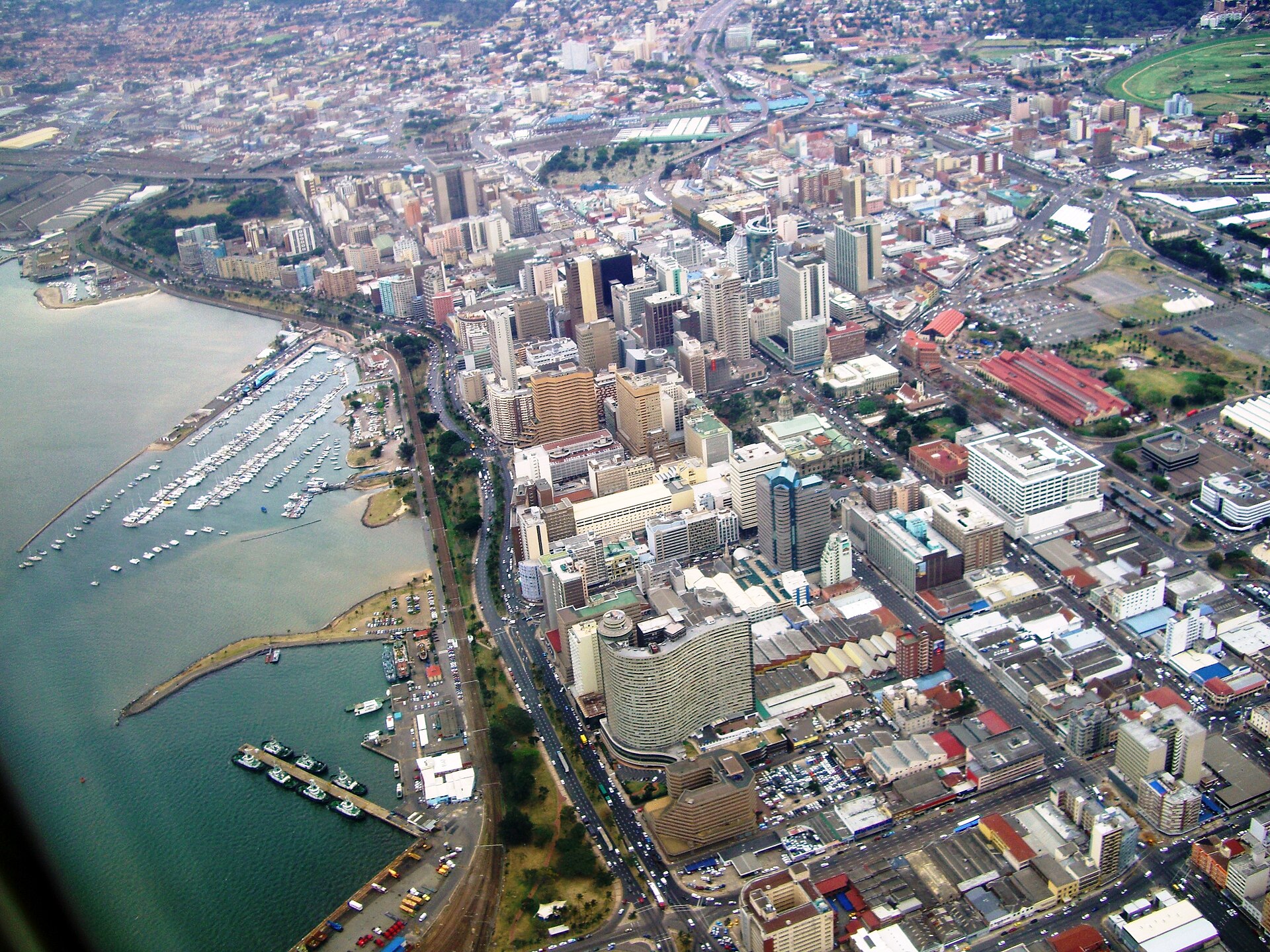
    Durban’s urban core is riding on fresh asphalt. The eThekwini Municipality invested approximately R127.9 million in rehabilitating key inner-city roads during the 2025/26 financial year, delivering upgrades across 13 strategic routes and roughly 65 lane kilometres of road infrastructure, enough to see the Roads and Infrastructure Management Directorate exceed its annual resurfacing target.

    The Streets Getting a Second Life

    The programme, part of the municipality’s ongoing Inner-City Regeneration Programme, focused on the corridors that carry the city’s daily life. Among the major roads rehabilitated are:

    • Umngeni Road and Dr Pixley ka Seme Street
    • K E Masinga Road and Masabalala Yengwa Avenue
    • Sandile Thusi Road and Margaret Mncadi Avenue
    • Soldiers Way and Smiso Nkwanyana Road
    • The Inkosi Albert Luthuli Freeway (M4)

    According to the municipality, the works have significantly improved conditions along key transport corridors used daily by thousands of commuters, residents, businesses and public transport operators. The projects went beyond resurfacing, taking in stormwater drainage improvements and pedestrian and road safety upgrades, while reducing long-term maintenance requirements.

    Building an Investment-Friendly City

    Thanda Zulu, Acting Deputy Director of Roads and Infrastructure Management, said the programme’s success underscores the municipality’s commitment to building resilient infrastructure and creating a more attractive, efficient and investment-friendly city.

    “An investment of nearly R128 million in our inner-city road network reflects the municipality’s commitment to rebuilding critical infrastructure, improving the movement of people and goods, and creating an environment that supports economic growth, investment, and job creation. The success of the Inner-City Road Rehabilitation Programme is already delivering tangible benefits for residents, businesses, and visitors to Durban,” Zulu said.

    Zulu noted that the coordinated rehabilitation of roads across the CBD and Warwick precincts has strengthened critical transport networks while supporting the city’s wider urban renewal objectives, and reaffirmed the municipality’s commitment to sustaining the programme’s momentum through continued infrastructure investment.

    Home-Grown Skills Behind the Wheel

    There is a further reason for civic pride in the numbers. Of the 13 roads rehabilitated during the year, four projects were completed entirely by the municipality’s own internal roads teams, with a fifth delivered through a combination of internal and contracted resources. It is a clear sign of growing in-house capacity to deliver quality infrastructure efficiently and cost-effectively.

    Zulu said the programme also highlights the valuable contribution of the municipality’s internal roads teams, whose growing expertise means more of the city’s infrastructure rand stays within the city, building skills and institutional capability with every project completed. The Inner-City Regeneration Programme itself is aimed at restoring and modernising Durban’s urban core, improving mobility, enhancing public safety and stimulating economic growth within the central business district and its surrounding precincts.

    For Durban’s commuters, traders and visitors, the result is a city centre that moves better, drains better and feels safer, with the promise of more to come, according to details reported by SAnews.

    Photo: commons.wikimedia.org

  • New Energy Rises in the Coalfields: Ramaphosa to Switch On 155MW Ummbila Emoyeni Wind Farm

    New Energy Rises in the Coalfields: Ramaphosa to Switch On 155MW Ummbila Emoyeni Wind Farm

    Mpumalanga, the traditional heartland of South Africa’s coal-fired power industry, is about to celebrate a very different kind of energy milestone. President Cyril Ramaphosa will officiate the start of commercial operations at the Ummbila Emoyeni Wind Energy Facility near Bethal on Friday, 31 July 2026, adding 155MW of clean generation capacity to the national electricity system.

    First Phase of a 900MW Vision

    The 155MW now coming online is only the beginning. The facility’s first phase forms part of a planned 900MW renewable energy programme, positioning the project as one of the more ambitious wind developments in the country’s pipeline.

    The launch comes as South Africa continues to strengthen energy security, expand generation capacity and accelerate the transition towards a more diversified energy mix. Every megawatt of new supply helps consolidate the gains the country has made in stabilising its power system.

    From Investment Pledge to Working Turbines

    The commencement of commercial operations arrives three years after the investment commitment linked to the Seriti Green project was announced at the South African Investment Conference. That journey, from a pledge on a conference stage to turbines turning over the Highveld, is exactly the outcome investment conferences are designed to produce, and it highlights the role of public-private partnerships in converting commitments into operational infrastructure that contributes to long-term economic growth.

    The project brings together government, private-sector investors and local communities in a single undertaking. Beyond electrons on the grid, it carries commitments to local supplier participation, skills development, employment opportunities and community investment, spreading the benefits of the build into the surrounding region.

    A Just Transition, Made Visible

    The location matters as much as the megawatts. By rising in Mpumalanga, the province that has powered South Africa for generations, Ummbila Emoyeni is being positioned as a working example of the country’s Just Energy Transition: renewable generation paired with investment in transmission infrastructure and regional economic development, so that the communities that built the old energy economy share fully in the new one.

    For the residents of Bethal and the wider Govan Mbeki region, Friday’s ceremony will be more than a ribbon-cutting. It signals that the energy transition is not something happening elsewhere, but an opportunity taking root at home, with jobs, skills and investment attached.

    The milestone is also expected to highlight what becomes possible when investment pledges are followed through: private capital, government facilitation and community participation combining to deliver infrastructure capable of contributing to the country’s long-term economic growth. With the broader 900MW programme set to increase renewable electricity generation while supporting infrastructure development and economic activity across the region, the turbines near Bethal are the visible first instalment of a much larger promise.

    South Africa’s renewable energy story keeps gathering pace, and this launch writes another confident chapter, according to details reported by SAnews.

    Photo: commons.wikimedia.org

  • Partners on the Road: Gauteng and Taxi Industry Leaders Strike a Deal for Safer, Smoother Commutes

    Partners on the Road: Gauteng and Taxi Industry Leaders Strike a Deal for Safer, Smoother Commutes

    Gauteng’s millions of daily commuters have received welcome news: the provincial government and the leadership of the taxi industry have reached an agreement to work together on the sector’s key challenges — and to keep public transport running smoothly across the province.

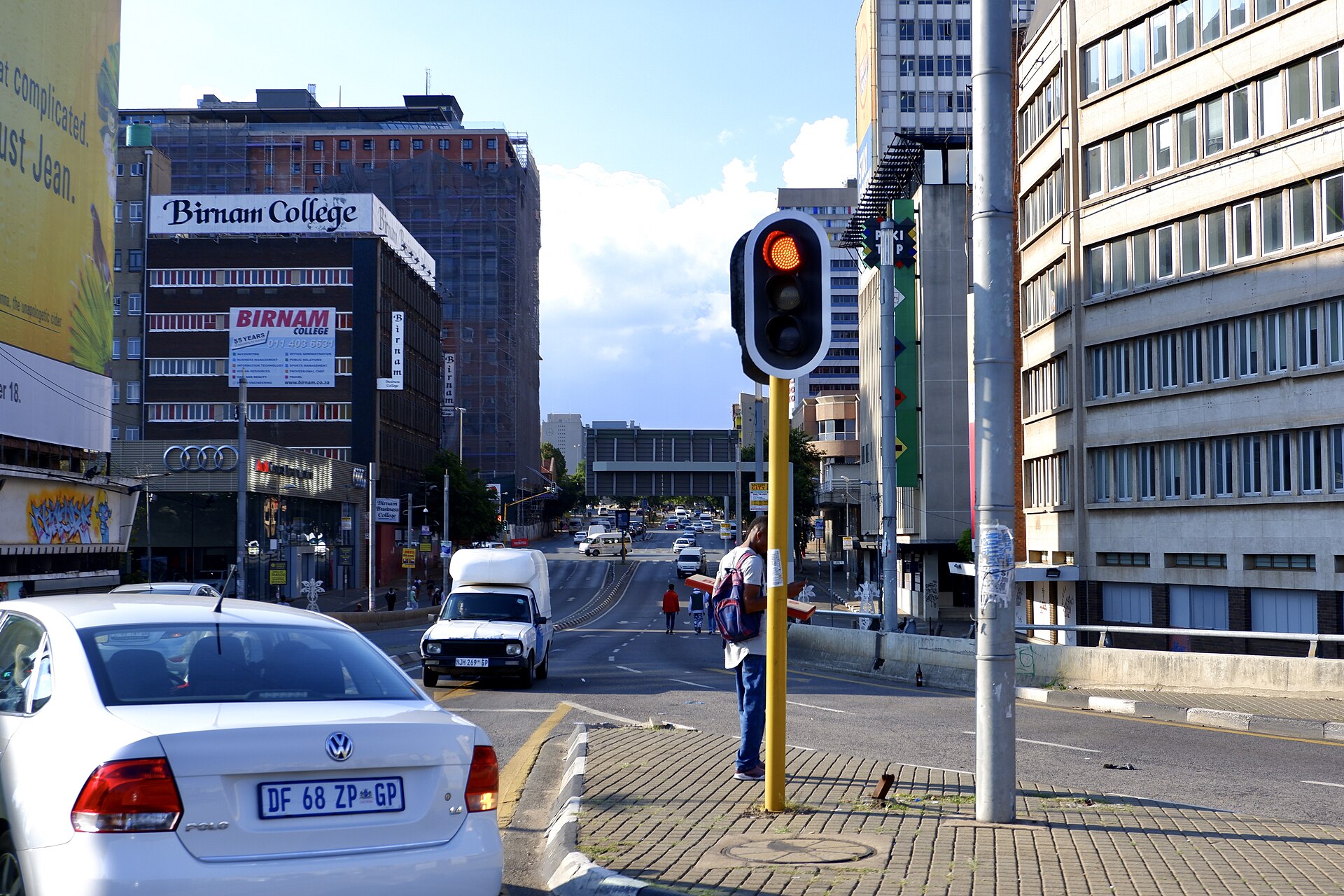
    Gauteng Roads and Transport MEC Kedibone Diale-Tlabela met with taxi industry representatives on Thursday, where the two sides found common ground on operating licences, regulatory compliance, commuter safety and sector stability.

    A Spirit of Cooperation

    “We welcome the spirit of cooperation demonstrated today. We remain committed to resolving all outstanding matters through constructive engagement in the best interests of commuters and the people of Gauteng,” Diale-Tlabela said.

    The MEC underlined just how central the minibus taxi is to daily life in South Africa’s economic heartland. “Uninterrupted public transport is critical to our economy and to the lives of our residents. Every commuter has the right to travel safely, freely, and without fear. We will continue working closely with the taxi industry to build a system that is safe, reliable, affordable, and compliant with the law,” she said.

    What Was Agreed

    The agreement between the province and the industry’s leadership includes practical, concrete commitments:

    • Ongoing structured engagements between government and the industry, with regular progress reviews
    • Accelerated resolution of operating licence issuance, including verification and inheritance matters
    • Joint interventions to strengthen commuter safety

    Faster licence processing is a particularly meaningful win for operators, many of whom have waited long periods for verification and licence inheritance matters to be finalised. Clearer, quicker licensing supports compliant operators and gives commuters greater certainty that the vehicles they board each morning are properly authorised.

    Accountability and Collaboration

    “The provincial government and taxi leadership have recommitted to accountability and collaboration as we tackle the challenges facing the sector. Our shared goal is a safe, reliable, and accessible public transport system for all,” the MEC noted.

    The department is also strengthening its direct engagement with operators on the ground, improving oversight while gaining a better understanding of the realities the industry faces day to day.

    The minibus taxi industry moves more South Africans than any other form of public transport, ferrying workers, learners and traders across Gauteng every single day. When government and industry leaders sit around the same table and leave with a shared plan, the biggest winners are the commuters — who can look forward to safer ranks, smoother licensing and a more stable, reliable ride to work and home again.

    Reporting based on information from SAnews.gov.za.

    Photo: commons.wikimedia.org