Good News · All Nine Provinces

Independent · Local · Forward-looking

Mzansi News Online

Uniting SA Through Good News

Category: Service Delivery

  • No Queues, No Taxi Fare: SARS Puts the 2026 Tax Season at Your Fingertips

    No Queues, No Taxi Fare: SARS Puts the 2026 Tax Season at Your Fingertips

    Filing your tax return no longer means taking a day off work, queueing before sunrise or paying for a taxi across town. As the South African Revenue Service (SARS) opens the broader phase of the 2026 tax filing season, its message to taxpayers is simple: your smartphone or computer can do the standing in line for you.

    The broader phase, which opened on 13 July, allows both provisional and non-provisional taxpayers to submit their income tax returns, SAnews reports. It follows a smooth auto-assessment period that ran from 1 to 12 July 2026 for taxpayers with less complex tax affairs — many of whom had their assessments completed without lifting a finger.

    Digital first, and it shows

    “There is no need for taxpayers to take a day off work or take a taxi to visit a SARS Service Centre,” the revenue service said, urging taxpayers to use its enhanced digital channels first before considering a visit in person.

    For those who do need face-to-face help, the booking system has been made refreshingly easy. Taxpayers can book an appointment online via the SARS website, call 0800 00 7277 and select option 0, or simply SMS the word “Booking” followed by an ID or passport number to 47277. Walk-ins are still served, though those with appointments are helped first.

    Key dates for the season

    SARS has set out a clear calendar so that nobody is caught off guard:

    • Auto assessments: 1 to 12 July 2026 (now complete)
    • Non-provisional individuals: 13 July to 23 October 2026
    • Provisional taxpayers: 13 July 2026 to 22 January 2027
    • Trusts: 19 September 2026 to 22 January 2027

    A quick health check for a smooth season

    The revenue service encourages taxpayers to do a pre-season health check: confirm that personal details, banking particulars and contact information are up to date, and clear any outstanding returns from previous years. Resolving these small matters early through SARS’s digital channels, it says, puts taxpayers “in the best position for a seamless Filing Season experience.”

    SARS also reminded the public to stay alert online: it will never request passwords, one-time PINs or banking details through email, SMS or social media, so taxpayers should stick to official SARS channels when filing.

    Provisional taxpayers are advised to file early, gather supporting documents in advance and submit accurate returns on time. For millions of South Africans, though, the 2026 season carries a quietly remarkable piece of good news: the taxman has come to your phone, so you don’t have to go to him.

    Photo: commons.wikimedia.org

  • Licensed and Rolling: Gauteng Hands Over 2,000 Taxi and Scholar Transport Permits in Service Delivery Push

    Licensed and Rolling: Gauteng Hands Over 2,000 Taxi and Scholar Transport Permits in Service Delivery Push

    Gauteng’s public transport operators are finally seeing the back of a long-standing paperwork logjam. Since November 2025, the provincial Department of Roads and Transport has handed over more than 2,000 valid operating licences to compliant minibus taxi and scholar transport operators, the result of a deliberate push to rebuild internal capacity and streamline the way applications are processed.

    The turnaround is being felt where it matters most: operators who once waited in limbo can now run their routes fully licensed and legal, while parents entrusting their children to scholar transport can take comfort that more of the vehicles on the road are properly authorised.

    A backlog steadily beaten back

    Gauteng MEC for Roads and Transport, Kedibone Diale-Tlabela, said the department has prioritised the issuing of operating licences to qualifying public transport operators as part of its commitment to reducing the backlog and ensuring compliant operators are able to operate legally.

    According to the department, the progress follows significant improvements in internal operational capacity and the streamlining of administrative processes to improve turnaround times, a shift that has transformed the pace at which licences move from application to approval.

    Now the licences need owners

    Success has brought a happy problem: more than 400 valid operating licences are ready and waiting, but their owners have not yet come to fetch them.

    “The department has, however, noted that over 400 valid operating licences remain uncollected despite the considerable progress being made. Operators who have received SMSs or communication through their associations have until Friday, 14 August 2026 to collect their operating licences,” the department said at the weekend.

    Operators who miss the window may need to restart the application process, so the MEC is urging minibus and scholar transport operators who have been notified to make the trip and collect their documents well before the deadline.

    Building a better commute

    The licensing drive forms part of a broader effort to build a public transport system that works for the millions of Gauteng residents who rely on taxis every day. Diale-Tlabela reiterated that the department remains committed to regulatory compliance and to facilitating a more efficient, transparent and responsive public transport system.

    For an industry that moves the majority of the province’s commuters, every licence handed over is a small win for safer, better regulated transport. With 2,000 already in operators’ hands and hundreds more ready for collection, the province’s licensing office has shown what a focused service delivery push can achieve.

    The full announcement is available from SAnews.

    Photo: commons.wikimedia.org

  • Faster, Fairer Decisions: Home Affairs Cuts Refugee Appeals Caseload by More Than 12%

    Faster, Fairer Decisions: Home Affairs Cuts Refugee Appeals Caseload by More Than 12%

    South Africa’s asylum system is moving faster than it has in years. The Department of Home Affairs says reforms at the Refugee Appeals Authority of South Africa (RAASA) have reduced the country’s active refugee appeals caseload by more than 12%, delivering quicker outcomes for people who have waited far too long for certainty, SAnews reports.

    The number of active appeals fell from 79 870 at the end of 2024 to 70 976 at the end of 2025 — a reduction of 8 894 cases. In addition, 19 064 cases were cleared from a ringfenced set of 133 582 older appeals during the 2025/26 financial year, a 14.2% reduction in a caseload that had accumulated over more than two decades, with some unresolved matters dating back to 2008.

    How the Turnaround Was Achieved

    The department attributes the progress to a series of operational reforms at RAASA, including:

    • The appointment of 40 additional advocate members to adjudicate appeals;
    • An increase in the number of appeal hearings scheduled each day;
    • Targeted adjudication strategies for high-volume and less complex appeals;
    • Strengthened performance management across the authority.

    RAASA has also expanded its collaboration with the United Nations High Commissioner for Refugees (UNHCR) to improve the quality and consistency of decisions, while additional advocates from the Cape Bar are being onboarded to boost capacity in the Western Cape, home to the country’s second-largest refugee appeals caseload.

    ‘The Biggest Reduction in Years’

    Home Affairs Minister Leon Schreiber said the momentum is set to continue, with further progress expected from the newly appointed advocates and a recent Constitutional Court judgment concerning repeat asylum applications.

    “While we still have a way to go, efficiency gains have already produced the biggest reduction in the refugee appeals backlog in years,” Schreiber said.

    He said the reforms are designed to improve the efficiency of the asylum system and reduce waiting times for applicants, while maintaining South Africa’s constitutional and international obligations.

    Why It Matters

    Behind every number in the caseload is a person waiting for an answer about their future. Faster, fairer decisions mean applicants spend less time in limbo and more time building their lives, and they show what focused, practical reform inside a government institution can achieve. It is a service delivery win measured not just in statistics, but in restored dignity.

    Photo: commons.wikimedia.org

  • Clanwilliam Dam Rising: R8 Billion Wall Project Powers Through Key Milestones

    Clanwilliam Dam Rising: R8 Billion Wall Project Powers Through Key Milestones

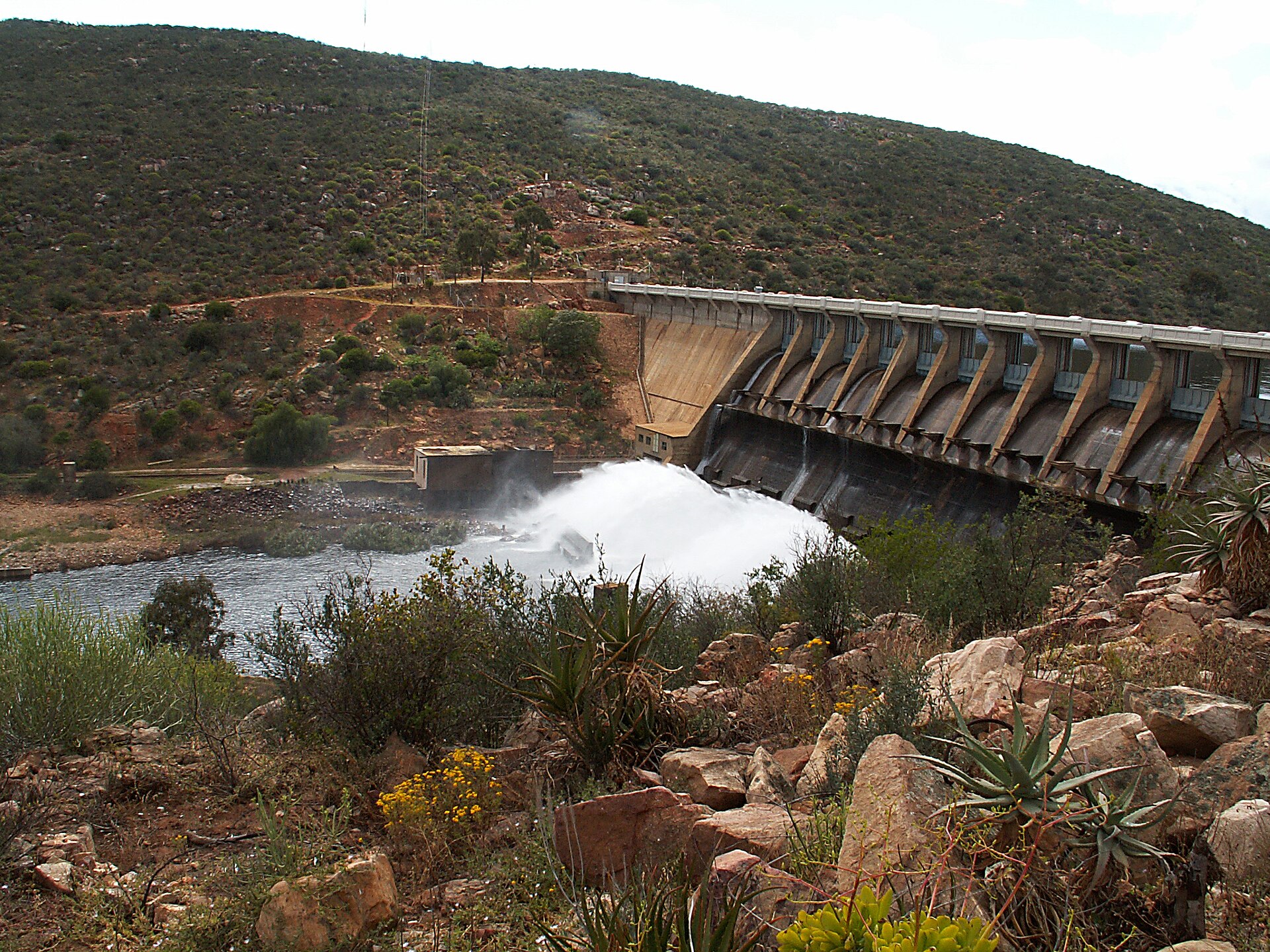
    One of South Africa’s flagship water infrastructure projects is making steady, visible progress. Deputy Minister of Water and Sanitation David Mahlobo has commended the teams behind the R8 billion Raising of the Clanwilliam Dam Wall Project in the Cederberg Local Municipality, Western Cape, after a site inspection confirmed that several critical phases are now complete, SAnews reports.

    During his visit on Wednesday, Mahlobo assessed construction progress and engaged with contractors and local stakeholders, including water users affected by the project.

    Milestones Already in the Bag

    The Deputy Minister praised the completion of key phases, including the emergency construction of the upstream coffer dam at the dam’s intake tower, the lower spillway section, and preparatory work for the new dam wall. Among the progress markers:

    • Demolition of certain parts of the old dam wall has been completed;
    • Drilling and grouting of the new wall’s foundation are at an advanced stage;
    • Concrete placement for the new wall has reached 21 998 cubic metres;
    • Construction of the lower spillway was completed in May this year.

    Longer-term milestones, including the installation of spillway pipes and gallery construction, are expected to begin in November 2026. Excavation of the tunnel and intake tower is scheduled for completion by June 2027, with the overall project on track to be finished in 2028.

    Homegrown Skills Driving the Build

    Mahlobo highlighted that the project is being delivered largely by South African hands.

    “I am very pleased because it is not an easy thing, but the team that is working here is very experienced… It is an advantage that there is capacity within the State to do these kinds of major infrastructure projects… mostly South African entities and companies,” he said.

    He assured stakeholders, including the Clanwilliam Water Users Association and the Lower Olifants River Water User Association, that the project remains on schedule, and called for continued cooperation between communities, the department and the provincial government until completion.

    What It Means for the West Coast

    Once complete, the dam wall will be raised by 13 metres, increasing storage capacity by approximately 82 million cubic metres of water. The additional storage will improve the reliability of water supplies for irrigation, domestic consumption and regional economic development along the West Coast, benefiting local farmers, households and historically disadvantaged farmers in particular.

    The raised wall will also improve compliance with dam safety standards during high flood conditions and help maintain the ecological requirements of the Olifants River, proof that big infrastructure and environmental care can move forward together.

    Photo: commons.wikimedia.org

  • R14.9 Billion Vaal-Gamagara Water Scheme Powers Ahead in the Northern Cape

    R14.9 Billion Vaal-Gamagara Water Scheme Powers Ahead in the Northern Cape

    Water security for the arid Northern Cape has taken a major step forward, with Water and Sanitation Deputy Minister David Mahlobo announcing a political steering committee to fast-track Phase 2 of the R14.9 billion Vaal-Gamagara Bulk Water Supply Scheme — one of South Africa’s landmark public-private infrastructure partnerships.

    Mahlobo made the announcement in Kathu this week after meeting stakeholders alongside Northern Cape MEC for Cooperative Governance, Human Settlements and Traditional Affairs, Bentley Vass, and Gamagara Local Municipality Executive Mayor Johannes Roman. The gathering brought together the Vaal-Gamagara Water User Association, the Vaal Central Water Board, the Mining Labour Forum and the Kalahari Water User Association to assess progress on the mega-project.

    A True Partnership: Private Sector Funding 56%

    Located in the John Taolo Gaetsewe District Municipality, the scheme is a showcase of what collaboration can achieve. The private sector — mining companies, farmers and industrial water users — is contributing 56% of the project’s funding, with government providing the remaining 44%. It is a model of shared investment in shared prosperity.

    The results are already flowing. Phase 1, valued at R1.4 billion, was completed in 2022 and today supplies water to municipalities, mines, the agricultural sector and about 6,000 households in the Gamagara and Tsantsabane Local Municipalities.

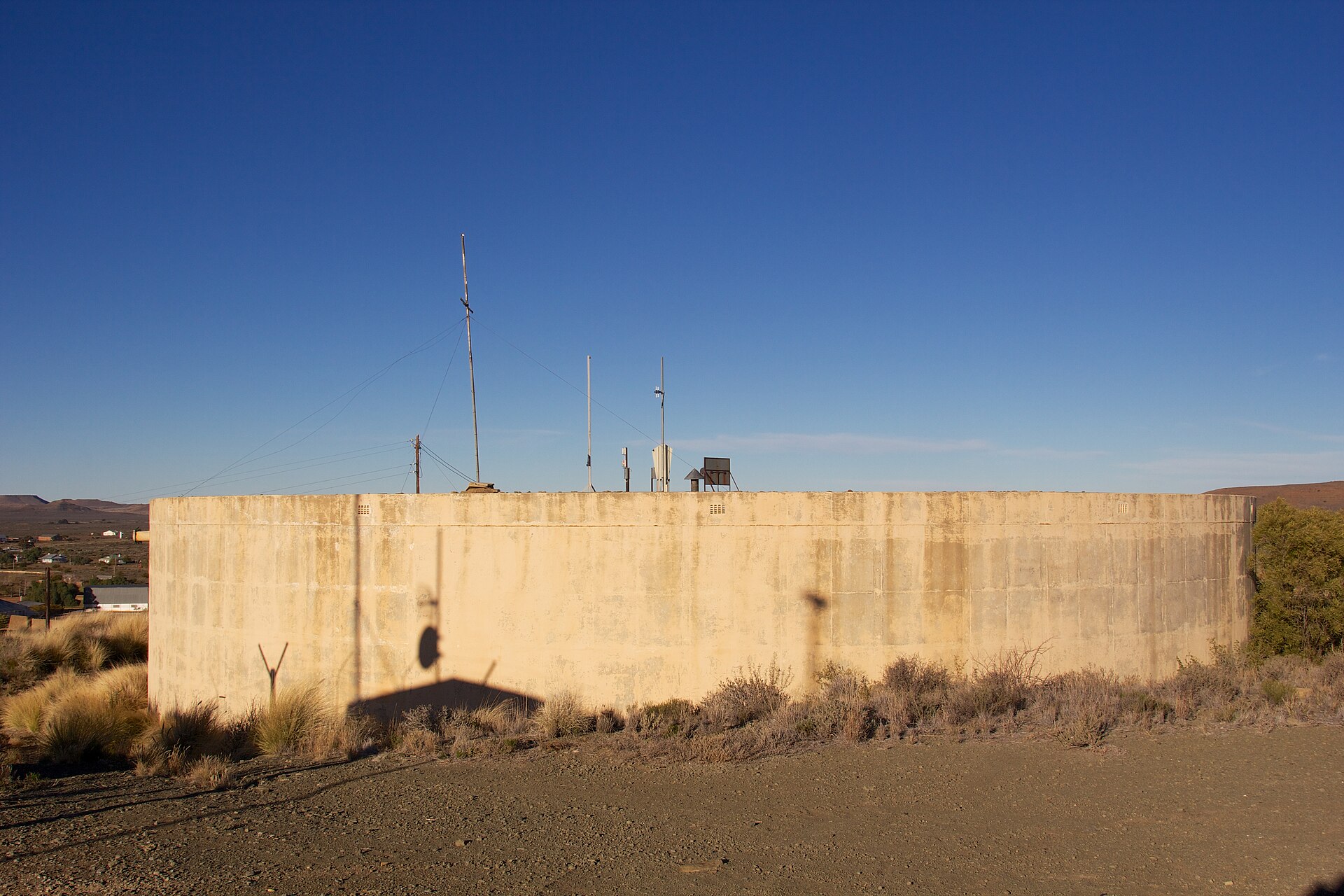
    Phase 2 is even more ambitious: the upgrade of the remaining 300-kilometre pipeline from the Vaal River Pump Station to Roscoe near Kathu, together with new pump stations and reservoirs. Once complete, the scheme will strengthen water supply for communities, municipalities, mines, farmers and industries across the John Taolo Gaetsewe District.

    Stable Supply and Better Water Quality

    Mahlobo was briefed on the performance of the existing scheme and praised the turnaround at the Gamagara Water Treatment Works, crediting the technical expertise of the Vaal Central Water Board.

    “I am pleased to note that the management of the Gamagara Water Treatment Works has improved because of the technical capacity that the Vaal Central Water Board is bringing on board. I am told in the months of April, May and June, water supply to water users has been stable in terms of pumping and distribution.”

    The Deputy Minister also inspected the Olifantshoek reservoir and expressed satisfaction with the newly installed chlorination system, which has improved water quality for residents.

    To keep supply reliable in the Northern Cape’s harsh climate, the Vaal Central Water Board has developed a Trigger Response Plan, working with municipalities and stakeholders to tackle any challenge that may arise. An optimisation system is also in place to address water losses across the network.

    Full Speed Ahead for Phase 2

    Mahlobo said finalising institutional arrangements remains a priority, including a Tripartite Memorandum of Understanding between the Department of Water and Sanitation as guarantor, Vaal Central Water as asset manager and the Mining Forum — a step that will allow Phase 2 to move with speed.

    The new political steering committee will track progress and clear obstacles, ensuring that this massive investment translates into taps that run, farms that flourish and mines and industries that can grow with confidence. For the people of the Northern Cape, the Vaal-Gamagara scheme is proof that big infrastructure dreams can — and do — become reality.

    Photo: commons.wikimedia.org

  • Safer Schools Milestone: All 3,372 Projects in 2018 Sanitation Backlog Completed

    Safer Schools Milestone: All 3,372 Projects in 2018 Sanitation Backlog Completed

    South Africa has completed every school sanitation project identified in the 2018 Sanitation Appropriate for Education Initiative audit, bringing safer and more dignified facilities to thousands of school communities across the country.

    Basic Education Minister Siviwe Gwarube announced the milestone during a visit to Dimbaza Primary School in the Eastern Cape. According to the official SAnews account, all 3,372 schools listed in the original SAFE audit have now received appropriate sanitation facilities.

    The programme has reached significant scale. More than three million learners have benefited from safer facilities, while over 48,000 teachers now work in healthier environments. The result closes the defined 2018 backlog and demonstrates what focused infrastructure delivery can achieve when a national target is tracked through to completion.

    Dignity that supports learning

    School sanitation is essential infrastructure. Clean, safe and dependable facilities help learners remain focused in class, support attendance and give teachers a workplace that reflects the importance of their profession.

    At the Eastern Cape visit, learners and teachers described how the new facilities changed their daily experience at school. Their accounts place the national figures in practical terms: the programme is measured not only in completed projects, but also in pupils who can move through the school day with greater confidence.

    An independent review by Devdiscourse also highlighted the scale of the achievement, noting the completion of projects at 3,372 schools and the benefit to more than three million learners.

    A precise milestone, with work continuing

    The department has been careful about the scope of the announcement. Completion of the SAFE backlog means all projects identified through the 2018 audit have been finished. It does not mean that every sanitation challenge at every South African school has disappeared.

    Some facilities may have deteriorated since the audit, some schools may not have been captured, and new needs continue to emerge as communities grow. Provincial education departments therefore remain responsible for identifying outstanding cases and responding quickly.

    Gwarube also pointed to a wider school infrastructure backlog of more than R120 billion, covering needs such as classrooms, libraries, laboratories and fencing. Framing the achievement accurately protects its credibility: a major programme has reached its target, while the broader work of improving schools continues.

    Protecting the investment

    The next phase depends on maintenance, community ownership and consistent provincial oversight. New facilities must remain clean, functional and safe if the investment is to deliver value for years.

    Communities, school leadership and education authorities all have a role in reporting faults early and protecting infrastructure. That shared responsibility can turn completed construction projects into durable improvements in teaching and learning.

    Closing the 2018 SAFE backlog is a concrete service-delivery success. It shows that long-standing infrastructure challenges can be broken into measurable programmes, completed at national scale and followed by a clear plan to protect the gains.

    This article was produced with AI assistance and editorially reviewed by Mzansi News Online.

  • ‘Today We Restore Your Dignity’: Hundreds of Gauteng Families Receive New Homes

    ‘Today We Restore Your Dignity’: Hundreds of Gauteng Families Receive New Homes

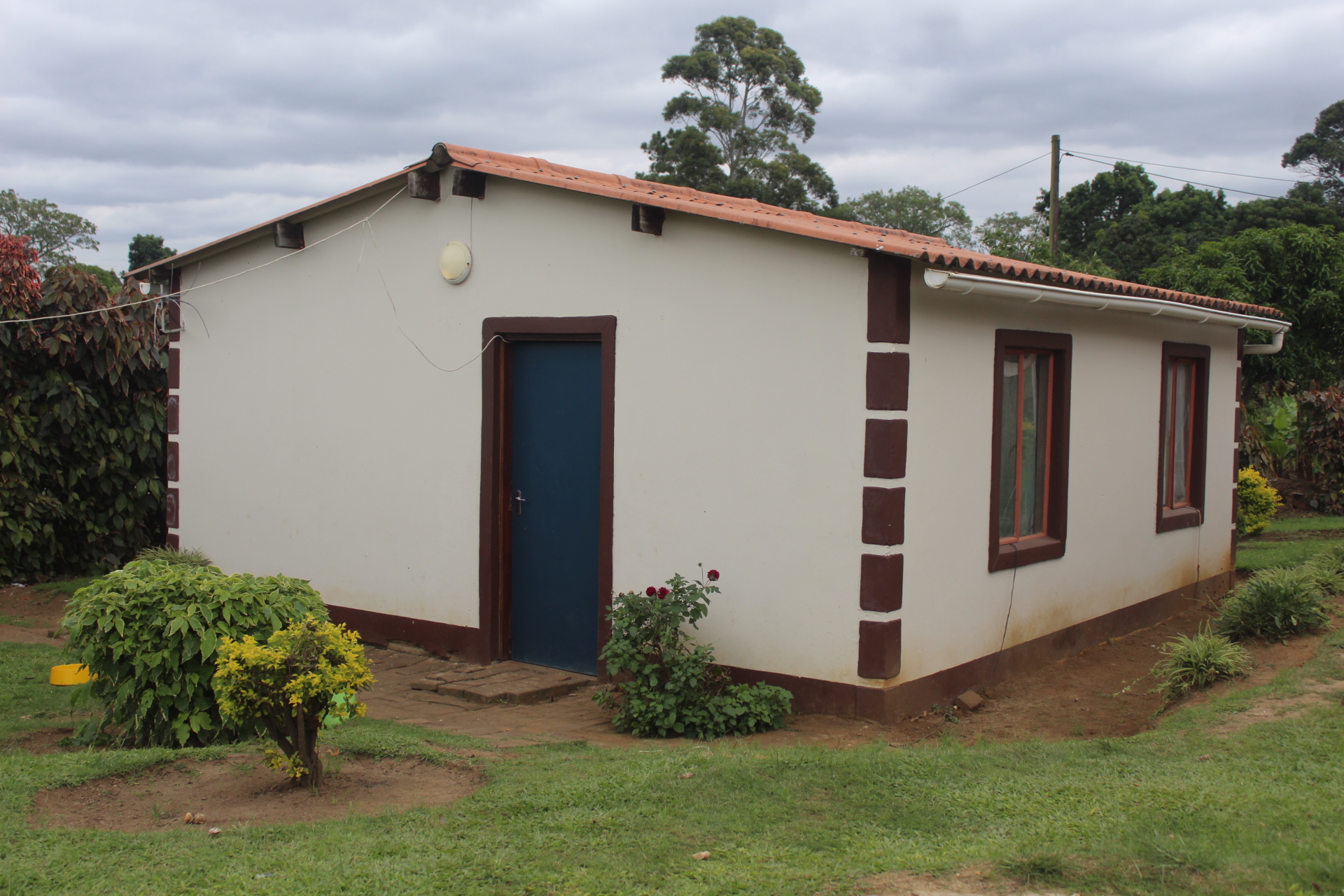
    For hundreds of families in Gauteng, 1 July 2026 was the day the keys finally turned in their own front doors. The Department of Human Settlements and the Gauteng Provincial Government handed over new housing units in the Rand West City Local Municipality, a milestone in one of the province’s most ambitious builds.

    “Today, we have come to restore your dignity,” Human Settlements Minister Thembi Simelane told the new homeowners, capturing a moment that meant far more than bricks and mortar.

    A mega project taking shape

    The handover forms part of the Droogeheuwel Mega Project, which on completion is set to deliver roughly 5,906 housing opportunities. Gauteng Premier Panyaza Lesufi described the development as a “worthy investment” by government, and confirmed that the site will grow into a full community, with sports facilities and a community hall planned alongside the homes.

    Homes to keep

    Officials were also clear that the houses are meant to build lasting stability. Gauteng Human Settlements MEC Tasneem Motara reminded recipients that the homes may not be rented out — a step that can carry criminal prosecution — and cannot be sold within the first eight years, protecting families from losing the asset that anchors their future.

    For the residents who moved in this week, the rules are a small price for something long awaited: a place that is truly, permanently theirs.

    Photo: commons.wikimedia.org

  • Lights Stay On: South Africa Marks a Full Year Without Load Shedding

    Lights Stay On: South Africa Marks a Full Year Without Load Shedding

    For the first time since rolling blackouts became a feature of daily life in South Africa, the lights have stayed on for a full year. At midnight on 15 May 2026, Eskom reached a historic milestone: a complete calendar year without implementing load shedding.

    The achievement marks a turning point for a power utility whose name had become synonymous with scheduled outages. Eskom first passed the 300 consecutive days mark on 12 March 2026, and carried that momentum through to the full-year milestone two months later.

    Billions saved on diesel

    The sustained grid stability has delivered substantial financial relief, most visibly in the utility’s reliance on costly diesel-fired open-cycle gas turbines, which had long been used to keep the grid afloat during periods of strain.

    Diesel expenditure for the period 1 April to 14 May 2026 fell to R589.95 million, down from R2.72 billion over the same period the previous year. That represents a reduction of 78.31%.

    The longer-term picture is equally striking. For the financial year to 12 March 2026, Eskom’s diesel spend was R8.58 billion lower year-on-year, a cut of 57.35%. The savings reflect a grid that is increasingly able to meet demand from its own generation fleet rather than expensive emergency measures.

    Plant reliability behind the turnaround

    Eskom has credited the milestone to improved plant performance and major operational efficiencies. Central to that story is the Energy Availability Factor (EAF), a key measure of how much of the generation fleet is reliably available to produce power.

    The EAF held consistently above 65% over the period, reflecting sustained improvements in plant reliability. The steadier performance has allowed the utility to move away from the crisis-management footing that defined previous years.

    According to the South African Government, the utility marked 300 days without load shedding on 13 March 2026, an early signal that the improvement was being maintained rather than representing a brief reprieve.

    Confidence restored heading into winter

    The return of dependable power supply has begun to restore public and business confidence in the grid, after years in which planning around outage schedules became routine for households and companies alike.

    Looking ahead, Eskom projected a load shedding-free winter for 2026, reporting roughly a 6GW generation surplus. The surplus provides a buffer during the colder months, when demand typically peaks and the grid has historically come under the greatest pressure.

    As reported by TechFinancials, Eskom confirmed it had reached the full-year milestone at midnight, capping a sustained recovery that has reshaped expectations around the country’s electricity supply.

    For now, the message from the utility is one of steady confidence: a full year of uninterrupted supply, billions saved, and a winter ahead that Eskom expects to navigate without resorting to the blackouts that once defined the era.

    Photo: techfinancials.co.za