Good News · All Nine Provinces

Independent · Local · Forward-looking

Mzansi News Online

Uniting SA Through Good News

Category: Service Delivery

  • Bringing Jobs Closer to Home: Mbombela Hosts Week-Long Work-Seeker Registration Drive

    Bringing Jobs Closer to Home: Mbombela Hosts Week-Long Work-Seeker Registration Drive

    Good news for job seekers in Mpumalanga: the Department of Employment and Labour is bringing its services directly to communities across the City of Mbombela, with a week-long work-seeker registration drive running from 13 to 20 August 2026.

    According to SAnews, the campaign will help new work seekers register on the Employment Services of South Africa (ESSA) system, while those already registered can update their profiles to improve their chances of being matched with available opportunities.

    Where and When to Register

    The drive moves through six communities over six days, with all sessions running from 09:30 to 14:30:

    • Thursday, 13 August – Phumlani
    • Friday, 14 August – Mathafini Old Wood House
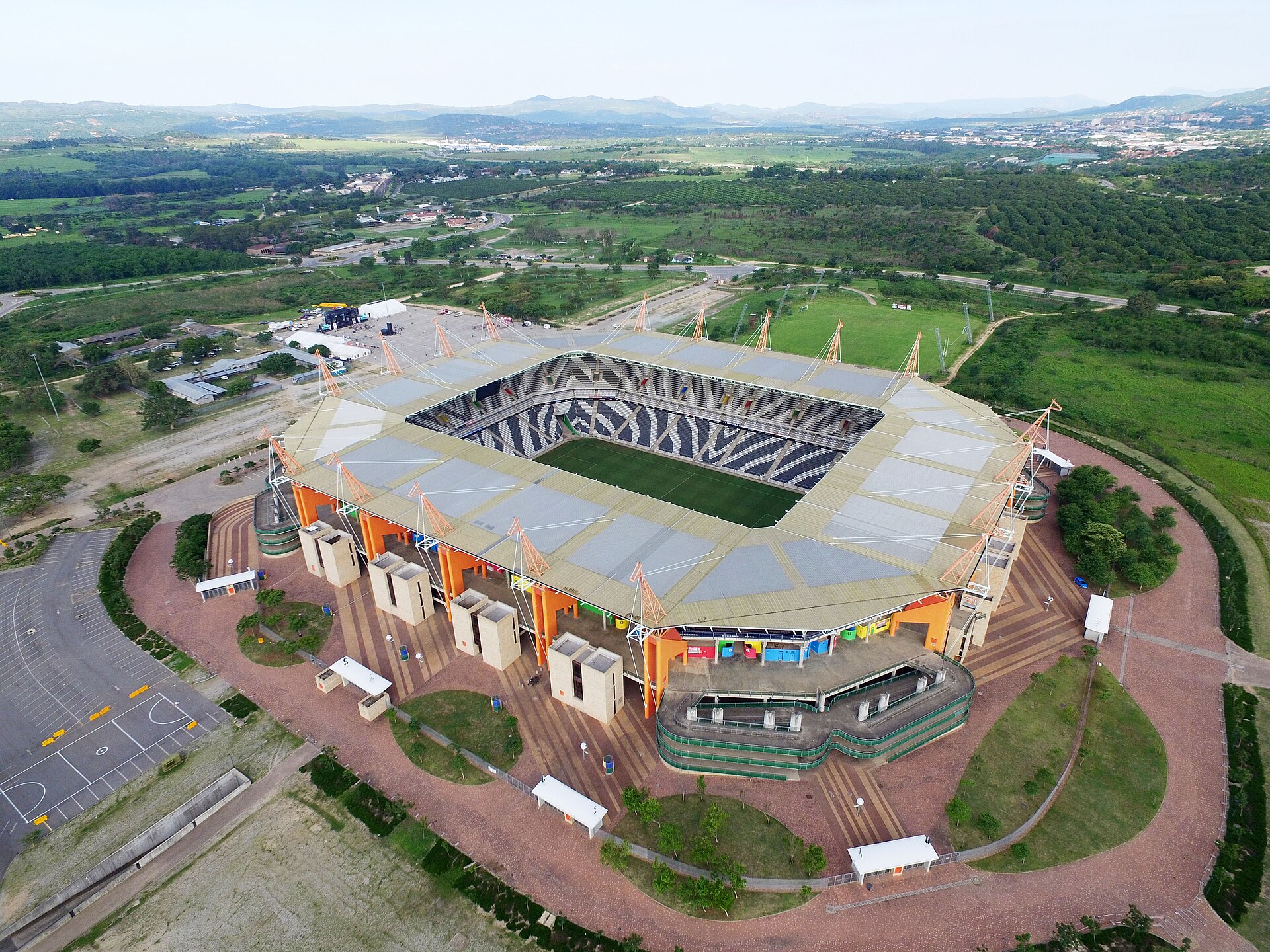
    • Monday, 17 August – Mathafini Eskomo at Mbombela Stadium
    • Tuesday, 18 August – Msholozi
    • Wednesday, 19 August – KaMagugu
    • Thursday, 20 August – Brondal

    Skills in Demand

    The department says the drive will be especially valuable for work seekers with experience in technical fields, information technology, waste management, operations, product and consignment control, specialist functions and artisan trades.

    People with skills in areas such as banana ripening and cold store operations, forklift, rocker bin and cherry picker operations, marketing, finance and procurement, as well as electrical and plumbing trades, are all encouraged to attend, a list that reflects the real needs of the Lowveld’s agricultural and logistics economy.

    What to Bring

    Attendees are asked to come prepared with two things:

    1. A comprehensive CV containing contact details, qualifications, Grade 12 subjects passed, work experience and references
    2. Proof of residence

    With those documents in hand, registration takes place on the spot, and each work seeker’s details, qualifications and skills are captured on the national ESSA database for potential matching with opportunities as they arise.

    Why It Matters

    Initiatives like this one remove two of the biggest barriers between unemployed South Africans and the world of work: distance and cost. Instead of asking job seekers to spend scarce money travelling to a labour centre, the department is setting up in community halls, stadiums and townships where people actually live.

    The department said the registration of work seekers on the ESSA system is aimed at strengthening access to employment opportunities by ensuring job seekers’ details are on the national database and visible to employers looking for exactly their skills.

    For thousands of Mbombela residents, that visibility could be the first step toward a payslip, and it starts this week, right around the corner.

    Photo: commons.wikimedia.org
  • Best in Six Years: Eskom Hits 67% Energy Availability as Winter Demand Is Met With Power to Spare

    Best in Six Years: Eskom Hits 67% Energy Availability as Winter Demand Is Met With Power to Spare

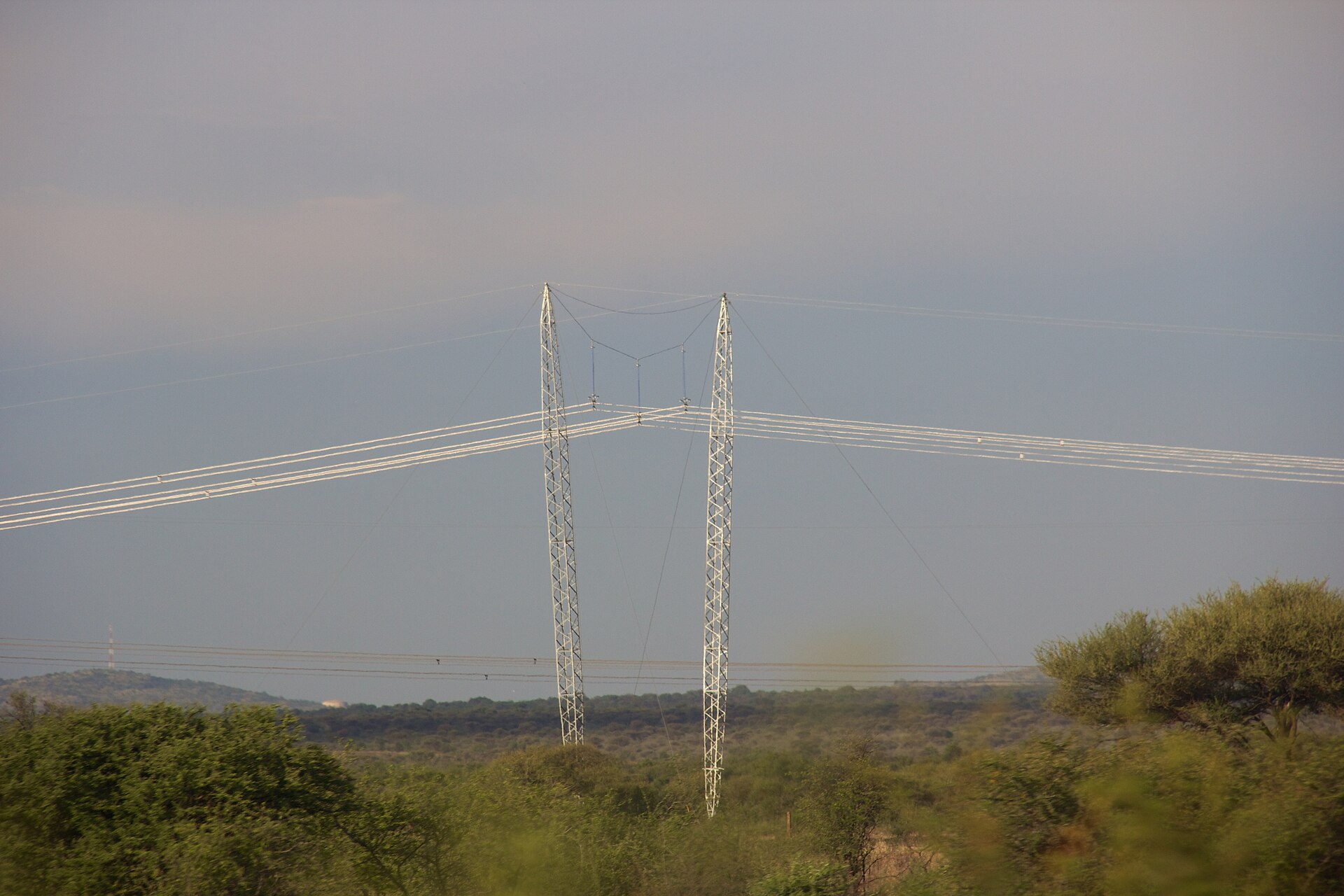
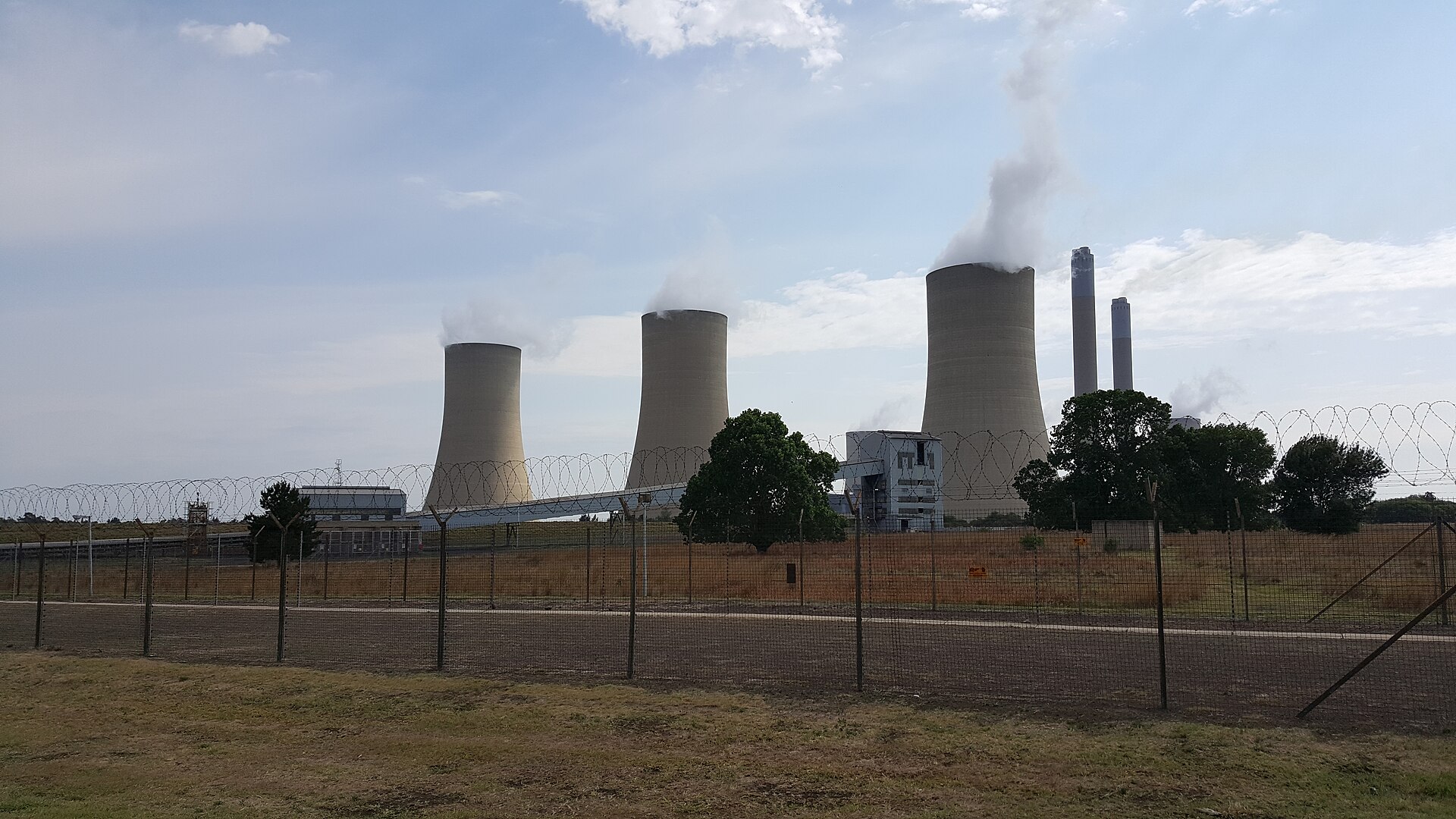
    Eskom’s generation fleet is running at its best level in six years, with the power utility announcing on Friday that its Energy Availability Factor (EAF) for the financial year to date has climbed to 67.24% – the highest since 18 November 2020.

    The milestone marks a powerful improvement of some 7.19 percentage points on the 60.05% recorded over the same period last year, and reflects what Eskom describes as the impact of sustained operational improvements and structural interventions across its generation fleet.

    The Equivalent of a Whole Power Station, Back Online

    The gains become even more striking over a longer horizon. Compared with the same period three years ago, Eskom’s EAF has improved by 11.9 percentage points – returning approximately 5.9GW of generating capacity to the national grid. More than 85% of the coal fleet is currently operating at EAF levels between 70% and 92%.

    Unplanned breakdowns, long the bane of the power system, are falling sharply. Between 31 July and 6 August, average unplanned outages declined to 7 718MW, down from 10 758MW during the same period last year.

    “This represents a reduction of 3 039MW, or 28.3% year-on-year. This reduction is almost equivalent to the size of the generating capacity of a power station such as Tutuka,” Eskom said.

    The Unplanned Capacity Loss Factor tells the same encouraging story, improving significantly to 16.12% from 22.60% in the corresponding period last year – continued gains that Eskom attributes to its Generation Recovery Plan.

    Winter Demand Met, With Power to Spare

    The stronger fleet has carried South Africa comfortably through the depths of winter. Eskom says the improvements have strengthened system reliability, supported a stable electricity supply and enabled the country to meet increased winter demand while maintaining energy security.

    Remarkably, the utility currently holds some 3 360MW in cold reserve due to excess capacity – a buffer of spare generation standing ready that provides further assurance of system adequacy.

    From Recovery to Reliability

    For Eskom, the numbers signal something deeper than a good run of weeks: a progressive shift, in the utility’s own words, “from Recovery to Reliability and Sustainability”.

    “Sustained improvements across the generation fleet are delivering a more dependable electricity supply, significantly reducing reliance on diesel generation and reinforcing South Africa’s energy security. Stronger plant performance and improved system resilience are enabling Eskom to meet demand more efficiently while creating lasting operational and financial benefits for customers, communities and the broader economy,” the utility said.

    Less diesel burned, more capacity online and a healthy reserve in hand – for households and businesses across the country, the steady hum of a dependable grid is one of the most welcome sounds of 2026.

    The performance figures were reported by SAnews.

    Photo: commons.wikimedia.org

  • Guarding the Water Beneath Our Feet: South Africa Drafts Its First-Ever Groundwater Protection Rules

    Guarding the Water Beneath Our Feet: South Africa Drafts Its First-Ever Groundwater Protection Rules

    South Africa is taking a landmark step to protect one of its most precious hidden treasures: the water beneath our feet. The Department of Water and Sanitation (DWS) has drafted the country’s first-ever national regulations dedicated to groundwater, aimed at safeguarding long-term water security while upholding every South African’s constitutional right of access to water.

    The draft National Water Act Regulations on the Protection and Management of Groundwater Resources appeared in the Government Gazette on 10 December 2025, with public comment invited until 2 March – and South Africans responded in numbers.

    Filling a 27-Year Gap

    While the National Water Act of 1998 has long provided the overarching legal framework for managing the country’s water, there have never been regulations specifically for groundwater – the vast reserves stored in aquifers, the underground layers of water-bearing rock, gravel, sand and silt that sustain millions of people, particularly in rural areas and during dry seasons.

    “The draft regulations were developed to strengthen the protection, management and sustainable utilisation of groundwater resources in South Africa. Groundwater plays a critical role in the country’s water security, particularly in rural areas and during periods of drought,” DWS spokesperson Wisane Mavasa explained.

    The new rules aim to introduce clearer standards, better monitoring and stronger accountability. Among the practical innovations is the registration of geosites – boreholes – for all existing and new groundwater users, along with the systematic capturing of borehole drilling and geohydrological information, giving the country a far richer picture of its underground water wealth.

    Uniform Standards for Every Borehole

    Until now, borehole drilling standards have varied across the country, guided by industry best practice and a patchwork of municipal by-laws. The proposed regulations introduce a uniform national framework that will ensure minimum construction standards and protect aquifers from contamination and overexploitation.

    Municipalities will also be asked to step up: each will develop a groundwater protection scheme within five years of the regulations being promulgated, bringing consistent, proactive stewardship to a resource that has often been managed differently from one town to the next.

    Mavasa noted that South Africa has already made significant progress in water resource management through the National Water Act and various national strategies, and said the department is now processing the many public comments received. Relevant input will be incorporated before the final regulations are gazetted for implementation.

    A Human Right, 30 Years On

    The timing is fitting. This year South Africa commemorates the 30th anniversary of its Constitution, which recognises access to sufficient water as a human right.

    “The Department of Water and Sanitation remains committed to ensuring that all South Africans have access to safe and reliable water services,” Mavasa said.

    As more households turn to boreholes and climate patterns shift, groundwater is set to become an ever more important part of South Africa’s water story. With these first-of-their-kind regulations, the country is making sure that story is one of careful stewardship – protecting today’s aquifers for generations still to come.

    The draft regulations were reported by SAnews.

    Photo: commons.wikimedia.org

  • Water and Dignity Delivered: 250 New Sanitation Systems Roll Out Across Gauteng and Mpumalanga

    Water and Dignity Delivered: 250 New Sanitation Systems Roll Out Across Gauteng and Mpumalanga

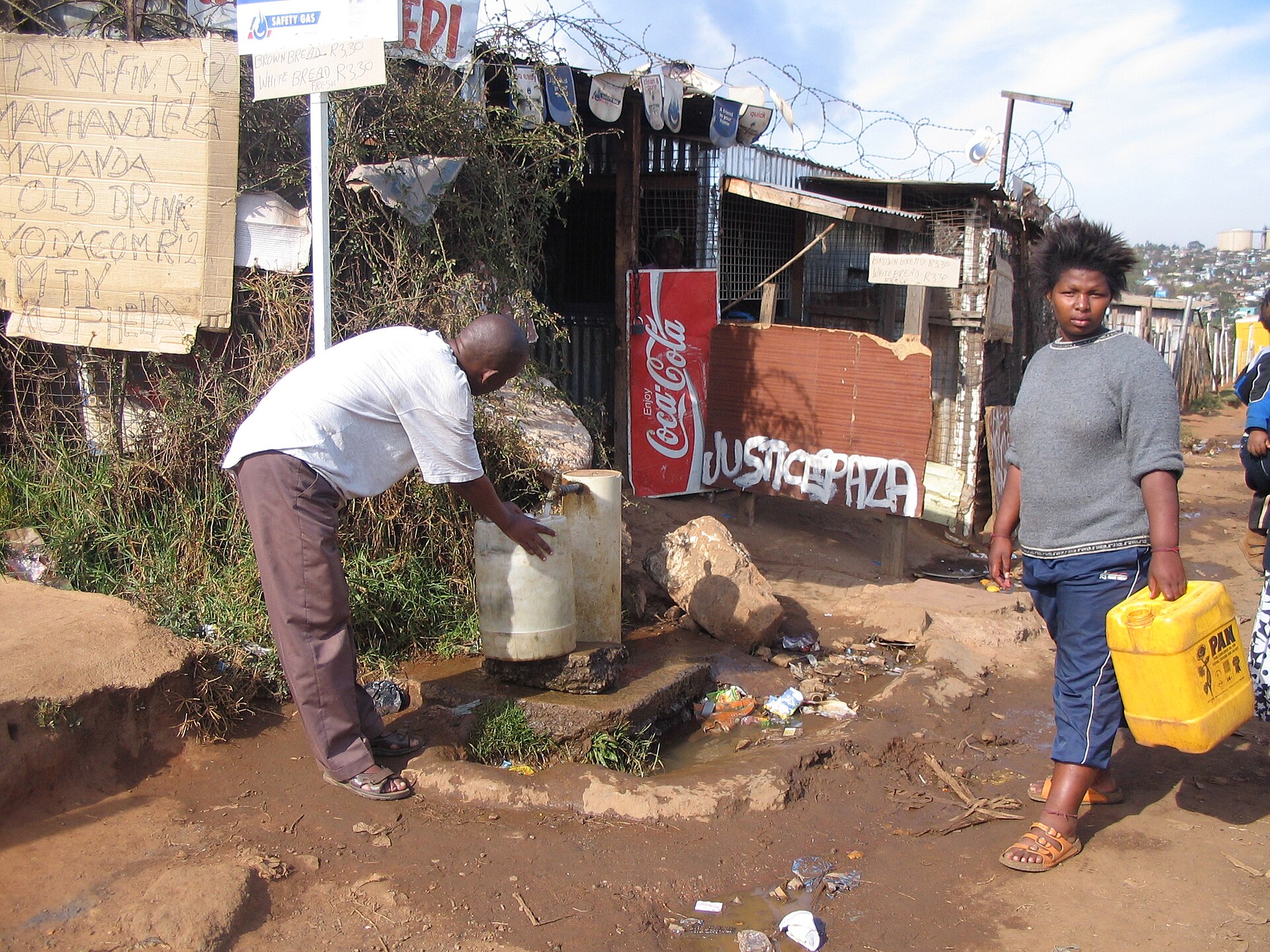
    Hundreds of families in Gauteng and Mpumalanga are set for a week of good news as Water and Sanitation Minister Pemmy Majodina hands over a wave of completed water and sanitation projects, from household toilets to school water systems.

    On Monday, Majodina, together with Deputy Minister David Mahlobo, hands over some 150 completed low-flush sanitation systems at the Zenzele and OR Tambo townships in the Rand West Municipality, Gauteng, according to the Department of Water and Sanitation, as reported by SAnews. The Minister, accompanied by Mayor William Matsheke and a Rand Water Foundation delegation, will also visit and showcase 15 of the newly completed household installations.

    A School Gets Reliable Water

    The handovers are not limited to homes. “Minister Majodina will also hand over a Decentralised Water Supply System at Lukhanyo Secondary School in Mohlakeng Township, providing the school and surrounding community with a reliable and consistent water supply,” the department said ahead of the visit.

    For learners and teachers, a dependable water supply means fewer disruptions, better hygiene and a healthier place to learn — the kind of everyday improvement that quietly transforms a community.

    Mpumalanga Joins the Roll-Out

    On Tuesday, the Minister and Deputy Minister move to Mpumalanga, where they will hand over a further 100 completed low-flush household sanitation systems at Mimosa Township in the Victor Khanye Local Municipality. The new systems will benefit some 500 residents in the area.

    During the same visit, accompanied by the Rand Water Foundation Board and Rand Water leadership, Majodina will hand over two more Decentralised Water Supply Systems — one in Brakfontein village and one in Savanna Ward 7 — providing immediate access to safe drinking water in communities that have lived with supply constraints.

    Partnership That Delivers

    The department says the handovers highlight its partnership with Rand Water and the Rand Water Foundation in accelerating service delivery and strengthening water security.

    “The handovers highlight the Department’s partnership with Rand Water and the Rand Water Foundation in accelerating service delivery, strengthening water security and ensuring that vulnerable communities have access to safe water and dignified sanitation infrastructure,” the department said.

    Taken together, the week’s programme adds up to 250 new household sanitation systems and three new decentralised water supplies across two provinces — proof that steady, practical delivery is reaching the homes, schools and villages that need it most.

    Photo: commons.wikimedia.org

  • R29 Million Boost for Durban’s Traders: Mansel Road Market Upgrade Launches With 53 New Trading Permits

    R29 Million Boost for Durban’s Traders: Mansel Road Market Upgrade Launches With 53 New Trading Permits

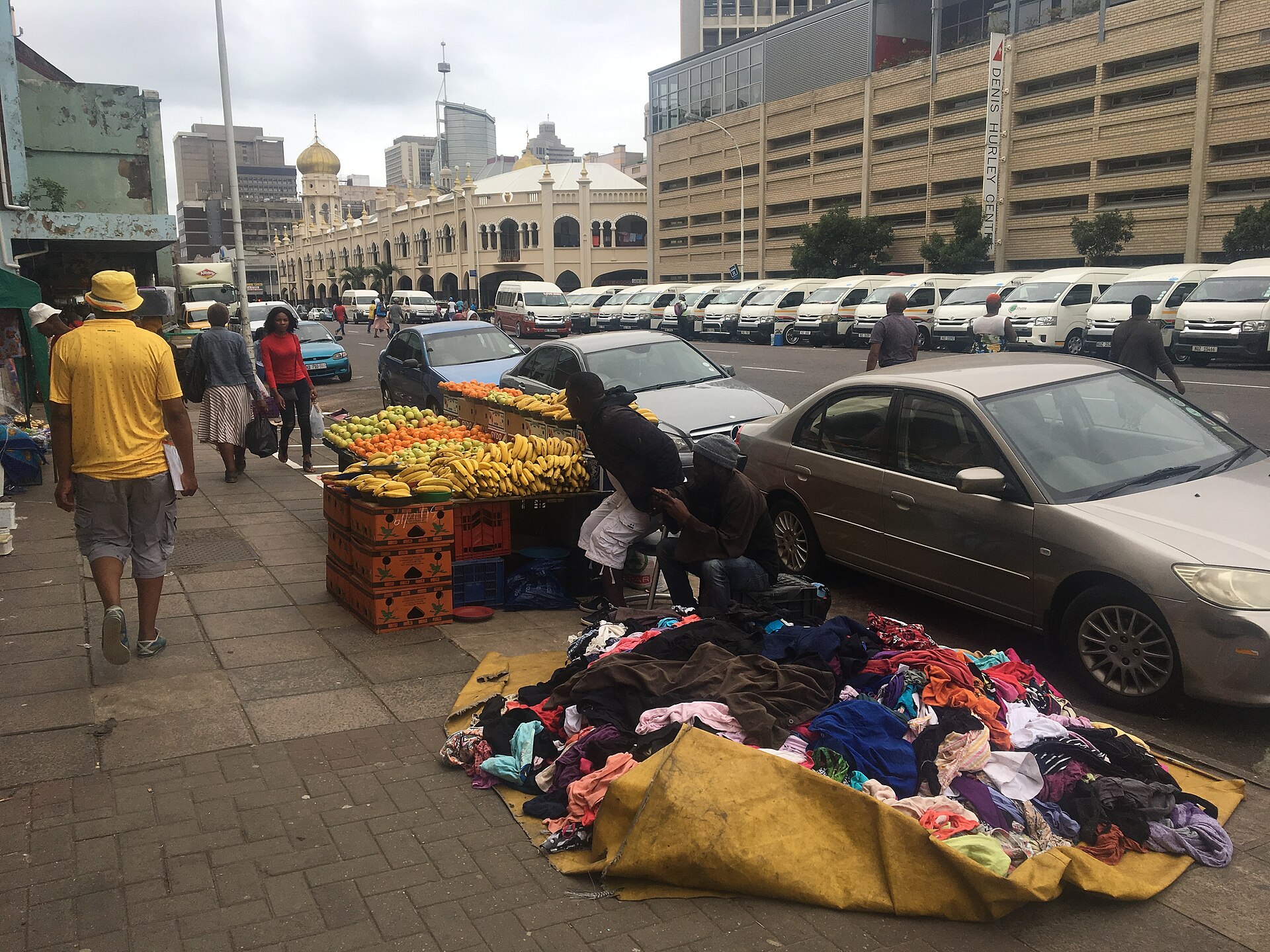
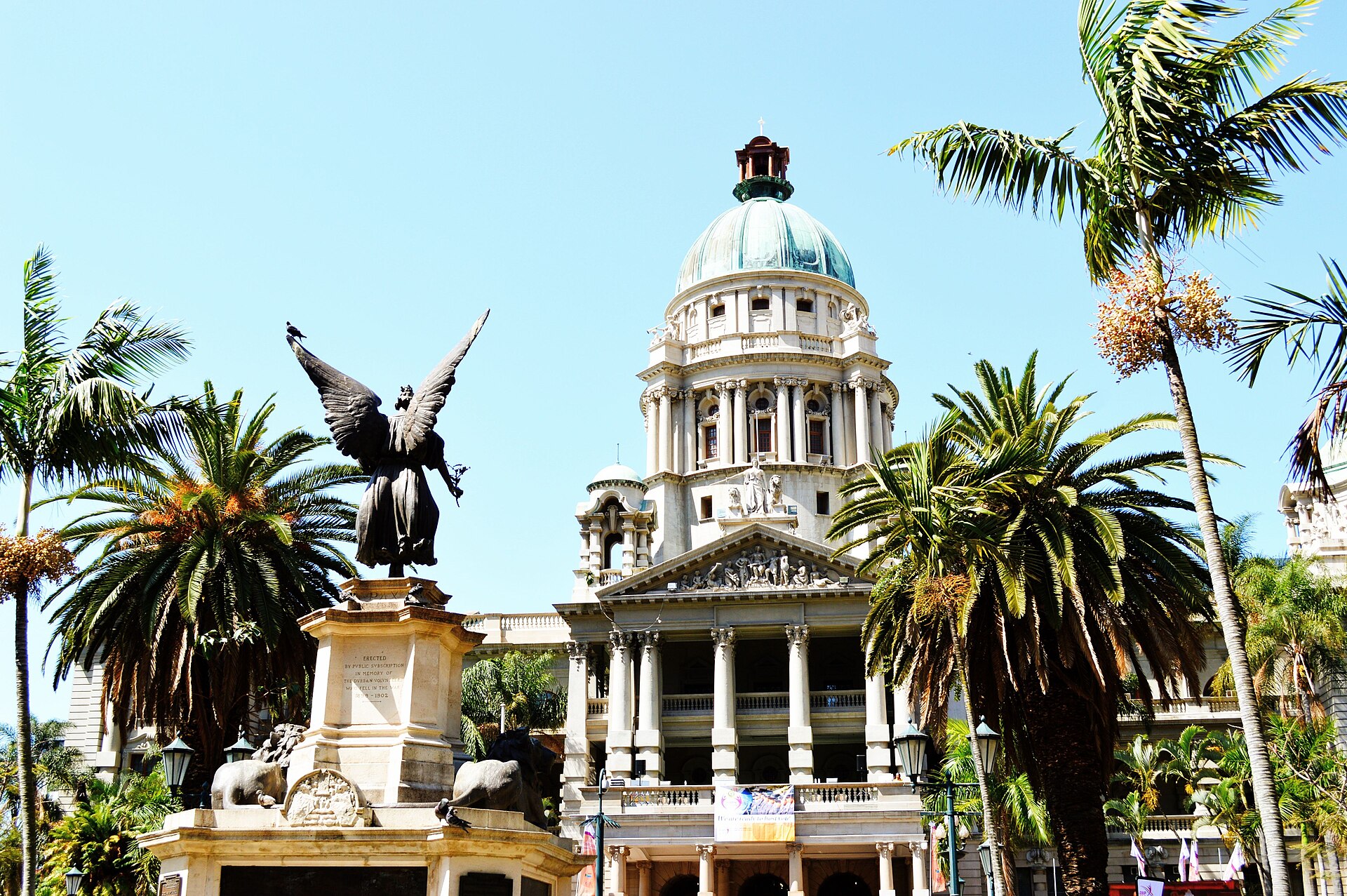
    Durban’s informal traders are getting a major vote of confidence. The eThekwini Municipality on Friday officially launches Phase One of the R29 million Mansel Road Market Development and hands over trading permits to 53 newly selected Church Walk traders — another milestone in the city’s drive to strengthen its informal economy.

    The project forms part of the municipality’s ongoing investment to modernise informal trading infrastructure, create sustainable livelihood opportunities and build a more inclusive local economy where informal businesses can thrive, according to SAnews.

    Traders as job creators

    Thembo Ntuli, chairperson of the city’s Economic Development and Planning Committee, said the informal economy remains one of Durban’s strongest economic pillars, supporting thousands of households and creating opportunities for entrepreneurs across eThekwini.

    “Our informal traders are not only business owners, but they are also job creators, breadwinners and drivers of local economic growth. Through strategic investments such as the Mansel Road Market Development, we are creating safer, dignified and business-friendly trading spaces that enable entrepreneurs to grow their businesses while improving the lives of their families,” Ntuli said.

    What the upgrade delivers

    The upgraded facility gives traders a working environment that matches their ambition. Improvements include:

    • Modernised trading infrastructure designed for safer, more dignified trading
    • Upgraded ablution facilities for traders and customers
    • Dedicated maintenance and cleaning services to keep the market in top condition

    For the 53 Church Walk traders receiving permits, the change is more than symbolic. The municipality said the allocation of trading permits will enable them to operate legally while supporting the growth and sustainability of their businesses — turning informal stalls into secure livelihoods that families can build on.

    A city investing in its people

    The Mansel Road development adds to a growing story of investment in Durban’s street-level economy. By pairing physical upgrades with formal permits, the city is giving entrepreneurs both the space and the security to grow, hire and serve their communities.

    It is the kind of practical, people-first service delivery that turns busy pavements into engines of opportunity — and it signals that the city sees its traders not as a challenge to manage, but as partners in building a more prosperous eThekwini.

    Photo: commons.wikimedia.org

  • Stamp of Approval: South African Post Office Earns Its First Unqualified Audit in Six Years

    Stamp of Approval: South African Post Office Earns Its First Unqualified Audit in Six Years

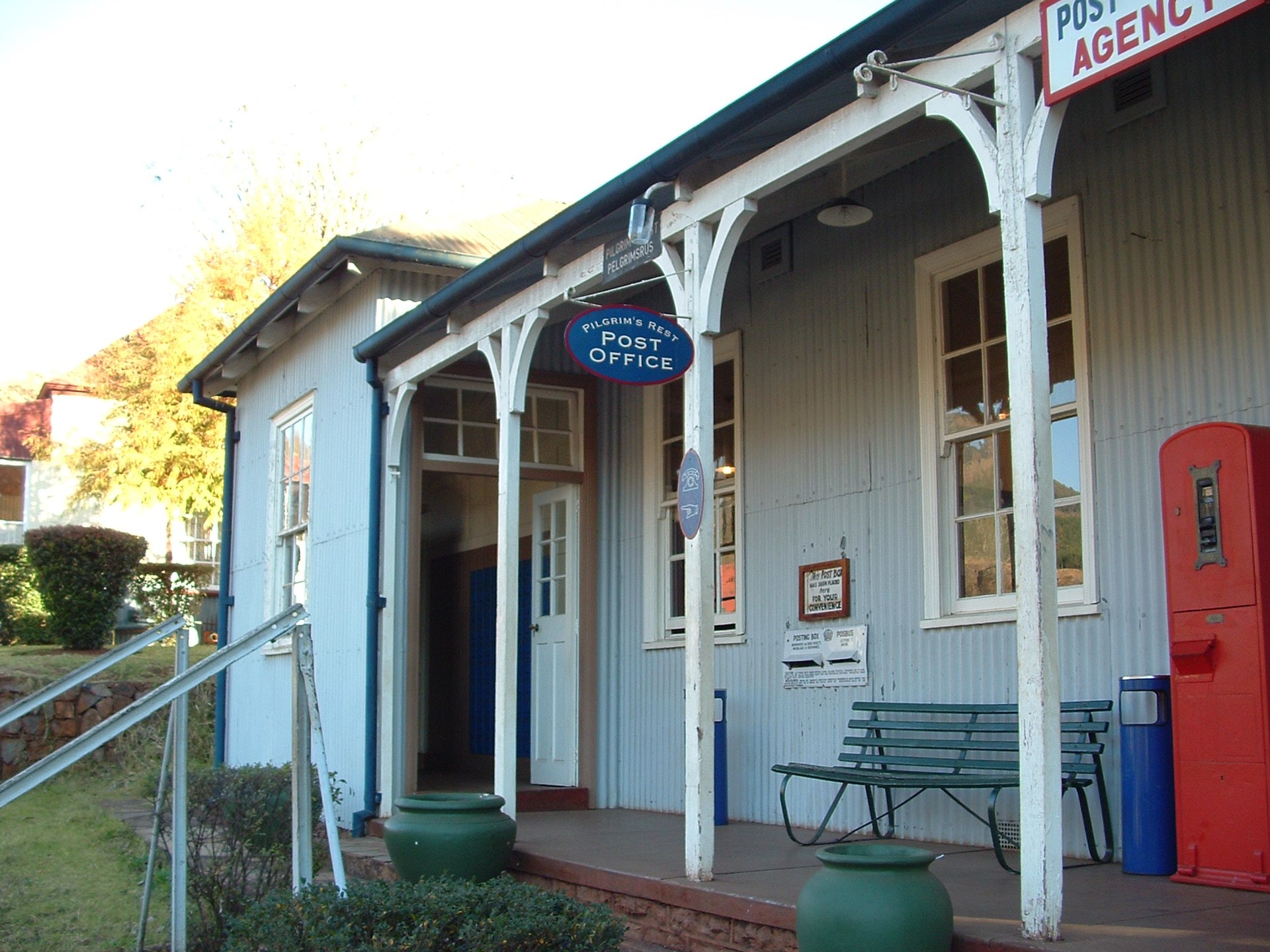
    The South African Post Office has received an unqualified audit opinion from the Auditor-General for the year ended 31 March 2026 – its first clean audit outcome in six years and a landmark moment in the institution’s recovery.

    As reported by SAnews, the Post Office announced the milestone this week, saying the opinion reflects stronger governance, improved financial reporting and internal controls, and fewer audit findings across the organisation.

    “Governance is part of the recovery”

    For Acting Chief Executive Officer Fathima Gany, the audit outcome is proof that doing things properly and rebuilding the business go hand in hand.

    “Governance does not wait for recovery; it is part of the recovery,” Gany said, adding that potential partners and all stakeholders can now rely on the Post Office’s numbers – figures that build trust and accountability.

    An unqualified audit opinion means the Auditor-General found the financial statements to be a fair and reliable reflection of the organisation’s finances, free of material misstatements – the benchmark every public entity strives for.

    A milestone the minister is celebrating

    Communications and Digital Technologies Minister Solly Malatsi congratulated the organisation on the achievement, describing it as an important milestone for the South African Post Office.

    “Steady progress, built on stronger governance and accountability improves audit outcomes,” the Minister said. “Congratulations on achieving the first unqualified audit in six years. The focus now is on sustaining this momentum.”

    Why it matters

    The Post Office remains one of South Africa’s most widely used public institutions, with branches that reach communities far beyond the footprint of most private companies. A credible, well-governed Post Office matters for:

    • Ordinary customers, who rely on its counters for parcels, payments and everyday services
    • Small businesses, for whom affordable delivery networks are a lifeline
    • Potential partners and investors, who need financial statements they can trust before committing to new ventures

    Six years is a long road back, and the work of rebuilding is not finished. But a clean audit is the kind of foundation on which turnarounds are built: credible numbers, tighter controls and a management team willing to be measured against them.

    For an institution that has weathered difficult years, this week’s news is a genuine reason for optimism – and, fittingly for the Post Office, a stamp of approval worth celebrating.

    Photo: commons.wikimedia.org

  • 441 Days of Lights On: Eskom Powers Through Another Winter Without Load Shedding

    441 Days of Lights On: Eskom Powers Through Another Winter Without Load Shedding

    South Africa has now gone 441 consecutive days without load shedding, Eskom has confirmed, as the national power utility reports its strongest generation performance in years, a sharp drop in unplanned breakdowns and a dramatic reduction in costly diesel use.

    According to SAnews, the country has kept the lights on without interruption since 16 May 2025. Between 1 April and 30 July 2026, electricity demand was met 100% of the time, and Eskom’s Winter Outlook for the period to 31 August continues to project no load shedding at all.

    The best performance since 2017

    One of the clearest signs of the turnaround came on 26 July, when Eskom’s fleet achieved a daily Energy Availability Factor of 82.04% – the utility’s highest daily performance since 2017. For the financial year to date, the Energy Availability Factor has climbed to 66.97%, a 7.28% improvement on the same period last year.

    Compared with three years ago, availability is up 11.8%, which Eskom says has effectively returned about 5.9GW of generating capacity to the national grid – roughly the output of a very large power station. More than 85% of the coal fleet is now operating at availability levels between 73% and 97%.

    Breakdowns at an eight-year low

    Unplanned outages, long the Achilles heel of the power system, have fallen sharply. On 26 July they dropped to 4 562MW, the lowest level recorded since 30 June 2018. For the week of 24 to 30 July, average unplanned outages stood at 5 553MW – down from 10 641MW in the same week last year, a year-on-year reduction of 47.8%.

    The improvement has strengthened system reliability right through the high-demand winter months, with the Unplanned Capacity Loss Factor improving to 11.74% from 22.21% a year earlier. Eskom attributes the gains to its Generation Recovery Plan, with planned maintenance still running at healthy levels.

    Diesel bills tumble by 85%

    Perhaps the most striking number is the diesel saving. Eskom burned no diesel at all between 24 and 30 July – the second consecutive week without any diesel-fired generation. For the financial year to date, diesel expenditure stands at R807.41 million, compared with R5.63 billion over the same period last year: a reduction of 85.67%.

    The load factor of the open-cycle gas turbines, the emergency units used to plug gaps during peak demand, averaged just 1.08% for the week, down from 9.71% a year before.

    For households, businesses and factories across the country, the numbers add up to something South Africans have craved for years: a stable, reliable grid – and a winter in which the lights simply stayed on.

    Photo: commons.wikimedia.org

  • Promise Kept at Elands Bay: Harbour Facilities Handed to Cederberg Municipality to Boost Local Fishing

    Promise Kept at Elands Bay: Harbour Facilities Handed to Cederberg Municipality to Boost Local Fishing

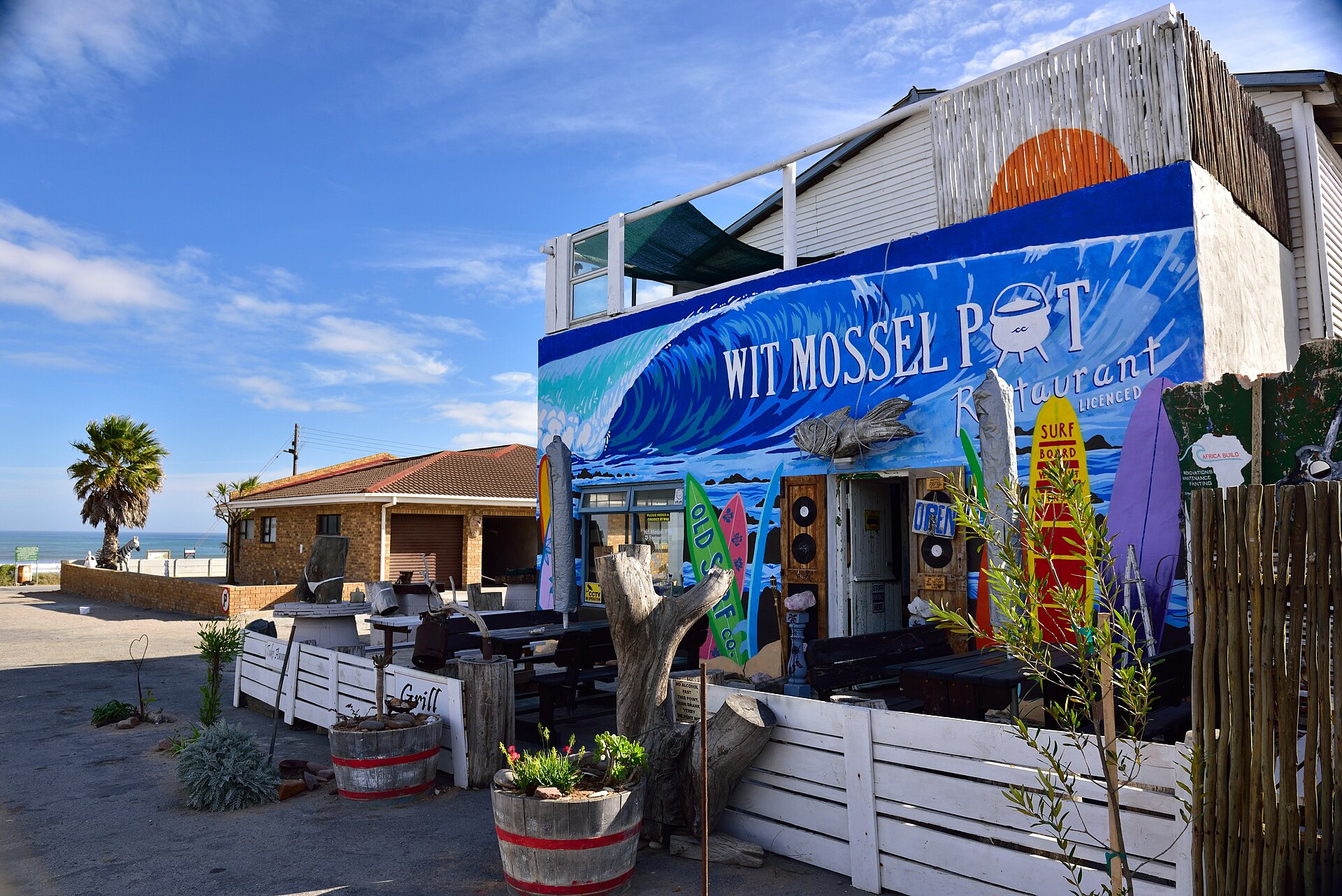
    A promise made to a small West Coast fishing community in January has been kept. Public Works and Infrastructure Minister Dean Macpherson is handing over the interim management of the Elands Bay slipway and related harbour facilities to the Cederberg Local Municipality — a move set to breathe new life into the town’s fishing economy.

    “This will be delivering on a promise he made to the local community during an oversight visit in January this year,” the Department of Public Works and Infrastructure said in a statement reported by SAnews.

    Local hands on local assets

    The handover is being formalised through a Memorandum of Agreement that grants the Cederberg Local Municipality interim management responsibility for the slipway and related harbour facilities. Crucially, the agreement enables the municipality to maintain the facilities and undertake approved repairs — practical powers that put the upkeep of vital coastal infrastructure into the hands of the people closest to it.

    For Elands Bay, a fishing village on the Cape West Coast, the slipway is far more than concrete and moorings. It is the launching point for the boats that sustain the local fishing community and the small businesses that depend on the sea. Well-maintained harbour facilities mean safer launches, more reliable operations and a stronger foundation for the town’s small, medium and micro enterprises.

    All spheres of government pulling together

    The occasion is notable for the cooperation it represents across national, provincial and local government. Minister Macpherson is joined at the handover by the Western Cape Minister of Infrastructure, Tertuis Simmers, the Western Cape Minister of Agriculture, Economic Development and Tourism, Dr Ivan Meyer, and the Executive Mayor of the Cederberg Local Municipality, Azrial Scheepers.

    That united front matters. Small harbours along South Africa’s coastline are economic lifelines for their communities, and empowering municipalities to care for them directly is a practical model of service delivery: identify the need, make the commitment, and follow through.

    A promise kept

    From an oversight visit in January to a signed agreement in August, the Elands Bay handover shows government delivery working the way it should — a commitment made in person to a community, and honoured within the year. For the fishers of Elands Bay and the wider Cederberg region, the future of their harbour is now, quite literally, in local hands.

    Photo: commons.wikimedia.org

  • Doors Open Wide: South Africans Turn Out as Voting Stations and Home Affairs Deliver a Smooth Registration Weekend

    Doors Open Wide: South Africans Turn Out as Voting Stations and Home Affairs Deliver a Smooth Registration Weekend

    South Africans turned out in encouraging numbers for the final voter registration weekend, and the country’s election machinery rose to meet them, with thousands of voting stations opening on time and government offices extending their hours to make registration as easy as possible.

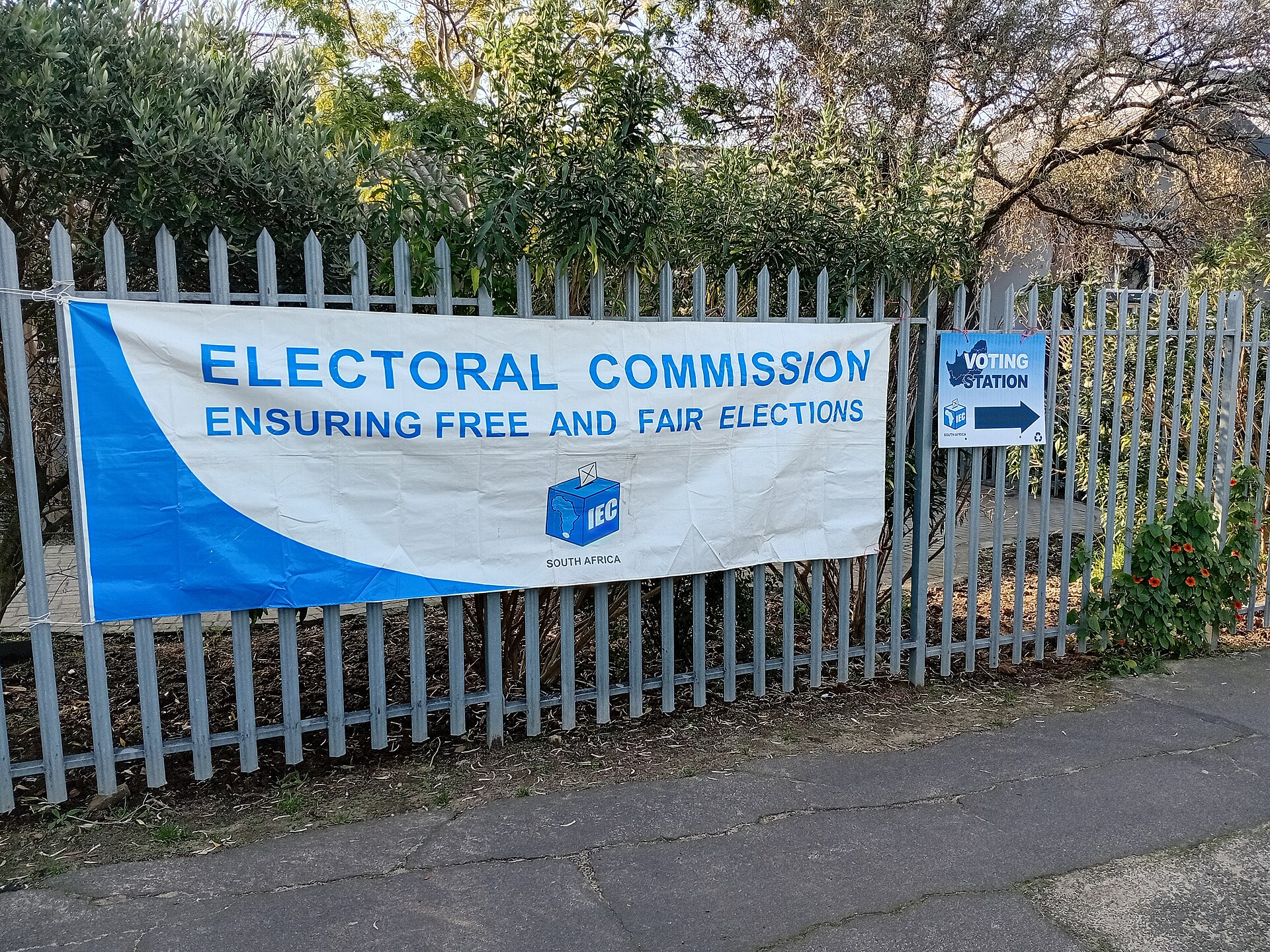
    The Electoral Commission (IEC) welcomed the strong response from citizens who used the weekend to register or update their details ahead of the Local Government Elections, praising the smooth running of a nationwide operation built around access and convenience.

    A well-oiled operation

    The scale of the effort was considerable. IEC Chief Electoral Officer Sy Mamabolo confirmed that all 23 699 voting stations across the country were part of the drive, with more than 99% of them opening promptly at 8am, a sign of careful planning and reliable delivery.

    “We are delighted that South Africans have responded positively to this final voter registration weekend,” Mamabolo said, urging any remaining eligible citizens to visit a station and “ensure that they are correctly registered and assigned to the right voting district.”

    By midday on Saturday, the Commission had already interacted with more than 238 000 citizens, both at voting stations and through its online portal. The majority of transactions, some 198 232, were recorded in person at stations, while a further 20 078 were handled through the Commission’s online data-free registration channel.

    Bringing services closer to people

    A standout feature of the weekend was the emphasis on convenience. The IEC’s data-free online portal gave eligible voters an additional, no-cost channel to register or update their details from wherever they were, a modern touch that complemented the traditional walk-in stations.

    Government departments pitched in to smooth the path too. The Department of Home Affairs extended operating hours at all its offices for the weekend of 1 and 2 August, helping citizens sort out the identity documents they needed to take part.

    The response was spread across the country. Preliminary figures showed the highest volumes in KwaZulu-Natal (55 759), the Eastern Cape (46 889) and Gauteng (41 774), consistent with the population sizes of those provinces. Strong activity was also recorded in Limpopo (29 680), the Western Cape (19 693), Mpumalanga (17 218), North West (15 610), the Free State (13 110) and the Northern Cape (6 213).

    Democracy in action

    Taken together, the numbers paint a picture of an engaged public and a public service working hard to meet them halfway. From early-opening stations to extended office hours and a data-free digital option, the weekend showcased the kind of joined-up service delivery that makes civic participation easier for ordinary South Africans.

    The Commission said it would announce the full outcome of the registration drive at a media briefing, but the early signals were clear: when the doors are opened wide and the process is made simple, South Africans show up. It is a hopeful reminder of the everyday work that keeps the country’s democracy healthy and accessible to all.

    Photo: commons.wikimedia.org

  • Durban Is Listening: Businesses Give eThekwini Credit for Faster Answers on Service Delivery

    Durban Is Listening: Businesses Give eThekwini Credit for Faster Answers on Service Delivery

    Durban’s business community is noticing a city that answers when it calls. The latest Durban Business Confidence Index (DBCI) shows that the share of respondents who doubted eThekwini Municipality would address service delivery complaints within a reasonable timeframe fell from 77.4% in the first quarter of 2026 to 71.2% in the second quarter — a meaningful swing in perceptions of the city’s responsiveness, SAnews reports.

    The municipality says the improvement reflects deliberate interventions to strengthen service delivery systems, speed up response times and accelerate infrastructure rehabilitation across the city. While the overall index softened slightly during the quarter — a dip the report attributes largely to global geopolitical factors beyond the city’s control — Durban’s index remained above the national reading, and the responsiveness gains stood out as a bright spot.

    Billions Flowing Into the Basics

    Behind the improved perceptions sits a substantial investment programme. Among the commitments highlighted by the municipality:

    • R995 million for sanitation infrastructure and services and R495.7 million for water infrastructure improvements in the 2026/27 financial year;
    • The Southern Aqueduct project, expected to strengthen bulk water supply for more than 1.2 million residents;
    • R128 million for upgrading the inner-city road network, alongside intensified pothole repairs, resurfacing and stormwater upgrades on priority business and public transport routes;
    • R92 million this financial year to strengthen the waste management fleet and support critical operations;
    • R162.7 million for Durban Metro Police, Fire and Emergency Services, Disaster Management and the Safer Cities programme.

    eThekwini Water and Sanitation has set itself concrete targets for the year: 4 000 new water connections, reducing non-revenue water to 48.6%, and ensuring that 95% of all water connections are metered, backed by accelerated pipe replacement, reservoir upgrades and leak detection.

    The Lights Stay On

    Electricity has become one of the city’s strongest-performing services. Only 1.4% of survey respondents flagged power supply as a major concern — helped by the continued suspension of national load shedding since March 2024, which the municipality says has given businesses and residents welcome certainty and supported economic activity across the city.

    A Partnership With Business

    Municipal Marketing and Communications Director Mandla Nsele said the city values the feedback loop with organised business. “The municipality values feedback from organised business formations and residents, as it assists in identifying priority areas requiring intervention. We will continue implementing targeted programmes, monitoring performance and accelerating infrastructure investment to improve service delivery outcomes,” he said.

    Nsele acknowledged that challenges remain, but said the improved perception of the municipality’s responsiveness shows the current interventions are beginning to yield results. For a city investing at this scale in water, roads, waste and safety, the message from the latest index is encouraging: Durban’s turnaround is being noticed by the people best placed to judge it.

    Photo: commons.wikimedia.org