Good News · All Nine Provinces

Independent · Local · Forward-looking

Mzansi News Online

Uniting SA Through Good News

Category: Service Delivery

  • No More Queues: Home Affairs Opens a Sleek New Office in the Heart of Cape Town

    No More Queues: Home Affairs Opens a Sleek New Office in the Heart of Cape Town

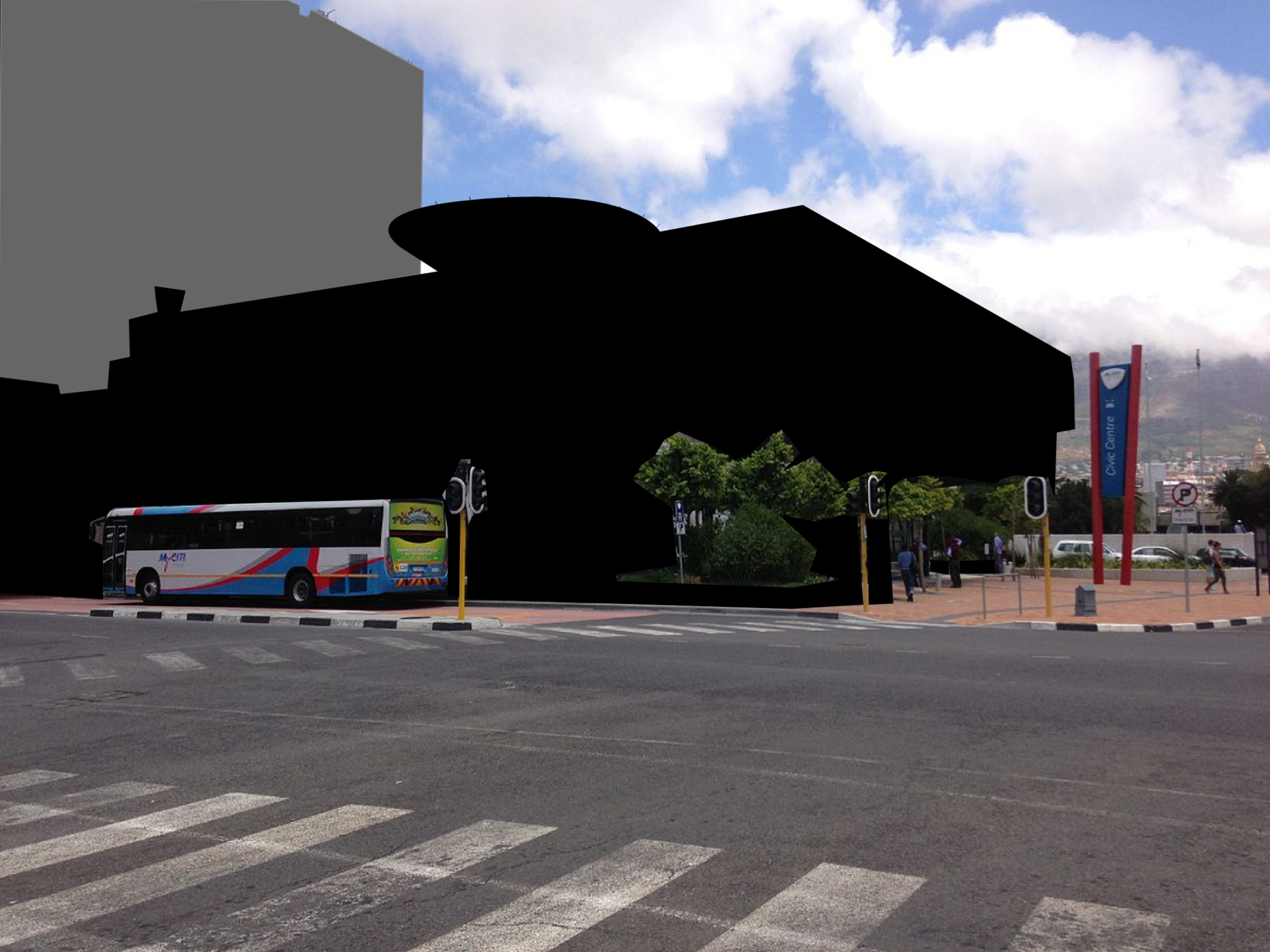
    Standing in a Home Affairs queue may soon be a memory for Capetonians. On Monday, Home Affairs Minister Dr Leon Schreiber officially opened a brand-new, modern office at the Cape Town Civic Centre, designed from the ground up to get people served quickly and sent on their way with a smile.

    “For too long, visiting Home Affairs has been associated with travelling long distances, standing in queues and losing hours of your day. Through our ambitious reform agenda, we are rapidly changing that experience, including here in Cape Town,” Schreiber said at the opening, as reported by SAnews.

    Book Online, Skip the Queue

    The new office will run on a bookings-only basis, so every visitor arrives with an appointment already secured and no need to camp outside before dawn. Appointments can be made through the department’s newly upgraded online booking system at myhomeaffairsonline.dha.gov.za.

    Location was no accident either. The office sits alongside existing City of Cape Town services in the Civic Centre, close to safe public transport, so residents can tick off government errands in one trip to a building they already visit as part of daily life.

    Part of a Bigger Vision: Home Affairs @ Home

    The Civic Centre office is the latest building block in the department’s Home Affairs @ home vision, which aims to decentralise services and bring them closer to where South Africans live, work and shop.

    That vision is already paying off elsewhere. Under the department’s digital partnership with the banking sector, South Africans can now access Smart ID replacement services at more than 450 bank branches countrywide, including dozens across Cape Town.

    “The new office we are launching today at the Civic Centre builds on that progress by taking additional pressure off busy offices such as the one in Barrack Street. This is Home Affairs @ home: using digital transformation and partnerships to eliminate queues, decentralise access and deliver dignity for all,” the Minister said.

    Dignity by Design

    Beyond the tech, the new office has been designed as a welcoming, modern space, a far cry from the crowded halls many South Africans associate with document day. For the everyday person, the wins add up quickly:

    • Appointments booked online, with no early-morning queueing
    • A central, transport-friendly location alongside other City services
    • Less congestion at nearby offices like Barrack Street
    • Smart ID and passport services spreading into banks across the country

    It is service delivery the way it should be: closer, faster and friendlier. And with the department promising that the reform train is only picking up speed, the days of losing a whole workday to a green barcoded errand look numbered.

    Source: SAnews.gov.za

    Photo: commons.wikimedia.org
  • Taps of Hope: New KwaHlokohloko Water Scheme Brings Clean Water to 1 385 Households in uMlalazi

    Taps of Hope: New KwaHlokohloko Water Scheme Brings Clean Water to 1 385 Households in uMlalazi

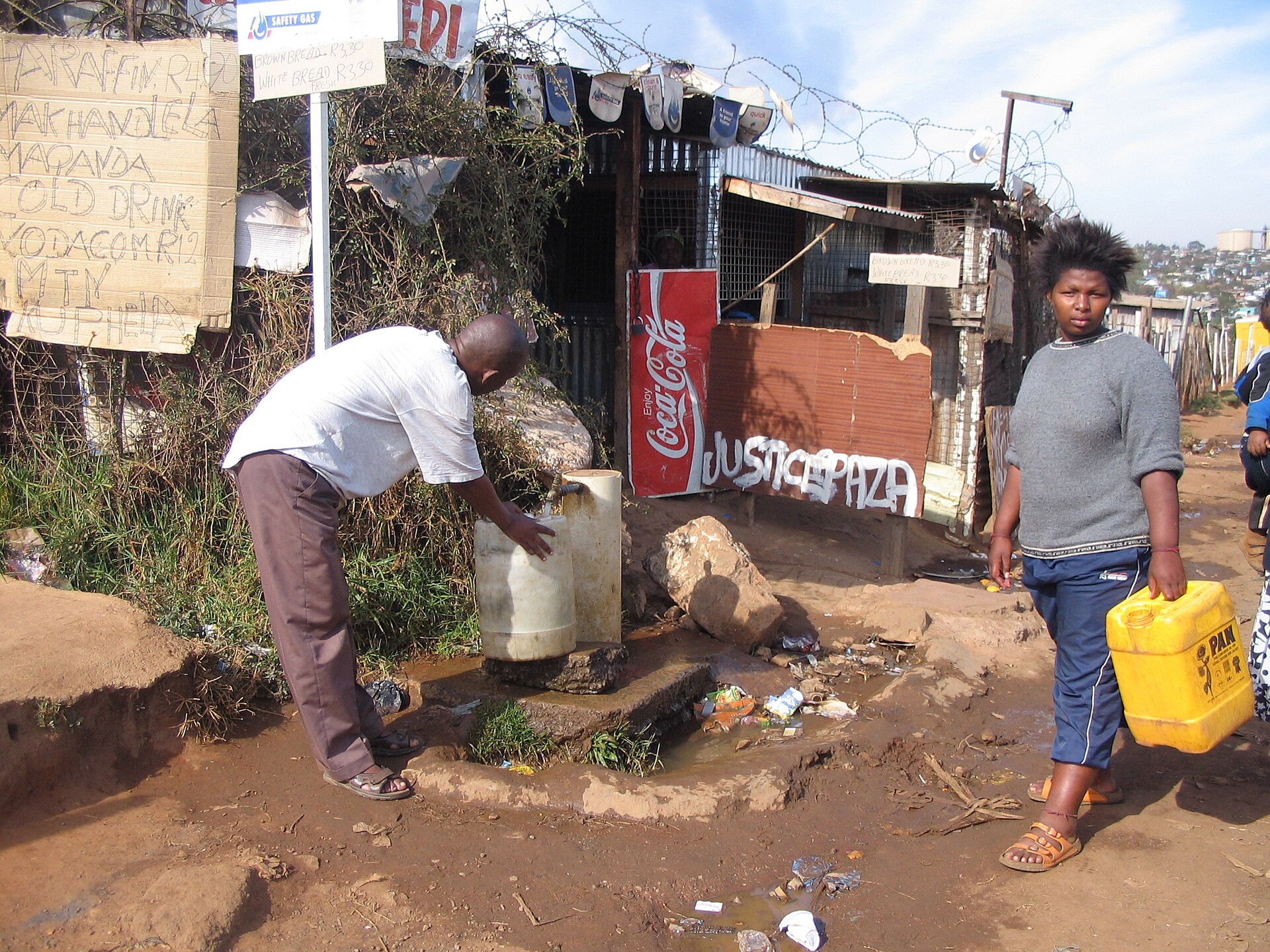
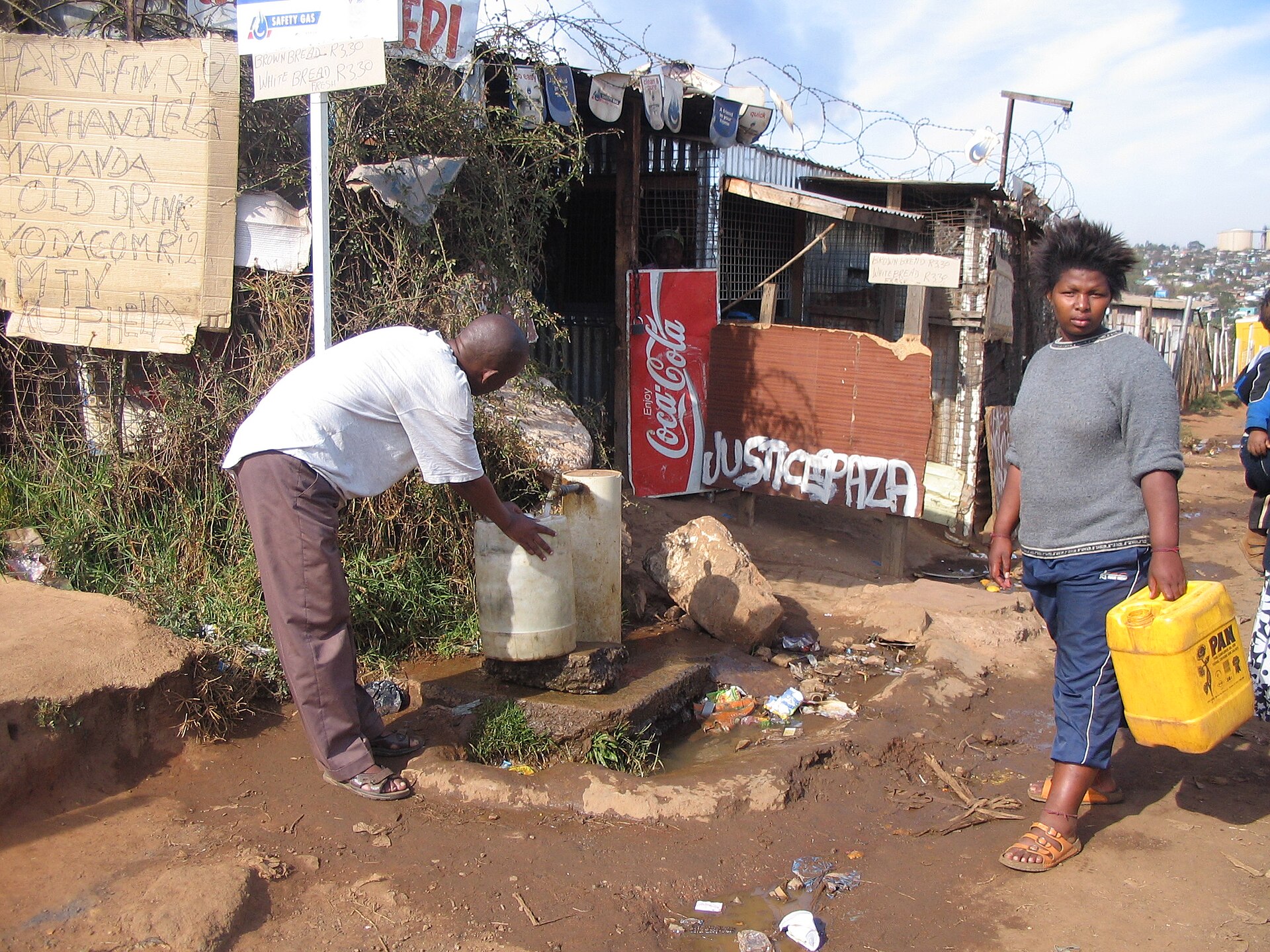
    There is a new sound of hope in KwaHlokohloko: the splash of clean water flowing from community taps. KwaZulu-Natal Premier Thamsanqa Ntuli, joined by King Cetshwayo District Municipality Mayor Zephania Dlamini, officially opened the KwaHlokohloko Water Scheme in the uMlalazi Local Municipality on Saturday, a service delivery project set to benefit 1 385 households.

    The scheme will give communities in KwaHlokohloko access to clean, safe and sustainable water, helping to restore dignity, improve public health and open doors for social and economic development, SAnews reports.

    More Than a Basic Resource

    Addressing the official opening, Premier Ntuli reminded residents that while water is a basic resource, it is also a fundamental human right, and said the provincial government remains committed to equitable access to clean water in both rural and urban communities.

    Access to water is central to human dignity, household wellbeing, food security, education, healthcare and local economic activity, the Premier said.

    The KwaHlokohloko Water Scheme is the fruit of collaboration between government, municipalities, engineers and communities, proof, Ntuli said, of what can be achieved when all spheres of government and communities work together to meet basic service delivery needs.

    Taps That Carry Hope

    The Premier painted a vivid picture of what the project means for daily life in the area.

    As taps begin to fill and flow with water, they also carry hope for a better future, healthier families, fruitful communal gardens, thriving schools and functional health facilities, he said.

    Ntuli also called on the community to become custodians of their new infrastructure, urging residents to care for the network and report anyone found tampering with it, because protecting public infrastructure is a shared responsibility that keeps essential services flowing for everyone.

    A Promise of Dignity

    The opening of the scheme, the Premier said, reaffirms the provincial government’s commitment to building a province where every citizen has access to basic services that empower them to live with dignity, purpose and hope.

    For the families of KwaHlokohloko, that promise now flows straight from the tap, and it follows hot on the heels of other new water schemes recently switched on across KwaZulu-Natal, a steady stream of good news for communities that have waited patiently for this day.

    Photo: commons.wikimedia.org

  • All Aboard for the All Blacks: PRASA Rolls Out Free and R20 Match-Day Trains for the Rugby Spectacular

    All Aboard for the All Blacks: PRASA Rolls Out Free and R20 Match-Day Trains for the Rugby Spectacular

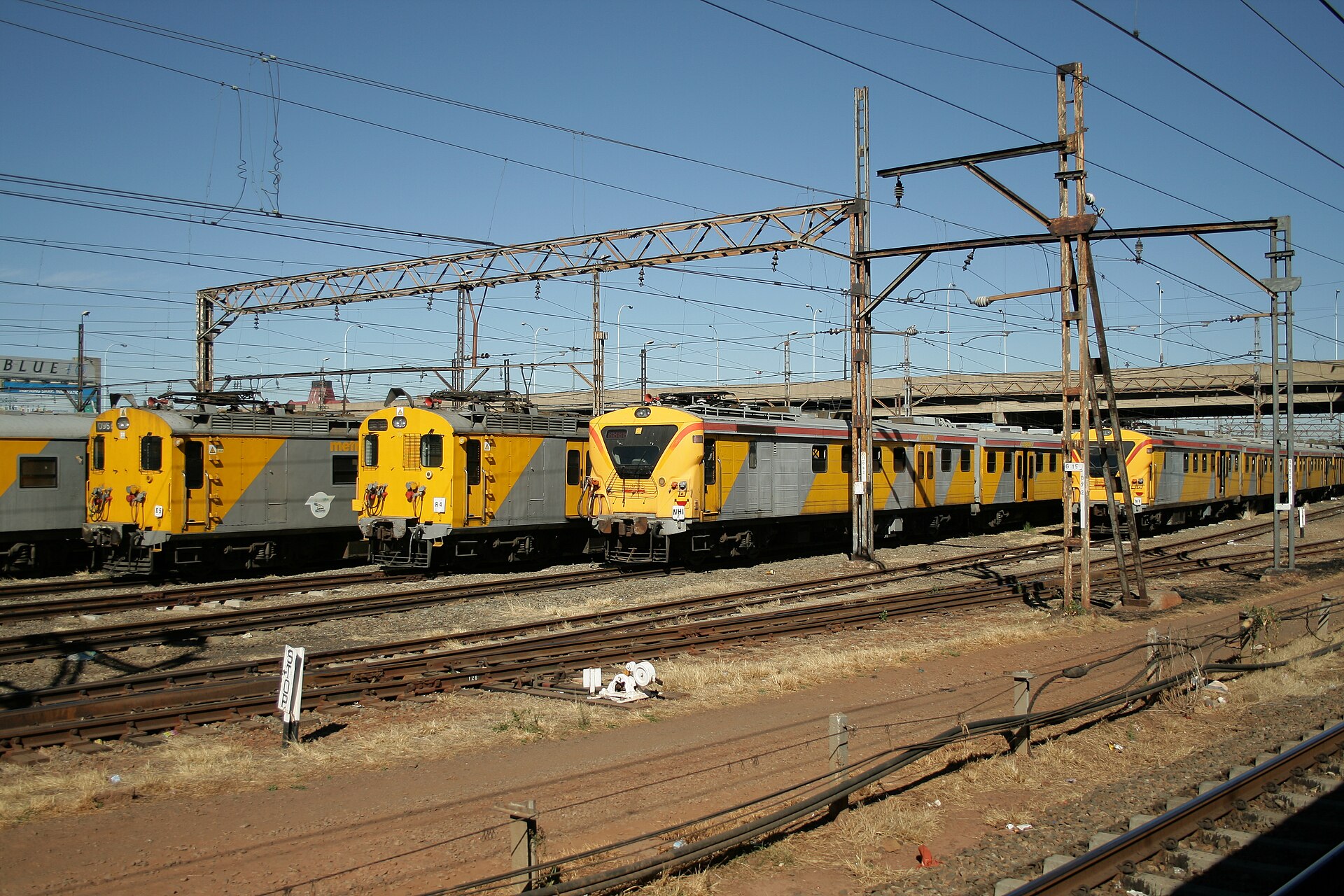
    Rugby fans heading to the big All Blacks Tests have just been handed the easiest match-day plan in the country: let the train take the strain. The Passenger Rail Agency of South Africa (PRASA) will run dedicated train services for the Rugby’s Greatest Rivalry and Barbarian Tour fixtures in Gauteng and the Western Cape, including a free shuttle for ticket holders at Saturday’s Springboks showdown at Ellis Park.

    The services cover three blockbuster matches: the Springboks against the All Blacks at Ellis Park in Johannesburg on Saturday 22 August, the Lions against the All Blacks at the same venue on Tuesday 25 August, and the Springboks’ second Test against the All Blacks at DHL Stadium in Cape Town on Saturday 29 August.

    Free rides to the big one

    For Saturday’s opening Test, PRASA will operate a free shuttle between Johannesburg Park Station and Ellis Park Station for anyone holding a valid match ticket. Trains will run every 15 minutes from 12:30pm to 8:30pm, with connections to and from Gautrain services at Park Station; the last Gautrain departs at 9pm.

    For the Lions’ clash with the All Blacks on Tuesday 25 August, the shuttle between Park Station and Ellis Park runs every 15 minutes from 2:30pm to 10:30pm, with a return ticket costing just R20 and Gautrain connections available until the last departure at 11pm.

    Cape Town gets extra trains too

    In the Western Cape, PRASA will lay on additional services to carry the thousands of supporters expected at DHL Stadium for the second Springboks Test on 29 August. The extra trains offer a safe, reliable and convenient alternative to private transport, while easing the heavy match-day traffic expected around the Cape Town CBD and Green Point. Rail can move large numbers of spectators efficiently and takes real pressure off the roads.

    “As the backbone of public transport, PRASA is committed to providing safe, reliable, affordable and convenient rail services that allow thousands of spectators to travel to and from major sporting events with ease and confidence,” the agency said in a statement on Friday.

    Smart tips for a smooth journey

    PRASA encourages supporters to arrive at their departure stations early and to buy return tickets before travelling, which cuts queues and makes for a smoother trip home after the final whistle. Commuters travelling on Isitimela Sabantu, and within all stations, are reminded to follow rail safety rules at all times.

    Through partnerships with key stakeholders, the agency says it is steadily positioning rail as the public transport mode of choice for major events, a welcome sign of a passenger rail network getting back to doing what it does best. Further schedule details will be shared on PRASA’s official digital platforms, including its WhatsApp commuter groups, and fans can follow the agency on X, Facebook and Instagram for updates.

    Service details were announced via SAnews.

    Photo: commons.wikimedia.org

  • A Fairer Deal on Power: New Electricity Pricing Policy Charts a 10-Year Path to Affordable Energy

    A Fairer Deal on Power: New Electricity Pricing Policy Charts a 10-Year Path to Affordable Energy

    Relief is on the horizon for South African electricity users. Government has unveiled a set of measures aimed at bringing down the cost of power while protecting vulnerable households and the industries that keep the economy humming.

    The measures are contained in the Revised Electricity Pricing Policy, which Cabinet approved for public comment last month. The policy modernises the 2008 Electricity Pricing Policy to match a rapidly changing energy landscape, including the unbundling of Eskom and the reforms introduced by the Electricity Regulation Amendment Act of 2024.

    Certainty for a Decade Ahead

    Speaking at a media briefing in Pretoria on Tuesday, Electricity and Energy Minister Kgosientsho Ramokgopa said the policy is designed to give households and investors something they have long asked for: predictability. Under the new framework, the National Energy Regulator of South Africa (NERSA) will be required to publish a 10-year electricity price forecast.

    “For heavy industries, when people want to make significant investments in the South African economy, and they’re investing in a sector that relies on electricity, they want to compute their return on investment,” the Minister explained, noting that a clear price path helps unlock big-ticket investment decisions.

    Competition That Benefits Consumers

    The policy embraces South Africa’s move towards a wholesale electricity market, where new generators can sell power directly to customers through bilateral agreements. More players and more competition, the Minister said, will help drive efficiency, and efficient providers mean better prices.

    “We are insisting that the provider of electricity must be efficient. And when it is efficient, you will see that the price of electricity will not be what we are currently charging,” Ramokgopa said.

    The framework also insists on transparent, cost-reflective tariffs with no hidden costs, protecting diligent consumers and rewarding well-run utilities.

    Looking After the Vulnerable

    Crucially, the policy strengthens the safety net for those who need it most. Government plans to modernise the administration of free basic electricity by building a central, nationally accessible database that links with Home Affairs and social grant records, so that qualifying households can be identified and supported far more easily.

    “There’s a good chance that someone who qualifies for the social grant will also qualify for free basic electricity,” the Minister said.

    Energy-hungry industries get a boost too. A revamped Negotiated Pricing Agreement instrument will allow concessional electricity pricing not only for firms under pressure, but also for businesses that can accelerate growth in priority sectors and create jobs, what Ramokgopa called “a pre-emptive strike to rejuvenate the South African economy.”

    With the policy now open for public comment, South Africans have a direct say in shaping a fairer, more affordable electricity future. Once adopted, it will guide NERSA, Eskom, municipalities and the growing family of independent generators, a whole-of-system reset designed to keep the lights on and the costs down.

    The full announcement is available from SAnews.

    Photo: commons.wikimedia.org

  • Signed, Sealed, Delivered: Post Office Earns Its First Unqualified Audit in Six Years

    Signed, Sealed, Delivered: Post Office Earns Its First Unqualified Audit in Six Years

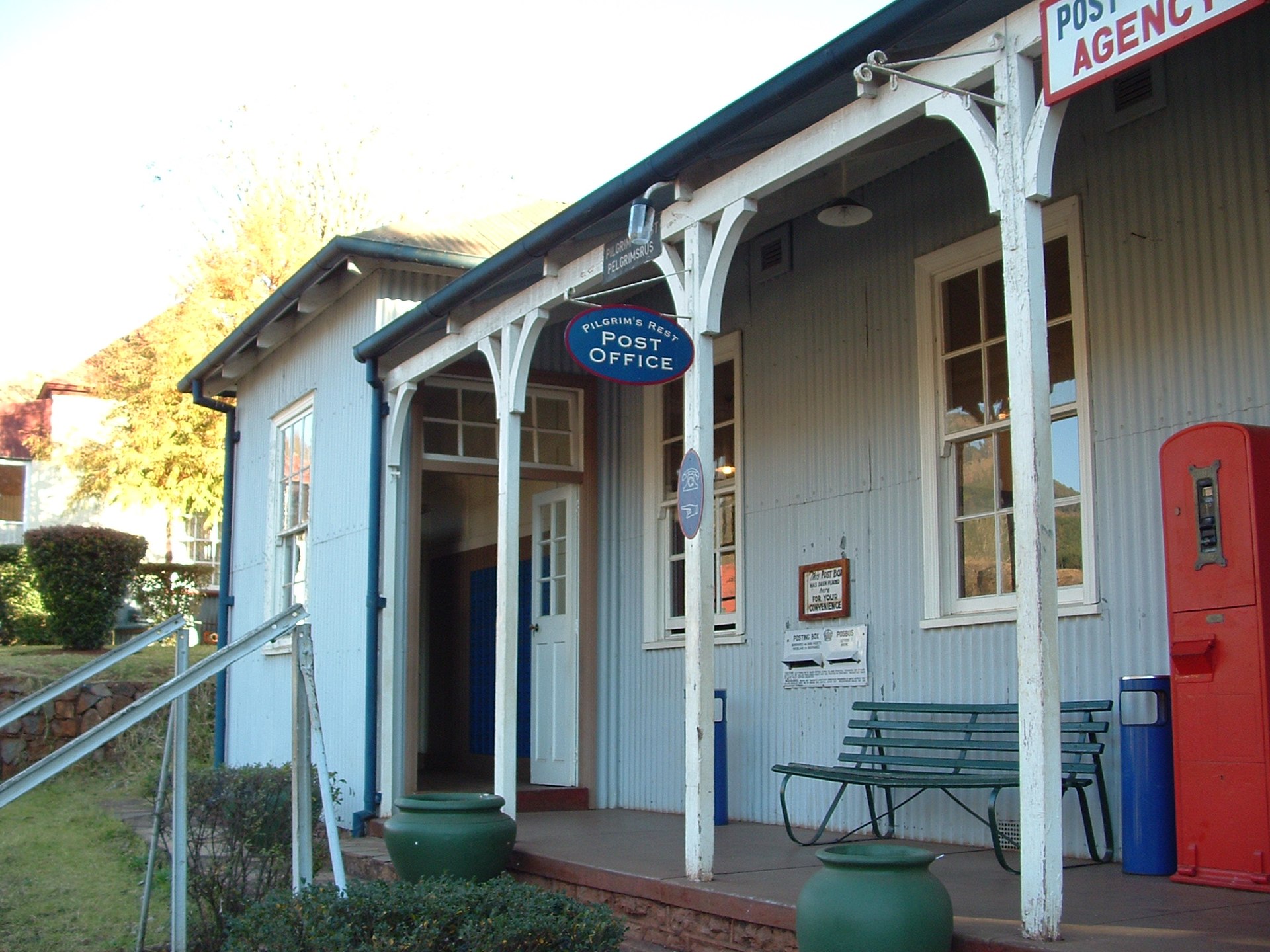
    Here is a milestone worth stamping and framing: the South African Post Office (SAPO) has received an unqualified audit opinion from the Auditor-General for the financial year ended 31 March 2026, its first in six years, SAnews reports.

    An unqualified opinion is the Auditor-General’s way of saying the books fairly present the organisation’s financial position, and for an institution as storied as the Post Office, reclaiming that stamp of credibility is a big deal.

    Governance as part of the recovery

    SAPO says the outcome reflects stronger governance, improved financial reporting and internal controls, and fewer audit findings, the fruits of steady, unglamorous work behind the counters.

    “Governance does not wait for recovery; it is part of the recovery,” said SAPO Acting Chief Executive Officer Fathima Gany, adding that partners and stakeholders can rely on the numbers, which build trust and accountability.

    That sentiment matters for an entity working to renew itself for the digital age. Reliable, credible financials are the foundation on which new partnerships, new services and new investment can be built.

    ‘Steady progress’ earns ministerial applause

    Minister of Communications and Digital Technologies Solly Malatsi welcomed the announcement as an important milestone for the organisation.

    “Steady progress, built on stronger governance and accountability, improves audit outcomes. Congratulations on achieving the first unqualified audit in six years. The focus now is on sustaining this momentum,” the Minister said.

    Why this matters to Mzansi

    The Post Office remains woven into daily South African life, from parcels and post boxes in small towns to services that reach communities far beyond the big metros. Every step it takes towards financial health is a step towards protecting those services and the people who depend on them.

    Six years is a long wait for good news of this kind, which makes the achievement all the sweeter. The challenge now, as both the Acting CEO and the Minister note, is to keep the momentum going, and if this audit season is anything to go by, the institution has found its stride.

    To the teams who counted, checked, reconciled and reported their way to a clean set of books: Mzansi sees you. First-class work, delivered.

    Photo: commons.wikimedia.org

  • Taps Turned On: New KZN Water Schemes Bring Clean Water to Macambini and Ndulinde

    Taps Turned On: New KZN Water Schemes Bring Clean Water to Macambini and Ndulinde

    Thousands of people in the rural communities of Macambini and Ndulinde in KwaZulu-Natal are set to enjoy fresh, reliable water from their own taps, following the completion of two new water supply schemes.

    Water and Sanitation Minister Pemmy Majodina, together with Deputy Minister David Mahlobo, officially unveiled the two schemes on Saturday, 15 August 2026, on the outskirts of Mandeni within the Mandeni Local Municipality in the iLembe District. The projects, implemented by the iLembe District Municipality, form part of government’s ongoing drive to expand water access in rural areas and strengthen water security across the province.

    Clean water for the Macambini community

    The Macambini Water Supply Scheme is part of a long-term project that began around 2004 to bring clean drinking water to the area, which is home to roughly 33 000 people from more than 6 000 households.

    Phases 4, 5 and 6 of the scheme included the installation of more than 2 000 yard standpipes, delivering clean drinking water to more than 2 000 households in eNdondakusuka, eMangethe and eMangeza. Beyond the taps, the work created jobs close to home: the department said Phase 5D alone generated roughly 63 direct job opportunities for local residents.

    Smarter, leak-detecting taps for Ndulinde

    The Ndulinde Water Supply Scheme now supplies fresh water to 488 households in Ndulinde Ward 6, as well as communities in Zone 5, including Mfuze, St Cyprian, Mathunzi and Matshamhlophe. Before the project, residents leaned on communal standpipes that simply could not keep up with demand.

    The new scheme includes domestic water meters that can detect leaks, which is expected to improve water-use efficiency and cut physical water losses in the area. The department said Ndulinde has an estimated population of about 12 474 people from more than 3 000 households, and that Phase 4D created roughly 43 direct job opportunities for local communities.

    Water, dignity and work

    Taken together, the two schemes touch the daily lives of tens of thousands of residents, replacing long walks to shared taps with reliable supply closer to home. For families in Macambini and Ndulinde, the change means more time, better health and a stronger foundation for local livelihoods.

    The department framed the unveiling as part of a bigger effort to expand access and shore up water security across KwaZulu-Natal, pairing new infrastructure with smarter monitoring to protect every precious drop. As Majodina and Mahlobo handed over the schemes, the message from Mandeni was a simple, hopeful one: clean water, delivered, and jobs created along the way.

    Photo: commons.wikimedia.org

  • New Life for 9 000 km of Rail: Transnet Opens Branch Lines to Private Partners in Bold Rail Revival

    New Life for 9 000 km of Rail: Transnet Opens Branch Lines to Private Partners in Bold Rail Revival

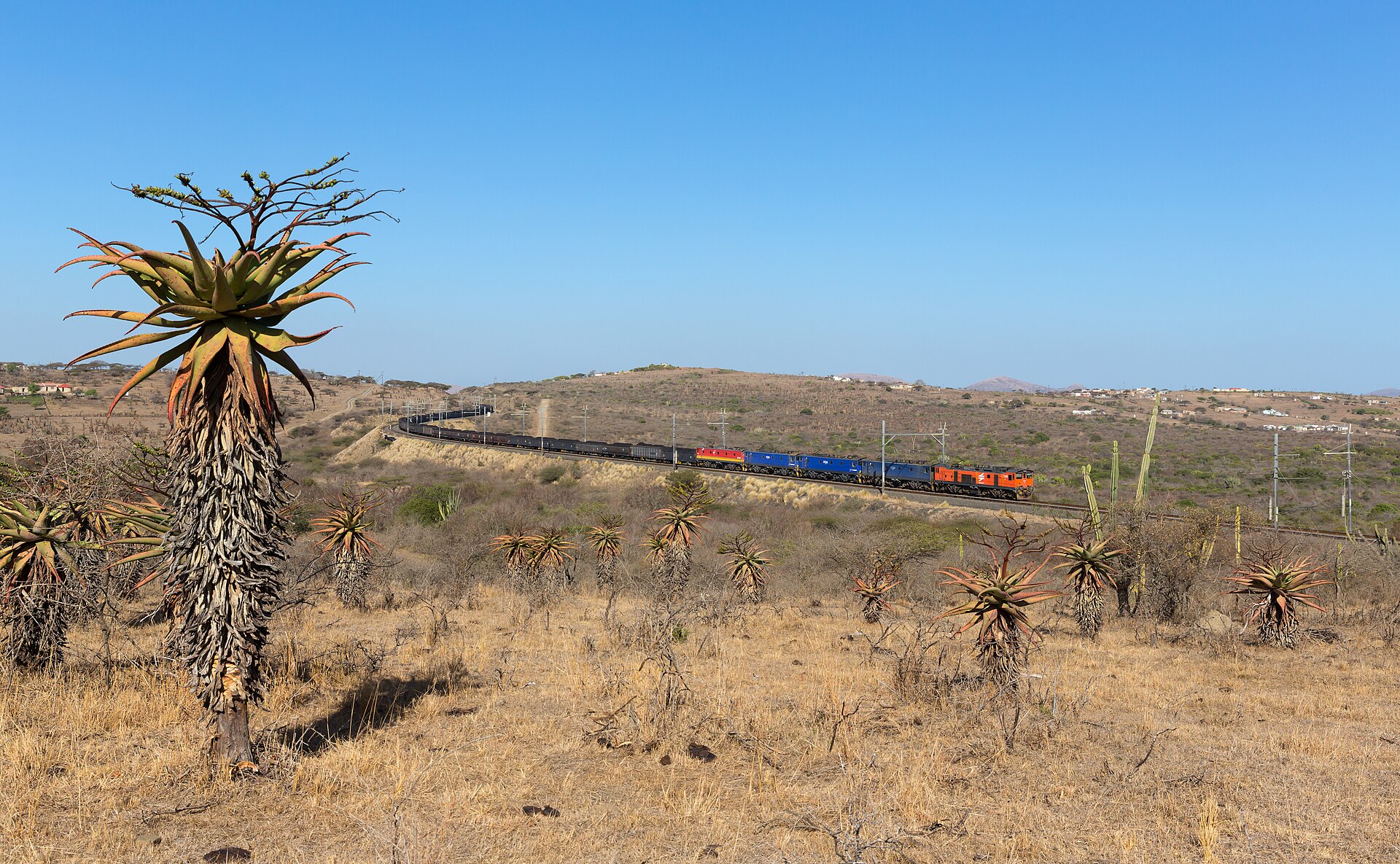
    More than 9 000 kilometres of South Africa’s railway branch lines could soon be humming with new life. Transnet is inviting private sector partners to help refurbish, finance, operate and maintain the country’s B-Network of low-density lines, in a landmark step towards opening the rail network to greater private participation.

    Through the Transnet Rail Infrastructure Manager (TRIM), government has published a Request for Information inviting interested parties to submit proposals for partnership opportunities on the branch lines, which cover approximately 9 098 kilometres, SAnews reported.

    “The introduction of Private Sector Participation opportunities on the B-Network is a critical step in reforming South Africa’s freight logistics system,” TRIM Chief Executive Moshe Motlohi said on Wednesday.

    Feeder lines with big potential

    Most B-Network branch lines connect to the core rail network, moving cargo for export, consumption or destination packaging. Encouragingly, some lines have already attracted interest for passenger and tourism services, opening the door to scenic rail journeys alongside freight revival.

    Information gathered through the RFI will help TRIM design one or more procurement programmes aimed at improving performance, increasing throughput and harnessing private sector capital, skills and expertise, in line with the White Paper on National Rail Policy and the Economic Regulation of Transport Act.

    Building on open-access momentum

    The move builds on real, recent progress. TRIM recently concluded Rail Access Agreements with 11 new Train Operating Companies, which have been allocated slots for selected train paths on the core network following the publication of Network Statement Version 3 in 2024.

    “This milestone marked the beginning of open access in South Africa’s rail sector. The latest RFI builds on this momentum by extending opportunities to the B-Network, ensuring that feeder and branch lines also benefit from innovation and investment opportunities,” TRIM said.

    For farming towns, mining communities and tourism routes along thousands of kilometres of underused track, private investment could mean more goods moving by rail, less pressure on the roads and new economic activity where the trains come back.

    TRIM, which is responsible for the management, maintenance and development of South Africa’s rail infrastructure network, says the market’s input will directly shape procurement programmes that are responsive to industry demand and aligned with national policy objectives.

    Interested parties can access the RFI documents on the National Treasury’s e-Tender Publication Portal at www.etenders.gov.za and on the Transnet website. Responses must be submitted electronically by 10am on 30 September 2026.

    Photo: commons.wikimedia.org

  • R53 Billion on the Table: Global Financiers Get First Pick of South Africa’s Housing, Water and Energy Projects

    R53 Billion on the Table: Global Financiers Get First Pick of South Africa’s Housing, Water and Energy Projects

    South Africa’s pipeline of big-ticket infrastructure projects has been put directly in front of the world’s development financiers, and the numbers are impressive: four major investment opportunities requiring more than R53 billion in debt finance were pitched at Infrastructure South Africa’s Development Partners Forum Deal Pitching Session in Gauteng.

    Public Works and Infrastructure Minister Dean Macpherson, who chaired the session, welcomed the strong showing, SAnews reported. The four projects and programmes span housing, aviation, bulk water and energy infrastructure, located across different parts of the country.

    “These are not abstract projects on a wish list. They represent the kind of infrastructure South Africa needs to grow the economy, strengthen basic services, unlock private investment and create employment. This is the type of investment we need to mobilise if we are going to turn South Africa into a construction site.”

    From presentations to construction sites

    The Development Partners Forum was created by Infrastructure South Africa as a matchmaking platform, connecting infrastructure project sponsors with local and international Development Finance Institutions and Multilateral Development Banks that can provide financing, technical expertise, risk-sharing instruments and advisory support.

    This session was deliberately structured to move beyond broad discussion: financiers interrogated live projects, assessed investment readiness and identified concrete opportunities for financing and partnership.

    Infrastructure South Africa will now facilitate targeted follow-up engagements between interested development partners and project sponsors to support transaction structuring, explore financing participation and agree practical next steps towards implementation.

    “The measure of success for these engagements will not be how many presentations we hold, but how many projects ultimately reach financial close and move onto construction sites. We want to convert pipelines into projects, projects into investment, and investment into shovels in the ground and cranes in the sky across South Africa,” Macpherson said.

    A growing pipeline of bankable projects

    The pitching session is part of a much bigger build-up. Infrastructure South Africa is already providing project-preparation support to more than 26 infrastructure projects with an estimated capital value of R148 billion, while 15 supported projects have completed their preparatory work.

    The initiative supports the national objective of lifting gross fixed capital formation to 30 percent of gross domestic product, with private sector investment expected to contribute 20 percentage points towards that target.

    For communities waiting on new homes, reliable water and modern energy, every financier won over at sessions like these brings the sound of construction one step closer.

    Photo: commons.wikimedia.org

  • Keys to a New Life: 197 Families Receive Brand-New Homes at Soweto’s Jabulani Parcel K Mega Project

    Keys to a New Life: 197 Families Receive Brand-New Homes at Soweto’s Jabulani Parcel K Mega Project

    There were smiles, keys and new beginnings in Soweto this week as Human Settlements Minister Thembi Simelane handed over 197 brand-new homes to beneficiaries at the Jabulani Parcel K Mega Project, turning years of patient waiting into the security of home ownership.

    The 197 units are the first wave of a development that will ultimately deliver 704 homes, part of a national push to unblock legacy housing projects, speed up the allocation of completed homes and protect them for the families they were built for.

    A Mixed Community Built for Thousands

    Jabulani Parcel K is designed as a mixed-use development that will eventually accommodate close to 2 400 households, including social housing and first-home financing options, creating a genuinely diverse community in the heart of Soweto.

    Minister Simelane explained that the department had deliberately waited until the homes were properly serviced before moving families in. “The project had a bit of challenges in relation to electricity connection. The city has been ready to move in beneficiaries, but according to our policy, we need to move you in when there is electricity connectivity and water,” she said, adding that a demonstration had been done with about eight families.

    She praised the contractor, who remains on site completing the remaining blocks, and offered a heartfelt wish to the new homeowners: “We hope these homes bring comfort, joy, dignity and security of tenure.”

    Patience Rewarded

    Gauteng MEC for Human Settlements Tasneem Motara paid tribute to the beneficiaries who had waited so long for this day. “I really want to thank all beneficiaries for being patient. Of all the projects we have in the province, Jabulani Parcel K is the one I get asked about every single week,” she said.

    “It has not been easy, but it’s a long process from planning to building and allocation. Beneficiaries of Human Settlements are very special; they are very patient. But today you have your house.”

    Homes to Own, Not to Trade

    The MEC also had a clear message about protecting the opportunity these homes represent. Beneficiaries may not rent out or sell their houses, she stressed, because the entire point of the programme is to create homeowners. “These houses are supposed to make you a homeowner,” Motara said, warning that any unit found occupied by someone other than its rightful beneficiary would be reallocated.

    For the families who received their keys this week, those rules underline something worth celebrating: these homes are theirs, permanently. After years of watching the walls rise, the residents of Jabulani Parcel K can finally close their own front doors on a new chapter, with hundreds more neighbours set to join them as the remaining blocks are completed, according to the report by SAnews.

    Photo: commons.wikimedia.org

  • Welcome to South Africa, at the Click of a Button: President Ramaphosa Launches the Electronic Travel Authorisation

    Welcome to South Africa, at the Click of a Button: President Ramaphosa Launches the Electronic Travel Authorisation

    South Africa has switched on a smarter, faster way to welcome the world. President Cyril Ramaphosa officially launched the country’s new Electronic Travel Authorisation (ETA) system at OR Tambo International Airport on Wednesday, a digital reform designed to make travel to South Africa easier, quicker and more predictable, while strengthening the integrity of the country’s borders.

    “This is far more than the introduction of a new digital platform. It is a statement about the kind of country we are building,” the President said at the launch. “It is about making South Africa more open to opportunity, more welcoming to legitimate travellers, more secure for our citizens and more competitive in the global economy.”

    Apply From Anywhere in the World

    Under the new system, eligible travellers can apply for authorisation online from anywhere in the world, without needing to visit a South African mission or a visa processing centre. Applications are expected to be processed faster, with more predictable decisions and a smoother experience on arrival.

    The ETA was first introduced in four strategic source markets, namely China, India, Indonesia and Mexico, and government is preparing to expand it to more countries. Over time, digital processing is expected to grow beyond visitor authorisations to include work visas, study visas and other immigration services, as part of the Department of Home Affairs’ vision of a fully digital department offering world-class public services.

    During the launch, Border Management Authority Commissioner Dr Michael Masiapato walked the President through the processing systems, including a live demonstration in which a real tourist’s application was processed. The traveller’s delighted reaction to the speed of the process gave guests a real-time glimpse of the welcome South Africa wants every visitor to experience.

    A Jobs Reform, Not Just a Travel Reform

    President Ramaphosa framed the ETA as an economic intervention in a competitive global market for tourists, investors, students and skilled professionals. “Visa reform is not simply an immigration reform. It is an economic reform. It is a jobs reform,” he said.

    The benefits, he noted, ripple far beyond the airport. “More visitors mean more hotel bookings, more restaurants filled, more tour operators employed, more flights, more conferences, more exports, more investment, and more opportunities for South Africans to earn an income and build a better future.”

    The President was equally clear that convenience does not come at the cost of security. “A modern immigration system is not a weaker immigration system. It is a smarter immigration system,” he said, explaining that the technology strengthens biometric verification, identity management and risk assessment while making lawful travel faster.

    Honouring OR Tambo’s Legacy

    The choice of venue carried special meaning. OR Tambo International Airport, South Africa’s busiest gateway, bears the name of the struggle icon who spent years travelling the world to rally support for a free South Africa. “He took South Africa to the world. Today, through this new system, we are strengthening the way in which the world comes to South Africa,” the President said, adding that the ETA ensures South Africa’s welcome is “not only warm, but also modern, efficient and secure”.

    The ETA forms part of the structural reforms driven through Operation Vulindlela, the programme established in 2020 to unlock economic growth, which has already delivered progress in electricity, logistics, telecommunications and water infrastructure. Its success will be carried by a broad partnership spanning Home Affairs, the Border Management Authority, the South African Revenue Service, the tourism sector, airlines and technology partners, all working to open South Africa’s doors wider than ever, according to the report by SAnews.

    Photo: commons.wikimedia.org