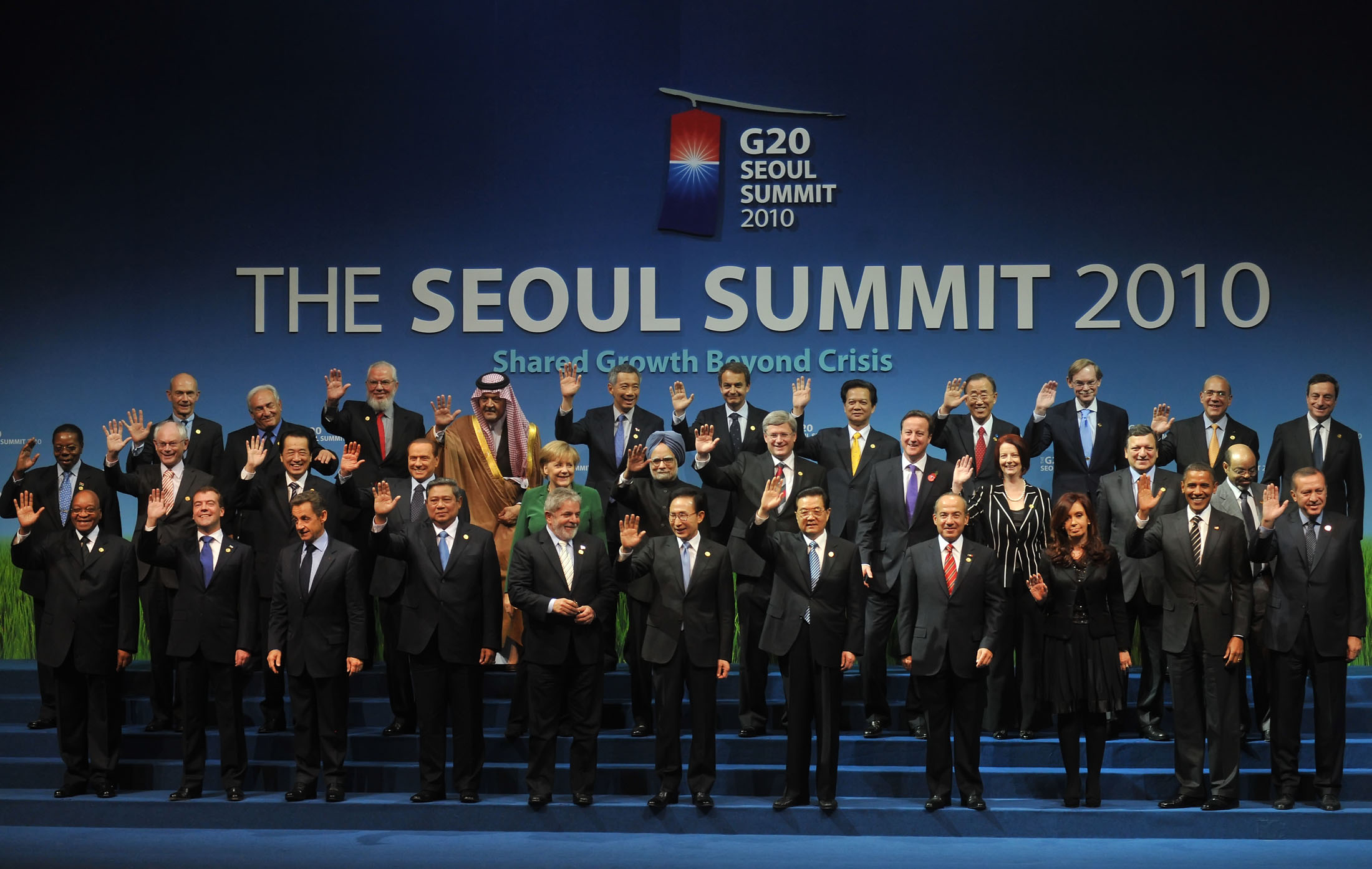
South Africa and the United Nations have set out a five-year cooperation framework designed to turn shared development goals into coordinated work on jobs, skills, public services and climate resilience.
The United Nations Sustainable Development Cooperation Framework covers 2026 to 2030 and aligns its programme with South Africa’s National Development Plan, the Medium-Term Development Plan, the UN 2030 Agenda and the African Union’s Agenda 2063.
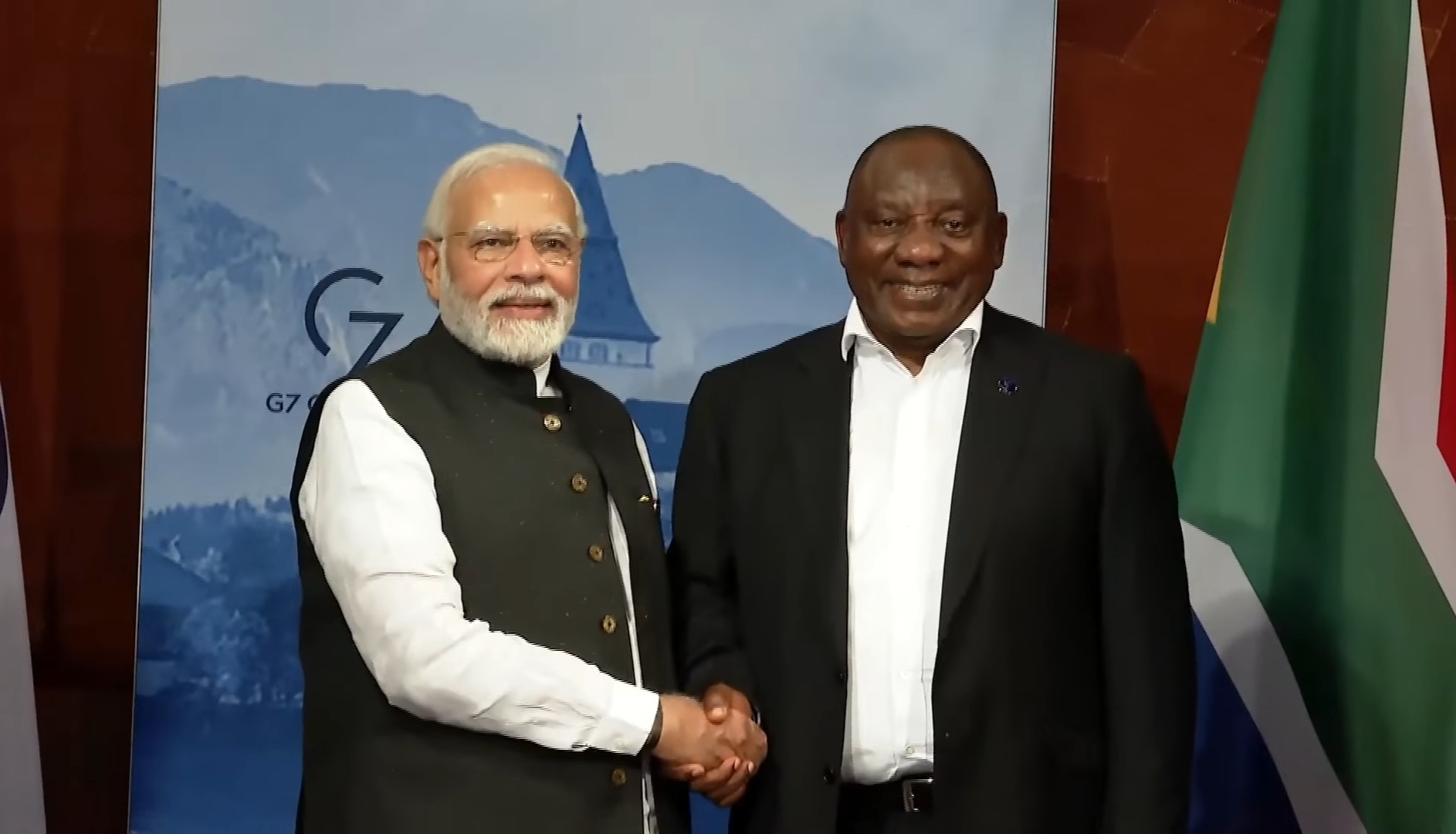
A framework summary published by the UN in South Africa describes the partnership as a commitment to accelerate progress while applying the principle of leaving no one behind. The agreement is due to be formalised by Planning, Monitoring and Evaluation Minister Maropene Ramokgopa and UN Resident Coordinator Nelson Muffuh.
Three connected priorities
The plan organises the partnership around three broad priorities. The first is inclusive economic and social transformation, with attention to job creation in the green, digital and care economies, support for small businesses, stronger social protection and closer alignment between skills development and employment.
The second priority is transformational governance. Proposed areas of cooperation include professional public administration, stronger municipal capacity, civic participation and institutions that deliver services effectively and protect rights.
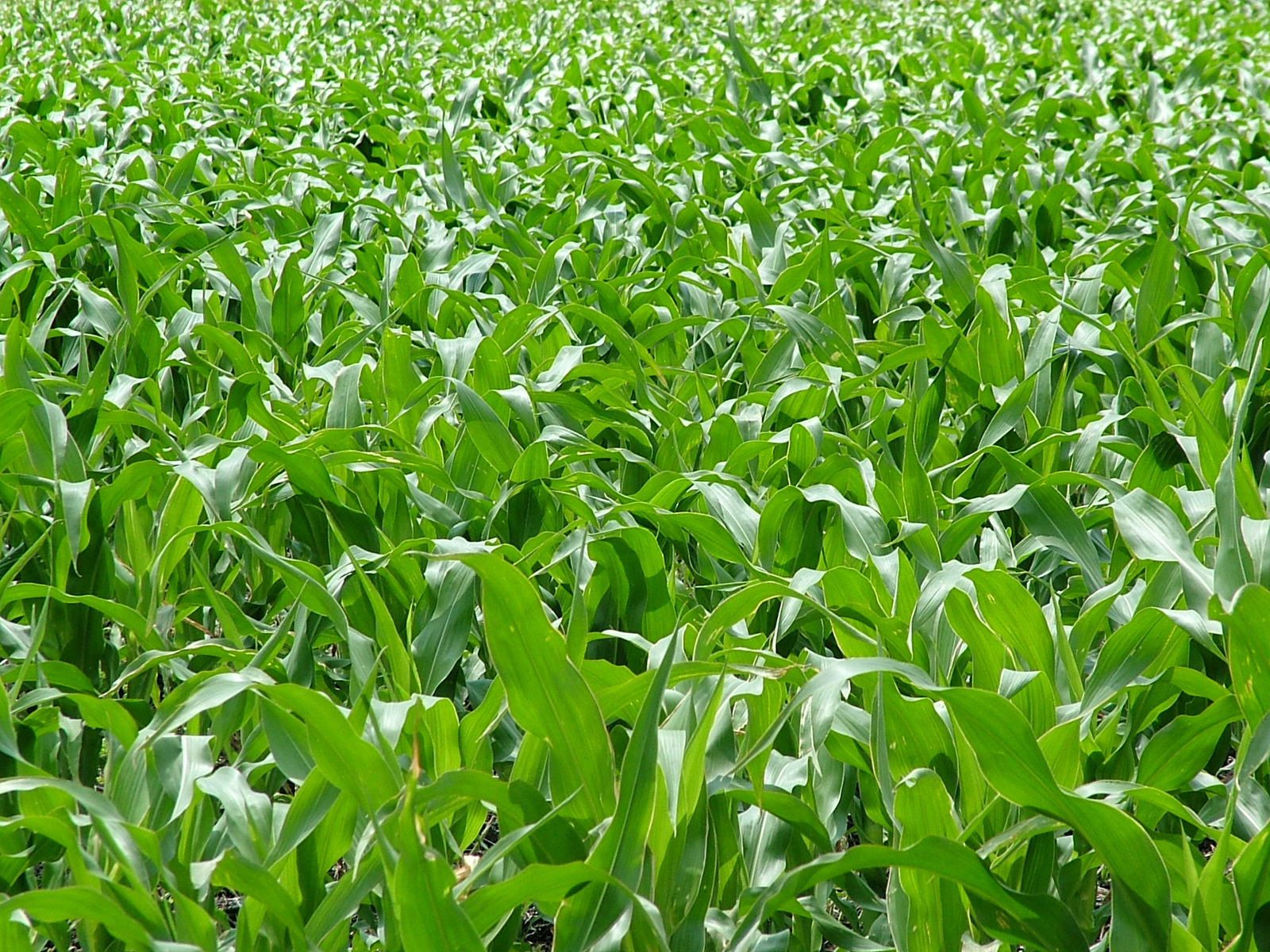
The third priority focuses on resilience and sustainability. It includes climate-smart agriculture, renewable energy, biodiversity conservation, disaster-risk reduction, water and energy security, early-warning systems and the mobilisation of green finance.
These areas are designed to reinforce one another. Skills and enterprise support can help more people enter emerging industries, while capable institutions and resilient infrastructure give those opportunities a stronger foundation.
Using South African systems
The framework emphasises national ownership. Instead of creating a parallel administration, implementation will use existing South African coordination mechanisms, including structures that already work on the Sustainable Development Goals.
Results groups will be jointly led by government and the UN, supported by monitoring and learning arrangements. The plan also streamlines the number of outcomes, outputs and indicators, an approach intended to sharpen focus, reduce the reporting burden and strengthen accountability.
The estimated resource requirement is about US$266.9 million. The framework proposes a mix of domestic resources, public-private partnerships and blended finance, reflecting the scale of the programme and the need to connect public priorities with wider investment.
A practical partnership through 2030
The South African Government’s announcement says the agreement reaffirms shared commitments to inclusive growth, reduced inequality, stronger institutions, environmental protection and development that reaches all communities.
Senior representatives from government, civil society, foundations, diplomatic missions, development partners and UN entities are expected to participate in the formalisation of the framework. That broad involvement matters because delivery will depend on expertise and resources from beyond any single institution.
The value of a cooperation framework will ultimately be measured in implementation. Its positive promise is that South Africa’s existing plans now have an aligned five-year platform through which international expertise, financing and local leadership can work toward common outcomes.
This article was produced with AI assistance and editorially reviewed by Mzansi News Online.



Leave a Reply