Good News · All Nine Provinces

Independent · Local · Forward-looking

Mzansi News Online

Uniting SA Through Good News

Category: Community

  • From Shelter to Success: How a Daveyton Support Centre Helped Nomfundo Nxumalo Build a New Life

    From Shelter to Success: How a Daveyton Support Centre Helped Nomfundo Nxumalo Build a New Life

    This Women’s Month, one Ekurhuleni mother’s journey is showing South Africa what becomes possible when support arrives at the right moment. Nomfundo Nxumalo, 43, walked into the Theodorah Ndaba Victim Support Centre in Daveyton with her children and nothing but the clothes they were wearing. Today she is a full-time entrepreneur with her own perfume business, a driver’s licence and a stand where she plans to build a family home.

    Her story, shared by the Gauteng Department of Social Development through SAnews, has become a powerful example of the life-changing work happening quietly at shelters across the province.

    A Safe Place to Land

    After seeking a protection order at the Daveyton Magistrate’s Court, Nxumalo was referred to the department, and a social worker placed her at the Theodorah Ndaba centre. Funded by the Gauteng Department of Social Development, the facility offers far more than a roof: residents receive counselling, psychosocial support, therapeutic programmes and skills development designed to help women regain confidence and stand on their own feet.

    “The shelter provided for all our basic needs until we exited. While I was at Theodorah Ndaba, we received counselling, therapeutic programmes and a host of other services, including skills development, that helped restore my confidence and prepared me for a new beginning,” Nxumalo recalled.

    Skills, Savings and a Fresh Start

    With the centre’s backing, Nxumalo obtained her driver’s licence, found employment and was encouraged to save. Rand by rand, she put away R19 500 and bought herself a stand in an informal settlement.

    “At the back of my mind, I always had the dream of building a home where my children and I could start a new chapter and have a better future,” she said.

    That dream is now firmly in motion. Her perfume business allows her to provide for her family with dignity, and her transformation from someone who needed help to a businesswoman helping herself is exactly the outcome the province’s shelter network exists to create.

    A Women’s Month Reminder

    The Gauteng Department of Social Development says stories like this one underline why safe spaces matter: they are places where women can heal, learn and access opportunities that lead to real financial independence. The department also praised the social workers, counsellors and community organisations, including the Ekurhuleni Women’s Forum, which recently donated clothing, sanitary towels and toiletries to the centre, for the role they play in restoring hope.

    “With the right support, compassion and determination, survivors can become thrivers, building brighter futures for themselves, their children, and their communities,” the department said.

    Nxumalo’s new chapter is proof of exactly that, and a reminder this Women’s Month that behind every statistic is a woman capable of extraordinary things when her community stands behind her.

    Photo: commons.wikimedia.org
  • R500 Million for the Corner Shop: Spaza Support Fund Is Powering Thousands of Township Businesses

    R500 Million for the Corner Shop: Spaza Support Fund Is Powering Thousands of Township Businesses

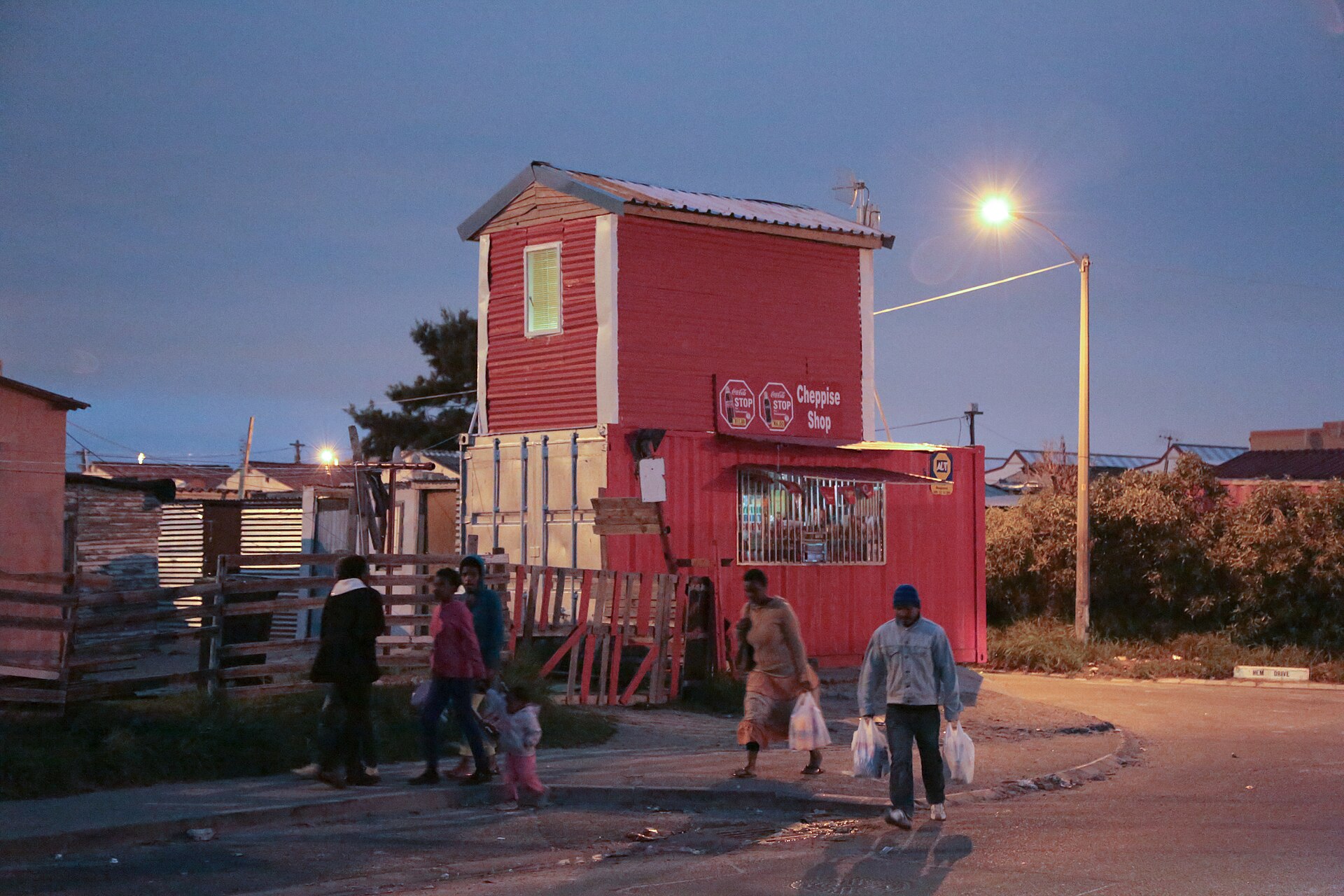
    The humble spaza shop — the corner store that keeps millions of South African households running — is getting a serious boost. Government is investing R500 million through the Spaza Shop Support Fund, and the results are already showing: 2 369 spaza shops and food-handling businesses have been approved for support so far.

    Writing for SAnews, Deputy Government Spokesperson William Baloyi described spaza shops as more than retail outlets: they are gathering points, symbols of resilience, and for many entrepreneurs a genuine pathway to financial independence and business ownership.

    From Survivalist to Sustainable

    The fund is a targeted intervention that helps locally owned spaza shops formalise their operations, meet regulatory requirements and sharpen their competitiveness — transitioning from survivalist businesses into sustainable enterprises that drive local economic growth.

    The response from entrepreneurs has been enthusiastic. To date, 4 522 complete applications have been received nationally, of which 4 240 have already been assessed. Approved businesses receive both financial and non-financial support: better stock levels, upgraded business infrastructure, stronger compliance, and training in business management, financial literacy and digital systems.

    Youth and Women First

    The programme is led by the Department of Small Business Development and the Department of Trade, Industry and Competition, and implemented through the Small Enterprise Development and Finance Agency (SEDFA) and the National Empowerment Fund (NEF).

    Importantly, the fund prioritises the entrepreneurs who need it most:

    • Young business owners between the ages of 18 and 35;
    • Women-owned enterprises; and
    • Businesses owned by persons with disabilities.

    To qualify, applicants must operate spaza shops that serve local communities in rural or township areas, and must be South African citizens. Applications are submitted through the official channels managed by the NEF and SEDFA.

    An Economy Built From the Ground Up

    Government is also working with municipalities to streamline trading permits and licensing, promote digital systems and explore conditional or temporary permits so that qualifying businesses can operate while their paperwork is finalised.

    Baloyi framed the effort as part of the broader Milestones of Freedom Campaign — a reminder that economic opportunity and the empowerment of ordinary South Africans are central to the country’s democratic journey. For thousands of township and rural entrepreneurs, that journey now comes with stock on the shelves, skills in the toolkit and a fund firmly in their corner.

    Photo: commons.wikimedia.org
  • Local Voices, Louder and Clearer: Star FM 102.9 Gets a Newly Digitised Studio in Klerksdorp

    Local Voices, Louder and Clearer: Star FM 102.9 Gets a Newly Digitised Studio in Klerksdorp

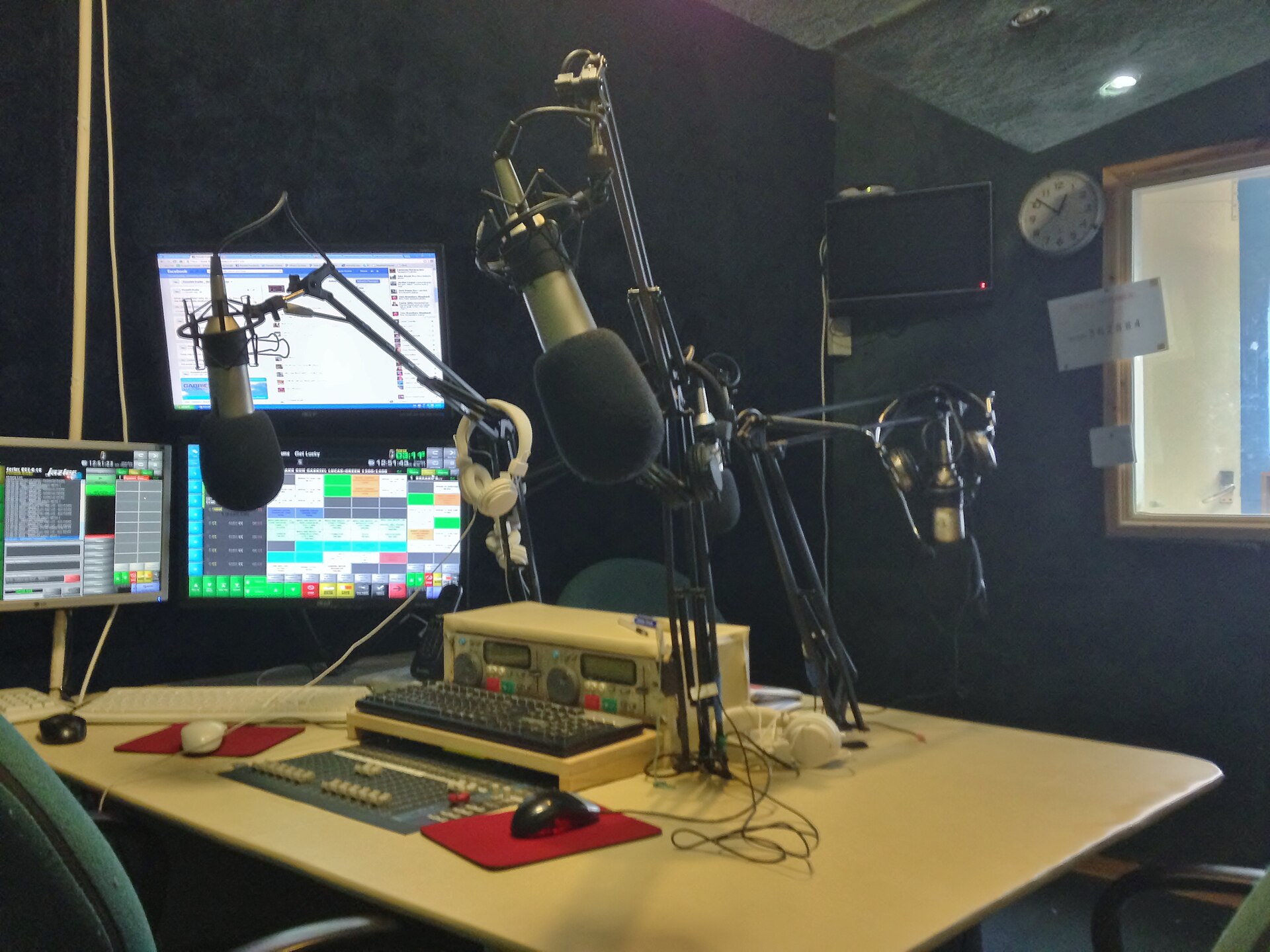
    The airwaves of the North West just got a serious upgrade. Star FM 102.9, the community radio station broadcasting from Klerksdorp, has officially taken delivery of a newly digitised broadcast studio, handed over on Friday by Deputy Minister in the Presidency Kenny Morolong together with the Media Development and Diversity Agency (MDDA).

    For the thousands of listeners who tune in across the province, the upgrade means clearer sound, modern equipment and a stronger platform for the local news, community dialogue and development-focused programming that has made the station a fixture of daily life in the region.

    An Investment in Local Voices

    Morolong said the new studio reflects a deliberate national effort to keep community media strong. “This investment reflects government’s continued commitment to strengthening community media as an essential pillar of our democracy and ensuring that every community has access to reliable, diverse and locally relevant sources of information,” he said at the handover, according to SAnews.

    What makes Star FM special is how much of the province it manages to fit into one studio. The station broadcasts in isiXhosa, Setswana, English and Afrikaans, a multilingual mix that Morolong singled out as a reflection of one of the North West’s greatest strengths: its diversity.

    “While we celebrate the completion of the upgraded facility, we are reinforcing a platform that promotes diversity, dialogue and strengthens democratic participation and ensures that local voices for our communities continue to share the conversations that matter most,” the Deputy Minister said.

    A Handover With Historic Timing

    The timing of the celebration carried extra weight. South Africa marks Women’s Month in August, and this Sunday the country celebrates the 70th anniversary of the 1956 Women’s March to the Union Buildings, one of the defining moments of the democratic journey.

    Morolong reminded those gathered that the women who marched seven decades ago still set the standard for courage. “Their call for justice, dignity and equality continues to inspire our efforts to build a society where every voice is heard,” he said.

    The Klerksdorp handover forms part of a bigger national moment. This year South Africa commemorates a remarkable set of milestones all at once:

    • 30 years since the adoption of the Constitution
    • 50 years since the 1976 Youth Uprising
    • 70 years since the 1956 Women’s March
    • 60 years since the forced removals in District Six

    Part of a Wider Rollout

    The studio launch coincides with the provincial rollout of the Milestones of Freedom campaign, launched by President Cyril Ramaphosa in June. Morolong spoke at the campaign’s provincial launch at uMfolozi TVET College in KwaZulu-Natal on Thursday before travelling to the North West for the Star FM handover, a two-province sprint that underlines how seriously the community media and heritage agenda is being taken.

    For Klerksdorp, though, the story is simpler and closer to home: a much-loved local station now has the modern digital tools to keep telling the community’s stories, in the community’s languages, for years to come. That is the kind of signal worth boosting.

    Photo: commons.wikimedia.org

  • Bulls, Kraals and Brighter Futures: North West Hands Communal Farmers the Tools to Grow

    Bulls, Kraals and Brighter Futures: North West Hands Communal Farmers the Tools to Grow

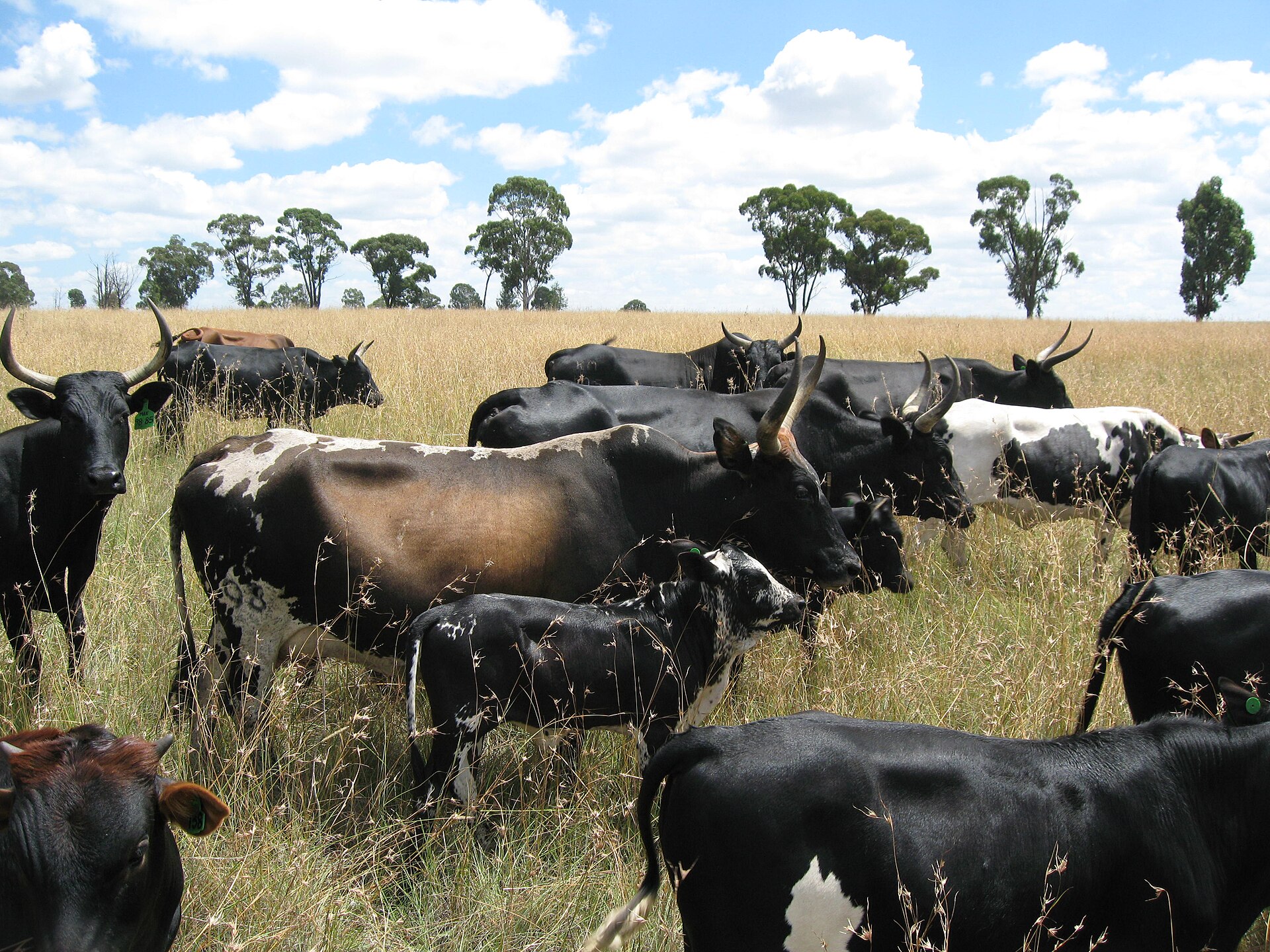
    Communal livestock farmers in the North West have received a practical, hands-on boost to their operations, with Agriculture and Rural Development MEC Madoda Sambatha handing over a new livestock handling facility and three quality breeding bulls to farmer associations in the province, SAnews reports.

    The handover, which took place on Thursday in Matlosana Local Municipality, saw the livestock handling facility go to the Vaal Reefs Livestock Farmers Association, while the three breeding bulls were presented to the Isibaya the Kraal and Umzimhle Farmers Association. The beneficiary groups are made up of communal farmers from Vaal Reefs and surrounding areas, who together manage a significant cattle herd in the region.

    Better genetics, healthier herds

    The investment is designed to lift the whole farming operation, from animal health to market value. The new handling facility will allow farmers to manage their cattle far more safely and efficiently during dipping, vaccination, branding and other routine animal health activities, while the three breeding bulls are expected to improve herd genetics — leading to increased productivity and enhanced value for livestock owned by association members.

    As part of the handover programme, cattle were also vaccinated against Foot and Mouth Disease, with all vaccinated animals tagged to improve identification, traceability and effective disease control — a practical step that protects both the farmers’ herds and the province’s broader livestock economy.

    Part of a bigger provincial push

    The provincial Department of Agriculture and Rural Development said the initiative forms part of an ongoing partnership with local farmers aimed at enhancing livestock production, improving herd quality and animal health, and promoting sustainable agricultural development. The intervention is expected to strengthen food security, boost productivity and improve the livelihoods of farming communities.

    It is one of several agricultural support initiatives recently rolled out by Sambatha across the North West, with additional projects expected to be completed in the coming months as government continues to drive the growth and sustainability of the agricultural sector.

    Addressing farmers at the ceremony, Sambatha reaffirmed government’s commitment to supporting emerging and communal farmers through practical interventions that strengthen production, enhance food security and create sustainable rural livelihoods.

    “I encouraged beneficiaries to take ownership of this facility and ensure the breeding bulls are properly managed to maximise their long-term benefits for current and future generations of livestock farmers,” he said.

    Farmers welcome the support

    The beneficiaries welcomed the department’s support and expressed gratitude for interventions that speak directly to the challenges local farmers face. They said the investment will play a vital role in improving farming operations, increasing productivity and sustaining household incomes.

    The department said the handover is expected to improve herd quality across the area, contributing to a more competitive, productive and sustainable livestock sector — proof that well-targeted support, delivered directly into farmers’ hands, can change the trajectory of rural communities for generations.

    Photo: commons.wikimedia.org

  • Seeds, Skills and Solidarity: Marikana’s New Food Gardens Turn Mandela Month Into Lasting Change

    Seeds, Skills and Solidarity: Marikana’s New Food Gardens Turn Mandela Month Into Lasting Change

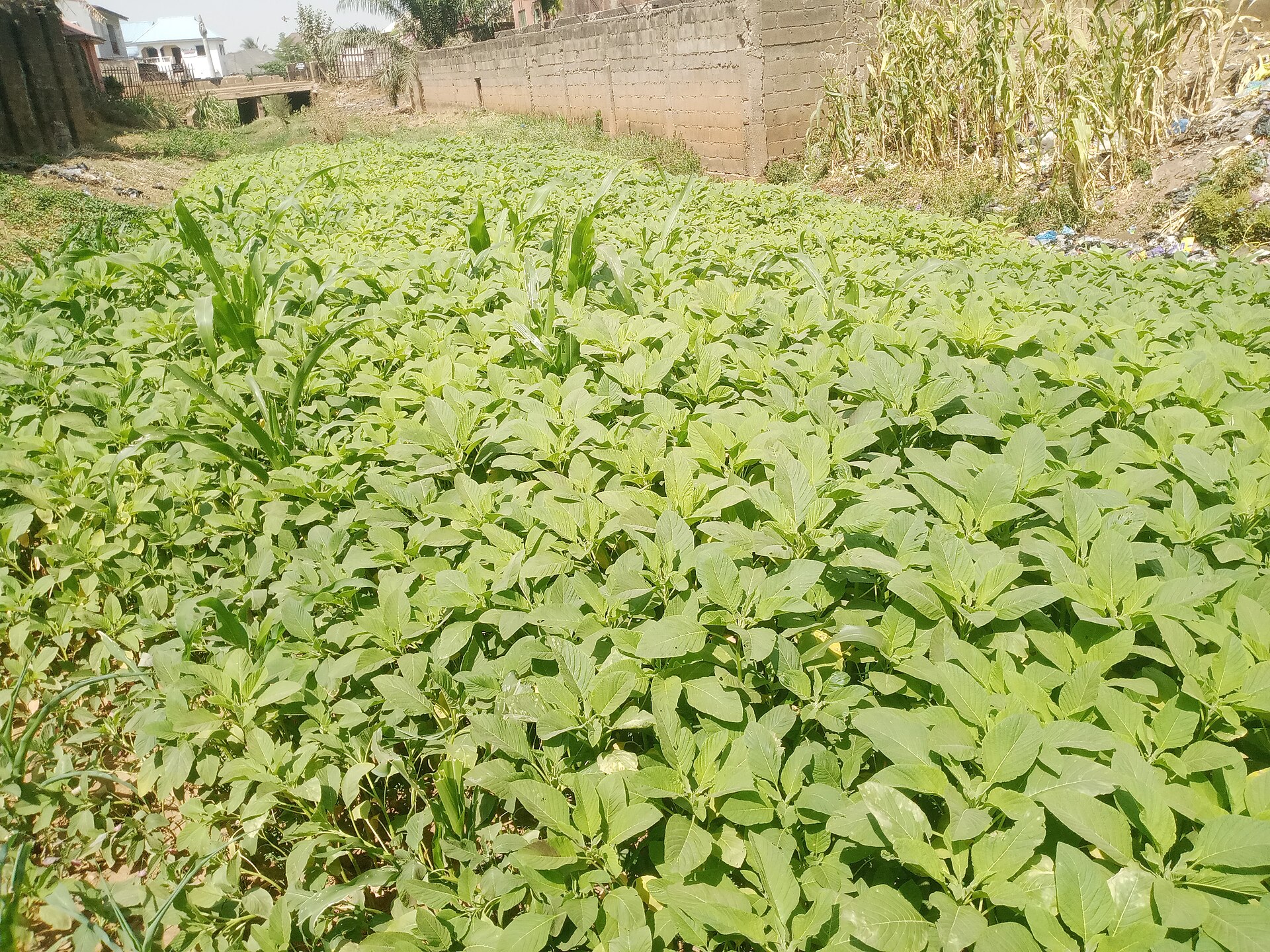
    As Mandela Month draws to a close, the people of Marikana in the North West have received a gift that will keep giving long after July ends: a food garden initiative designed to put fresh, nutritious food on household tables and money in community pockets.

    The programme, reported by SAnews, is a partnership between the North West Department of Agriculture and Rural Development, mining company Sibanye-Stillwater and the Mineworkers Development Agency (MDA), and it has already equipped 150 beneficiaries with gardening tools, seeds, seedlings and other production inputs — backed by ongoing technical support from the department’s extension officers.

    Working the soil side by side

    What set the launch apart was the way it was done. Rather than simply handing over equipment, North West Agriculture and Rural Development MEC Madoda Sambatha, officials from the MDA and Sibanye-Stillwater rolled up their sleeves and spent the day working alongside beneficiaries, sharing practical skills to help the gardens thrive for years to come.

    “The aim is to empower families, schools and communities to produce food for themselves,” Sambatha told beneficiaries. “Beyond household consumption, surplus produce can be sold to generate an income and improve livelihoods.”

    Food gardens were also established at local schools and in community backyard gardens, where learners and residents received hands-on training in sustainable food production and garden maintenance.

    Schools reaping the rewards

    At Marikana II Primary School, Principal Dikgang Andrew Phuza welcomed the boost for the school’s own garden.

    “These contributions will strengthen our food garden and help us continue supporting our learners through improved food production. We are grateful for this investment in our school and community.”

    Sibanye-Stillwater’s Executive Vice President for Stakeholder Relations, Thabisile Phumo, described the project as the start of something bigger. “This is the beginning of building resilient communities that are able to grow and provide food for themselves,” she said. “Through partnerships such as these, we can make a meaningful contribution to food security and sustainable development.”

    Ubuntu in action

    The initiative forms part of the province’s Mandela Month programme, honouring the legacy of former President Nelson Mandela by helping communities take practical steps towards sustainable livelihoods. The MDA and Sibanye-Stillwater have laid the foundation with vital infrastructure and equipment, giving beneficiaries room to expand their projects over time.

    Sambatha said the province is eager to widen the net. “We are encouraged by the support of partners such as Sibanye-Stillwater and the Mineworkers Development Agency. Together, we can reach more communities and establish more food gardens that will not only feed families but also create opportunities,” he said.

    It is a simple formula — seeds, skills and solidarity — and in Marikana it is already taking root.

    Photo: commons.wikimedia.org

  • Home Ground, Restored: Ncora Community to Receive Its Title Deed in a Landmark Restitution Handover

    Home Ground, Restored: Ncora Community to Receive Its Title Deed in a Landmark Restitution Handover

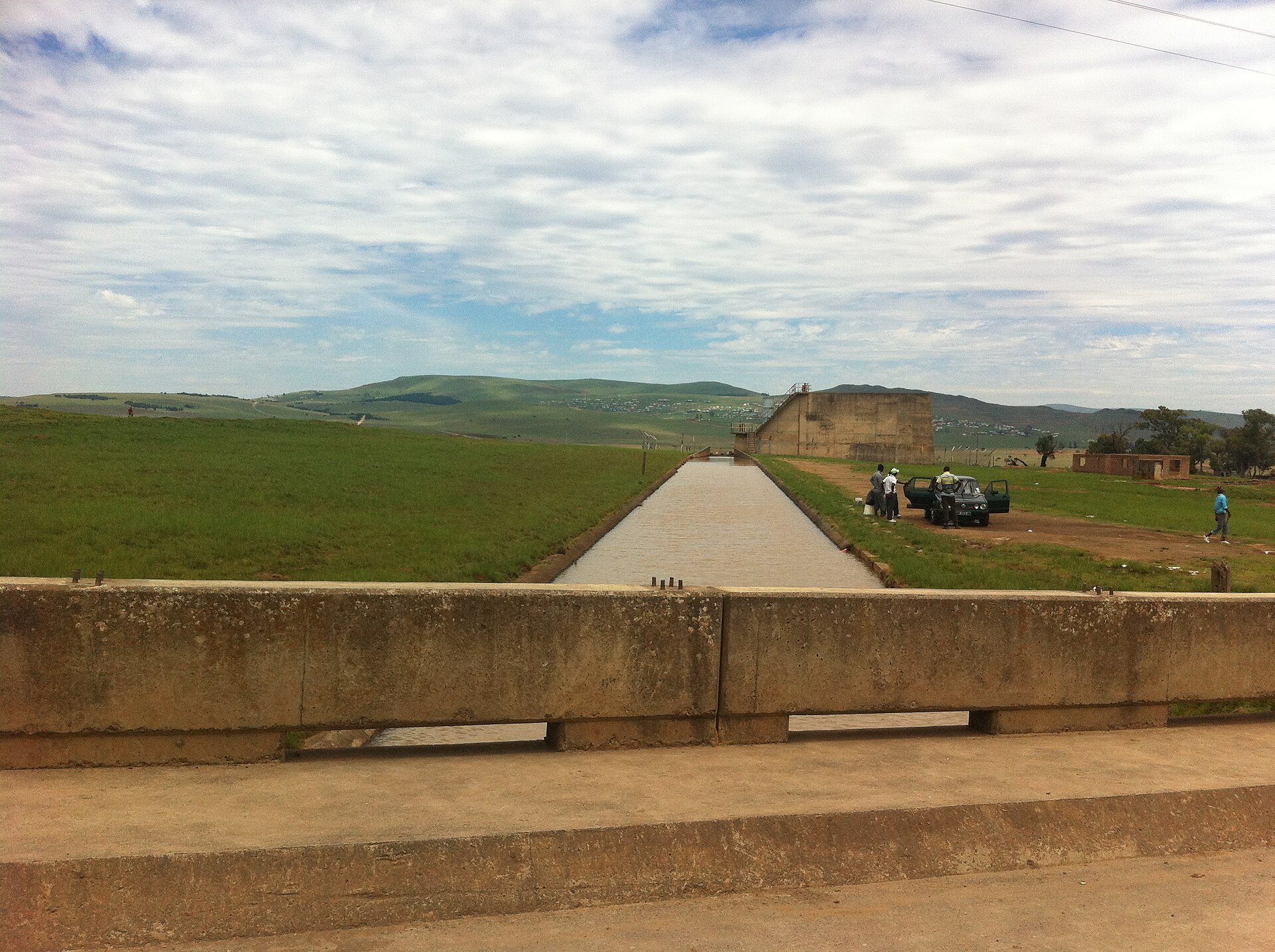
    Generations of waiting come to a joyful end in the Eastern Cape this week. The Ncora community in Cofimvaba is set to regain full ownership of its land when government hands over a title deed on Friday, 31 July 2026 — a landmark moment in the restoration of land rights.

    Land Reform and Rural Development Minister Mzwanele Nyhontso will officially hand over the title deed to the community within the Intsika Yethu Local Municipality, at a ceremony to be held at the Ncora Irrigation Scheme itself.

    Righting a Historic Wrong

    The story of Ncora’s land is one shared by many South African communities. According to the Department of Land Reform and Rural Development, the community’s land rights were reduced under the old Betterment Policy to a mere “Permission to Occupy” status, with dispossession taking place in phases during 1964 and 1972 under the Native Trust and Land Act of 1936.

    When the Ncora Irrigation Scheme was constructed in 1972, villages were moved off residential and arable land, and other areas were reduced to make way for canals, dairy parlours, water pipelines, silos, factories and administration buildings.

    Now, through the Commission on Restitution of Land Rights, the department has successfully settled the community’s land claim — with the beneficiaries choosing the restoration of their land rights as their preferred form of redress. This week, that choice becomes a deed with their name on it.

    A Milestone in the Constitution’s 30th Year

    The department notes that the handover coincides with South Africa’s commemoration of the 30th anniversary of the Constitution, and reflects the values enshrined in the nation’s supreme law.

    “Rooted in the transformative vision of the Constitution, the Land Restitution Programme remains one of the South African Government’s most enduring nation-building initiatives, through the restoration of land rights and dignity to individuals and communities dispossessed under racially discriminatory laws,” the department said.

    A Community Celebration

    Friday’s ceremony promises to be a proper occasion. Minister Nyhontso will be joined by Members of the Executive Council, executive mayors, traditional leaders and senior government officials as the community gathers at the irrigation scheme that shaped so much of its history.

    For the people of Ncora, the deed is more than paper. It is recognition, dignity and security — the legal foundation on which families can build, farm and plan for generations to come. And for South Africa, it is another proof point that patient, lawful restitution can deliver real outcomes for real communities.

    The handover takes place at the Ncora Irrigation Scheme in Cofimvaba on 31 July 2026, according to SAnews.

    Photo: commons.wikimedia.org

  • Sixty-Seven Minutes and So Much More: Mandela Month Puts Ubuntu to Work Across South Africa

    Sixty-Seven Minutes and So Much More: Mandela Month Puts Ubuntu to Work Across South Africa

    What would Madiba do? As Mandela Month unfolds this July, South Africans are answering that question in kitchens, classrooms and community halls across the country – and government programmes are giving young people practical ways to turn ubuntu into opportunity.

    Writing for the South African Government News Agency, Neo Semono reflects that 18 July marked what would have been President Nelson Mandela’s 108th birthday, and that the day – and the month around it – are, at their core, about caring for one another.

    The spirit of the borrowed cup of sugar

    Many South Africans, Semono writes, were raised on borrowed cups of sugar and flour from neighbours, taken in after school when parents were still at work, in an overall culture of sharing what little there was. Mandela Month is a call to keep that inheritance alive.

    “What counts in life is not the mere fact that we have lived. It is what difference we have made to the lives of others that will determine the significance of the life we lead,” Madiba said in May 2002.

    The famous 67 minutes of service – one for each year Mandela devoted to the quest for justice and freedom – can take many forms: painting an orphanage, cooking for the elderly, buying groceries for a child-headed household, or simply sharing a meal with someone who seldom gets visitors. And it need not be a once-off affair; 67 minutes can spark a lifelong friendship or teach a skill that gets passed on.

    Opportunity as an act of nation-building

    The caring extends beyond individual good deeds. A series of government initiatives is connecting young South Africans to real earning opportunities:

    • The Presidential Youth Employment Intervention secured 155 161 new opportunities during the fourth quarter of the 2025/26 financial year;
    • The SA Youth.mobi recruitment platform now has more than 5.7 million young people registered, connecting job seekers with potential employers;
    • The Department of Employment and Labour’s May 2026 Budget Vote announced a R350 million government and business partnership aimed at placing 130 000 young people into learning and employment opportunities;
    • The National Youth Development Agency’s grant programme offers young entrepreneurs both financial and non-financial business development support;
    • The Expanded Public Works Programme deliberately uses public expenditure on goods and services to create work opportunities.

    Government also continues to provide social grants and free basic services for the most vulnerable, an expression of the same principle of care.

    A call to action for every South African

    Cabinet has called on South Africans to dedicate their time and efforts during Mandela Month to help build a South Africa that works for all. Nelson Mandela Day and Month, Semono writes, are a call to reflect on Tata Madiba’s values of nation-building, social cohesion and reconciliation, and to use them to contribute meaningfully to society.

    The guiding principle is ubuntu – I am because you are. “A fundamental concern for others in our individual and community lives would go a long way in making the world the better place we so passionately dreamt of,” Mandela once said. Time spent in the service of others, this Mandela Month reminds us, is never wasted.

    The full reflection was published by SAnews.

    Photo: commons.wikimedia.org

  • Baked in eThekwini: Container Bakeries Rise to 220 Permanent Jobs in Township Communities

    Baked in eThekwini: Container Bakeries Rise to 220 Permanent Jobs in Township Communities

    More than 220 people now go to work every day because of a municipal programme that turns shipping containers into fully equipped township bakeries. The eThekwini Municipality’s Community Container Bakeries Programme has created upwards of 220 permanent jobs since its launch in 2019, transforming small home-based baking operations into sustainable businesses across Durban’s townships and rural communities.

    The initiative provides qualifying co-operatives with container bakeries complete with baking equipment, operational support and training. The goal is simple and powerful: stimulate entrepreneurship, create lasting employment and improve food security where it is needed most.

    R28 Million Invested, 30 Bakeries Delivered

    Since inception, the municipality has invested approximately R28 million in the programme, delivering more than 30 bakery infrastructure projects across the city. Beyond the 222 permanent jobs created within participating co-operatives, the construction and installation of the facilities has generated roughly 300 temporary jobs for local residents, covering earthworks, concrete slab construction, plumbing, painting and other trades.

    In the 2025/26 financial year alone, six container bakeries were completed in Newlands West, uMlazi D Section, Welbedacht, Magabheni, Hammarsdale and Shongweni. The momentum continues: three more are planned for KwaNyuswa, Dassenhoek and Inanda in 2026/27.

    From a Household Stove to 900 Loaves a Day

    The programme’s spirit is best captured by the Bread Army Bakery Co-operative in Zwelibomvu, west of Durban. What began as a two-person operation using a household stove has grown into a thriving enterprise employing seven full-time staff since its container bakery opened in March 2025.

    “When we started, there were just two of us using a household stove. Today, we employ seven people and supply bread and other baked goods across our community,” said co-operative member Khaya Nyawo. “We now want to expand into other areas and create even more employment opportunities.”

    The municipality equipped the Zwelibomvu bakery with an industrial oven capable of producing up to 900 loaves of bread a day, along with a proofer, dough mixer, cake mixer, bread slicer, refrigeration equipment, worktables, storage facilities and a 5 000-litre water tank. The city also provided R25 000 worth of baking ingredients, water services and a three-phase electricity connection so the co-operative could begin trading immediately.

    Investing in Small Business, Delivering Lasting Hope

    Thembo Ntuli, chairperson of the city’s Economic Development and Planning Committee, said the results speak for themselves.

    “This programme continues to demonstrate that investing in small businesses creates sustainable livelihoods, strengthens township economies, addresses unemployment and delivers lasting hope to communities across eThekwini,” Ntuli said.

    For township entrepreneurs like Nyawo, the smell of fresh bread each morning is now also the smell of opportunity — proof that well-targeted municipal investment can rise, quite literally, into jobs, dignity and daily nourishment for entire communities.

    Reporting based on information from SAnews.gov.za.

    Photo: commons.wikimedia.org

  • Forests in Community Hands: Seven State Plantations Transferred to Nqadu Communities in the Eastern Cape

    Forests in Community Hands: Seven State Plantations Transferred to Nqadu Communities in the Eastern Cape

    Communities in the Nqadu area of the Eastern Cape have taken a historic step into the heart of South Africa’s forestry economy, with the Department of Forestry, Fisheries and the Environment (DFFE) handing over the management of seven state plantations to beneficiary communities – and four more transfers on the way this financial year.

    The announcement was made by Deputy Minister of Forestry, Fisheries and the Environment Bernice Swarts at the Nqadu Great Place, during an event focused on nature-based carbon dioxide removal and rural development initiatives.

    From beneficiaries to business owners

    To ensure the communities thrive as plantation managers, the department is facilitating partnerships between beneficiary communities and strategic forestry companies. These partnerships will bring investment, technical expertise, skills transfer and access to markets.

    “We anticipate concluding these partnerships before the end of this financial year. One of the government’s priorities is to ensure that communities become meaningful participants in the forestry economy,” Swarts said.

    “However, the transfer of plantations alone is not enough. Communities must also receive the technical, financial and business support required to operate commercially viable forestry enterprises,” she added.

    A growing green frontier in the Eastern Cape

    The Deputy Minister said the Eastern Cape remains one of South Africa’s priority provinces for forestry expansion, with more than 100 000 hectares identified as having afforestation potential, subject to technical assessments, market availability and strategic partnerships.

    “Working together with the Kingdom, we have an opportunity to identify suitable land within the Nqadu area and bring it into production, subject to the necessary assessments,” Swarts said. “Such investment has the potential to create employment during plantation establishment and, over time, support downstream industries such as timber processing, furniture manufacturing and biomass energy.”

    That means the benefits will not stop at the plantation gate: from sawmills to furniture workshops to renewable biomass energy, whole new value chains could take root in rural communities.

    Two thousand trees for the Nqadu Kingdom

    In a gesture that pairs climate action with community upliftment, Swarts announced that the DFFE will donate 2 000 indigenous and fruit trees to the Nqadu Kingdom as part of government’s efforts to mitigate the effects of climate change. The first 750 indigenous trees were delivered this week, with the remaining 1 250 fruit trees to follow by 15 August 2026.

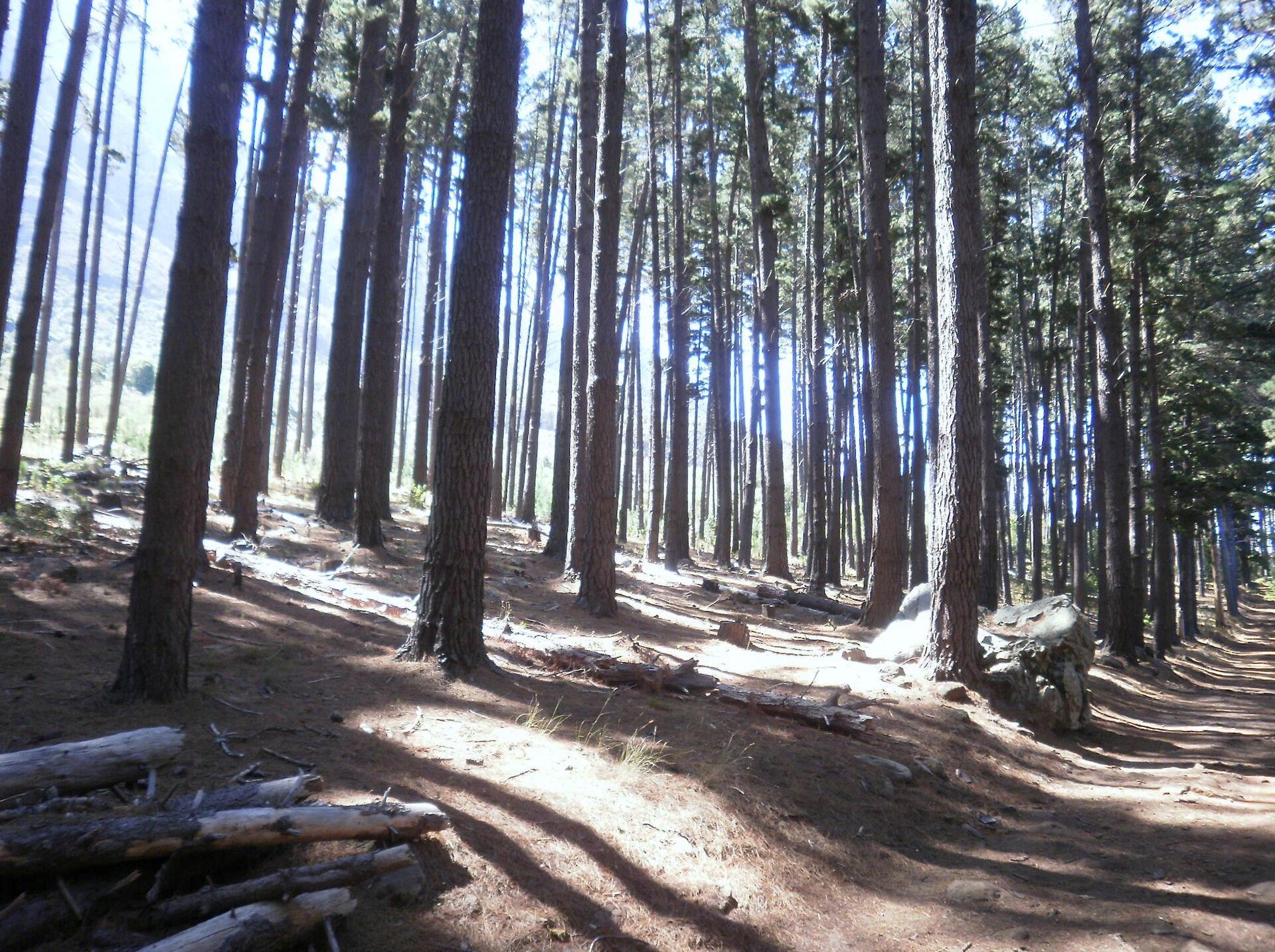
    The donation forms part of the National Greening Programme, which President Cyril Ramaphosa has directed the department to implement. Under the Presidential One Billion Trees Programme, South Africans from all walks of life will be mobilised to plant one billion trees within five years.

    It is a picture of what rural development can look like when communities hold the reins: real assets in local hands, partnerships that build skills and open markets, and a greener landscape for the generations to come. The full story is available from SAnews.

    Photo: commons.wikimedia.org

  • Rivers of Renewal: Clear Rivers Campaign Launches on the Apies as Citizens Take Up Water Stewardship

    Rivers of Renewal: Clear Rivers Campaign Launches on the Apies as Citizens Take Up Water Stewardship

    On the banks of the Apies River in Pretoria North, government officials, schoolchildren, corporate partners and community volunteers rolled up their sleeves together this week as Water and Sanitation Deputy Minister Dr Jack Bloom launched the 2026 Clear Rivers Campaign – a nationwide call for South Africans to become custodians of the country’s precious freshwater resources.

    Held during Mandela Month under the theme “South Africa is a water-scarce country – Clean up and protect our water resources”, Monday’s launch united national, provincial and local government, State-owned entities, environmental organisations, schools, the private sector and volunteers in a shared mission: restoring one of Gauteng’s hardest-working rivers.

    67 Minutes for Our Rivers

    The campaign encourages citizens to dedicate their 67 minutes of Mandela Day service to cleaning rivers, wetlands, streams, canals and dams – turning a symbolic gesture into a practical gift for future generations.

    “Our rivers are the lifeblood of our communities, our economy and our ecosystems,” Bloom said in his keynote address. “Their protection cannot be left to government alone. Every South African has a responsibility to prevent pollution, report illegal dumping and become an active custodian of our water resources.”

    Citizen Science on the Riverbank

    Acting Deputy Director-General for Water Resources Management, Dr Moloko Matlala, described the Apies as a historically significant river that continues to support communities, biodiversity and local livelihoods. He encouraged residents to join the department’s Adopt-a-River Programme, which trains citizens to monitor river health through initiatives like the mini Stream Assessment Scoring System (miniSASS) – putting real science in the hands of ordinary people and building community ownership of river care.

    The event also celebrated those already doing the work. The Environmental Warriors, led by citizen scientist Noloyiso Mbiza, have been running regular clean-ups along the Apies River since 2023, proving that sustained local action can shift the fortunes of a river.

    The Next Generation Leads

    One of the day’s highlights came from its youngest speaker: a nine-year-old learner from Laerskool Akasia, representing the Environmental Warriors, who urged fellow young people to become environmental ambassadors and reminded the crowd that protecting rivers begins with individual responsibility.

    Representatives from Plastics SA, Rand Water, the Trans-Caledon Tunnel Authority, the City of Tshwane and other partners reaffirmed their commitment to deeper collaboration on river conservation, environmental education and responsible waste management – before joining the Deputy Minister, officials and community members for a hands-on clean-up along the riverbank.

    From a nine-year-old ambassador to seasoned citizen scientists, the message from the Apies was unmistakable: South Africa’s rivers have friends in every generation, and the movement to restore them is growing stronger by the year.

    Photo: commons.wikimedia.org