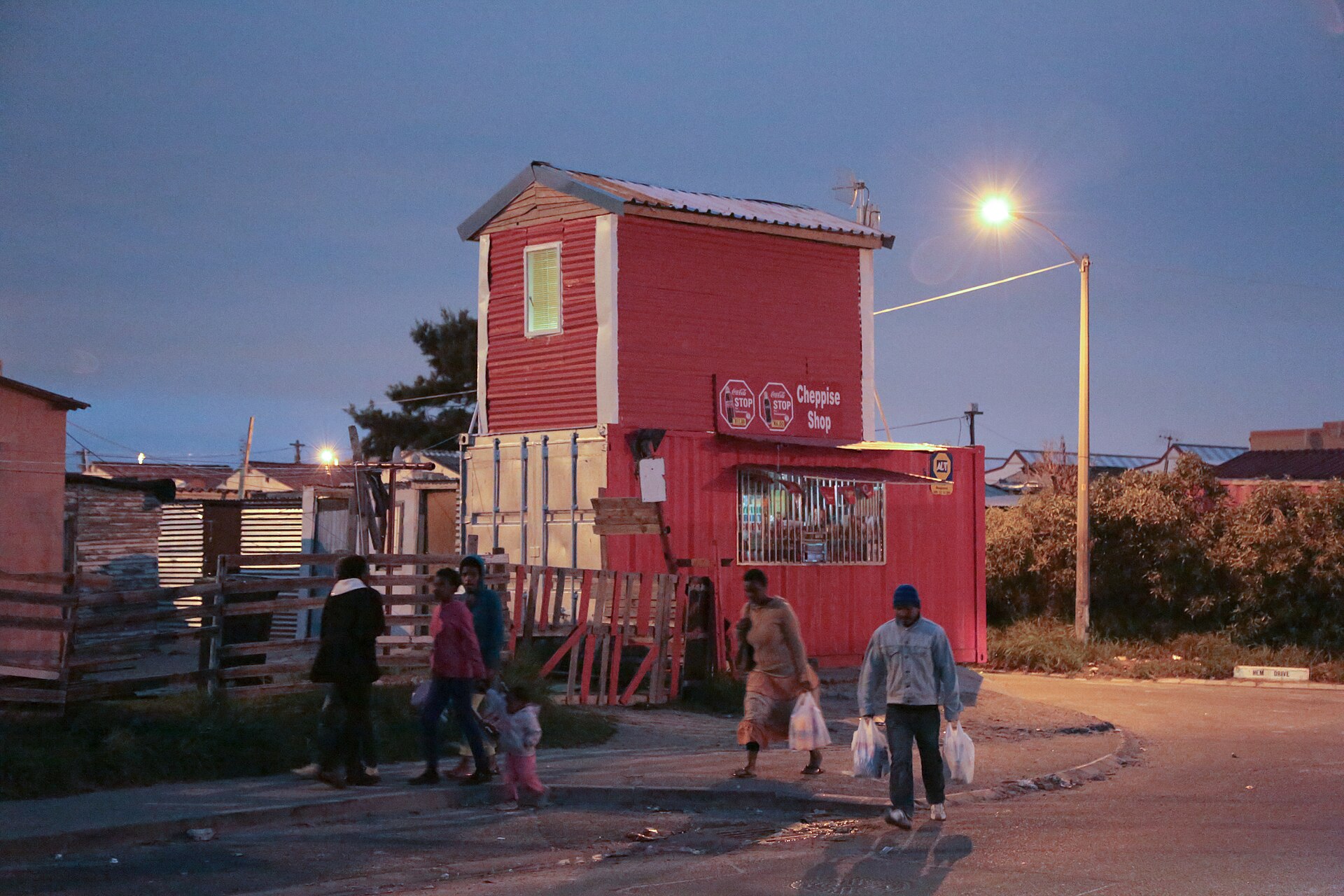
The humble spaza shop — the corner store that keeps millions of South African households running — is getting a serious boost. Government is investing R500 million through the Spaza Shop Support Fund, and the results are already showing: 2 369 spaza shops and food-handling businesses have been approved for support so far.
Writing for SAnews, Deputy Government Spokesperson William Baloyi described spaza shops as more than retail outlets: they are gathering points, symbols of resilience, and for many entrepreneurs a genuine pathway to financial independence and business ownership.
From Survivalist to Sustainable
The fund is a targeted intervention that helps locally owned spaza shops formalise their operations, meet regulatory requirements and sharpen their competitiveness — transitioning from survivalist businesses into sustainable enterprises that drive local economic growth.
The response from entrepreneurs has been enthusiastic. To date, 4 522 complete applications have been received nationally, of which 4 240 have already been assessed. Approved businesses receive both financial and non-financial support: better stock levels, upgraded business infrastructure, stronger compliance, and training in business management, financial literacy and digital systems.
Youth and Women First
The programme is led by the Department of Small Business Development and the Department of Trade, Industry and Competition, and implemented through the Small Enterprise Development and Finance Agency (SEDFA) and the National Empowerment Fund (NEF).
Importantly, the fund prioritises the entrepreneurs who need it most:
- Young business owners between the ages of 18 and 35;
- Women-owned enterprises; and
- Businesses owned by persons with disabilities.
To qualify, applicants must operate spaza shops that serve local communities in rural or township areas, and must be South African citizens. Applications are submitted through the official channels managed by the NEF and SEDFA.
An Economy Built From the Ground Up
Government is also working with municipalities to streamline trading permits and licensing, promote digital systems and explore conditional or temporary permits so that qualifying businesses can operate while their paperwork is finalised.
Baloyi framed the effort as part of the broader Milestones of Freedom Campaign — a reminder that economic opportunity and the empowerment of ordinary South Africans are central to the country’s democratic journey. For thousands of township and rural entrepreneurs, that journey now comes with stock on the shelves, skills in the toolkit and a fund firmly in their corner.
Photo: commons.wikimedia.org










Leave a Reply