Good News · All Nine Provinces

Independent · Local · Forward-looking

Mzansi News Online

Uniting SA Through Good News

Category: Community

  • Thirty Years on Air: Radio Mafisa Goes Digital With R2 Million Studio Upgrade

    Thirty Years on Air: Radio Mafisa Goes Digital With R2 Million Studio Upgrade

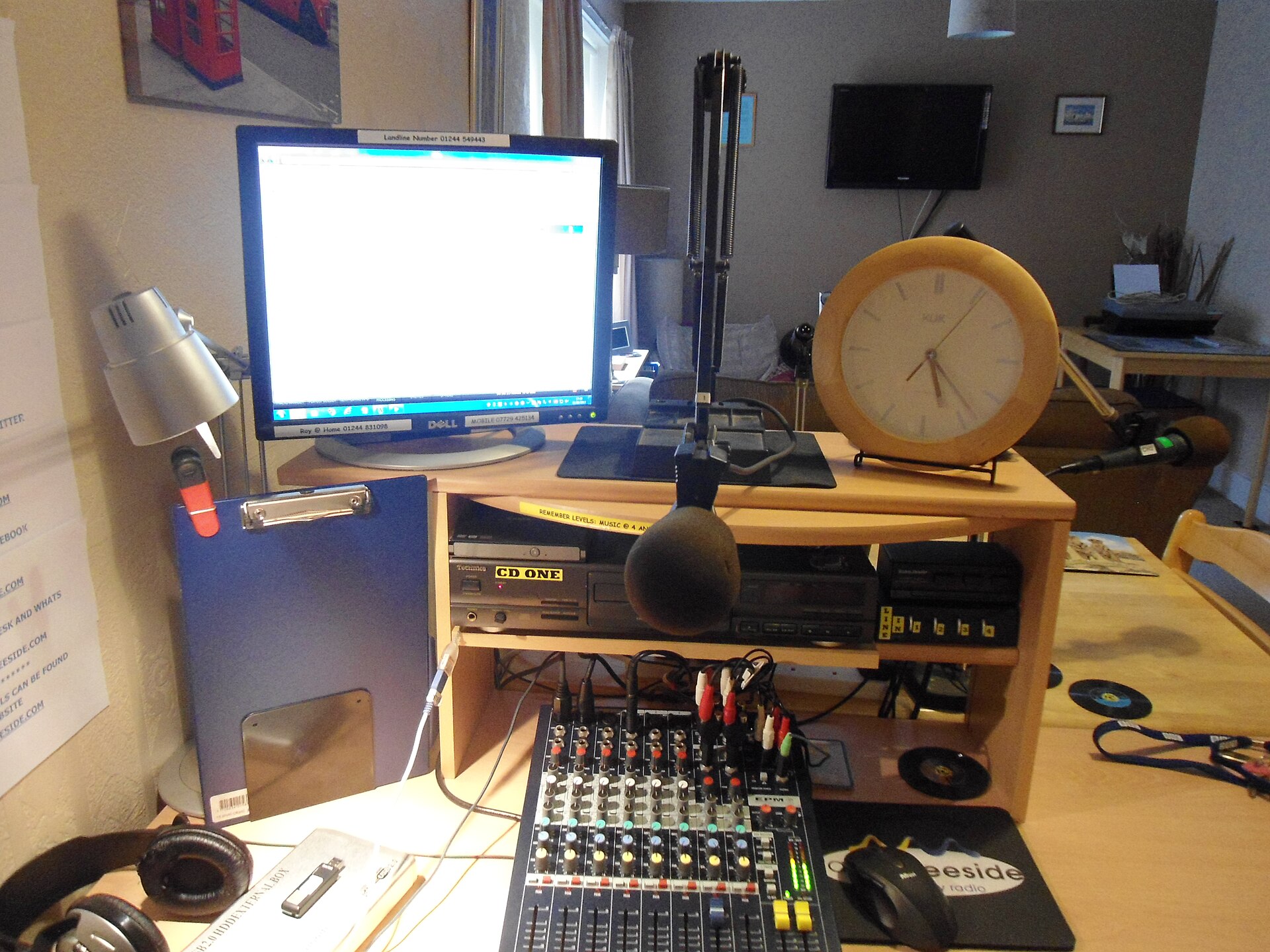
    In the heart of the Rustenburg platinum belt, a local institution has just been given a new lease on life. Radio Mafisa, the North West community station that has broadcast on 93.4 FM for three decades, officially received upgraded, fully digital broadcasting facilities on Friday, funded by the Media Development and Diversity Agency (MDDA) at a cost of R2 million.

    Handing over the new studios, Deputy Minister in the Presidency Kenny Morolong described community radio as “one of the great democratic success stories” of the last three decades, SAnews reports.

    The Voice of Phokeng, Marikana and Beyond

    Radio Mafisa serves communities including Phokeng, Boitekong, Marikana, Mogwase and Tlhabane, and has grown into far more than a broadcaster over its 30 years.

    “Stations such as Radio Mafisa have helped turn the values of our Constitution into lived realities by connecting citizens to information, public services and one another,” Morolong said, noting that the station’s 30th anniversary coincides with the 30th anniversary of the Constitution itself.

    “Thirty years of community broadcasting is an achievement that reflects resilience, dedication and a deep commitment to serving the public interest,” he said, congratulating the station’s board, management, staff, volunteers and listeners.

    A Sector 300 Stations Strong

    Morolong reminded guests how far the country’s airwaves have come. The democratic government’s three-tier broadcasting system of community, commercial and public broadcasting has seen more than 300 community broadcasters licensed around the country, giving even the most remote communities a voice and helping preserve local languages and culture.

    MDDA board member Jayshree Pather said the agency was proud of the investment. “We are excited to have helped Radio Mafisa go digital. This has ensured that the station is modern,” Pather said, adding that the MDDA plans to fund more community stations across the country.

    Morolong also looked ahead, noting that with local government elections approaching, community stations will once again provide accessible platforms for voter education, public debate and credible information, helping citizens make informed decisions while countering misinformation. He encouraged stronger partnerships between community broadcasters, municipalities, the private sector, mining companies, civil society and local businesses, so that stations contribute to local economic development, skills development and social cohesion as well as communication.

    A Trusted Companion

    Rustenburg Executive Mayor Shiella Mabale-Huma praised the station’s role in keeping communities informed and providing educational programming, while local resident Tshwarelo Mogapi summed up what Radio Mafisa means on the ground.

    “The station caters to both the old and the young. What I like about the station is that I rely on it for government news,” Mogapi told SAnews.

    With modern digital studios now in place, the station that has been a trusted companion to thousands of listeners is set up for its next 30 years on air.

    Photo: commons.wikimedia.org
  • A Boost for Local Voices: MDDA Opens 2026/27 Grant Funding for Community Media

    A Boost for Local Voices: MDDA Opens 2026/27 Grant Funding for Community Media

    South Africa’s community newspapers, radio stations and digital news platforms have a fresh shot at financial support. The Media Development and Diversity Agency (MDDA) has opened its 2026/27 Annual Call for Grant Funding Applications, inviting eligible community media organisations across the country to apply.

    The funding call forms part of the agency’s ongoing work to transform South Africa’s media landscape and strengthen the community media sector, SAnews reports. Applications opened on 3 July 2026 and close on 31 July 2026.

    Indigenous languages first

    In line with its mandate, the MDDA says priority will be given to publications in indigenous languages that serve rural and historically marginalised communities – a move that promotes equitable access to information and genuine media diversity.

    “As part of the MDDA mandate, priority will be given to publications in indigenous languages that serve rural and historically marginalised communities, further promoting equitable access to information and media diversity,” the agency said.

    The grants are aimed at supporting a diverse, inclusive and sustainable community media environment – the local titles and stations that tell the stories big newsrooms often miss, in the languages their audiences actually speak.

    How to apply

    The MDDA has published budget and business plan templates on its website to help applicants prepare strong submissions. Key requirements include:

    • A certified copy of the organisation’s registration documents;
    • A valid tax clearance certificate or tax PIN;
    • Audited or reviewed financial statements for existing organisations;
    • An affidavit confirming independence from commercial media groups, political parties and government;
    • A completed budget and a business plan with three-year financial projections, using the MDDA templates;
    • A sample of the media product (or a URL for digital publications) plus web analytics covering six months to a year;
    • CVs of key personnel (up to four) and a B-BBEE certificate.

    Applicants are urged to review the guidelines carefully and submit all supporting documents before the closing date. Anyone experiencing challenges on the website can email margaret@mdda.org.za for assistance, and full details are available at the MDDA funding page.

    Why it matters

    Community media is where South Africans hear their own names, their own streets and their own languages on air and in print. Every grant that keeps a community paper printing or a local station broadcasting is an investment in informed, connected communities – and this month, the door is open.

    Photo: commons.wikimedia.org

  • ‘Leadership Begins With the Choices You Make Every Day’: Eastern Cape Students Honour Madiba

    ‘Leadership Begins With the Choices You Make Every Day’: Eastern Cape Students Honour Madiba

    As South Africa gears up for Nelson Mandela International Day this Saturday, students in the Eastern Cape received a powerful reminder that Madiba’s greatest legacy is not found in monuments – it lives in the everyday choices of ordinary people.

    Speaking at the Nelson Mandela Day Student Leadership and Dialogue and Services event on Wednesday, Deputy Minister in the Presidency Nonceba Mhlauli said the life of former President Nelson Mandela was about purpose, and about ensuring that every South African – regardless of race, gender or background – had the opportunity to live with dignity and hope.

    “For many people, Nelson Mandela is remembered as our first democratically elected President. Others remember him as a global icon of peace and reconciliation. I would like us to remember him as someone who believed in people. He believed in the potential of young people. He believed in the transformative power of education,” Mhlauli said.

    Leadership without a title

    Mhlauli challenged the students to rethink what leadership means. People often think of presidents, ministers, CEOs or principals, she said – but real leadership starts much closer to home.

    “Leadership does not begin when someone gives you a title. It begins with how you treat the people around you. It begins with whether you choose to lift others up or leave them behind,” she said.

    True campus leadership, she added, is not about popularity: “It is about earning the trust of those you represent. Leadership is not measured by how many people know your name. It is measured by how many lives are better because you chose to serve. Madiba understood this better than anyone.”

    Unity over division

    The Deputy Minister reminded students that even after 27 years in prison, Mandela emerged committed to reconciliation instead of revenge, choosing unity over division and dialogue over conflict.

    Every assignment completed with integrity, every innovative idea, every community project and every fellow student encouraged, she said, contributes to building the South Africa we all want.

    Campuses that build leaders

    Mhlauli described the country’s universities and colleges as more than places where qualifications are earned – they are spaces where values are shaped, confidence is built and future leaders discover what they stand for.

    “Our country needs leaders who are not only intelligent, but ethical. Leaders who are not only ambitious, but compassionate. Leaders who are not only successful but committed to serving others,” she said.

    It is a message that captures the spirit of Mandela Month – and a timely call to action as millions of South Africans prepare to give their 67 minutes for Madiba this weekend. The Deputy Minister’s remarks were reported by SAnews.gov.za.

    Photo: commons.wikimedia.org

  • Farmers Cash In as Kirkwood Agricultural Show Draws Strong Eastern Cape Support

    Farmers Cash In as Kirkwood Agricultural Show Draws Strong Eastern Cape Support

    The dusty showgrounds of Kirkwood came alive this week as farmers from across the Eastern Cape turned the province’s Agricultural Show into a bustling marketplace, selling their produce directly to the public and walking away with new customers, new contacts and fuller pockets.

    Eastern Cape Agriculture MEC Nonceba Kontsiwe welcomed the strong public support at the show, held in the Sarah Baartman District, where farmers successfully marketed and sold their produce. Addressing attendees at the Phindile Madama Qekeni Multipurpose Hall on Monday, she said the event proved the growing value of agricultural shows as platforms that connect farmers with consumers and create real economic opportunities.

    More Than a Showcase

    “These shows are not meant to be places where farmers only showcase their produce; they must also serve as hubs of economic activity,” Kontsiwe told the crowd. “They have long provided a platform for celebrating excellence in farming while promoting market access for smallholder farmers.”

    The provincial Department of Agriculture reintroduced the shows last year, drawing farmers from the Amathole, Chris Hani, Sarah Baartman and OR Tambo District Municipalities to present their produce to buyers, agricultural experts and other stakeholders.

    According to the department, the gatherings have evolved from traditional competitive events into vibrant marketplaces that connect farmers directly with potential buyers, financial institutions and agribusiness stakeholders. Participants across the agricultural value chain use the platform to exhibit products, services, funding opportunities and innovations, while farmers network and pick up valuable industry information.

    Farmers Feeling the Difference

    For the farmers on the ground, the benefits are tangible. Farmer Sanelisiwe Phangelele said the initiative had opened doors that were previously hard to reach.

    “We are very delighted as farmers to have platforms like these, where we are able to sell our produce. This show has brought exciting opportunities for farmers in terms of markets and gaining more knowledge about our products. We need to continue with these shows so that we can improve our produce, learn from others and have access to the markets,” Phangelele said.

    Coming to a District Near You

    The good news for the rest of the province is that Kirkwood is only the beginning. Kontsiwe confirmed that the department will keep rolling out the reimagined agricultural show model across all district municipalities, with an even stronger focus on improving market access and fostering commercial opportunities for farmers.

    The quarterly shows are expected to bridge the gap between production and markets, empower farmers, stimulate rural economies and contribute meaningfully to the growth of the Eastern Cape’s agricultural value chain.

    It is a simple recipe that is clearly working: bring the farmers, bring the buyers, and let the province’s rich soil do the talking. Details of the show were reported by SAnews.

    Photo: commons.wikimedia.org

  • Mandela Month 2026: A Nation Rolls Up Its Sleeves to Combat Poverty and Inequity

    Mandela Month 2026: A Nation Rolls Up Its Sleeves to Combat Poverty and Inequity

    Every July, South Africa transforms into a living monument to the values Nelson Mandela embodied — compassion, service, dignity and the belief that ordinary people can change the world. In 2026, Mandela Month carries added urgency and beauty, with thousands of South Africans rolling up their sleeves under the theme “It’s Still in Our Hands to Combat Poverty and Inequity.”

    Nelson Mandela International Day on 18 July 2026 anchors a full month of community action, with schools, businesses, charities, scouting organisations and faith communities each finding their own way to contribute. The call is to donate at least 67 minutes of service — one minute for each year Madiba dedicated to the service of humanity — though many South Africans far exceed that.

    Feeding Communities, Nourishing Hope

    FoodForward SA will host Mandela Day Packing Events on Friday, 17 July 2026 in Johannesburg, Cape Town and Durban, bringing volunteers together to pack food parcels for distribution through beneficiary organisations across the country. It is one of the most visible expressions of the Mandela Month spirit — hundreds of people working side by side to fill boxes that will reach families who need them most.

    Ladles of Love is mobilising the nation to support the nutrition and education of 20,000 small children at preschools in impoverished communities. Their Mandela Month campaign focuses on ensuring that the youngest and most vulnerable South Africans start their lives with the nourishment they need to learn and grow.

    Giving Blood, Giving Life

    The South African National Blood Service (SANBS) is using Mandela Month to call on eligible South Africans to donate blood. SANBS requires approximately 3,000 units of blood daily to maintain supply for patients in hospitals across the country. Giving blood is one of the most direct and immediate acts of service any South African can perform, and Mandela Month creates a powerful national moment to answer that call.

    Donation drives are being organised at venues across Gauteng and other provinces, making it easier than ever to participate. A single donation can save up to three lives.

    Scouts, Schools and the Spirit of Ubuntu

    South African Scouts are embracing Mandela Month as an opportunity to put their values into action. From community clean-ups and care packages for elderly residents to environmental projects and ‘Jars of Hope’ filled with donated goods, scouting groups across the country are finding creative and meaningful ways to serve.

    The Johannesburg Dream Center and many faith-based organisations are also running winter support projects, collecting warm clothing, blankets and non-perishable food items for families facing the cold months ahead.

    Across all these efforts runs the thread of ubuntu — the philosophy that reminds South Africans: I am because we are. Nelson Mandela understood that changing the world starts not with grand gestures, but with a neighbour helping a neighbour, a stranger offering a hand, a community refusing to look away. In July 2026, that spirit is very much alive.

    Photo: commons.wikimedia.org

  • From Khayelitsha With Love: ‘Mama Vivian’ Gets a Tractor to Feed Thousands

    From Khayelitsha With Love: ‘Mama Vivian’ Gets a Tractor to Feed Thousands

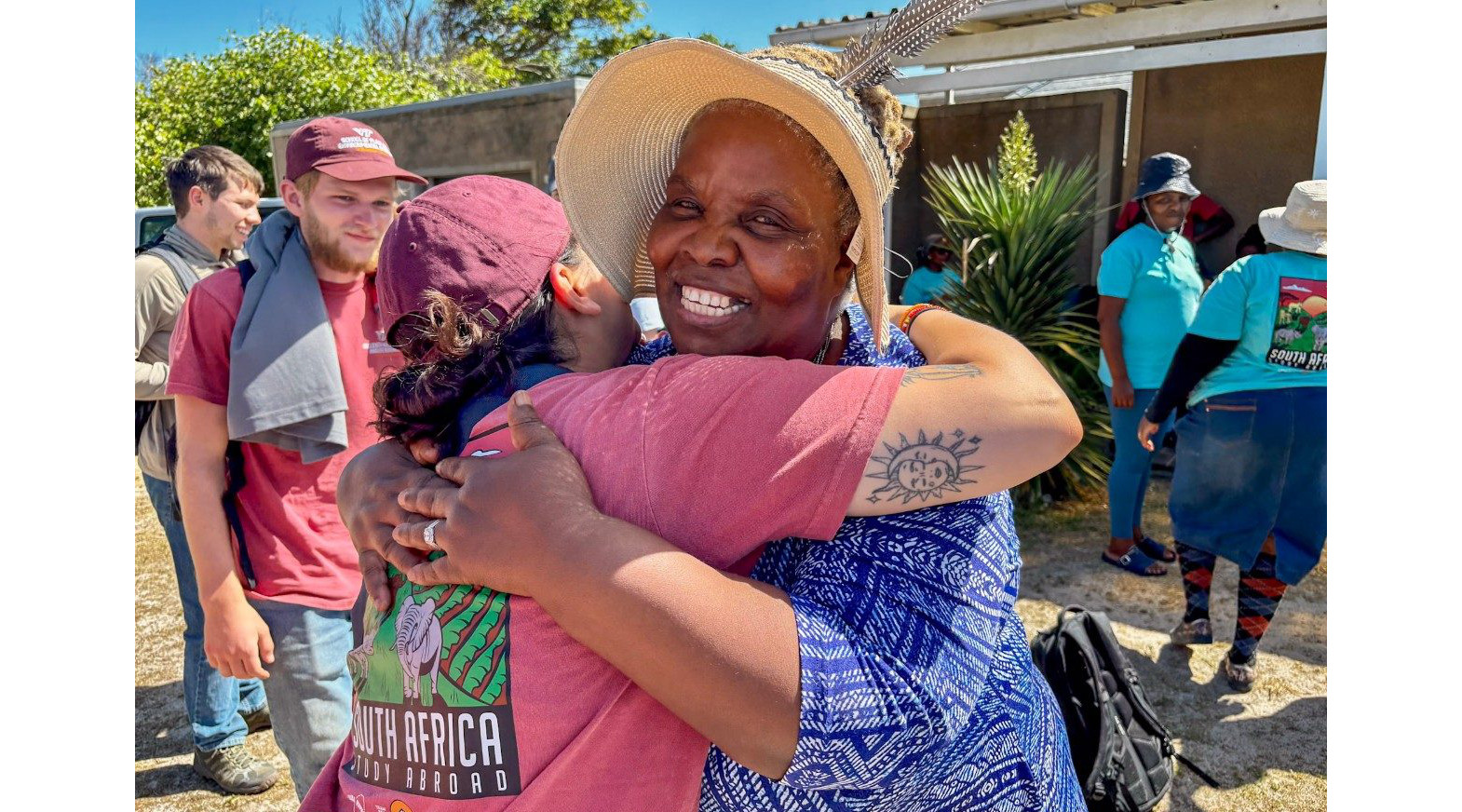
    A bright red tractor is the newest tool in the fight against hunger in Khayelitsha, after community leader Vivian “Mama Vivian” Zilo-Ncana received the machine from supporters at Virginia Tech in the United States. The donation, the result of two years of fundraising by students, faculty and alumni, is set to boost a farm that already helps feed schoolchildren and thousands of residents near Cape Town.

    The gift marks a milestone for a programme that has grown from a grassroots nutrition effort into a substantial food security operation serving one of South Africa’s largest townships.

    A mission rooted in 2004

    Mama Vivian founded the Iliso Care Society, a nonprofit nutrition programme, in Khayelitsha in 2004. Since then, her work has centred on making sure local children and families have enough to eat.

    That mission expanded significantly in 2023, when the government granted her roughly 75 acres of land to grow food for the surrounding communities. The farm has become a lifeline in an area home to roughly 400,000 residents.

    Today, the produce grown on that land supports three daily meals for local schoolchildren. The surplus is shared even more widely, supplying food to around 3,800 residents a week.

    Two years of fundraising pays off

    The red tractor arrived in 2026 as the culmination of a sustained effort by the Virginia Tech community. Students, faculty and alumni raised the funds over two years to make the donation possible.

    For a farm operating at this scale, the value of a tractor is hard to overstate. Mechanised equipment can dramatically increase how much land a small team can cultivate, helping Mama Vivian’s farm produce more food for the children and families who depend on it.

    Strengthening a cross-continental partnership

    The donation reflects a relationship that links Khayelitsha with supporters thousands of kilometres away, built on a shared commitment to food security. The fundraising effort grew out of ties between the Virginia Tech community and Mama Vivian’s work on the ground in South Africa.

    With the new tractor in her fields, Mama Vivian is positioned to expand the reach of a programme that began two decades ago and has steadily grown to nourish thousands. The machine stands as a practical investment in the daily meals that local schoolchildren and residents rely on.

    From a single nutrition programme launched in 2004 to a 75-acre farm feeding a township, the story of the Iliso Care Society shows how local determination and outside support can combine to put food on the table for those who need it most.

    Photo: morningagclips.com