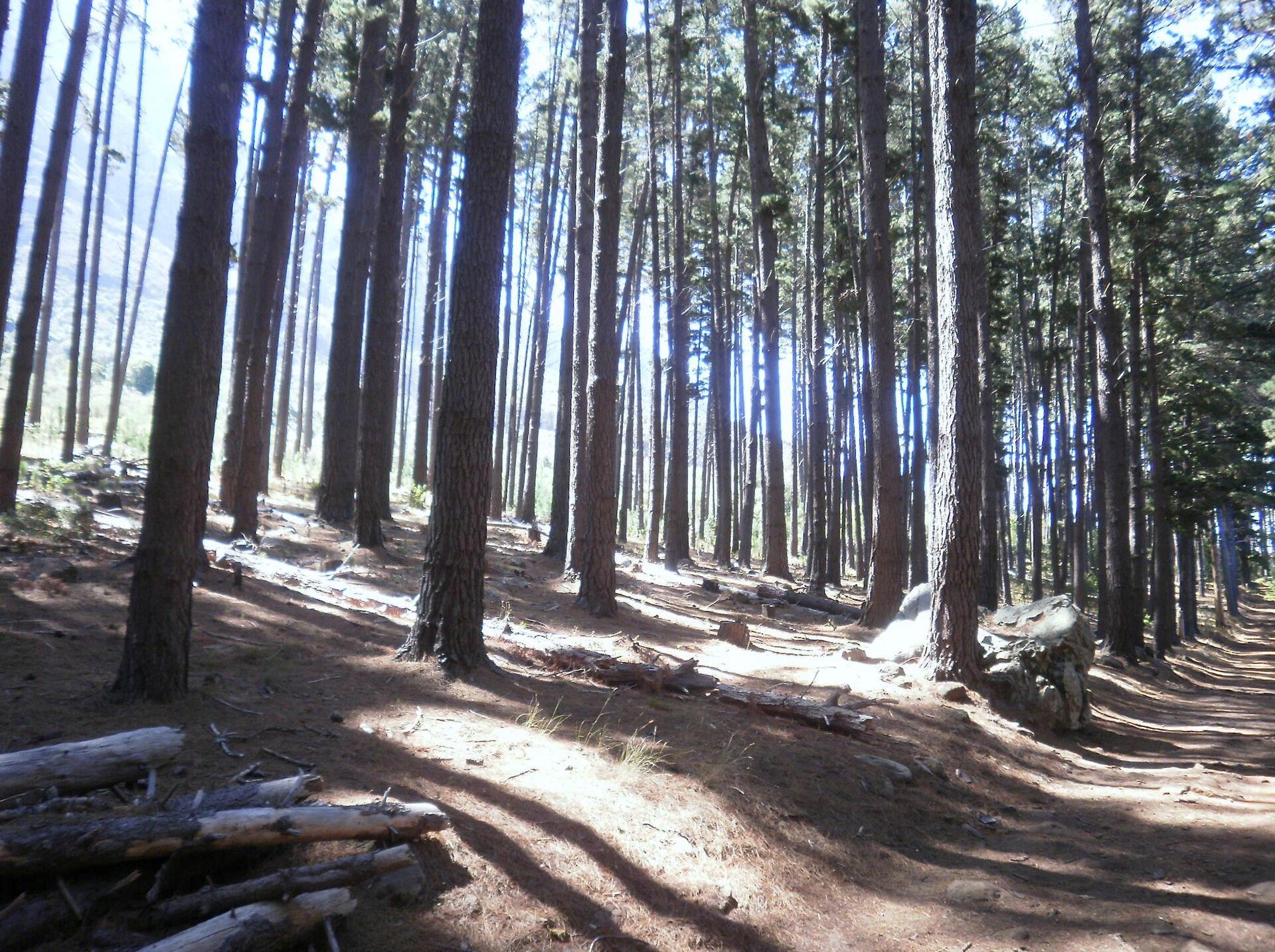
Communities in the Nqadu area of the Eastern Cape have taken a historic step into the heart of South Africa’s forestry economy, with the Department of Forestry, Fisheries and the Environment (DFFE) handing over the management of seven state plantations to beneficiary communities – and four more transfers on the way this financial year.
The announcement was made by Deputy Minister of Forestry, Fisheries and the Environment Bernice Swarts at the Nqadu Great Place, during an event focused on nature-based carbon dioxide removal and rural development initiatives.
From beneficiaries to business owners
To ensure the communities thrive as plantation managers, the department is facilitating partnerships between beneficiary communities and strategic forestry companies. These partnerships will bring investment, technical expertise, skills transfer and access to markets.
“We anticipate concluding these partnerships before the end of this financial year. One of the government’s priorities is to ensure that communities become meaningful participants in the forestry economy,” Swarts said.
“However, the transfer of plantations alone is not enough. Communities must also receive the technical, financial and business support required to operate commercially viable forestry enterprises,” she added.
A growing green frontier in the Eastern Cape
The Deputy Minister said the Eastern Cape remains one of South Africa’s priority provinces for forestry expansion, with more than 100 000 hectares identified as having afforestation potential, subject to technical assessments, market availability and strategic partnerships.
“Working together with the Kingdom, we have an opportunity to identify suitable land within the Nqadu area and bring it into production, subject to the necessary assessments,” Swarts said. “Such investment has the potential to create employment during plantation establishment and, over time, support downstream industries such as timber processing, furniture manufacturing and biomass energy.”
That means the benefits will not stop at the plantation gate: from sawmills to furniture workshops to renewable biomass energy, whole new value chains could take root in rural communities.
Two thousand trees for the Nqadu Kingdom
In a gesture that pairs climate action with community upliftment, Swarts announced that the DFFE will donate 2 000 indigenous and fruit trees to the Nqadu Kingdom as part of government’s efforts to mitigate the effects of climate change. The first 750 indigenous trees were delivered this week, with the remaining 1 250 fruit trees to follow by 15 August 2026.
The donation forms part of the National Greening Programme, which President Cyril Ramaphosa has directed the department to implement. Under the Presidential One Billion Trees Programme, South Africans from all walks of life will be mobilised to plant one billion trees within five years.
It is a picture of what rural development can look like when communities hold the reins: real assets in local hands, partnerships that build skills and open markets, and a greener landscape for the generations to come. The full story is available from SAnews.
Photo: commons.wikimedia.org








Leave a Reply