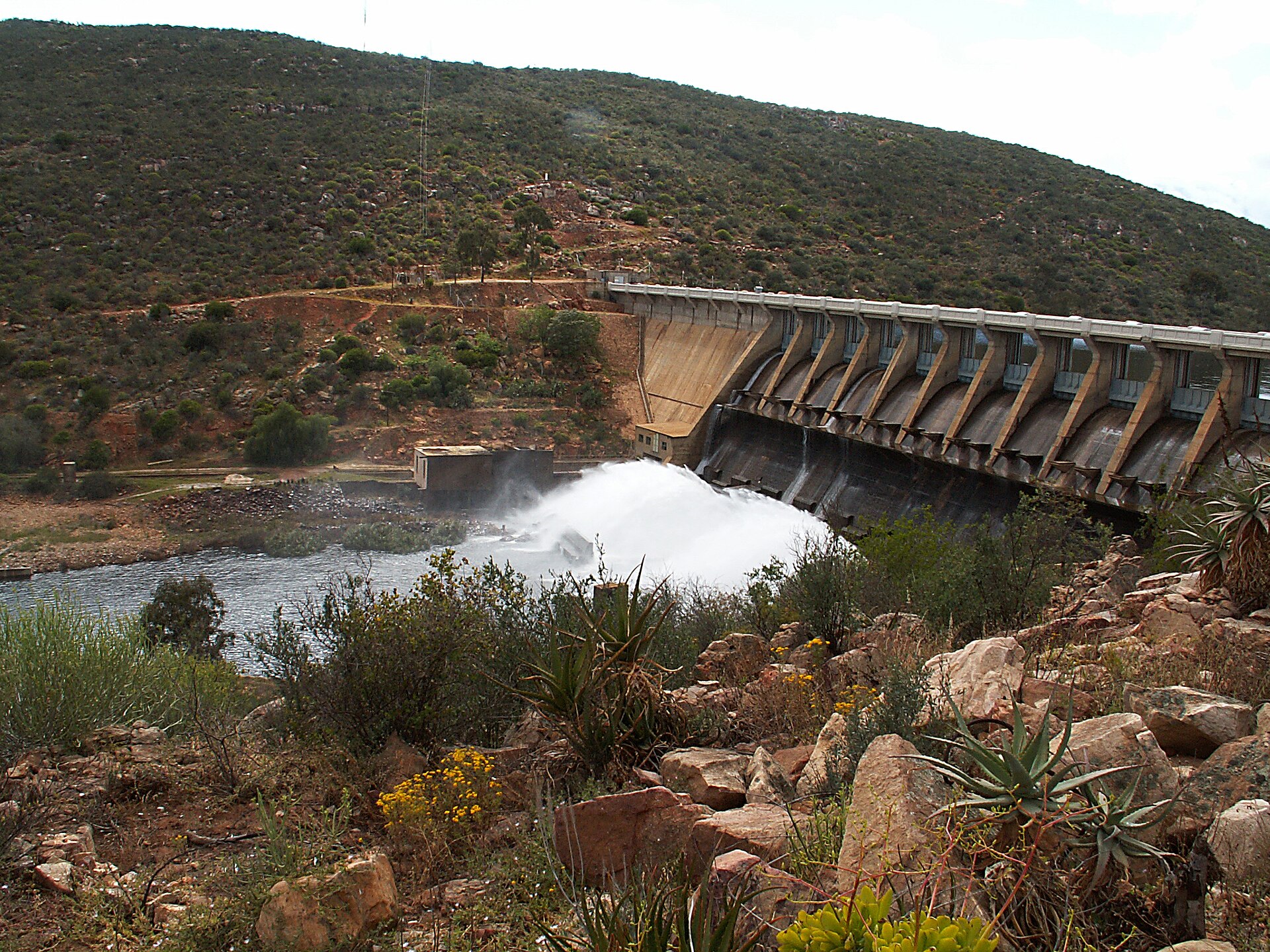
One of South Africa’s flagship water infrastructure projects is making steady, visible progress. Deputy Minister of Water and Sanitation David Mahlobo has commended the teams behind the R8 billion Raising of the Clanwilliam Dam Wall Project in the Cederberg Local Municipality, Western Cape, after a site inspection confirmed that several critical phases are now complete, SAnews reports.
During his visit on Wednesday, Mahlobo assessed construction progress and engaged with contractors and local stakeholders, including water users affected by the project.
Milestones Already in the Bag
The Deputy Minister praised the completion of key phases, including the emergency construction of the upstream coffer dam at the dam’s intake tower, the lower spillway section, and preparatory work for the new dam wall. Among the progress markers:
- Demolition of certain parts of the old dam wall has been completed;
- Drilling and grouting of the new wall’s foundation are at an advanced stage;
- Concrete placement for the new wall has reached 21 998 cubic metres;
- Construction of the lower spillway was completed in May this year.
Longer-term milestones, including the installation of spillway pipes and gallery construction, are expected to begin in November 2026. Excavation of the tunnel and intake tower is scheduled for completion by June 2027, with the overall project on track to be finished in 2028.
Homegrown Skills Driving the Build
Mahlobo highlighted that the project is being delivered largely by South African hands.
“I am very pleased because it is not an easy thing, but the team that is working here is very experienced… It is an advantage that there is capacity within the State to do these kinds of major infrastructure projects… mostly South African entities and companies,” he said.
He assured stakeholders, including the Clanwilliam Water Users Association and the Lower Olifants River Water User Association, that the project remains on schedule, and called for continued cooperation between communities, the department and the provincial government until completion.
What It Means for the West Coast
Once complete, the dam wall will be raised by 13 metres, increasing storage capacity by approximately 82 million cubic metres of water. The additional storage will improve the reliability of water supplies for irrigation, domestic consumption and regional economic development along the West Coast, benefiting local farmers, households and historically disadvantaged farmers in particular.
The raised wall will also improve compliance with dam safety standards during high flood conditions and help maintain the ecological requirements of the Olifants River, proof that big infrastructure and environmental care can move forward together.
Photo: commons.wikimedia.org







Leave a Reply