Good News · All Nine Provinces

Independent · Local · Forward-looking

Mzansi News Online

Uniting SA Through Good News

Category: Health

  • Two Injections a Year to Stay HIV-Free: South Africa Readies Rollout of Game-Changing Lenacapavir

    Two Injections a Year to Stay HIV-Free: South Africa Readies Rollout of Game-Changing Lenacapavir

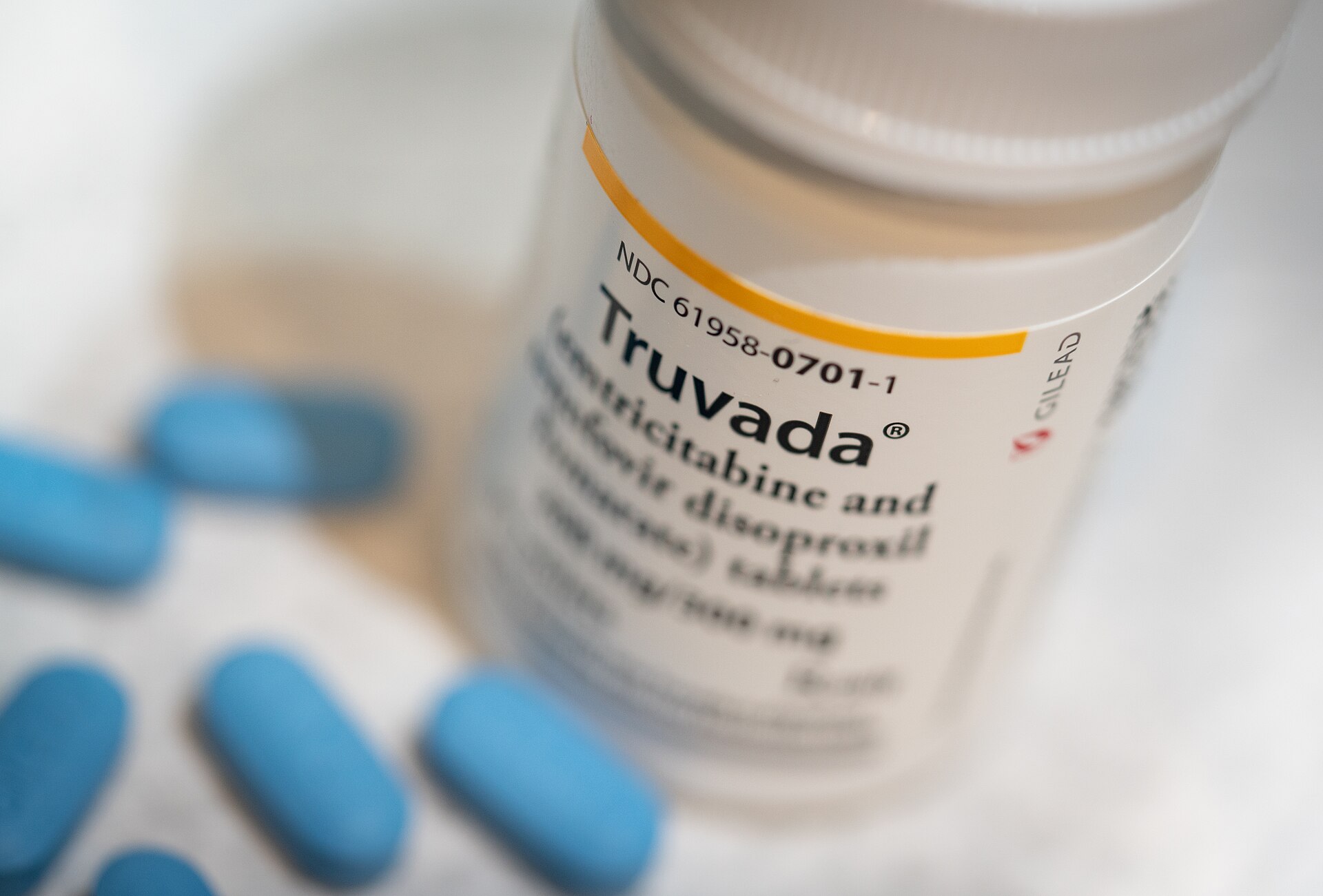
    Imagine staying protected against HIV with just two injections a year. That prospect is now firmly on South Africa’s horizon: the first batch of 37 920 doses of lenacapavir, a long-acting HIV prevention injectable described by the Department of Health as a game changer, arrived in the country in early April, and preparations for a carefully targeted rollout are under way, SAnews reports.

    Six months of protection per dose

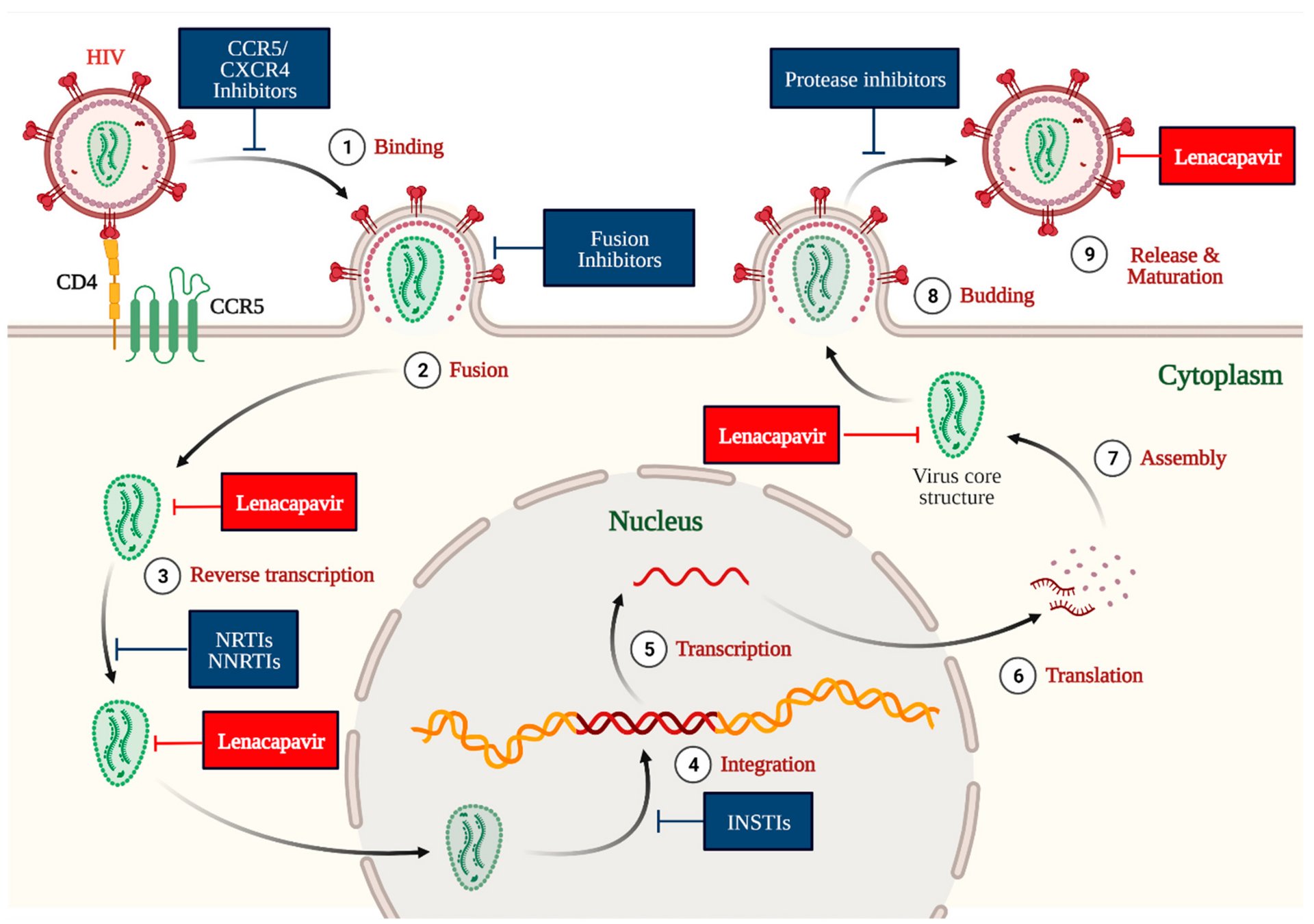
    Lenacapavir is a new long-acting antiretroviral — an HIV-1 capsid inhibitor used for pre-exposure prophylaxis (PrEP). Administered by injection twice a year, each dose offers six months of continuous protection, a welcome alternative to daily pills or two-monthly injections.

    That matters because adherence has long been the Achilles heel of oral PrEP. Many users struggle to take a pill every single day because of stigma, pill fatigue or life circumstances. A discreet, six-monthly injection removes many of those barriers at a stroke — offering greater convenience and likely far better adherence.

    Remarkable trial results

    The evidence behind the injectable is striking. In the multi-centre, double-blind PURPOSE clinical trials, the Department of Health noted, lenacapavir showed 100 percent efficacy among women within the study period in one trial, and around 96 percent efficacy in another involving men who have sex with men and transgender women.

    On the strength of that evidence, the World Health Organisation issued new guidelines recommending lenacapavir as an additional HIV prevention choice. The WHO also noted the injectable need not be discontinued during pregnancy and breastfeeding for HIV-negative women at high risk of exposure.

    The South African Health Products Regulatory Authority registered the medicine in October 2025. It is indicated for HIV-negative adults and adolescents weighing at least 35 kilograms who are at risk of HIV, used alongside safer sex practices.

    A data-driven rollout

    The department plans to introduce lenacapavir in about 23 high-incidence districts across six provinces, targeting around 360 high-performing public clinics in the first phase. The rollout will prioritise pregnant and breastfeeding women, adolescent girls and young women, female sex workers and men who have sex with men — the groups where prevention can achieve the greatest impact.

    “To reach our goal of ending AIDS as a public health threat and achieve the UNAIDS target of 95% of people at risk having access to prevention options, we must continually improve and expand our prevention toolkit,” Health Minister Dr Aaron Motsoaledi said.

    With doses in the country and clinics being readied, South Africa is positioning itself at the front of one of the most significant HIV prevention advances in years — new hope, delivered twice a year.

    Photo: commons.wikimedia.org

  • Back on the Menu: Saldanha Bay Mussels and Oysters Declared Safe to Harvest Again

    Back on the Menu: Saldanha Bay Mussels and Oysters Declared Safe to Harvest Again

    There is good news from the West Coast: mussels and oysters from Saldanha Bay’s monitored production areas are once again safe to harvest, market and enjoy, the Department of Forestry, Fisheries and the Environment has confirmed.

    The department announced this week that paralytic shellfish toxin levels in mussels and oysters from monitored production areas in the Saldanha Bay Aquaculture Development Zone have dropped below the regulatory safety limits for human consumption.

    Science giving the all-clear

    The green light did not come from guesswork. It is the product of a continuous, science-based monitoring effort that tracks toxin levels in shellfish from the bay’s approved production areas.

    According to the department, the latest monitoring results confirmed that shellfish from these approved areas are within safe levels and may be harvested, marketed and consumed, provided they remain compliant with the official shellfish monitoring and control programme.

    That programme is implemented in line with both local and international standards – the same rigorous framework that allows South African shellfish to be sold with confidence at home and abroad.

    Why Saldanha Bay matters

    Saldanha Bay is the heart of South Africa’s shellfish farming industry. The Aquaculture Development Zone on the Western Cape’s West Coast is home to producers who grow mussels and oysters in the bay’s nutrient-rich waters, supporting jobs and livelihoods in the region and putting proudly South African seafood on tables across the country.

    Paralytic shellfish toxins occur naturally during certain algal blooms, which is precisely why a standing monitoring programme exists. When levels rise, harvesting from affected areas is paused; when the science shows the water and the shellfish are safe again, the industry can get back to work. This week’s announcement is that system working exactly as designed.

    Watchful eyes stay on the water

    The department emphasised that vigilance continues even as the all-clear is given. It said it will continue to monitor toxin levels and issue further advice should conditions change.

    For consumers, the guidance is simple and reassuring:

    • Shellfish from the monitored, approved production areas in the Saldanha Bay Aquaculture Development Zone are safe to eat.
    • The official monitoring and control programme remains in place and continues to test regularly.
    • Any change in conditions will be communicated publicly by the department.

    For the farmers, workers and restaurants that depend on the bay’s harvest, the announcement, first reported by SAnews, means business can flow again – and for seafood lovers, it means the West Coast’s famous mussels and oysters are back on the menu with the full backing of the scientists who watch over them.

    Photo: commons.wikimedia.org

  • Science for Cleaner Skies: SAMRC and Environment Department Join Forces on Air Quality and Health

    Science for Cleaner Skies: SAMRC and Environment Department Join Forces on Air Quality and Health

    South Africa’s top medical research body and its environment department are teaming up to make the country’s air cleaner and its people healthier. The South African Medical Research Council (SAMRC) and the Department of Forestry, Fisheries and the Environment (DFFE) have signed a Memorandum of Understanding that brings environmental and health experts together to better understand and address air quality.

    In a joint statement on Sunday, reported by SAnews, the two institutions said the partnership marks an important step towards ensuring that environmental policies are informed by scientific evidence.

    What the Partnership Will Do

    Through the agreement, the SAMRC and DFFE will collaborate on:

    • Joint research and health impact assessments;
    • Evidence-based policy development;
    • Data sharing and improved air quality monitoring;
    • Early warning systems to protect communities during periods of poor air quality; and
    • Public awareness initiatives.

    By combining the DFFE’s environmental management mandate with the SAMRC’s expertise in environmental epidemiology and public health research, the partnership aims to generate evidence that supports more effective interventions and better air quality management for communities across the country.

    ‘Clean Air Is Fundamental’

    Maesela Kekana, Deputy Director-General for Climate Change and Air Quality Management at the DFFE, said the partnership reflects government’s commitment to protecting both the environment and public health.

    “Clean air is fundamental to the health and well-being of all South Africans. This partnership enables us to strengthen the scientific foundation of our air quality policies and interventions by drawing on the SAMRC’s world-class health research expertise,” Kekana said.

    SAMRC President and CEO Professor Ntobeko Ntusi — fresh from receiving an honorary doctorate from the University of Glasgow — said the agreement demonstrates the critical role of research in addressing complex societal challenges.

    “Our shared goal is to ensure that research translates into policies and actions that protect lives, reduce health inequalities, and improve quality of life for all South Africans,” Professor Ntusi said.

    A Growing Clean-Air Movement

    The agreement builds on growing momentum around air quality in South Africa, which recently hosted the Africa Clean Air Forum in Pretoria and has championed a shared air quality monitoring approach for the continent.

    As the health-focused research arm of the National Department of Health, the SAMRC’s involvement also opens the door to closer collaboration between the health and environment portfolios, strengthening the country’s response to environmental health challenges, including climate change.

    As South Africa pursues sustainable development, the partnership will help keep the health of communities at the centre of policy — and the evidence it produces promises cleaner skies and healthier lives for generations to come.

    Photo: commons.wikimedia.org

  • Two Jabs a Year: South Africa Leads the World Into a New Era of HIV Prevention With Lenacapavir

    Two Jabs a Year: South Africa Leads the World Into a New Era of HIV Prevention With Lenacapavir

    South Africa has begun introducing Lenacapavir, a long-acting injection administered just twice a year to prevent HIV infection — and the rollout confirms the country’s standing as a global leader in HIV prevention innovation.

    According to the National Department of Health, writing in SAnews, the introduction of Lenacapavir is not a stand-alone intervention but the culmination of more than a decade of strategic health system strengthening.

    Built on a Decade of Leadership

    South Africa has been one of the few countries globally to make antiretroviral-based pre-exposure prophylaxis (PrEP) available on its Essential Medicines List and integrate it into public primary healthcare.

    The department adopted a pioneering approach in 2016 when it introduced oral PrEP, and by 2021 the country had scaled it across the public health sector — at a time when many countries were still debating whether it was feasible at all. Today, more than 2.2 million South Africans have been initiated on oral PrEP through public sector programmes.

    That early investment built the platform — trained healthcare workers, supply chains, monitoring systems and community networks — that now allows South Africa to move quickly on the next generation of prevention technology.

    A Scientific Breakthrough, Made Practical

    Lenacapavir represents a major advance in HIV prevention. Unlike daily oral PrEP, it is administered as two injections every six months, offering a highly effective long-acting option that removes the burden of daily pill-taking. Clinical trials demonstrated unprecedented effectiveness in preventing HIV infection, leading to global recognition of Lenacapavir as one of the most important advances in HIV prevention in recent years.

    The department stressed that Lenacapavir is an additional choice rather than a replacement for existing methods — part of South Africa’s philosophy of informed choice and combination prevention, which recognises that different people need different options at different stages of their lives.

    Long-acting technologies are expected to be especially valuable for people who find daily prevention methods difficult to sustain, including adolescent girls and young women, and pregnant and breastfeeding women.

    Owning the Future

    The rollout reflects a balanced model of domestic ownership and catalytic international support. While development partners assisted with the early introduction, government has committed to long-term sustainability and future domestic financing as more affordable generic products become available.

    “By building on the strong foundation established through the national oral PrEP programme, South Africa is undoubtedly positioned to once again lead globally in expanding equitable access to life-saving HIV prevention technologies and accelerating progress towards ending new HIV infections,” the department said.

    For a country that has carried one of the world’s heaviest HIV burdens, the symbolism is powerful: South Africa is no longer simply fighting the epidemic — it is showing the world how to end it. Government said it will continue to mobilise resources and strengthen partnerships to support the rollout of what it calls a “game-changer” in the national response.

    Photo: commons.wikimedia.org

  • Clean Air for the Continent: Pretoria Hosts Africa Clean Air Forum as SA Champions Shared Air Quality System

    Clean Air for the Continent: Pretoria Hosts Africa Clean Air Forum as SA Champions Shared Air Quality System

    South Africa placed itself at the heart of the continent’s clean-air movement this week, as Pretoria hosted the Africa Clean Air Forum and used the platform to champion a bold idea: a shared African system that puts trustworthy air quality information in the hands of every citizen.

    Deputy Minister of Forestry, Fisheries and the Environment, Bernice Swarts, addressed the gathering of Africa’s leading voices in air quality management, environmental governance, public health, science and policy on Tuesday, and challenged leaders to think continentally.

    A Continental Vision

    Swarts proposed that African leaders consider an African Air Quality Information System, a shared platform to promote capacity building, foster collaboration between national environmental authorities, and provide citizens with accessible air quality information.

    “For Africa, clean air is not simply an environmental issue. It is a development imperative. It is about protecting human health, improving educational outcomes, strengthening economic productivity and ensuring environmental justice for present and future generations,” Swarts said.

    Because air moves freely across borders, she argued, the solutions must too. “Africa’s air pollution challenges do not respect national borders. Transboundary pollution, dust transport, wildfires and regional economic activities require coordinated continental responses,” she said.

    Innovation as the Enabler

    The Deputy Minister pointed to a wave of opportunity as countries strengthen their air quality monitoring networks: integrated digital platforms that can collect, analyse, visualise and disseminate air quality data in a timely, accessible way.

    Innovation in air quality information management, she noted, is fast becoming a critical enabler of improved environmental governance, public health protection and evidence-based decision-making across Africa. She urged governments to harmonise policy approaches, strengthen monitoring networks, improve emissions inventories, mobilise resources and share technical expertise.

    Closer to home, Swarts singled out the Southern African Development Community as well placed to lead. “The Southern African Development Community has an opportunity to build stronger regional systems for air quality governance through harmonised policies, joint monitoring initiatives, shared technical expertise, capacity building and coordinated responses,” she said.

    From Commitment to Implementation

    Swarts stressed that the success of Africa’s clean air agenda will depend on moving beyond commitments and towards implementation, powered by strong political leadership, sustainable financing, effective institutions, scientific collaboration, regional cooperation, community participation and shared accountability.

    Her closing vision captured the spirit of the forum:

    “Together, we can create cities where children breathe clean air, communities where economic development does not come at the expense of public health, industries that embrace cleaner technologies, governments that work collaboratively across borders, and an Africa where environmental sustainability becomes a catalyst for inclusive growth and shared prosperity.”

    With South Africa hosting the conversation and pushing for practical, shared tools, the continent’s clean-air future looks a good deal brighter. The forum was reported by SAnews.

    Photo: commons.wikimedia.org

  • Game-Changing HIV Jab Rolls Out Across South African Clinics

    Game-Changing HIV Jab Rolls Out Across South African Clinics

    South Africa is set to take a major step forward in its long fight against HIV, with the rollout of lenacapavir, a twice-yearly HIV prevention injection, across hundreds of government clinics in 2026.

    According to MedicalBrief, the six-monthly injection is being rolled out across 360 government clinics, with the programme expected to begin from April 2026. The move offers a long-acting alternative to daily prevention options, requiring only two doses a year.

    A new tool against HIV

    Lenacapavir’s twice-yearly dosing schedule is widely seen as a potential game-changer for prevention, reducing the burden of daily routines for those most at risk. The rollout across 360 government clinics signals one of the country’s most significant public health investments of the year.

    For a nation that carries one of the world’s heaviest HIV burdens, the arrival of a convenient, long-acting prevention tool through the public system marks a meaningful milestone.

    Momentum on tuberculosis treatment

    The HIV rollout comes alongside continued progress in the fight against tuberculosis, where South Africa has been shortening and improving treatment regimens.

    The country’s six-month BPAL-L regimen for drug-resistant TB, which began in September 2023, has already benefited more than 7,400 patients, according to MedicalBrief. In 2024, a four-month TB treatment regimen for children was also introduced, easing the journey for younger patients.

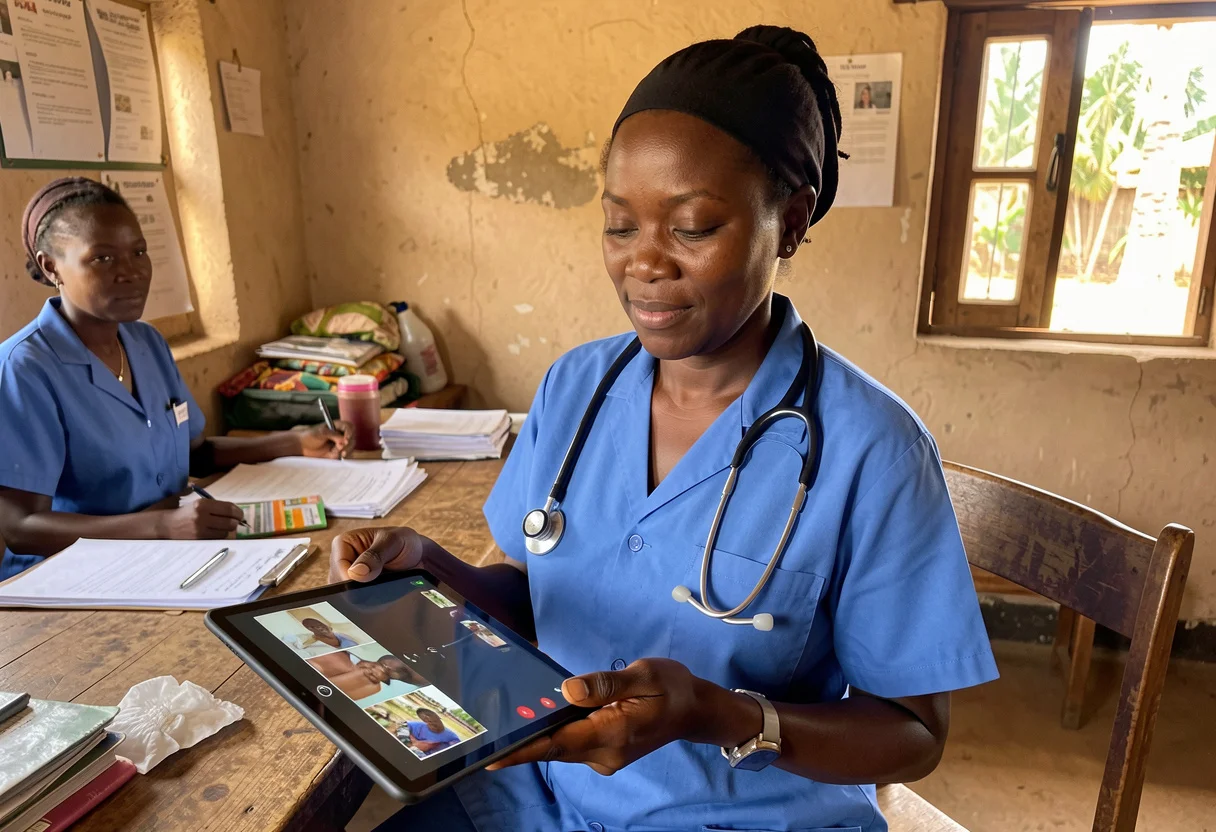
    Technology is playing a supporting role too. As reported by MOHAC Africa, WhatsApp health bots used in Cape Town townships have lifted TB medication adherence by 35% by reminding patients of their clinic days, helping people stay on track with their treatment.

    Looking to the future

    There is also hope on the horizon for TB prevention. Two leading TB vaccine candidates, M72/AS01E and MTBVAC, are expected to report results in 2028-2029. The M72/AS01E candidate has shown 50% protection in trials so far.

    Together, the lenacapavir rollout, shorter TB regimens, digital adherence tools and promising vaccine research point to a public health agenda focused on making prevention and treatment more effective and more accessible for South Africans.

    As these programmes scale up through 2026, they reflect a steady, evidence-led push to ease the burden of two of the country’s most pressing health challenges.

    Photo: mohacafrica.org

  • Africa-Led HIV Vaccine Trial Launches in Cape Town in Historic First-in-Human Step

    Africa-Led HIV Vaccine Trial Launches in Cape Town in Historic First-in-Human Step

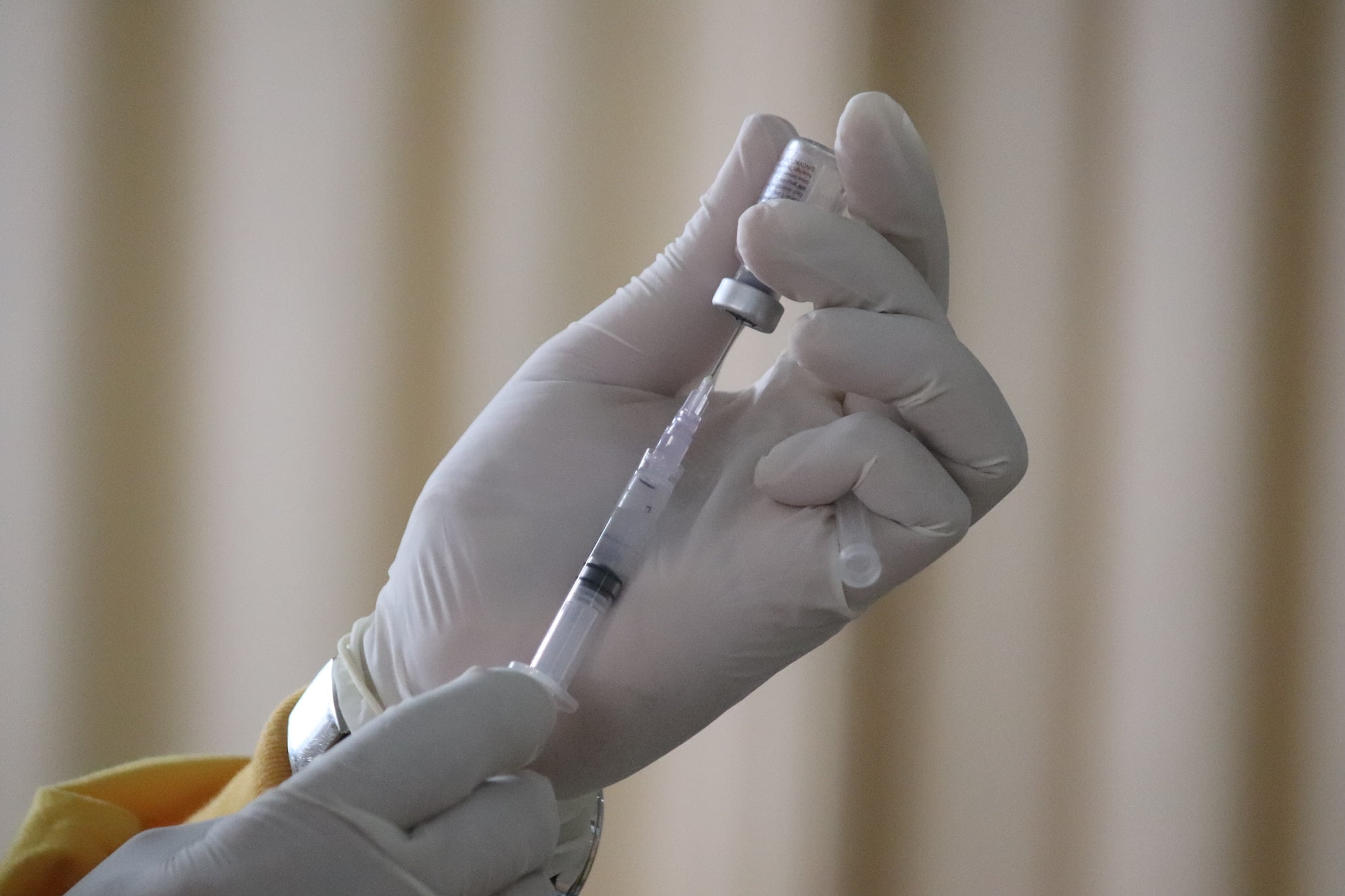
    South Africa has begun dosing the first participants in a pioneering HIV vaccine clinical trial in Cape Town, marking a significant milestone for African-led research into one of the continent’s most pressing health challenges. The first-in-human BRILLIANT 011 trial launched on 4 February 2026 at the Desmond Tutu HIV Foundation site at Groote Schuur Hospital, according to the South African Medical Research Council (SAMRC).

    The trial is led by the SAMRC together with the Desmond Tutu HIV Foundation and the Wits Health Consortium. Its central aim is to map immune responses that could guide the development of a vaccine against HIV strains circulating in Southern Africa, a region that carries one of the heaviest burdens of the epidemic.

    What the trial is testing

    According to the SAMRC, the BRILLIANT 011 trial evaluates experimental vaccine components administered with an adjuvant designed to strengthen the body’s immune response. The study is designed to help researchers understand how the immune system reacts to these components, providing data to inform future stages of vaccine development.

    The vaccine candidates and adjuvant under evaluation are:

    • BG505 GT1.1, a vaccine component being tested in the trial
    • 426c.Mod.Core-C4b, a second vaccine component
    • The SMNP adjuvant, administered alongside the components to boost immune responses

    Professor Glenda Gray, the SAMRC sponsor representative, said the work places the team “in a pivotal position to map immune responses to guide further development,” according to the SAMRC.

    A pan-African partnership

    The trial forms part of the broader BRILLIANT Consortium, a pan-African initiative led predominantly by women scientists working across eight African nations, according to the SAMRC. The consortium reflects a growing push to place African researchers and institutions at the centre of efforts to develop solutions for diseases that disproportionately affect the continent.

    The South African effort is supported by a range of international partners. According to the SAMRC, these include the International AIDS Vaccine Initiative, the Fred Hutchinson Cancer Center, the Scripps Consortium for HIV/AIDS Vaccine Development and Amsterdam University Medical Centers. The collaboration brings together local expertise and global scientific resources in pursuit of a shared goal.

    Why it matters

    An effective HIV vaccine has long been regarded as one of the most difficult goals in modern medicine, in part because the virus mutates rapidly and exists in many distinct strains. By focusing on the strains circulating in Southern Africa, the BRILLIANT 011 trial seeks to generate insights directly relevant to the communities most affected.

    As a first-in-human study, the trial represents an early but important step in the long process of vaccine development. The immune-response data it produces is intended to guide subsequent research rather than to deliver an immediately available vaccine.

    The launch of the trial at Groote Schuur Hospital underscores South Africa’s role as a hub for HIV research and signals a broader shift toward African leadership in tackling the epidemic. For the scientists involved, the start of dosing marks the beginning of a research journey that they hope will contribute to the global effort to end HIV.