South Africa took centre stage at the 26th International AIDS Conference in Rio de Janeiro this week, offering its own pioneering roadmap as a model for how Southern Africa can lead, fund and sustain the world’s most successful HIV response for generations to come.
Speaking at the Southern African Development Community (SADC) Secretariat session, held under the theme Sustaining the HIV Response in Southern Africa Beyond 2030, Deputy Minister of Health Dr Joe Phaahla championed a bold vision of health sovereignty for the region, as reported by SAnews.
From dependence to leadership
Phaahla told delegates that sustainability has evolved far beyond simply filling funding gaps. “Sustainability is about ensuring that countries have the institutions, systems, financing mechanisms, workforce capacity, governance structures, and community partnerships required to maintain HIV gains for generations to come,” he said.
At the heart of his message was health sovereignty — the principle that countries should “determine the direction of their own health responses”. That means mobilising domestic resources, strengthening public health systems and building national capacity, while still engaging global partners “from a position of leadership, ownership, and shared accountability”.
South Africa’s framework shows the way
The Deputy Minister pointed to South Africa’s own National Sustainability Framework as a source of “valuable insights” for the region. Developed to support the country’s transition to a country-led HIV response, the framework builds sustainability across six interconnected domains:
- Epidemic control
- Financial sustainability
- Service delivery
- Governance and accountability
- Strengthening critical social and community enablers
- Resilient systems for health
“Together, these domains acknowledge that sustainability cannot be achieved through isolated interventions. It requires integrated programmes, capable systems, and strong institutions,” Phaahla noted.
Solidarity, the region’s superpower
Phaahla was equally clear that no country walks this road alone, calling regional solidarity SADC’s “greatest strategic asset”. Working together, he said, the region can achieve things no single nation could:
- Cross-border continuity of HIV services, so people stay connected to care wherever they live, work or travel
- Joint procurement and supply-chain efficiencies that stretch every rand further and improve access to essential medicines
- Shared learning, knowledge exchange and innovation across borders
- Coordinated responses to public health threats that do not respect national boundaries
The goal, he said, is a regional HIV response that is domestically led and community-driven, financially sustainable, integrated within primary health care and universal health coverage, and resilient for the future.
It is a confident, forward-looking vision — and with South Africa’s sustainability framework already lighting the path, Southern Africa is showing the world what home-grown health leadership looks like.
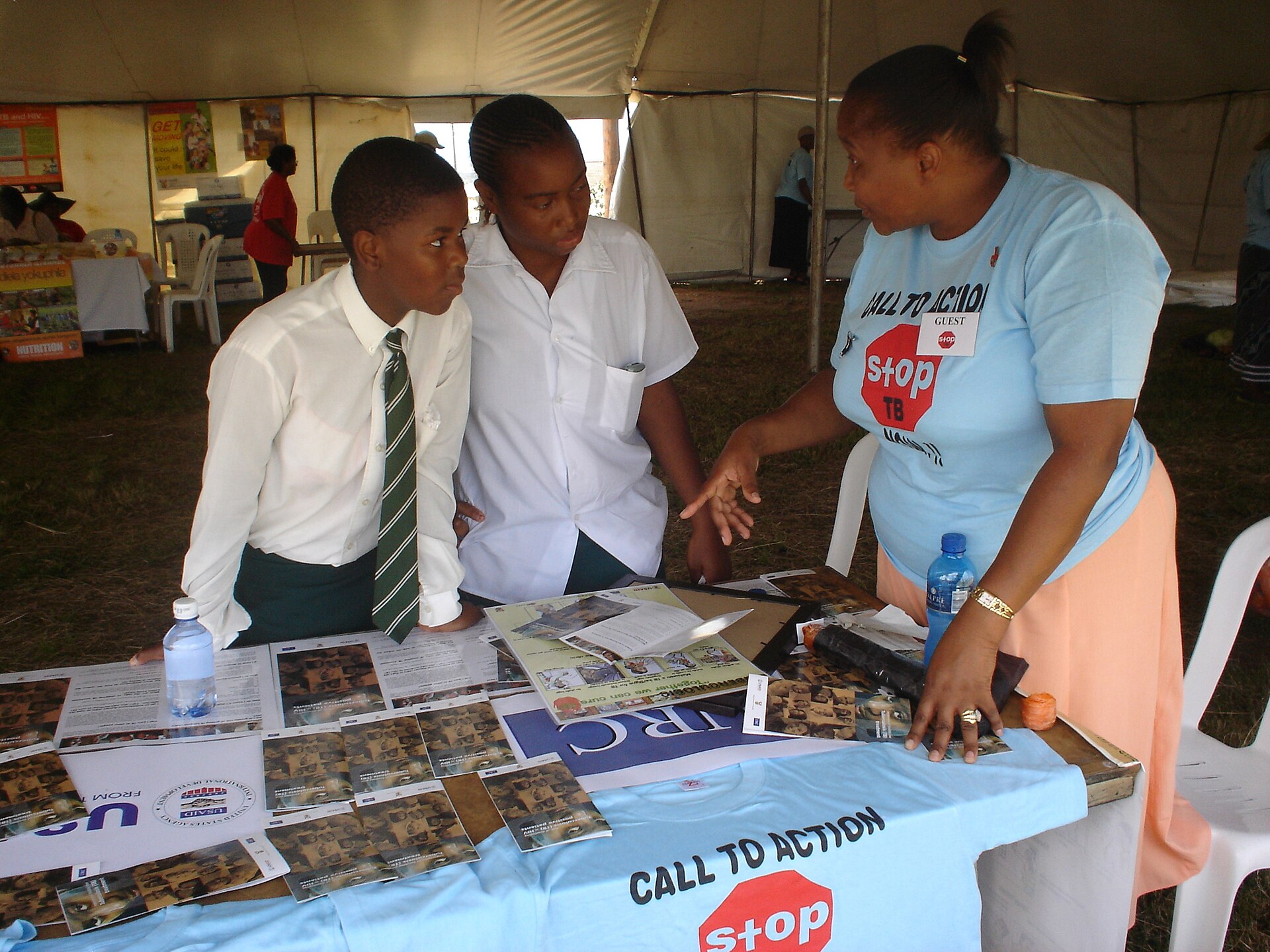
Photo: commons.wikimedia.org









Leave a Reply