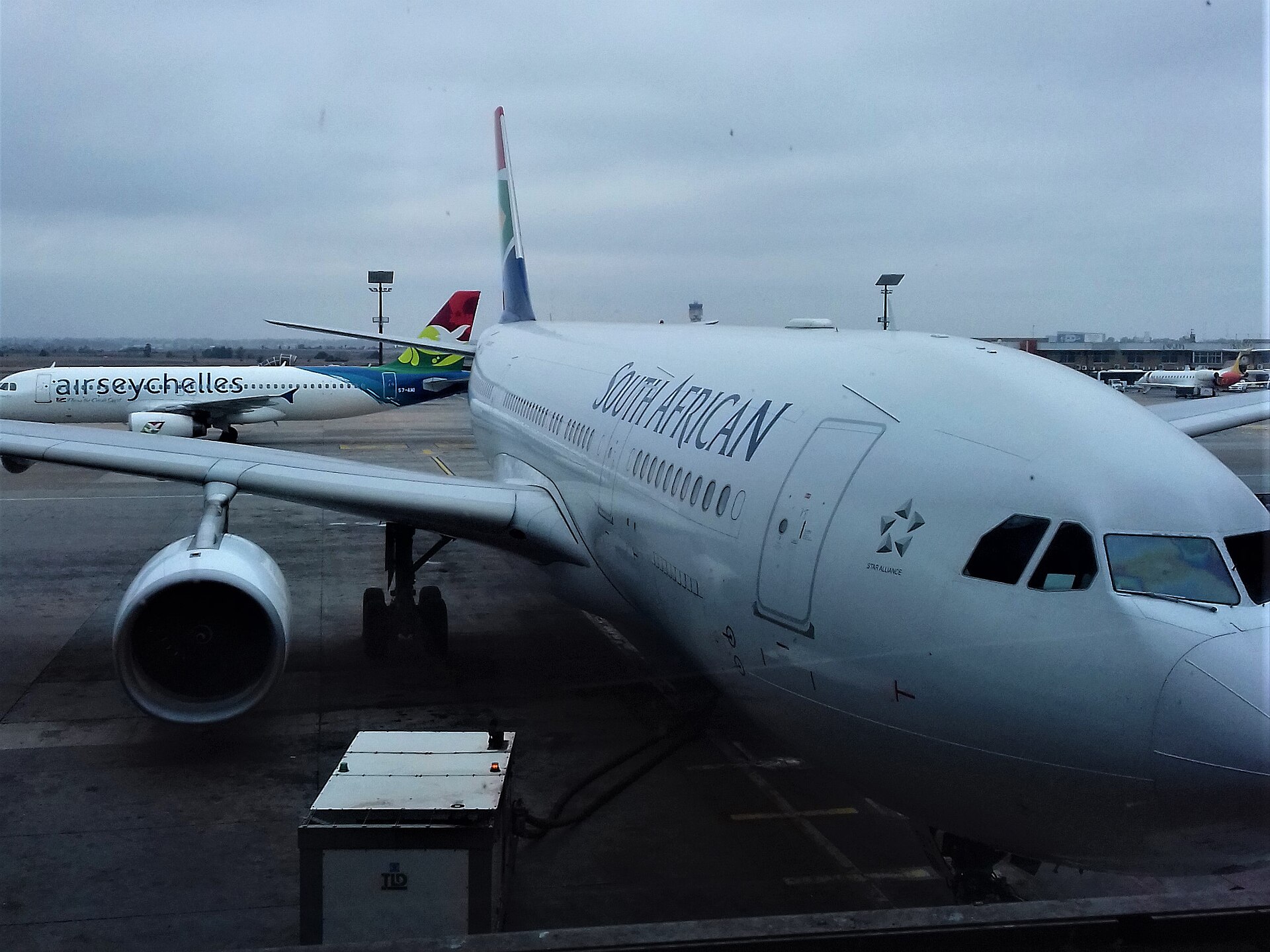
South Africa’s skies are opening up to women like never before. The country now counts more than 33 500 licensed aviation professionals, and almost 6 800 of them are women, Transport Minister Barbara Creecy announced at the 2026 National Aviation Gender Summit in Pretoria on Thursday.
That is a remarkable climb from just two years ago, when South Africa had a little over 25 800 licensed aviation professionals, of whom roughly 5 000 were women. Today women make up just over 20 percent of all licensed aviation personnel in the country.
“Women now account for just over 20% of all licensed aviation personnel in South Africa and that is progress we should acknowledge,” Creecy told delegates, according to SAnews.
A new generation takes to the skies
The most encouraging number of all? Women now account for more than a quarter of South Africa’s student pilot population, which means more young women are choosing aviation than ever before.
“It is no longer simply about encouraging women to enter the field; it is about ensuring that they complete their training, secure meaningful employment, progress into leadership positions and remain within the profession long enough to become captains, chief engineers, regulators, executives and mentors for the generations that follow,” the Minister said.
The training pipeline is already delivering. In the 2024/25 financial year, the Airports Company South Africa Aviation Academy trained more than 6 400 aviation professionals, including over 2 500 women. In the same year, 44 percent of bursaries went to young women studying aeronautical engineering, aircraft maintenance engineering and pilot training, while over 70 percent of the current South African Civil Aviation Authority internship intake are women.
At Air Traffic Navigation Services, 13 of the 25 youth recruited for air traffic services training in the first quarter of this financial year are women, five of the six candidates in technician training are women, and 51 percent of the air traffic service staff complement is female.
Backing women-owned businesses
The support extends well beyond the cockpit. Creecy highlighted that the Department of Transport awarded 317 of its 460 contracts in the 2025/26 financial year to women-owned enterprises, worth R312.3 million, a striking 96.5 percent of the total awarded value.
The Civil Aviation Authority spent over R54 million on goods and services from women-owned small businesses in the same period, while Airports Company South Africa contracted 118 black women-owned businesses.
These investments feed into ambitious national goals: moving 42 million passengers and 1.2 million tons of air freight through the ACSA airport network by 2029.
“As African aviation grows, so too will the demand for pilots, engineers, air traffic controllers, airport professionals, safety and security specialists, regulators and many other skilled professionals. We must therefore ensure that the employment and economic opportunities created by that growth are made accessible to women,” Creecy said.
With a quarter of tomorrow’s pilots already female, Mzansi’s daughters are cleared for take-off.
Photo: commons.wikimedia.org





,_Parliament_of_South_Africa_%2D%2D_2024_%2D%2D_3490.jpg)

