Good News · All Nine Provinces

Independent · Local · Forward-looking

Mzansi News Online

Uniting SA Through Good News

Category: Good News

  • From Grants to Businesses: Bakeries, Farms and a Fishing Venture Show What Communities Can Build

    From Grants to Businesses: Bakeries, Farms and a Fishing Venture Show What Communities Can Build

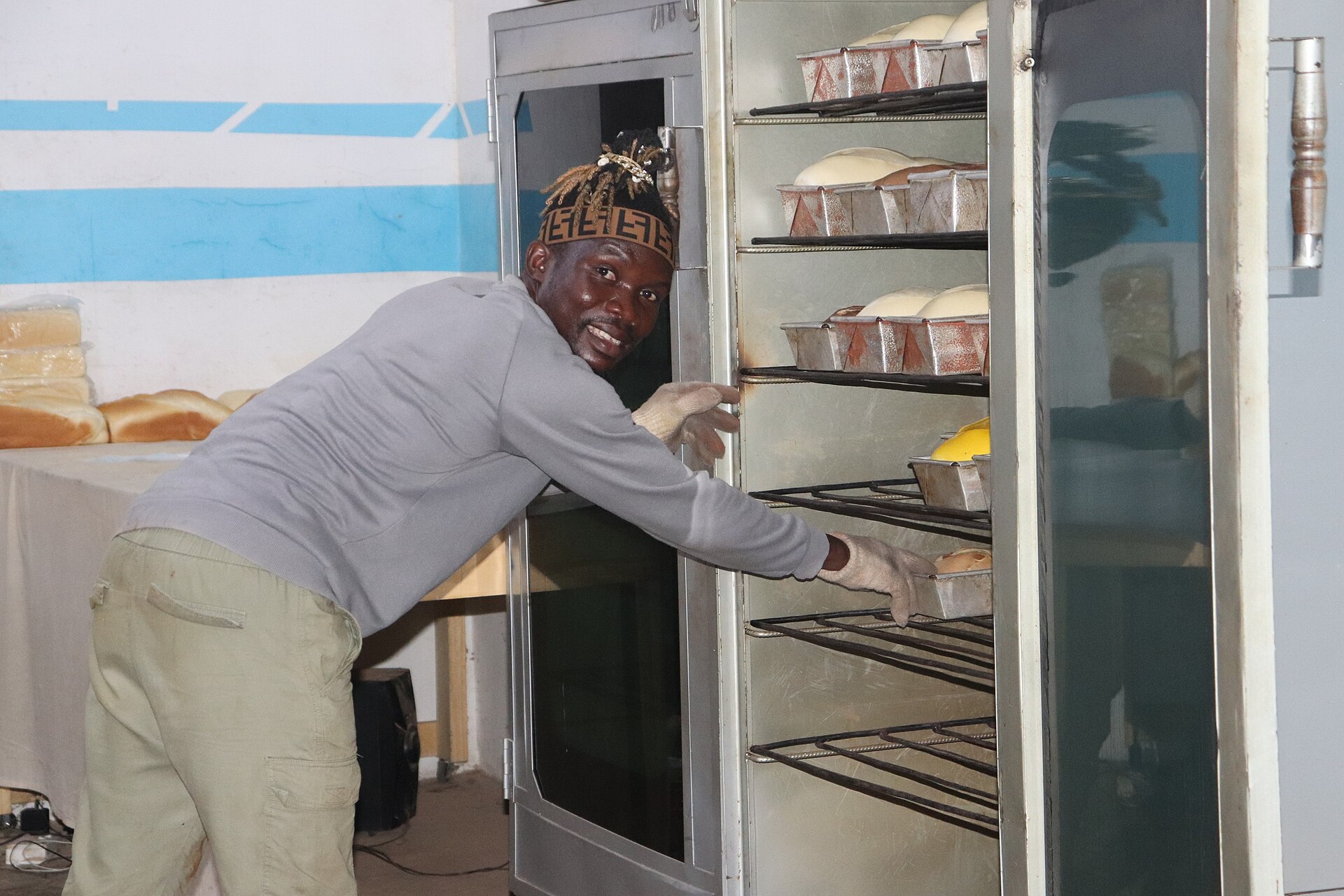
    In Sebokeng, a group of young people who once relied on social grants are now waking up before dawn for a very different reason: their own bakery is baking bread and supplying local shops. Their story is one of a growing number of small enterprises sprouting across South Africa with the help of the National Development Agency, which is quietly turning grant beneficiaries into business owners.

    Social Development Minister Dina Pule shared the success stories in an interview with the Government Communication and Information System on Tuesday, spotlighting a side of the Department of Social Development that many South Africans never see.

    Beyond the Monthly Grant

    While the South African Social Security Agency administers the social grants that provide a vital safety net for millions, the department’s National Development Agency works hand in hand with communities to build sustainable livelihoods on top of that foundation.

    “The National Development Agency comes in to teach people how to save, work together and establish businesses that can generate additional income,” Pule said.

    The Sebokeng bakery is the poster child. “They are now baking bread and supplying local shops. It is possible, and we want to encourage others to follow the same path,” the Minister said.

    A Country of Green Shoots

    Similar projects are taking root across the provinces, each one shaped by local strengths:

    • In Limpopo, beneficiaries have built poultry and vegetable farming ventures.
    • In KwaZulu-Natal and Mpumalanga, communities are running cattle farming and dairy production enterprises.
    • In the North West, beneficiaries established a fishing enterprise, harvesting fish from a local dam and supplying surrounding communities.

    Pule said the model works best when communities organise themselves and bring their ideas forward. “When communities organise themselves into groups and develop viable projects, the National Development Agency provides assistance, and in many cases other funders also come on board when they see government investing in those initiatives,” she said.

    A Stepping Stone, Not a Ceiling

    The vision, Pule explained, is for grants to serve as a springboard for those who are able to become economically active. “We want to help some people move beyond depending on grants so that they can become self-sufficient, while creating space for others who need support,” she said.

    The department also extended a warm invitation to South Africans able to open their homes and hearts to children. Families interested in adoption are encouraged to approach the department, which offers advice, counselling and support throughout the process so that children grow up in safe, loving homes.

    From fresh bread in Sebokeng to fresh fish in the North West, the message is the same: with a little support and a lot of community spirit, a monthly grant can grow into something much bigger. The interview was reported by SAnews.

    Photo: commons.wikimedia.org
  • Hundreds of Thousands of Green Jobs: SA’s Biodiversity Economy Gears Up for a Decade of Growth

    Hundreds of Thousands of Green Jobs: SA’s Biodiversity Economy Gears Up for a Decade of Growth

    South Africa’s rivers, wetlands, fynbos and wildlife are not just national treasures, they are fast becoming one of the country’s most promising engines of employment. Government aims to unlock hundreds of thousands of jobs over the next decade through the revised Biodiversity Economy Strategy, according to Deputy Minister of Forestry, Fisheries and the Environment Narend Singh.

    Writing in an official commentary published by SAnews, Singh describes the biodiversity economy as “one of South Africa’s most significant untapped opportunities”, with benefits aimed squarely at young people, women, rural communities and persons with disabilities who are too often excluded from mainstream economic activity.

    Nature and jobs, hand in hand

    South Africa already has proof that ecological restoration and employment can grow together. Flagship programmes such as Working for Water, Working for Wetlands, Working on Fire and Working for Coast continue to create jobs while protecting the natural resources that underpin water security, agriculture and tourism.

    “These initiatives show that environmental investment is not a cost to society; it is an investment that delivers social, economic and ecological returns,” Singh writes.

    The healthy natural systems at the heart of this economy provide water, support farming, sustain tourism and shield communities from the impacts of a changing climate, meaning every hectare restored pays dividends far beyond the fence line.

    Communities at the centre

    Conservation in a democratic South Africa, the Deputy Minister emphasises, must be about people as much as nature. Government is expanding benefit-sharing initiatives, supporting previously disadvantaged businesses in the biodiversity economy, and strengthening partnerships that ensure communities living alongside protected areas share meaningfully in conservation outcomes.

    The Department of Forestry, Fisheries and the Environment has also initiated a focused assessment of protected areas to strengthen governance and improve conservation management, ensuring the parks and reserves that anchor the biodiversity economy are run to the highest standard.

    A framework for the future

    The implementation of the Climate Change Act marks a significant step forward in strengthening the country’s response to climate change, supporting investment in ecological infrastructure and better planning for a resilient future.

    “Our future depends on doing both,” Singh writes of protecting the environment while growing the economy, a vision in which South Africa’s extraordinary natural heritage becomes the foundation for prosperity. With the strategy in motion and jobs programmes already delivering, that vision is steadily taking root.

    The full commentary is available at SAnews.

    Photo: commons.wikimedia.org

  • Fynbos, Frogs and a Fish Saved: Western Cape Conservation Wins Restore 13,000 Acres

    Fynbos, Frogs and a Fish Saved: Western Cape Conservation Wins Restore 13,000 Acres

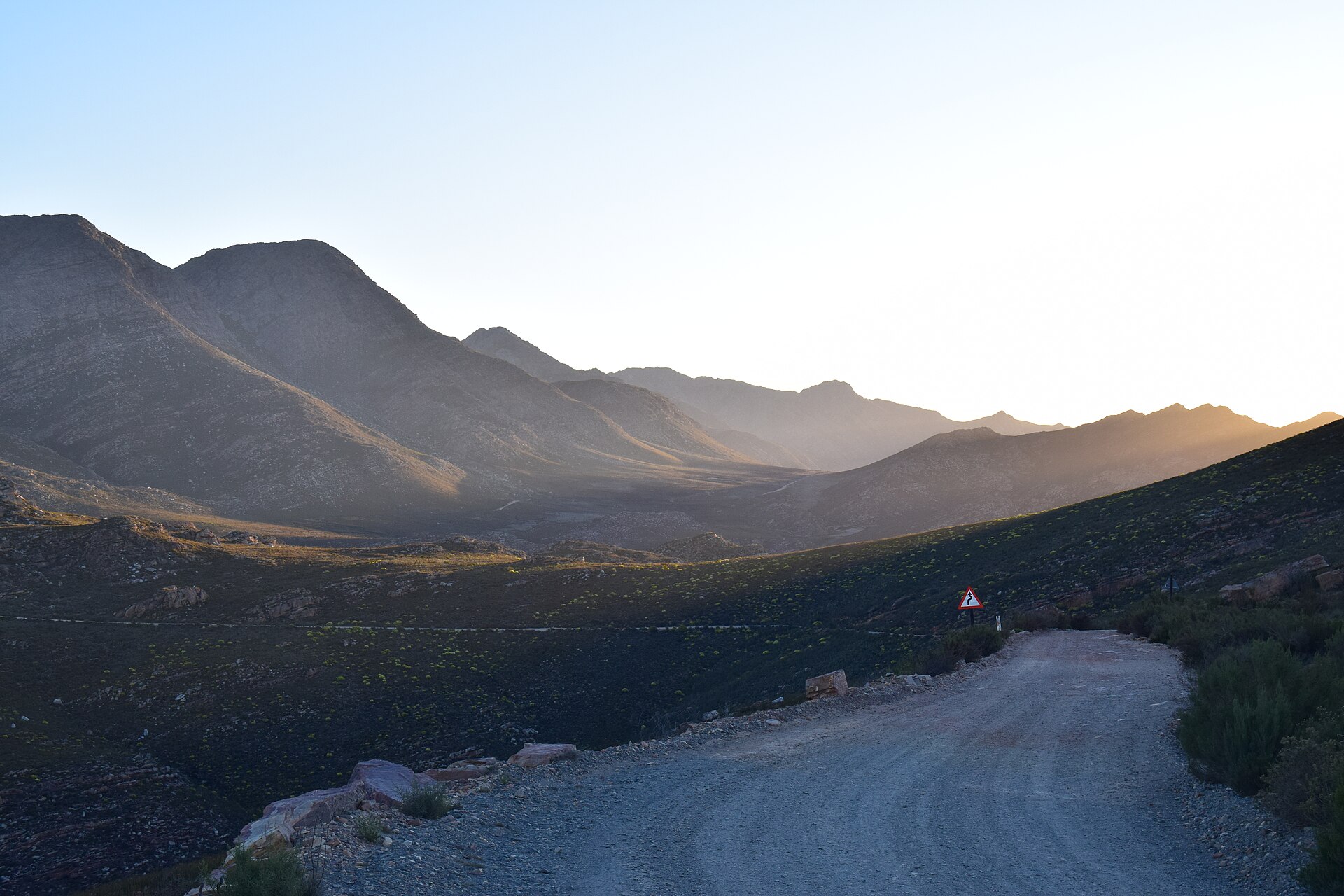
    South African conservationists have pulled off a remarkable triple victory over invasive species, restoring some 13,000 acres of precious native habitat across the Western Cape and handing a lifeline to two threatened amphibians and the country’s most endangered migratory freshwater fish.

    The achievements, carried out between 2017 and 2025 by groups working under the banner of the International Union for the Conservation of Nature (IUCN), are summarised in a new IUCN report that reaches a simple conclusion: the broader the approach – combining habitat restoration, biological control and community-based conservation – the better the results. It is a meaningful win on a continent where invasive species cost crop, fisheries, livestock and eco-tourism industries an estimated 65 billion dollars every year.

    A mountain reclaimed for a tiny frog

    On the Klein Swartberg mountain, dense stands of invasive maritime pines were draining the wetlands that the Critically Endangered rough moss frog depends on, while dramatically raising the risk of catastrophic wildfire. Conservationists from the IUCN-affiliated Endangered Wildlife Trust turned that fire risk against the invaders, using a controlled burn together with manual clearing to eliminate the pines and restore more than 8,500 acres of habitat.

    The rewards came quickly: post-burn field surveys uncovered six previously unknown subpopulation strongholds of the rough moss frog.

    Fynbos flourishing again in Tokai

    In Cape Town’s Tokai Park, volunteers and professionals from Friends of Tokai Park manually cleared 12 acres of invasive Eucalyptus and Acacia trees that had disrupted the soil environment of the Cape Flats Sand Fynbos – a highly biodiverse vegetation type found only in the Cape Floral Region and vital to the western leopard toad.

    The team planted 4,500 native seedlings, and the results speak for themselves: invasive vegetation decreased by 22% while native vegetation recovered by 28%. The project doubled as a training ground, giving young conservationists hands-on experience in ecological restoration.

    A fish swims back from the brink

    The third triumph belongs to the Clanwilliam sandfish, South Africa’s most endangered migratory freshwater fish, whose young were being devoured by invasive bass and bluegill. Using a “rescue-rear-release” method combined with alien-fish removal to create predator-free sanctuaries, researchers achieved a doubling of spawning populations in the Biedouw River.

    Together, the three projects show South Africa leading the way in practical, science-driven conservation – proof that with patience, partnership and local knowledge, damaged ecosystems can heal. The full account of the projects was reported by the Good News Network.

    Photo: commons.wikimedia.org

  • Step by Step: Ex-Springbok Deputy Mayor Runs to Put Shoes on Kids’ Feet

    Step by Step: Ex-Springbok Deputy Mayor Runs to Put Shoes on Kids’ Feet

    Former Springbok prop and Cape Town deputy mayor Eddie Andrews laced up once again in April 2026, running the Two Oceans Marathon half-marathon to raise funds for his ‘Soles for Souls’ campaign, an initiative that puts school shoes on the feet of children in need.

    The 21.1km race was not just a personal challenge but a fundraising drive with a clear goal: every kilometre stands for thousands of pairs of shoes destined for schoolchildren across the country.

    From the rugby field to the road

    Andrews built his public profile both on the sporting field as a Springbok prop and later in the corridors of Cape Town’s City Hall as deputy mayor. His latest mission, however, is rooted in a simple cause: ensuring that children have a decent pair of school shoes.

    April’s event marked Andrews’ seventh time running the Two Oceans Marathon, a race long celebrated as one of the most scenic on the calendar. For him, the kilometres carry a deeper purpose beyond the finish line.

    Nearly R1 million raised and counting

    Through the ‘Soles for Souls’ initiative, Andrews has already raised close to R1 million. The campaign channels those funds directly into providing school shoes, addressing a need that many families face at the start of every school year.

    This year he set a target tied directly to the distance he was running. Andrews aimed to fund 21,100 pairs of school shoes, a figure that mirrors the 21.1km of the half-marathon. The symbolism turns each step of the race into a tangible contribution toward a child’s first day of school.

    Running with a purpose

    The pairing of athletic effort and charitable giving has become a hallmark of Andrews’ involvement with the Two Oceans Marathon. By linking his personal goal to the race distance, he gives supporters a clear and relatable way to understand the impact of their contributions.

    For the children who receive them, a new pair of school shoes can mean comfort, dignity and one less obstacle to attending class. For Andrews, the race is a reminder that progress, much like a marathon, is achieved step by step.

    As he crossed the start line for the seventh time, the former Springbok and city leader continued to channel his profile into a cause that reaches well beyond sport and politics, one pair of shoes at a time.

    Photo: capetownetc.com

  • Record Hatch: SANCCOB Celebrates Most Penguin Chicks Ever in One Season

    Record Hatch: SANCCOB Celebrates Most Penguin Chicks Ever in One Season

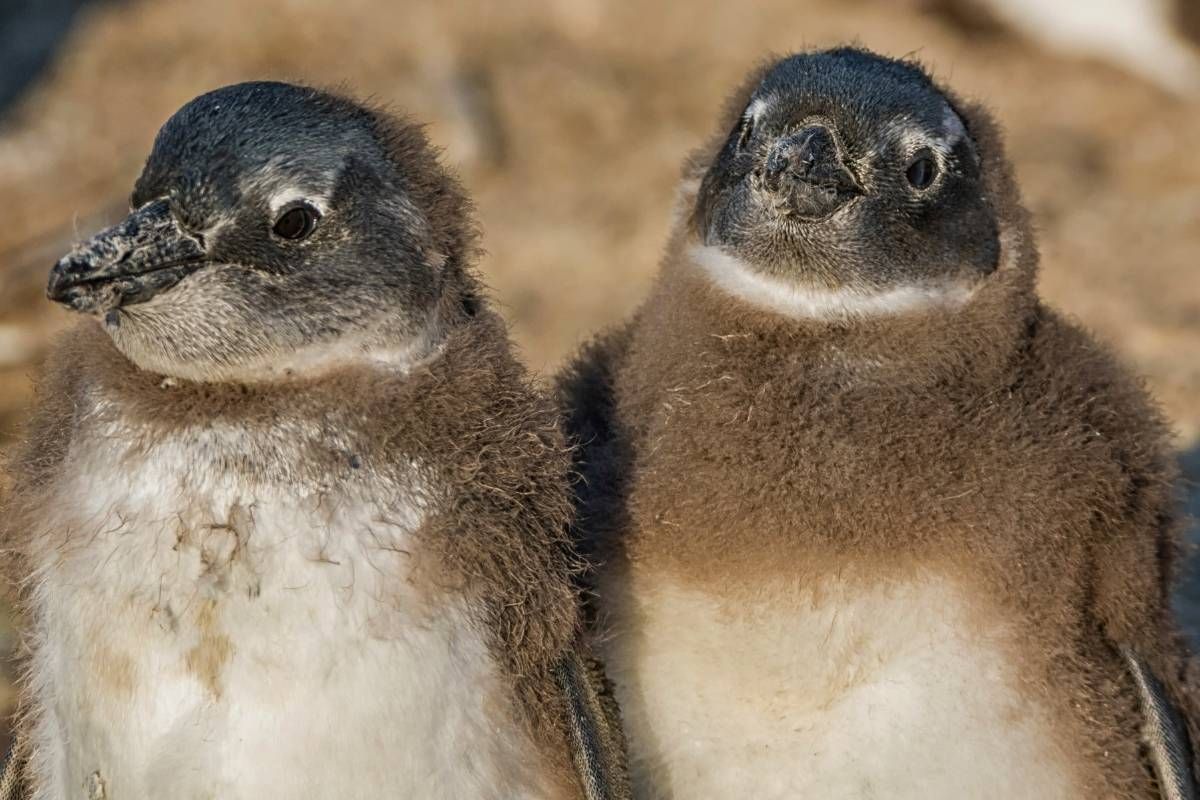
    Cape Town’s renowned seabird conservation centre SANCCOB has marked a major milestone for one of South Africa’s most beloved and threatened species, announcing the largest number of penguin chicks ever hatched at its nursery in a single season.

    On 26 February 2026, SANCCOB confirmed that more than 150 chicks had hatched at its nursery, the highest single-season total in the facility’s history. The achievement offers a rare burst of hope for the critically endangered African penguin, whose wild population continues to decline.

    A record-breaking season

    According to SANCCOB, the centre had taken in just over 500 penguin eggs for its breeding program since 1 January 2026. From those eggs, the nursery has gone on to record its best hatching season yet.

    The milestone is significant against a worrying backdrop. Fewer than 10,000 breeding pairs of African penguins remain in the wild, underlining why each successful hatch carries weight far beyond the nursery walls.

    Two decades of bolstering wild numbers

    The record forms part of SANCCOB’s long-running Chick Bolstering Project, which began in 2006. Since its launch, the project has released more than 7,000 chicks back into the wild, steadily reinforcing a population under sustained pressure.

    Crucially, the work appears to be paying off. Research confirms that hand-reared chicks have survival rates similar to those of naturally reared birds once they are out at sea, supporting the value of the centre’s intensive efforts.

    Why it matters for the African penguin

    The African penguin’s plight has made it a symbol of the wider challenges facing South Africa’s marine life. With breeding pairs in the wild numbering fewer than 10,000, conservationists view the species as being in a precarious position.

    SANCCOB’s record season demonstrates how a dedicated breeding and rearing program can help offset losses in the wild. By taking in eggs, hatching chicks and returning healthy birds to the ocean, the centre is working to keep the species from slipping further toward the brink.

    For a species whose numbers continue to fall, more than 150 new chicks in a single season represents both a practical contribution and a powerful reminder that focused conservation can deliver real results. With more than 7,000 chicks already released over nearly two decades, SANCCOB’s latest milestone strengthens the case for sustained investment in protecting the African penguin.

    Photo: thesouthafrican.com

  • Rhino Poaching in South Africa Falls 16% in 2025 as Protection Efforts Pay Off

    Rhino Poaching in South Africa Falls 16% in 2025 as Protection Efforts Pay Off

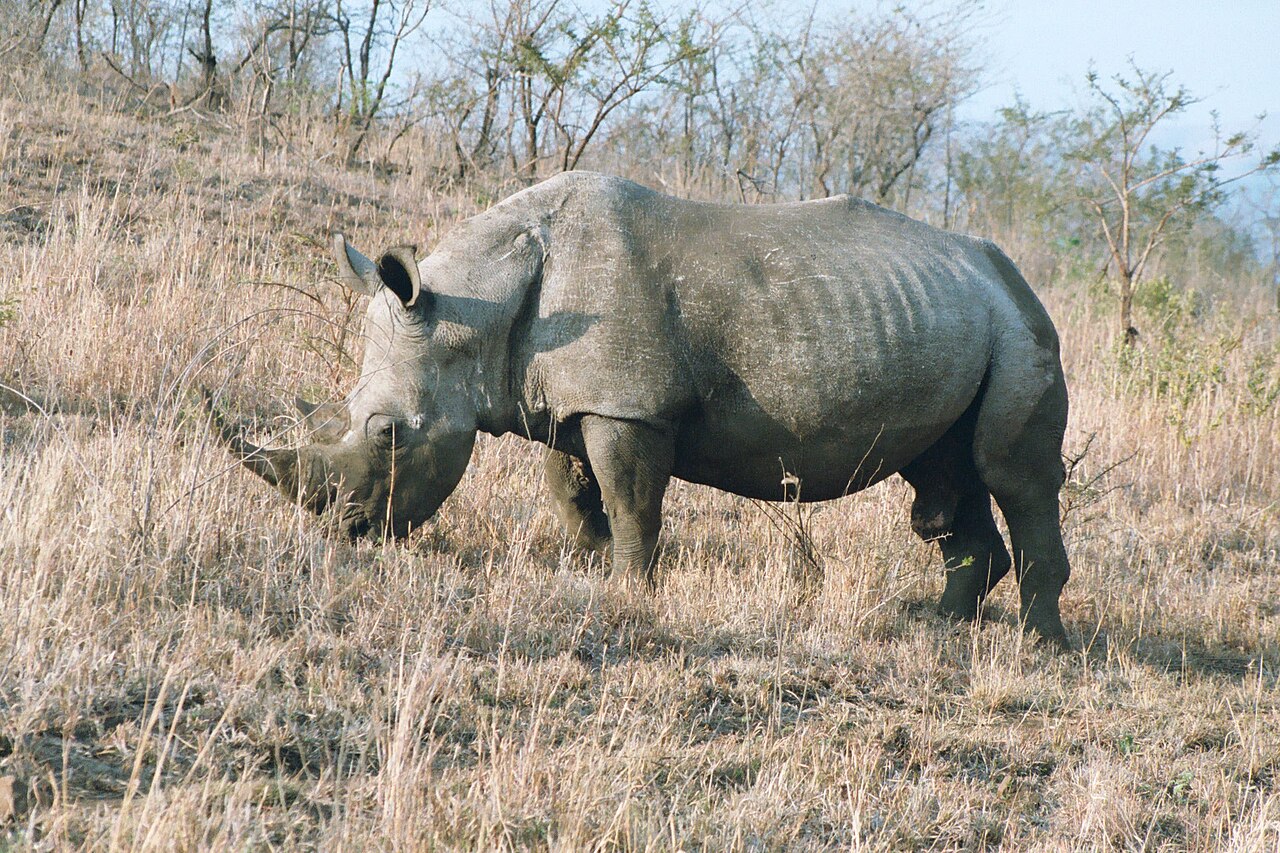
    South Africa recorded a 16% drop in rhino poaching in 2025, with 352 of the animals killed across the country between January and December, down from 420 in 2024. The figures, released by the national environment department in February 2026, were credited to strengthened anti-poaching and anti-trafficking efforts.

    The decline of 68 animals year on year was hailed by officials as evidence that integrated protection strategies are beginning to ease the pressure on one of the country’s most threatened species.

    Where the rhinos were lost

    According to the department, of the 352 rhinos poached during 2025, 266 were killed on state properties, while 86 were lost on privately owned parks, reserves or farms.

    The most striking improvement came from the KwaZulu-Natal flagship Hluhluwe-iMfolozi Park, which cut its losses dramatically. The park recorded 63 rhinos poached in 2025, down from 198 the previous year, a turnaround officials attributed to integrated protection strategies deployed on the reserve.

    What officials credit for the turnaround

    Environment Minister Dion George’s department, alongside Minister Narend Singh and figures cited by officials including Aucamp, attributed the overall drop to sustained anti-poaching and anti-trafficking work.

    A key catalyst, according to the department, was strategic dehorning, introduced in 2024, which officials said had helped stabilise poaching pressure across affected areas.

    Several conservation partners were involved in the protection effort. They included:

    • WWF
    • Save the Rhino International
    • Wildlife ACT
    • the Peace Parks Foundation

    The department said the combination of on-the-ground anti-poaching measures, anti-trafficking enforcement and partnerships with conservation organisations had contributed to the improved figures.

    A measured note of progress

    While the 16% decline marks a notable improvement over 2024, the 352 rhinos lost in 2025 underline that poaching remains a serious threat to the species in South Africa. Officials presented the latest figures as a sign that strengthened protection efforts are paying off, with the sharp drop at Hluhluwe-iMfolozi Park cited as a leading example of what integrated strategies can achieve.