Good News · All Nine Provinces

Independent · Local · Forward-looking

Mzansi News Online

Uniting SA Through Good News

Category: Education

  • ‘Education Builds’: Ramaphosa Takes SA’s Record Matric Story to the World Stage in Paris

    ‘Education Builds’: Ramaphosa Takes SA’s Record Matric Story to the World Stage in Paris

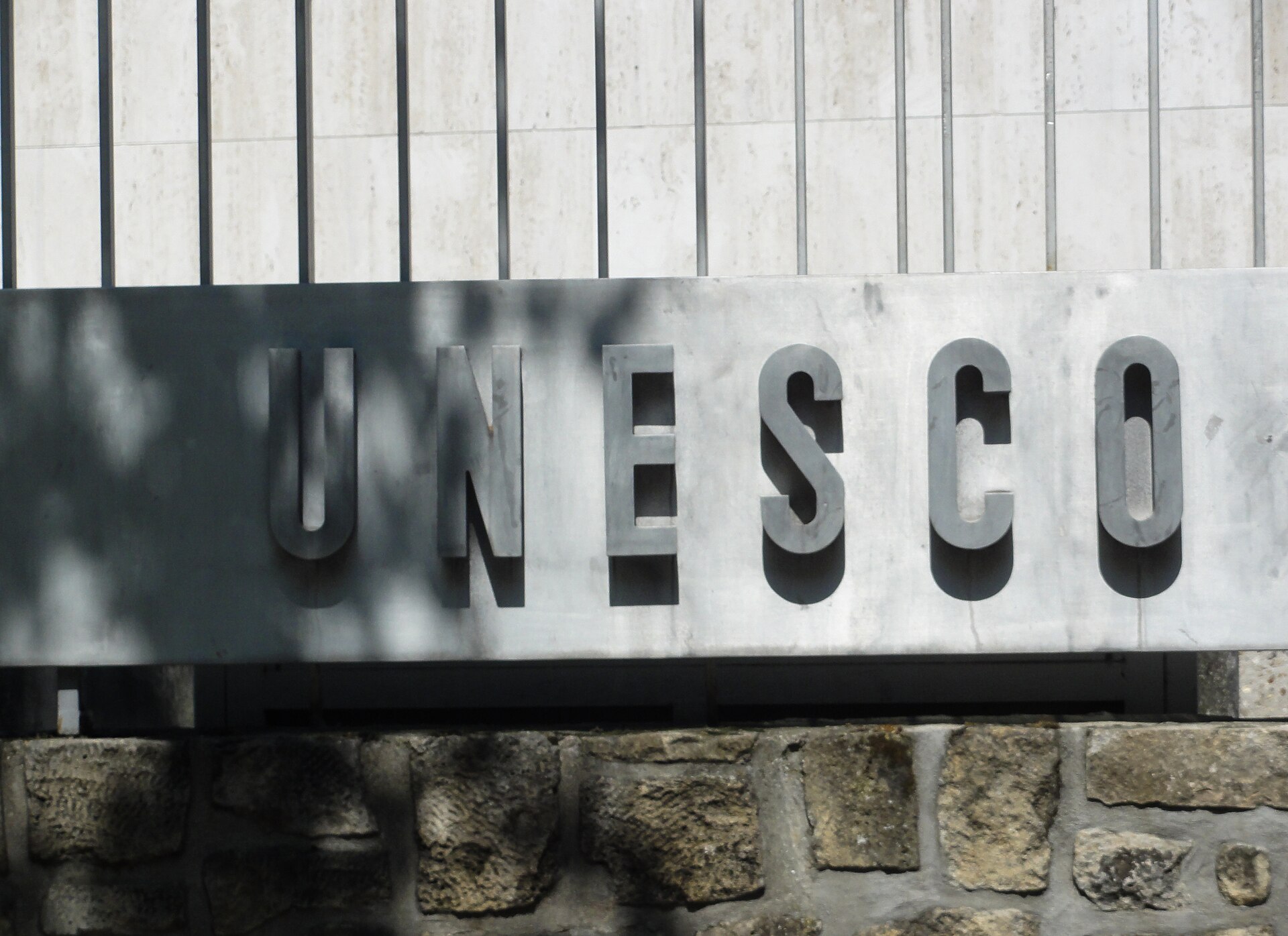
    South Africa’s education success story took centre stage in Paris on Friday, as President Cyril Ramaphosa addressed the Transforming Education Summit (TES+4) at the headquarters of the United Nations Educational, Scientific and Cultural Organisation (UNESCO), SAnews reports.

    The President told world leaders that education remains the most powerful instrument for driving economic growth, reducing inequality and creating opportunities for future generations — and he brought a proudly South African example to prove it.

    A Record to Be Proud Of

    President Ramaphosa pointed to South Africa’s latest matric results as a source of national optimism.

    “Last year, we achieved the highest school-leaving certificate pass rate in our democratic history. What makes this all the more extraordinary is that the majority of those passes qualifying for university entry were learners from poor communities,” he said.

    “These are young people who will go on to pursue their dreams at a university, technical or vocational college of their choice, where they will study for free. This is a generation taking up opportunity that would have been denied to their parents and grandparents under apartheid.”

    He said such achievements show that education is more than a pathway out of poverty — it is, as Nelson Mandela said, a tool with which a nation can transform itself.

    Madiba’s Words on a World Stage

    Opening his address, the President invoked South Africa’s founding democratic president.

    “The founding father of democratic South Africa, President Nelson Mandela, said that education is the most powerful weapon which you can use to change the world. These words ring as true today as when they were first spoken. Education builds. It unlocks human potential. It dismantles ignorance,” Ramaphosa said.

    He highlighted examples from Rwanda, China and India, where sustained investment in education has driven economic transformation and expanded opportunities for millions.

    Teachers at the Heart of Change

    With the world halfway between the commitments made at the 2022 summit and the 2030 Sustainable Development Goal deadline, the President urged leaders to move beyond promises. “Our credibility will be measured not by the aspirations we declare, but by the progress we achieve for learners everywhere,” he said.

    He placed teachers at the centre of meaningful reform, calling for improved working conditions and greater recognition of the profession, and stressed that inclusive, quality education must reach all learners — “whether they are male or female, able-bodied or living with disabilities, urban or rural, rich or poor.”

    For South Africa, it was a moment of leadership: a country whose classrooms are producing record results, sharing its lessons with the world.

    Photo: commons.wikimedia.org

  • No More Waiting: Digital Systems to Fast-Track TVET Certificates and Job Placements

    No More Waiting: Digital Systems to Fast-Track TVET Certificates and Job Placements

    For thousands of Technical and Vocational Education and Training (TVET) graduates, the long wait between finishing their studies and holding their certificate is coming to an end. The Department of Higher Education and Training is rolling out digitised systems to accelerate certification and workplace placements, Deputy Minister Dr Nomusa Dube-Ncube announced at the Esayidi TVET College graduation ceremony, held at the Ugu Sports and Leisure Centre in KwaZulu-Natal on Thursday, SAnews reports.

    “We are actively developing and rolling out digitised, fast-tracked systems for both certification and placement — systems designed to close the gap between the day you complete your final assessment and the day that certificate is in your hand, and a workplace opportunity is within your reach,” Dube-Ncube told graduates.

    A Certificate in Hand, a Future in Motion

    The Deputy Minister was frank about why the reforms matter: “A delayed certificate is a delayed livelihood, and a delayed placement is a delayed future. Young people cannot be asked to wait indefinitely for a system to catch up with their qualifications. We are fixing that because our graduates deserve nothing less.”

    Quicker certification will not only improve access to employment, she said, but also enable aspiring entrepreneurs to register businesses, apply for funding and take part in procurement opportunities without unnecessary administrative delays.

    She encouraged graduates to see their qualifications as “start-up capital” for establishing businesses in sectors such as electrical contracting, welding, bakery, agriculture and construction.

    Colleges at the Heart of Growth

    Dube-Ncube reaffirmed government’s commitment to strengthening the TVET sector, describing colleges as central to South Africa’s economic growth agenda.

    “There is no credible pathway to inclusive economic growth in South Africa that does not run directly through colleges like Esayidi,” she said.

    With the country facing shortages of artisans, technicians and other mid-level technical skills, she called for stronger partnerships between colleges and industry, and challenged TVET institutions to become centres of applied innovation: “A TVET college that only follows industry will always be one step behind. A TVET college that also leads on applied research and problem-solving becomes a genuine partner in South Africa’s innovation economy.”

    ‘Rural Does Not Mean Limited’

    The Deputy Minister pushed back firmly against perceptions that rural colleges produce graduates with limited prospects, noting that institutions like Esayidi produce highly skilled graduates whose qualifications carry the same national recognition as any other in the country.

    “Rural does not mean limited. It means resourceful,” she said, urging the class of 2026 to embrace lifelong learning as artificial intelligence, big data and automation reshape the world of work. “The qualification you receive today is a strong foundation — it is not a finish line.”

    Photo: commons.wikimedia.org

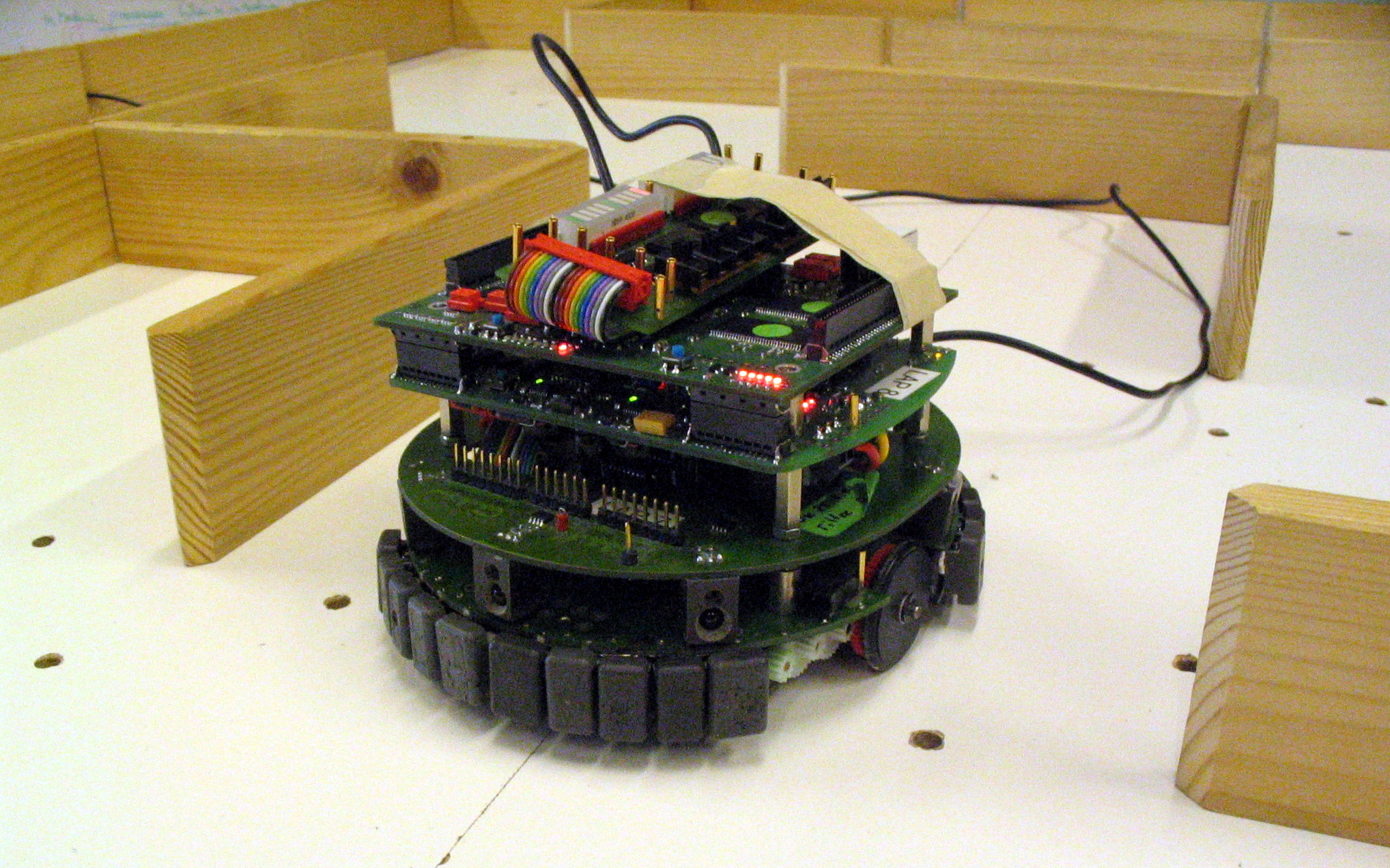
  • Limpopo Robotics Teams Carry South African Innovation to Geneva

    Limpopo Robotics Teams Carry South African Innovation to Geneva

    Two teams of young innovators from Limpopo are representing South Africa on a global stage in Geneva, taking locally developed robotics ideas to the Robotics for Good Youth Challenge Grand Finale.

    Robo-Kidz, from Mashupye Tladi Primary School, and Roborise, from Bokamoso Secondary School, are competing at the Palexpo International Exhibition and Convention Centre from 7 to 10 July. Their journey from Seshego to Switzerland follows success through local, provincial and national rounds.

    The Department of Basic Education’s announcement describes the appearance as evidence of the value of sustained investment in coding, robotics and science education.

    From a national challenge to the world stage

    The teams earned their places by winning the South African edition of the Robotics for Good Youth Challenge. A local report by Review recorded that seven learners make up Robo-Kidz and nine compete for Roborise. They were selected after competing against 30 teams from across the country.

    The national challenge asked participants to apply robotics and artificial intelligence to food security, giving learners a real-world problem rather than a purely technical exercise. That approach rewards creativity, teamwork and the ability to connect code with community needs.

    The international organiser, AI for Good, lists Robo-Kidz among the junior teams at the 2026 grand finale. The programme brings young innovators together to demonstrate how technology can contribute to practical social solutions.

    Skills built through steady investment

    South Africa’s Coding and Robotics Curriculum and Assessment Policy Statement has been approved and gazetted, with phased pilots under way since 2021. The curriculum introduces learners to computational thinking, problem-solving, design and digital technologies.

    In Limpopo, the Mathematics, Science and Technology Conditional Grant supports coding and robotics, teacher development, laboratory resources and enrichment opportunities. The Basic Education Department says about 90,000 learners benefit each year from camps, Olympiads, science fairs, competitions and international opportunities supported by the grant.

    Those numbers help explain why the Geneva appearance is bigger than a single competition. The two teams represent a growing pipeline of learners gaining access to technical tools, skilled educators and platforms where they can test their ideas.

    A proud signal from public schools

    Robo-Kidz and Roborise also carry an encouraging message about where innovation can begin. Their schools are producing learners able to compete internationally after only a few years of structured coding and robotics support.

    Principals at both schools have praised the learners’ dedication and encouraged them to keep technology at the centre of their ambitions. The achievement also reflects the work of educators, parents, provincial officials and partners who helped the teams progress from classrooms to national winners.

    Whatever the final competition results, reaching Geneva is already a significant South African education story. It places young Limpopo problem-solvers alongside peers from around the world and shows how targeted opportunities can turn curiosity into global participation.

    This article was produced with AI assistance and editorially reviewed by Mzansi News Online.

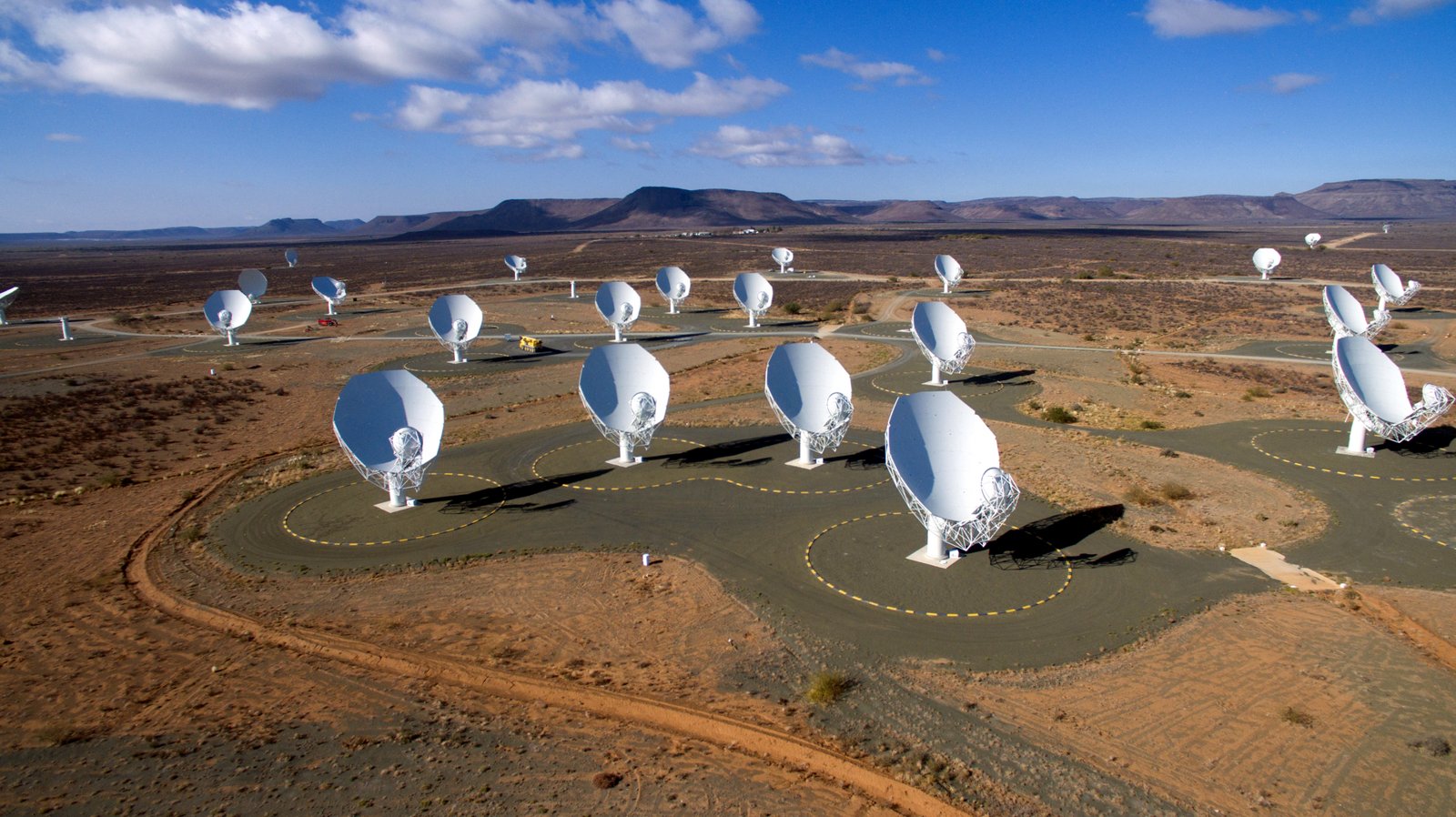
  • Science for Everyone: National Science Month Opens as SA Climbs the Global Research Ranks

    Science for Everyone: National Science Month Opens as SA Climbs the Global Research Ranks

    South Africa’s scientists, pupils and inventors take centre stage this month as National Science Month 2026 gets under way — a nationwide celebration built on a simple, inclusive idea: that discovery belongs to everyone.

    The programme launches on 4 July at the Vaal University of Technology in Sebokeng, under the theme “Science, Technology and Innovation are for everyone.” Led by the Department of Science and Innovation through the South African Agency for Science and Technology Advancement (SAASTA), the month-long drive aims to build scientific literacy and encourage ordinary South Africans to engage confidently with the research shaping their lives.

    A country punching above its weight

    There is plenty to celebrate. In 2023 South Africa produced 25,775 scientific publications, ranking the country 29th in the world and second on the African continent for research output — a quiet but remarkable achievement for a nation too often measured only by its challenges.

    Investment has followed ambition. Health research funding more than doubled over a decade, climbing from R4.7 billion in 2013/14 to R10 billion in 2022/23, and now accounts for close to a quarter of the country’s total research and development spend.

    Reaching for the stars

    South African innovation is even leaving the atmosphere. Nine objects were launched into space during 2023, with universities such as the Cape Peninsula University of Technology running their own nanosatellite programmes. Agriculture is thriving too: applications for plant breeders’ rights rose from 263 in 2022 to 318 in 2023, keeping the country among global leaders in crop innovation.

    The message of National Science Month is that these achievements are not the preserve of laboratories alone. From classrooms in Sebokeng to satellite labs in Cape Town, the invitation this July is the same: science is for everyone, and South Africa is proving it.

    Photo: commons.wikimedia.org

  • Class of 2025 Makes History With Record 88% Matric Pass Rate

    Class of 2025 Makes History With Record 88% Matric Pass Rate

    South Africa’s matric Class of 2025 has made history, achieving a record-breaking 88% National Senior Certificate (NSC) pass rate, the highest in the country’s history. The milestone, drawn from the largest cohort ever to sit the exams, marks a 0.7 percentage-point improvement on the 2024 results.

    The achievement is all the more significant given the scale of the 2025 cohort. More than 900,000 candidates wrote the exams, making it the largest matric class the country has ever produced. Despite the record numbers, the pass rate climbed rather than dipped, underlining a steady upward trajectory in national performance.

    More Learners Earning University Entrance

    Beyond the headline pass rate, the Class of 2025 also set a new benchmark for university-entrance achievement. Bachelor passes rose by 8,700 to more than 345,000 candidates, a new record for the country.

    The growth in Bachelor passes is widely regarded as one of the most meaningful measures of progress, as it reflects the number of learners qualifying to pursue degree studies at universities. A record figure points to a wider pool of young South Africans now positioned to enter higher education.

    KwaZulu-Natal Leads the Provinces

    Among the provinces, KwaZulu-Natal led the way with a pass rate of 90.6%. It was followed by the Free State at 89.33% and Gauteng at 89.06%, with all three provinces clearing the 89% mark.

    The Northern Cape stood out for recording the most significant year-on-year improvement among all provinces. The province’s gains highlight how progress was not confined to the traditional front-runners, but extended across the country.

    A New National Benchmark

    Taken together, the results represent a new national benchmark for the basic education system. The combination of a record pass rate, the largest cohort on record, and a record number of Bachelor passes points to consistent year-on-year gains across multiple measures.

    According to SAnews, the Class of 2025 has set a new national record with its historic 88% pass rate. The figures were also reported by BusinessTech, which confirmed the record result.

    For the hundreds of thousands of learners who sat the exams, the 2025 results offer both a personal milestone and a marker of national progress, with more young people than ever before now holding the qualifications needed to take their next step.

    Photo: businesstech.co.za

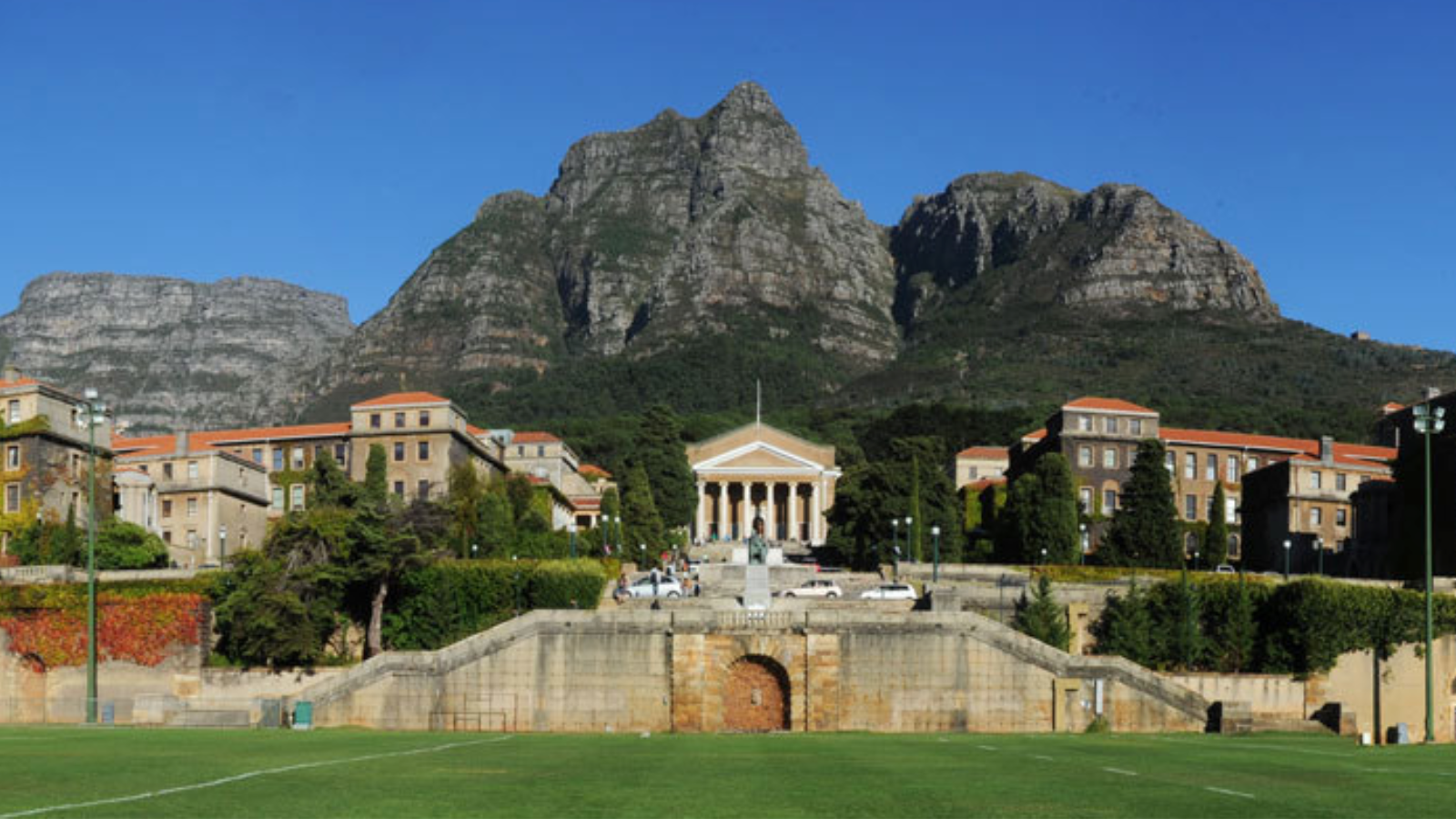
  • New R520 Million Bursary Scheme to Send Over 5,000 Students to University

    New R520 Million Bursary Scheme to Send Over 5,000 Students to University

    Universities South Africa (USAf) and the Services Sector Education and Training Authority (Services SETA) have launched a R520 million bursary scheme that will fund more than 5,000 students at the country’s public universities in 2026, according to BusinessTech.

    The collaboration brings together USAf, which represents all 26 of South Africa’s public universities, and the Services SETA in what organisers describe as a significant intervention to widen access to higher education.

    How the funding will be shared

    According to the brief, 24 of the 26 public universities each received R20 million under the scheme. That allocation is expected to enable roughly 200 students per institution to access support.

    Funding is capped at R100,000 per student per year, and continued support is subject to satisfactory academic progress.

    The scheme is open to South African citizens enrolled at public universities. Key eligibility details include:

    • Applicants must be South African citizens.
    • Students must be enrolled as first, second or final-year students at a public university.
    • Support is capped at R100,000 per student per year.
    • Continued funding depends on satisfactory academic progress.

    A benchmark for other sectors

    USAf CEO Phethiwe Matutu described the launch as “a day of both jubilation and immense responsibility,” signalling the weight placed on delivering results for the students who benefit.

    Services SETA Acting CEO Sibusiso Dhladhla framed the initiative as a benchmark for other sectors, suggesting the partnership model could be replicated more broadly across the skills development landscape.

    By spreading funding across nearly every public university, the scheme aims to broaden the reach of financial support beyond the country’s largest or best-resourced institutions, with each participating university positioned to assist around 200 students.

    What it means for students

    For the more than 5,000 students set to benefit, the bursary covers a substantial portion of study costs, with the R100,000 annual cap intended to ease the financial pressures that often prevent learners from completing their qualifications.

    The focus on first, second and final-year students means support is available at multiple stages of a student’s academic journey, from those beginning their studies to those approaching graduation.

    With the requirement for satisfactory academic progress, the scheme links continued funding to performance, an approach designed to encourage students to stay on track toward completing their degrees.

    As the 2026 academic year unfolds, the partnership between USAf and the Services SETA represents one of the larger recent efforts to channel sector-based skills funding directly into the public university system.