Good News · All Nine Provinces

Independent · Local · Forward-looking

Mzansi News Online

Uniting SA Through Good News

Category: Education

  • Lighter Books for Schools: VAT Exemption Brings Simpler Admin to South African Education

    Lighter Books for Schools: VAT Exemption Brings Simpler Admin to South African Education

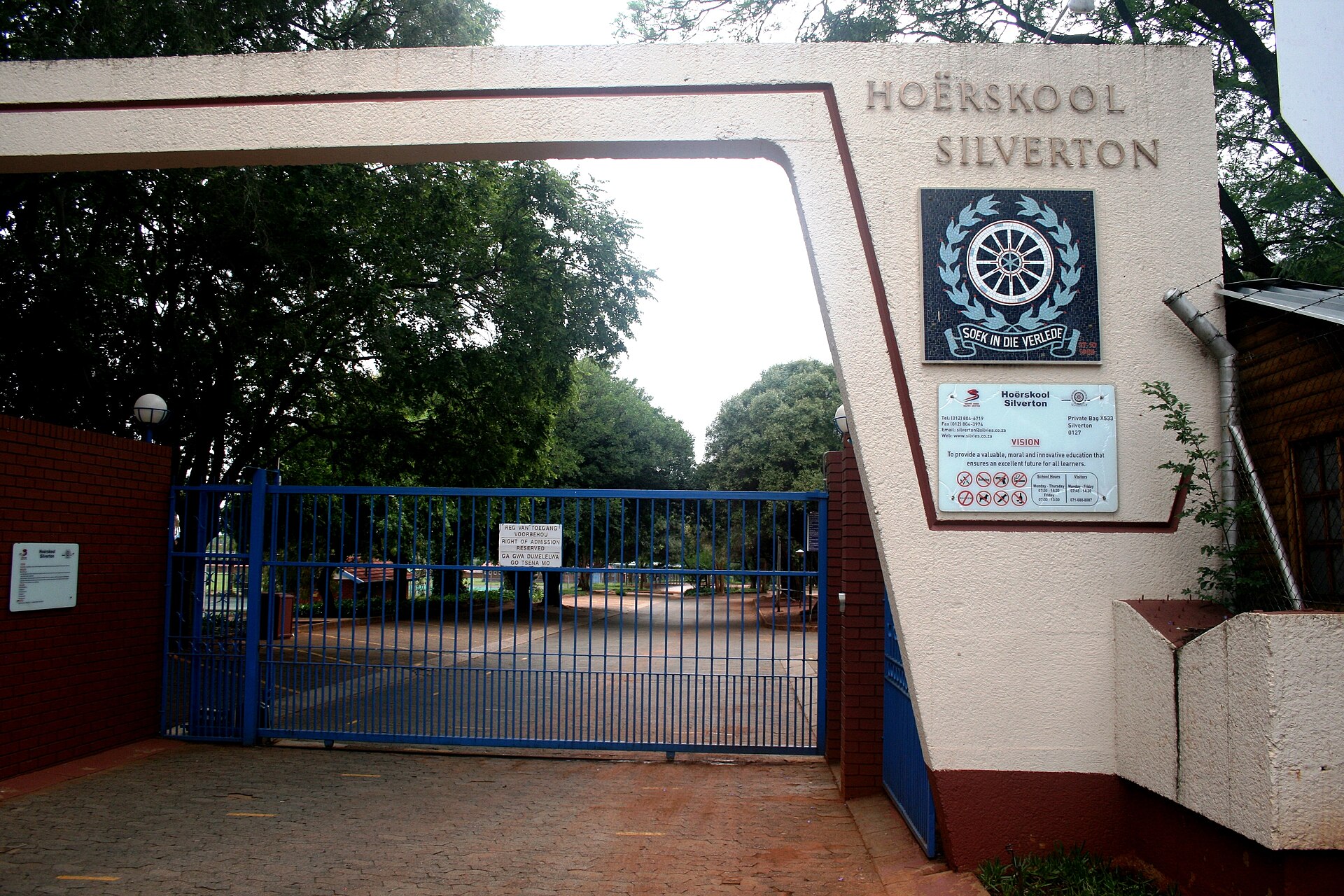
    Here is a piece of good news hiding in the tax code: since 1 January 2026, everything schools supply is exempt from Value Added Tax, and the South African Revenue Service (SARS) is now helping schools tie off the last bit of admin so they can enjoy the simpler system in full.

    The legislative change means schools registered under the South African Schools Act no longer charge VAT on their supplies, with the only exception being qualifying welfare activities a school may run, SAnews reports. For school governing bodies, bursars and finance committees, that translates into less paperwork, fewer returns and one less layer of complexity in already-busy school offices.

    What Changes for Schools

    In a statement issued on Friday, SARS called on schools that are still registered as VAT vendors to apply to cancel that registration, the final housekeeping step under the new dispensation.

    “Schools may therefore not charge VAT or deduct input tax on supplies made from 1 January 2026 and must correct any VAT returns already submitted for periods from that date where necessary,” the revenue service said.

    The process itself has been kept refreshingly simple. Affected schools need to:

    1. Complete the VAT123e form, the application for cancellation of registration.
    2. Give the reason for cancellation as: “All enterprise activities have ceased on 31 December 2025”.
    3. Email the completed form to contactus@sars.gov.za with the subject line “VAT deregistration – Schools”.

    Schools that prefer to speak to a person can instead book a virtual appointment through the SARS eBooking system, selecting “Other” as the reason category and “VAT and PAYE registration/deregistration” as the reason for the appointment.

    Flexibility Where It Is Needed

    SARS has also built in breathing room for schools that owe exit VAT when they deregister. “Where exit VAT is payable, schools may submit a request for payment arrangements together with the VAT123e form,” the revenue service said, confirming that registration will be cancelled once the exit VAT has been declared and paid, or once the school has complied with an agreed payment arrangement.

    Schools that run qualifying welfare activities and wish to remain registered as VAT vendors for those activities can do so, they simply need written confirmation from the Commissioner by way of a ruling.

    Why It Matters

    Tax administration rarely makes for cheerful headlines, but this change is a quiet win for the education sector. A simpler VAT regime means school administrators spend less time on returns and reconciliations and more time on the core business of running schools. Further guidance is available on the SARS website, and the revenue service’s proactive outreach, telling schools exactly which form, which wording and which email address to use, is exactly the kind of practical, service-minded communication that makes compliance easier for everyone.

    For South Africa’s schools, the books just got a little lighter, and that is worth marking present.

    Photo: commons.wikimedia.org
  • 210 000 Applications Before Lunch: Gauteng’s Online School Admissions Off to a Flying Start

    210 000 Applications Before Lunch: Gauteng’s Online School Admissions Off to a Flying Start

    Gauteng parents wasted no time securing their children’s places for the 2027 school year. When the province’s Online Admissions system went live at 8am on Wednesday, 5 August 2026, applications poured in at a remarkable rate, and by midday the Gauteng Department of Education had already received 210 055 Grade 1 and Grade 8 applications.

    The enthusiasm was evident even before the doors opened: 12 058 parents joined the online queue between 7:30am and 7:59am, waiting for the system to go live.

    Gauteng MEC for Education, Sport, Arts, Culture and Recreation, Lebogang Maile, welcomed the strong response, saying it demonstrated “the continued confidence that parents and guardians have in the Province’s Online Admissions System”. The department reported that the process has proceeded smoothly, without any major technical incidents.

    Where demand is highest

    The busiest districts so far are Ekurhuleni South and Tshwane West. Among high schools, Hoërskool Langenhoven in Tshwane West led the pack with 1 168 applications, followed by Alberton High School with 1 098 and Hoërskool Akasia with 917. At primary level, Rachel de Beer Primary School received 474 applications, with Laerskool Akasia on 461 and Laerskool Voortrekker Eeufees on 411.

    The numbers reflect the sheer scale of South Africa’s largest provincial education system. Gauteng educates more than 2.4 million learners across 2 111 public ordinary schools, made up of 1 417 primary schools and 694 secondary schools, including 37 Schools of Specialisation spread across 15 education districts. Enrolment grew by more than 23 000 learners over the past year alone, which the department says is the equivalent of building about 19 new schools of 1 200 learners each.

    A decade of digital progress

    Since its introduction in 2015, the online system has replaced the long overnight queues that once formed outside popular schools with what the department describes as a fair, transparent and efficient digital process. Placements have increased every year over the past decade, with approximately 400 000 entry-grade learners successfully placed during the 2025 admissions cycle.

    This year’s system also arrives with a series of upgrades informed by consultations with parents, school governing body associations, principals, district officials and call-centre agents. These include:

    • Improved system stability during periods of high demand and faster processing times;
    • Enhanced document verification and automated SMS reminders and notifications;
    • The ability for parents to view each school’s language offerings before applying.

    Apply early, apply carefully

    Maile urged families not to leave applications for the closing days of the period. “Applying early allows sufficient time to upload supporting documents, resolve any outstanding matters and improve the likelihood of a seamless placement process,” he said.

    Parents are reminded to complete all five application steps, apply to between three and five schools, and upload or submit certified supporting documents within seven days of applying. If Wednesday’s opening is anything to go by, Gauteng’s parents are more than ready to do exactly that.

    Photo: commons.wikimedia.org

  • Justice That Speaks Your Language: Bold Plan to Grow Indigenous Languages in South Africa’s Courts

    Justice That Speaks Your Language: Bold Plan to Grow Indigenous Languages in South Africa’s Courts

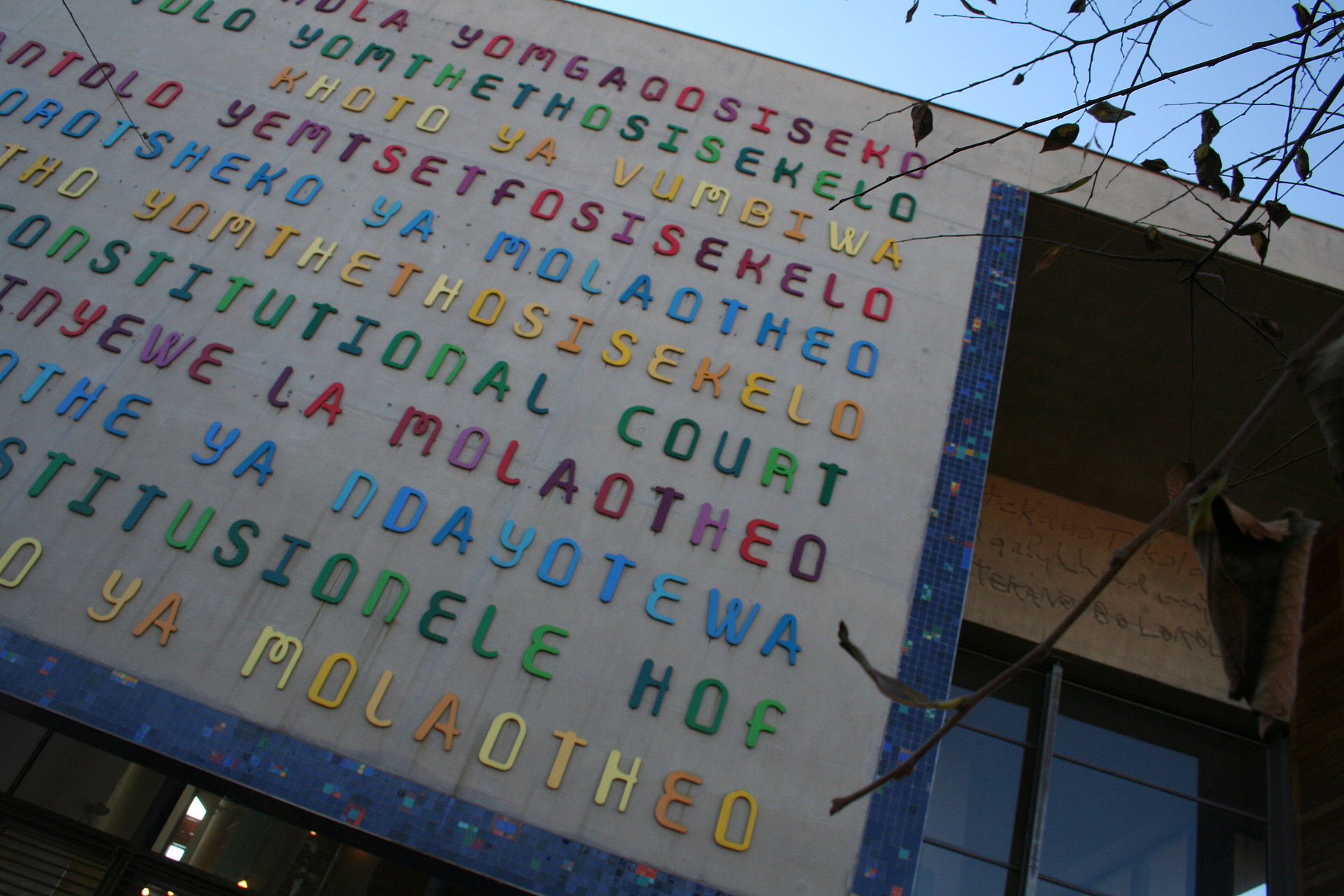
    Imagine a South Africa where justice is not only heard in your mother tongue, but imagined, reasoned and written in it. That is the vision Deputy Minister of Justice and Constitutional Development Andries Nel set out this week in a public lecture on indigenous languages and the justice system at the University of Mpumalanga.

    “Thirty years after the adoption of the Constitution, our task is not merely to praise its multilingual promise. It is to build the institutions through which that promise can speak. Let us ensure that every language of our people can become a language not only in which justice is heard, but through which justice is imagined, reasoned and made,” Nel said.

    A Founding Promise

    Nel reminded his audience that language sits in Chapter 1 of the Constitution, among its Founding Provisions. Section 6, he said, must be read together with the rights to equality, dignity, freedom of expression, cultural participation, education, access to courts and the right of an accused person to be tried in a language they understand.

    He argued that a truly multilingual constitutional order requires more than interpreted access: it requires participation in the production of jurisprudence itself. “Translation, at its best, changes both sides of the encounter. It reveals assumptions that appear natural in the dominant language and creates new possibilities of legal thought,” he said.

    A National Centre of Excellence

    The exciting part is the plan. Nel proposed a partnership between the University of Mpumalanga, the South African Judicial Education Institute and the Brigitte Mabandla Justice College to create a national centre of excellence for justice sector education, research and professional development, built on five pillars:

    • Education and training;
    • Research and innovation;
    • Indigenous languages and access to justice;
    • Digital justice; and
    • Community engagement and public legal education.

    Concrete ideas on the table include joint short courses and postgraduate certificates on indigenous languages in the justice system, court interpreting and legal translation, plain-language drafting, customary law, access to justice in rural communities, and dispute resolution rooted in indigenous knowledge — plus legal dictionaries, multilingual court resources and interpreter training.

    Light That Grows

    Nel was honest that the work will take time — and hopeful about how it happens.

    “The rising sun does not abolish the night by declaration. Light grows across the landscape. In the same way, a multilingual jurisprudence will be produced through accumulated work: one concept clarified, one interpreter trained, one student taught, one textbook written, one judgment translated. Quantitative changes can, in time, become qualitative transformation,” he said.

    For millions of South Africans, that steady light promises something profound: a justice system that speaks to them, and for them, in the languages of their homes, according to SAnews.

    Photo: commons.wikimedia.org

  • A Skills Revolution Takes Shape: New TVET Qualifications Open Fresh Pathways for South Africa’s Youth

    A Skills Revolution Takes Shape: New TVET Qualifications Open Fresh Pathways for South Africa’s Youth

    As South Africa marks the 50th anniversary of the Soweto Uprising, Minister of Higher Education and Training Buti Manamela says the task ahead is clear: create opportunities for the country’s youth through education, skills development and pathways into employment – and the reforms to do it are already rolling out.

    “For millions of young people, access to education and skills development represents a pathway to dignity, economic participation and a better future,” the Minister said in an interview with the South African Government News Agency.

    Twenty-four new qualifications, designed with industry

    In January 2026, 24 new occupational qualifications were introduced at Technical and Vocational Education and Training (TVET) colleges. The qualifications are designed in close partnership with industry and focus on practical, workplace-relevant skills that improve employability.

    They are part of a much larger foundation: to date, 948 occupational qualifications and part-qualifications have been registered on the National Qualifications Framework, creating a strong base for occupationally directed learning pathways.

    The department is also introducing a dual system of learning and earning that combines classroom learning with workplace experience. “We cannot continue producing qualifications in isolation from the realities of the labour market,” Manamela explained.

    TVET colleges at the centre

    A Turnaround Strategy for TVET colleges is expected to be tabled later this year, informed by consultations with colleges, industry and organised labour, and addressing infrastructure, lecturer development, student support and workplace partnerships.

    “We are very clear that, to achieve the revolution, we have to put TVET colleges at the centre because of their centrality to economic growth and industrialisation,” the Minister said, adding that early workplace partnerships are already drawing positive feedback from industry.

    Beyond the country’s 26 public universities, government is investing in digital infrastructure that enables flexible learning, expands access to education and prepares students for a rapidly digitising economy.

    Honouring 1976 by opening doors

    The reforms land in a milestone year. Youth Day on 16 June commemorated half a century since thousands of students marched against apartheid education policies, a turning point in the struggle for liberation.

    “The courage, sacrifice and determination of the young people of 1976 helped change the course of South Africa,” said Manamela, himself a former student leader. Over the past 30 years, he noted, the doors of learning have been opened to millions, with more young people than ever accessing universities, TVET colleges, community colleges, bursaries and skills development opportunities.

    “The 50th anniversary of June 16 is certainly a celebration. It is a celebration of the resilience of young people, the victories of our democracy and the progress we have made as a nation.”

    The full interview was published by SAnews.

    Photo: commons.wikimedia.org

  • Africa’s Biggest Science Centre Takes Centre Stage as Nzimande Champions STREAM Education at Sci-Bono

    Africa’s Biggest Science Centre Takes Centre Stage as Nzimande Champions STREAM Education at Sci-Bono

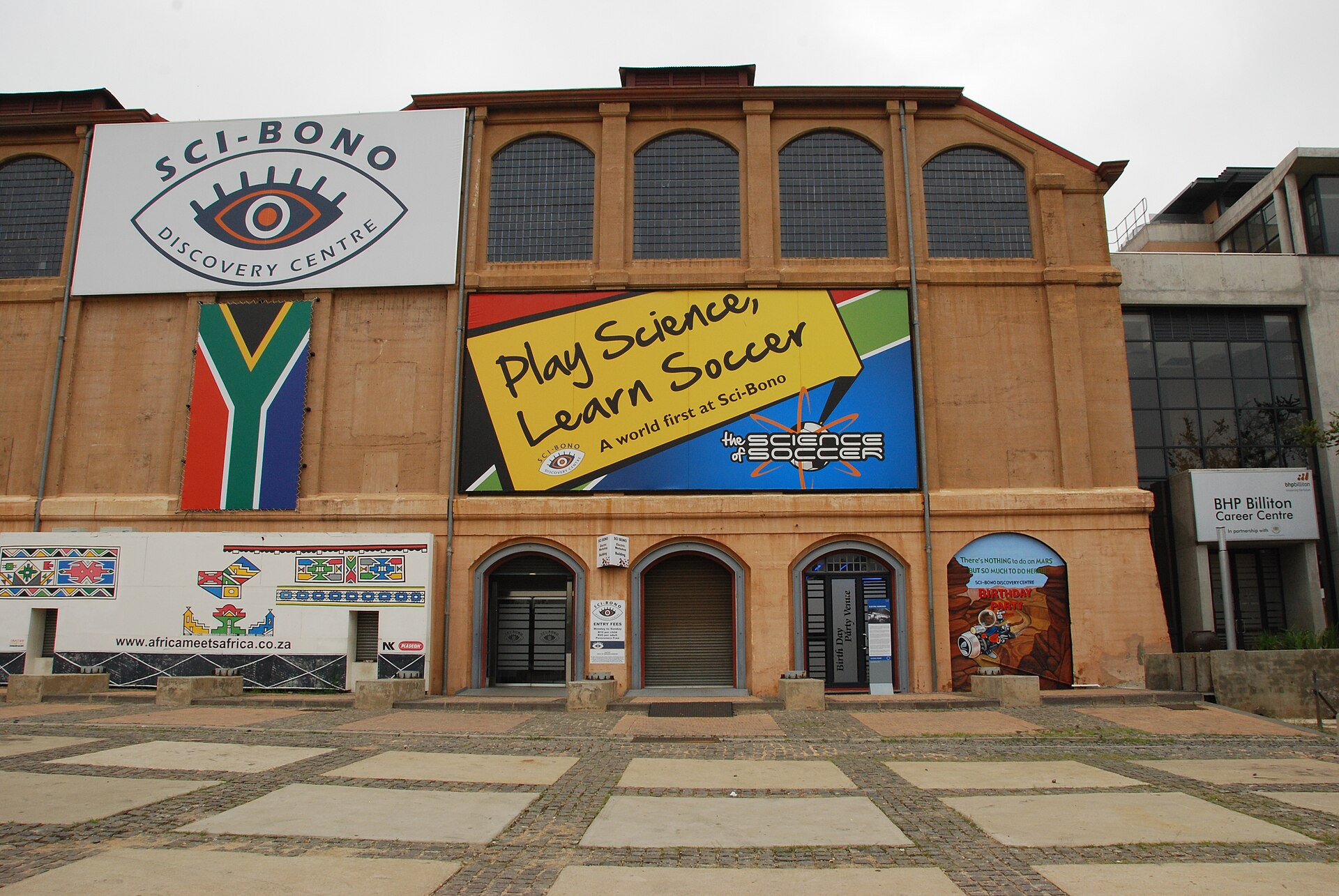
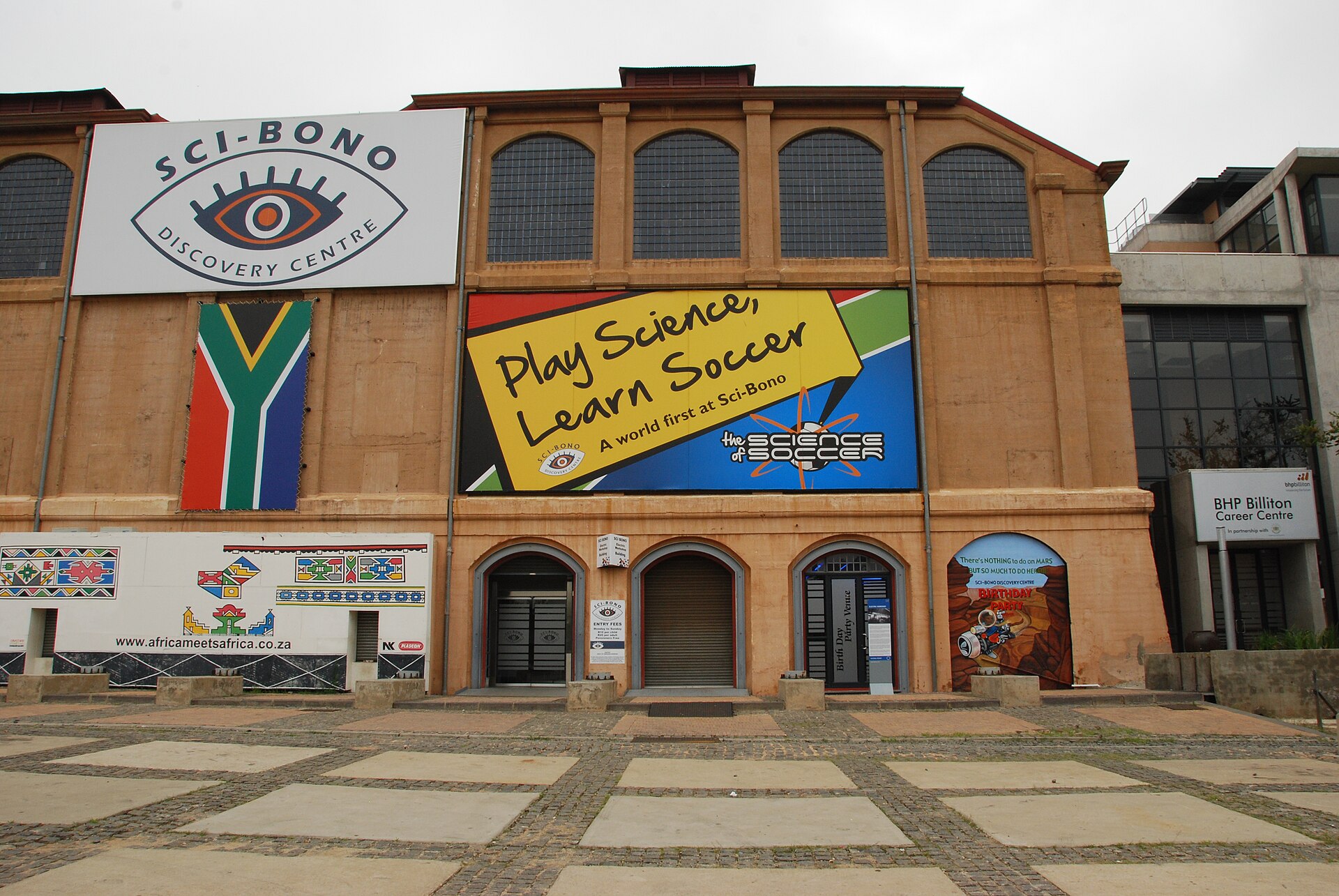
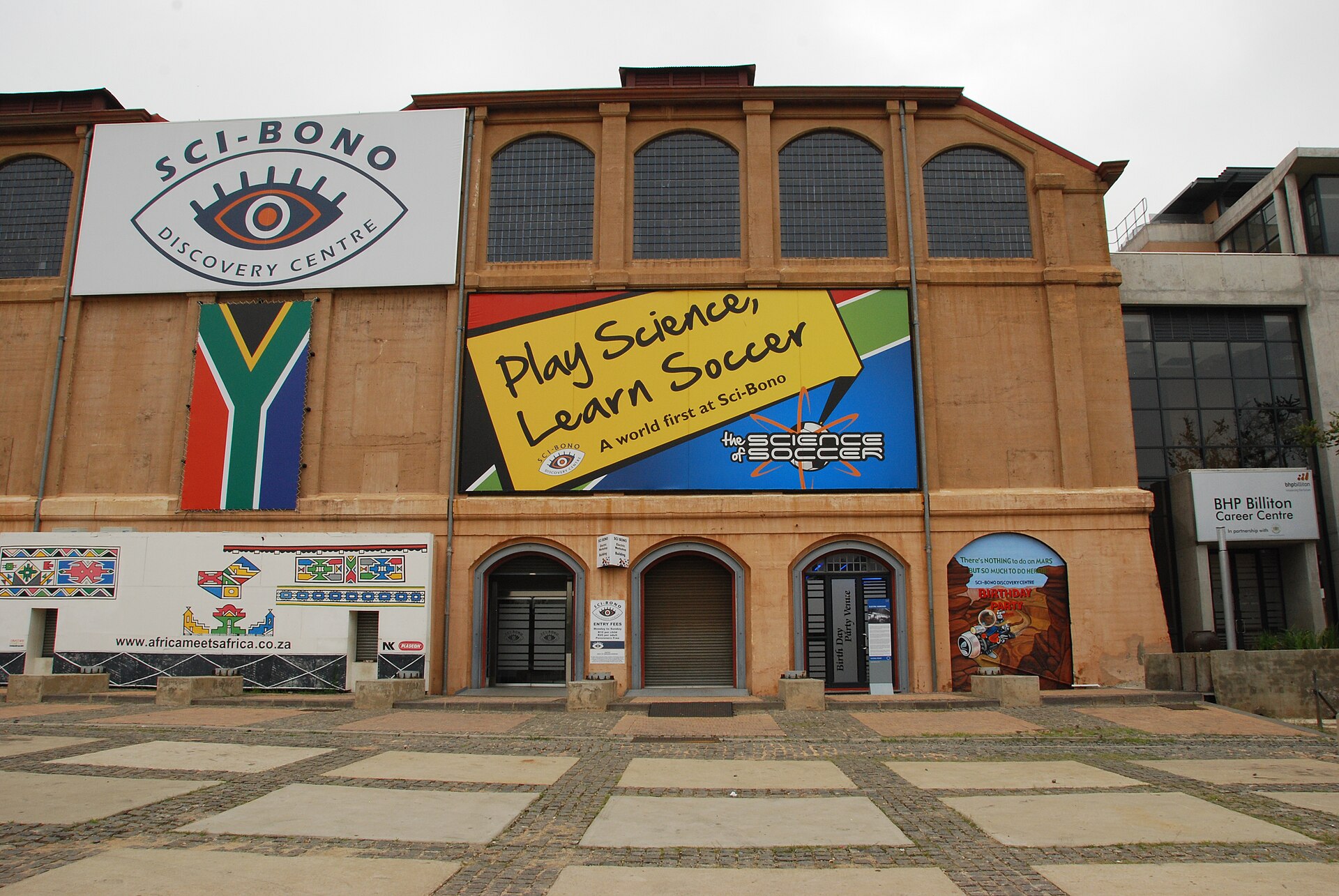
    The corridors of the Sci-Bono Discovery Centre in Newtown, Johannesburg, hosted a high-profile visitor on Friday: Minister of Science, Technology and Innovation Blade Nzimande, who used the occasion to spotlight the vital role science centres play in strengthening science education and developing the skills of the future.

    A Continental Flagship in Newtown

    Sci-Bono is described as the largest science centre in Africa, and it has earned that billing through years of hands-on work. Its programmes are designed to expose young people to science, technology and innovation and to encourage them to pursue careers in related fields, turning curiosity in a school-age visitor into a qualification, and eventually a profession.

    The Minister’s visit focused on the centre’s strategic vision for science education and its work in promoting STREAM education, the expansive approach that weaves together science, technology, research, engineering, arts and mathematics. The visit also showcased the collaboration between government and the broader community in advancing innovation and youth empowerment initiatives.

    Government Behind the Glass Doors

    Science centres in South Africa do not stand alone. The Department of Science, Technology and Innovation is the policy custodian for the country’s science centres, recognising them as intermediaries that help the public engage with science and technology in ways a textbook never could.

    That recognition comes with practical backing. The department provides funding and in-kind support to science centres across the country and administers a quality assurance framework aimed at keeping them functioning effectively. It is a national network approach that treats a child’s first encounter with a robot, a telescope or a chemistry demonstration as public infrastructure worth investing in.

    The department said science centres are also important in supporting science education and encouraging science-based career development, which remain strategic priorities for the government.

    Skills Today, Innovation Tomorrow

    The timing of the visit is no accident. Government continues to emphasise the development of scientific and technical skills among young people as a foundation for innovation and economic development. Every learner who leaves Sci-Bono inspired to take mathematics seriously, or to imagine themselves as an engineer, data scientist or researcher, adds to the pipeline of talent South Africa needs.

    Sci-Bono has played a prominent role in science engagement and education for years, and its Newtown home places world-class exhibits within reach of learners from across Gauteng and beyond. The visit comes shortly after South Africa launched its first-ever National Science Month, a programme designed to showcase the country’s scientific capabilities to the public, adding to a season in which science is being celebrated nationally.

    In a country whose scientists are already making global contributions, from astronomy to health research, places like Sci-Bono are where the next generation gets its first spark. Friday’s visit was a reminder that the spark is being deliberately, and generously, tended, according to details reported by SAnews.

    Photo: commons.wikimedia.org

  • STEM Comes to Manguzi: Science Month Career Expo Opens Doors for Rural KZN Learners

    STEM Comes to Manguzi: Science Month Career Expo Opens Doors for Rural KZN Learners

    National Science Month is on the road, and this week it arrives in one of KwaZulu-Natal’s most rural corners: Deputy Minister of Science, Technology and Innovation Dr Nomalungelo Gina leads a career expo in the uMkhanyakude District on Friday, bringing bursary information, STEM career guidance and hands-on science to learners far from the big cities.

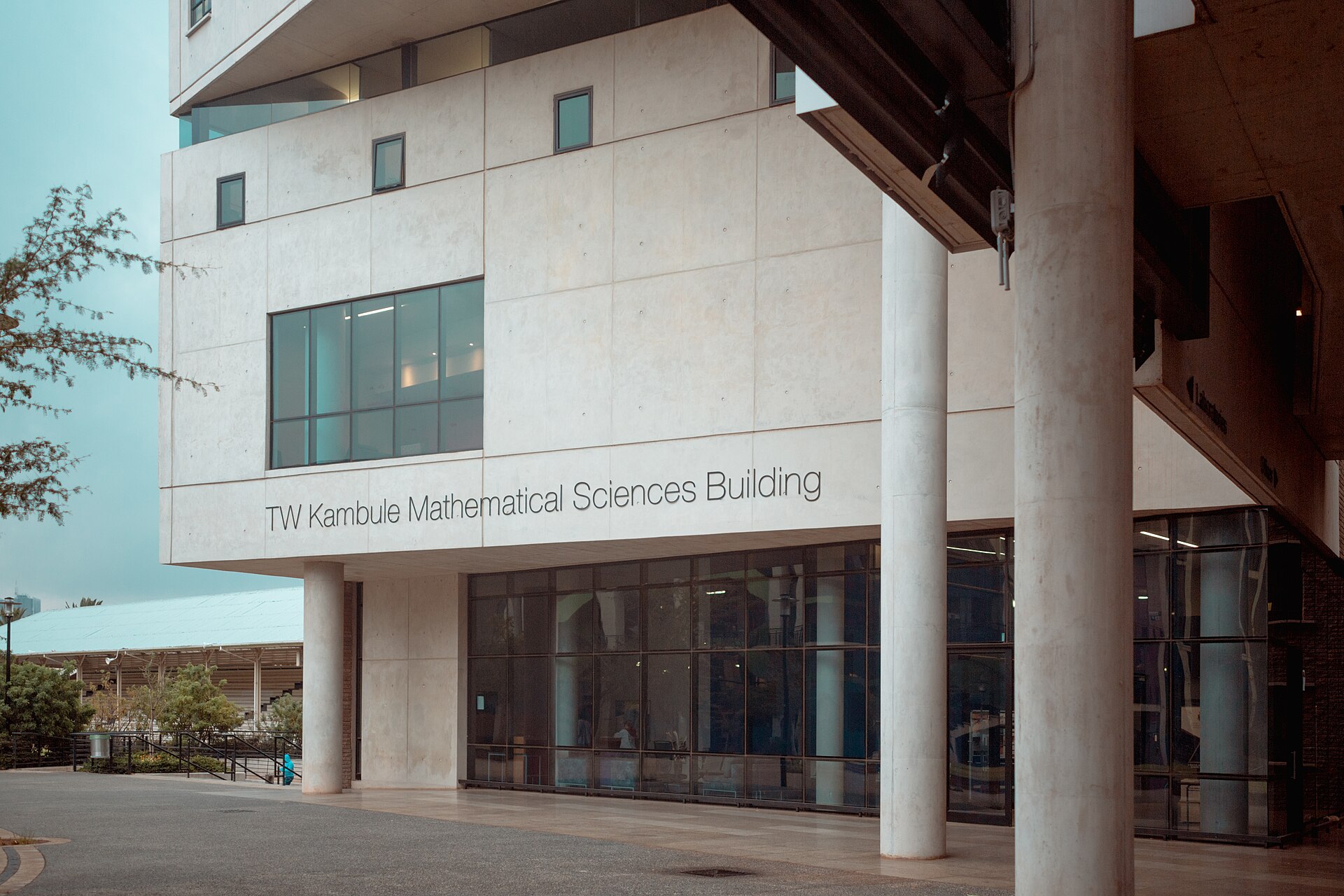
    The expo takes place on 24 July 2026 at the Manguzi Sports Centre in the Umhlabuyalingana Local Municipality, near the country’s north-eastern border. It forms part of National Science Month, the country’s first, which Gina launched earlier this month at the Vaal University of Technology.

    Opening doors in uMkhanyakude

    The event is designed to expand access to science, technology and innovation opportunities for learners and young people in a district where such exposure is rare. It brings together government departments, science councils, higher education institutions and other stakeholders under one roof.

    For learners and out-of-school youth, that means direct access to information on:

    • Career opportunities in science, technology, engineering and mathematics.
    • Bursaries and funding for further study.
    • STEM-related study fields and training pathways.
    • Future-oriented skills that will matter in tomorrow’s economy.

    Crucially, the expo is not just talks and pamphlets. It features interactive exhibitions and demonstrations that give attendees the chance to engage with science and technology in practical, accessible and exciting ways – the kind of first-hand encounter that turns curiosity into a career.

    A national movement for science

    National Science Month is an initiative of the Department of Science, Technology and Innovation, implemented through the South African Agency for Science and Technology Advancement. Its goal is to promote public interest in science, technology and innovation and to demonstrate their impact on everyday life.

    By taking the campaign to Manguzi rather than a metropolitan convention centre, the department is making a pointed statement: the next generation of South African scientists, engineers and innovators can come from anywhere, and the opportunities must travel to meet them.

    Digital migration comes along for the ride

    The visit doubles as a service-delivery moment. The Department of Communications and Digital Technologies, which is conducting outreach in the district as part of the Broadcast Digital Migration Programme, will also participate in the career expo, while Gina will visit households where the switch from analogue to digital television is being rolled out.

    It is a fitting pairing, according to details published by SAnews: on the same day young people in uMkhanyakude explore careers in technology, homes around them take a concrete step into the digital future.

    Photo: commons.wikimedia.org

  • Science for Everyone: South Africa Launches Its First-Ever National Science Month

    Science for Everyone: South Africa Launches Its First-Ever National Science Month

    For the first time in its history, South Africa is dedicating an entire month to celebrating science – and the invitation could not be clearer: this is for everyone.

    The country’s inaugural National Science Month kicked off this July, launched on 4 July 2026 by Deputy Minister of Science, Technology and Innovation Dr Nomalungelo Gina at the Vaal University of Technology in Sebokeng. It marks a major upgrade from National Science Week, a beloved fixture on the calendar since 2000, and runs under a fittingly inclusive theme: “Science, Technology and Innovation are for everyone.”

    From One Week to a Full Month

    The expansion, first announced by Science, Technology and Innovation Minister Professor Blade Nzimande at the 2025 National Science Week launch, reflects government’s recognition of the growing role science and innovation play in solving national and global challenges.

    Dr Anton Binneman, Manager of Science Communication at the South African Agency for Science and Technology Advancement (SAASTA), a unit of the National Research Foundation, says the longer format changes what is possible. “The move from one week to a full month provides more time and space for universities, science councils, government departments, businesses, schools, scientists and community organisations to participate. It also allows us to address a broader range of subjects and reach communities that may not previously have had opportunities to participate in science engagement activities,” he told SAnews.

    The month-long programme spans public lectures, community engagements, exhibitions, science tours, expert discussions, school activities and media engagements, covering themes from health and climate change to space science, human rights and indigenous knowledge systems.

    Closing the Gap Between Science and Society

    Binneman describes the work of a science communicator as far more than simplifying jargon. “A science communicator helps to close the gap between science and society,” he explains. “The ultimate objective is not merely to tell people what science says. It is to contribute to a society in which people can ask informed questions, assess evidence, form their own opinions and participate critically in discussions about science, technology and innovation.”

    That means meeting South Africans where they are – on radio and television, in newspapers and on social media, at exhibitions, in museums, at schools and through community dialogues, in the languages and formats people actually use.

    An Encouraging Start

    Though it is early days, the response has been heartening. Organisations across the National System of Innovation are rolling out activities, and members of the public are being invited not just to attend events but to start their own science conversations in their communities.

    For Binneman, that participatory spirit is the true measure of success: not the number of events held, but whether ordinary South Africans begin to recognise that science is part of their daily lives – and that they have a rightful place in the conversation about it.

    With a full month of discovery ahead, learners, families and curious minds across the country have every reason to dive in.

    Photo: commons.wikimedia.org

  • ‘The Law Is a Public Trust’: Stellenbosch Law Students Inspired to Carry the Constitution Into Its Next 30 Years

    ‘The Law Is a Public Trust’: Stellenbosch Law Students Inspired to Carry the Constitution Into Its Next 30 Years

    As South Africa celebrates 30 years of its Constitution, the next generation of lawyers has been challenged to carry forward one of the world’s proudest legal traditions — and to treat their legal education not as a ticket to personal success, but as a duty to society.

    Deputy Minister of Justice and Constitutional Development, Andries Nel, delivered the keynote address at a Career Day for Law Students at Stellenbosch University, held under the theme “The Constitution at 30: Preserving Nelson Mandela’s Legacy of Equality and Justice”, SAnews reports.

    Standing on the Shoulders of Giants

    Nel, himself a law graduate, urged students to draw guidance from the legal trailblazers who fought for constitutional and human rights for all South Africans — among them former President Nelson Mandela, Advocate Duma Nokwe, Oliver Tambo, Priscilla Jana, former Constitutional Court Justice Albie Sachs, and human rights lawyers Griffiths and Victoria Mxenge.

    “South Africa has a very proud history of lawyers who had devoted themselves to justice. They came from many different backgrounds… But they shared a conviction that the law must serve justice. When the law was used as an instrument of oppression, they reclaimed its moral purpose. When the courts enforced injustice, they used the courtroom as a site of struggle and resistance.”

    The Deputy Minister acknowledged that today’s practitioners face different challenges from those of the apartheid era, but said the tradition of public interest law is alive and well. “We now have a whole new generation of public interest lawyers who’ve continued in that struggle,” he told the students.

    A Question for Every Graduate

    The question each student must answer, Nel said, is what they will do — individually and collectively — with South Africa’s Constitution.

    “You will answer that question not only through what you believe but what you choose to do with your legal education, because the law is not merely a profession, it is a public trust. That public trust is now passing to you,” he said.

    The milestone gives the message special weight. This year South Africa commemorates the 30th anniversary of the adoption of the Constitution — a document Nel himself helped shape as a member of the constitutional parliament at the time.

    “Thirty years ago, we made a very profound choice as a nation to choose constitutional supremacy over arbitrary power,” he reflected. “But constitutions do not defend themselves, rights do not enforce themselves, the rule of law does not preserve itself — people do.”

    And it is people of integrity, courage and knowledge, he told the packed career day — people who understand that legal knowledge carries a responsibility to society — to whom that task now belongs.

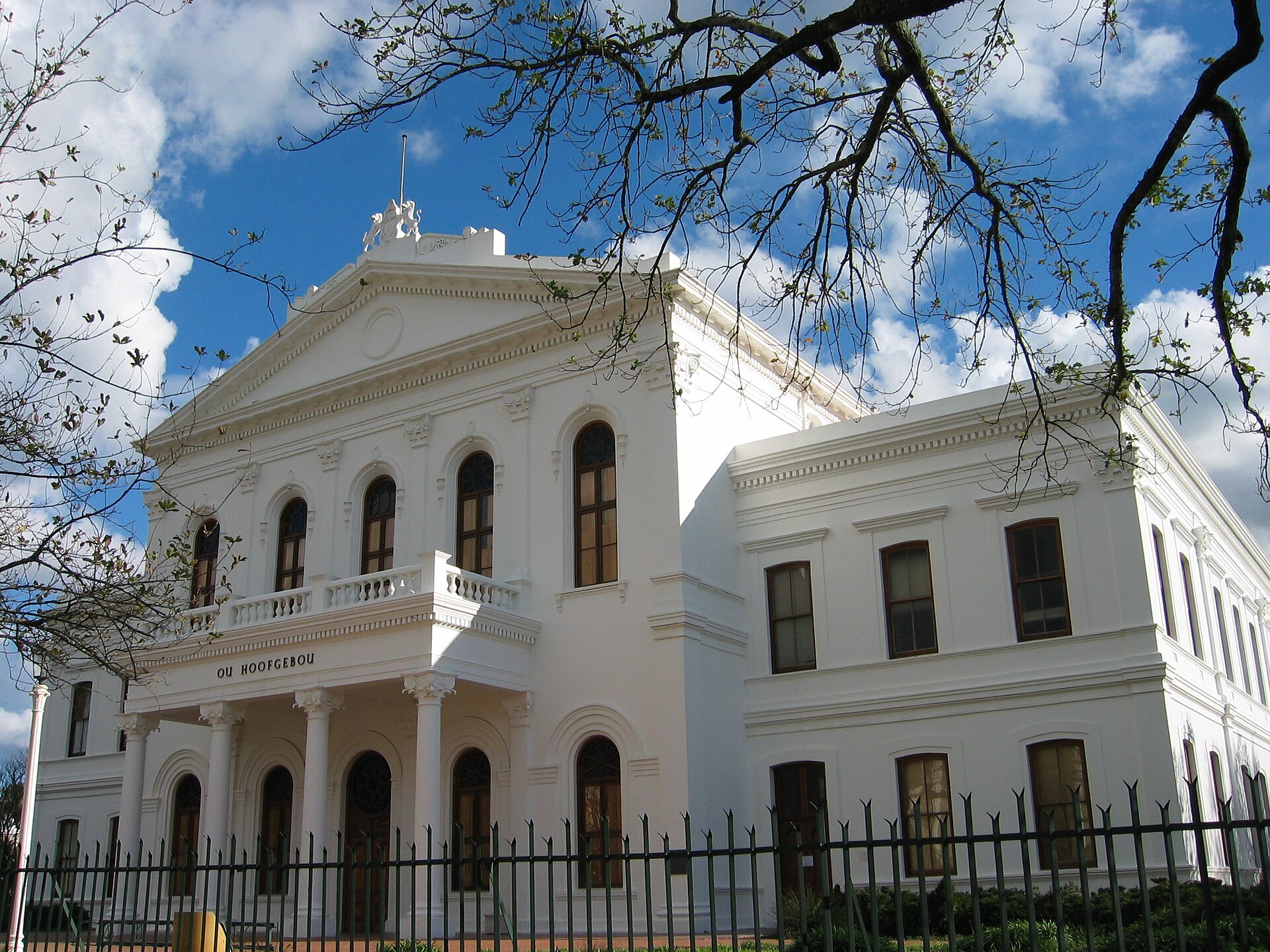
    For the students of Stellenbosch’s law faculty, housed in a university with one of the country’s oldest legal programmes, it was both a celebration of how far South Africa’s constitutional democracy has come, and an invitation to write its next chapter.

    Photo: commons.wikimedia.org

  • The Teacher Who Coded a Better School Day: Sipho Manzini’s Award-Winning WebAdmin

    The Teacher Who Coded a Better School Day: Sipho Manzini’s Award-Winning WebAdmin

    When Sipho Manzini finished matric in 2007, he dreamed of a career studying rocks. Today, the Mfuleni High School teacher is being celebrated as one of South Africa’s public service trailblazers — the creator of an artificial intelligence-powered platform that is quietly transforming how schools run.

    Manzini is the developer of WebAdmin, a digital platform that helps educators streamline administrative tasks, improve organisation and integrate technology into their daily work, SAnews reports. The innovation earned him the bronze award in the category of Innovations Harnessing Technology for Frontline Services at the 2025 National Batho Pele and Innovation Awards, along with the Special Ministerial Award for Public Sector Trailblazers. The awards, hosted by the Department of Public Service and Administration and the Centre for Public Service Innovation, honour public servants who go beyond the call of duty.

    From a farm near White River to Stellenbosch

    Manzini’s road to the awards stage was anything but direct. Born and raised in Mbombela, he grew up on a farm near White River in Mpumalanga and attended a farm primary school. With no high school nearby, he relocated to the village of Mgaduzweni to complete his secondary education.

    He went on to study geology at Stellenbosch University, where a programming module in his final year sparked an unexpected passion. After graduating in 2016 and a short stint in industry, he enrolled for a Postgraduate Certificate in Education in 2020 — a decision that changed the course of his career and, as it turns out, the working lives of hundreds of teachers.

    Two years of building, one big idea

    Arriving in the classroom, Manzini was struck by how little school administration had changed since his own school days: paper-heavy, manual systems that made the work disorganised and hard to manage. Rather than accept the status quo, he spent nearly two years building a solution.

    “It was not a fully fledged idea from the start. It was very small. It just kept growing and growing until I had a fully developed digital system,” he recalls.

    The result is a platform that gives educators digital workstations on their smartphones or laptops. Integrated with a customised smart card — also developed by Manzini — WebAdmin lets teachers handle class registers, staff attendance, learner activities and a range of other administrative functions from one central hub, dramatically reducing reliance on paperwork.

    From one school to thirteen

    What began at Mfuleni High School has grown into a wider district initiative. The platform is now used in 13 schools across the Metro North District, with more than 250 teachers actively using it to streamline their workflow and free up time for what matters most: teaching.

    Manzini admits that persuading colleagues to abandon long-established paper systems remains his biggest challenge. But with national recognition behind him and a growing community of educators on board, the geologist-turned-teacher has already proved his central thesis — that South African classrooms can be laboratories of innovation, too.

    Photo: commons.wikimedia.org

  • 1,732 Artisans and Counting: MISA’s Skills Drive Powers Up Municipal Service Delivery

    1,732 Artisans and Counting: MISA’s Skills Drive Powers Up Municipal Service Delivery

    A quiet skills revolution is underway in South Africa’s municipalities. Through the Municipal Infrastructure Support Agent (MISA), 1,732 young South Africans have been trained as artisans since 2014, building a growing pipeline of electricians, plumbers, bricklayers and mechanics who keep water flowing, lights on and roads maintained in communities across the country.

    The latest cohort of 30 apprentices successfully completed their trade testing in the 2024/25 financial year, according to MISA Chief Executive Officer Pati Kgomo, who says the programme is tackling two national challenges at once: youth unemployment and the shortage of skilled artisans in the public sector.

    Red Seal trades, real careers

    The MISA Apprenticeship Programme gives unemployed youth the opportunity to pursue Red Seal trade test qualifications in fields essential to municipal infrastructure, including electrical work, plumbing, bricklaying, and diesel and motor mechanics.

    Municipalities that take part gain access to a growing pool of competent, work-ready artisans capable of supporting infrastructure delivery and maintenance, while the young people themselves walk away with nationally recognised qualifications and practical experience that opens doors across the economy.

    The effort aligns with the National Development Plan 2030, which calls for the country to produce 30,000 qualified artisans a year to support infrastructure development, economic growth and job creation.

    More than apprenticeships

    MISA’s investment in young talent goes beyond the trades. Its Experiential Learnership Programme places engineering and built environment students and recent graduates inside host municipalities, where they apply their academic training in real-world environments.

    The Young Graduates Programme, a structured three-to-four-year journey towards professional registration as technicians, technologists and professional engineers, has enrolled more than 860 young graduates since its inception in the 2013/14 financial year, with a strong focus on candidates from historically disadvantaged communities.

    Skills where they are needed most

    By linking training to the District Development Model, MISA ensures skills development matches the specific needs of local economies. That place-based approach helps young people build sustainable livelihoods in their own communities rather than being forced to seek work in distant cities.

    “Municipalities remain the frontline of service delivery,” Kgomo notes, and the artisans, technicians and engineers coming through MISA’s programmes are the people who will keep that frontline strong, one qualified tradesperson at a time.

    Read more at SAnews.

    Photo: commons.wikimedia.org