Good News · All Nine Provinces

Independent · Local · Forward-looking

Mzansi News Online

Uniting SA Through Good News

Category: Events

  • Portraits of Power: A New Women’s Month Exhibition Honours Extraordinary Women at the Union Buildings

    Portraits of Power: A New Women’s Month Exhibition Honours Extraordinary Women at the Union Buildings

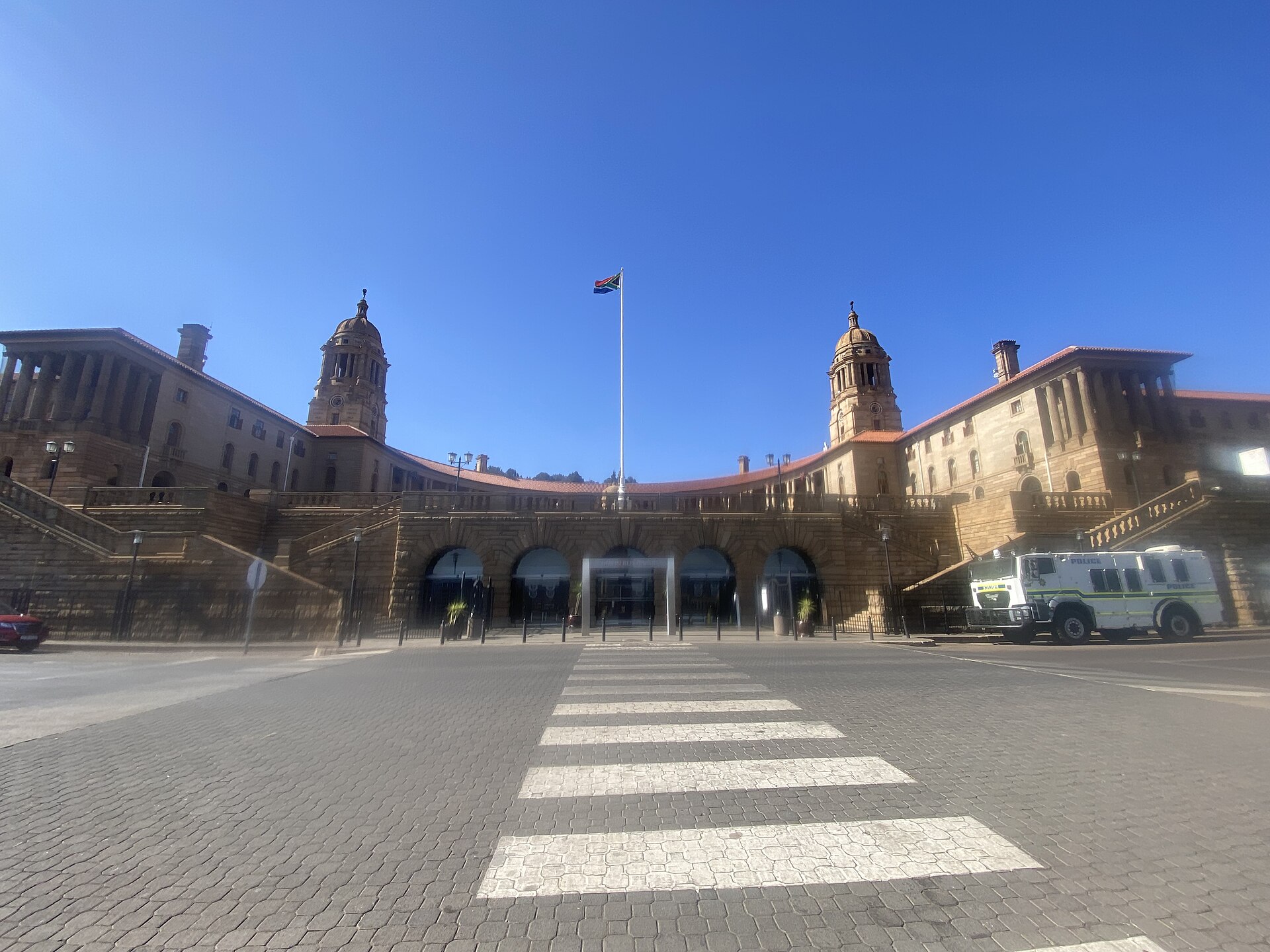
    South Africa opens a striking new chapter in its Women’s Month calendar this week as the Presidency, the Charlotte Mannya-Maxeke Institute (CMMI) and a group of participating diplomatic missions unveil the inaugural International Portraits of Power at the Amphitheatre of the Union Buildings in Pretoria.

    The exhibition, which opens on Tuesday, brings together portraits of extraordinary women whose courage and leadership have shaped nations and inspired generations. Each portrait was created by South African artists working hand in hand with the diplomatic missions that nominated the women being honoured.

    Art with a purpose

    According to the Presidency, the initiative “celebrates extraordinary women whose courage, leadership and contributions have shaped nations and inspired generations through a carefully curated exhibition.”

    The portraits on display reflect the history, values and aspirations of the countries that nominated them. By pairing local artistic talent with international collaboration, the organisers have turned a diplomatic gathering into a genuine showcase of South African creativity.

    The exhibition draws together government representatives, cultural practitioners, academics and diplomatic missions from across Africa, Europe, Asia and Oceania. Every nominated woman’s legacy is interpreted through a specially commissioned artwork, giving each story a distinctly personal and visual voice.

    Part of a bigger story

    The Presidency says the exhibition forms part of the South African government’s Women’s Month programme, which “seeks to honour women’s activism towards equality, preserve women’s liberation history and strengthen cultural diplomacy as part of the recently launched Milestones of Freedom campaign.”

    That framing matters. Rather than treating Women’s Month as a single day of speeches, the Portraits of Power initiative ties remembrance to action, using art to keep the history of women’s struggles alive while building bridges between nations.

    The choice of venue is deliberate too. The Union Buildings, the seat of the national government and one of the most recognisable landmarks in the country, lends the exhibition a sense of occasion and permanence. Holding it at the Amphitheatre places these women’s stories at the symbolic heart of South African public life.

    Cultural diplomacy in action

    The CMMI, named after pioneering South African social and political activist Charlotte Mannya-Maxeke, has built its reputation on programmes that connect heritage with contemporary purpose. The Portraits of Power exhibition continues that tradition by inviting the world into a shared conversation about leadership, dignity and the role women play in building nations.

    For visitors, the result is more than a gallery of faces. It is a reminder that the women who shaped history often did so quietly, persistently and against the odds, and that their stories deserve to be told in the grandest of settings.

    As South Africa marks another Women’s Month, the inaugural International Portraits of Power offers a hopeful, celebratory note, one that honours the past while pointing firmly towards a more equal future.

    Photo: commons.wikimedia.org
  • Women’s Month Opens With Deals, Not Just Displays: EmpowerHer Trade Fair Launches in Durban

    Women’s Month Opens With Deals, Not Just Displays: EmpowerHer Trade Fair Launches in Durban

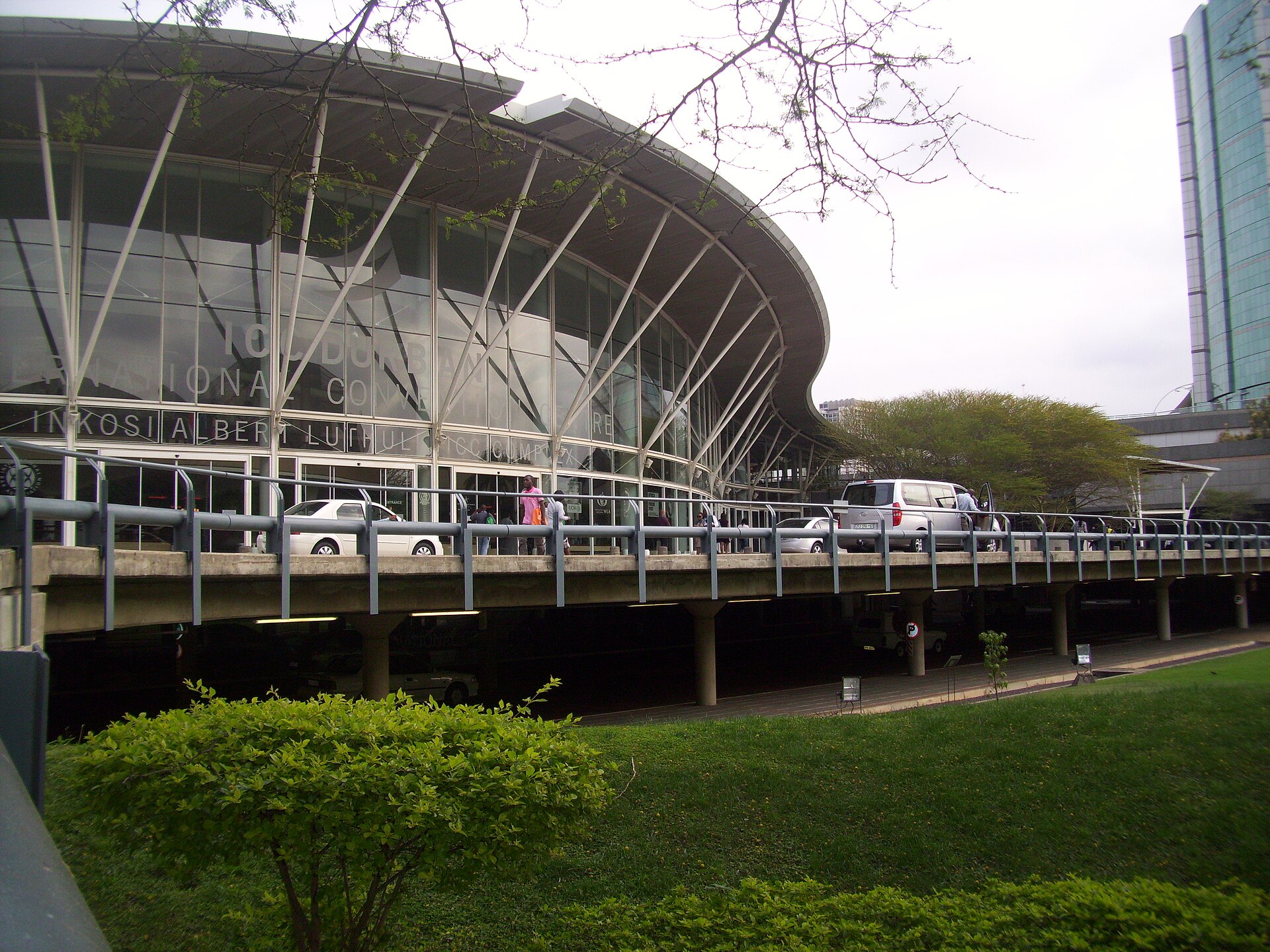
    South Africa opened 2026 Women’s Month with action rather than words. On Saturday in Durban, the Minister in the Presidency responsible for Women, Youth and Persons with Disabilities, Sindisiwe Chikunga, launched the EmpowerHer Market Trade Fair — a partnership between government and ABSA designed to move women-owned businesses from the margins of the economy into its main value chains, SAnews reports.

    The fair gives women entrepreneurs a platform to showcase products and services, access new markets, strike business partnerships and engage directly with investors and customers.

    More Than an Exhibition

    Chikunga was emphatic that the initiative is designed to produce transactions, not just visibility. “This Trade Fair is not merely an exhibition — it is an economic empowerment and market access intervention. It seeks to achieve visibility, market access, business deals, procurement, investment, enterprise growth, job creation, and economic empowerment,” the Minister said.

    On the exhibition floor, entrepreneurs had access to business pitch sessions, finance and development finance desks, procurement and buyer discussions, and support clinics — practical stations aimed at converting interest into orders, funding and long-term market linkages.

    Breaking Down the Barriers

    The Minister spoke frankly about the structural hurdles that hold women entrepreneurs back: limited access to markets and procurement, finance and investment, business development support, technology, information, networks and supply-chain opportunities. Many women-owned enterprises, she noted, operate in informal or small-scale markets and struggle to grow into sustainable, commercially viable businesses.

    “Too often, women-owned enterprises are visible in policy language, but invisible in actual value chains. They are invited to events but not linked to buyers. They are encouraged to formalise but not supported through the compliance burden. We are here to insist that this must change.”

    The programme deliberately includes women-owned enterprises, youth-owned enterprises and businesses owned by or inclusive of persons with disabilities. For persons with disabilities, Chikunga said, inclusion means accessibility, reasonable accommodation and real economic opportunity; for young women, it means support to enter markets early and participate in emerging sectors; and for women in rural and township economies, it means bringing support closer to where economic activity actually happens.

    When Women-Owned Businesses Grow, Everyone Wins

    Chikunga underlined the ripple effect of supporting women in business: households, communities, local economies and the country all benefit. She called for coordinated support between the state and its partners — “fragmented support will only produce fragmented outcomes” — and for a shift from once-off showcases to structured, ongoing economic participation.

    As Women’s Month gets under way across the country, the EmpowerHer Market Trade Fair sets an encouraging tone: a month that starts with pitch sessions, procurement conversations and investor meetings is a month pointed firmly at lasting change.

    Photo: commons.wikimedia.org

  • Women’s Month Opens With a Marketplace of Opportunity: EmpowerHer Trade Fair Comes to Durban

    Women’s Month Opens With a Marketplace of Opportunity: EmpowerHer Trade Fair Comes to Durban

    South Africa’s 2026 Women’s Month will begin not with speeches alone, but with a bustling marketplace of women-owned businesses. Sindisiwe Chikunga, the Minister in the Presidency responsible for Women, Youth and Persons with Disabilities, will officially launch this year’s Women’s Month campaign at the EmpowerHer Market Trade Fair at the Olive Convention Centre in Durban on Saturday, 1 August 2026.

    A Flagship Platform for Women Entrepreneurs

    The EmpowerHer Market Trade Fair is a flagship government initiative, implemented in partnership with ABSA, designed to advance women’s economic empowerment in a practical, hands-on way. The fair creates space for women-owned businesses to showcase their products and services, reach new markets, build business partnerships and connect directly with potential investors and customers.

    Saturday’s event in KwaZulu-Natal will bring together an impressive cross-section of the economy: women entrepreneurs, government departments, state entities, development finance institutions, private sector partners, civil society organisations and members of the public, all gathered to strengthen collaboration around women’s economic inclusion and sustainable livelihoods.

    The launch is also a celebration of the significant contribution women already make to South Africa’s economy, while keeping a clear focus on unlocking what still holds many businesswomen back, including access to finance, procurement opportunities, markets, technology, information and business development support. By putting entrepreneurs in the same room as funders and buyers, the trade fair aims to turn those barriers into bridges.

    Empowered Women Empower the Nation

    The Durban gathering marks the official start of the 2026 Women’s Month programme, which will run under the theme “Empowered Women Empower the Nation”. It is a message that frames women’s success not as a niche concern but as a national growth strategy: when women-owned enterprises thrive, jobs, households and communities thrive with them.

    Honouring the Women of 1956

    Women’s Month carries deep historical meaning in South Africa. August was declared Women’s Month in tribute to the more than 20 000 women who marched to the Union Buildings on 9 August 1956 in protest against the extension of Pass Laws to women, one of the most powerful demonstrations of unity in the country’s history. That courage is commemorated every year on 9 August, celebrated nationally as Women’s Day.

    Seventy years on, the spirit of that march finds a new expression in convention halls and market stalls, where a generation of businesswomen is building enterprises, creating employment and claiming a full stake in the economy. The EmpowerHer Market Trade Fair gives that spirit a stage, and gives shoppers, investors and partners a chance to be part of the story.

    For women entrepreneurs looking to grow, and for anyone who wants to see South African talent up close, Durban on 1 August is the place to be, according to details announced by the department and reported by SAnews.

    Photo: commons.wikimedia.org

  • Photo Finish for the Ages: Note To Self Snatches the 130th Hollywoodbets Durban July

    Photo Finish for the Ages: Note To Self Snatches the 130th Hollywoodbets Durban July

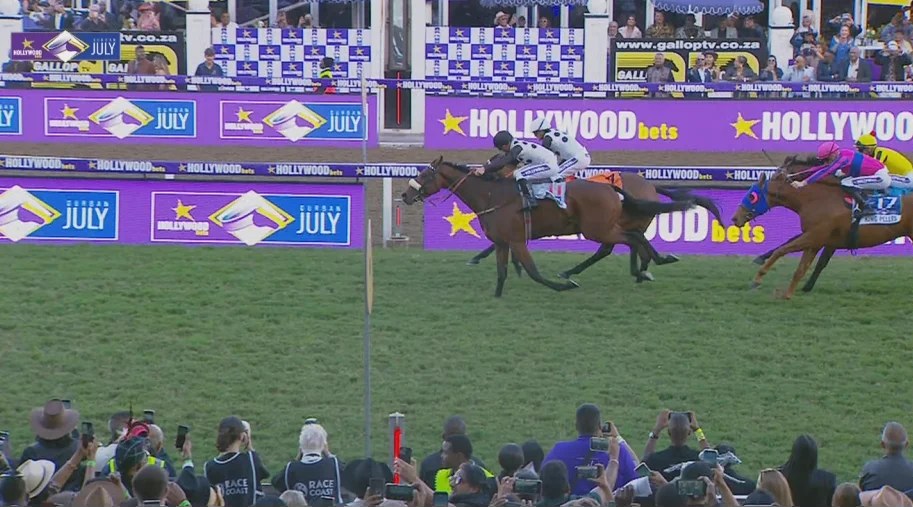
    Africa’s greatest horse race delivered a finish worthy of its 130-year legacy, as Note To Self surged past the field in the dying strides to win the 2026 Hollywoodbets Durban July by little more than a nose at Hollywoodbets Greyville in Durban.

    Ridden by Richard Fourie and trained by Justin Snaith, Note To Self timed the run to perfection in the Grade 1 feature over 2,200 metres, denying stablemate Wish List in one of the closest finishes the great race has seen.

    A Finish for the Ages

    Wish List made the first move and hit the front at the right time in the final straight, and for a moment the race looked won. But on the outside, Note To Self exploded into action in the closing stages, claiming victory right on the line.

    Behind the fighting front two came King Pelles in third, Viva’s Liberte in fourth and Isivivane in fifth, rounding out a top order that kept the packed Greyville crowd roaring to the very last stride.

    A Double Celebration for Justin Snaith

    The photo finish carried a delicious twist: champion trainer Justin Snaith saddled both the winner and the runner-up. Whatever happened in those final metres, the Snaith yard was always going to be celebrating, and with Note To Self and Wish List filling the first two places, the stable claimed South African racing’s biggest prize in emphatic style.

    For jockey Richard Fourie, the expertly judged ride added another famous Durban July triumph to his career aboard a horse that simply refused to lose.

    Africa’s Richest Race Keeps Growing

    The 130th running of the race was another showcase of South African sport at its best. Sponsored by Hollywoodbets for the fifth consecutive year, the 2026 edition offered a record prize fund of R10 million, with the winning owner, trainer and connections sharing an unprecedented winner’s purse of R6 million.

    The Durban July remains the single biggest day on the South African horseracing and social calendar, drawing tens of thousands of racegoers, fashion lovers and festival-goers to Greyville each year and pumping energy into Durban’s hospitality and tourism economy.

    With a record purse, a capacity celebration and a finish that will be replayed for years, the first Saturday of July once again proved why this race is the pride of the South African turf. Full results were published by durbanjuly.co.za.

    Photo: durbanjuly.co.za

  • Nominate Your Creative Heroes: 2026 National Arts and Culture Awards Close This Week

    Nominate Your Creative Heroes: 2026 National Arts and Culture Awards Close This Week

    South Africa’s artists, writers, filmmakers and cultural custodians have just days left to be put forward for national honours, as the Department of Sport, Arts and Culture calls on the public to submit nominations for the 2026 National Arts and Culture Awards before the deadline this week.

    Held under the theme “Celebrating Our Nation’s Creative Excellence,” the awards recognise individuals and organisations making a significant contribution to South Africa’s arts, culture and heritage sectors, SAnews reports.

    Don’t assume someone else will do it

    Sport, Arts and Culture Minister Gayton McKenzie urged South Africans not to let the country’s talent go unrecognised.

    “South Africa is full of incredible talent, but talent cannot be honoured if no one nominates it. Don’t assume someone else will do it. If you know an artist, performer, writer, filmmaker or cultural practitioner who has made a difference, nominate them today,” McKenzie said.

    Deputy Minister Peace Mabe echoed the call, reminding the creative community that the awards are theirs to shape.

    “The National Arts and Culture Awards belong to the entire creative sector. We encourage individuals, communities, institutions and industry leaders to nominate those whose work is preserving our heritage, transforming lives and strengthening South Africa’s cultural future,” Mabe said.

    How to nominate

    Getting a deserving creative onto the national stage takes only a few minutes. Nominations must be submitted through the official NACA Digital Portal by 23:59 on Saturday, 19 July 2026. The department has made clear that no late submissions will be accepted, so the time to act is now.

    Everything a nominator needs is available in one place:

    • Nomination guidelines and eligibility criteria are published on the NACA portal.
    • The full list of award categories is available on the same portal.
    • Updates are shared on the department’s official Facebook page.

    A night to celebrate creative excellence

    The winners will be honoured at the awards ceremony on 21 August 2026, a night set to shine a national spotlight on the people who tell South Africa’s stories, guard its heritage and carry its creativity to the world.

    The invitation from the department is refreshingly wide: artists, cultural institutions, industry bodies, community organisations and ordinary members of the public are all welcome to nominate. Whether it is a playwright transforming a small-town theatre, a praise poet keeping oral tradition alive, or a filmmaker taking local stories global, the awards exist to honour them all.

    For a country whose music, dance, literature and film consistently punch above their weight internationally, the 2026 National Arts and Culture Awards are a chance to say thank you at home first. If someone’s creative work has moved you this year, the department’s message is simple: nominate them before Saturday night.

    Photo: commons.wikimedia.org

  • Durban Steps Forward as 2027 Cricket World Cup Host City

    Durban Steps Forward as 2027 Cricket World Cup Host City

    Durban has moved a significant step closer to welcoming the cricket world in 2027 after eThekwini Council approved a Host City Agreement with Cricket South Africa for the ICC Men’s Cricket World Cup.

    The decision authorises City Manager Musa Mbhele to sign the agreement on behalf of the municipality and gives local preparations a formal framework. It positions Durban to use a major global sporting event to showcase its hospitality, cultural identity and established cricket infrastructure.

    According to SAnews, the municipality expects the tournament to attract international supporters, commercial partners and global media, creating opportunities across accommodation, hospitality, transport, retail and entertainment.

    A clear route from planning to delivery

    The council has designated Community Services executive director Dr Vusi Mazibuko to coordinate implementation of the Host City Agreement. An initial R600,000 has been allocated in the 2026/27 budget for preparatory and implementation activities, with the full municipal obligations to be finalised through the planning process.

    An earlier Daily News report identified Hollywoodbets Kingsmead Stadium as Durban’s intended World Cup venue. The ground is one of South Africa’s most recognisable cricket settings and remains an active home for international matches.

    The agreement now gives municipal departments and event organisers a common basis for coordinating transport, public spaces, visitor services, safety planning and venue support. Early coordination is especially valuable for an event that must operate smoothly for residents as well as visiting teams and supporters.

    A wider South African hosting effort

    Durban’s move forms part of a broader national and regional build-up. South Africa will co-host the 2027 tournament with Namibia and Zimbabwe, bringing leading teams and a worldwide audience to Southern Africa.

    eThekwini has already been working with other host metros and the tournament’s local organising structures. In an April planning update, the municipality said metro mayors had agreed on a collaborative approach with Cricket South Africa and the Local Organising Committee to meet common timelines and delivery requirements.

    That cooperation gives host cities an opportunity to share planning lessons while presenting South Africa’s venues and cities as parts of one welcoming tournament experience.

    Opportunity beyond the boundary

    Major sports events create their most durable value when local businesses and workers can participate. Durban’s accommodation providers, restaurants, transport operators, retailers, informal traders and creative industries all stand to benefit from increased visitor activity if the event is prepared and marketed effectively.

    The World Cup can also strengthen the city’s reputation for hosting international events and create practical experience for young people entering tourism, events and sports administration.

    There is detailed work ahead, but the council approval is an important foundation. It gives Durban a formal place in the 2027 plan and starts a focused countdown toward welcoming cricket supporters from South Africa and around the world.

    This article was produced with AI assistance and editorially reviewed by Mzansi News Online.

  • All That Jazz: Cape Town Festival Draws 37,000 to Africa’s Premier Music Event

    All That Jazz: Cape Town Festival Draws 37,000 to Africa’s Premier Music Event

    The Cape Town International Jazz Festival roared back in March 2026, packing its halls with more than 37,000 attendees and reaffirming its billing as Africa’s premier jazz celebration. Spread across multiple stages, the flagship event delivered a weekend of music spanning jazz, blues, soul and Afrobeat.

    Held on 27 and 28 March 2026, the festival once again proved to be a magnet for music lovers, with crowds filling venue after venue across the city. Its return forms part of a busy 2026 calendar that is helping to drive record visitor numbers and full hotels across the Mother City.

    A Weekend of World-Class Music

    With over 37,000 people streaming through its doors, the festival underscored Cape Town’s standing as a leading destination for international music events. The programme drew on a rich mix of genres, giving audiences the chance to move between stages and sample everything from classic jazz to contemporary Afrobeat.

    According to Cape Tourism, the event remains one of the standout fixtures on the city’s cultural calendar, a position reflected in the scale of this year’s turnout.

    Part of a Packed 2026 Calendar

    The jazz festival is just one of several flagship events anchoring Cape Town’s 2026 line-up. It sits alongside the Cape Town Cycle Tour and the Cape Town Marathon, a cluster of high-profile occasions that together are fuelling record visitor demand.

    The momentum is not limited to sport and music. The Mining Indaba, staged from 9 to 12 February 2026, reported what organisers described as “record-breaking attendance,” adding to a strong start to the year for the city’s events sector.

    Hotels Reach Full Occupancy

    The surge of visitors has been keenly felt by the local hospitality industry. According to Travel And Tour World, many Cape Town accommodation providers reached full occupancy during the high-profile event season.

    That combination of marquee events and brimming hotels paints a picture of a city in demand, with the jazz festival’s 37,000-strong crowd among the clearest signs of the appetite for what Cape Town has to offer in 2026.

    For organisers and the wider tourism economy alike, the success of the festival weekend offers an encouraging marker of the months ahead, as the Mother City continues to position itself as a premier stage for world-class events.