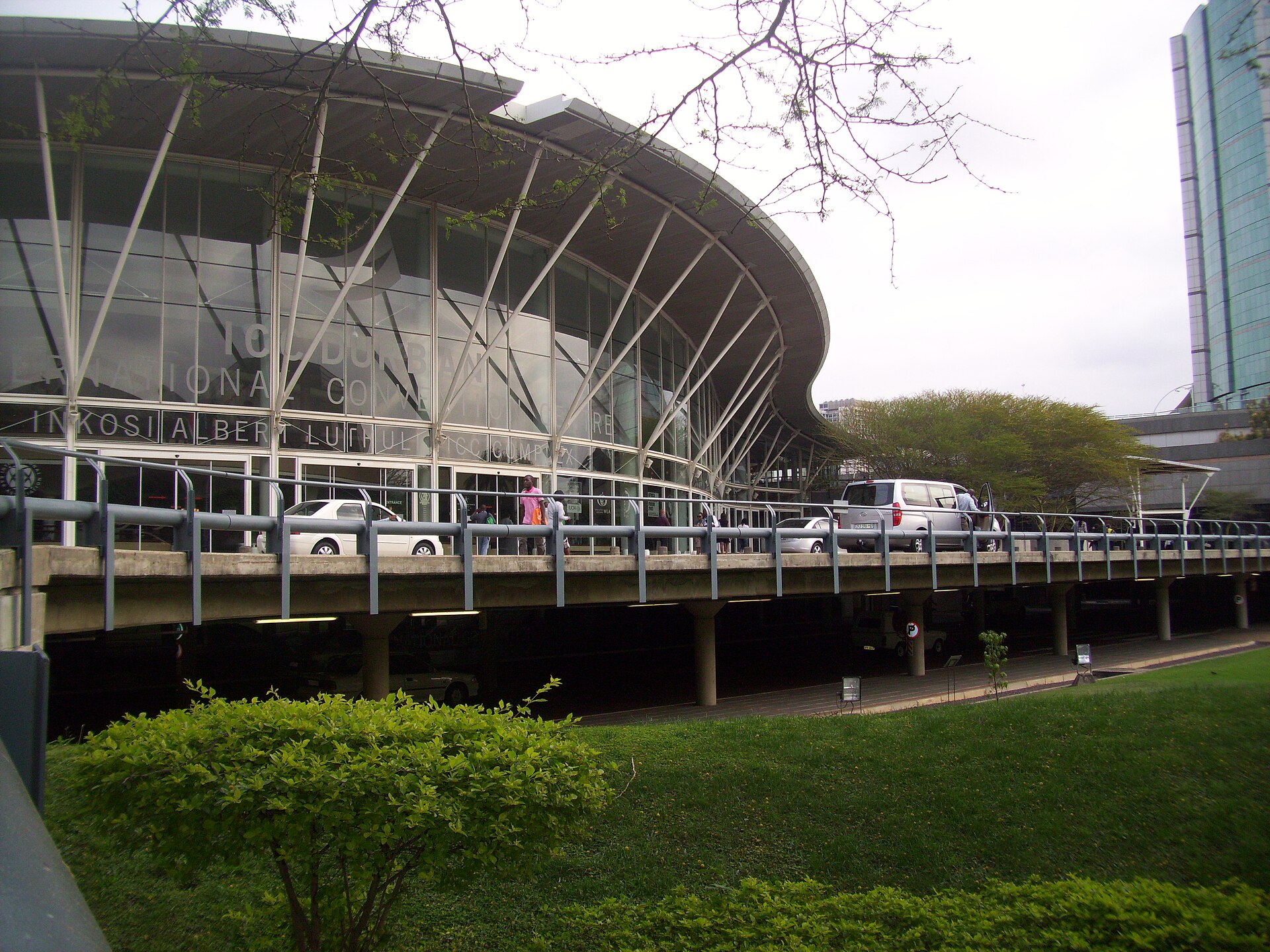
South Africa is preparing to welcome the region’s leaders to Durban for the 46th Ordinary Southern African Development Community (SADC) Summit of Heads of State and Government on 17 August, a landmark gathering at which President Cyril Ramaphosa will formally assume the SADC Chairpersonship for the 2026/27 term.
The summit places South Africa at the helm of the 16-member regional bloc, with leaders expected to adopt decisions aimed at accelerating industrialisation, strengthening infrastructure development, enhancing food security and advancing regional integration.
Briefing the media in Pretoria on Wednesday, Minister of International Relations and Cooperation Ronald Lamola said South Africa was honoured to host the summit under the theme “Resilient, Sustainable and Inclusive Industrialisation through Infrastructure Development, Agricultural and Critical Minerals Transformation in Pursuit of a Just World”.
Two weeks of careful preparation
The summit process is already underway, with technical meetings having begun at the Inkosi Albert Luthuli International Convention Centre in Durban. The Standing Committee of Senior Officials meets from 6 to 7 August, followed by the Finance Committee on 8 August, where member states will consider the SADC budget and resource mobilisation.
Between 9 and 11 August officials will finalise documentation before the SADC Council of Ministers convenes from 12 to 14 August under Minister Lamola’s chairpersonship, deliberating on industrialisation, infrastructure, regional trade, food security, health, regional financing and institutional reforms.
A highlight of the programme will be President Ramaphosa’s SADC Public Lecture on 14 August at the University of KwaZulu-Natal’s Westville Campus, which is expected to stimulate dialogue on implementing SADC Vision 2050 and strengthening regional integration. Heads of State and Government arrive on 16 August ahead of the official opening and a State Banquet hosted by the President.
Decisions that deliver
Lamola said preparations are centred on making SADC decisions more effective, measurable and capable of implementation. Heads of State and Government are expected to consider 47 decisions submitted through the summit process. Among the expected outcomes are:
- Accelerating regional industrialisation and regional value chains;
- Strengthening infrastructure connectivity and transport corridors;
- Enhancing agricultural productivity and food security;
- Advancing beneficiation of the region’s critical minerals.
Member states will also consider a proposed framework for SADC Presidential Champions, under which Heads of State would personally champion priority regional programmes spanning infrastructure, industrialisation, agriculture, mining, resource mobilisation and social development.
South Africa’s year at the wheel
The chairpersonship gives South Africa a leading role in driving the Regional Indicative Strategic Development Plan 2020–2030, SADC’s primary development blueprint, at a time when the region is looking to translate ambition into delivery.
For Durban, the summit is another turn in the international spotlight, and for South Africa, it is an opportunity to show the warmth, capability and leadership the country brings to the region it calls home.
Photo: commons.wikimedia.org


_(6156349529).jpg)
Leave a Reply