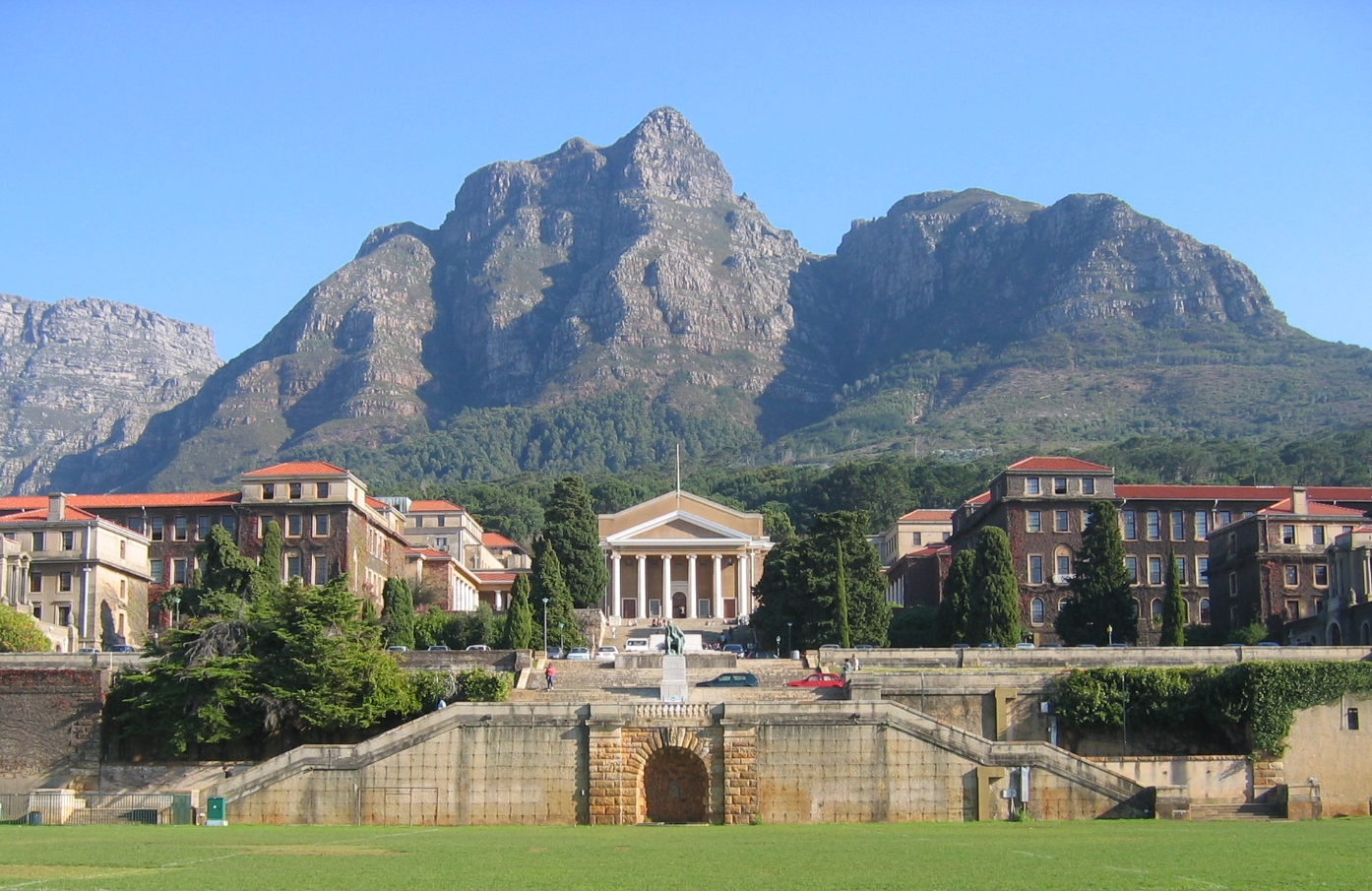
South Africa’s universities are standing tall on the world stage. The University of the Witwatersrand has been named Africa’s leading university in the 2026 Centre for World University Rankings, while the University of Cape Town continues to earn global recognition as one of the continent’s highest-performing institutions — twin achievements that confirm the country’s higher education system as a strategic national asset.
Writing for SAnews, William Baloyi describes the growing international standing of South Africa’s universities as a story worth celebrating — one that reflects the country’s intellectual capital, capacity for innovation and ability to compete globally.
Wits leads the continent
Wits’s top ranking in the 2026 Centre for World University Rankings reflects the university’s excellence in research, educational quality, faculty performance and graduate employability. It reinforces the role South African universities play in advancing knowledge, innovation and development across the continent and beyond.
UCT’s recognition is equally impressive. In major international rankings — including the 2026/27 US News and World Report Best Global Universities rankings and the QS World University Rankings 2027 — UCT is recognised as one of Africa’s highest-performing universities, on the strength of its research reputation, academic excellence, international collaboration and graduate outcomes.
Research that changes lives
The impact of South African universities is best seen in the research they produce. Wits public health leader and vaccinologist Professor Shabir A. Madhi has been recognised with one of the world’s leading infectious disease honours — testament to the calibre of scholarship the country’s institutions nurture.
Beyond the accolades, South Africa’s universities are advancing practical solutions to the country’s most pressing development priorities, from energy security and public health to food security, climate resilience and the future of work.
Mandela’s vision, alive on campus
The achievements carry an echo of history. Baloyi notes that the vision of a society where education, knowledge and opportunity drive transformation was central to the legacy of Nelson Mandela, who saw education as one of the most powerful tools for empowering people and building a more equal society.
Today, that vision lives in lecture halls and laboratories from Johannesburg to Cape Town. As South Africa works to accelerate inclusive growth, the strong performance of its universities is a reminder that investing in knowledge is an investment in the nation’s future — and on that score, South Africa is leading from the front.
Photo: commons.wikimedia.org










Leave a Reply