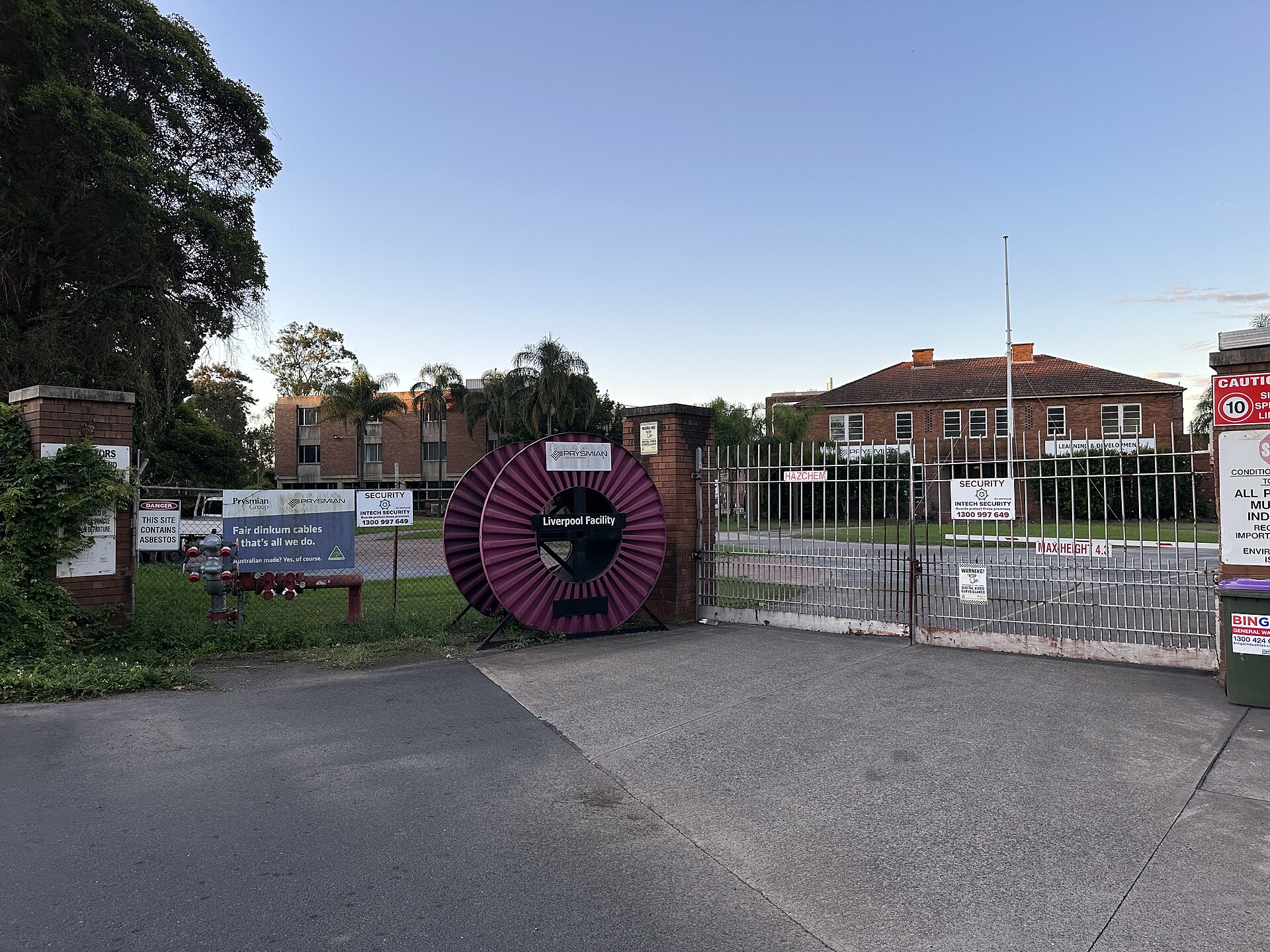
South African industry has been handed an inspiring challenge: open the doors wider for young people and turn the country’s industrial success stories into launchpads for the next generation.
Deputy Minister in the Presidency for Women, Youth and Persons with Disabilities, Mmapaseka Steve Letsike, delivered the call at the 80th anniversary celebration of cable manufacturer Aberdare Cables in Johannesburg, celebrating a company whose eight decades of resilience, adaptation and innovation have helped build South Africa’s infrastructure, telecommunications and mining sectors.
Eighty years of made-in-Mzansi manufacturing
Aberdare Cables today operates manufacturing facilities in Pietermaritzburg, Gqeberha and Gauteng, directly employing approximately 1 150 South Africans while supporting many more livelihoods through its suppliers and broader value chain.
Letsike said milestones like this one should also inspire reflection on the future, and especially on how young people can become central to South Africa’s next chapter of industrialisation.
“We cannot speak about the future of South African industry without speaking about the future of South Africa’s youth,” she said. “We cannot celebrate successful South African companies without asking how we bring more young South Africans into those companies.”
From classroom to factory floor
The Deputy Minister urged businesses to strengthen workplace-based learning through internships, apprenticeships, learnerships and graduate placements, and to create more opportunities for graduates of Technical and Vocational Education and Training (TVET) colleges, which are producing artisans and technicians with exactly the skills the country’s industrialisation programme needs.
“These young people need more than certificates. They need workplaces, mentors, practical experience, and their first opportunity to prove what they can do,” she said.
She encouraged manufacturing and infrastructure companies to join the Youth Employment Service (YES) programme and to partner with the Harambee Youth Employment Accelerator, taking on as many young people as they have capacity for.
Solar Mamas light the way
Letsike pointed to a shining example of what deliberate skills investment can achieve: through a partnership with the Energy and Water Sector Education and Training Authority (EWSETA), 22 young women from rural provinces including Limpopo, North West and the Free State travelled to India for training under the Solar Mamas programme, gaining practical skills in renewable energy design, manufacturing, installation and maintenance.
She said South Africa must position young people, particularly young women and persons with disabilities, at the centre of the sectors set to shape the economy’s future, including renewable energy, digital technology, advanced manufacturing, engineering, artificial intelligence and automation.
“Our young people must design, manufacture, install, maintain and ultimately own businesses within these value chains,” she said, adding that young South Africans are not seeking charity but the chance to demonstrate their skills, creativity, discipline and potential.
The story was first reported by SAnews.gov.za.
Photo: commons.wikimedia.org








Leave a Reply