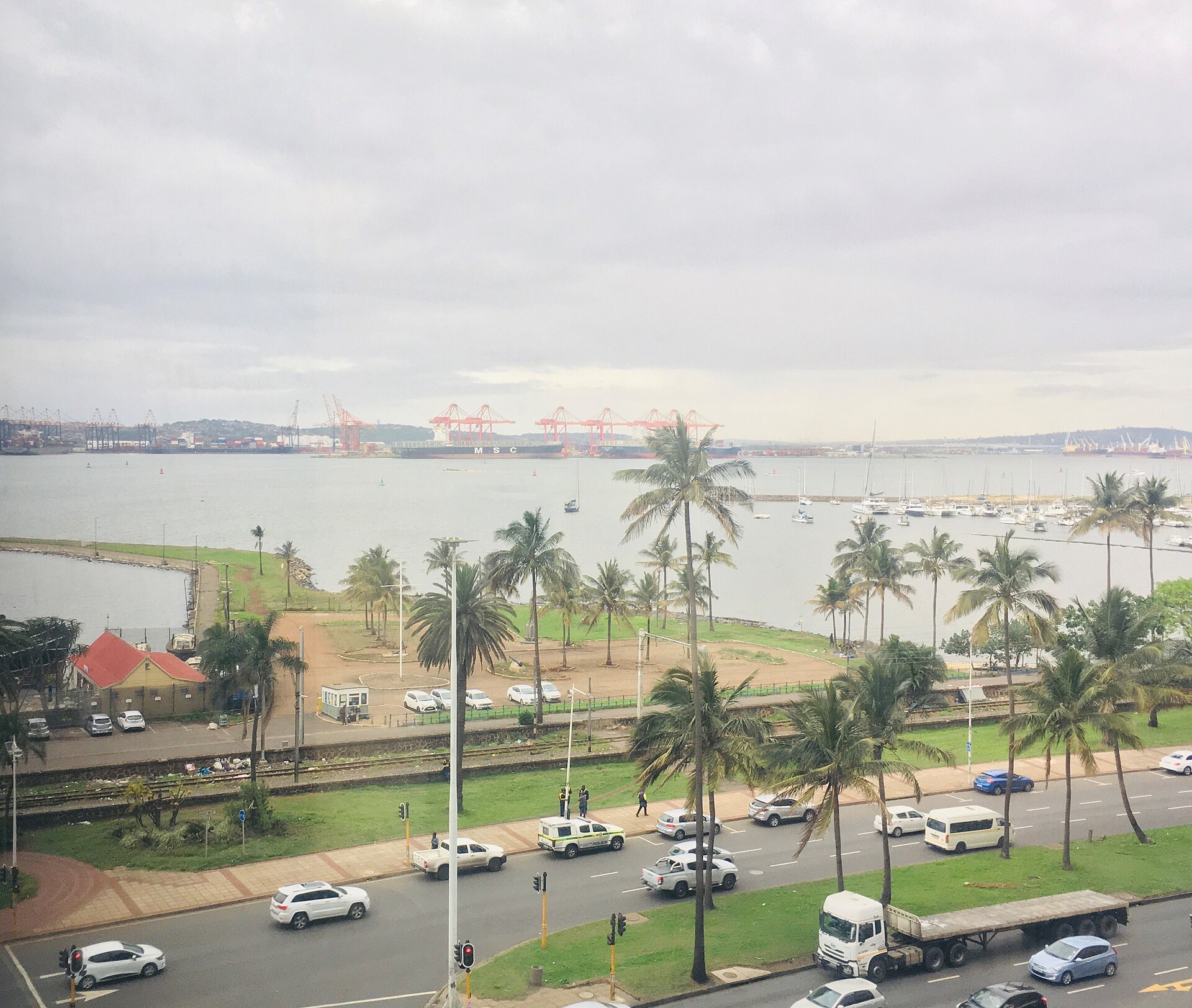
South Africa’s vast ocean economy holds enormous promise, and a national push is under way to make sure women share fully in its rewards.
Speaking at the National Women’s Month Commemoration hosted by Parliament at Sol Plaatje University in Kimberley, Northern Cape, on Thursday, Minister in the Presidency for Women, Youth and Persons with Disabilities Sindisiwe Chikunga called for a “maritime skills revolution” to open the sector to more South African women. Her message came as the country marks 70 years since the historic 1956 Women’s March.
Opening the ocean economy to women
Chikunga placed the ocean economy at the centre of efforts to build resilient and inclusive economies, describing the sea as a vast source of largely untapped potential. Findings from the first Maritime Skills Summit showed that men account for 71.5% of people employed in the maritime sector, while 54% of workers are between the ages of 35 and 55 – a snapshot the Minister wants to change.
“Black women will not merely take centre stage in this sector; they will have to be prioritised,” Chikunga said. She argued that far-reaching change is needed, both within the maritime sector and in society, to create the conditions in which women can participate meaningfully across every value chain in the ocean economy.
Building skills that stay at home
The Minister called for a skills revolution across high-potential areas including fisheries and aquaculture, offshore oil and gas, marine biotechnology, and coastal and marine tourism. Crucially, she said, the expertise to unlock these sectors must be developed locally.
“None of these will serve us if the skills that unlock them sit outside our borders,” Chikunga said, stressing that skills development and women’s empowerment must be built into the planning, implementation, and monitoring of how the country industrialises and beneficiates its ocean resources – rather than being treated as an afterthought.
She framed the goal simply: to break the cycle of a rich continent with poor communities, South Africa needs a sector-specific skills revolution that meets the current and future needs of the blue economy.
Honouring 1956, building the future
The commemoration was held under the theme “70 Years of Resistance, 72 Years of Vision – Advancing Gender Justice, Equality and Resilient Economies for All.” It forms part of South Africa’s Milestones of Freedom campaign, a year-long programme launched by President Cyril Ramaphosa on 18 June 2026 under the banner “Honouring the Past. Delivering the Future,” which celebrates milestones on the road to democracy while driving service delivery and social cohesion.
Chikunga said the nation has made significant strides since the women of 1956 marched for their rights, and that the task now is to turn hard-won rights into real participation, ownership and leadership for women in every sector.
“Our task is smaller than theirs. The laws are written. The doors of learning and culture are largely open. What remains is to walk our daughters through them – into the mines, into the ports, into the courts, and into this House – and to stay there until it is ordinary,” she said.
Photo: commons.wikimedia.org





Leave a Reply