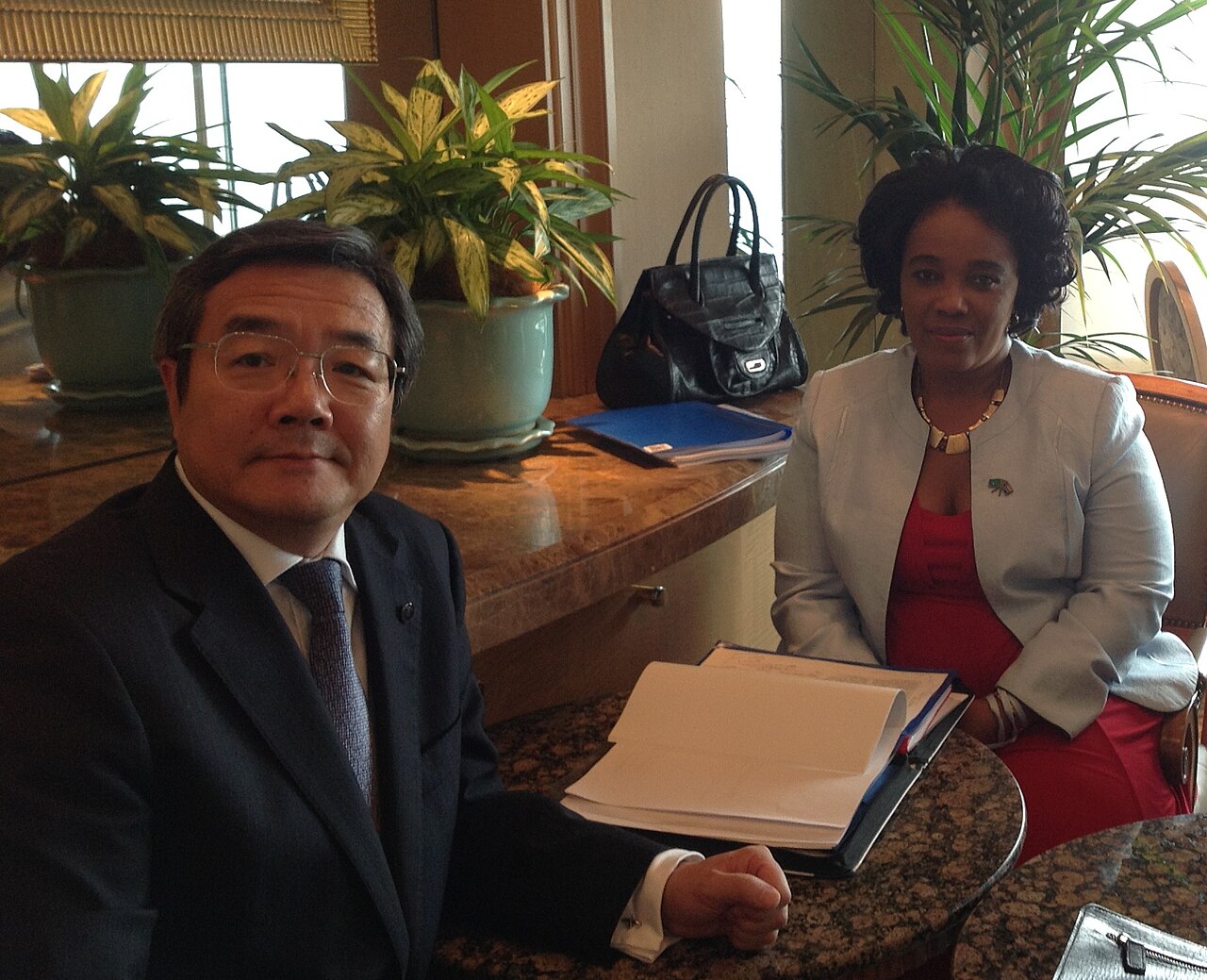
South Africa and China are joining forces to improve the lives of persons with disabilities, with a partnership that reaches from smart wheelchairs and artificial intelligence to accessible buildings and better data. The commitment was showcased this week when a delegation from the China Disabled Persons’ Federation visited South Africa, hosted by Minister in the Presidency responsible for Women, Youth and Persons with Disabilities, Sindisiwe Chikunga.
The visit builds on high-level discussions held in China in October 2025, and according to the Minister, the two countries are now moving from dialogue towards measurable, practical implementation, grounded in the United Nations Convention on the Rights of Persons with Disabilities and South Africa’s White Paper on the Rights of Persons with Disabilities.
Rights-Holders, Innovators, Equal Citizens
At the heart of the cooperation is a simple but powerful principle: persons with disabilities are not merely recipients of services, but rights-holders, economic contributors, innovators and equal citizens. Chikunga stressed that disability inclusion should not be a stand-alone programme, but must be woven through government planning, budgeting and digital transformation.
One flagship idea is a proposed Disability Nerve Centre of Excellence, conceptualised as a G20 legacy project for South Africa. The centre would work with Statistics South Africa, universities and other disability-data stakeholders, while the two countries exchange expertise on disability-disaggregated data, census methodologies and the ethical use of digital platforms, so that policy can be guided by a clear picture of who is being excluded and where barriers exist.
Technology With Dignity
Some of the most exciting terrain lies in assistive technology. The proposed cooperation covers smart wheelchairs and intelligent mobility devices, AI-supported speech-to-text and text-to-speech tools, navigation systems for blind and visually impaired people, accessible digital interfaces, AI-supported learning tools, rehabilitation technologies and smart-home solutions.
Chikunga was clear that innovation must reach the people who need it most, describing the goal as combining innovation with inclusion, technology with dignity and artificial intelligence with human rights.
Universal design is another major pillar. Accessibility, the Minister said, should be a normal, non-negotiable part of national development from the start, built into public buildings, transport networks, housing and digital platforms rather than added as an afterthought. Joint training on universal design and compliance auditing could benefit officials, architects, urban planners and IT professionals in both countries.
A Seven-Point Plan for Real Results
To make sure the partnership produces tangible outcomes rather than more meetings, the Minister proposed a seven-point action plan. It includes:
- A South Africa–China Disability Inclusion Knowledge Exchange Platform
- Joint capacity-building programmes and university research cooperation
- Collaboration with technology developers and organisations of persons with disabilities
- Joint exploration of AI and assistive technologies
- Deeper cooperation on disability data and statistics
- Joint programmes on universal design and accessibility
- Structured exchanges between learners with disabilities in vocational programmes in both countries
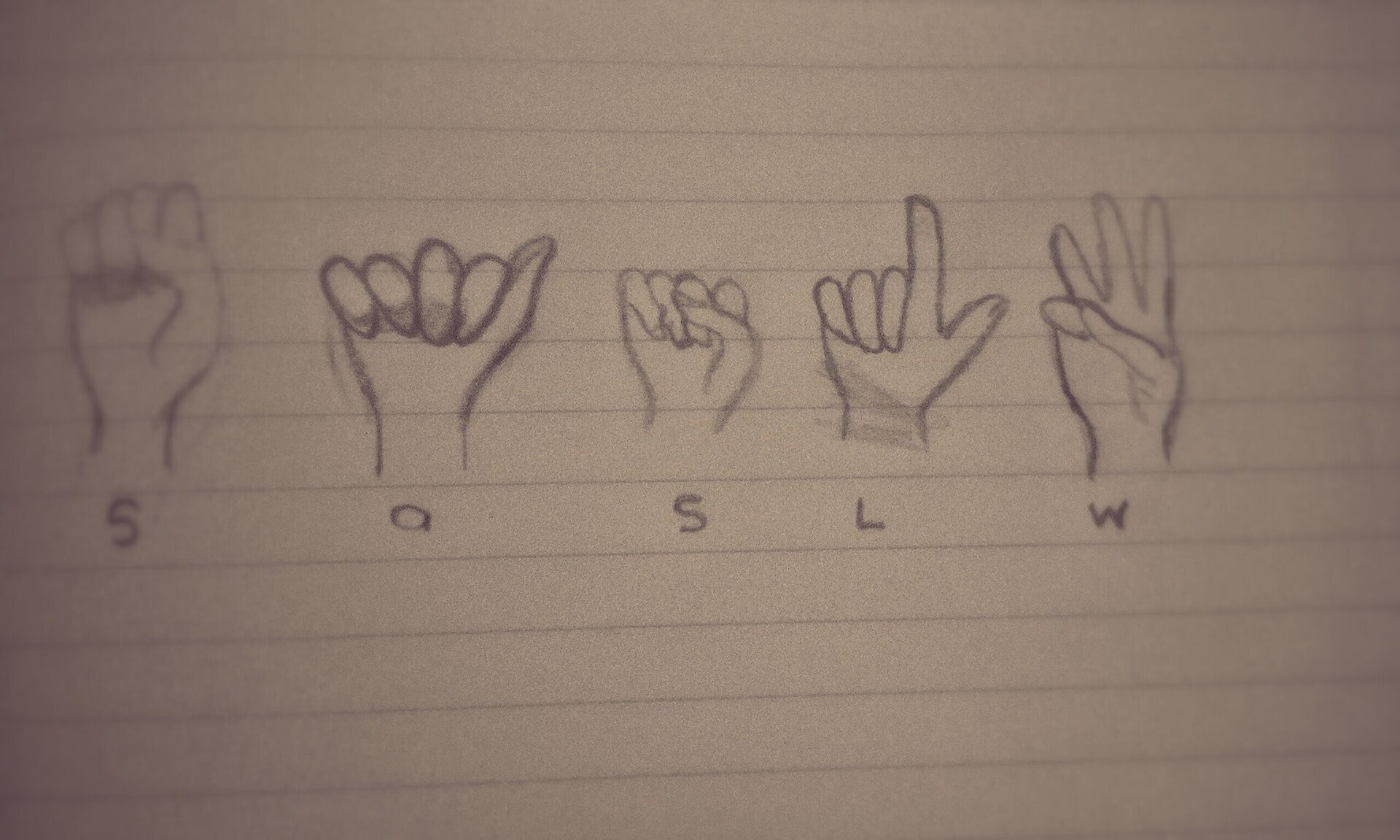
The plan also embraces accessible communication in all its forms, from Easy Read materials, Braille and captioning to South African Sign Language services and accessible websites, so that no one is locked out of education, employment, healthcare or justice by the format of information. It is a partnership with heart, and a blueprint for a more inclusive future on both sides of the Indian Ocean, according to the report by SAnews.
Photo: commons.wikimedia.org









Leave a Reply