
As South Africa marks the 70th anniversary of the historic 1956 Women’s March, the Gauteng Department of Health has delivered a fitting tribute: a 29% increase in cervical cancer screenings across the province, with almost 45 000 more women taking charge of their health in a single year.
According to the provincial department, 198 611 women were screened during the 2025/26 financial year, up from 153 703 the year before — an increase of 44 908 women accessing a service that can detect changes in the cervix early, before they ever develop into cancer, SAnews reported.
Honouring 1956 With Action
Gauteng MEC for Health and Wellness, Faith Mazibuko, said the progress shows what is possible when women have access to health information and services.
“The women of 1956 understood that progress begins when women stand up and act. Seventy years later, we honour them by ensuring that women are empowered with information and access to services that can save their lives. Every woman who goes for screening is taking charge of her health, her future and the wellbeing of her family,” she said.
The department attributes the improvement to cervical cancer awareness drives rolled out across all five of the province’s districts from the third quarter of the 2025/26 financial year. The West Rand recorded the greatest improvement, and targeted work is now planned to lift screening uptake even further in Ekurhuleni.
Protecting the Next Generation
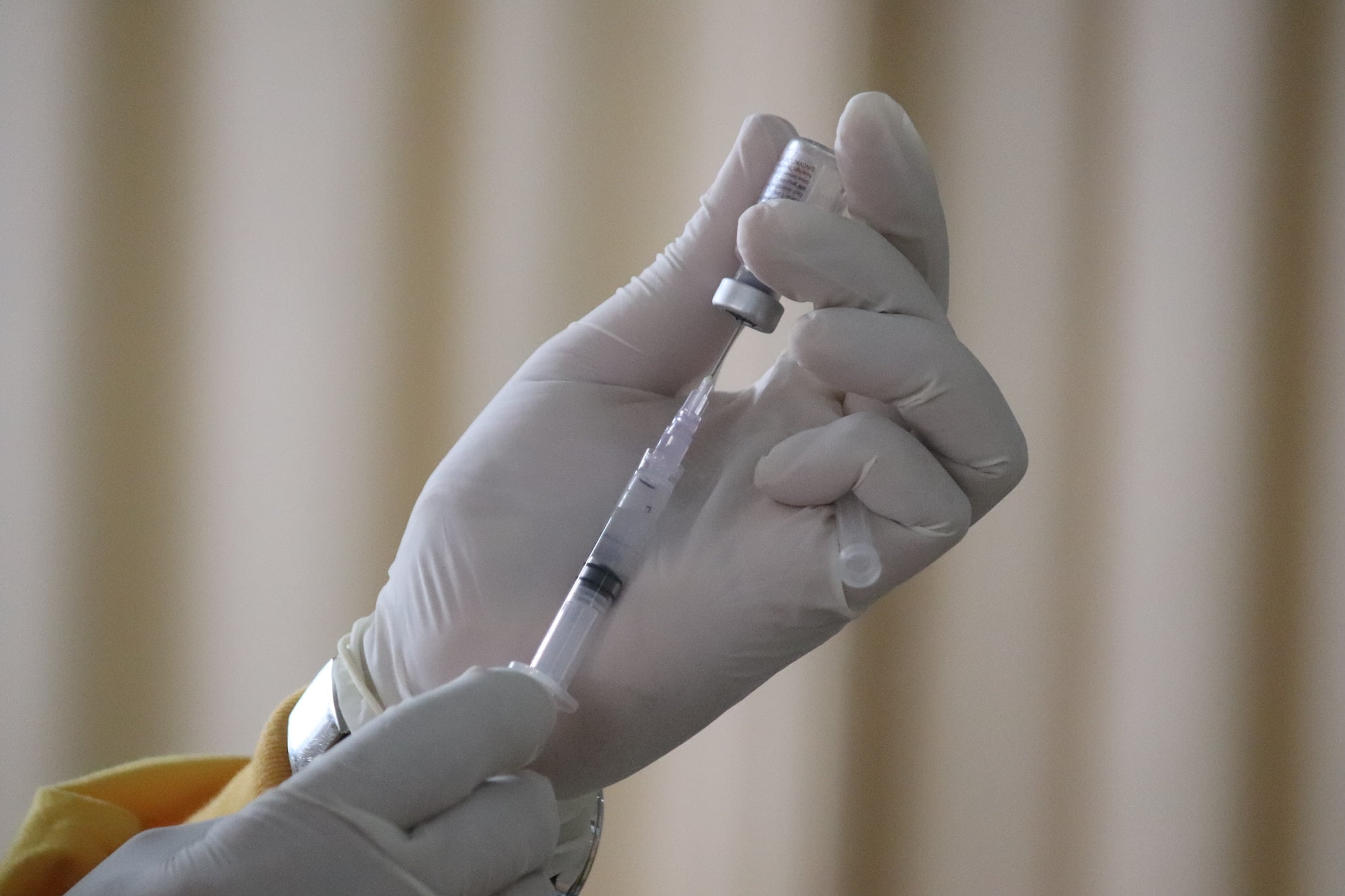
The screening surge goes hand in hand with Gauteng’s single-dose HPV vaccination campaign, which protects Grade-5 girls aged nine and older against the high-risk HPV types that cause most cervical cancer cases. During the 2025/26 period, 72 249 Grade-5 girls were vaccinated at public schools, with a further 9 740 vaccinated at independent schools.
Cervical cancer is largely preventable through HPV vaccination and regular screening, and it can be cured when detected early and treated promptly. That makes every one of those vaccinations and screenings a quiet victory for the province’s families.
Keeping the Momentum
In the current financial year, the department will continue its awareness drives and train Ward-Based Primary Health Care Outreach Teams to bring education directly into households. Under the screening programme, HIV-negative women are screened at the ages of 30 and 50, while women living with HIV are eligible from the age of 20.
The department has urged women not to wait for symptoms before screening, and called on parents to sign and return HPV vaccination consent forms promptly so that no eligible girl misses her protection. This Women’s Month, Gauteng’s message is clear: the march towards equality now runs straight through the clinic door — and tens of thousands more women are walking it.
Photo: commons.wikimedia.org









Leave a Reply